Photo credit: The Avid Outdoorsman
Gun companies love moving forward. New actions, new materials, new calibers, new furniture, new controls, new names. Sometimes the replacement really does improve the breed. Other times, the old gun refuses to leave. It keeps selling, keeps getting carried, keeps showing up in deer camps, patrol cars, gun safes, pawn shops, and range bags long after something newer was supposed to take its place.
That does not always mean the newer gun was bad. Sometimes the old model had better timing. Sometimes it already had trust. Sometimes shooters simply knew it worked and saw no reason to trade it for a slightly more modern answer. These are the firearms that quietly outlasted the models that were supposed to move the world past them.
Winchester Model 94
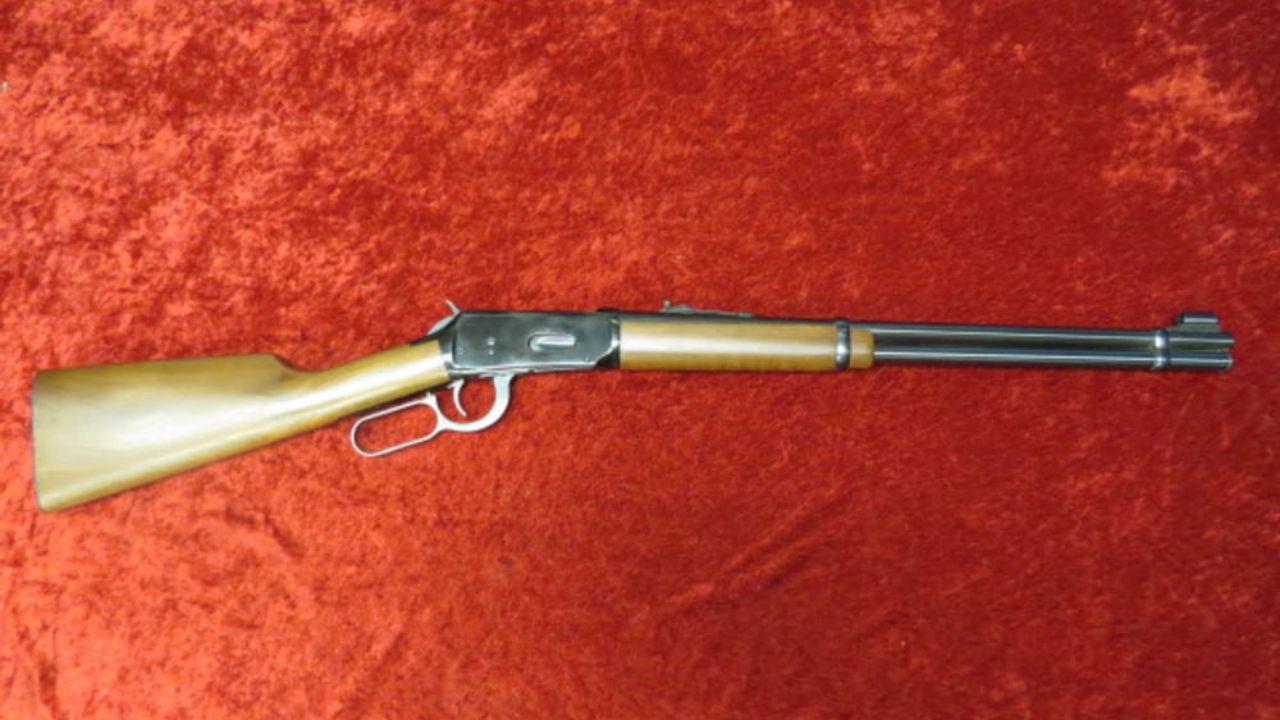
The Winchester Model 94 has been “outdated” so many times that the word barely sticks anymore. Bolt-actions, semi-autos, magnum cartridges, synthetic stocks, and modern straight-wall options all gave hunters reasons to move on. But the old Model 94 kept making sense in a way newer rifles had a hard time replacing. It was light, quick, easy to carry, and chambered in rounds that worked just fine inside normal woods distances.
A lot of deer rifles beat the Model 94 on paper. They shoot flatter, mount optics easier, and handle longer-range work better. That still does not erase what the 94 does well. In thick timber, brushy country, and old family deer camps, it remained useful long after sleeker replacements showed up. Plenty of hunters never needed a 400-yard rifle. They needed something that carried easy, pointed fast, and dropped deer where deer were actually found. The Model 94 kept doing that.
Marlin 336

The Marlin 336 survived because it gave lever-action fans something practical, not sentimental. Winchester had the iconic name, but the 336 brought side ejection and a solid-top receiver that made scope mounting far easier. That mattered once more hunters started putting glass on their deer rifles. It became one of those guns that quietly stayed relevant because it adapted better than people gave it credit for.
Plenty of newer rifles were supposed to push guns like the 336 aside. Lightweight bolt-actions, modern sporting rifles, and straight-wall cartridge rifles all made strong arguments. But the 336 kept its place because it was handy, dependable, and very good at real woods hunting. In .30-30, .35 Remington, and later other chamberings, it never needed to be flashy. It just needed to work from a tree stand, in a truck, or walking through timber. That kind of practical usefulness has a way of outlasting trends.
Remington 870

The Remington 870 is one of the clearest examples of a gun that should have been replaced several times over and never really disappeared. Semi-auto shotguns got better. Pump guns from other makers got cheaper. Tactical shotguns got more modern. But the 870 stayed in the conversation because generations of hunters, homeowners, police departments, and clay shooters already knew what it was.
The 870’s biggest advantage was trust. It was simple, strong, and familiar. Even when later production guns drew criticism and the brand went through rough years, the basic 870 design kept its reputation alive. There were plenty of shotguns meant to take its place, including newer pumps with more modern features and semi-autos that cycled faster. Still, an old Wingmaster or Police Magnum kept reminding people why the 870 had lasted so long. A replacement has to beat the old gun in the real world, not just on a feature chart.
Mossberg 500

The Mossberg 500 has outlasted a pile of shotguns because it never tried to be fancy. It became the working man’s pump gun — affordable, tough enough, easy to find, and simple to configure. Other shotguns came along with smoother actions, heavier steel receivers, or more refined finishes. The 500 kept selling because it hit the sweet spot for people who needed a shotgun that could sit by the door, ride in a truck, hunt birds, or pull home-defense duty.
Its tang safety helped it stand apart, especially for left-handed shooters or anyone who liked ambidextrous controls before that became a buzzword. The aftermarket grew around it, too, which helped the platform stay alive while competitors came and went. The 590 and 590A1 may be the tougher tactical branches of the family, but the 500 itself never became irrelevant. It survived by being useful, available, and easy to live with.
Ruger 10/22

The Ruger 10/22 has been surrounded by newer rimfire rifles for decades, and yet it still feels like the default answer. Companies have tried to beat it with lighter rifles, cheaper rifles, more tactical-looking rifles, and rifles with newer stock designs. Some are excellent. But the 10/22 has something most replacements never fully caught: a massive parts ecosystem and decades of shooter trust.
A good 10/22 can be a plinker, squirrel rifle, trainer, suppressor host, steel-challenge gun, or full custom build. That flexibility is why it keeps outlasting whatever is supposed to replace it. Newer rimfires may come with better triggers or rails from the factory, but the 10/22 can be turned into almost anything. Parents teach kids on them. Adults rebuild them. Serious shooters tune them. Casual shooters toss them behind the truck seat. A gun that useful does not get replaced easily.
Ruger Mark IV
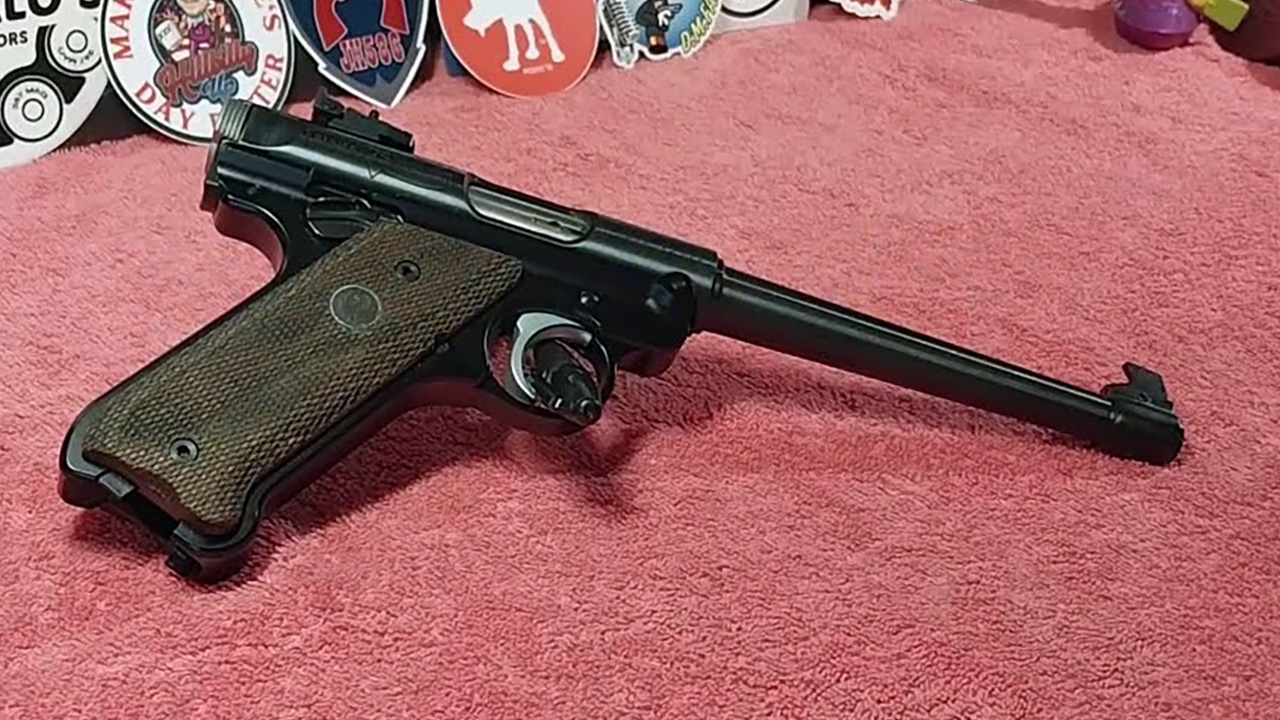
The Ruger Mark IV survived by fixing the one complaint that haunted the earlier Ruger rimfire pistols: takedown. The older Mark pistols were accurate, reliable, and loved by shooters, but fieldstripping them could test a man’s patience. The Mark IV modernized the platform without throwing away what made it last in the first place. That is why it outlived plenty of other rimfire pistols that tried to look newer or feel more tactical.
A lot of .22 pistols are cheaper, lighter, or more modern-looking. The Mark IV still makes sense because it shoots well and feels like a real pistol instead of a disposable plinker. The target models, hunter models, and tactical variants all serve different buyers without changing the core formula. It quietly outlasted flashier rimfire handguns because it did not need to chase every trend. Ruger kept the accuracy, fixed the pain point, and let the platform keep working.
Browning Buck Mark

The Browning Buck Mark has never been as loud in the culture as some other rimfire pistols, but it has stuck around for a reason. It shoots well, balances nicely, and gives buyers a more refined-feeling .22 pistol without making things overly complicated. Plenty of newer rimfire pistols arrived with tactical rails, polymer frames, threaded barrels, and budget pricing. The Buck Mark kept winning over shooters who cared more about the trigger and accuracy than the latest look.
What helped the Buck Mark last is that it always felt like a serious range pistol. It is comfortable, predictable, and accurate enough to keep experienced shooters interested while still being friendly for beginners. That is not easy to pull off. Some pistols are good starter guns but get boring fast. Others are too expensive or picky for casual use. The Buck Mark sits in the middle and keeps proving its worth every time someone wants a .22 pistol that actually rewards good shooting.
Glock 17
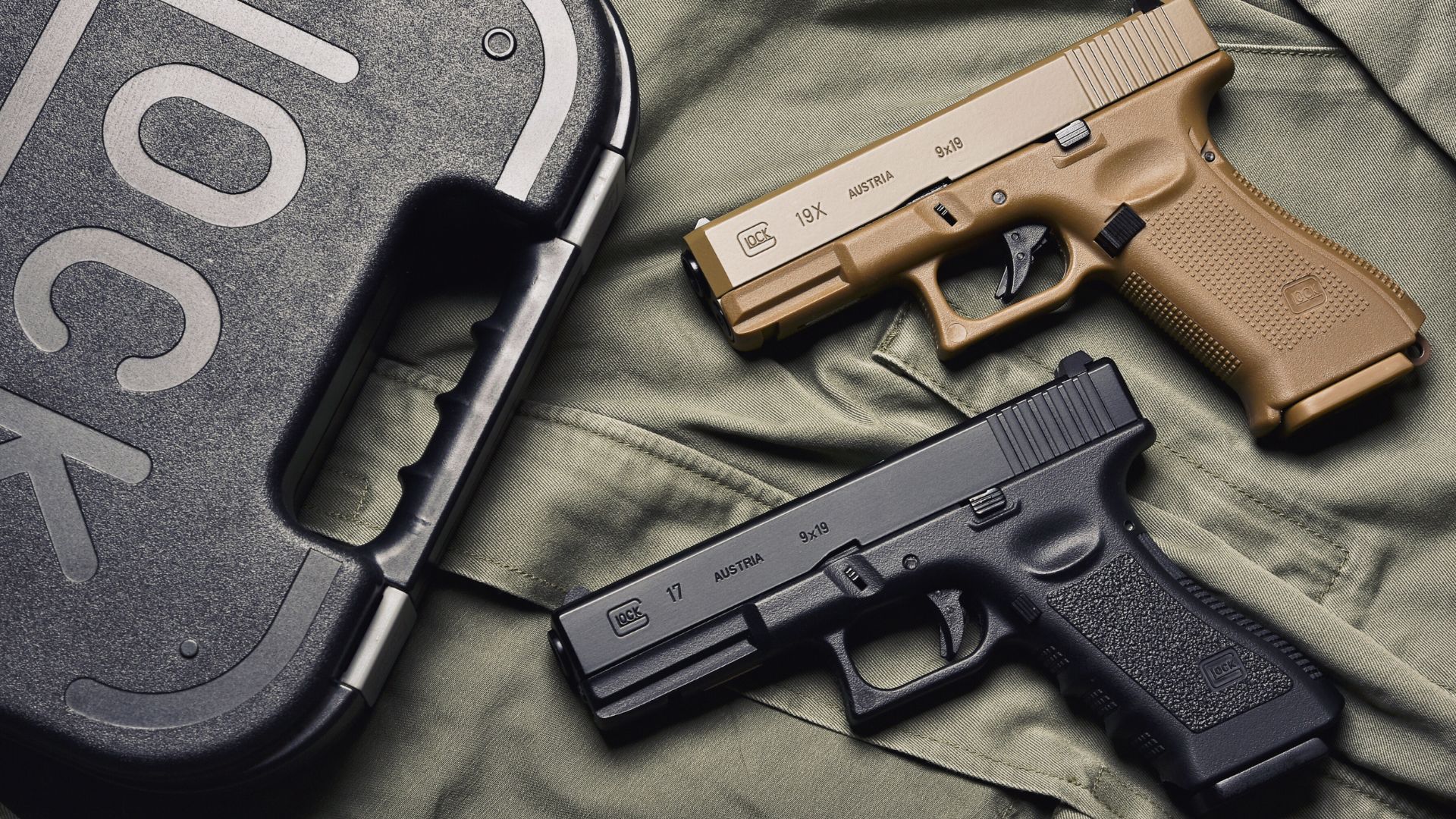
The Glock 17 has been “replaced” by smaller Glocks, optics-ready Glocks, modular pistols, hammer-fired holdouts, and half the striker-fired market. Still, the original full-size 9mm keeps making sense. It is not the easiest Glock to conceal, and it is not the newest idea in the room. But as a duty gun, range gun, home-defense pistol, or training pistol, it remains one of the cleanest answers ever built.
The Glock 19 gets more attention because it splits the difference between carry and duty use. The Glock 45 and Glock 47 brought newer configurations. Yet the Glock 17 keeps hanging around because a full-size grip, long sight radius, and simple operating system still matter. It shoots well, holds plenty of rounds, and has unmatched parts and magazine support. Newer pistols may feel better in the hand or come with fancier features, but the G17 quietly survives because it still does the job without drama.
Glock 19

The Glock 19 is one of those guns that has been challenged by nearly every serious compact 9mm released in the last thirty years. SIG, Smith & Wesson, CZ, Walther, HK, Springfield, FN, Canik, and plenty of others have all taken swings at it. Some beat it in grip feel. Some beat it in trigger quality. Some beat it in factory features. Yet the Glock 19 keeps refusing to leave.
The reason is not romance. It is logistics. Magazines are everywhere. Holsters are everywhere. Sights, barrels, triggers, parts, and support are everywhere. It is big enough to shoot well and small enough to carry. That balance is hard to kill. Many newer pistols are more comfortable or more exciting, but the G19 remains the measuring stick because it has already proven itself in millions of hands. A replacement has to do more than be nicer. It has to be trusted just as deeply.
Colt 1911 Government Model

The Colt 1911 Government Model has been replaced on paper for more than a century. Higher-capacity pistols replaced it. Lighter pistols replaced it. Striker-fired pistols replaced it. Double-stack 2011s replaced it. Yet the basic Government Model remains alive because shooters still value what it does well. A good 1911 trigger, natural grip angle, and slim frame continue to matter, even in a world obsessed with capacity.
No honest shooter should pretend the old Government Model is the easiest modern duty pistol to maintain or the most practical everyday carry choice for everyone. But that has not stopped it from lasting. Bullseye shooters, collectors, custom builders, defensive pistol fans, and plain old .45 ACP loyalists kept the platform relevant. The 1911 survived replacements because it offers a shooting experience that newer pistols often imitate but rarely duplicate. It is old, but it never became pointless.
Smith & Wesson Model 10
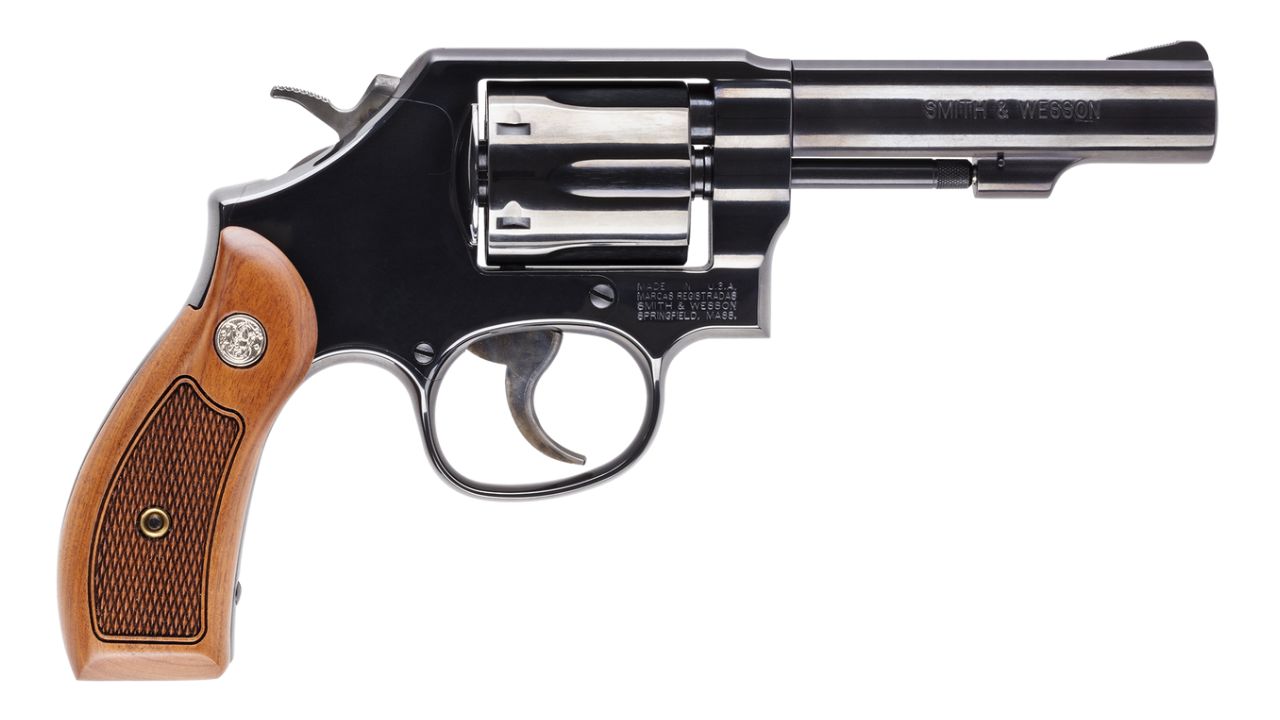
The Smith & Wesson Model 10 was supposed to fade away when police departments moved to higher-capacity semi-autos. In a duty role, it mostly did. But the gun itself never became useless. The Model 10 remained one of the great simple revolvers: fixed sights, .38 Special chambering, smooth double-action pull, and enough weight to make practice pleasant. That combination stayed useful long after it left most holsters.
The Model 10 outlasted replacement pressure because it never needed to be a modern tactical answer. It became a house gun, training gun, range gun, and affordable used revolver for people who wanted something simple and durable. Many newer defensive handguns offer more rounds, faster reloads, and easier optics options. That is all true. But a clean Model 10 still teaches trigger control, shoots comfortably, and lasts almost forever with normal care. The old service revolver did not disappear. It just changed jobs.
Smith & Wesson Model 686

The Smith & Wesson Model 686 lived through the rise of high-capacity semi-autos, polymer pistols, compact carry guns, and modern red-dot-ready handguns. None of that stopped it from remaining one of the most respected .357 Magnum revolvers around. It is too large for some carry roles and too traditional for buyers chasing modern features, but as a serious range, woods, home-defense, or field revolver, it keeps making sense.
The 686 survives because it gives shooters something many small revolvers do not: control. It has enough weight to tame .357 Magnum, a strong L-frame design, and the kind of trigger that keeps revolver fans loyal. Lighter defensive revolvers may carry easier, and semi-autos clearly win on capacity. But the 686 does not try to be those guns. It outlasted many replacements by being excellent at its own job. That is usually how the old ones survive.
Browning Hi-Power

The Browning Hi-Power spent decades being overshadowed by newer double-stack 9mms, then striker-fired pistols, then modern optics-ready guns. It still never really went away. Even after production ended and newer pistols took over the practical handgun world, interest in the Hi-Power remained strong enough that companies started bringing the concept back in updated forms. That says a lot about how deeply shooters liked the original.
The Hi-Power lasted because it handled beautifully. It was slim for a double-stack pistol, pointed naturally, and carried a sense of old-world refinement that many modern pistols lack. Its magazine disconnect and older sights were not perfect, and it was eventually outclassed in pure features. But the shooting experience kept it alive. When a gun is replaced but still inspires modern copies, custom builds, and renewed production, it clearly did something right. The Hi-Power did not lose relevance quickly. It aged into respect.
Savage 110

The Savage 110 has survived so many bolt-action trends that it almost feels permanent. Sleeker rifles came along. Lighter rifles came along. Budget rifles, premium rifles, chassis rifles, and long-range specialty rifles all tried to move the market. The 110 kept hanging around because it was accurate, affordable, and easy to work with. For hunters who cared about results more than brand prestige, that mattered.
The AccuTrigger helped keep the 110 modern when other older designs started feeling dated. Savage also leaned into different configurations, chamberings, and left-handed options, which helped the platform stay useful instead of frozen in the past. It may not carry the same romance as some classic bolt-actions, but the 110 quietly built a reputation for shooting well without demanding custom-rifle money. That is how it outlasted rifles that looked better in advertisements but could not offer the same mix of accuracy and value.
Ruger Mini-14

The Ruger Mini-14 has spent most of its life being compared to the AR-15, and that comparison has not always been kind. The AR is more modular, usually more accurate, easier to customize, and far more dominant in the modern rifle world. By all normal market logic, the Mini-14 should have faded hard. Instead, it kept a loyal following because it offered something different enough to survive.
The Mini-14 appeals to shooters who want a handy .223 rifle without the full AR feel. Ranchers, truck-gun fans, ban-state buyers, and people who simply like traditional rifle handling kept it alive. It is not the best answer for every role, and older accuracy complaints were not imaginary. But the rifle remained useful, especially in places where AR ownership is more complicated or less appealing. The Mini-14 outlasted replacement pressure by being familiar, handy, and just different enough from the rifle that supposedly made it obsolete.
Like The Avid Outdoorsman’s content? Subscribe to our newsletter so you never miss an article.
Here’s more from us: