Photo credit: John Navajo/Shutterstock.com
Every rifleman has a favorite load that prints tight clusters on a calm morning, only to scatter once the breeze starts moving grass. Wind drift humbles a lot of calibers that look perfect on paper. Light bullets with sleek trajectories impress on targets, but they don’t have the weight or momentum to resist crosswinds past a couple hundred yards. Out in open country—where mirage and gusts never settle—those lightweight bullets can drift a foot or more before they reach the target. That’s the difference between a clean hit and a miss that sends an elk trotting over the ridge. These are the calibers that make you look like a marksman when the air’s still, and a rookie when it’s not.
.17 HMR
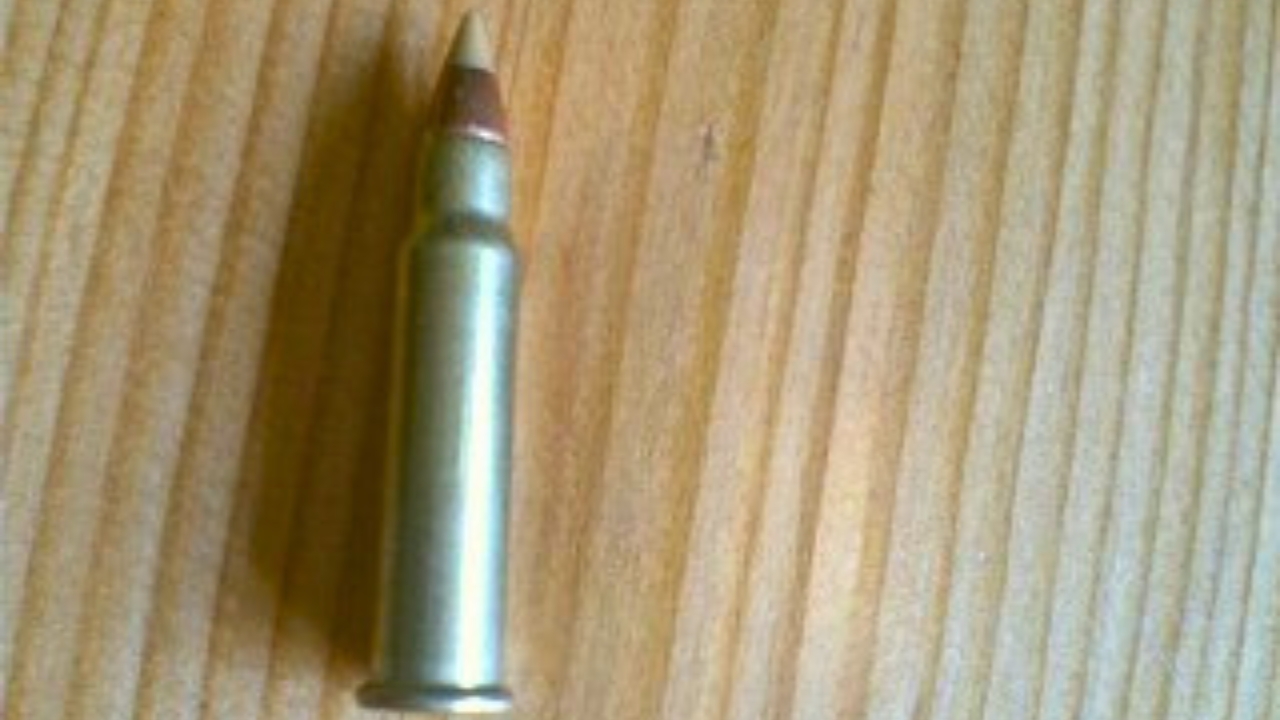
The .17 HMR feels like a laser at 100 yards. Flat, fast, and fun—until the wind shows up. With bullets around 17 grains, even a mild crosswind turns precision into guessing. At 200 yards, a 10-mph breeze can push your impact several inches off target, sometimes more depending on conditions.
It’s a fantastic round for prairie dogs and paper, but in variable wind, the lightweight projectiles don’t stand a chance. The cartridge sheds velocity quickly, and once it dips below 2,000 fps, it becomes wildly unpredictable. Many shooters blame their optics or barrel, but it’s the air doing the damage. Calm mornings make it shine; breezy afternoons make you question why you left your .22-250 at home.
.204 Ruger

The .204 Ruger might be one of the flattest-shooting varmint rounds ever made, but it’s no match for a steady crosswind. Those sleek 32- to 40-grain bullets scream out of the muzzle, yet their light weight means they drift more than you’d expect once they’re past 250 yards.
For coyote hunting in calm conditions, it’s a tack driver. Add wind, and your point of impact can move half a foot or more at 300 yards. The high speed fools a lot of shooters into thinking they’ve outsmarted physics, but the numbers don’t lie—speed can’t make up for low sectional density. It’s a cartridge that rewards morning hunts and sheltered shots but will frustrate anyone trying to thread rounds through gusting prairie air.
.22-250 Remington

The .22-250 is legendary for accuracy, but its lightweight bullets—usually between 50 and 55 grains—struggle in anything beyond a light breeze. They start fast, sure, but they also lose momentum quickly. By 400 yards, even a modest crosswind can drift your bullet close to a foot.
It’s devastating on varmints and predators when conditions are calm, but when the wind howls across open country, it starts to show its limits. You can counter it with heavier bullets, but that often means sacrificing the blazing velocities the cartridge is known for. It’s still one of the most accurate small-caliber centerfires ever made—you just need a calm day or a good range flag to keep it honest.
.220 Swift

The .220 Swift is another speed demon that falls victim to the same curse as the .22-250—light bullets and too much wind exposure. At over 4,000 fps, it’s easy to assume it’ll buck the breeze, but that velocity bleeds off fast. Once those 40- or 50-grain bullets slow down, they drift far more than shooters expect.
It’s a cartridge built for varmints, not for punching through gusts at distance. With its high muzzle blast and steep trajectory changes in wind, it’s easy to shoot well on still days and frustrating when the weather shifts. The Swift’s brilliance is precision under control. Once the flags start flapping, you’ll be adjusting more than shooting.
.243 Winchester

The .243 Winchester walks the line between small and medium game, but its lighter varmint loads are notorious for wind drift. Those 55- to 75-grain bullets zip out fast, yet they don’t carry enough sectional density to stay on track past 300 yards in gusty conditions.
Switch to heavier hunting bullets, and it improves—but even then, it’s not immune. The .243’s strength is versatility, not stability in wind. You can stretch it for deer or coyotes, but on open plains with crosswinds, it takes constant correction. It’s one of those cartridges that makes you look like a pro one day and a beginner the next—all depending on how the air moves.
6mm Creedmoor
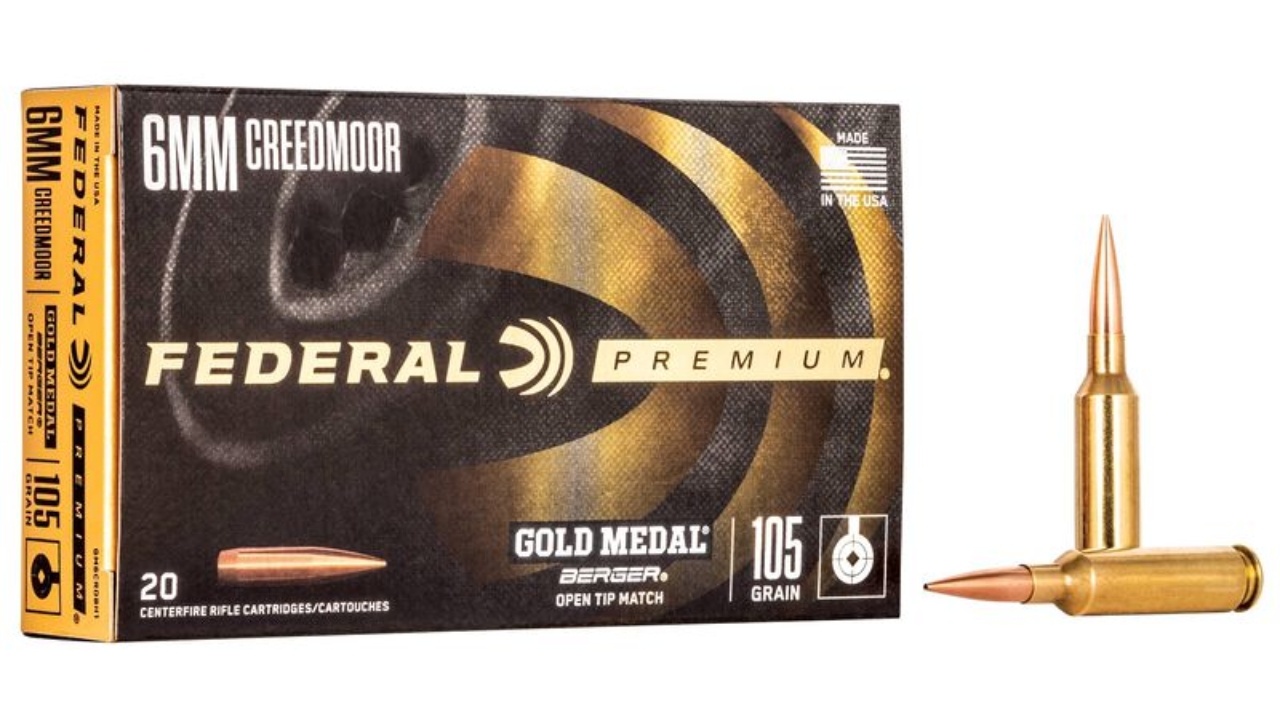
The 6mm Creedmoor was designed for competition, and it’s an accurate cartridge, no doubt. But the high ballistic coefficients that look great on paper don’t mean much if you’re shooting light-for-caliber bullets. Many factory loads use 95- to 108-grain projectiles that can still get bullied by heavy crosswinds at longer ranges.
Shooters chasing smaller recoil or faster speeds often forget that lighter bullets mean more drift. At 700 yards, even a 5-mph shift can move you several inches off center. The 6mm Creedmoor can perform exceptionally well—but only if you pair it with heavy, high-BC bullets and know how to read wind. Otherwise, it’ll tease you with tight groups at the range and disappoint you in unpredictable weather.
.25-06 Remington

The .25-06 has been a hunter’s favorite for decades, but it’s no secret that its lighter bullet options don’t handle wind well. Those fast-moving 100-grain loads hit hard but drift a surprising amount once they stretch beyond 400 yards. It’s a caliber that thrives in open terrain but punishes anyone who ignores the breeze.
Heavier bullets do better, but the .25-06 isn’t known for long-range consistency compared to modern 6.5mm cartridges. A quartering wind can push shots wide enough to miss a vitals-sized target at extended ranges. When it’s calm, it’s beautiful. When it’s not, it’s one of those cartridges that reminds you how deceptive speed can be.
.257 Weatherby Magnum

The .257 Weatherby Magnum shoots laser-flat, but its bullets—usually around 100 to 120 grains—are so fast they lose stability in gusty air. The cartridge was designed for long-range, high-velocity hits, but the truth is, even those sleek spitzers get tossed around once they slow down.
With that much velocity, even a slight crosswind magnifies error. It’s a superb deer and antelope round when the wind is mild, but it’s not forgiving. At 500 yards, you could see nearly a foot of drift in a 10-mph crosswind. That’s enough to turn a perfect hold into a clean miss. It’s the classic example of a flat shooter that tricks you into thinking you can ignore the weather—until the target proves otherwise.
.300 Blackout

The .300 Blackout wasn’t designed for long-range shooting, and it shows the moment the wind picks up. Subsonic loads are the worst offenders—slow, heavy bullets that drift feet off target past 150 yards. Even the supersonic rounds, running 110- to 125-grain bullets, get tossed around compared to standard rifle calibers.
It’s an excellent short-range option for suppressed setups or hog hunting, but it’s a poor performer when the breeze gets lively. The Blackout’s low velocity simply can’t resist environmental influence. Try stretching it past its comfort zone, and you’ll be chasing paper across the target backer. It’s an accurate round under the right conditions—but those conditions better be calm.
6.5 Grendel
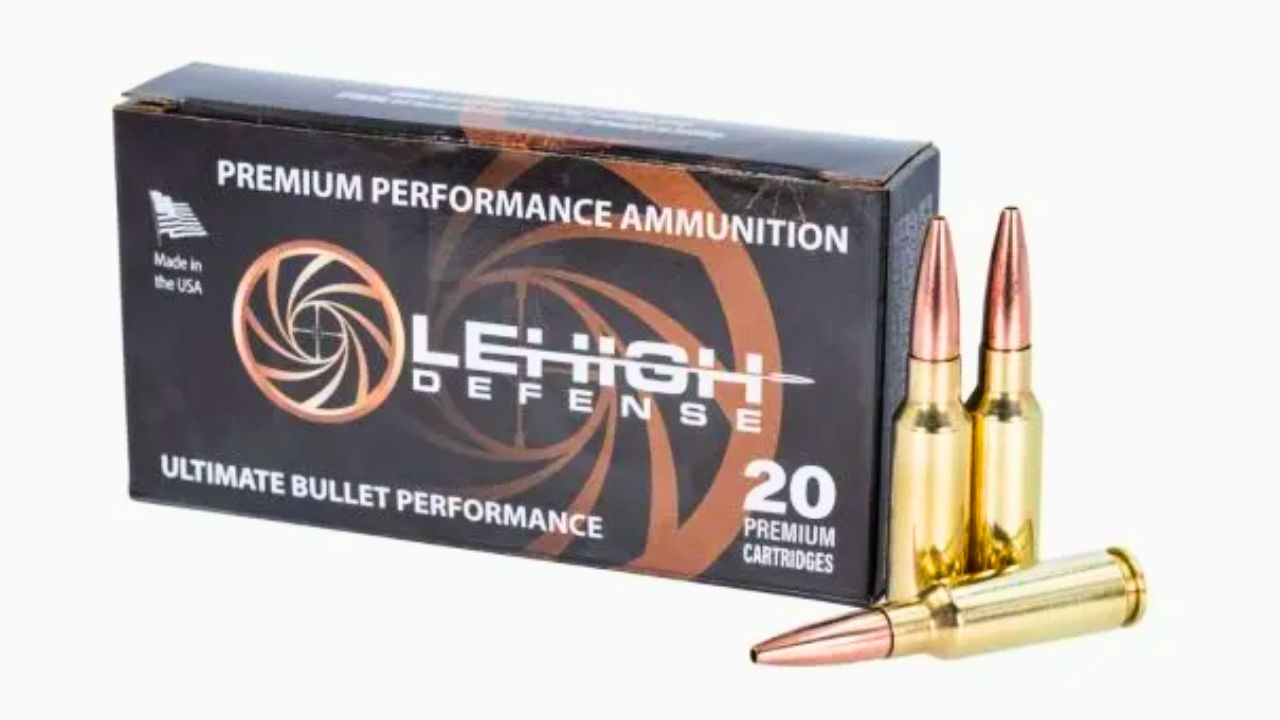
The 6.5 Grendel looks great on paper—efficient, accurate, and soft-recoiling. But in practice, it’s more sensitive to wind than its bigger 6.5mm cousins. Out of an AR platform, it runs bullets slower than the Creedmoor or .260 Remington, meaning even high-BC projectiles drift more at long range.
At 500 yards, a steady 10-mph crosswind can move the bullet over a foot off target. It’s capable, no doubt, but it demands precise wind calls and careful shot timing. The Grendel performs well inside 300 yards, but if you’re chasing long-range accuracy in blustery weather, it’s one of those cartridges that will humble even confident shooters.
.30 Carbine

The .30 Carbine has no business pretending to fight the wind. With its low velocity and round-nose bullets, it’s one of the most wind-sensitive cartridges ever fielded in a rifle. Even at 200 yards, a light breeze can push your shots inches off target, and past that, it’s anyone’s guess.
It was designed for close-quarters use, not open-country precision. That doesn’t stop people from trying, though, and they usually walk away frustrated. The .30 Carbine is charming and historically important, but if you try to stretch it on a breezy day, you’ll learn real fast that the wind’s in charge. It’s accurate in perfect conditions and embarrassing in anything less.
*This article was developed with AI-powered tools and has been carefully reviewed by our editors.