Photo credit: Barb Elkin/Shutterstock.com
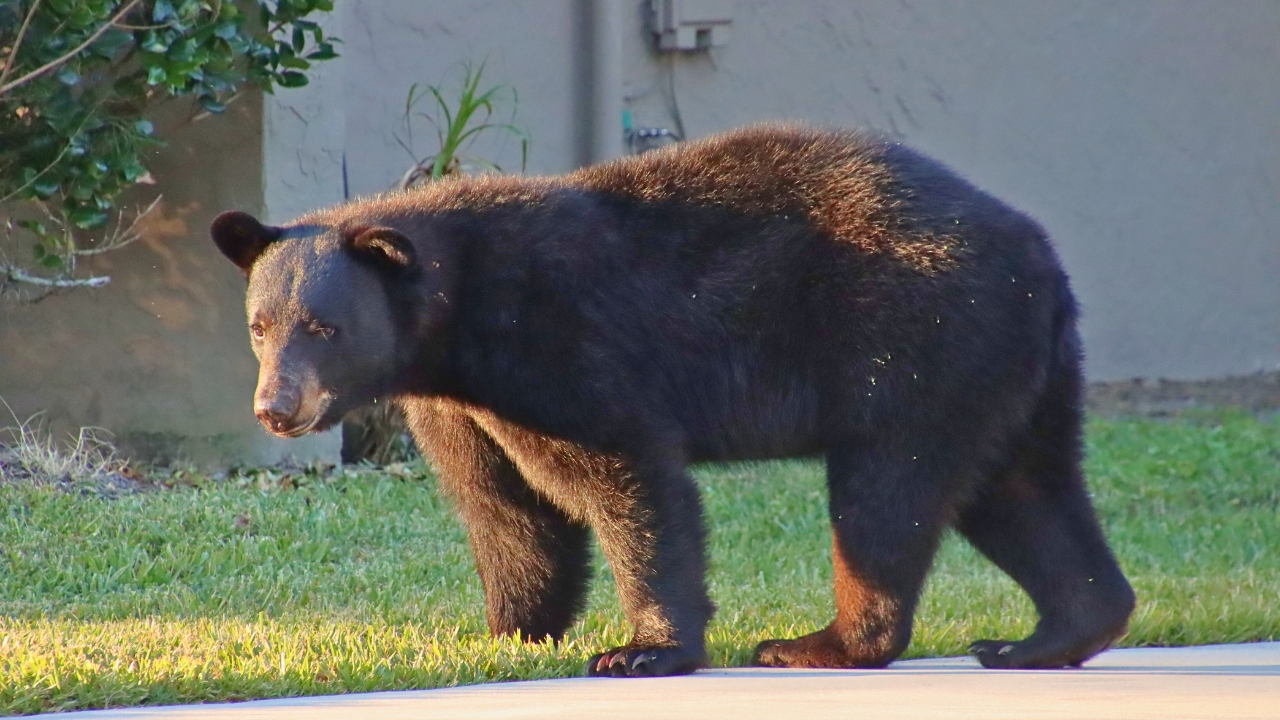
Black bears are one of North America’s great conservation success stories—but that success has come with consequences. As bear populations rebound and sprawl pushes deeper into once-quiet habitat, you’re seeing more bears where people live, walk dogs, and take out the trash. Most of these encounters aren’t dramatic charges or attacks. They’re nuisance situations: overturned garbage cans, smashed bird feeders, broken doors, and bears that lose their natural fear of people.
What makes this trend worth paying attention to is how fast it’s spreading. States that once saw bears only in remote country are now dealing with them in suburbs, small towns, and even city edges. If you live, hunt, hike, or own property in bear country—or near where bear country is expanding—these are the states where neighborhood encounters are becoming harder to ignore.
Colorado

Colorado’s black bear population has grown steadily, and the animals are increasingly comfortable around people. Along the Front Range and mountain towns, bears routinely move through neighborhoods looking for easy calories. Trash, grills, and pet food draw them in, and once a bear learns that homes mean food, it tends to come back.
You’re seeing more bear-related property damage reports and more hazing efforts by wildlife officers. The issue isn’t aggressive bears as much as habituated ones. When bears lose fear, conflicts escalate, and relocation rarely solves the problem. Colorado’s situation is a textbook example of how healthy bear numbers and human expansion collide, especially in communities that border forest and foothill habitat.
California

California’s black bears are turning up in places people don’t expect, including suburban neighborhoods and mountain towns packed with seasonal visitors. In areas like the Sierra Nevada and Southern California foothills, bears have learned how to exploit unsecured trash and even enter homes through open doors or windows.
You’re seeing a rise in nuisance reports rather than attacks, but the behavior is still a concern. Bears that associate neighborhoods with food quickly become repeat offenders. California’s mix of dense human populations and prime bear habitat makes enforcement tricky. Education and attractant control matter here, because once a bear starts breaking into houses, its odds of survival drop fast.
New Jersey

New Jersey surprises a lot of people, but it has one of the most visible nuisance bear problems in the East. Black bears thrive in the northern part of the state, where forests sit right next to subdivisions. You’re not talking about deep woods encounters—you’re talking about bears walking through backyards and crossing school parking lots.
The state sees regular spikes in bear complaints during summer and fall when food demands peak. Garbage and bird feeders are the main draw. The challenge here is density: a lot of people, a lot of bears, and not much buffer between them. That combination leads to frequent management debates and ongoing pressure on wildlife agencies.
Pennsylvania

Pennsylvania’s bear population has expanded well beyond traditional mountain strongholds. You’re seeing more bears show up in suburban and semi-rural neighborhoods, especially in the central and northeastern parts of the state. As bears follow food sources, they naturally drift toward places with human activity.
Most encounters involve property damage, not aggression. Still, repeated exposure to people changes bear behavior. Wildlife officers deal with bears that refuse to leave neighborhoods because the food rewards are too consistent. Pennsylvania’s situation shows how a strong hunting culture and healthy wildlife numbers don’t automatically prevent conflict when development pushes deeper into forested land.
North Carolina

North Carolina has seen a noticeable rise in neighborhood bear encounters, especially in western mountain towns and fast-growing foothill communities. Black bears here are adaptable and quick learners. Once they find unsecured trash or outdoor food, they’ll revisit the same streets night after night.
You’re often dealing with young bears dispersing into new areas, which explains why some neighborhoods suddenly see activity where there was none before. The state emphasizes coexistence strategies, but success depends heavily on residents securing attractants. When they don’t, bears get comfortable, and that’s when nuisance situations multiply.
Tennessee

Tennessee’s bear issues are closely tied to tourism and development around the Smokies. In gateway towns and nearby neighborhoods, bears encounter food-conditioned environments daily. Dumpsters, rentals, and vacation homes create constant opportunities.
You’re not seeing widespread attacks, but you are seeing bears that ignore people and move confidently through residential areas. That lack of fear is what concerns wildlife managers. Tennessee’s experience shows how human behavior—not bear aggression—drives most conflicts. When food access isn’t controlled, bears keep pushing deeper into neighborhoods.
Virginia

Virginia’s black bear population is healthy and expanding, and that expansion is bringing bears into suburban and exurban neighborhoods. Northern Virginia and western mountain regions see increasing complaints, especially during late summer and fall.
You’re usually dealing with bears that are curious and food-motivated, not confrontational. Still, repeated visits create safety concerns. Virginia has focused on public education, but the pace of development often outstrips awareness. As forests are broken into smaller parcels, bears move through neighborhoods as part of their normal travel routes.
New York

In New York, nuisance bears are becoming more common outside traditional Adirondack territory. Suburban areas upstate are seeing increased bear sightings as animals follow green corridors and food sources.
You’re likely to encounter bears raiding trash or bird feeders rather than showing aggression. The problem is predictability. Once a bear learns a neighborhood schedule, it keeps coming back. New York’s growing suburban footprint means bears and people are crossing paths more often, especially in areas where forest and development overlap tightly.
Connecticut

Connecticut’s bear population has rebounded enough that neighborhood encounters are no longer rare. Bears now turn up in residential areas where residents may have never dealt with them before. That unfamiliarity makes conflicts more likely.
You’re seeing bears that wander through yards in daylight and show little fear. Trash access is the main issue, but compost and pet food play a role too. Connecticut’s situation highlights how even small states with limited wild land can experience significant bear-human overlap when populations recover.
Massachusetts

Massachusetts has seen steady increases in bear sightings around towns and suburbs, particularly in the western part of the state. Bears travel along wooded corridors that often cut straight through residential areas.
Most nuisance reports involve property damage rather than direct encounters. Still, bears that grow accustomed to people are harder to manage. Massachusetts relies heavily on coexistence messaging, but that only works when residents take it seriously. The more attractants available, the more bears you’ll see testing neighborhood boundaries.
Minnesota

Minnesota’s black bears are expanding into areas closer to towns and rural neighborhoods. As forests mix with farms and housing, bears find easy food sources that pull them out of traditional habitat.
You’re likely to encounter bears around bird feeders, livestock feed, and garbage. Most are not aggressive, but repeated visits increase the chance of escalation. Minnesota’s experience shows how even regions with long histories of bear presence can see rising nuisance issues when land use changes.
Wisconsin

Wisconsin has a strong bear population, and recent years have brought more reports from areas near towns and recreational properties. Bears follow seasonal food patterns, and neighborhoods often sit right in the middle of those routes.
You’re seeing bears that move through yards and camp areas with confidence. The issue isn’t population explosion—it’s overlap. As cabins and permanent homes spread into bear country, interactions become unavoidable. Wisconsin’s challenge is balancing successful wildlife management with growing human presence.
Montana
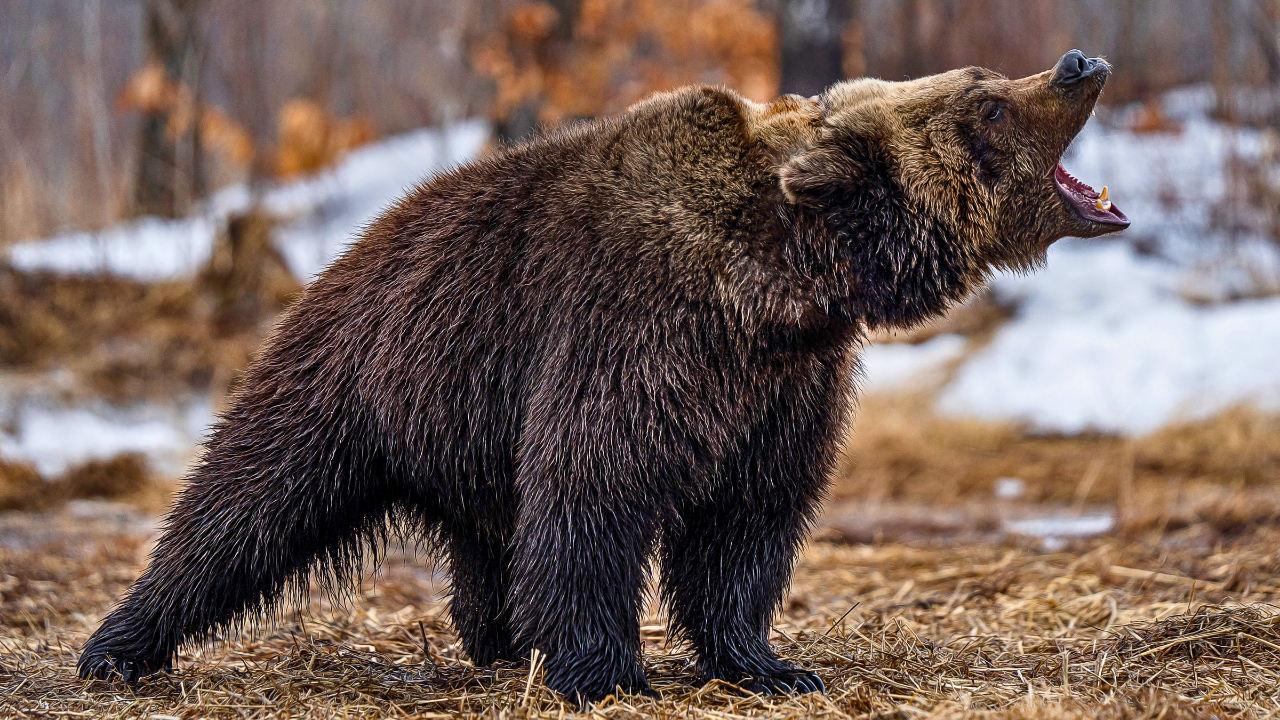
Montana deals with both black bears and grizzlies, but black bear nuisance issues around neighborhoods are increasing in certain regions. As development spreads into valley bottoms and forest edges, bears encounter people more frequently.
You’re often dealing with bears that test garbage and livestock feed before moving on. Still, repeated exposure leads to habituation. Montana’s wide-open reputation doesn’t eliminate conflict when homes and bears share the same travel corridors.
Idaho

Idaho’s growing human footprint in forested regions has led to more bear sightings near homes. Black bears in particular adapt quickly, learning where food is easiest to find.
You’re seeing nuisance reports rise in areas that once saw little bear activity. These are often younger bears exploring new territory. Idaho’s experience shows how quickly bear range can expand when habitat remains good and human attractants are plentiful.
Washington
Washington’s black bears are increasingly visible around suburban and rural neighborhoods, especially where development presses against forest land. Bears use greenbelts and riparian zones to move quietly through populated areas.
You’re most likely to encounter bears during dawn and dusk, but daylight sightings are becoming more common. Trash and fruit trees are major attractants. Washington’s situation underscores a simple truth: when bears and people share space, conflict depends less on bear numbers and more on how well humans manage food access.
Like The Avid Outdoorsman’s content? Subscribe to our newsletter so you never miss an article.
Here’s more from us: