Photo credit: 9 Mil Ridge/YouTube
A gun can be “fine” in the sense that it fires and doesn’t explode. That’s a low bar. New shooters often don’t know what they’re missing: good triggers, usable sights, repeatable reliability, stable accuracy, and an ownership experience that makes training easier instead of harder.
These are the guns that convince beginners they’re the problem—or that constant frustration is normal—when the truth is they started with a tool that makes learning harder than it needs to be.
Hi-Point C9

New shooters buy the C9 because it’s affordable, and some of them run reliably. But it misleads beginners because it’s heavy, clunky, and not pleasant to shoot or carry. Beginners assume “pistols are just like this,” when most modern carry pistols are far more refined.
It can also create a false sense of confidence: “It shoots at the range, so I’m good.” Then they realize carrying it is miserable, and shooting it fast and accurately isn’t easy. A first gun should encourage practice, not discourage it.
SCCY CPX-2
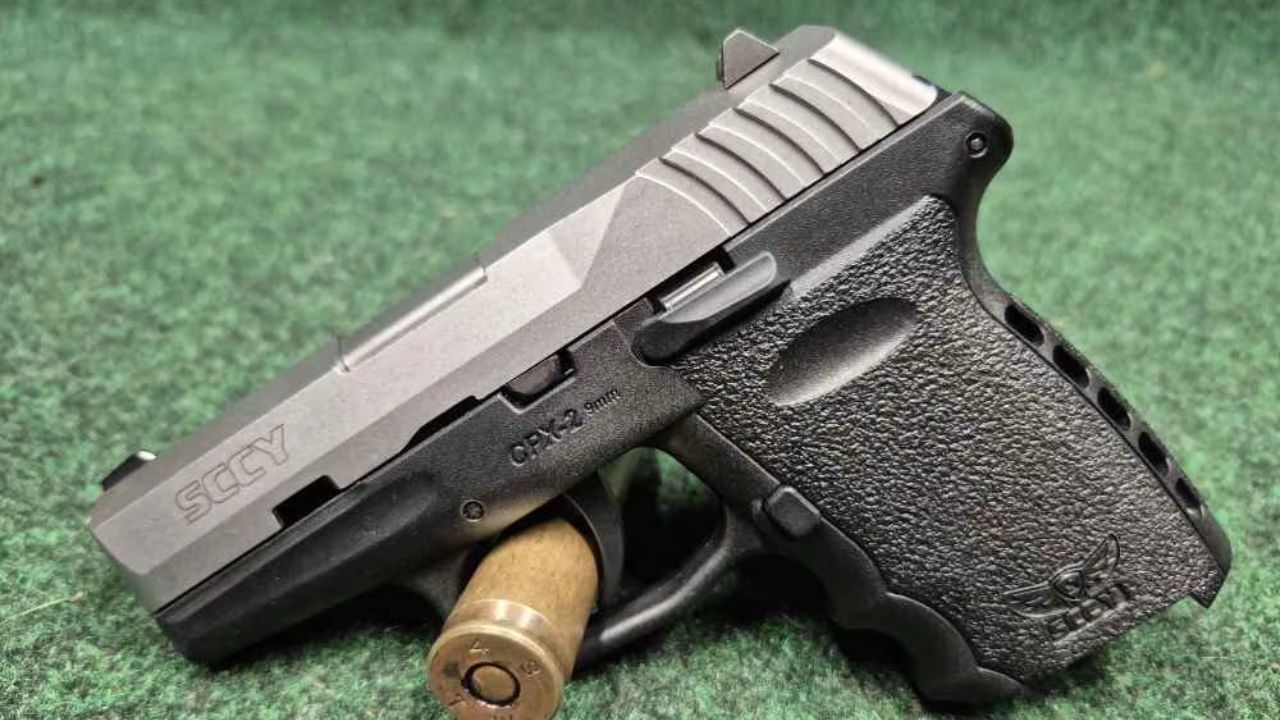
That heavy trigger teaches bad habits. New shooters often yank through it and start flinching or steering the muzzle. They think they “can’t shoot,” when really they’re fighting a trigger that’s not helping them learn.
The CPX-2 also makes people think long, heavy triggers are “safer” because they feel deliberate. Safety comes from training and discipline, not from a trigger that makes you miss under pressure.
Taurus PT111 G2 / G2C
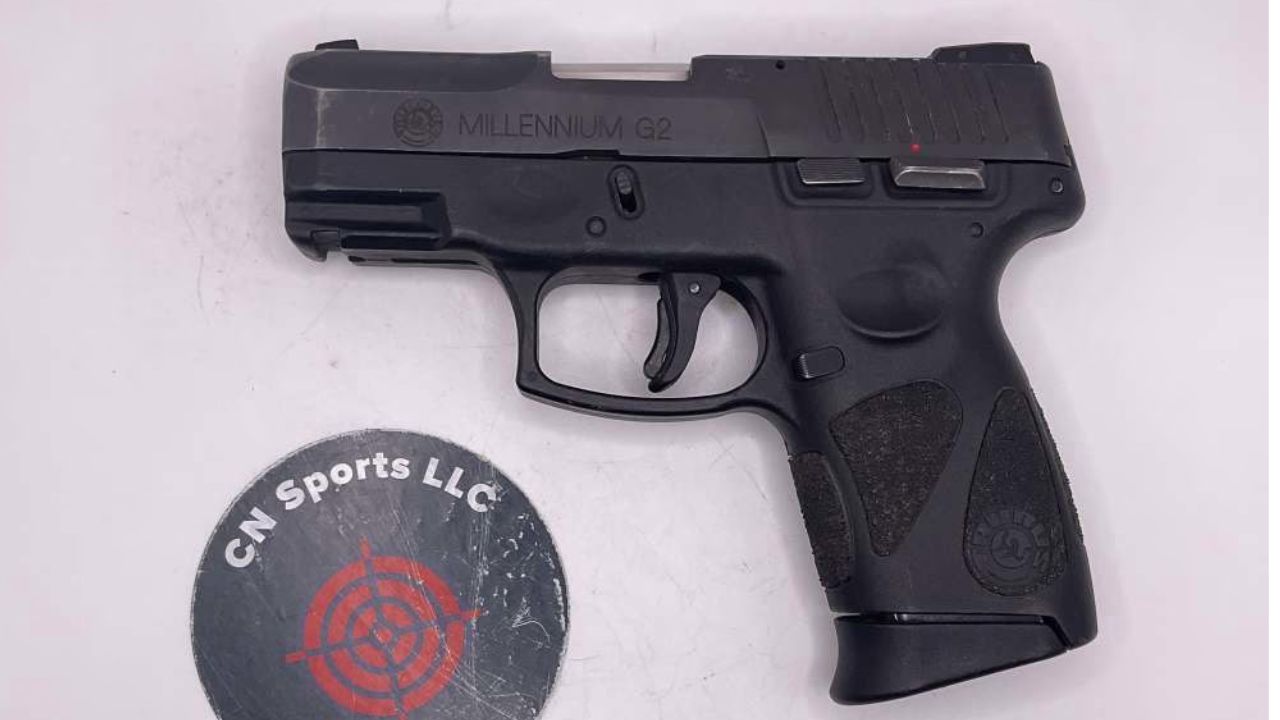
The G2C misleads beginners because it often feels like a great deal: compact, affordable, lots of praise online. But the shooting experience can be inconsistent, and some examples are less reliable than beginners are equipped to diagnose.
A new shooter needs a gun that removes variables. If the gun introduces variables—trigger feel, magazine issues, inconsistent performance—the shooter ends up confused and frustrated, thinking “this must be normal.”
Ruger LCP (Gen 1)
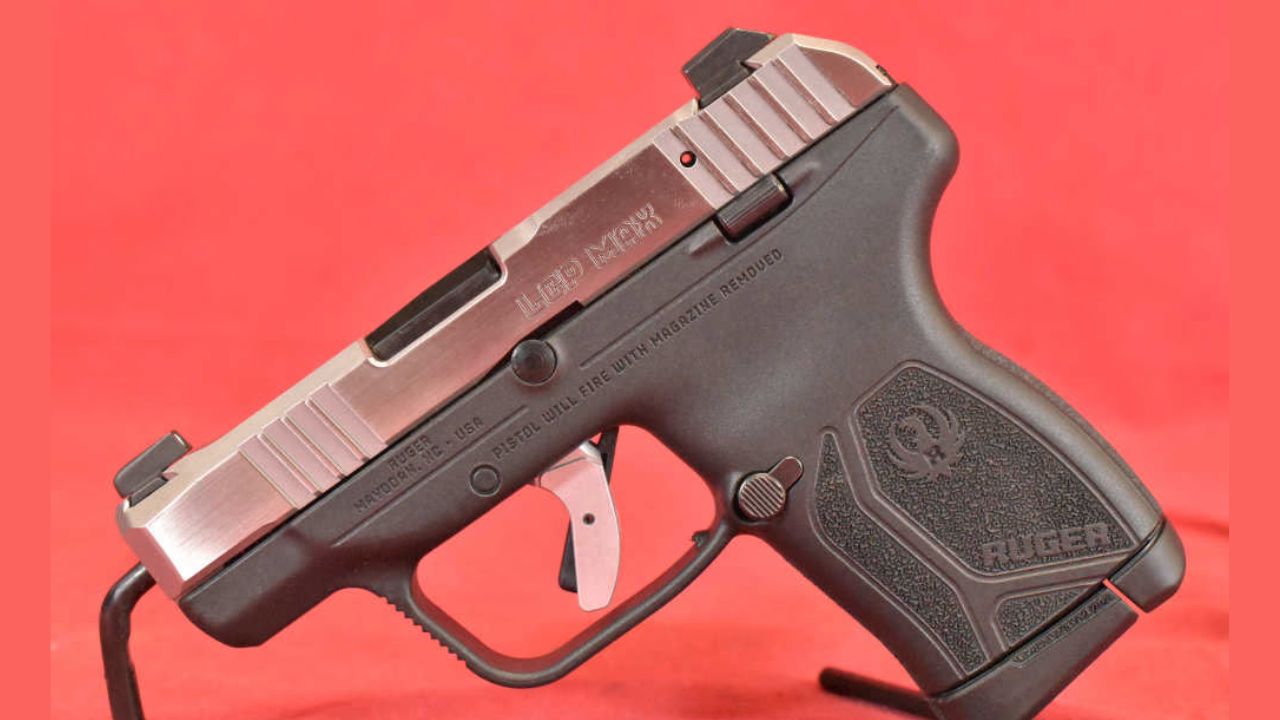
The LCP is a fantastic deep concealment tool, but it’s a terrible teacher if it’s your first gun. Tiny sights, tiny grip, long trigger—new shooters miss a lot with it and assume they’re hopeless. In reality, they started on hard mode.
Many beginners need a larger pistol to learn fundamentals, then they can graduate to a pocket gun later. The LCP misleads people into thinking defensive shooting is supposed to feel impossible.
Smith & Wesson Bodyguard 380
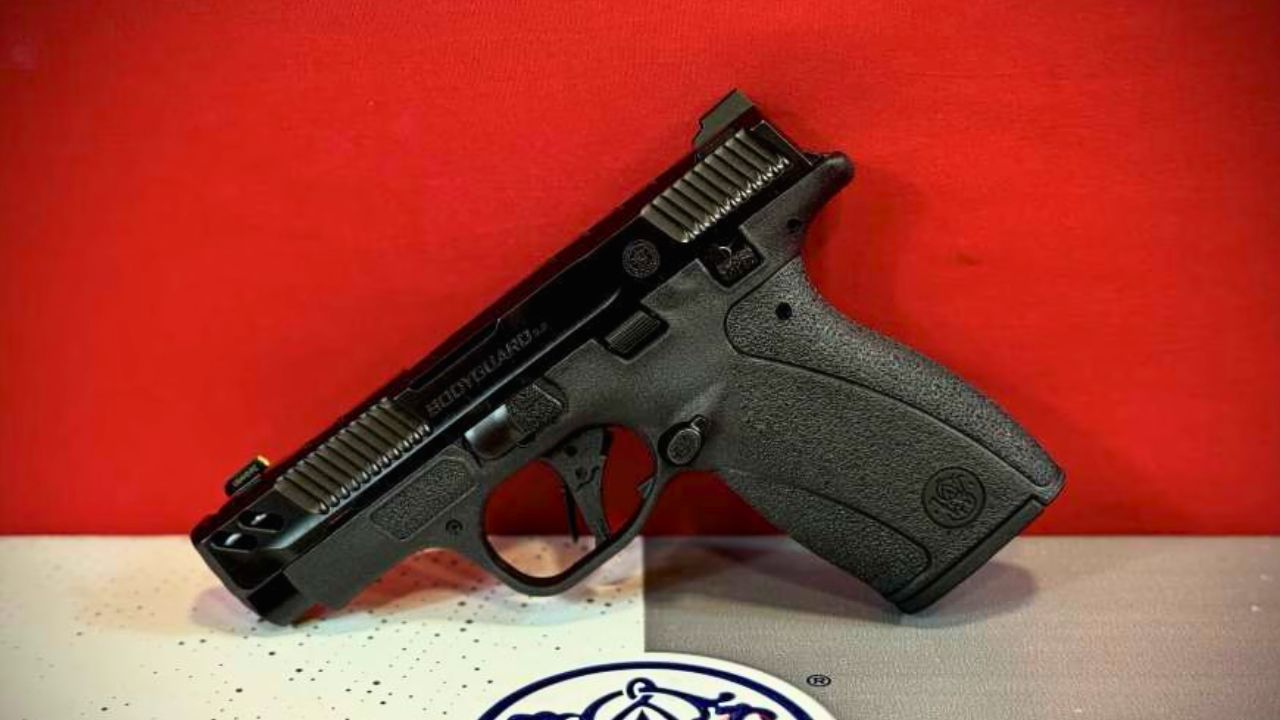
Same concept as the LCP: it’s easy to carry, harder to shoot well. Beginners often buy it because it’s small and they’re nervous about carrying something bigger. Then they can’t shoot it confidently, so they avoid practice.
The Bodyguard can work, but as a first gun it can convince someone that handguns are inherently unpleasant and hard to shoot—when a slightly larger 9mm would have been far easier to learn on.
Kel-Tec PF-9
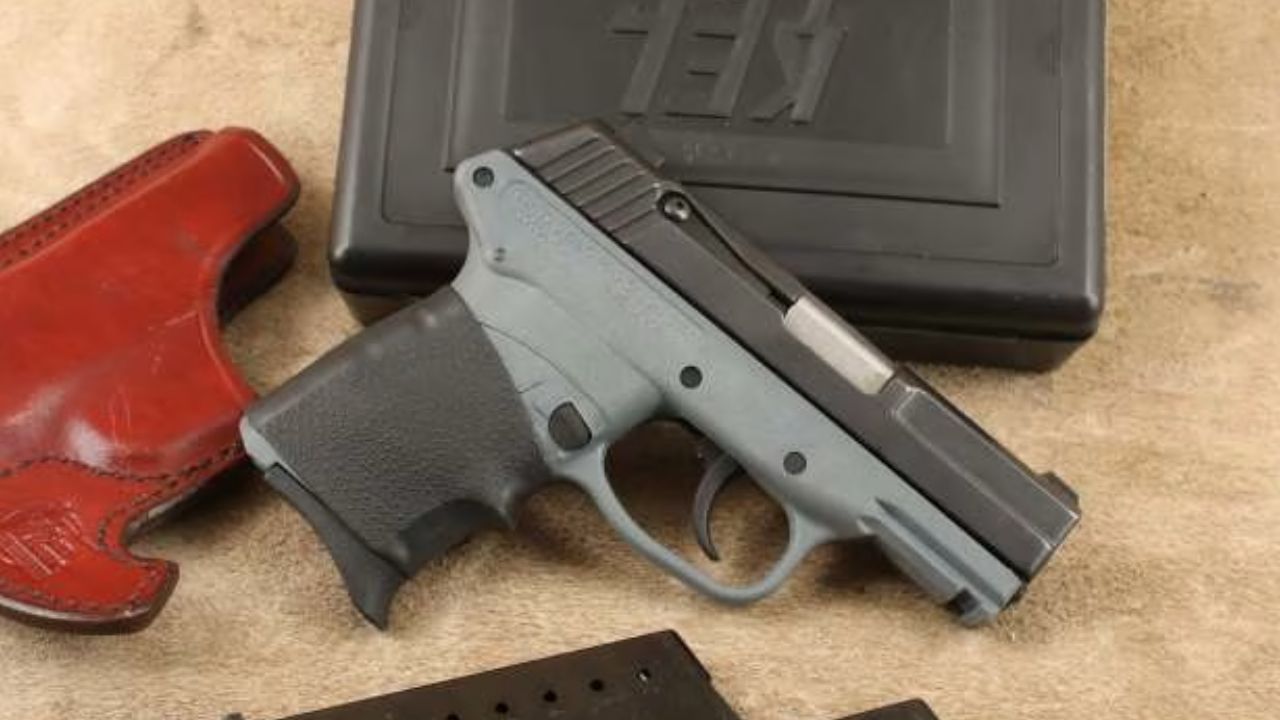
Lightweight micro 9s are not beginner-friendly. The PF-9 can be snappy, the trigger can feel rough, and the platform is less forgiving of poor grip. New shooters will get inconsistent results and think they’re doing everything wrong.
Then they shoot a Glock 19 or M&P Compact and suddenly they’re “a better shooter.” They weren’t magically better. They were just using a gun that didn’t punish them for being new.
Kel-Tec P-11

The P-11 is another one that can mislead beginners because it’s small and affordable and people say it’s “fine.” Heavy trigger, rough ergonomics, and an older design feel can make learning harder than it needs to be.
Beginners need a pistol that makes success repeatable. The P-11 can make success feel random, which is the opposite of what you want while learning.
Taurus Spectrum

The Spectrum can mislead new shooters because it looks like an easy answer: tiny, light, affordable. But it’s often hard to shoot well and has a reputation for disappointing reliability. That combination can make a beginner think carrying a gun is supposed to be stressful.
A beginner who starts with a Spectrum might never build confidence because the platform doesn’t reward practice the way better micro pistols do.
Budget 1911s (basic GI-style builds)
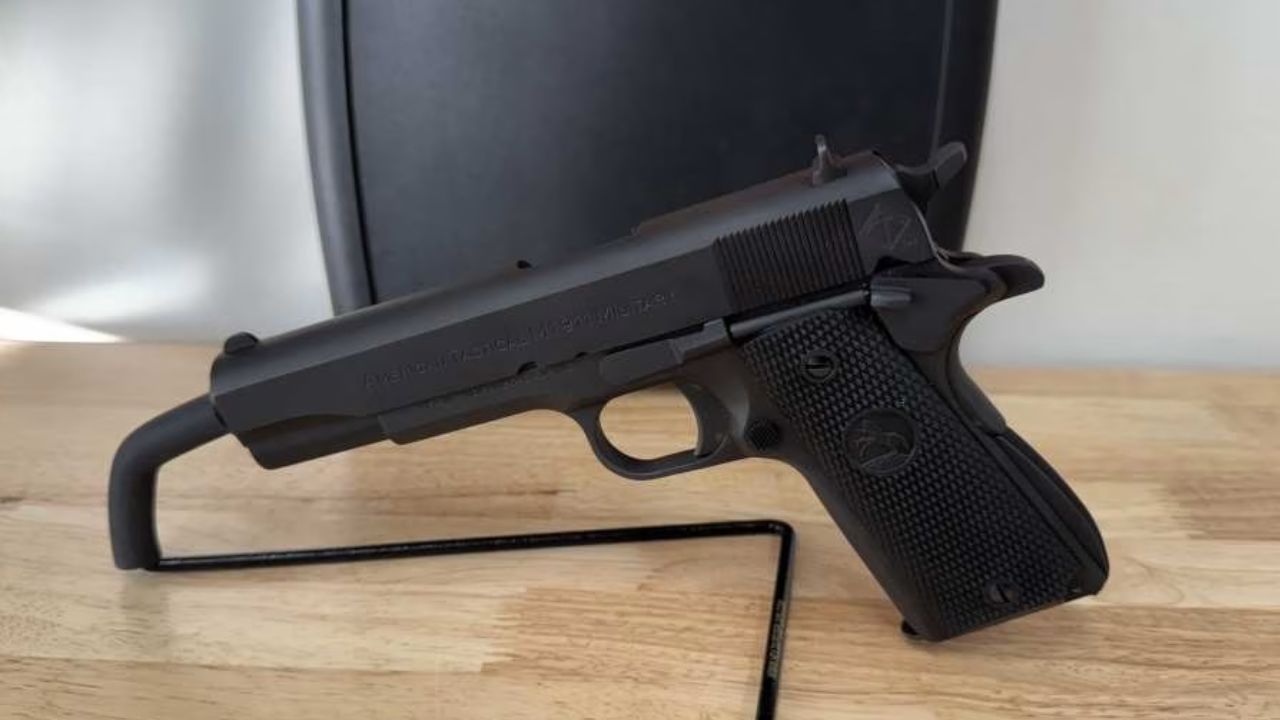
Beginners fall in love with the 1911 idea, then buy a cheap one and end up with malfunctions, magazine drama, and sometimes extractor or feed issues. They think “1911s just jam,” or they think “I’m doing it wrong.”
A properly set-up 1911 can be amazing. A budget 1911 as a first handgun can be a confusing mess that misleads a shooter into thinking reliability is a coin flip.
Ruger Wrangler

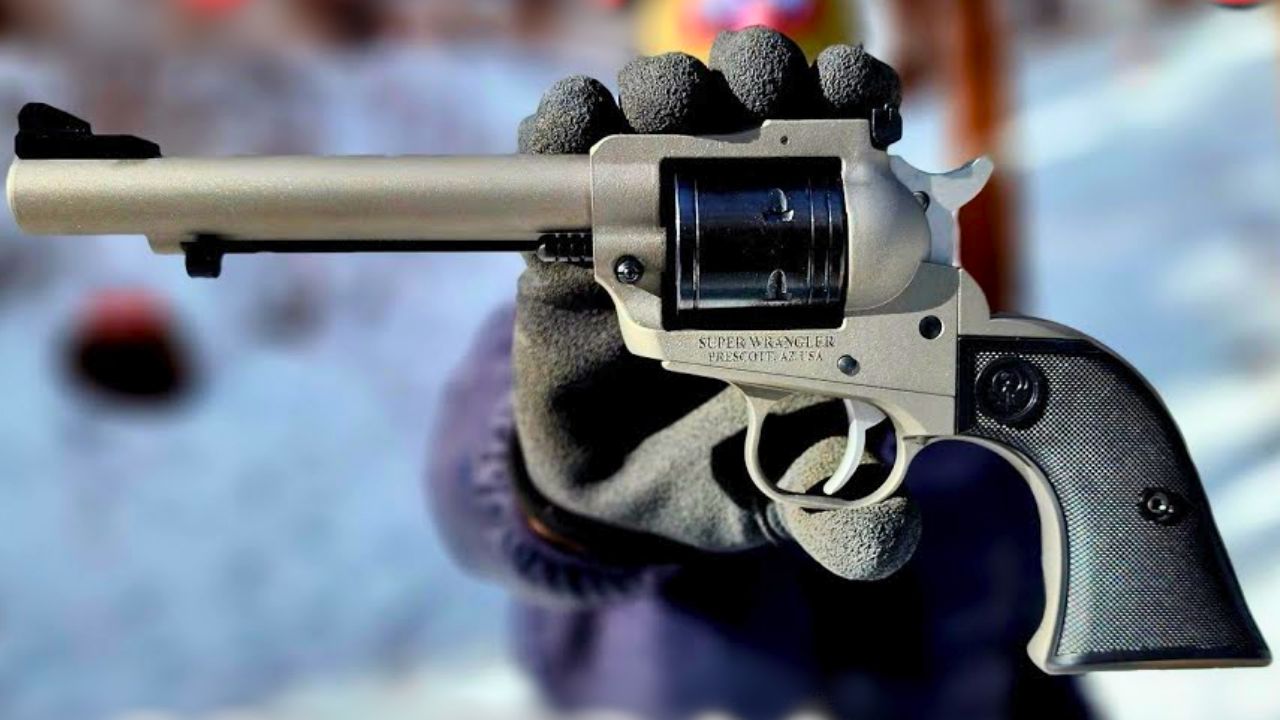
The Wrangler is a fun revolver, but it can mislead beginners into thinking revolver shooting translates directly to defensive pistol competence. Single-action revolvers are slow to load, slow to run, and don’t teach the same grip/trigger dynamics as modern handguns.
It’s a great plinker. It’s not a great “learn defensive shooting” tool. Beginners may think they’re building carry skills when they’re mostly building cowboy-plinking skills.
Heritage Rough Rider
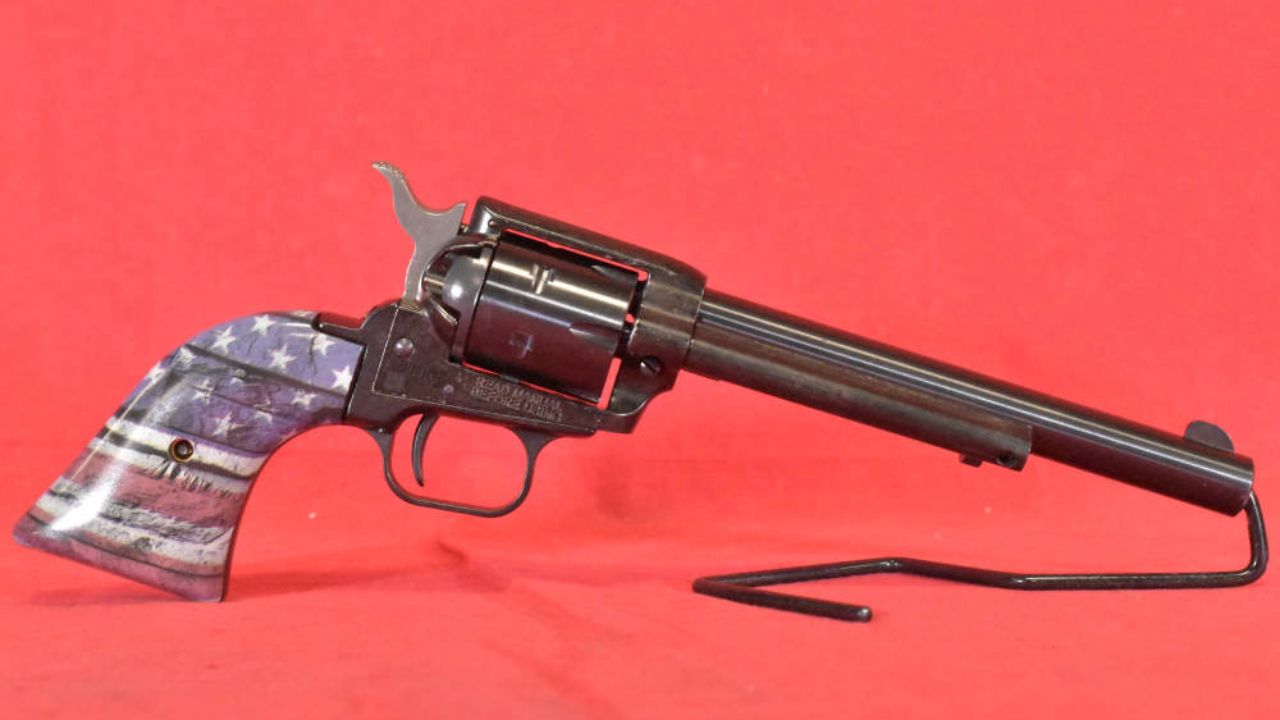
Same theme as the Wrangler, with the added issue of rough fit/finish on some examples. Beginners may deal with a stiff action, inconsistent feel, and the general clunkiness of a cheap rimfire revolver and think that’s “normal gun ownership.”
It can be fun, but it’s not a good baseline for what quality firearms feel like. If it’s your first gun, it can set the bar too low.
Winchester Wildcat

A semi-auto .22 rifle is a great training tool—if it runs. With cheap bulk ammo, .22 semis can be inconsistent, and new shooters start thinking malfunctions are part of shooting. Sometimes it’s the ammo. Sometimes it’s the gun. Either way, it can confuse beginners.
A .22 that runs reliably helps people focus on fundamentals. A .22 that constantly hiccups teaches them to expect problems and interrupts learning.
Remington 597
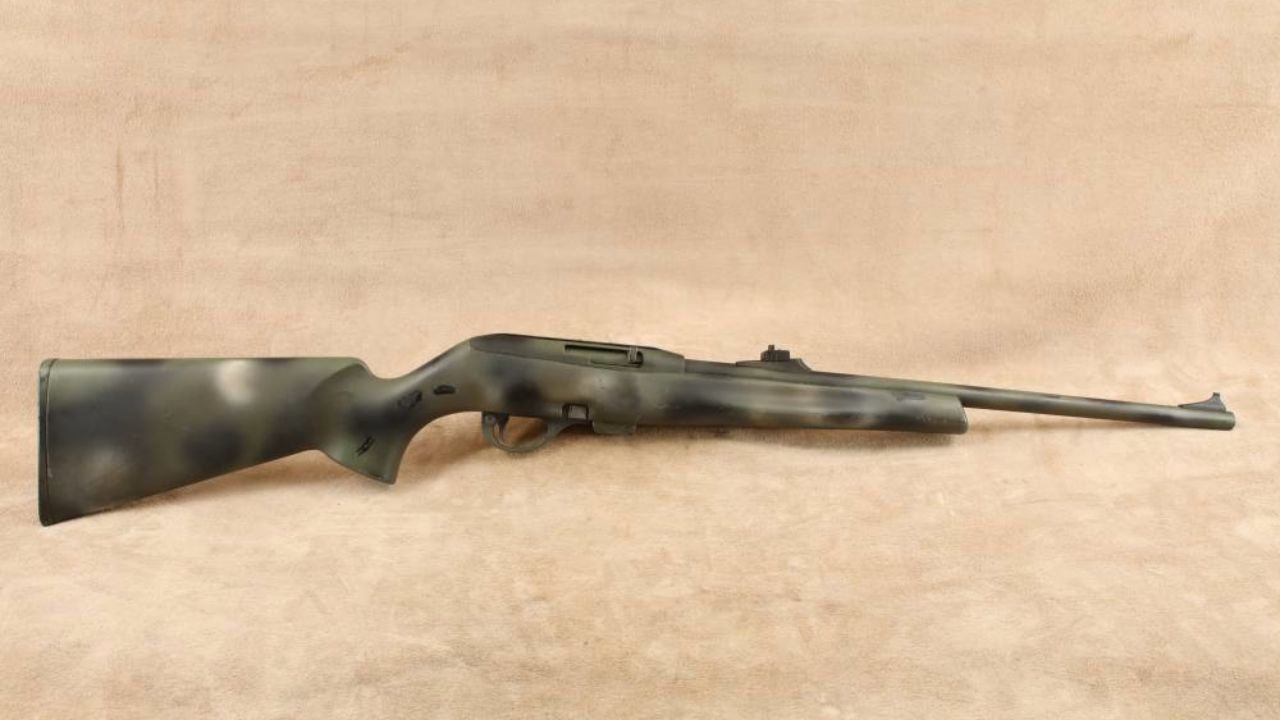
The 597 is another .22 that can be fine, but it’s famous enough for magazine and reliability quirks that it can mislead beginners. New shooters may spend more time clearing stoppages than learning sight picture and trigger control.
When training becomes troubleshooting, beginners don’t get enough clean reps. Clean reps are what build skill.
Rossi RS22
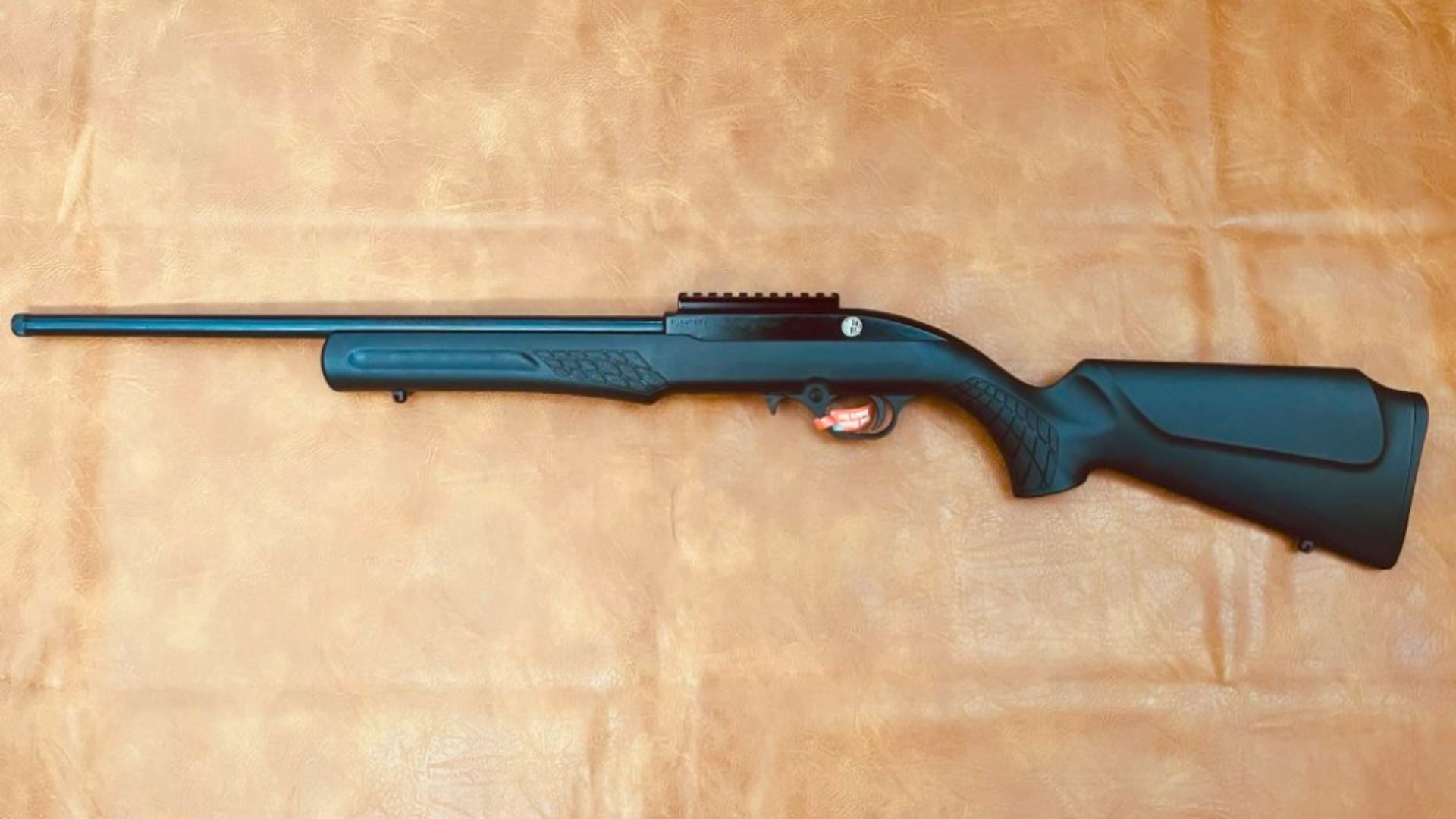
The RS22 is a budget .22 that many people buy as a first rifle. It can be perfectly serviceable, but it can also be ammo-sensitive and inconsistent depending on magazines and maintenance. Beginners may think accuracy and reliability are always “kind of random.”
A first rifle should make success predictable. If the rifle is unpredictable, it teaches the wrong lesson.
Taurus Judge (as a “do it all” first gun)
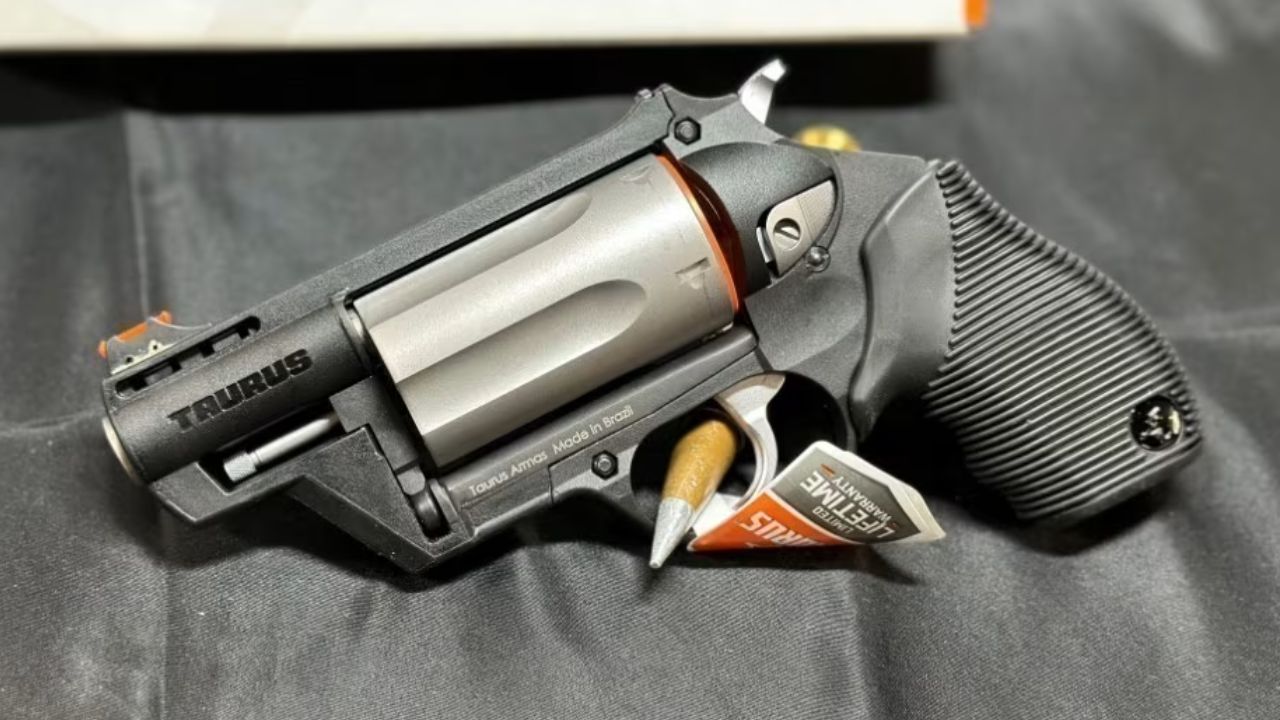
New shooters get sold the fantasy: “shot shells for snakes, .45 Colt for defense, one gun solves everything.” Then reality hits—bulk, recoil, awkward handling, and performance that’s not as magical as people claim. It can mislead a beginner into thinking novelty equals capability.
It’s a niche gun. Starting with a niche gun often means you learn niche habits instead of solid fundamentals.
Like The Avid Outdoorsman’s content? Be sure to follow us.
Here’s more from us: