Photo credit: Ak_Arms/GunBroker
You can find a decent rifle at almost any budget, but keeping it running like it should is another story. Some guns are cheap to buy but bleed you dry in parts, upkeep, or repairs. Whether it’s proprietary components, rare barrels, finicky triggers, or expensive optics mounting systems, these rifles end up costing more in maintenance than they did new. You’ll spend more time chasing parts and tuning than actually shooting.
It’s easy to get lured by the sticker price and ignore what comes after. Some rifles have parts that wear fast, coatings that flake, or designs that require constant tinkering to stay zeroed. Others rely on imports or custom smithing, which turns every repair into a wallet-draining ordeal. If you’ve ever owned a gun that spent more time at the gunsmith than in your safe, you know what this list is about. Here are thirteen rifles that might look like a deal—until you start maintaining them.
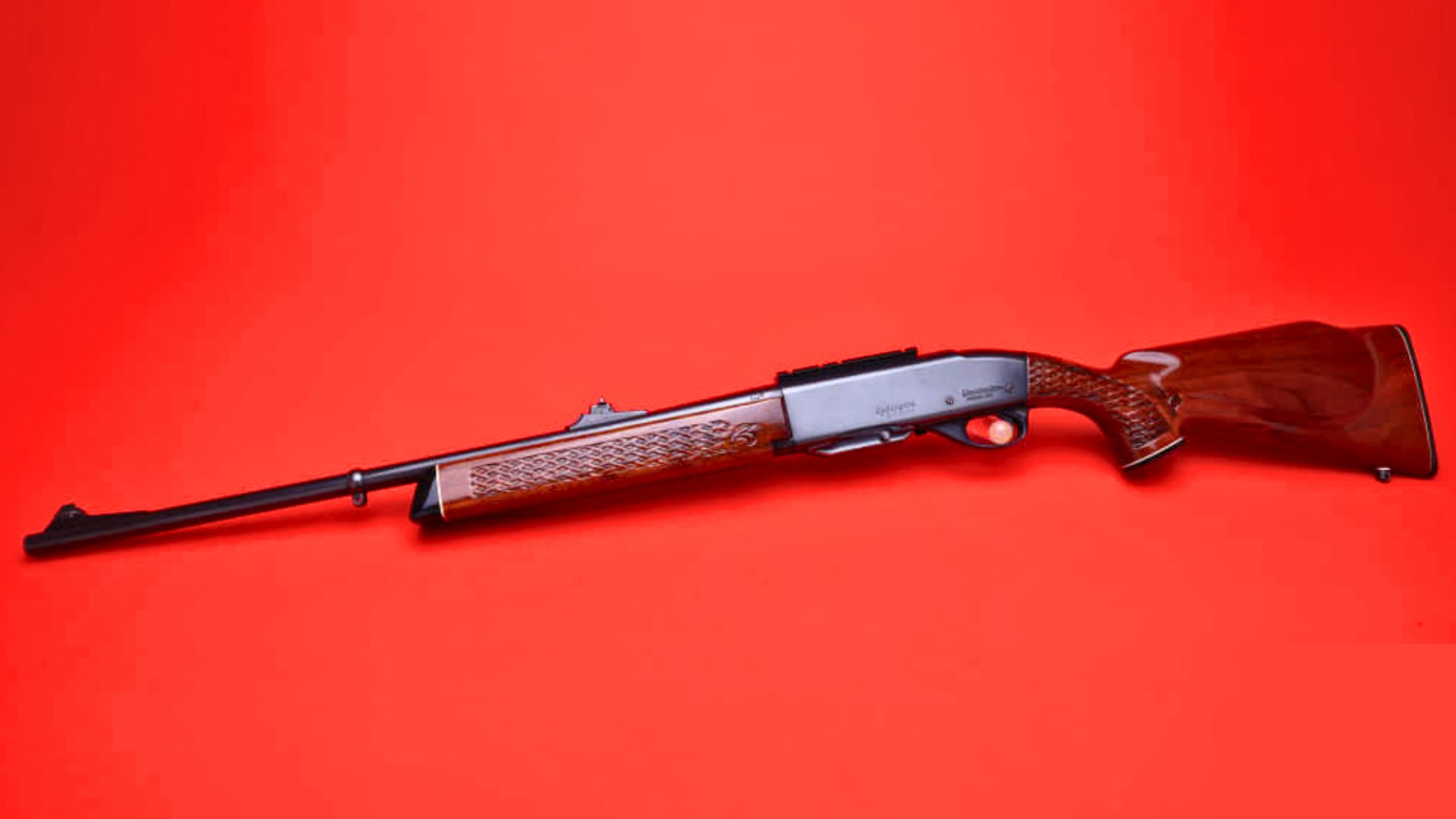
Remington 710

The Remington 710 is infamous for being affordable but nearly impossible to maintain properly. Its molded receiver and pressed-in barrel make replacing worn parts a nightmare. When the extractor breaks or the bolt binds—which happens more often than you’d like—you can’t simply swap parts like you can with a 700. You’re either sending it off or tossing it altogether.
The cheap polymer magazine and rough chambering also cause feeding issues that require hand-fitting or polishing to correct. Even the scope mounts on factory models tend to come loose or strip over time. It’s the kind of rifle that’s affordable upfront but costs double in frustration and upkeep. Once things start wearing down, you quickly realize why most gunsmiths roll their eyes when they see one.
Century Arms C308
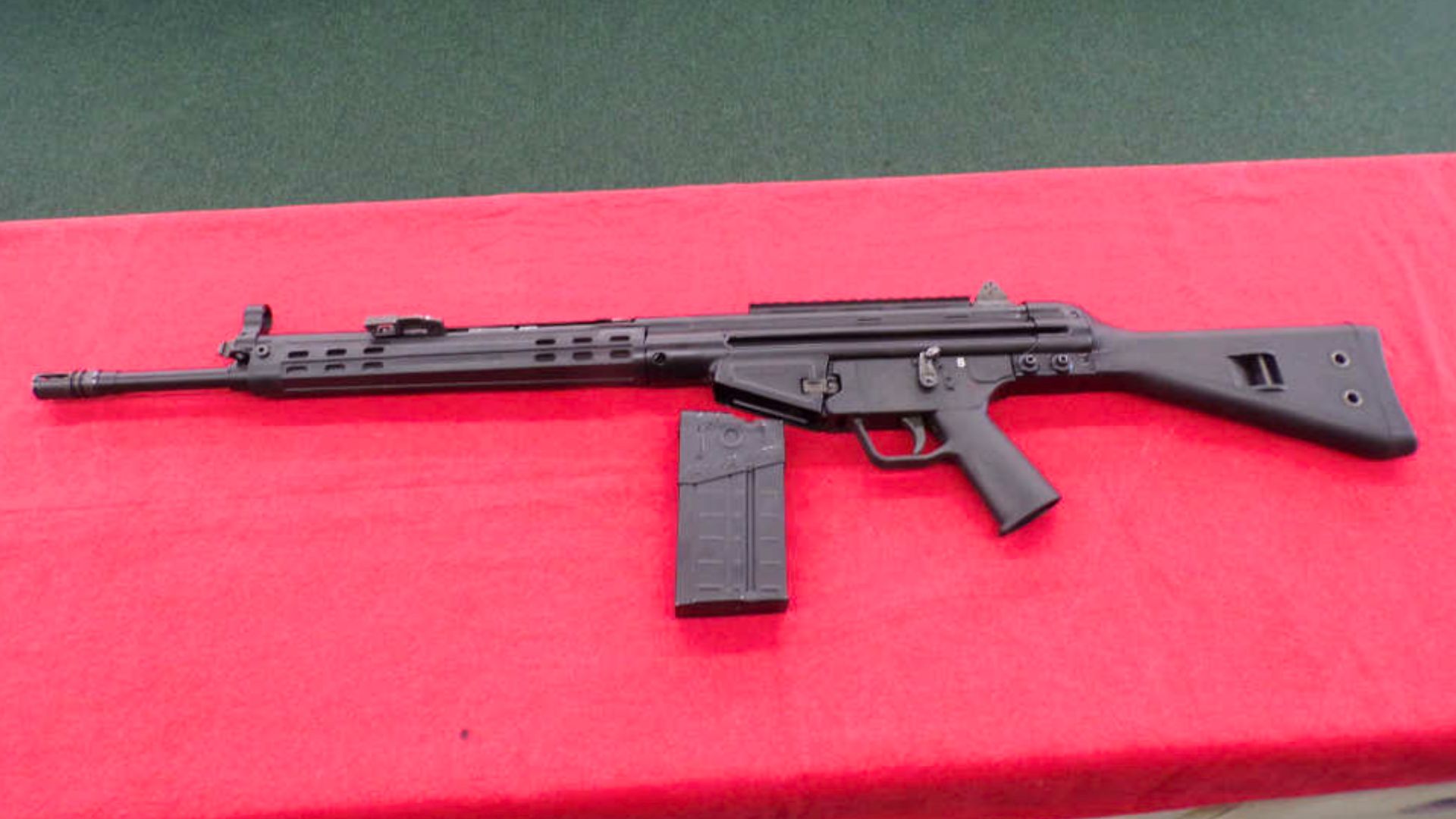
The Century Arms C308 looks like a deal on a battle rifle, but it’s built from surplus parts with inconsistent quality. The CETME-style roller-delayed system is notoriously finicky if not tuned perfectly, and fixing it usually means custom work. When the rollers wear unevenly or the bolt gap changes, you’re in for expensive adjustments or replacement parts that aren’t always easy to find.
Magazines are cheap, but extractors, bolts, and locking pieces aren’t. Add in the cost of a decent trigger upgrade and you’re already past what the rifle cost new. The stamped receiver also tends to chew brass and foul the chamber faster than it should, which means more cleaning supplies and time on the bench. It’s rugged in concept, but maintaining one properly can turn into a bottomless pit for both time and money.
Armalite AR-10B
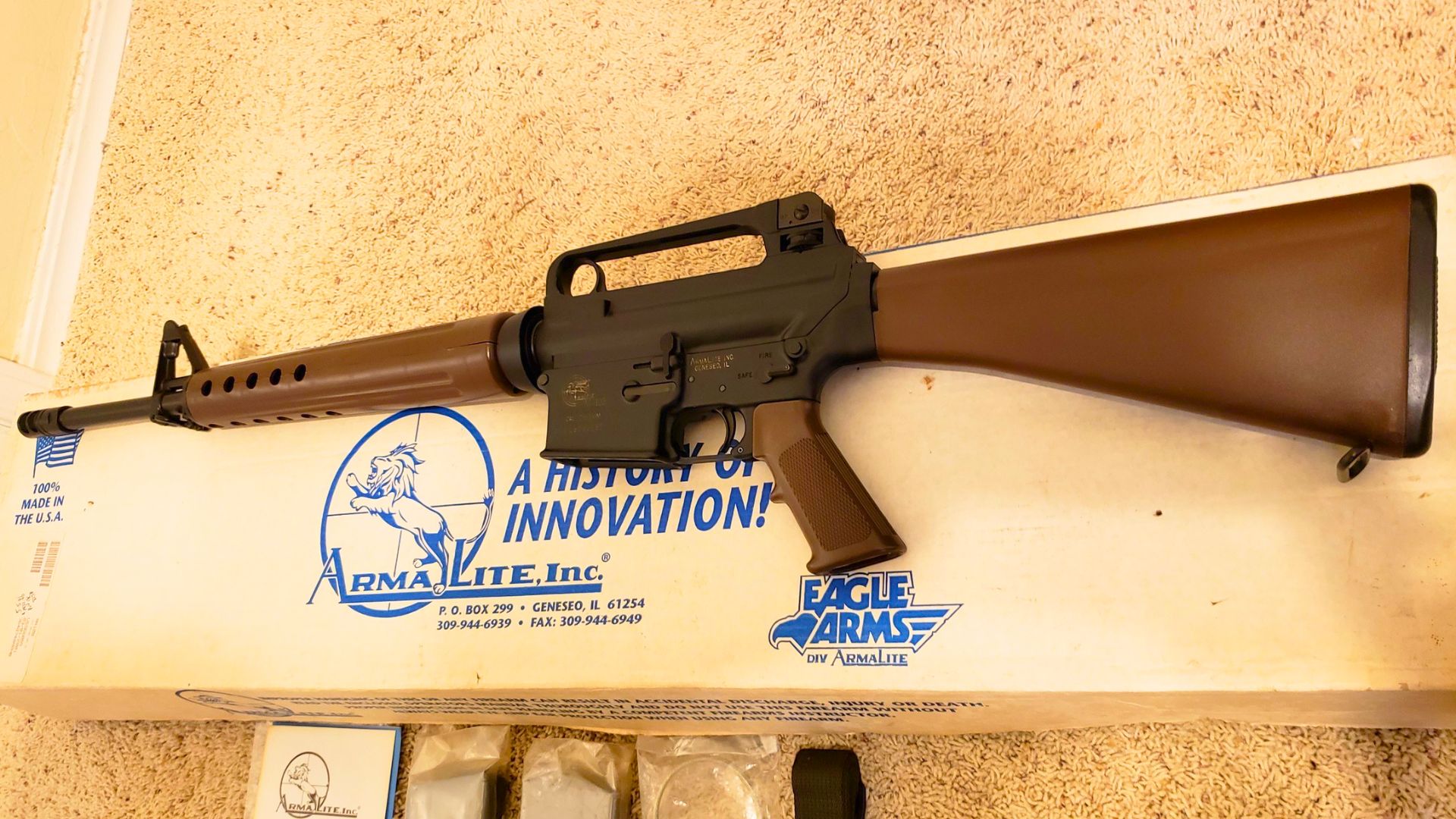
The Armalite AR-10B is a solid rifle—until you realize almost nothing is interchangeable with other AR-10s. It uses proprietary magazines, unique bolt geometry, and different gas system specs. If something breaks, you’re tied to limited Armalite-specific parts that are often expensive or backordered.
Maintenance costs skyrocket once you start upgrading or replacing internals. Even a simple buffer swap or trigger upgrade can require custom fitting. It’s accurate and well-made, but keeping one running smoothly takes dedication—and a healthy budget. Most modern AR-10 platforms moved on from this design for a reason. What looks like a high-end buy at first often turns into a costly commitment to keep alive.
Winchester Model 100

The Winchester Model 100 is a beautiful semi-auto, but it’s notorious for costly maintenance. The design uses complex internal parts that are prone to wear, and replacement components are increasingly rare. The firing pin recall alone shows how finicky it can be—many rifles still out there need that update, and finding the part is a scavenger hunt.
Cleaning one is also tedious. The action requires partial disassembly to do it right, and any slip-up can bend or scratch internal springs. When the gas system fouls—and it will—you’re either tearing it down completely or paying a gunsmith to do it. It’s a fine rifle for its time, but keeping one field-ready today costs more than it’s worth on the used rack.
Remington Model 742 Woodsmaster

The Model 742 is legendary for its accuracy and soft shooting, but it’s also known for eating its own receiver rails. The bolt lugs wear grooves into the aluminum receiver, eventually causing jams or bolt lockups. Once that happens, it’s not fixable—the rifle is essentially done. Preventing that kind of damage means constant cleaning and inspection.
Finding parts for the 742 is another challenge. Bolt carriers, extractors, and recoil springs are expensive, and swapping them requires a gunsmith familiar with the model. Every fix ends up costing more than the gun itself is worth. It’s a sentimental rifle for many hunters, but anyone who’s kept one running knows it’s a high-maintenance headache.
Browning BAR Safari (Older Models)

Older Browning BAR rifles are elegant and accurate, but they’re a nightmare to service. The gas system requires specialized tools and deep disassembly just to clean properly. Parts for early models are difficult to source, especially springs and gas pistons. When the action starts short-stroking or jamming, expect to pay a gunsmith who knows these rifles inside and out—which usually means paying a premium.
Add in the cost of quality ammo to keep it cycling smoothly, and you’ve got a rifle that drains your wallet over time. Modern versions are easier to maintain, but those early BARs are best left to collectors or those who don’t mind spending more on upkeep than they did on the rifle itself.
Ruger Mini-14 (Older Series)
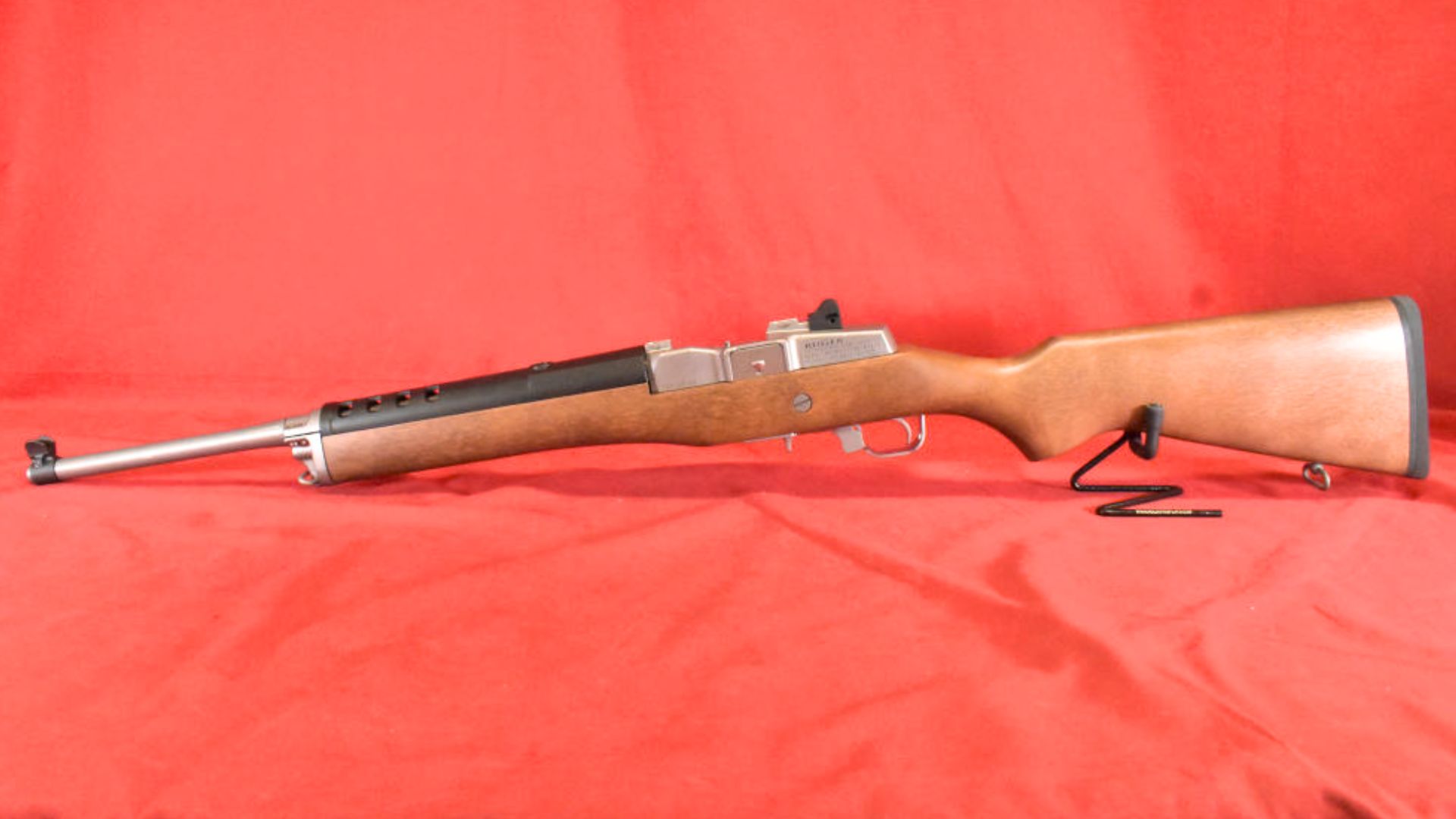
The early Mini-14s were fun rifles, but they earned a reputation for inconsistent accuracy and tricky maintenance. The gas block design fouls quickly and requires full removal for deep cleaning, which often means re-torquing to maintain zero. Spare parts like extractors, recoil springs, and firing pins aren’t always cheap, and aftermarket options vary wildly in quality.
To make things worse, many older Minis need regular tuning or bedding to keep them accurate, and that adds cost fast. By the time you’ve replaced the barrel, upgraded the stock, and tuned the trigger, you’ve easily spent more than the rifle’s value. It’s a classic design, but one that demands a lot of attention and expense to keep running well.
HK SL8
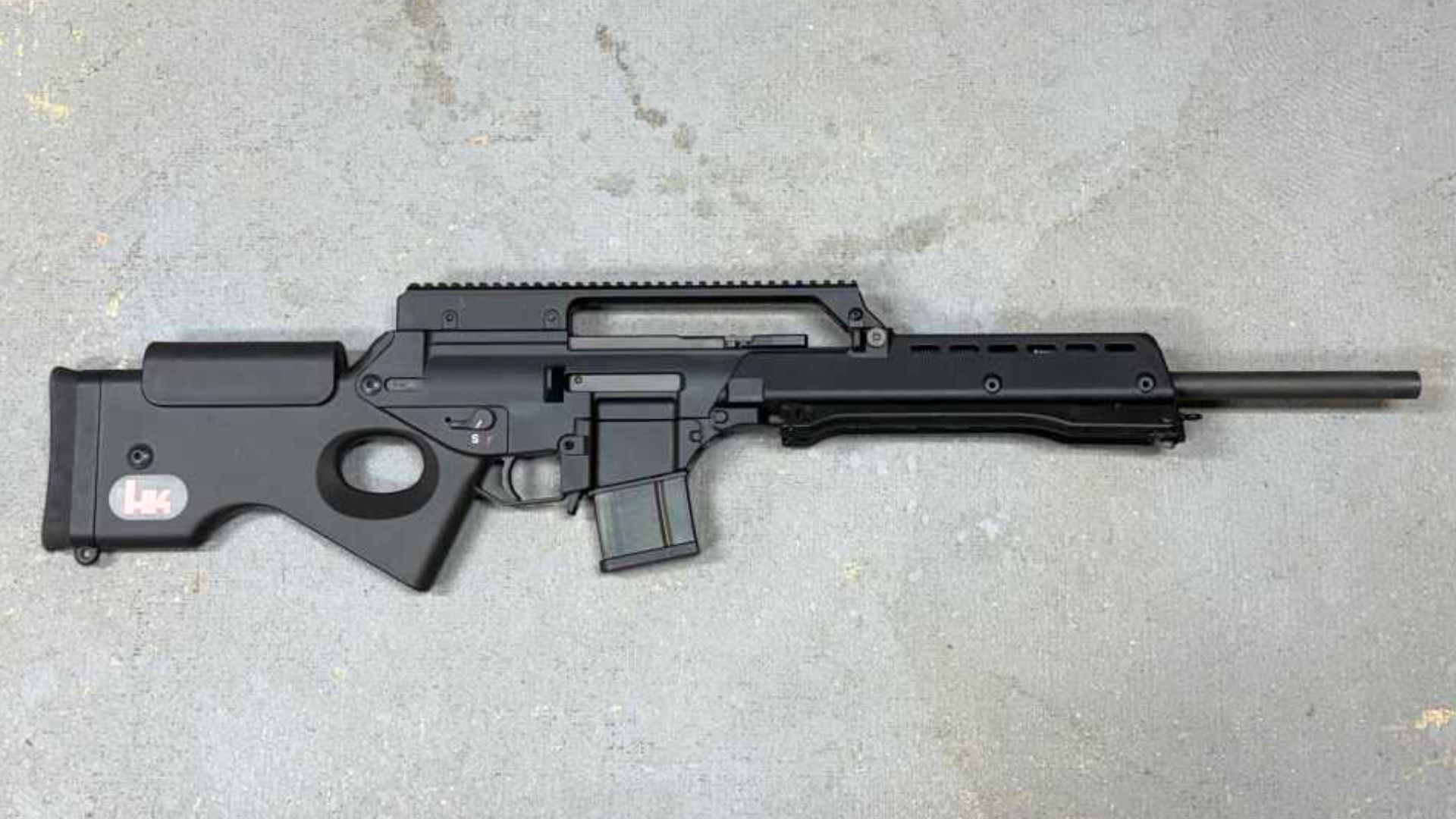
The HK SL8 is a precision-built rifle, but it’s infamous for high maintenance costs. Every replacement part—especially bolts, barrels, or furniture—is proprietary and priced like it’s made of gold. Converting or upgrading one to take standard G36 mags or configurations requires custom machining and imported parts, both of which add hundreds to the tab.
Even basic upkeep can get expensive. The tight tolerances and polymer components make disassembly and reassembly tricky, often requiring specialized tools. It’s reliable and accurate, but keeping it that way costs far more than most rifles in its class. Owning an SL8 is less like having a rifle and more like maintaining a high-end import car.
Steyr AUG

The Steyr AUG is an engineering marvel but an expensive one to maintain. Its modular design seems user-friendly until you need replacement parts—then you’re facing steep costs and limited availability. Springs, bolts, and trigger components are proprietary, and factory parts often have to be imported.
Cleaning the gas system requires care, and carbon buildup can cause malfunctions that aren’t easily fixed without specific tools. Even magazines and optics mounts cost more than most aftermarket AR parts. It’s durable and accurate, but every repair or upgrade adds up fast. Once you tally up the long-term maintenance expenses, the AUG ends up being one of the priciest rifles to keep healthy.
Barrett M82A1
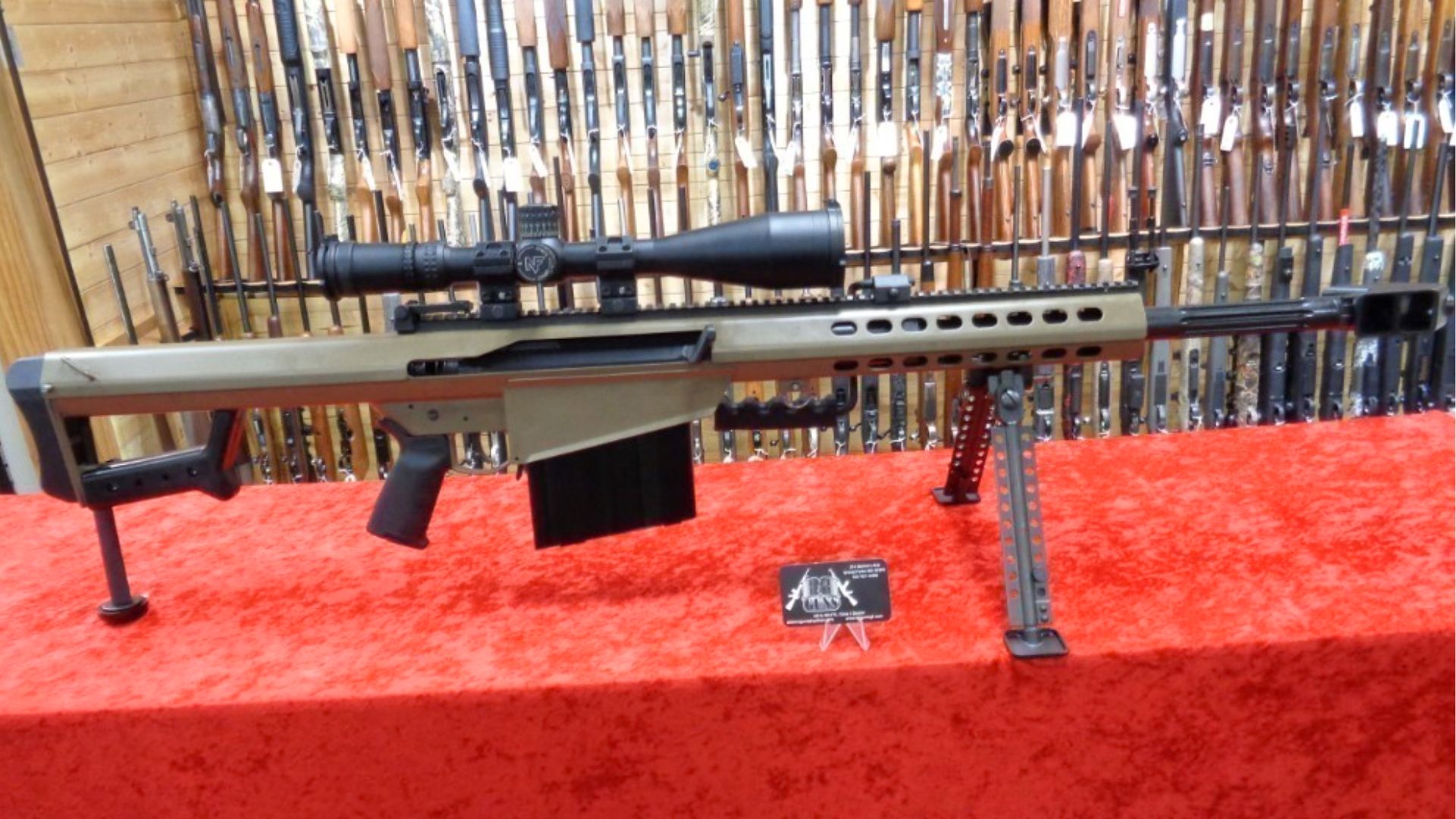
The Barrett M82A1 is an icon, but it’s not a gun you buy lightly—or maintain cheaply. Every part, from the recoil springs to the buffer assembly, comes at a premium. Regular cleaning is mandatory to prevent carbon fouling from the massive .50 BMG round, and neglecting that means costly repairs down the line.
Even basic wear items like barrels and springs have service lives measured in hundreds of rounds, not thousands. Replacing a barrel can cost as much as an entire budget rifle. The gun is reliable, but feeding, cleaning, and maintaining it drains both your wallet and your time. It’s a powerhouse, but one that demands constant investment to keep it running right.
FN SCAR 17S

The FN SCAR 17S is one of the most versatile .308 rifles out there—but it’s also one of the most expensive to maintain. Replacement parts and accessories are pricey, and aftermarket options are limited. Even a new charging handle or trigger upgrade can run hundreds. The proprietary gas system and polymer upper make DIY maintenance risky without the right tools.
Recoil springs and bolt components wear faster than you’d think, especially if you run hot loads. And when they do, you’re stuck ordering from FN at premium prices. It’s a phenomenal rifle, but keeping one in peak condition takes a serious commitment. Many owners end up spending as much maintaining and tuning it as they did buying it.
Desert Tech SRS A2
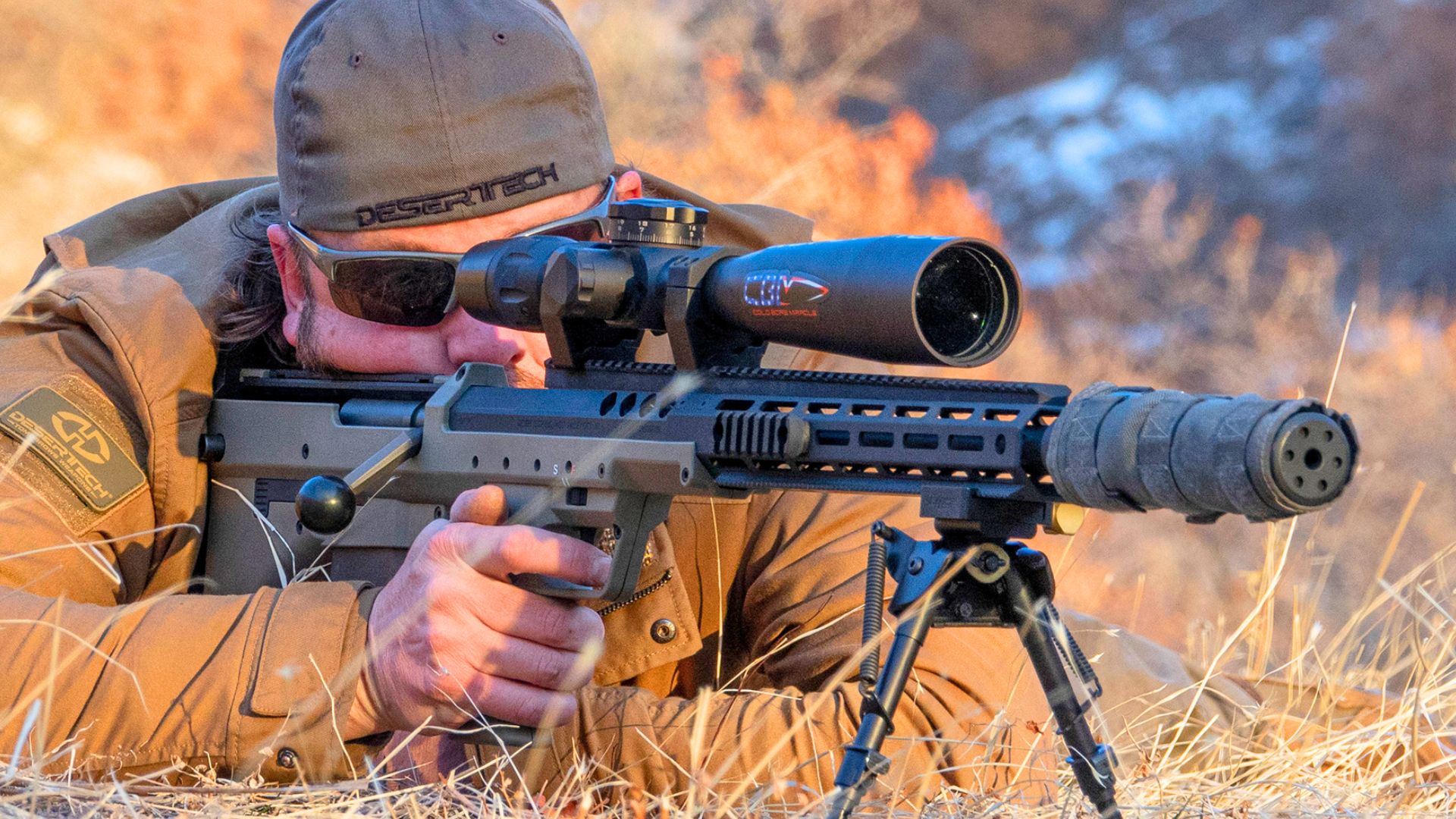
The Desert Tech SRS A2 is a precision masterpiece—but maintaining it feels like owning a race car. The switch-barrel system is great in theory, but every new caliber kit costs thousands. Even the smallest wear items like bolt heads or extractor kits carry heavy price tags. You can’t find parts easily, and almost everything requires factory fitting.
Cleaning is another chore, thanks to tight tolerances and complex internals. If you’re running suppressed or shooting a lot, carbon fouling demands frequent, detailed teardown. For serious precision shooters, it’s worth it—but for the average hunter or hobbyist, the maintenance costs can quickly eclipse what you paid for the rifle itself.
Blaser R8
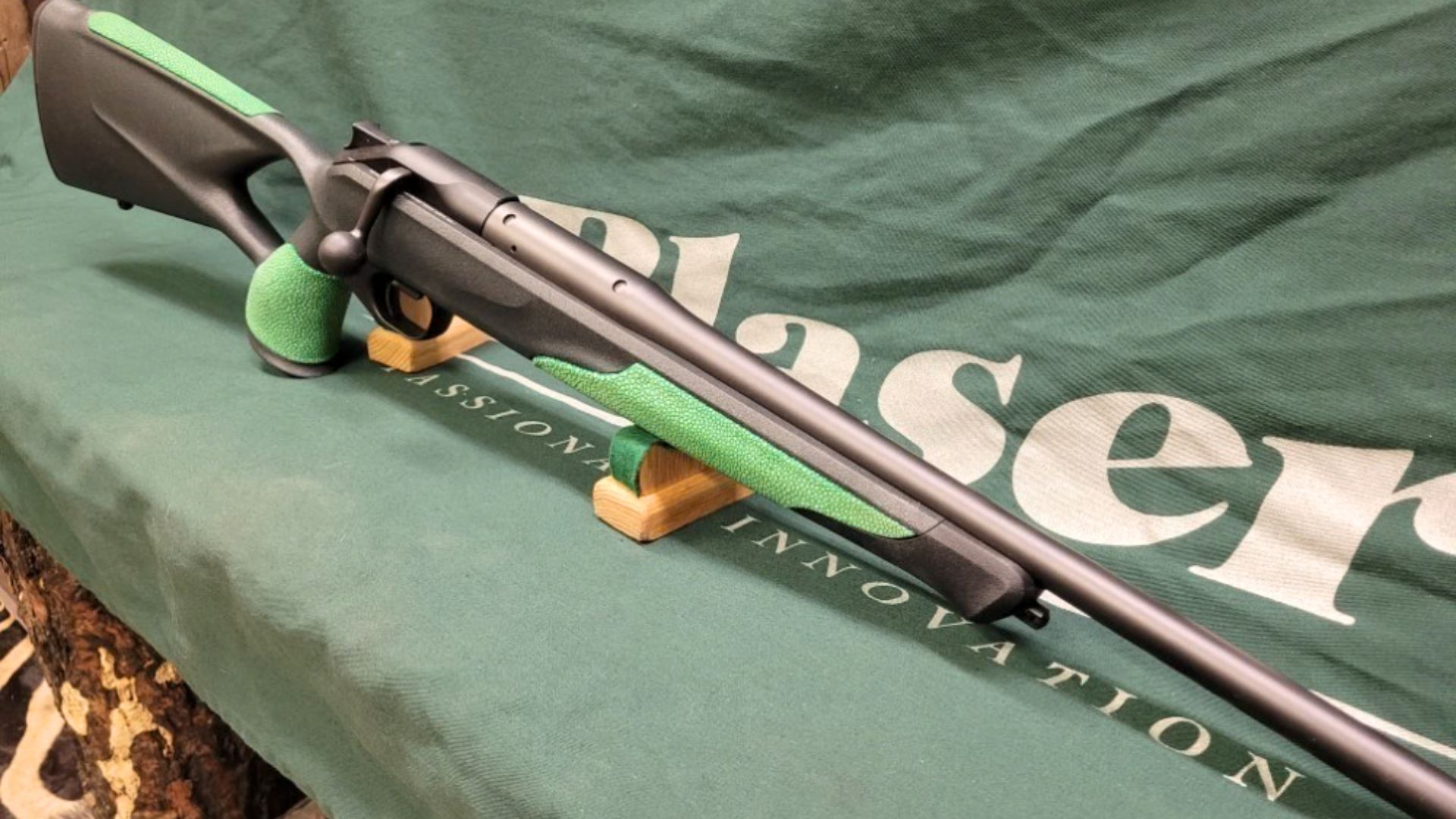
The Blaser R8 is one of the finest hunting rifles ever made—and one of the most expensive to maintain. Its modular design means every caliber swap, barrel, and bolt head comes at a premium. Even small replacement parts are proprietary and often need to be ordered directly from Germany.
While the rifle is incredibly well-made, it’s not forgiving of neglect. If you don’t clean it properly, expect issues with bolt function or extraction. And since most Blaser-certified gunsmiths are few and far between, every bit of maintenance becomes a costly ordeal. It’s a dream rifle to shoot, but keeping it in top shape costs more than most people’s entire hunting setups.
*This article was developed with AI-powered tools and has been carefully reviewed by our editors.