
Photo credit: Jonathan Weiss/Shutterstock.com
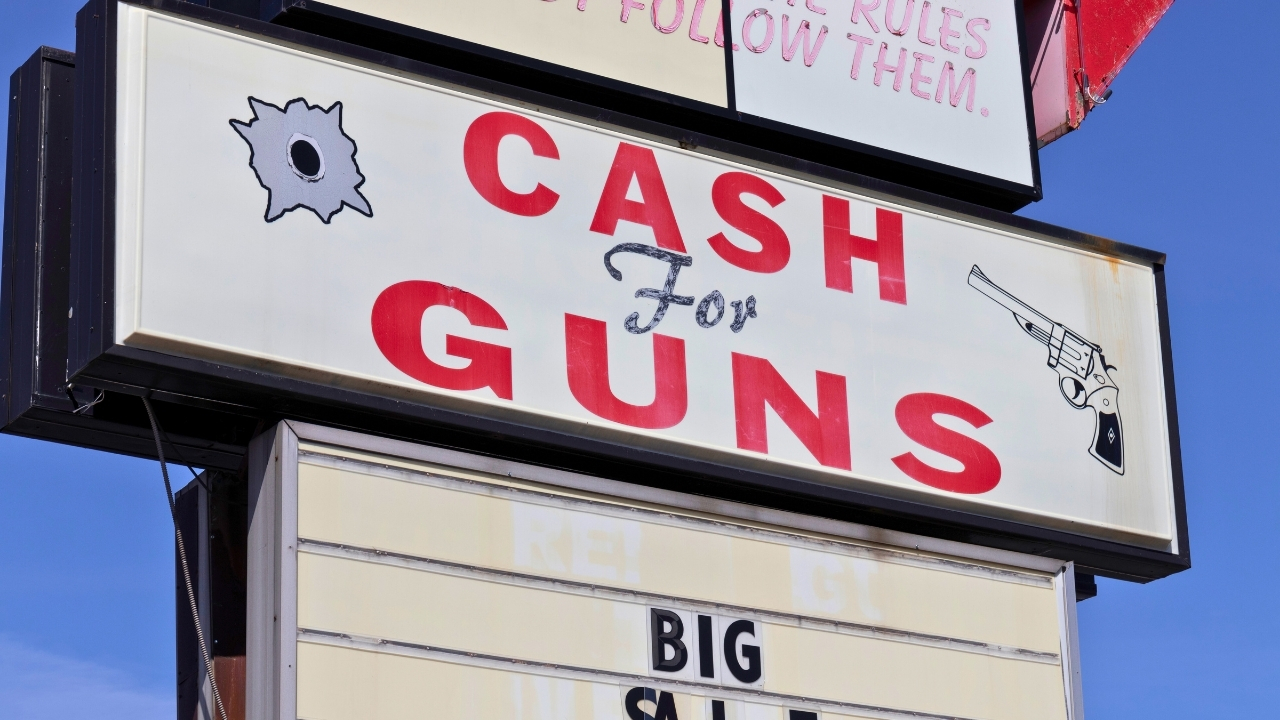
Pawn shops can feel like hidden treasure chests. Used guns behind glass, prices that look negotiable, and the quiet hope that someone else’s bad timing can turn into your good deal. Sometimes that’s true. A lot of the time, it isn’t. The most common pawn-shop gun mistake isn’t buying used, and it isn’t trusting the shop. It’s buying a problem gun at a “project price” without realizing you just bought a project. What looks like a small fix turns into a slow drain of time, money, and patience, and by the time you’re done, you could’ve bought a cleaner gun outright and been shooting instead of troubleshooting.
The mistake happens because pawn shops sell condition, not context. You’re seeing the gun as it exists right now, not how it got there or why it ended up behind glass. Unlike a private seller who might give you a story, or a gun store that stands behind inventory, pawn shops often move volume with minimal detail. That doesn’t make them dishonest, but it does mean the burden is on you to recognize when a “deal” is actually a future expense schedule.
The quiet killer: buying someone else’s abandoned troubleshooting problem
A huge percentage of problem guns end up in pawn shops for one reason: the previous owner got tired of fixing them. Maybe the gun had intermittent failures. Maybe it never grouped the way it should. Maybe it needed tuning that the owner didn’t understand. Instead of sinking more time into it, they cashed out. That’s how the gun lands in the case—cleaned up, priced attractively, and stripped of its frustrating history.
The buyer mistake is assuming the previous owner quit because of money or bad luck, not because the gun itself is a headache. People think, “I can fix that,” without realizing they’re stepping into a problem that already beat someone else. If the gun needed one obvious, cheap fix, it probably wouldn’t be there. Pawn shops are where unresolved issues go to rest.
Aftermarket parts are the biggest red flag in pawn cases
One of the fastest ways to spot a future money pit is aftermarket parts that don’t match the price or purpose of the gun. Lightened triggers, non-factory springs, off-brand internals, questionable optics mounts—these are all signs someone was chasing performance or reliability and didn’t quite get there. Pawn shops don’t usually document what was changed or why. You’re inheriting the end result without knowing the experiment that led to it.
The danger isn’t aftermarket parts themselves. The danger is unknown intent. Was that spring changed to improve reliability, or to mask a deeper issue? Was that trigger installed correctly, or was it compensating for poor fit somewhere else? Every non-factory part introduces uncertainty, and uncertainty costs money. You’ll either spend time diagnosing the setup or spend money reverting it to stock just to establish a baseline. Either way, the “deal” starts getting expensive fast.
“It just needs a little work” is where budgets go to die
Pawn-shop guns often come with casual explanations: “Probably just needs a cleaning,” “Might need a spring,” “Easy fix.” Those phrases should make you slow down, not lean in. Easy fixes don’t usually get pawned. Guns that “just need a little work” usually need diagnosis, and diagnosis is where both time and money disappear. You’ll pay for parts that don’t solve the issue, range time that confirms the issue still exists, and eventually professional work that costs more than expected.
This is how buyers end up upside-down. They buy the gun cheap, throw a hundred dollars at it, then another hundred, then realize they’ve crossed the price of a clean example that would’ve worked from day one. The worst part is that frustration sets in before resolution, and frustration leads to rushed decisions—either more money thrown at the problem or another resale at a loss.
Pawn pricing hides the true cost by separating purchase from repair
Pawn shops are good at making the purchase feel isolated. The number on the tag feels like the whole transaction. Repairs feel like “future you” problems. That mental separation is the trap. Every gun should be evaluated as purchase price plus restoration cost, not purchase price alone. Pawn shops thrive when buyers ignore that second number.
If you can’t confidently estimate what it would cost to make the gun fully reliable—or if the answer is “I’ll figure it out later”—you’re already walking into the pit. A used gun that needs nothing is a value. A used gun that needs unknown work is a gamble. Pawn shops are full of gambles.
Warranty gaps turn small issues into permanent expenses
Another mistake buyers make is forgetting about warranty reality. Many manufacturers don’t honor warranties for secondhand purchases, or they limit coverage. Pawn shops rarely offer meaningful return windows on firearms. That means any issue you discover after purchase is yours, permanently. What would’ve been a quick warranty fix if bought new becomes an out-of-pocket repair.
This matters more than people think. Small manufacturing issues do slip through. When you buy new, those issues are inconvenient. When you buy used from a pawn shop, they’re expensive. That difference alone can erase any savings instantly.
Why some pawn-shop guns are still good buys
Not every pawn-shop gun is a trap. Some are estate pieces. Some are barely used. Some are standard models with no modifications and clear wear patterns that make sense. The difference is clarity. A good pawn-shop buy looks boring. Factory parts. Normal wear. No mystery upgrades. No “fix me” vibes. The condition matches the price, and there’s no pressure to imagine future improvements.
If you find one of those, great. But the moment a gun starts whispering “project,” you need to decide whether you actually want a project. Most buyers don’t. They want a shooter. They just don’t realize they’re buying a to-do list until it’s already theirs.
The discipline that keeps pawn shops from draining your wallet
The safest pawn-shop rule is simple: don’t buy unknown problems. If you can’t articulate exactly what you’re buying and exactly why the price makes sense, walk away. Leave the deals to people who enjoy troubleshooting and have the tools and patience to do it cheaply. There’s nothing wrong with being that person. There’s also nothing wrong with admitting you aren’t.
Pawn shops reward discipline more than optimism. The buyers who win are the ones who pass on ten “almost” deals and wait for one clean, boring gun that doesn’t need excuses. That’s how pawn-shop savings stay real instead of turning into a long, expensive lesson.
Like The Avid Outdoorsman’s content? Subscribe to our newsletter so you never miss an article.
Here’s more from us:


