Photo credit: The Canadian Gun Vault Inc./YouTube
Collector gun prices stop making sense the second enough people decide the legend matters more than the gun. That is when condition gets treated like a detail, originality gets blurred into wishful thinking, and a decent old firearm starts getting priced like it belongs under museum glass. You see it all the time. A gun has the right wartime tie, the right brand, the right production era, or the right rumor attached to it, and suddenly buyers start paying for the version they hope they are looking at instead of the one actually sitting on the table.
Some collector guns absolutely deserve real money. Some are scarce, important, and legitimately hard to replace. But plenty of others get dragged into inflated territory because people badly want the story to hold together. They want to believe the old Colt is automatically special, the wartime pistol is automatically rare, or the pre-ban rifle is automatically worth a premium. These are specific models people often overvalue because they want the story to be true a whole lot more than they want to judge the gun honestly.
Colt Python
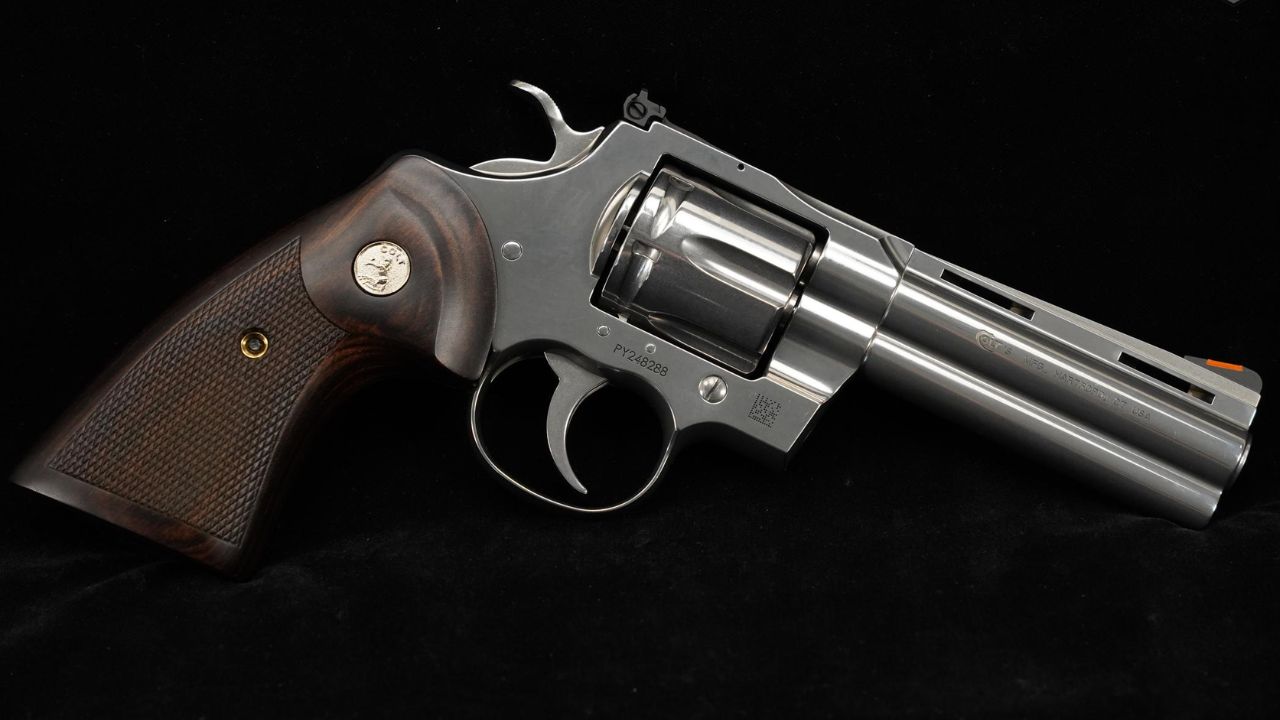
The Colt Python is a real example of a great revolver getting dragged into silly territory by reputation alone. A truly excellent original Python in the right condition absolutely deserves respect, but a lot of ordinary or compromised examples ride that same wave far harder than they should. The name does half the work. Buyers hear “Python” and immediately start thinking hand-fitted magic, old Colt prestige, and automatic collector status, even when the gun in front of them has finish wear, timing questions, or obvious originality issues.
That is how average Pythons end up wearing elite prices. People want the story to be that every old Python is a blue-chip revolver, but not all of them belong in that lane. Some are simply worn old Colts with a famous rollmark. The market keeps stretching because buyers want the legend to stay clean and simple. They do not want to sort the truly exceptional examples from the merely desirable ones, because that would require admitting the snake name does not automatically justify every number attached to it.
Winchester Model 94 Theodore Roosevelt Commemorative
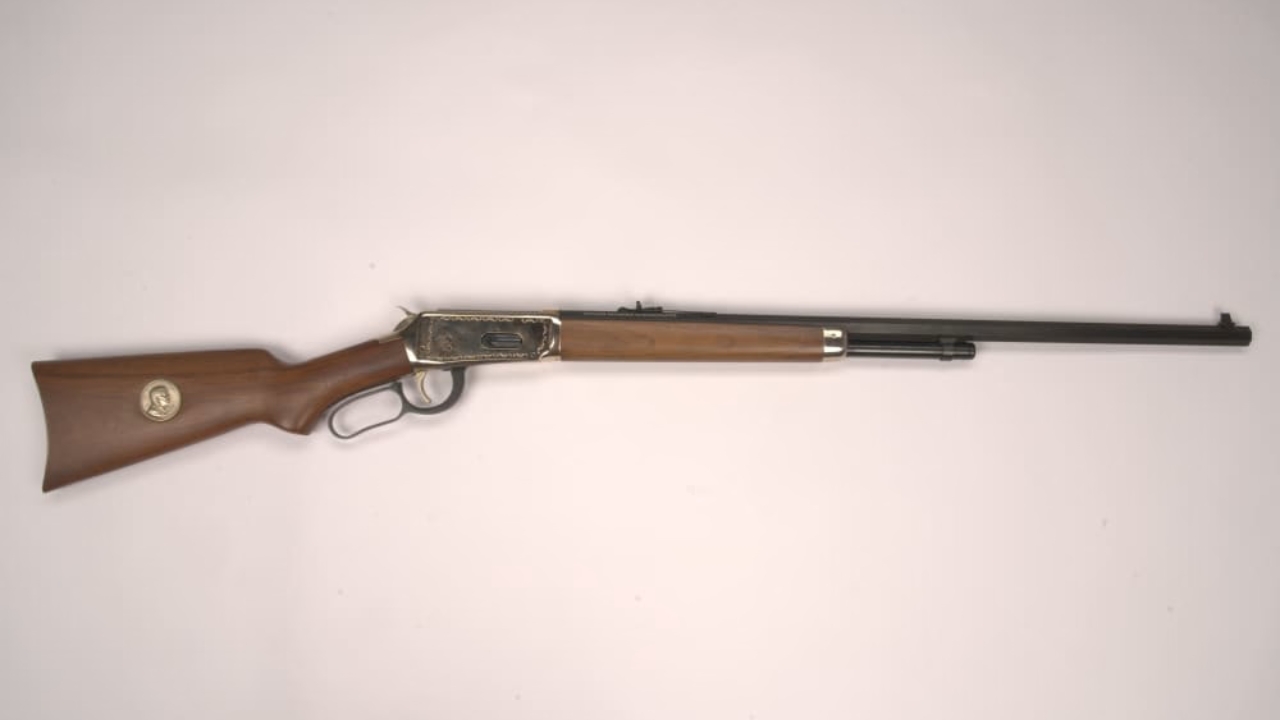
The Theodore Roosevelt Commemorative is one of the clearest cases of a rifle being sold as a collectible from day one and still somehow getting treated like hidden treasure later. It has the engraving, the polished look, the commemorative markings, and the kind of presentation that makes casual buyers feel like they are looking at something inherently rare. That is the whole trap. It looks important in the exact way a marketed collectible is supposed to look important.
The problem is that rifles like this were made for people who wanted collectible appeal right out of the box. A whole lot of them were bought, stored, and barely used, which means nice-condition examples are not exactly miraculous finds. Yet plenty of buyers still price them like they uncovered some forgotten Winchester grail. What they are really paying for is the story that a decorated commemorative lever gun must naturally keep climbing. Sometimes that story holds. A lot of times it is just fancy nostalgia with softer demand than people want to admit.
P08 Luger
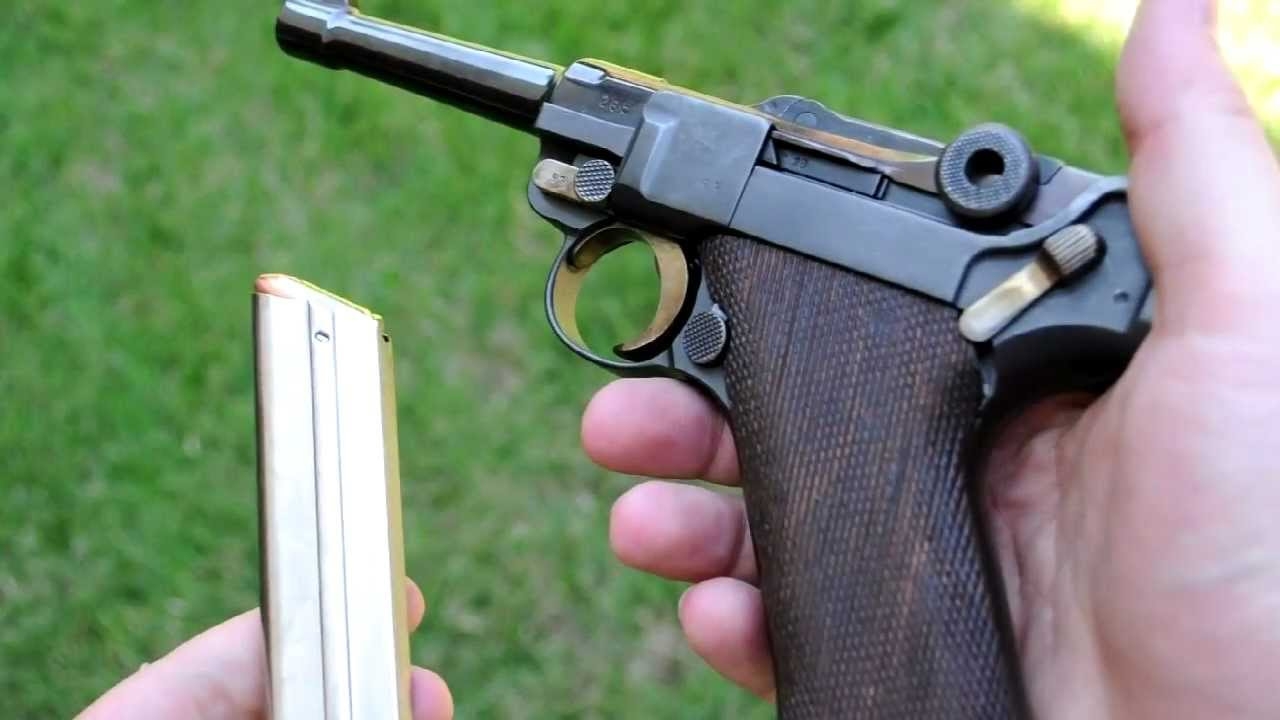
The P08 Luger is one of the most romanticized pistols on earth, which is exactly why it gets overvalued so often. The shape is iconic, the military history is strong, and the pistol has just enough mystique that buyers regularly stop thinking clearly the second they see one with the right look. Matching numbers, correct parts, and original finish are supposed to matter a lot here, but the market is full of people who get carried away by the silhouette and the wartime aura before they ever slow down enough to inspect the details.
That is how rough, mismatched, or heavily messed-with Lugers keep bringing money they should not. People do not want an ordinary assessment. They want a war trophy with a great backstory and investment upside built in. So they keep paying for the version of the Luger they imagine they found. A truly right P08 can absolutely deserve serious money. The problem is how many not-right P08s get dragged upward by buyers who want the old story to stay bigger than the actual gun.
Inland M1 Carbine

The Inland M1 Carbine is a classic example of a beloved military rifle getting priced on affection first and specifics second. Inland made a huge number of carbines, which means the model itself is not some magic rarity. But because the M1 Carbine carries so much World War II charm, even very ordinary examples start getting talked about like they are all rising collector stars. Once the rifle looks right and feels right, a lot of buyers stop caring whether it is actually correct, rebuilt, import-marked, or pieced together over decades.
That is where the overvaluation creeps in. An original, correct Inland in strong condition is one thing. A typical mixmaster with replacement parts and a fuzzy history is something else entirely. But the emotional pull of the model keeps narrowing that gap in people’s minds. Buyers want the story to be that any Inland M1 Carbine is a meaningful war relic that naturally deserves premium money. Sometimes it does. Plenty of times it is simply a common and well-liked rifle riding on one of the strongest nostalgia engines in American collecting.
Colt AR-15 SP1

The Colt SP1 gets treated like a sacred artifact by plenty of buyers who are really paying for early black-rifle nostalgia more than anything else. It absolutely matters as an early civilian AR-15, and it has real collector value in the right shape. But the market often acts like the SP1 name alone guarantees a special rifle, even when the example is altered, worn, or less interesting than people want it to be. A lot of buyers are not just buying a rifle. They are buying the feeling of owning an early Colt from a formative era.
That emotional pull gets stronger every time somebody says “pre-ban” like it settles every argument. In some contexts it matters a lot. In others it turns into a lazy excuse for inflated numbers. The truth is that not every SP1 deserves the kind of reverence it gets. Some are simply old Colt semi-autos with strong branding and period appeal. But buyers want the story to be bigger than that. They want the rifle to represent a golden age, and they often pay more than the actual specimen earns because of it.
Mauser Karabiner 98k
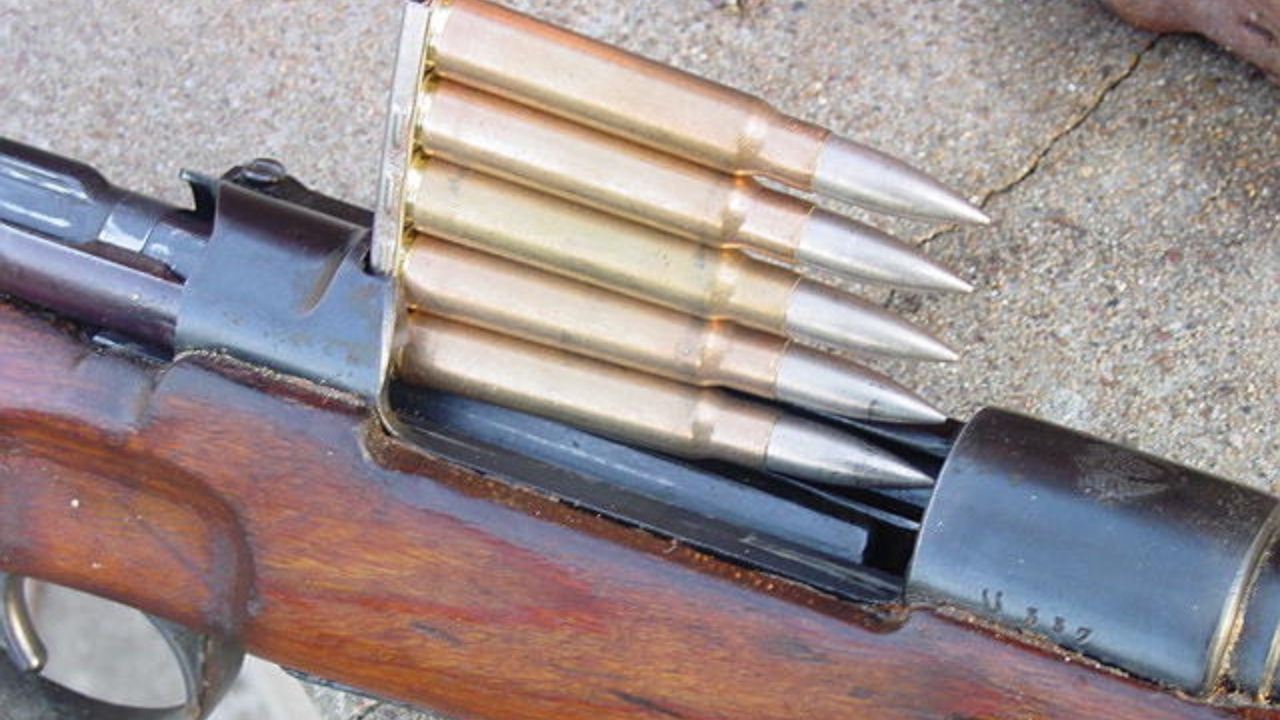
The Karabiner 98k is one of the easiest rifles in the world to overvalue because it carries so much historical gravity before you ever start grading the rifle itself. A clean-looking wartime K98k with visible markings can trigger instant collector excitement, and that excitement often outruns common sense. Matching numbers, finish, stock condition, and import status should all matter heavily, but plenty of rifles with obvious compromises still get treated like major scores simply because they check the emotional box of being a German wartime Mauser.
That is the real issue. Buyers want the symbol, the era, and the sense of owning something from a dark and important chapter of history. That desire makes them more forgiving than they should be. A mismatched or refinished K98k is still historically interesting, but it should not be priced like an untouched centerpiece. Too often it is. People want the story to be that the rifle’s wartime identity makes it automatically scarce and premium. Sometimes that holds up. Plenty of times it is just heavy historical emotion propping up a very ordinary example.
Colt Single Action Army

The Colt Single Action Army is one of the strongest myth-driven collector guns ever made, which is why tired examples so often get pulled into premium pricing. There is real history here. The revolver matters. But the old west aura around a first-generation SAA is so powerful that buyers often stop judging the revolver like a real object and start treating it like a relic from scripture. That is how guns with hard wear, thin finish, replaced parts, weak bores, or questionable stories still wind up wearing price tags far beyond what their actual condition should support.
A really high-condition, properly documented Colt SAA is another conversation entirely. The problem is how often that logic gets stretched down to ordinary or rough specimens. People want the story to be that any old Single Action Army is a cornerstone collectible because it feels like a direct link to frontier America. Sometimes it is. Other times it is just a very old revolver whose value is being held up by fantasy more than by condition, originality, or practical collector logic.
Remington Rand M1911A1

The Remington Rand M1911A1 benefits from two very powerful forces at once: World War II history and the 1911’s cultural status in America. That combination pushes prices upward fast, sometimes faster than the individual pistol deserves. A correct, original Remington Rand can absolutely be worth owning, but people often forget how many were made and how many have been through rebuild programs, refinishing, or parts swapping since the war. The name and the U.S. markings do a whole lot of work before the actual pistol gets examined closely.
That is where the overvaluation shows up. Buyers want every wartime Remington Rand to feel like a rare battlefield relic instead of what many of them actually are: widely produced service pistols with varying levels of originality and condition. The story they want is bigger than the numbers. They want the gun to represent American wartime steel at its most iconic, and that emotional weight makes them stretch. Some examples deserve strong money. A lot of others get priced like crown jewels when they are really just desirable military pistols with ordinary collector realities.
Springfield Armory M1 Garand

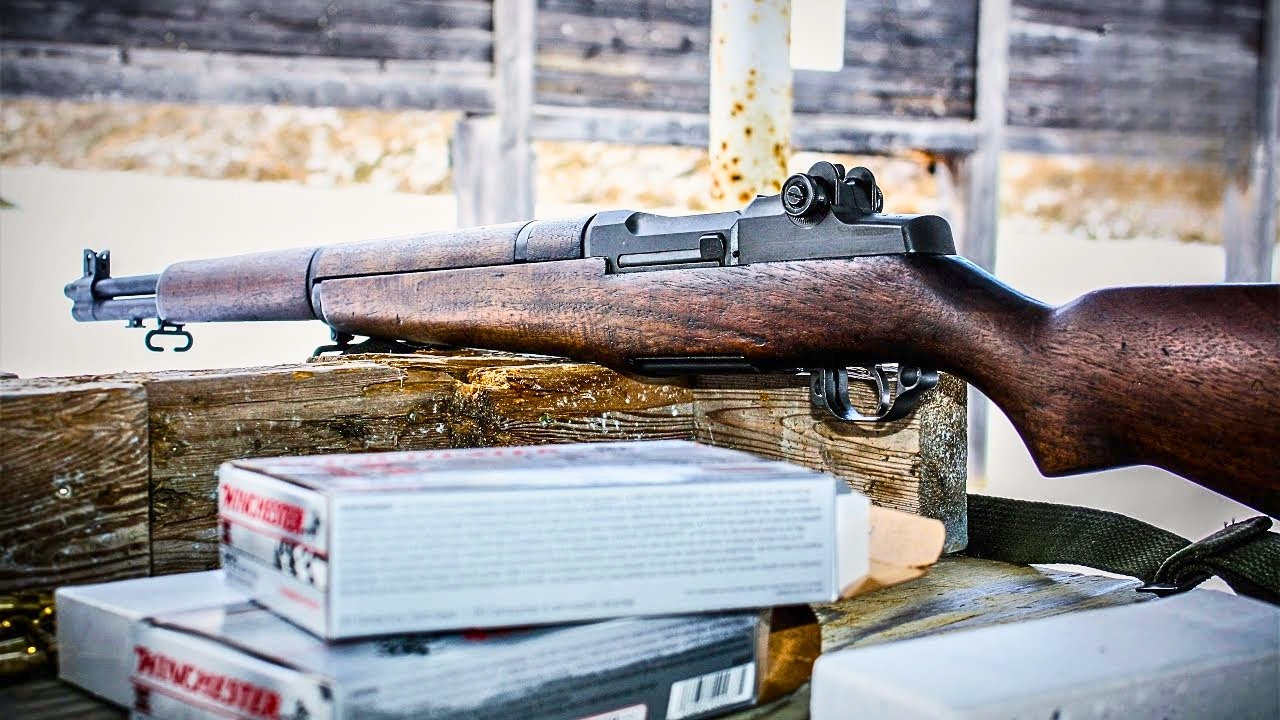
The Springfield Armory M1 Garand has one of the strongest American stories ever attached to a rifle, and that alone helps explain why so many examples get overpriced. Buyers are not only seeing a semi-auto .30-06. They are seeing World War II, Korea, military tradition, and every line ever repeated about the greatest battle implement. That is a lot for one rifle to carry, and it makes people more willing than they should be to pay up for ordinary examples with no real rarity beyond the platform itself being beloved.
That gets even worse when paperwork, cases, or vague provenance language enter the conversation. Suddenly a standard CMP rifle starts being talked about like a singular collectible event. There are Garands that absolutely deserve higher-end pricing, especially truly correct or uncommon ones. But a lot of Springfield M1s are simply solid, respected rifles with good history and broad availability. Buyers want the story to be that every one of them is a premium heirloom. That desire keeps prices high even when the actual rifle is far more ordinary than the sales pitch.
Colt Detective Special

The Colt Detective Special rides on a lot more mystique than many people want to admit. It has the old-school snubnose charm, the Colt name, and the kind of mid-century detective aura that collectors and casual buyers both find hard to resist. That is enough to make almost any decent example feel cooler than it really is. Once somebody starts picturing trench coats, old police work, and classic pocket-revolver history, the gun becomes easier to romanticize and much harder to price like an ordinary used revolver.
That is why you see average Detective Specials bringing stronger money than logic sometimes supports. A truly excellent early gun in strong original condition is one thing. A worn, refinished, or otherwise middling example is another. But the name and the vibe narrow that gap in buyers’ minds. They want the story to be that the Detective Special is not just collectible but essential, and that urge keeps lifting mediocre examples. In a lot of cases, people are paying for atmosphere and old Colt warmth as much as the revolver itself.
Smith & Wesson Registered Magnum
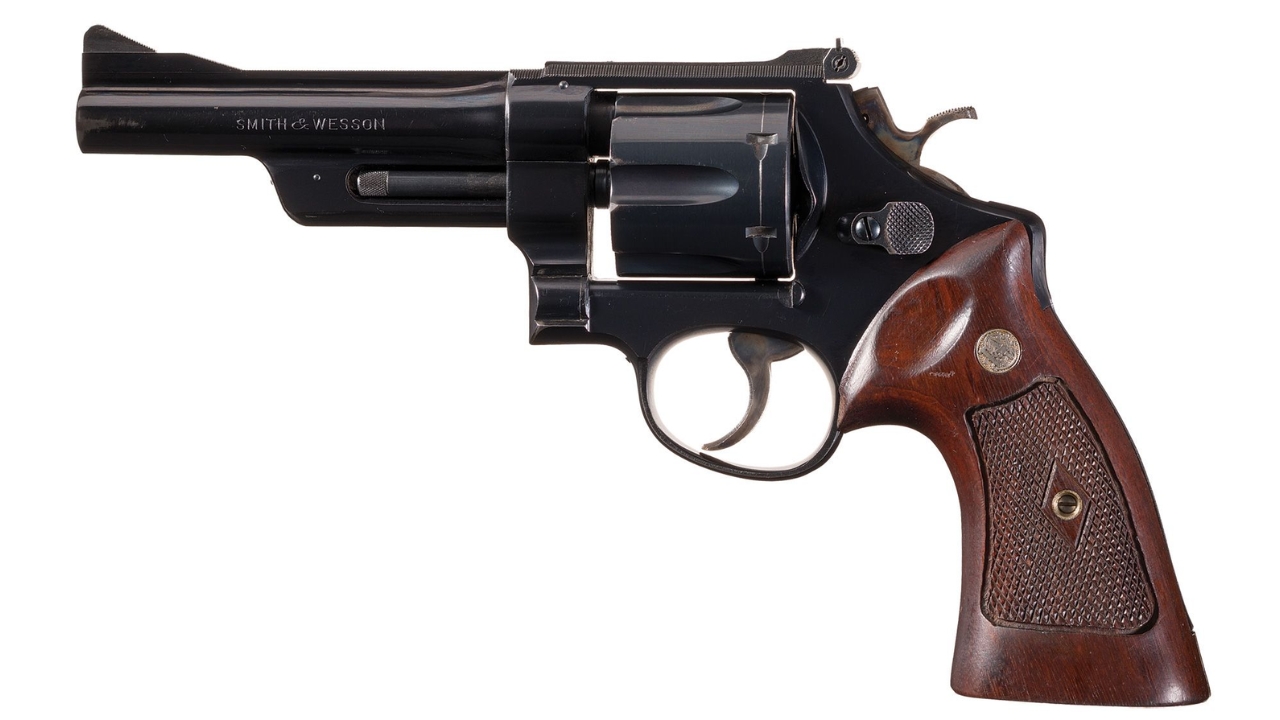
The Registered Magnum deserves respect, but it also gets wrapped in a kind of collector holiness that can make sober pricing difficult. It is historically important, no question, and the right example with proper registration features is a serious revolver. The trouble starts when that prestige spills over into a wider habit of treating almost anything even loosely connected to the model’s aura like it belongs in the top tier. Buyers get so caught up in the prewar mystique that they start paying for status first and actual specimen quality second.
That is what happens when the story becomes too attractive to challenge. A truly exceptional Registered Magnum is a major piece. But not every gun discussed in that orbit deserves the same emotional inflation. Condition, originality, and documentation matter a lot, yet the market can get hazy because people want the model to remain larger than life. They want the story to be that owning one means touching the absolute peak of old Smith & Wesson craftsmanship, and sometimes that desire pushes numbers beyond what the particular revolver can really justify.
Winchester Model 70 pre-64
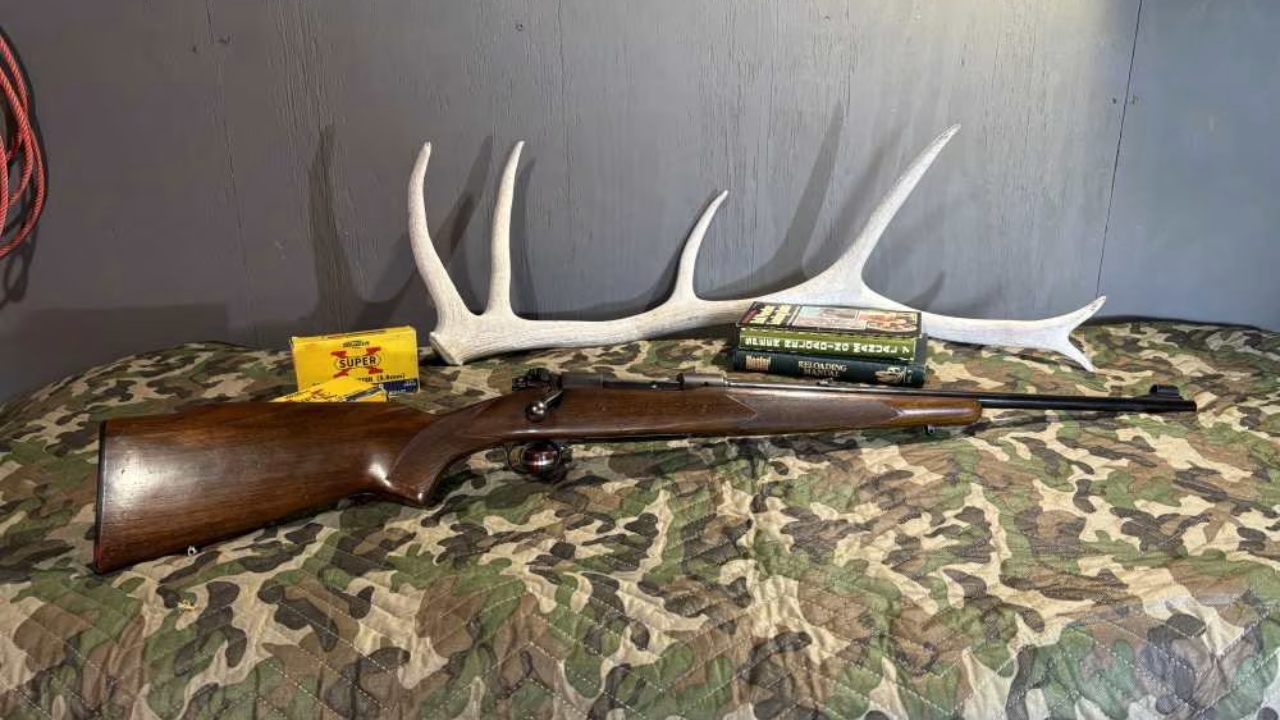
The pre-64 Winchester Model 70 is one of the clearest examples of a gun whose reputation became so strong that buyers started assuming all examples belong in the same premium conversation. The rifle absolutely matters. It earned its place. But once “pre-64” became collector shorthand for everything noble and correct in the bolt-action world, nuance got weaker. Ordinary rifles with hard hunting wear, altered stocks, drilled holes, or otherwise unremarkable features started getting defended with the same language people use for truly special examples.
That is how a broad and respected category turns into an overvalued catch-all. Buyers want the story to be simple: if it is pre-64, it is automatically worth paying up for. Sometimes that is true. Sometimes it is just a well-made old hunting rifle whose price has been inflated by decades of repeated praise. The model’s reputation is real, but not every individual rifle lives up to the full mythology attached to the label. Too many buyers pay as though it does, because they want the legend to remain clean.
Browning Hi-Power

The Browning Hi-Power has enough real history and enough cultural stature that it becomes easy for buyers to pay for the idea of the pistol more than the actual specimen in front of them. It is respected, attractive, and tied to military service, classic design, and old-world steel-and-wood appeal. That combination keeps demand strong. The problem is that not every Hi-Power deserves the kind of collector premium people start throwing around the second they see one with honest wear and a decent story attached.
A clean early Belgian gun can certainly be worth chasing. But the market often stretches well beyond that. Refinished pistols, mismatched examples, and fairly ordinary later guns can still get priced like they sit much closer to the top than they really do. Buyers want the story to be that the Hi-Power is always a cornerstone pistol, always rising, always more special than the average collector sidearm. Sometimes that is true. A lot of times it is just a handsome, respected pistol benefiting from a story people badly want to keep believing.
Like The Avid Outdoorsman’s content? Subscribe to our newsletter so you never miss an article.
Here’s more from us: