Photo credit: USASOC News Service – CC BY 2.0/Wiki Commons
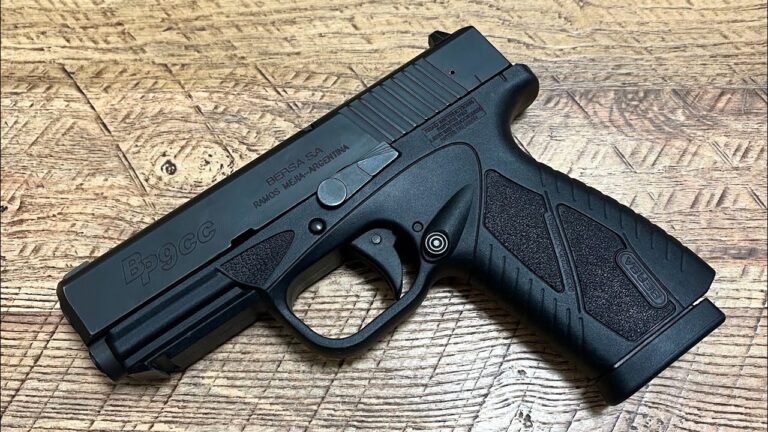
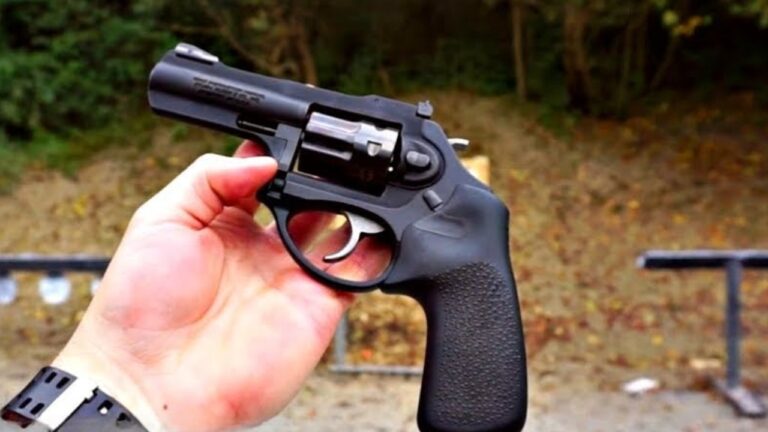
A lot of shooters assume “bigger gun equals faster shooting” because bigger guns are softer, steadier, and easier to hang onto. In pure recoil math, that’s mostly true. But in real-world shooting—especially from concealment—compact pistols often end up being faster than people expect because speed isn’t just split times. Speed is the entire process: draw, grip acquisition, sight pickup, recoil tracking, and returning to a usable sight picture without extra correction. Compacts live in the sweet spot where they’re small enough to conceal and access cleanly, but still large enough to give you real leverage and control. That balance is why compacts surprise people when the timer comes out.
The other reason compacts shoot “fast” is psychological: people relax with them. A duty-size can feel bulky and awkward under a cover garment, and micros can feel snappy and unforgiving. A compact often feels like the middle ground that lets you run the gun with less tension. Less tension usually means cleaner mechanics, and cleaner mechanics are what create real speed.
They’re often faster from the draw because the grip is easier to access
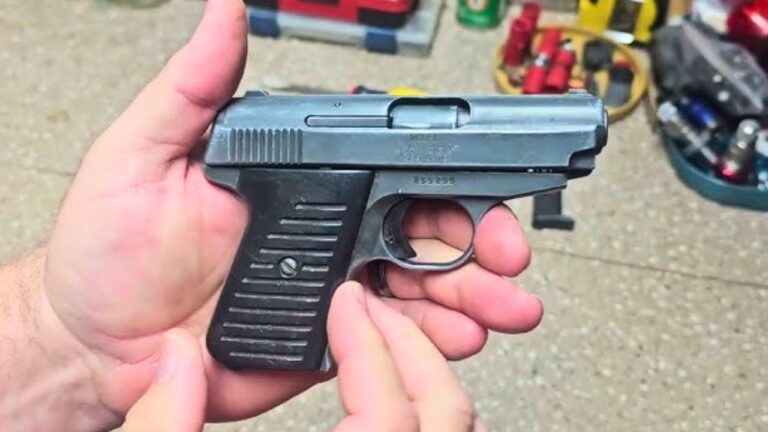
From concealment, getting a full firing grip fast is everything. Duty-size guns can force compromises: ride height, printing, and how tight the grip is pinned against your body. Micros can be easy to hide but harder to grip consistently because there’s less real estate. A compact grip is often the easiest to “hit” cleanly under a cover garment. You get enough grip length to index your hand quickly, without the full-size grip printing so hard you’ve buried it too deep to grab.
When you can establish a true firing grip on the draw without re-gripping after the gun clears the holster, your first shot gets faster and your follow-up shots tighten up. That’s why some shooters are shocked that their compact beats their full-size gun on cold draw drills. The full-size shoots softer, but it didn’t leave the holster as cleanly.
Compacts track in a way that feels predictable, not floaty
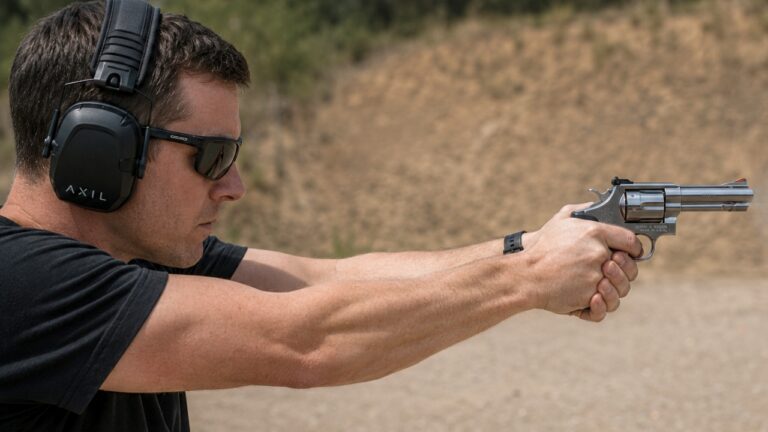
Full-size pistols can be very stable, but some shooters find they “float” more in recoil because they’re trying to drive the gun with too much muscle instead of letting it track naturally. Micros snap hard and can feel chaotic. Compacts often track predictably because they have enough mass to settle, but not so much bulk that you start fighting your own grip tension and posture. The gun moves, returns, and gives you a usable sight picture again without as much drama.
Predictable tracking matters because follow-up speed depends on when your brain gives you permission to press again. If the sight picture returns consistently, your brain trusts it faster. If the gun returns inconsistently, you hesitate—even if you don’t consciously notice it.
They punish sloppy grip less than micros but don’t tempt laziness like full-size
A compact still demands a decent grip, but it doesn’t punish you like a micro does when your support hand placement is slightly off. At the same time, it doesn’t let you get lazy like some full-size guns can. Full-size pistols can mask mediocre grip because they’re forgiving. Then you switch to a smaller carry gun and your performance falls apart. Compacts teach control without being miserable. That’s a big reason shooters get faster on them: they actually build usable skill instead of building “range skill” that only works on easy guns.
When people say, “I shoot my compact better than I thought I would,” that’s usually what’s happening. The compact is giving them feedback without punishing them to the point they avoid training.
The concealment benefit makes practice more realistic
A compact is closer to what many people actually carry daily. That means the training you do with it transfers directly to your real life. You’re drawing from your actual holster, from under your actual clothes, with a gun you actually live with. That realism makes your draw and presentation smoother over time, because you’re not constantly switching platforms. When your brain and body stop adapting to different grip lengths and different balance points, everything gets faster.
This is also why some shooters look “fast” with a compact and “average” with a full-size. Their reps are with the compact. Their timing and sight tracking are dialed for that gun. Familiarity creates speed as much as hardware does.
How to confirm it without arguing about it
Run three simple drills with a timer and a realistic target zone: cold draw to one hit, controlled pairs, and a short transition drill between two targets. Do it with a full-size, a compact, and a micro if you have them. Keep the same holster style and carry position if possible. Most shooters will see the truth quickly: the compact often wins overall time-to-acceptable-hits because it draws cleaner than the full-size and shoots cleaner than the micro. If you need a timer or targets to make this honest, Bass Pro Shops carries the basics, but the method matters more than the brand.
Compacts often shoot faster than people expect because they’re fast in the places that actually matter: consistent grip on the draw, predictable tracking, and a sight picture your brain trusts quickly. Full-size guns can be softer, and micros can be easier to hide, but compacts are the balance point where most people can carry consistently and still shoot with speed and control. If you’re trying to be faster with your real carry setup, a compact is often the most practical path, not because it’s trendy, but because it works with how people actually live and train.
Like The Avid Outdoorsman’s content? Subscribe to our newsletter so you never miss an article.
Here’s more from us: