Photo credit: Guns & Ammo/YouTube
Recoil springs are the quiet wear item you don’t think about until the pistol starts feeling “off.” The slide starts hitting harder, brass goes from a tidy pile to a random scatter, and the gun gets less forgiving when it’s dirty or you’re shooting softer range ammo. That doesn’t automatically mean the pistol is unreliable. It usually means the recoil system is getting tired, the gun is running fast, or you’re putting a lot of rounds through a compact setup that doesn’t have much extra spring length to work with.
Short slides cycle quicker. Light slides hit the end of travel harder. Hot ammo, suppressors, comps, and weapon lights (on some platforms) can change how the gun behaves too. If you shoot a lot, some pistols make recoil springs a more frequent maintenance item than you’d expect. Here are fifteen that tend to live in that world, for very normal mechanical reasons.
SIG Sauer P365 XL

The P365 XL gives you more grip and a slightly longer slide than the base model, but it’s still a compact pistol with a fast cycle and a tight recoil system. If you shoot it hard—especially with hotter 124 or 147 loads—recoil springs will show wear sooner than you’re used to on a full-size duty gun.
When the spring is getting tired, you’ll notice it in the feel before you see it in reliability. The slide feels more abrupt, and ejection gets less consistent. Some guns start feeling pickier once they’re dirty, not because the design is weak, but because you’ve got less margin when the recoil system loses tension. If the XL is your “carry a lot, shoot a lot” pistol, spring changes are part of keeping it consistent.
Springfield Armory Hellcat Pro

The Hellcat Pro sits in that sweet spot: thin enough to carry, big enough to shoot seriously. That also means it’s a pistol people run high round counts through, and the recoil system takes the brunt of it. The slide is still relatively light, and the gun cycles quickly.
As the recoil spring assembly starts to fade, you’ll usually see ejection change and feel the gun get sharper. The slide can start returning with less authority when the pistol is filthy, especially if you’re shooting smoky bulk ammo. None of this is exotic. It’s the cost of a compact system doing duty-like work. If you’re using the Pro as your main training pistol, you’re going to treat recoil springs like normal maintenance, not a rare event.
Smith & Wesson M&P Shield (original 9mm)

The original Shield is simple and dependable, but it’s still a slim, short-slide pistol with a recoil system that has to work harder than a service-size gun. When you shoot it a lot, you learn quickly that small pistols don’t hide spring fatigue the way big pistols do.
A tired recoil spring in a Shield often shows up as a change in how the gun feels—more snap, less smoothness, and ejection that stops being predictable. Sometimes you’ll also notice it gets less tolerant of soft practice ammo when the gun is dirty. If you carry a Shield and actually train with it, the recoil spring becomes one of those parts you just keep on hand. It’s cheap insurance that keeps the pistol behaving the same way it did when you first trusted it.
Walther PPS M2

The PPS M2 is a great carry pistol, but it’s also a slim, fast-cycling 9mm that doesn’t have extra mass or extra spring length to waste. When you start putting serious rounds through it, recoil spring wear becomes more noticeable than it would be on a larger gun.
What you’ll usually see is a gradual change: ejection gets weaker or inconsistent, and the pistol feels more abrupt at the end of travel. If you’re shooting a mix of ammo types, that inconsistency can get blamed on the gun, when it’s often the recoil system losing tension and shrinking your margin. The PPS M2 can be very reliable, but it rewards shooters who stay ahead of maintenance. When a compact pistol starts feeling less “settled,” the recoil spring is one of the first places your attention should go.
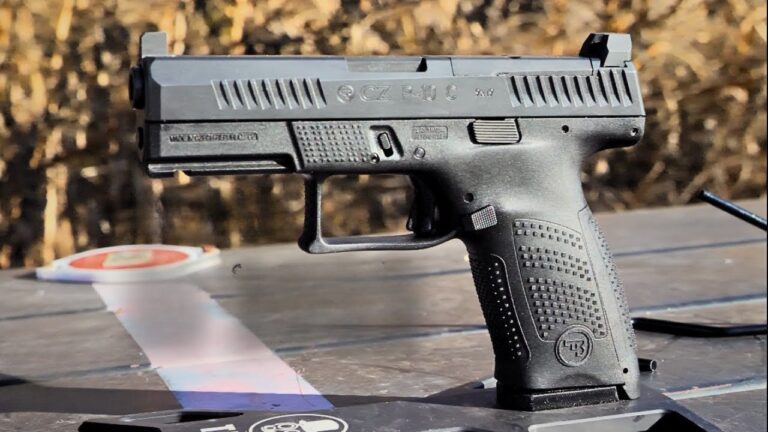
CZ P-10 S

The P-10 S is a subcompact striker pistol that’s easy to carry and surprisingly shootable, but it’s still a short slide with a quick cycle. Short-cycle pistols tend to show recoil spring fatigue earlier because everything happens faster and the spring is doing more work per inch of travel.
As the spring gets tired, you may notice changes in ejection and a sharper, less controlled recoil feel. In some guns, the first sign is that the pistol starts acting slightly less forgiving late in a long session when it’s dirty and hot. That doesn’t make it unreliable by nature. It means it’s a compact gun being shot like a duty gun. If you like the P-10 S enough to train hard with it, you should expect spring changes to be a routine part of keeping it running consistently.
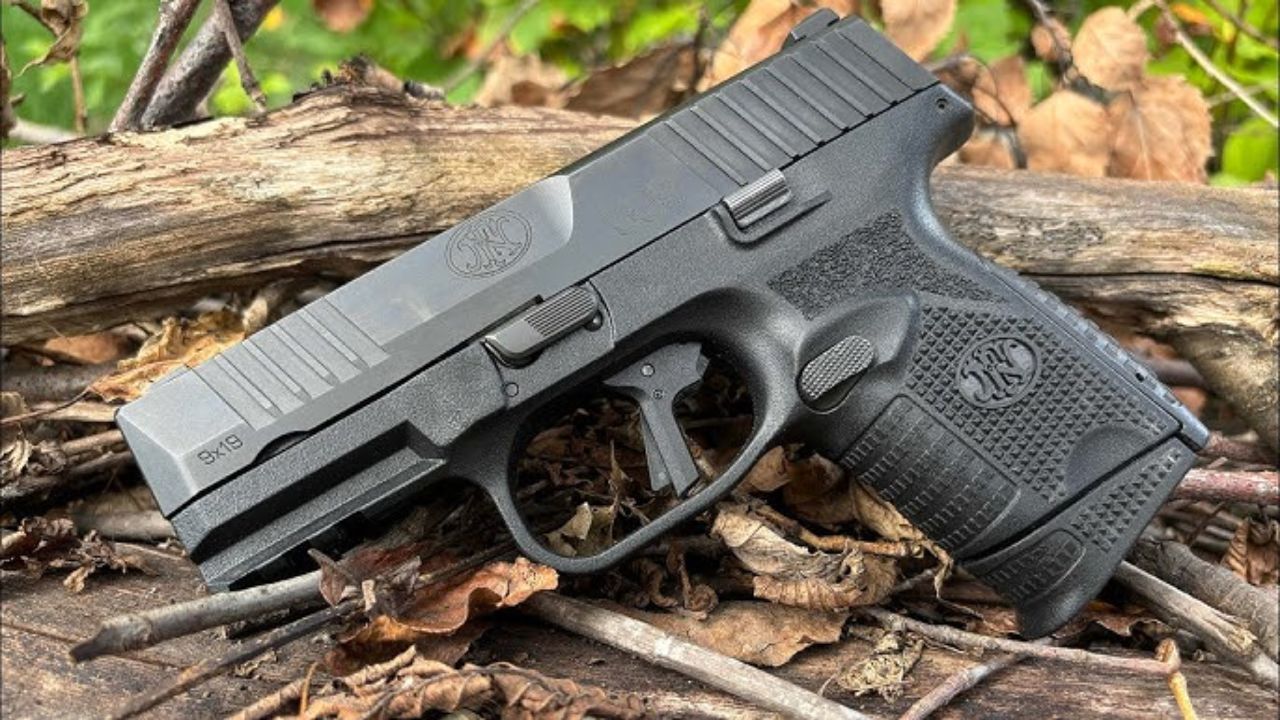
FN 509 Compact

The 509 Compact is built for serious use, but compact size still brings compact recoil system realities. Slide speed is up, spring travel is down, and when you shoot it a lot, the recoil spring assembly is doing steady overtime.
When it starts to weaken, you can see ejection become less consistent, and the pistol may feel more abrupt as the slide bottoms out. Some shooters notice it when the gun starts getting picky with softer practice ammo after it’s dirty. The 509 Compact isn’t fragile. It’s a compact pistol with duty intentions, and that combination means you don’t ignore recoil springs if you’re actually running the gun. Staying ahead of the spring keeps the gun feeling predictable, which is the whole point of a carry pistol.
Ruger Max-9

The Max-9 is another slim, high-capacity carry gun that tends to get used hard because it’s easy to live with. That’s when recoil spring wear becomes real. Smaller pistols cycle fast, and the recoil system has less room to absorb changes as it ages.
The symptoms are usually subtle at first: ejection loses consistency, recoil feels a bit harsher, and the gun becomes less forgiving when it’s dirty. People often chase ammo, extractor, or grip issues before they consider the spring. If you put a lot of rounds through a Max-9, keeping a fresh recoil spring assembly on a schedule is part of treating it like serious equipment. It’s not glamorous, but it keeps you from wasting range days diagnosing problems that are really normal spring fatigue.
Canik TP9 Elite SC

The Elite SC is a chunky subcompact that shoots well, and because it shoots well, people run it hard. Even though it’s heavier than many micro 9s, it’s still a compact slide with a quick cycle, and the recoil system can show fatigue earlier than you’d expect if you’re used to full-size duty pistols.
When the spring assembly starts losing tension, the gun can feel less smooth and more abrupt. Ejection may become inconsistent, and you can sometimes see odd last-round behavior that disappears with a fresh spring and clean mags. The Elite SC is a good reminder that “shoots easy” often means “gets shot a lot,” and high round counts will wear recoil springs in any compact platform. If it’s your main carry and training pistol, spring changes are normal upkeep.
HK VP9SK

The VP9SK is built with duty reliability in mind, but the SK format still runs a shorter slide and a compact recoil system. That combination can wear recoil springs faster than you’d think—especially if you shoot it frequently with hotter loads or you run long sessions without cleaning.
A VP9SK that’s due for a spring often shows it with a feel change: ejection gets less consistent, the recoil impulse feels sharper, and the gun may feel a little less forgiving as it gets dirty. The pistol itself is rarely the problem. It’s simply that compact guns live on tighter margins and recoil springs are consumables. If the VP9SK is your carry pistol and you actually practice with it, staying ahead on recoil springs is part of keeping it as dependable as its reputation.
Beretta PX4 Storm Compact

The PX4 Compact uses a rotating barrel system that can be very soft shooting, but it’s also a design that benefits from correct spring condition and good lubrication. When recoil springs get tired, you can see changes in cycling behavior, especially as the gun gets dirty and the system has more friction to overcome.
Spring fatigue tends to show up as a shift in ejection and a less controlled slide return. In some cases, shooters mistake it for ammo sensitivity because the gun will run hotter loads fine but gets less happy with softer range ammo. The PX4 isn’t inherently hard on springs, but if you run it hard and don’t treat the recoil system as a wear item, you’ll eventually feel the difference. A fresh spring keeps the gun’s smooth feel and consistent cycling intact.
Kimber Ultra Carry II (3-inch 1911)

Short 1911s are the classic example of pistols that can be harder on recoil springs. A 3-inch slide has less travel and less time for the magazine to present the next round, so the recoil spring system ends up doing a lot of timing work. That usually means you’re changing springs more often than you would on a 5-inch gun.
When the spring is tired, problems show up fast: inconsistent ejection, failures to return to battery, and feeding behavior that feels random until you realize the timing margin is gone. This isn’t a brand-specific insult. It’s physics. The shorter the 1911, the more it asks from springs, magazines, and maintenance. If you carry a 3-inch 1911, you don’t treat recoil springs as optional. They’re part of keeping the platform predictable.
Colt Defender (3-inch 1911)

The Colt Defender lives in the same reality as other 3-inch 1911s: the gun can be excellent, but the recoil spring system is a frequent maintenance item if you shoot it a lot. The slide is moving fast, the cycle window is short, and the spring is doing heavy lifting to keep timing sane.
As springs age, the Defender tends to tell you with return-to-battery hesitations, sharper recoil feel, and ejection that stops being consistent. Sometimes it will run fine for a while, then act up as fouling builds because you’ve lost the margin that a fresh spring gives you. If you want a short 1911 to behave like a boring carry gun, you stay disciplined about spring changes. It’s not because the pistol is weak—it’s because short 1911s are less forgiving.
CZ 75 D PCR Compact

The PCR is a compact alloy-framed hammer gun that a lot of people shoot hard because it’s comfortable and accurate. That compact slide still cycles faster than a full-size CZ 75, and over time you can see recoil spring wear show up in ejection pattern changes and how the gun feels at the end of travel.
With higher round counts, the PCR may start feeling a little more abrupt, especially with hotter ammo. The gun can still run fine, but it loses that “settled” feel that a fresh spring gives you. A lot of owners don’t think about recoil springs on hammer guns until the gun starts behaving differently. The PCR is the kind of pistol that rewards routine spring maintenance if you’re actually training with it and not treating it like a safe queen.
SIG Sauer P229 (especially in .40 S&W)

The P229 is a workhorse, but the .40 S&W versions in particular can be harder on recoil springs when you shoot them a lot. The recoil impulse is sharper, and over time you’ll notice spring fatigue showing up as ejection pattern changes and the slide feeling like it’s cycling with more violence than it should.
It’s common for a P229 to run “fine” even with a tired spring, which is why people overlook it. The gun keeps going, but it’s beating itself more than necessary and it can get less forgiving when it’s dirty or when ammo is inconsistent. If you run a P229 hard, especially in .40, you treat recoil springs as normal wear items. Fresh springs keep the gun feeling controlled, reduce battering, and help maintain the consistent function you bought it for.
Kahr PM9

The Kahr PM9 is a small pistol with a reputation for being shootable for its size, but it’s also a compact system that depends heavily on spring condition. The recoil spring setup is doing a lot of work in a short slide, and the pistol doesn’t have a huge margin for spring fatigue—especially once it’s dirty.
When the recoil spring is tired, you can see sluggish return to battery and a general loss of smoothness. Some shooters interpret that as “Kahrs are picky,” when a lot of it is simply that small pistols need their springs maintained to stay consistent. The PM9 can be a reliable carry pistol, but it’s not a platform where you ignore recoil springs until something breaks. If you stay ahead of that maintenance, the gun tends to stay predictable.
Walther PPK/S (.380 ACP)

Blowback .380 pistols like the PPK/S put more stress into the system because there’s no locked-breech delay helping control slide speed. The recoil spring is a major player in keeping the slide from battering the frame and keeping cycling consistent. When the spring gets tired, the gun can start feeling harsher and less controlled.
You’ll often see changes in ejection and feel more than obvious malfunctions at first. Then, as the gun gets dirty, you may notice the cycle becoming less consistent with bargain ammo. The PPK/S can be dependable, but it lives in a mechanical world where recoil spring condition matters a lot. If you shoot one regularly, recoil spring changes aren’t weird—they’re part of keeping a blowback pistol running the way it should, without extra battering and drama.
Like The Avid Outdoorsman’s content? Be sure to follow us.
Here’s more from us: