Photo credit: Iraqveteran8888/YouTube.
Few pistols have the kind of staying power the 1911 does. It’s been in the hands of soldiers, cops, and everyday folks for over a century. What started as a military sidearm in World War I is still riding in holsters today—and not just for nostalgia. It’s changed a bit over the years, but the bones are still the same.
Let’s walk through how the 1911 went from trench warfare to concealed carry. Here’s how it’s stuck around for over 100 years and keeps proving itself in a world full of polymer and red dots.
WWI: The 1911 Hits the Battlefield

John Browning’s 1911 showed up just in time for the mud and mess of WWI. Troops wanted something with real stopping power, and the .45 ACP delivered. It was tough, simple, and way more powerful than the revolvers it replaced.
Back then, the gun had a longer trigger, flat mainspring housing, and no scalloped frame cuts. It wasn’t refined—but it worked. And in the trenches, that mattered more than anything else.
WWII: The 1911A1 Gets Tweaked
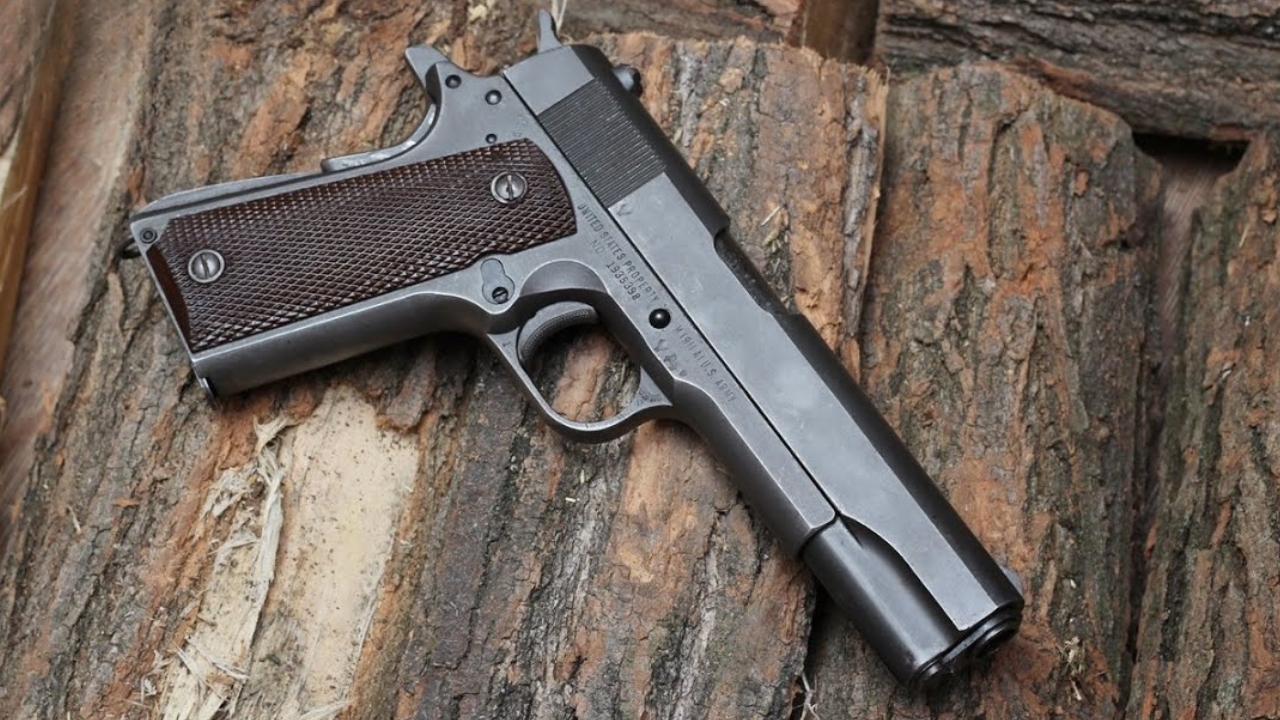
By the time WWII rolled around, the military gave the original design a facelift. Enter the 1911A1. It got a shorter trigger, arched mainspring housing, and better sights—little changes that made it easier to shoot under stress.
Millions were made during the war, and almost every GI had one strapped to their side. It earned a reputation for being reliable in just about every combat scenario you could imagine.
Korea and Vietnam: Same Gun, Same Grit

The military didn’t feel the need to mess with a good thing, so the 1911A1 kept rolling through Korea and Vietnam. It was still the go-to sidearm for many service members, especially in close-quarters situations.
Even as other weapons systems modernized, the 1911 stuck around. It was proven, familiar, and field repairable, which meant it stayed in action without needing fancy tools or parts.
The 1980s: The M9 Replaces It—Sort Of

In 1985, the Beretta M9 officially replaced the 1911 as the U.S. military’s standard-issue sidearm. But that didn’t mean the 1911 disappeared overnight. Elite units and some special forces kept using it well into the 2000s.
There was pushback against the 9mm switch, especially from those who trusted the .45’s stopping power. That debate still rages on today in gun shops and forums across the country.
Civilian Surge: Custom Shops and Carry Guns

As the military started phasing it out, civilians picked it up. Companies like Colt, Springfield, and Kimber started making 1911s tailored for the civilian market. You could get a basic model or a hand-fitted custom pistol with all the bells and whistles.
It wasn’t just a duty gun anymore—it became a prized piece for collectors, competitors, and concealed carriers. Suddenly, you saw 1911s at the range, in competition, and in nightstands across America.
Competition Shooters Push the Limits

The 1911 found a new home in competitive shooting. USPSA and IDPA shooters loved how flat it shot and how clean the triggers felt. That pushed the design into high-end territory, with guns built for speed, precision, and fast reloads.
Double-stack variants like the 2011 started showing up too. That meant more rounds without giving up the feel of the original design—a big deal for folks who run and gun on the clock.
The Rise of the 2011

In the 1990s and early 2000s, the 2011 really came into its own. Think of it as a modern take on the classic—double-stack mags, polymer frames, and tuned-up internals. It’s not exactly a 1911, but the roots are unmistakable.
Today, companies like Staccato have made the 2011 a serious option for law enforcement and concealed carry. It’s faster, lighter, and carries more rounds without losing that clean 1911 trigger feel.
Modern Manufacturing Brings It Back
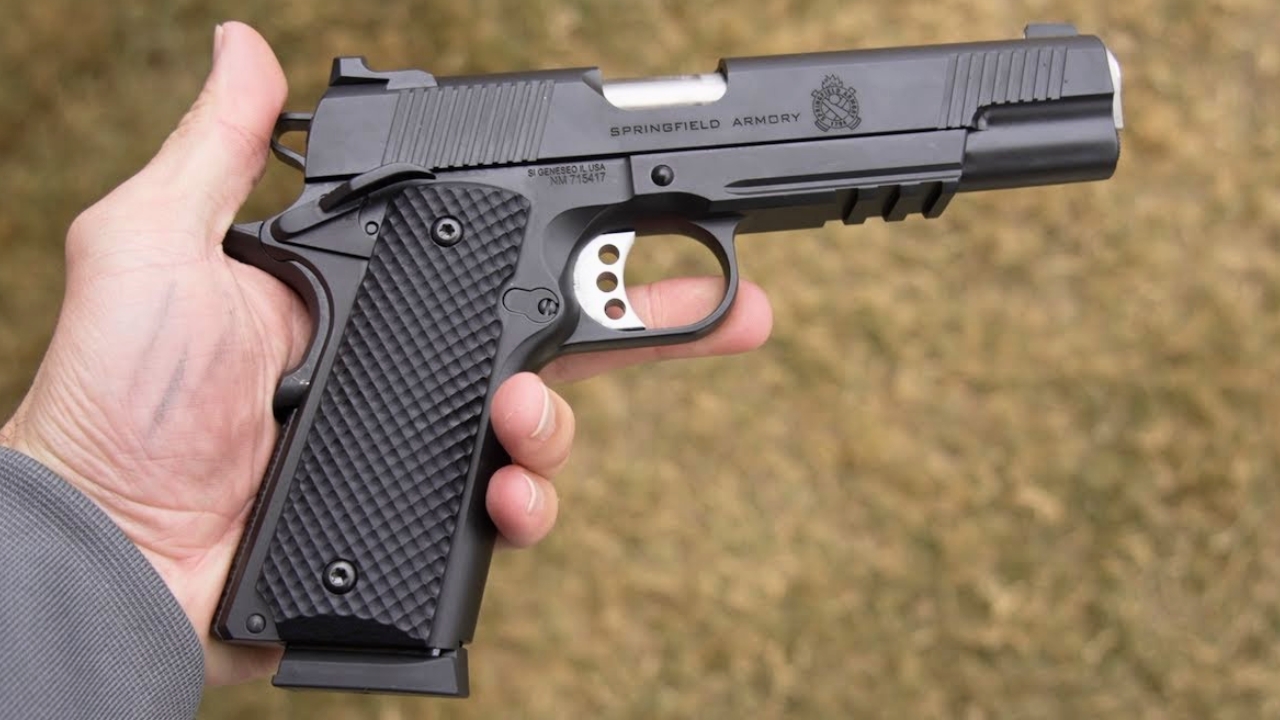
Modern CNC machining has made 1911s more reliable than ever. Tolerances are tighter, quality control is better, and even budget-friendly options are far more dependable than they used to be.
You don’t have to spend $3,000 to get a good one anymore. Even entry-level models from companies like Rock Island or Tisas are turning heads at the range. It’s made the platform more accessible than ever.
Tactical 1911s for Duty Use

The 1911 has seen a bit of a tactical resurgence lately. You’ve got railed frames, suppressor-height sights, threaded barrels, and optic-ready slides. These aren’t your granddad’s pistols—they’re ready for night vision and red dots.
Some departments and special units have gone back to the 1911 or 2011 platform because of its shootability and trigger. It’s not as high-capacity as a Glock, but it’s got fans in serious circles.
It’s Still Here—for Good Reason

After more than a century, the 1911 isn’t going anywhere. Some carry it because they trust the big .45. Others love the history, the feel, or the look. And some folks just shoot it better than anything else.
It’s not perfect, but it’s proven. And in a world full of plastic and polymer, there’s still something satisfying about steel, a crisp trigger, and a design that’s stood the test of time.
*This article was developed with AI-powered tools and has been carefully reviewed by our editors.