Photo credit: Misha’s Guns/YouTube
Some firearms become collectible because everyone recognizes them immediately. Others take the slower route. They sit in used racks for years, get dismissed as oddballs or outdated designs, and only start drawing serious attention after supply dries up and people realize how few clean examples are still floating around.
That is usually when prices start moving. Suddenly the gun that nobody wanted to pay much for becomes the one people regret passing on. I am not talking about every old firearm with a high asking price. These are guns that spent a long time underappreciated before scarcity, nostalgia, discontinued production, or a growing collector base finally changed how buyers looked at them.
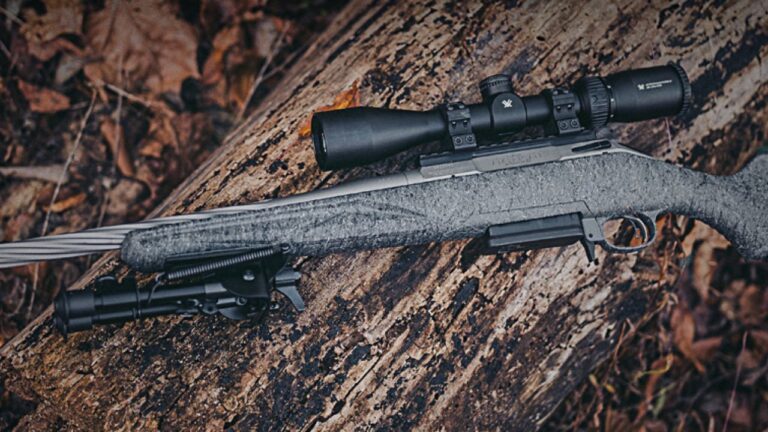
Remington Model 600

The Model 600 was once treated like a strange little bolt rifle with styling that did not fit the traditional hunting-rifle mold. The ventilated rib, short barrel, compact dimensions, and distinctive stock made it easy to dismiss if you wanted something that looked like a conventional Model 700. For years, that worked against it. Plenty of hunters simply saw an oddball Remington rather than a genuinely handy woods rifle.
That changed as collectors started paying more attention to short-production Remingtons and hunters rediscovered how useful compact bolt guns can be. Clean rifles, especially in desirable chamberings, stopped looking cheap very quickly. The Model 600 is a perfect example of a gun people ignored until enough of them disappeared into permanent collections.
Winchester Model 43
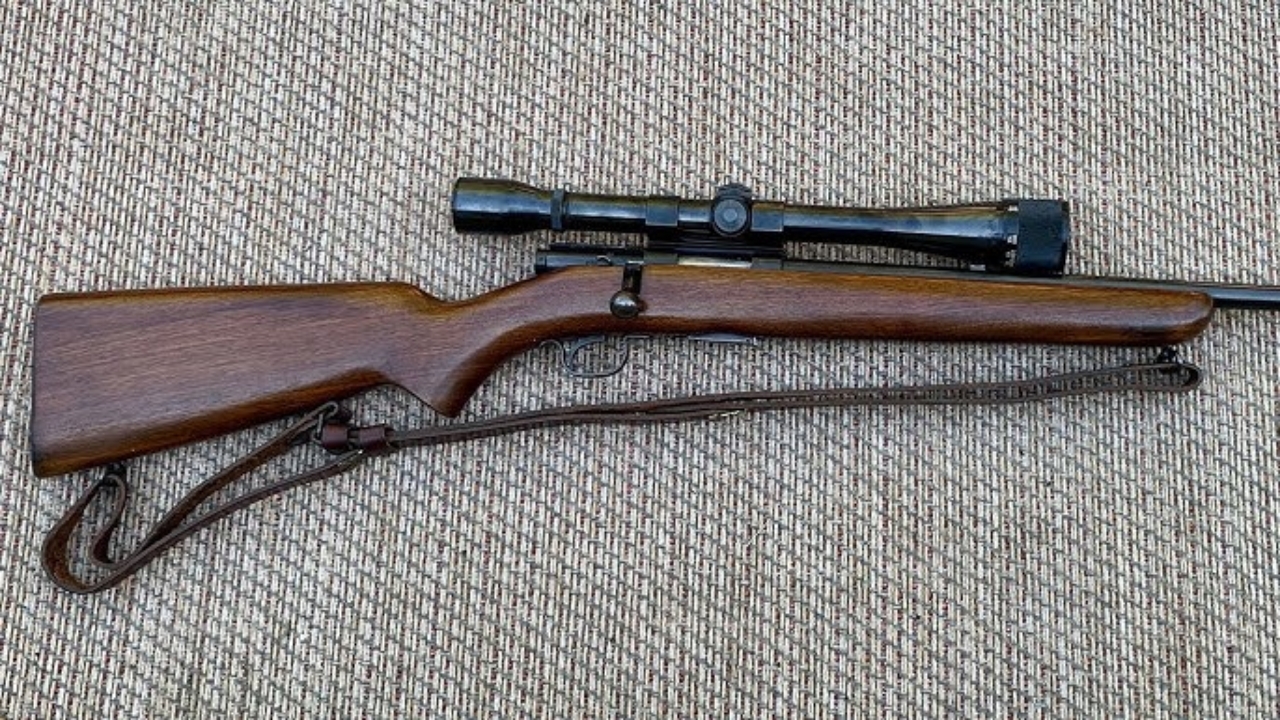
The Model 43 spent decades living in the shadow of more famous Winchester rifles. It was a small centerfire bolt gun chambered in cartridges like .22 Hornet and .218 Bee, which made it useful for varmints and light field work but never gave it the status of a Model 70 or classic lever rifle. That kept prices modest for a long time.
Once collectors started chasing early sporting rifles in uncommon chamberings, the Model 43 suddenly became far more interesting. The small action, traditional walnut, and cartridge options now give it exactly the kind of character buyers look for. Clean examples no longer feel like forgotten utility rifles.
Sako L46
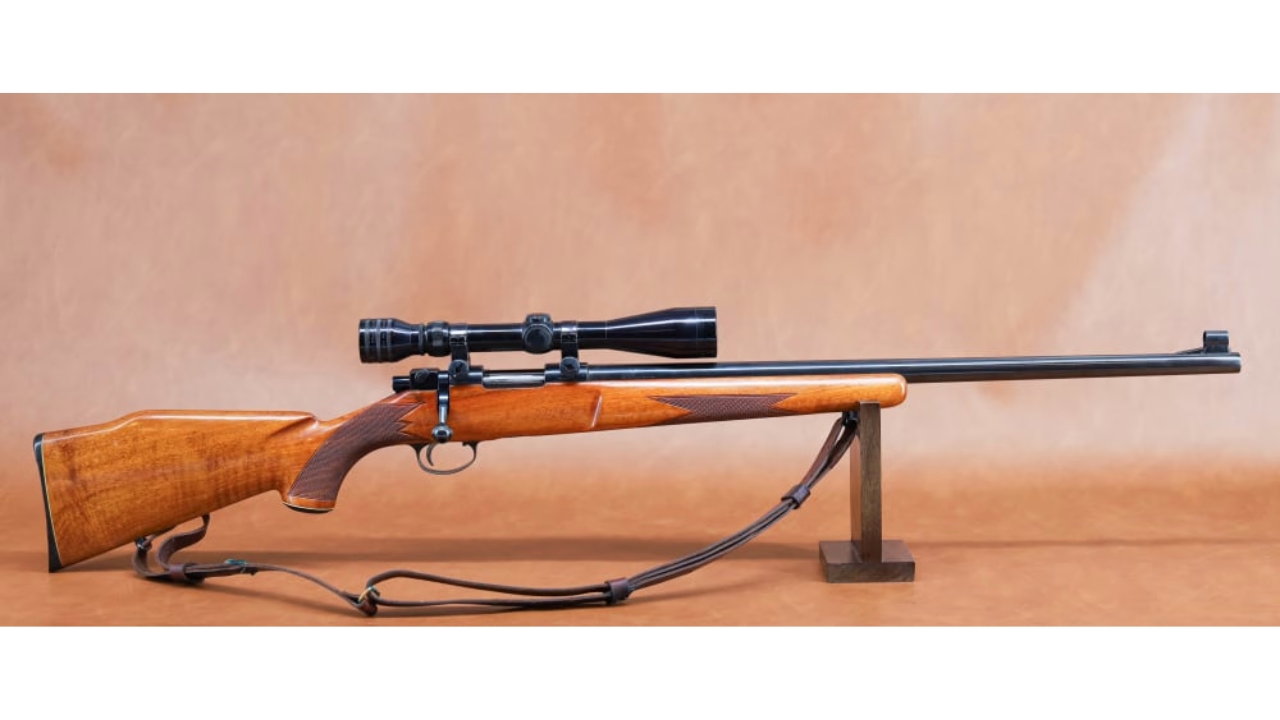
The L46 was easy to overlook because older Sakos were once simply viewed as good European hunting rifles rather than collectibles. The little action was beautifully sized for cartridges like .222 Remington, and the rifles were known for excellent machining and accuracy. But for years, people could still find them without paying a premium that reflected how refined they actually were.
As shooters started appreciating small-action bolt rifles and older Sako production more seriously, that changed. Original rifles with good blueing, clean stocks, and correct magazines became much more desirable. The L46 is exactly the kind of gun that looked like an ordinary used rifle until the market realized it was anything but ordinary.
Remington 788

The 788 was built as an affordable rifle, and that budget reputation followed it for years. It had a plain stock, rear-locking bolt, detachable magazine, and none of the prestige associated with the Model 700. The irony is that many 788s shot extremely well, which eventually became the part people remembered most.
Once production had been gone long enough, buyers started searching them out specifically for their accuracy and unusual chamberings. What used to be a cheap working rifle turned into something people actively hunt for. Clean magazines alone can matter now, which tells you how far the platform has moved from its bargain-bin days.
Ruger 77/22

The 77/22 was never the cheapest rimfire on the rack, but for years it was still treated mostly as a nicer alternative to mass-market .22s. Its centerfire-style bolt action, rotary magazine, and traditional stock gave it a more substantial feel, but many buyers could not justify the premium when simpler rimfires did the same job.
Time changed that equation. Production changes and increasing interest in high-quality rimfires made older 77/22s much more desirable. Shooters now recognize that there are fewer factory rimfires built with that same traditional feel. Clean examples have become the kind of rifles owners hesitate to let go.
Browning B-92
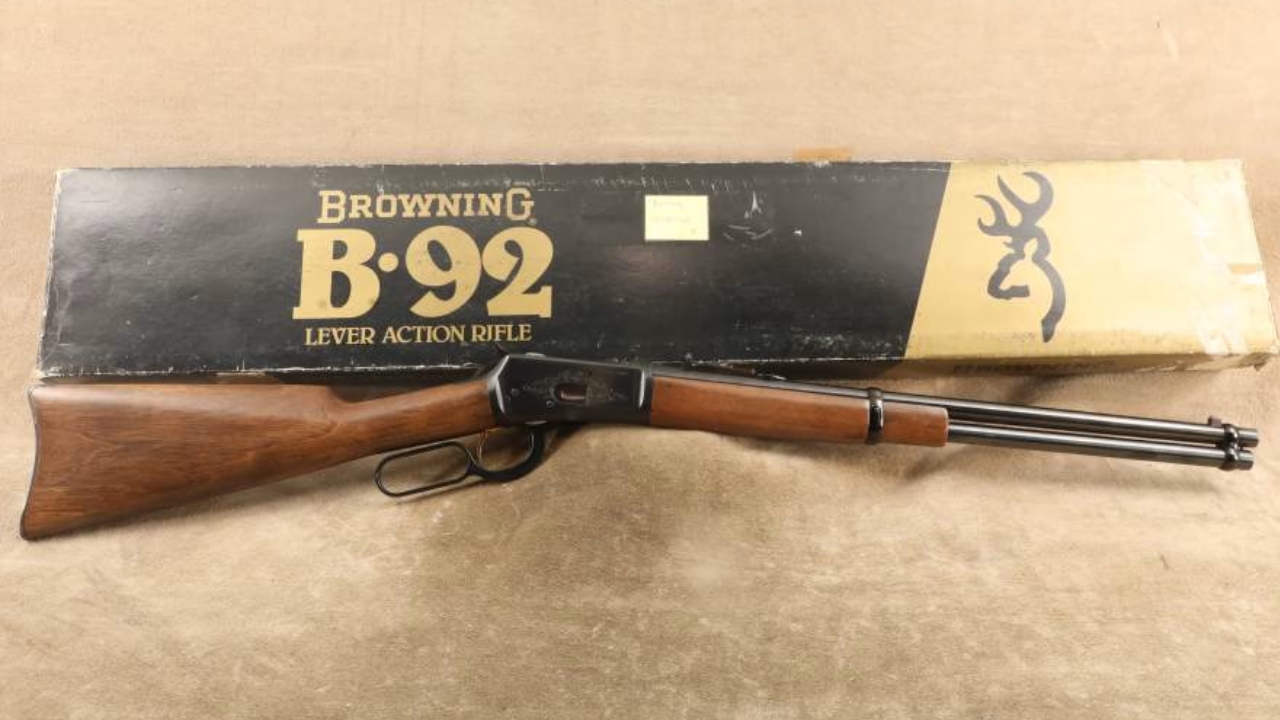
The B-92 was once just an interesting Browning-made reproduction of the classic Model 92 pattern. In .357 Magnum and .44 Magnum, it was useful, compact, and well made, but it competed in a market where lever guns were still easy to find and relatively affordable. That kept urgency low.
Now buyers have realized how good the fit and finish on these rifles can be, and the limited production run only adds to the appeal. A clean B-92 suddenly looks much harder to replace than it did twenty years ago. That is exactly how overlooked guns become expensive ones.
Marlin 1894P
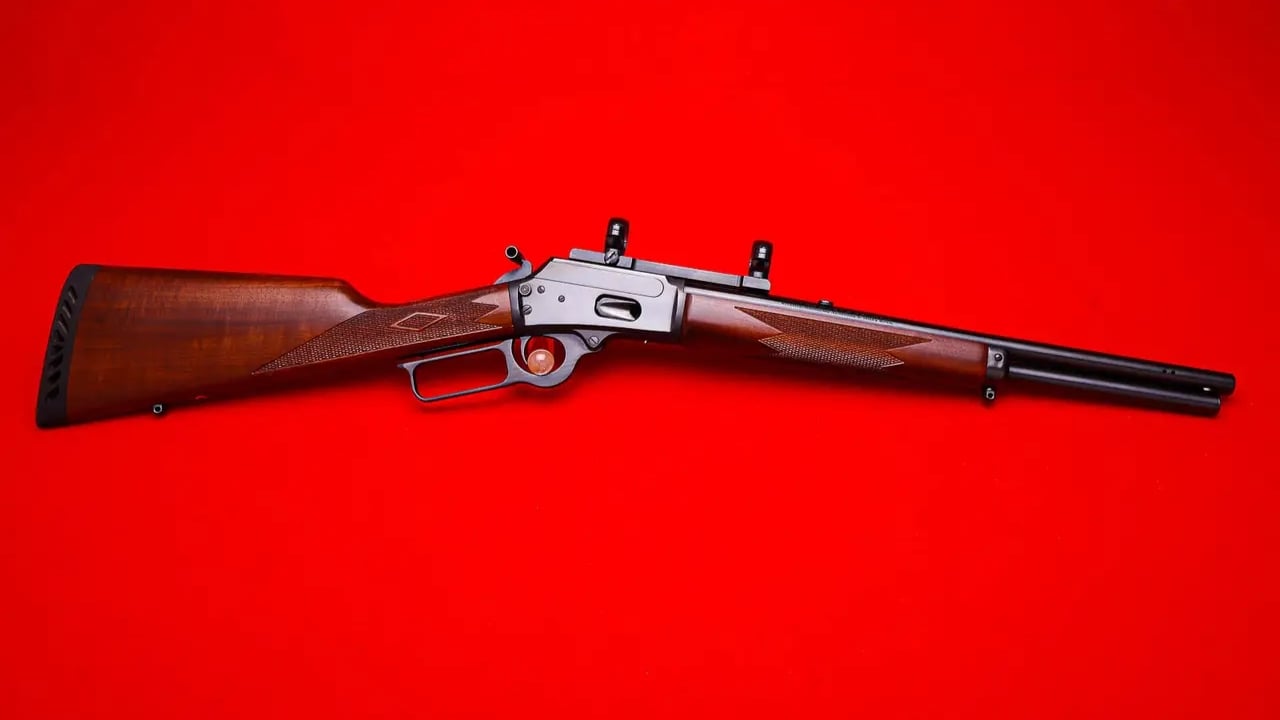
The 1894P was a short-barreled .44 Magnum lever gun that once looked like just another variation in Marlin’s catalog. The compact barrel made it extremely handy, but during the years when lever rifles were everywhere, buyers did not always treat special configurations as something worth grabbing immediately.
Once production stopped and short lever guns became fashionable again, the 1894P started looking much more special. The combination of compact dimensions, pistol-caliber chambering, and older Marlin production made clean examples increasingly desirable. What was once a practical carbine became a gun people regret not buying when it was easy.
Winchester Model 255
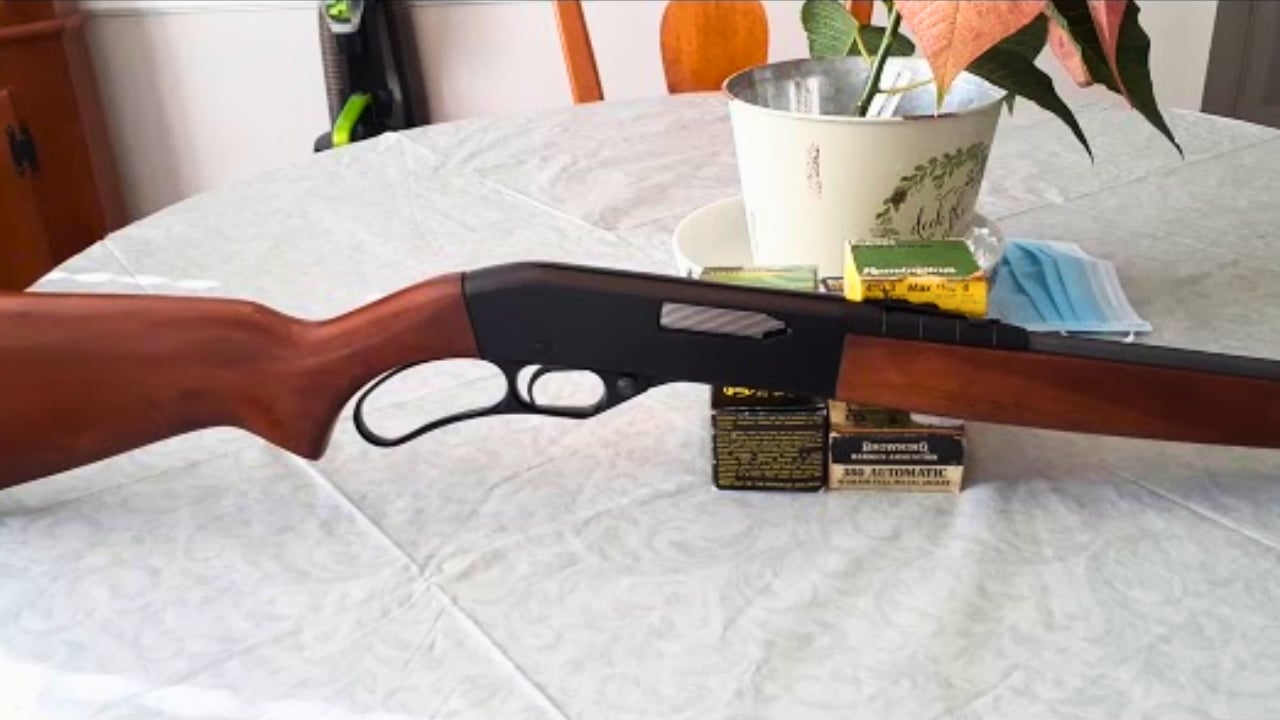
The Model 255 never had the collector status of Winchester’s centerfire lever guns. It was a .22 Magnum lever-style rifle aimed more at small-game and utility use than nostalgia. That meant many owners simply used them hard and moved on.
As older rimfires became more collectible, rifles like the 255 started getting attention because they offered something modern catalogs rarely do. A clean Winchester rimfire with distinctive styling and discontinued production suddenly had more appeal than anyone expected. That is when prices tend to move.
Remington Nylon 66

The Nylon 66 spent years being viewed as a quirky plastic-stocked .22 rather than a collectible. The lightweight synthetic stock was unusual for its time, and the rifle’s reputation for running well made it a favorite working rimfire. Plenty were used hard because nobody thought twice about preserving them.
That changed once shooters started appreciating how historically important the design actually was. Certain colors and variations became especially desirable, while even ordinary clean examples started bringing more money. A rifle once bought because it was cheap and durable ended up becoming one of the more recognizable collectible rimfires.
High Standard HD Military
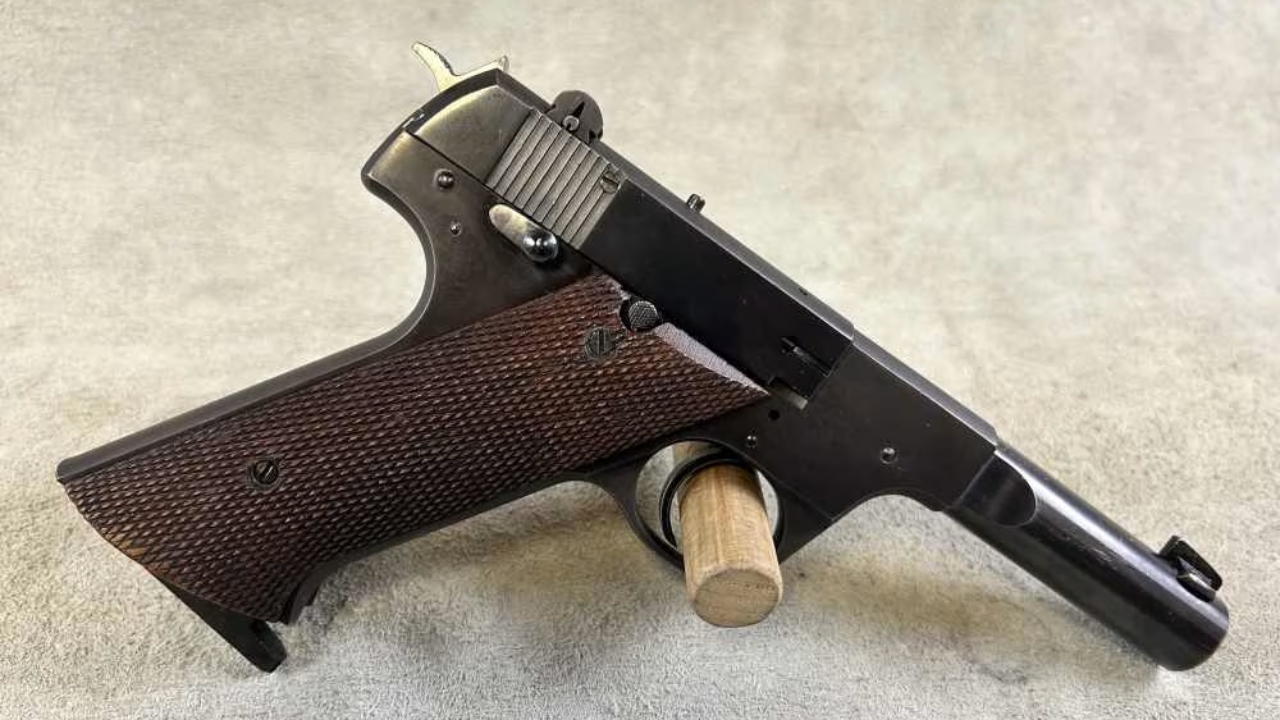
The HD Military was once simply one of several American target-style .22 pistols competing for shooters’ attention. High Standard produced excellent pistols, but for years many buyers focused more heavily on Colt or Ruger. That kept a lot of older High Standards relatively affordable.
Now collectors and rimfire shooters recognize just how well many of these pistols were made. Good triggers, steel construction, and classic styling have pushed clean examples into a different category. The HD Military is no longer something experienced buyers casually ignore in a used case.
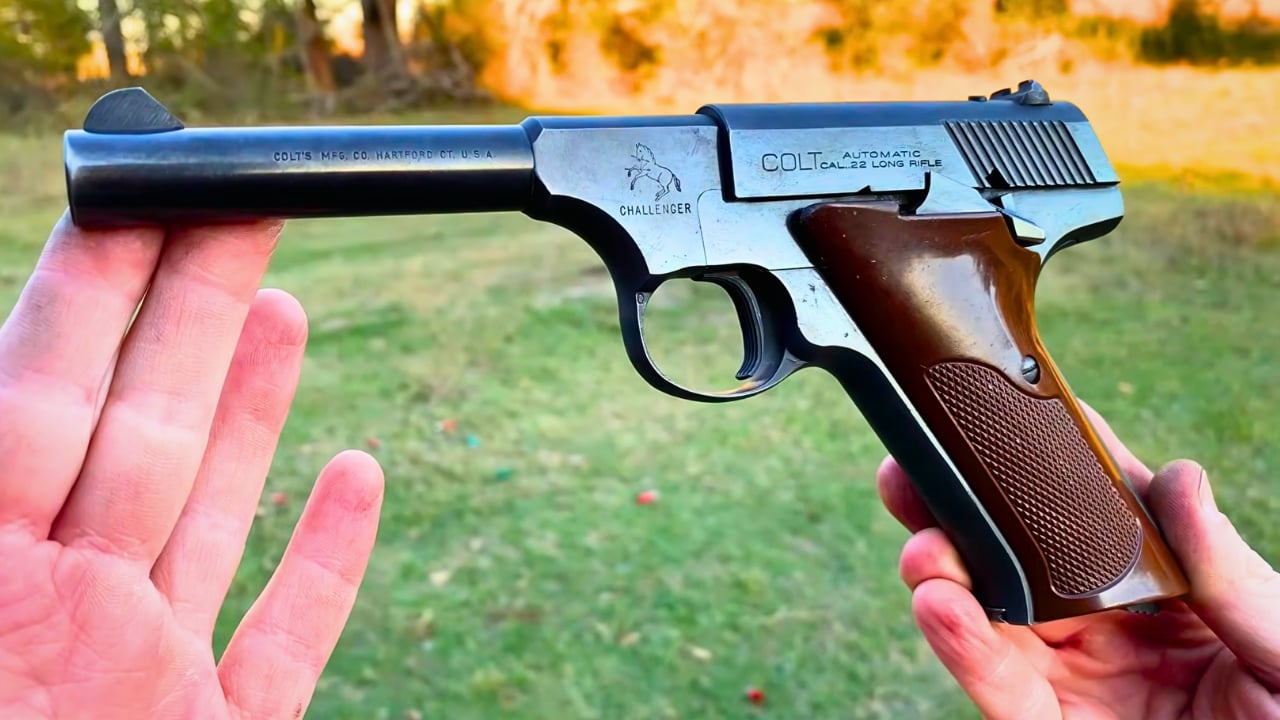
Colt Challenger
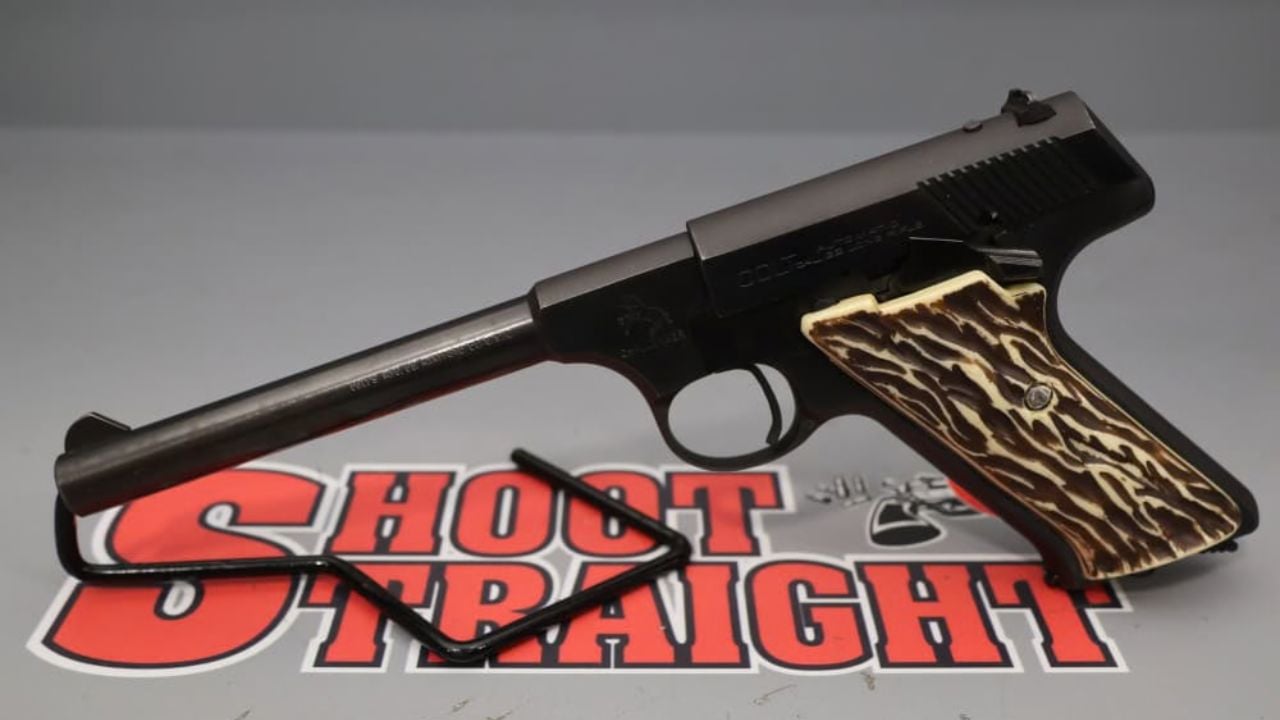
The Challenger lived below the Woodsman in Colt’s rimfire hierarchy, which is exactly why it was overlooked. Shooters saw it as the cheaper alternative rather than the one worth collecting. That kept prices down even though the gun still had Colt manufacturing and traditional target-pistol appeal.
As Woodsman prices climbed, buyers naturally started paying more attention to adjacent models. The Challenger benefited from that shift. Once collectors realized that the affordable Colt .22s were not going to stay affordable forever, clean examples started disappearing faster.
Beretta Model 70
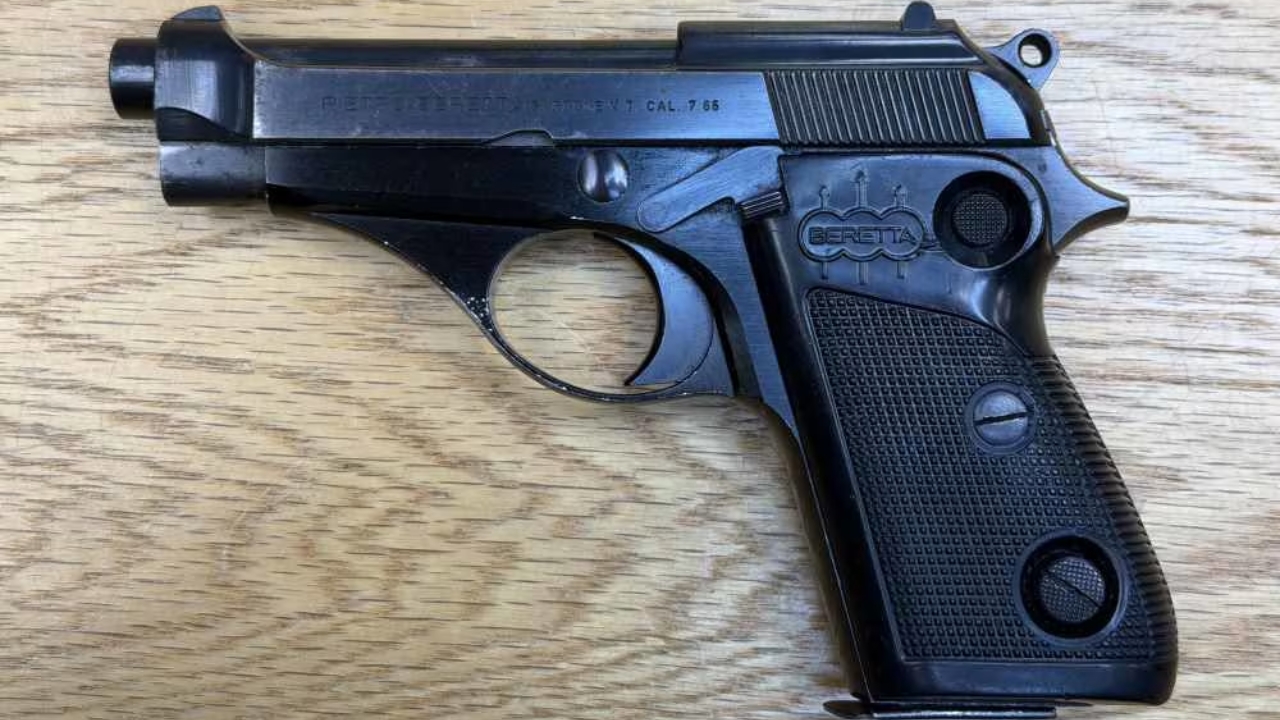
The Model 70 spent years as an obscure European compact that most American buyers did not understand particularly well. It was slim, metal framed, and chambered in modest cartridges, but it arrived from an era before compact semiautomatics became a huge collecting category.
Now those same qualities are exactly what make it attractive. Older Berettas have gained a stronger following, and clean Model 70s are much harder to find than they once were. The pistol went from being an odd little import to something enthusiasts actively search for.
Star Model BM
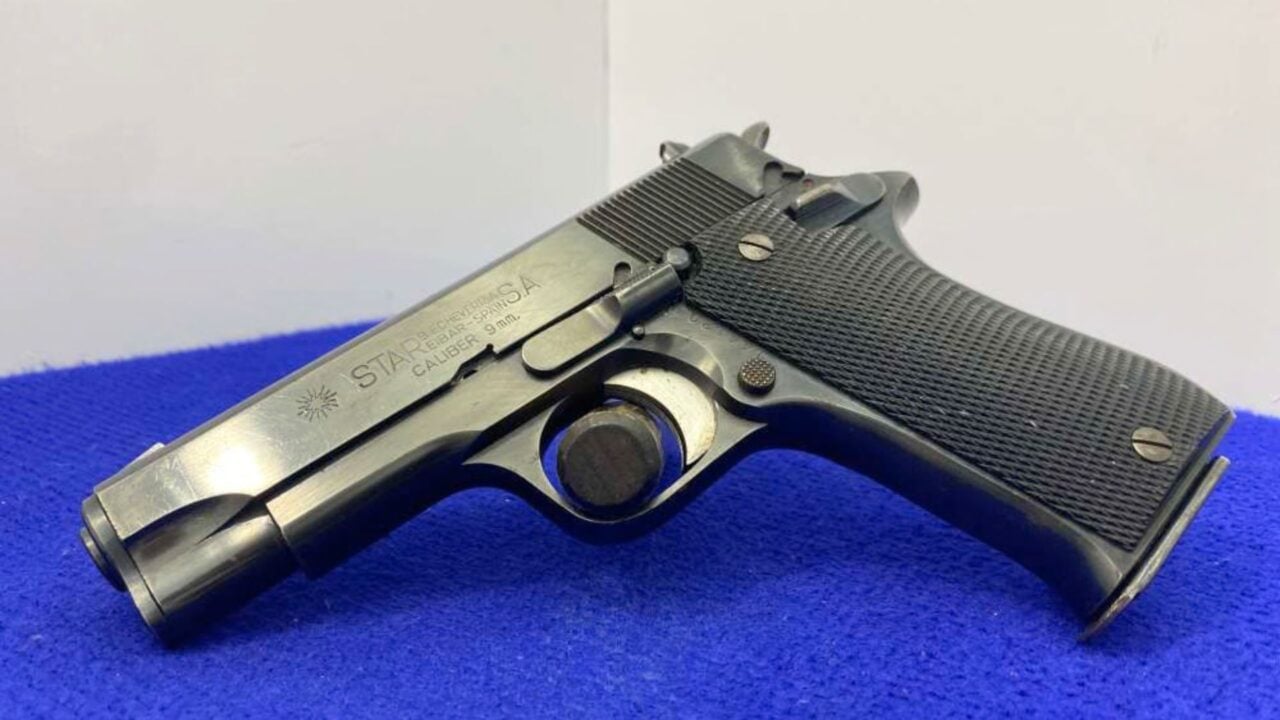
The BM had a long period where surplus examples were cheap enough that buyers treated them almost as disposable range guns. The all-steel construction, compact size, and 1911-like handling made them appealing, but the Star name kept them from getting the respect they probably deserved.
Once surplus dried up, the market changed immediately. Shooters who had bought them cheap started telling everyone how pleasant they were to shoot, and replacement guns became harder to find. The BM is one of the clearest examples of a bargain becoming collectible almost entirely because supply disappeared.
Astra 600
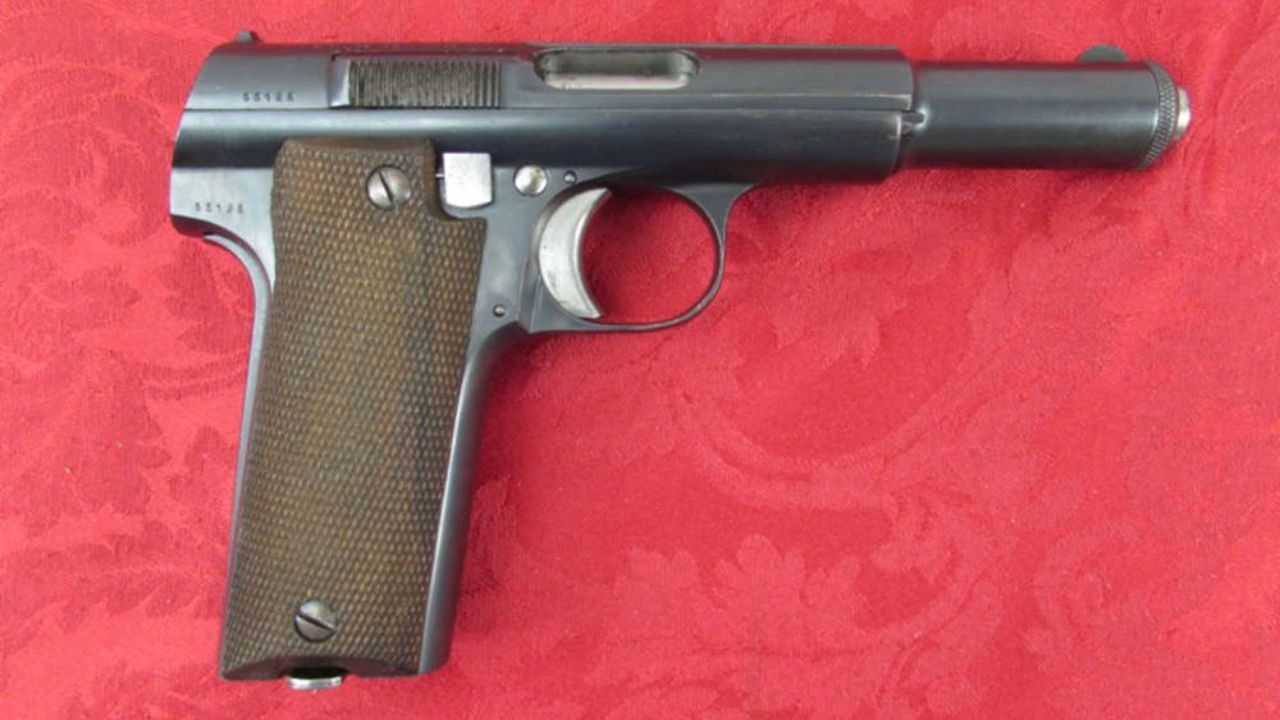
The Astra 600 was once another surplus pistol people bought because it was unusual and inexpensive. Its long tubular slide, all-steel construction, and historical background gave it plenty of character, but it never had the broad recognition of more famous wartime pistols.
As surplus imports became scarcer, collectors started paying closer attention to condition, markings, and production history. The guns that once sat unnoticed became much harder to replace. Rising prices followed naturally.
Beretta Model 81

The Model 81 spent years overshadowed by larger Beretta service pistols and smaller pocket guns. Its .32 ACP chambering also kept some American buyers from taking it seriously. That worked in favor of bargain hunters for a long time.
Then imported surplus examples reminded people how enjoyable the Cheetah-family pistols were to shoot. The slim cartridge, metal frame, and excellent ergonomics suddenly mattered more than raw power. Once clean examples started drying up, prices moved in the opposite direction.
Walther P5
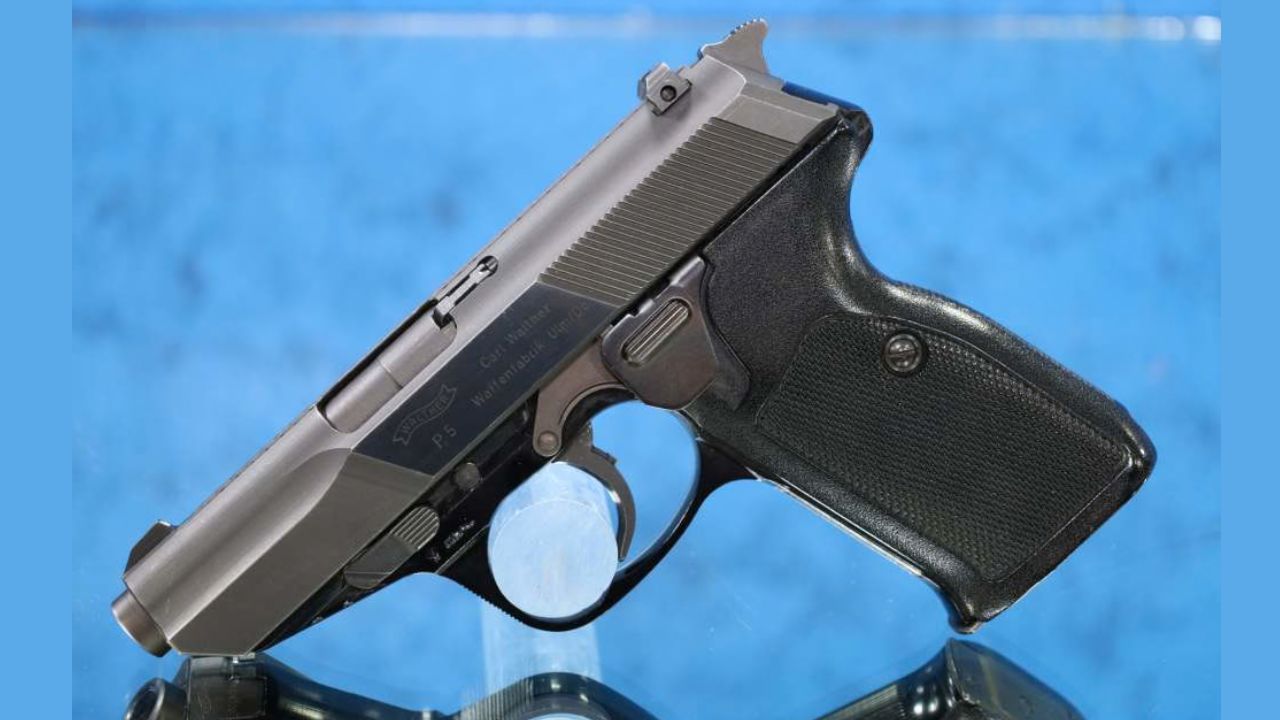
The P5 was always mechanically interesting, but for years it sat behind the P38, PPK, and later polymer Walthers in terms of recognition. Its compact dimensions and unusual ejection system gave it character, but it never became common enough in the United States to build a huge following early.
That limited supply eventually worked in its favor. As collectors began chasing unusual Cold War-era service pistols, the P5 became much more desirable. A clean one now looks like exactly the kind of gun people wish they had bought before everyone else noticed.
Smith & Wesson Model 547
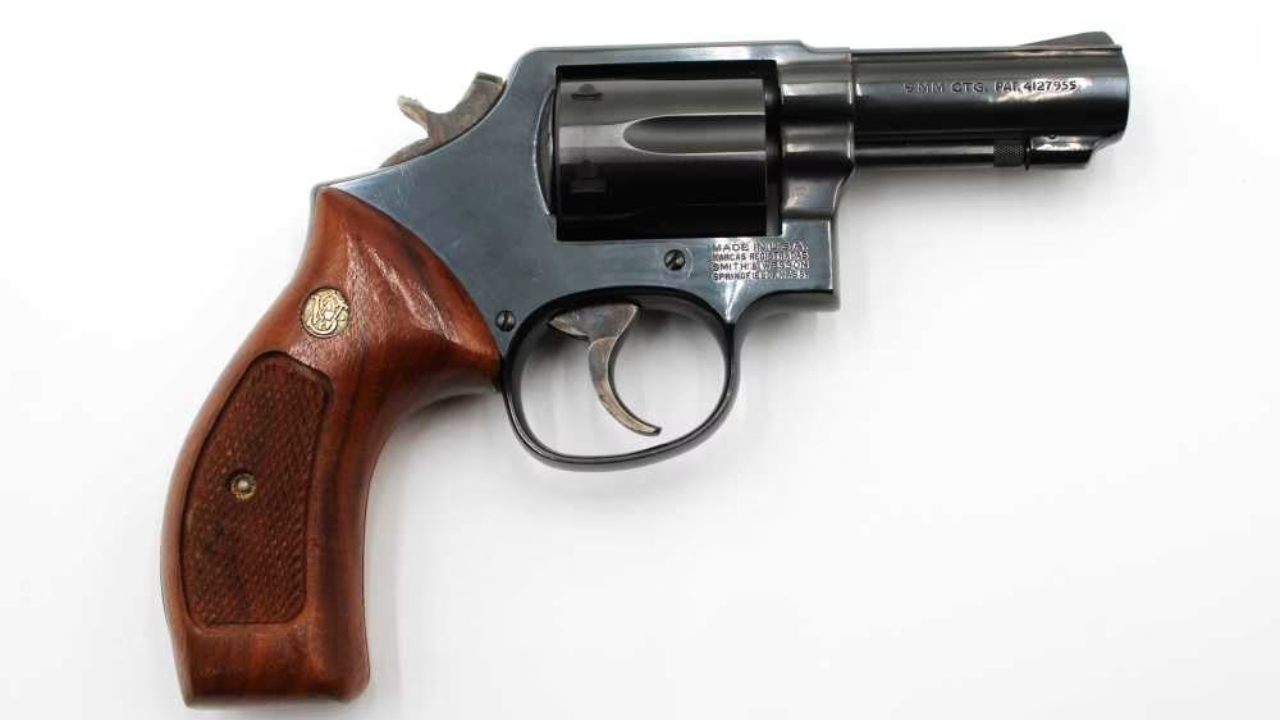
The Model 547 was once just a strange K-frame experiment chambered in 9mm. Its extractor system allowed the revolver to fire rimless ammunition without moon clips, which was clever but not enough to make it a major commercial success.
That lack of success is exactly what made it collectible later. Once production ended, buyers realized there were not many comparable revolvers around. The unusual chambering and mechanical design turned what had been a curiosity into something collectors actively seek.
Ruger Blackhawk .357 Maximum
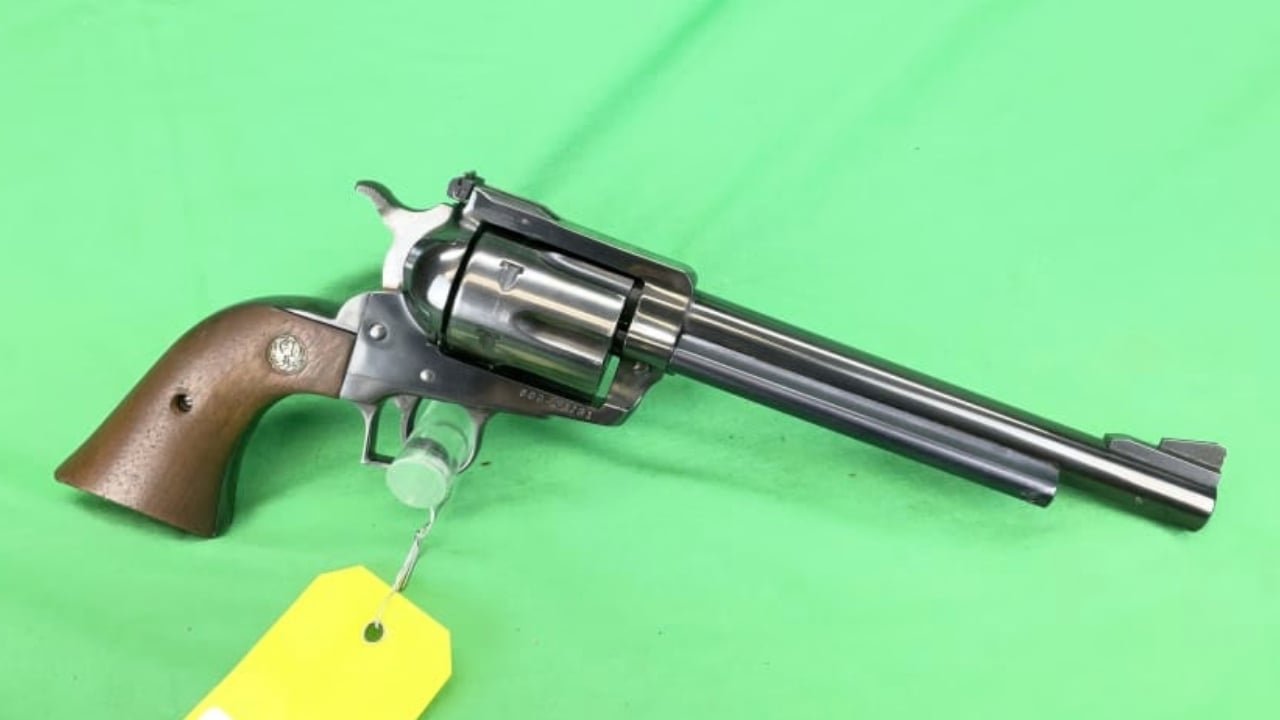
The .357 Maximum Blackhawk was not on the market long enough to become common, and the cartridge itself never became mainstream. For years, that made the revolver a niche piece that only certain handgun hunters and cartridge enthusiasts cared about.
Limited production eventually changed everything. Once shooters understood how few factory revolvers had been built around the cartridge, clean examples became much more interesting. The revolver’s unusual chambering now works in its favor rather than against it.
Remington Model 591
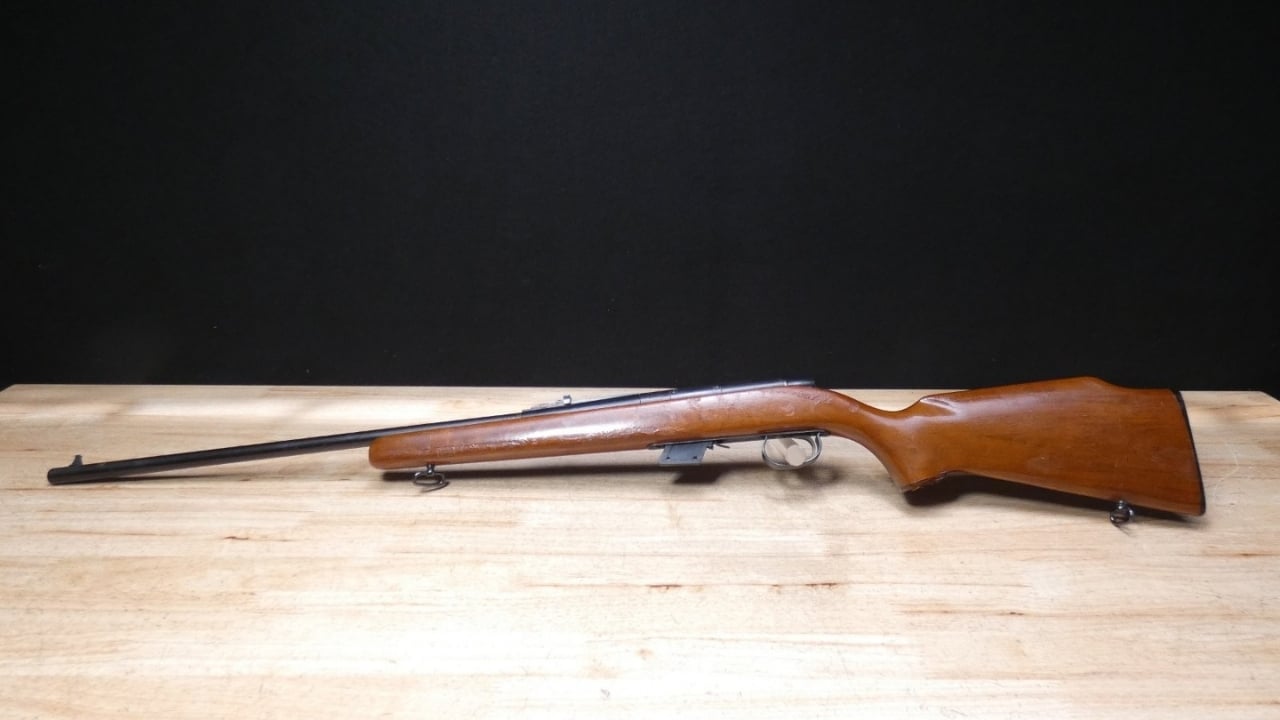
The Model 591 was built around the 5mm Remington Rimfire Magnum, a cartridge that disappeared and left the rifle stranded for years. That made the gun difficult to justify as a shooter, so prices stayed relatively soft despite the rifle’s unusual design.
Once ammunition returned in limited form and collectors started appreciating failed or discontinued cartridge experiments, the 591 became much more desirable. Guns tied to dead or nearly dead cartridges often stay cheap until the cartridge itself becomes part of the appeal.
Valmet 412
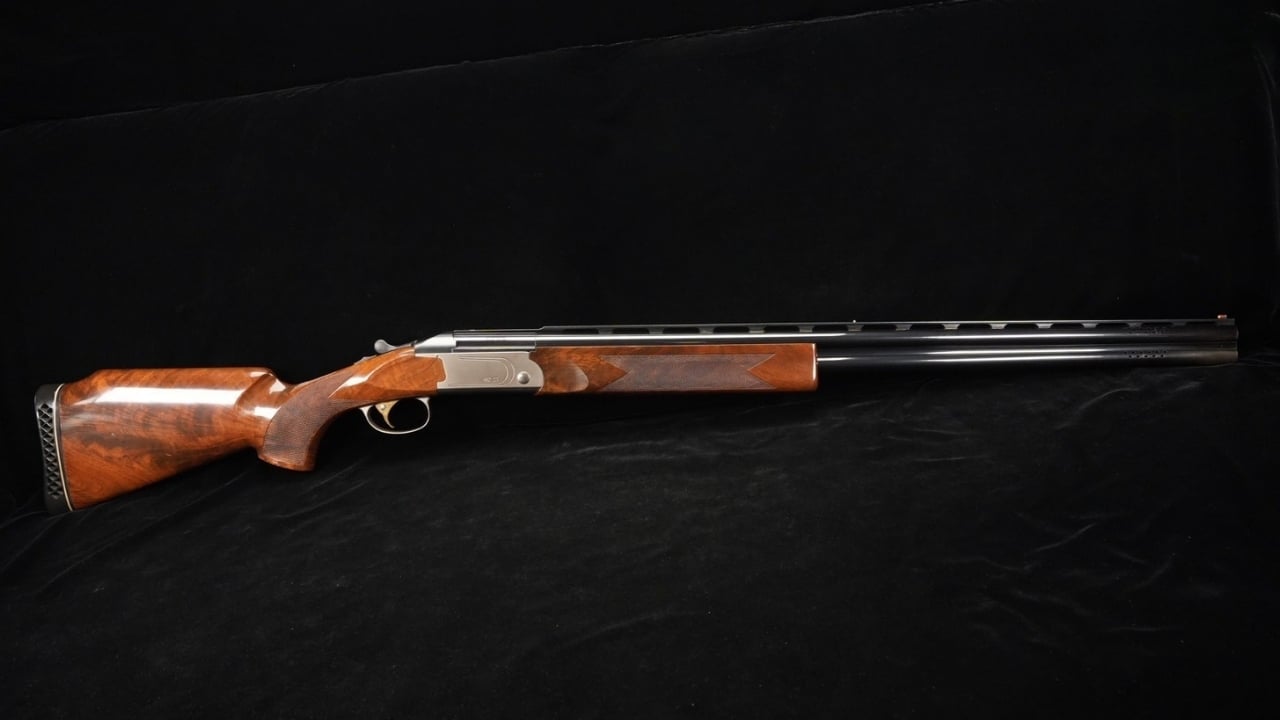
The Valmet 412 spent years being treated as an obscure European sporting gun rather than a system worth collecting. Its interchangeable barrel sets could turn the same action into a shotgun, rifle, or combination gun, but that versatility never translated into mass-market popularity in the United States.
As high-quality combination guns and modular sporting arms became harder to find, the Valmet started looking much more interesting. Complete sets, especially with multiple barrels, became the kind of thing knowledgeable buyers stopped passing up. Scarcity finally forced the market to appreciate what the gun had offered all along.
Like The Avid Outdoorsman’s content? Be sure to follow us.
Here’s more from us: