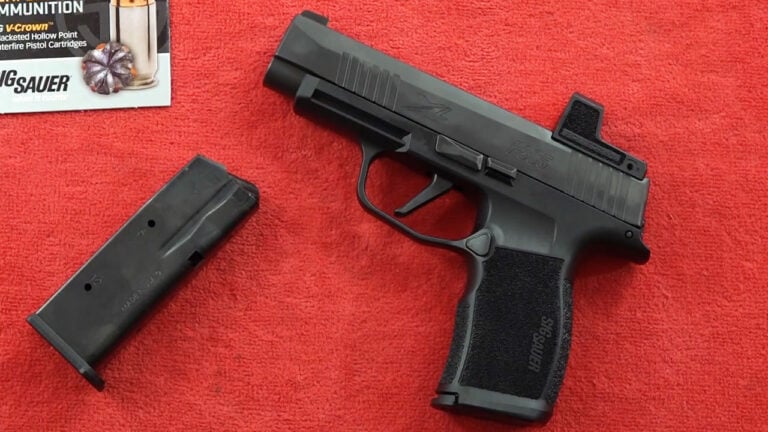
Photo credit: Rifleman2.0/YouTube
A gun can look like a smart buy when you are standing at the counter comparing price tags. That is where a lot of people stop the math. They see a lower upfront cost, a familiar name, or a feature list that sounds close enough to the more expensive option, and they assume they found the practical answer. Sometimes they did. Sometimes they only bought the cheaper problem.
The real cost shows up later. Springs get tired, extractors start acting up, magazines become the weak link, and small parts wear faster than buyers expected. Then the bargain starts demanding time, parts, and patience that erase the money you thought you saved. That does not mean every budget-friendly gun is junk. It means some guns feel like a deal only until the maintenance and wear side of ownership starts showing its teeth.
Remington 597
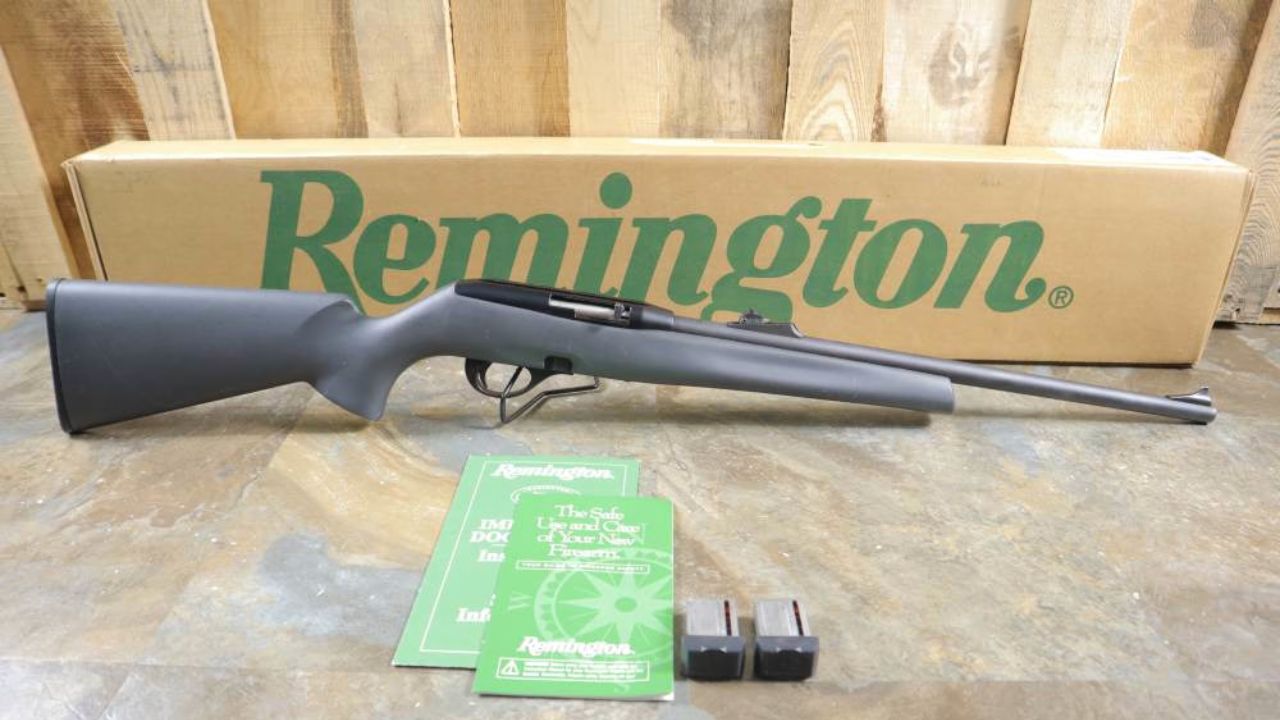
The Remington 597 always looked like a solid value because it offered a modern semi-auto .22 layout, decent ergonomics, and a price that stayed appealing to new shooters. On the surface, it felt like a practical alternative to more established rimfire rifles. For casual use, some ran well enough to keep buyers happy early on. That first impression is exactly what made it seem like a deal.
The trouble usually started when round counts climbed and magazine issues began stacking up. The 597 developed a long reputation for being more magazine-dependent than many buyers expected, and once those weak points entered the picture, the “cheap fun .22” feeling could turn into regular troubleshooting. A bargain rimfire stops feeling like a bargain when reliability depends on constantly sorting out feeding problems and chasing parts that should not have become your weekend project.
Mossberg 702 Plinkster

The Mossberg 702 Plinkster attracts buyers for obvious reasons. It is inexpensive, lightweight, and built around the kind of simple rimfire role that makes people think maintenance and durability will not be much of a concern. For somebody who wants a low-cost .22 to plink with, it can look like the perfect starter rifle. That low entry price does a lot of work in the sales pitch.
The issue is what happens after real use starts piling up. Budget rimfires often depend on small, inexpensive parts and magazine systems that do not always age gracefully under steady use. As wear begins to show, the gun can turn more finicky, and the money you saved up front starts bleeding back out through replacement parts, magazine swapping, and wasted time. Cheap is only cheap if the gun stays cooperative long enough to make the price worth it.
Walther P22

The Walther P22 became popular because it offered an easy-to-handle rimfire pistol that looked and felt more like a centerfire carry gun than many old-school .22s. That made it attractive for training, casual range use, and new shooters who wanted something modern without spending much. In the display case, it looked like an affordable, practical way to get a lot of use out of cheap ammunition.
That picture can change once the round count rises. Small rimfire pistols already live on the edge of ammunition sensitivity, and a platform that depends on good magazines, healthy springs, and regular upkeep can start feeling less like a bargain when parts wear and function becomes less consistent. A low-cost trainer stops being a smart deal when it becomes the pistol you spend more time cleaning, diagnosing, and coaxing through malfunctions than actually enjoying.
SIG Sauer Mosquito

The SIG Mosquito sold a lot of buyers on the idea that they were getting a rimfire trainer with centerfire-style feel and a major brand name attached. That combination made it look like a smart, lower-cost way to practice more often without burning through expensive defensive ammunition. On paper, it was easy to understand and easy to justify, especially for buyers who liked the idea of a familiar training companion.
The catch was that the Mosquito often asked for more patience than people expected. Once wear, ammunition preferences, and spring behavior started showing up in real use, the pistol’s value equation changed. A gun that seemed affordable at the register could start turning into an aggravation if it demanded narrow ammo choices and frequent attention just to stay pleasant. When the trainer becomes the gun that eats time instead of saving money, the bargain label starts wearing thin fast.
Taurus PT-1911
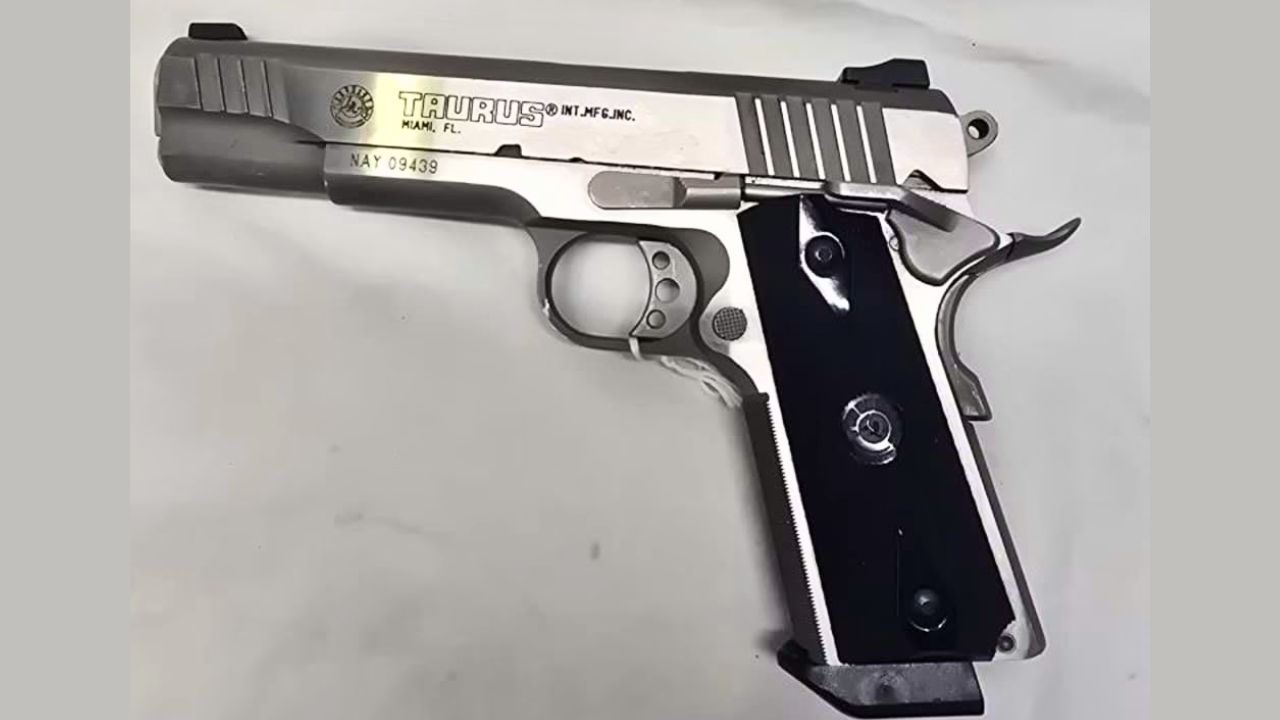
The Taurus PT-1911 built much of its appeal on giving buyers a feature-heavy 1911 at a price well below many competitors. That sounds like a win immediately. You get the 1911 look, the controls, the chambering, and enough extras to feel like you got more gun for the money. For a lot of buyers, it looked like the shortcut to owning a serious .45 without paying serious 1911 money.
The long-term question is where those savings came from. Budget 1911s often live or die by the quality of small internal parts, extractor tuning, spring life, and magazine consistency. Once those pieces begin wearing in the wrong direction, the pistol can become more needy than the original deal suggested. A low entry price on a 1911 stops looking smart when the gun starts teaching you about replacing parts, chasing reliability, and learning that cheap and truly sorted are not the same thing.
Kimber Ultra Carry II
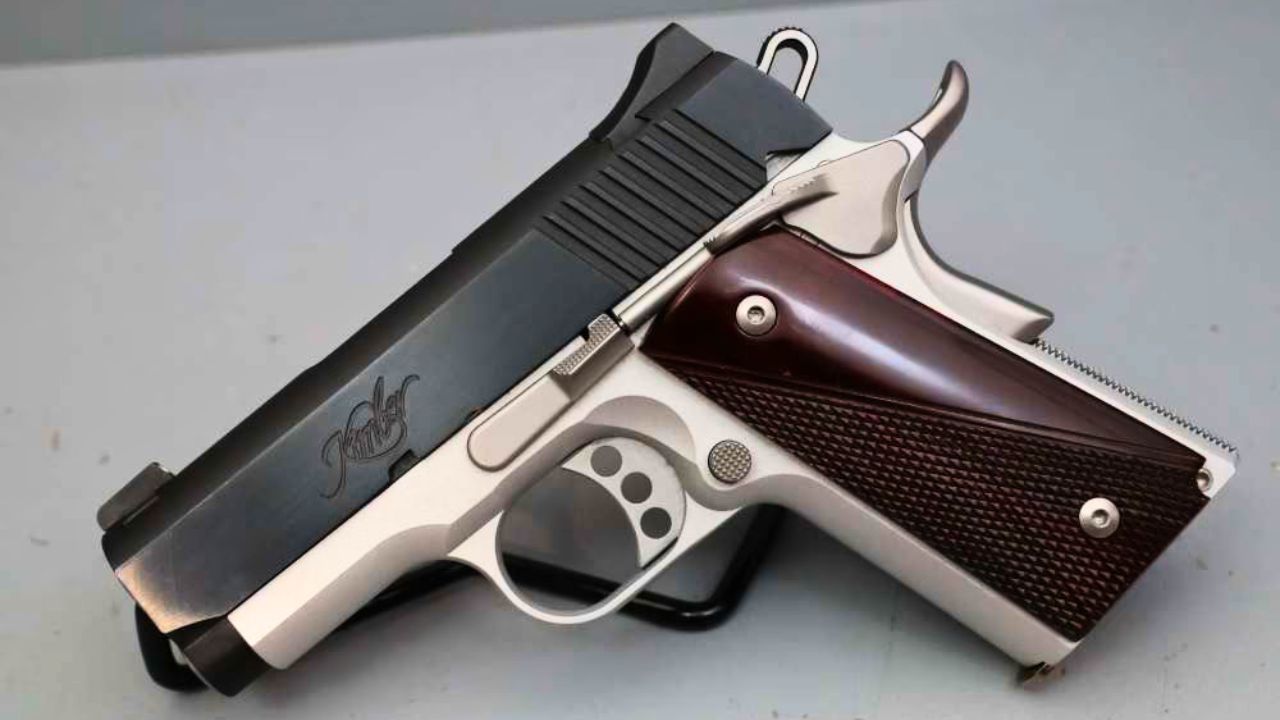
The Kimber Ultra Carry II tempts buyers because it promises a compact 1911 with premium-brand appeal in a size that feels useful for real carry. It looks like the best of both worlds: 1911 familiarity, .45 ACP authority, and a smaller package that seems easier to live with daily. For a lot of buyers, that sounds like getting a high-end carry pistol without stepping all the way into custom-gun money.
The problem is that short 1911s ask more from springs, timing, and maintenance than many buyers realize. Once parts begin wearing, that narrow operating margin can become more obvious, and the pistol that felt worth the price starts demanding more close attention than expected. Compact 1911s can run well, but they are rarely the platform where neglect gets forgiven. When the gun starts needing careful parts replacement and tighter upkeep, the original “smart buy” feeling can fade in a hurry.
Charter Arms Bulldog
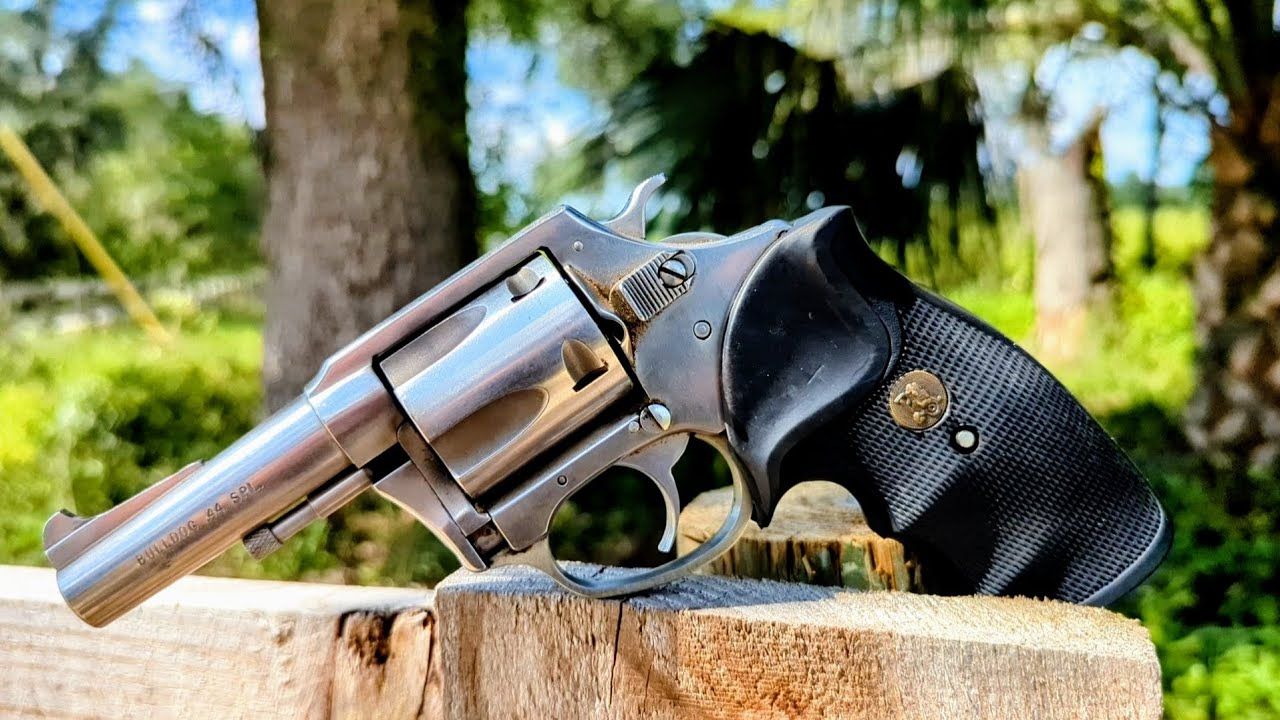
The Charter Arms Bulldog attracts buyers because it offers a compact big-bore revolver without the kind of price that usually comes attached to niche defensive wheelguns. A .44 Special carry revolver with a manageable cost sounds like a pretty strong deal, especially for buyers who want something different from the usual snubnose crowd. It fills a role many people find appealing right away.
That good feeling can change once the gun sees enough use for wear to become part of the story. Lightweight revolvers in larger calibers can show timing and general wear issues sooner than buyers expect if they assume the revolver format automatically means indestructible. A gun that seemed like an affordable path into big-bore carry can start feeling more expensive once the owner realizes that keeping it tight and trustworthy may take more attention than the sticker price suggested.
Taurus 856

The Taurus 856 sells well because it looks like an easy answer: affordable revolver, familiar controls, and a six-shot cylinder in a size many buyers view as practical for carry or home defense. It is exactly the kind of gun people buy when they want something straightforward without paying Smith & Wesson money. At first glance, it feels like the smarter value pick.
The wear question is what changes the conversation. A budget revolver can be perfectly serviceable for modest use, but once the round count climbs and small parts, timing, and lockup become more important, the difference between inexpensive and durable starts getting easier to feel. A low-cost revolver stops seeming like a bargain if the owner ends up worrying about longevity sooner than expected. Revolvers do not need magazines, but they still have moving parts, and cheaper ones do not always age with the same grace.
Kel-Tec SUB-2000

The SUB-2000 looks like a brilliant value at first because it folds, takes common pistol magazines, and offers a lot of utility for not much money. Buyers see portability, magazine compatibility, and a recognizable defensive role all wrapped into one affordable package. For a backpack gun or range toy, it is easy to convince yourself you found something clever without paying premium money.
The trouble is that lightweight, folding carbines live by their small parts and long-term durability more than people think. Once you start shooting one regularly, the wear side of that design becomes harder to ignore. Hinges, pins, springs, and general fit can start mattering more than the concept did on day one. A gun can be smart in theory and still become a maintenance-heavy compromise in practice. When parts begin loosening or wearing faster than expected, the original bargain loses a lot of shine.
Kel-Tec P3AT
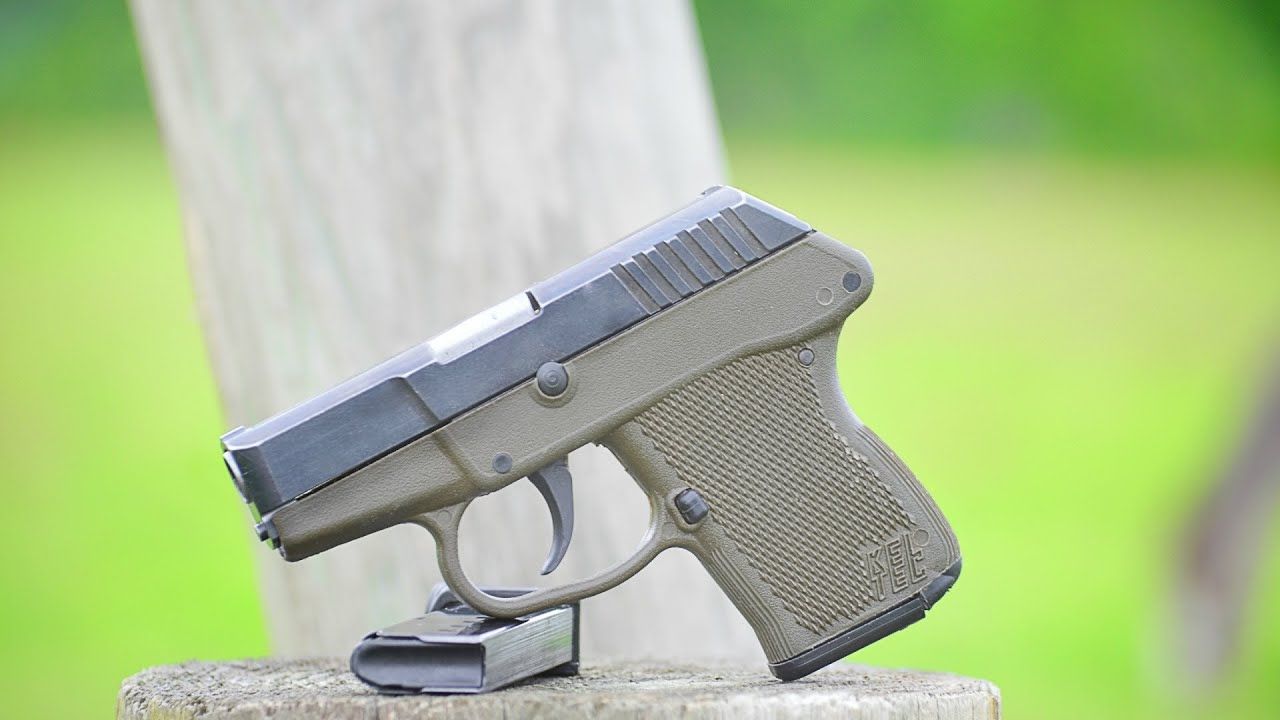
The Kel-Tec P3AT earned a following because it was tiny, easy to carry, and priced low enough that many buyers treated it as an easy backup-gun decision. A pistol that small at that cost feels like the kind of compromise you can excuse without much regret. It is bought because it fills a role cheaply, and for a while that can feel like all the justification it needs.
What changes is how long a very small, very light budget pistol feels confidence-inspiring once real use starts piling up. These little guns depend heavily on springs, magazines, and close tolerances to stay pleasant, and once wear enters the picture, reliability questions can show up quickly. A bargain backup gun stops feeling smart when the owner does not trust it enough to carry without second-guessing. Cheap deep concealment is only a deal if the gun keeps earning trust over time.
Hi-Point C9

The Hi-Point C9 looks like a bargain because, in raw price terms, it absolutely is. It gives buyers a centerfire handgun at a cost low enough to pull in anyone who wants the most gun for the fewest dollars. For basic ownership, casual range use, or somebody with a very tight budget, it can seem like an easy win. It fires a common cartridge, offers familiar controls, and gets talked up as “good enough.”
The long-term problem is that “good enough” can become more expensive once heavy use starts exposing where the price savings came from. Blowback pistols with inexpensive internal parts and heavy slides can keep chugging for a while, but they are not magic. When wear hits springs, magazines, or small components, the platform’s low initial cost stops being the whole story. A cheap pistol becomes less of a bargain when keeping confidence in it starts taking more effort than the purchase price implied.
SCCY CPX series
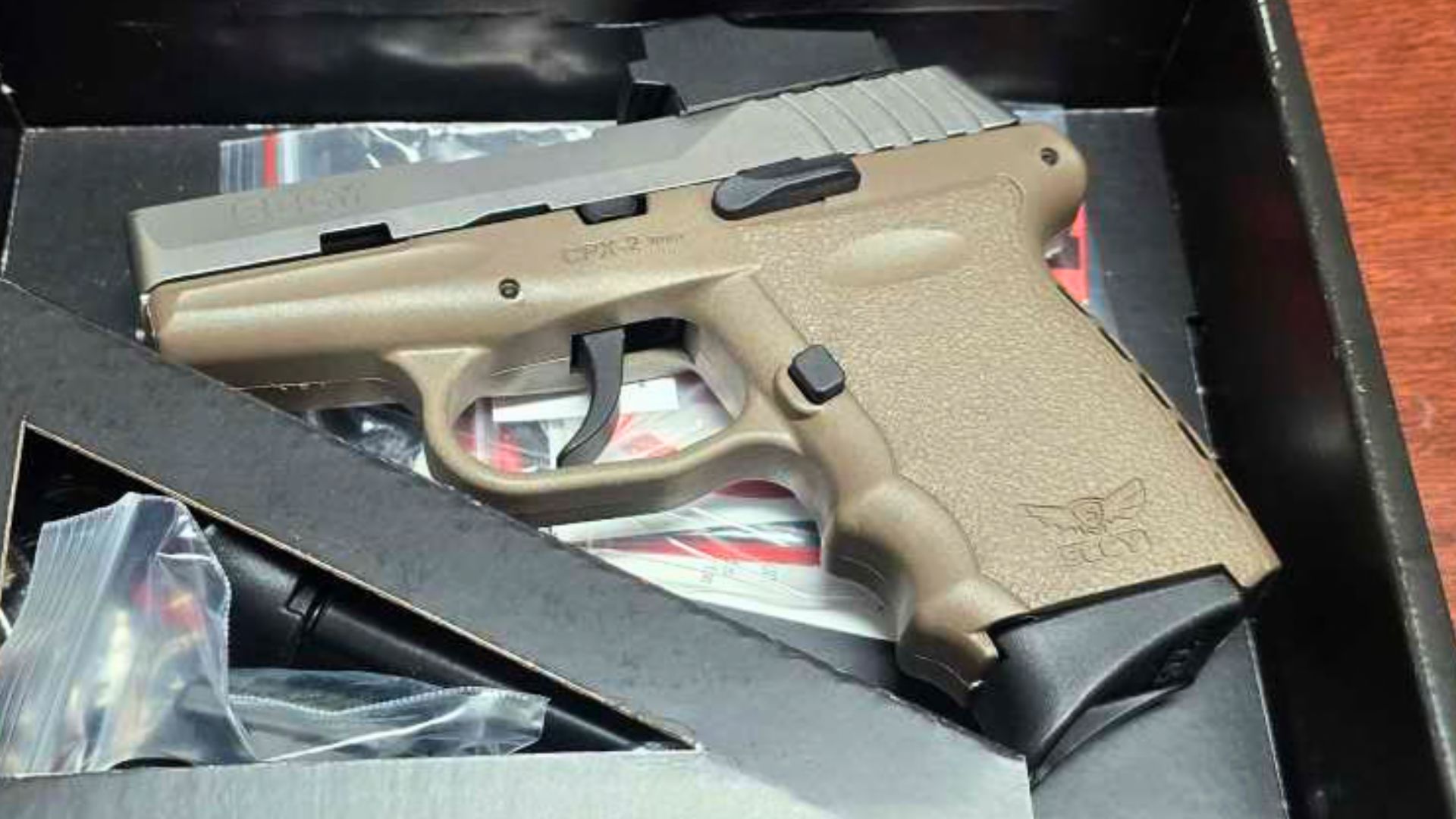
SCCY pistols appeal to buyers who want a lightweight, affordable carry gun without stepping into the price range of better-known compact 9mms. The idea is straightforward: small enough to carry, cheap enough to buy now, and functional enough to check the box. That pitch works because the entry cost feels low compared with more established names, and for many first-time buyers that is all it takes.
The issue is what happens after use and wear become part of ownership. Budget carry pistols rely heavily on spring life, magazine quality, and long-term consistency, and once those areas begin slipping, the low upfront price can stop feeling like a smart trade. A carry gun is not judged only by what it costs to buy. It is judged by how much trust it keeps after repeated shooting. If that trust fades as parts age, the bargain was never as cheap as it looked.
Bersa Thunder .380
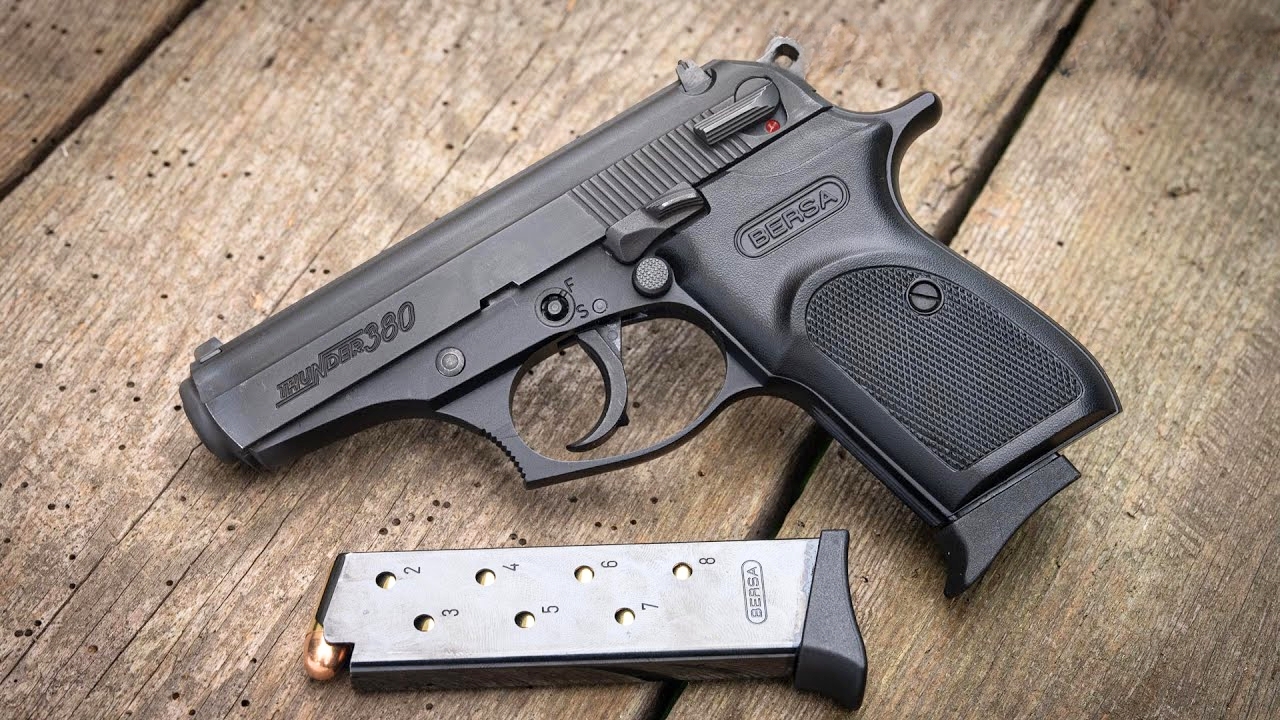
The Bersa Thunder .380 often feels like a practical buy because it offers a recognizable, straightforward defensive format with a very approachable price tag. Buyers see a compact metal-frame pistol, manageable recoil, and a track record that sounds good enough for carry or home defense. In the short term, it can absolutely seem like the smart alternative to spending more on a pricier compact pistol.
The difference shows up when the gun lives long enough to make springs, magazines, and general wear part of the experience. Blowback-operated pistols can run well, but they also depend on healthy internals to stay pleasant and consistent. Once parts start aging, the pistol that felt like a thrifty choice can become a little more maintenance-sensitive than buyers hoped. That does not make it a bad gun. It means cheap and long-term effortless do not always travel together.
Turkish-made budget shotguns
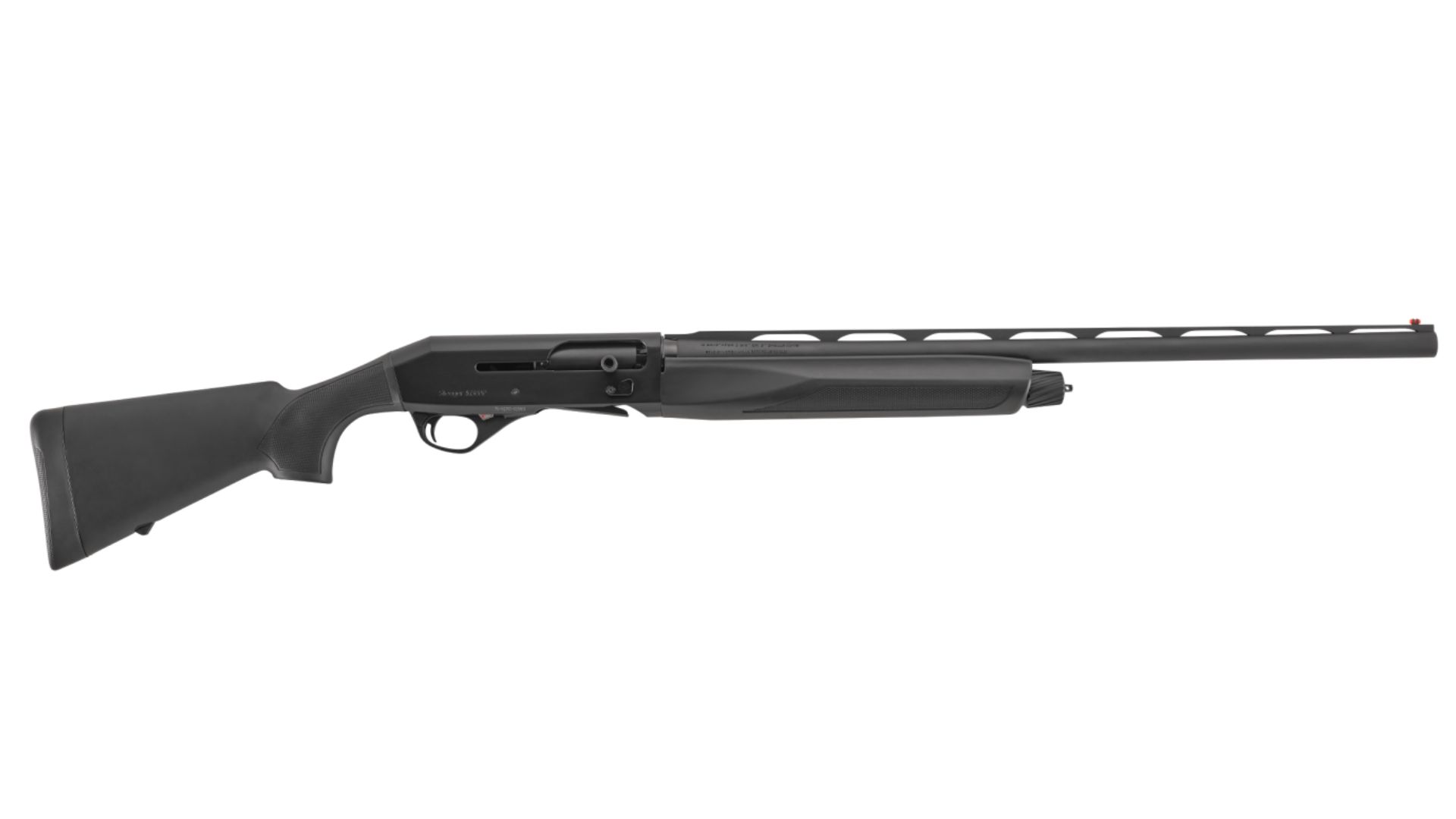
Turkish-made budget shotguns draw buyers in because they offer a lot of visual appeal for not much money. You can get tactical looks, walnut furniture, magazine-fed designs, or semi-auto features at prices that seem almost too good compared with established brands. That alone makes them feel like a bargain, especially for buyers who want something that looks more expensive than it is.
The trouble is that lower-cost shotguns often show their true price later, when parts, springs, and long-term durability start separating the decent buys from the headaches. A shotgun that feels impressive in the store can become much less impressive if replacement parts are harder to source, wear shows up quickly, or reliability starts fading after regular use. Upfront savings do not mean much if the gun becomes a parts chase once the novelty wears off and real round counts begin.
Budget 1911 clones
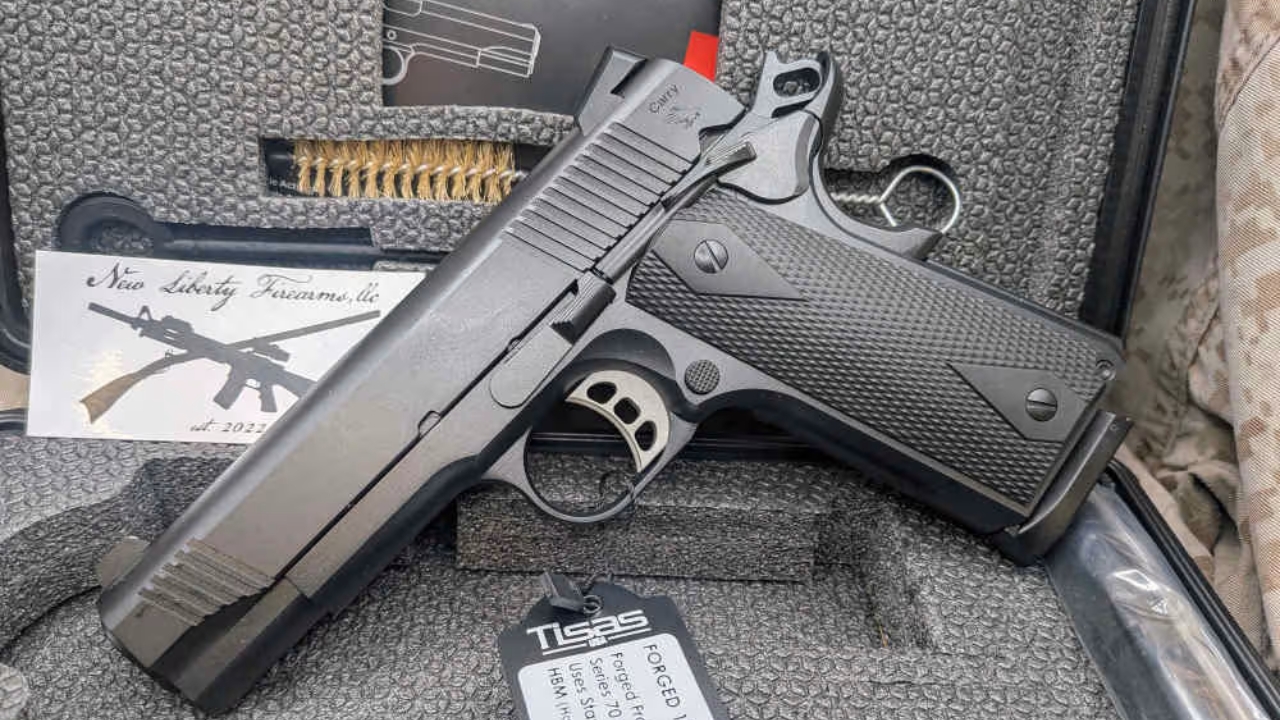
Budget 1911 clones may be the purest example of this whole idea. They sell because the 1911 platform still carries enormous appeal, and buyers want that look, feel, and trigger without paying premium-brand prices. On the surface, that sounds reasonable. You get into an iconic handgun for far less money, and for a while it can feel like you beat the system.
Then the platform reminds you that a 1911 is a gun where small-part quality, proper fitting, spring life, and magazine performance matter a lot. Once those things start wearing, cheap clones can become very educational in all the wrong ways. The pistol that looked like a smart shortcut turns into a lesson about extractors, recoil springs, and tolerance stacking. A 1911 can be worth every penny. A cheap one can teach you why the missing pennies mattered.
Like The Avid Outdoorsman’s content? Subscribe to our newsletter so you never miss an article.
Here’s more from us: