Photo credit: Steel Bear Academy/YouTube
A lot of firearms don’t get expensive because everybody saw the value early. They get expensive because most people missed it for too long. They sat on used racks, in estate sales, or in the back of safes while buyers chased louder names, hotter trends, and whatever the market was pushing that year. Then one day the supply looked thinner, the clean examples looked better, and the same gun people had ignored for years suddenly started getting treated like a prize.
That’s usually how the pain starts. Buyers who once shrugged at them begin talking about how they “always meant to get one,” while the people who owned them quietly realize the market has changed in a big way. These are the firearms that people keep underestimating until the prices stop feeling casual and start feeling like punishment for waiting.
Smith & Wesson 3rd Generation Autos

For years, Smith & Wesson’s 3rd Generation pistols lived in a strange middle ground. They were respected enough to avoid being called junk, but overlooked enough that many buyers treated them like old police guns with limited excitement. Models like the 5906, 4506, and 3913 were often bought as practical used pistols, not as something anybody needed to chase.
Then tastes changed. Metal-framed semi-autos started looking a lot more appealing again, and people began noticing how well-built those older Smiths really were. Once that happened, the better examples got harder to find in a hurry. What used to feel like a smart used-gun buy started feeling like something you should have grabbed when nobody was paying attention.
Colt Woodsman

The Colt Woodsman spent a long time being “just” an old rimfire in the eyes of a lot of buyers. A nice old rimfire, sure, but still something many people looked past while chasing centerfire handguns or more obvious collector names. Because it lived in the .22 category, people often underestimated how much long-term interest it would build.
That turned out to be a mistake. Once more buyers started appreciating the quality, the lines, and the Colt name attached to a truly elegant rimfire, the easy-buy days started drying up. Clean Woodsmans began moving from pleasant old target pistols into the sort of guns people suddenly talk about like they were always special. They were. The market just took its time noticing.
Winchester 88

The Winchester 88 spent years being admired without becoming urgent. It looked sharp, handled well, and had real appeal to people who liked older hunting rifles, but it still sat in that dangerous category of “I’ll get one later.” Buyers saw it as interesting without yet seeing it as scarce enough to move on immediately.
That delay has become painful for a lot of people. As better examples got harder to find and the appreciation for postwar Winchester rifles deepened, the 88 started climbing fast. Now it’s one of those rifles that makes people stare at current prices and remember when they passed one up because it felt slightly expensive at the time. That memory usually doesn’t age well.
Beretta 84 Cheetah

The Beretta 84 Cheetah was easy to underestimate because it always felt a little too polished to be a bargain and a little too ordinary to be a collector obsession. It lived in the shadow of bigger service pistols and more famous Berettas, so a lot of buyers simply appreciated it without ever feeling urgency about owning one.
Then the market started looking back more kindly at classic metal-frame pistols, and the Cheetah’s combination of quality, style, and shootability started getting a lot more attention. Once that happened, prices stopped being friendly. It’s a great example of a gun people casually respected until the market reminded them that casual respect can get expensive.
Marlin 39A
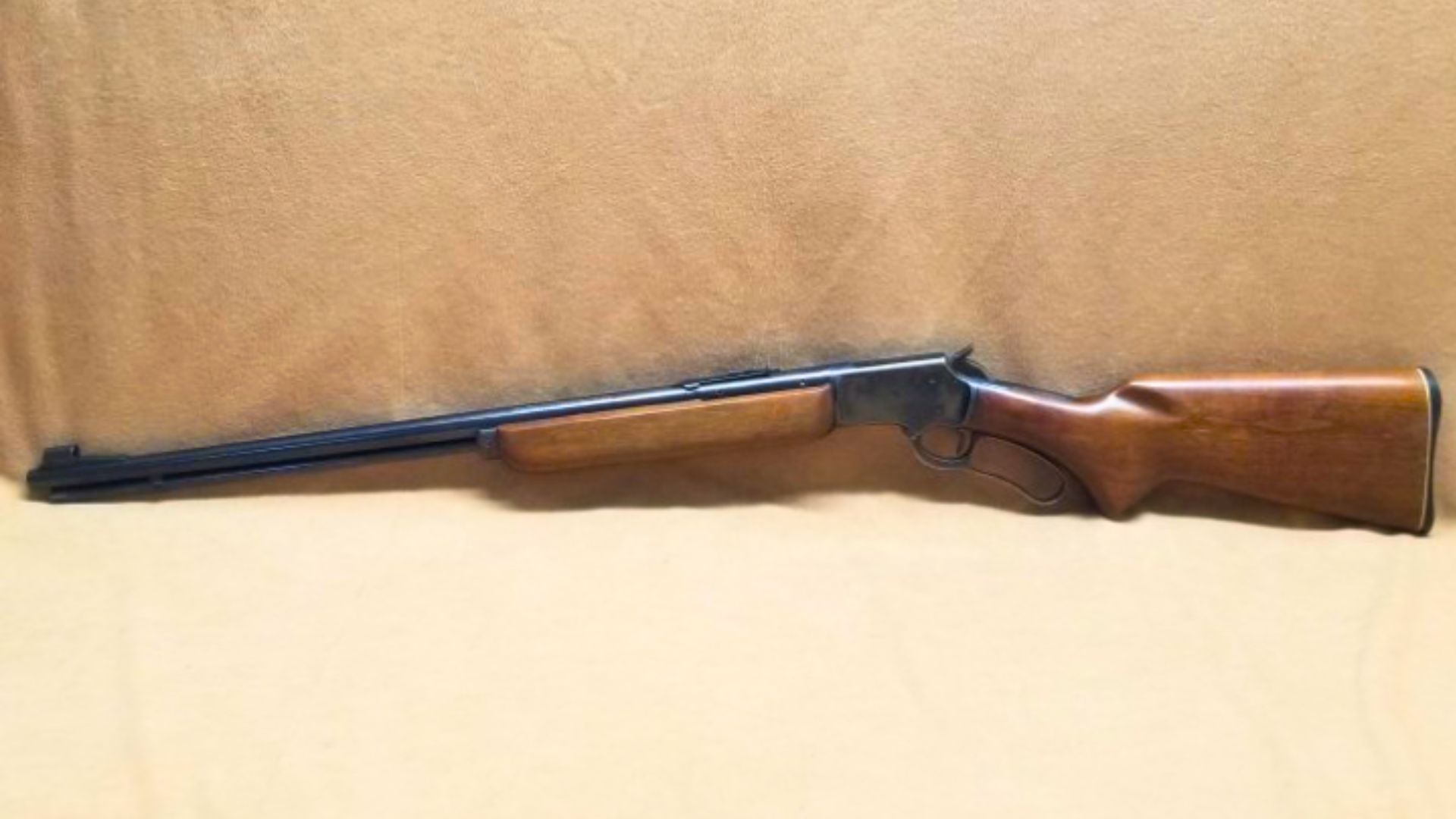
The Marlin 39A used to be one of those rifles people assumed would always be around. It was a quality lever-action .22, and buyers knew that, but it still often felt more like a nice old rimfire than something people needed to prioritize. That sort of familiarity usually creates a false sense of security.
Then clean rifles started getting harder to find, and the people who knew what a good 39A really was started buying faster than the supply could support. Once the prices moved, a lot of shooters suddenly started talking about them with much more urgency than they had before. That’s usually how it goes with guns people underestimate for too long.
Ruger Old Army

The Ruger Old Army sat in a niche that made it easy to overlook. Black-powder shooters respected it, and Ruger fans liked it, but the broader market often treated it like a specialty piece that would never matter much outside its own little circle. That assumption kept a lot of buyers from taking it seriously when prices were still reasonable.
Then more people realized there really wasn’t much else like it. It had Ruger build quality, real shooting merit, and a following that got stronger once production stopped and availability tightened. Suddenly the same percussion revolver people had overlooked became something the market started taking a lot more seriously, and the price tags followed.
Browning BL-22

The Browning BL-22 was easy to underestimate because it lived in the rimfire world, where buyers often get casual. It was clearly a nice rifle, but a lot of people treated it like the sort of thing they could always come back for later. It felt too common to worry about and too familiar to feel urgent.
That’s the kind of thinking that creates regret. As more shooters started appreciating how smooth, handy, and well-made the BL-22 really was, better examples started getting scarcer and more expensive. What once felt like a pleasant little lever gun became something buyers suddenly started hunting for with much more energy than they ever planned.
SIG Sauer P225

The P225 spent years being overshadowed by flashier or more famous SIGs. It was respected, but not always chased. Police trade-ins and used examples made it feel accessible enough that a lot of buyers assumed there would always be another one if they ever changed their minds later.
Later turned out to be a lot more expensive. Once older German SIGs started getting more serious collector attention, the P225 was one of the pistols that benefited fast. Clean examples, boxed examples, and especially nicer imports started looking a lot less ordinary to buyers who had spent years ignoring them. That shift happened quickly enough to catch a lot of people flat-footed.
Savage 99

The Savage 99 always had its fans, but it also spent a long stretch being the rifle smart old-timers appreciated while the broader market looked elsewhere. That helped keep prices lower than many people would’ve guessed for a rifle with that much design interest and hunting history. It felt respected, but not yet pressured.
Then the collector market started paying closer attention. Better chamberings, cleaner rifles, and more original examples began drying up, and the people who once thought they had plenty of time started seeing numbers that didn’t feel so friendly anymore. The 99 is a classic example of a firearm that people liked just enough to let it get expensive before they started acting urgently.
CZ 527

The CZ 527 was easy to underestimate because it looked like a practical little bolt gun, not a future headache for people who waited. It was handy, accurate, and distinctive, but it lived in that dangerous zone where buyers admired it without panic-buying it. That tends to keep prices civilized until it suddenly doesn’t.
Once the rifle disappeared from new racks and more shooters realized how much they liked compact bolt rifles with real character, the tone changed. Prices moved up, interest got sharper, and the people who once told themselves they’d pick one up later started finding out later costs more. That’s almost always how these stories go.
Smith & Wesson Model 617

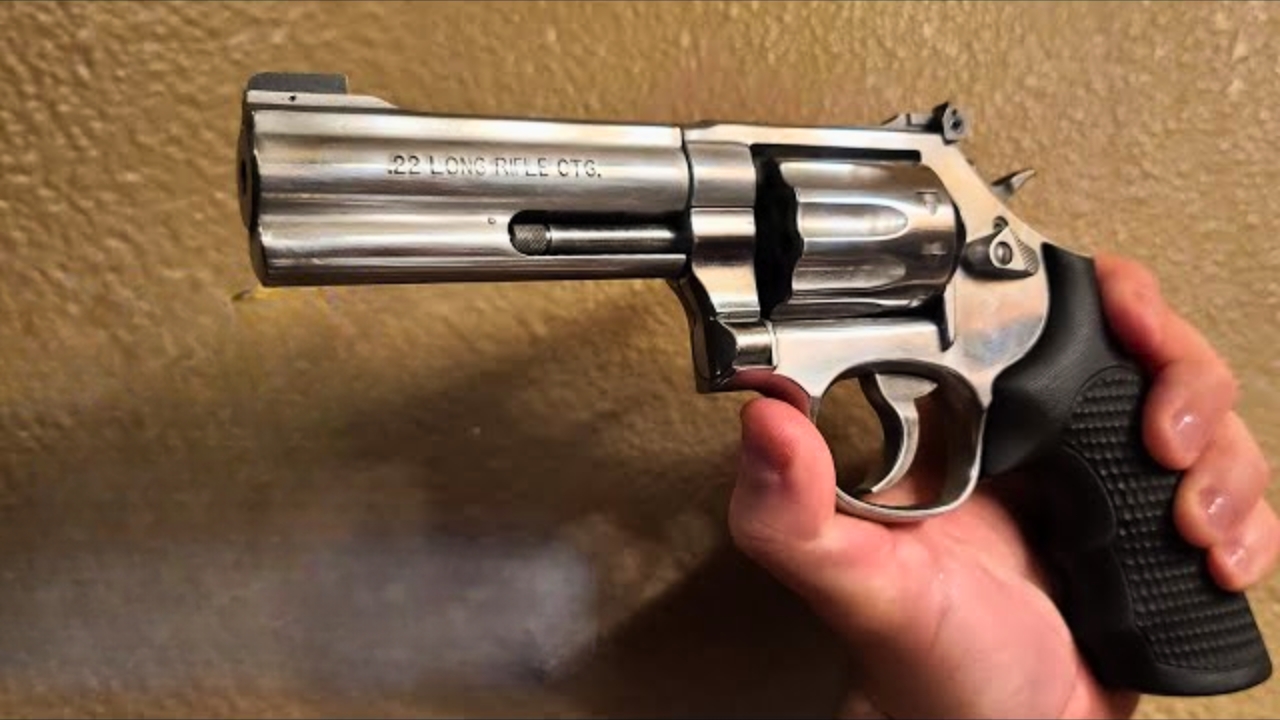
The Model 617 lived for a long time as the kind of revolver people liked without always feeling they needed. It was a nice rimfire revolver, sure, but many buyers still treated it like a luxury range gun rather than something they should grab while the getting was good. Rimfires tend to get underestimated that way.
Then people started spending more time with bad rimfire handguns and remembering how much value there is in a really good one. The 617’s quality, shootability, and plain long-term appeal started getting a lot more respect, and prices followed. It’s a strong example of a revolver people treated as optional until it became annoyingly expensive to act on that opinion.
Browning Auto-22

The Browning Auto-22 was easy to overlook because it sat quietly in the corner of the market as a classy little rimfire with niche appeal. People respected it, but often in a detached way. It didn’t create urgency for casual buyers because it felt like one of those guns you could appreciate at any time.
The market eventually had other ideas. Once more people started valuing compact, quality rimfires and the Browning name kept doing its quiet work, the Auto-22 started drawing stronger attention. Better rifles got pricier, and buyers who once thought they’d grab one eventually found out that “eventually” had become more expensive than expected.
Ruger Security-Six

The Security-Six was often overshadowed by more talked-about revolvers, which helped keep it underpriced for longer than it probably should have been. Shooters who knew them appreciated them, but many buyers still saw them as solid used revolvers instead of something they needed to prioritize over more glamorous names.
That sort of underestimation tends to create market whiplash later. Once more buyers started realizing how tough, useful, and historically important these revolvers were, prices stopped feeling like used-gun prices. They started feeling like the market had finally noticed what had been sitting there the whole time. That realization rarely arrives early enough to save money.
Winchester 9422M

The .22 Magnum version of the Winchester 9422 was one of those rifles people often respected but didn’t chase with enough urgency. It looked like a variation instead of a warning sign, and that made it easy to pass over. Buyers figured they could always come back if they decided they wanted one badly enough.
Then scarcity started doing what scarcity always does. The 9422M was never as common as many buyers treated it, and once more people realized that, prices began climbing in a hurry. Today it’s the kind of rifle that makes a lot of people say they always liked them, which is usually another way of saying they waited too long.
Colt Detective Special
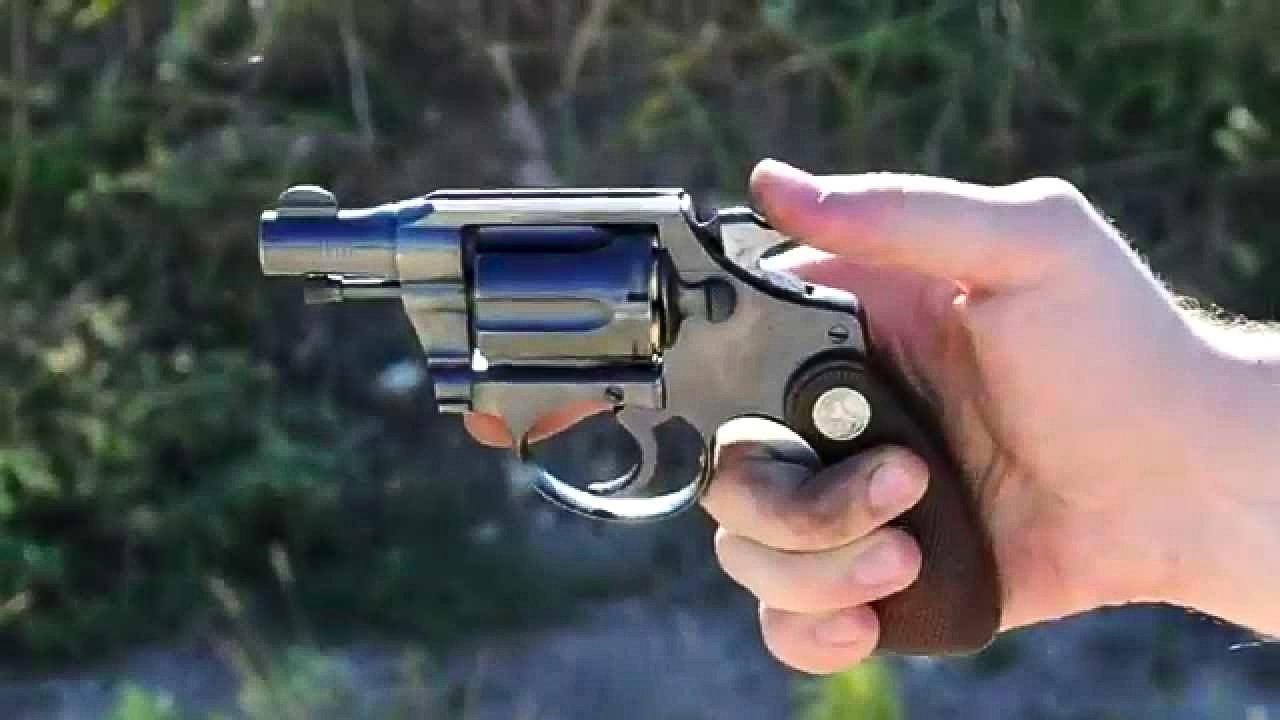
The Detective Special was underestimated for years because it sat in that strange place between practical old snub-nose and true collector revolver. Plenty of buyers appreciated it, but many still treated it like an interesting used carry gun instead of something they might regret not grabbing while prices were calmer.
Once older Colt revolvers started drawing stronger collector energy, that changed. Cleaner Detective Specials got noticeably harder to find, and the Colt name started doing what it always does once the market wakes up. The result was predictable: people who once saw a neat little revolver started seeing a much more expensive lesson in what they should have paid attention to sooner.
Like The Avid Outdoorsman’s content? Subscribe to our newsletter so you never miss an article.
Here’s more from us: