Photo credit: WHO_TEE_WHO/YouTube
Gun people love laughing at the wrong rifles right up until the market turns on them. That happens more than it should. A rifle gets called outdated, boring, cheap, clunky, or too common to ever matter. It sits there for years with half the gun crowd acting like they are above it. Then production stops, tastes change, nostalgia kicks in, or people suddenly remember the rifle was better than they gave it credit for. That is when the jokes dry up and the price tags start climbing.
A lot of these rifles were never truly bad. They were simply unfashionable. Some were too plain for the tacticool crowd. Some were too common to feel collectible at the time. Some just lived in the shadow of louder names. Now many of the same rifles that got shrugged off, traded cheap, or passed over in pawn shops are the ones people wish they had bought when they were easy to find. Here are 15 rifles people mocked for years and now often cannot touch without paying a lot more than they expected.
Marlin 336

For years, the 336 was the rifle a lot of buyers treated like old hardware from a fading deer camp era. It was too traditional for the guys chasing long-range numbers and too common to feel collectible when racks were full of them. People acted like the .30-30 lever gun had nothing left to prove, which usually meant they were taking it for granted.
Then the supply changed, older JM-stamped rifles got more attention, and a lot of buyers suddenly realized they had laughed off one of the handiest deer rifles ever made. Clean examples started climbing, especially once people began comparing them to what newer lever guns were costing. A rifle people once called outdated became the one they kept hunting online and groaning over when they saw the asking price.
Winchester Model 94

The Model 94 went through a long stretch where a lot of shooters treated it like background furniture. Everybody knew what it was, which made it easy to dismiss. It was the granddad rifle, the cabin rifle, the thing hanging over the mantle while people spent their money on bolt guns and black rifles. That kind of familiarity often hides value until it is too late.
Once good older 94s started drying up and people began chasing pre-safety, pre-64, and cleaner angle-eject examples, the old mockery started looking expensive. A lot of shooters who once talked like the 94 was just another common lever gun eventually found themselves priced out of the nicer ones. It turns out “everywhere” can become “not enough” pretty quickly when a generation starts remembering what made a rifle worth keeping.
Ruger No. 1
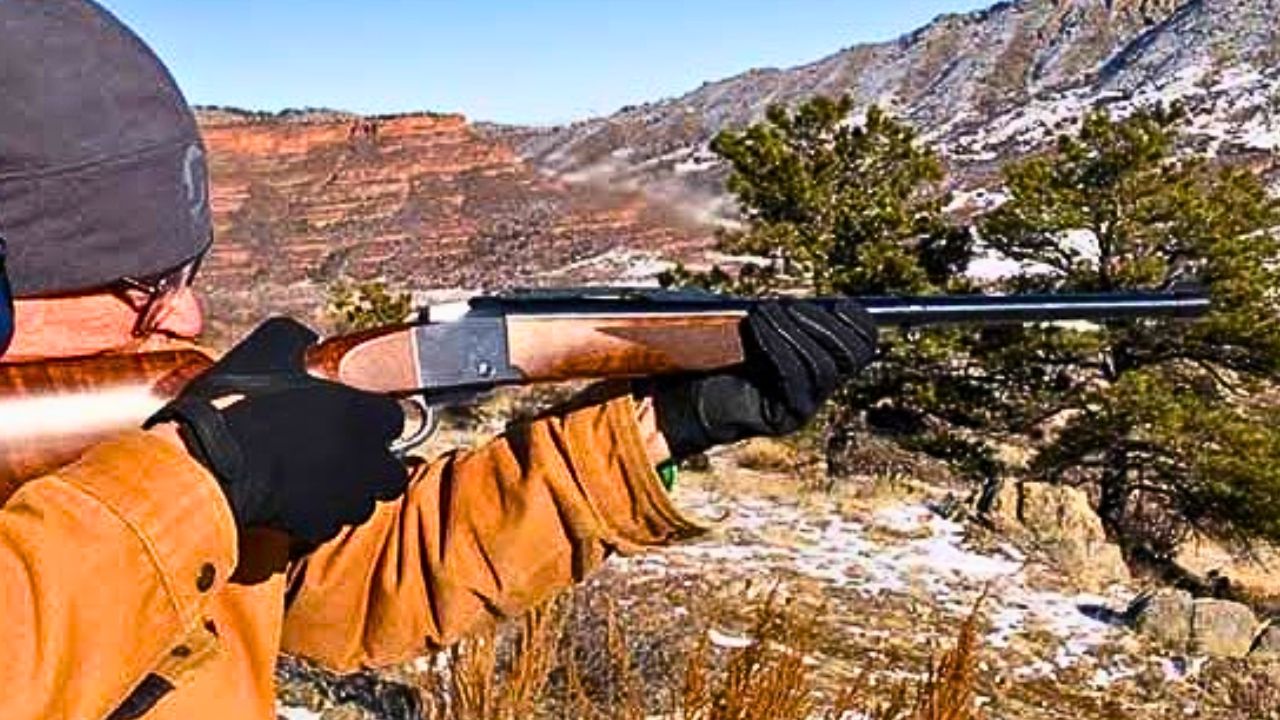
The No. 1 spent years getting mocked by shooters who could not understand why anyone would want a single-shot rifle in a world full of fast repeaters. It was too elegant for some, too old-school for others, and too easy to dismiss if your idea of value started and ended with magazine capacity. Plenty of people respected it, but just as many shrugged and moved on.
Then the market started rewarding character again. People remembered the wood, the lines, the strength of the action, and the simple fact that rifles like the No. 1 were never going to be made endlessly in every configuration forever. Suddenly the same rifle many buyers once treated like a rich man’s vanity piece became the sort of gun people hunted hard and paid real money for, especially in desirable chamberings.
Remington 788
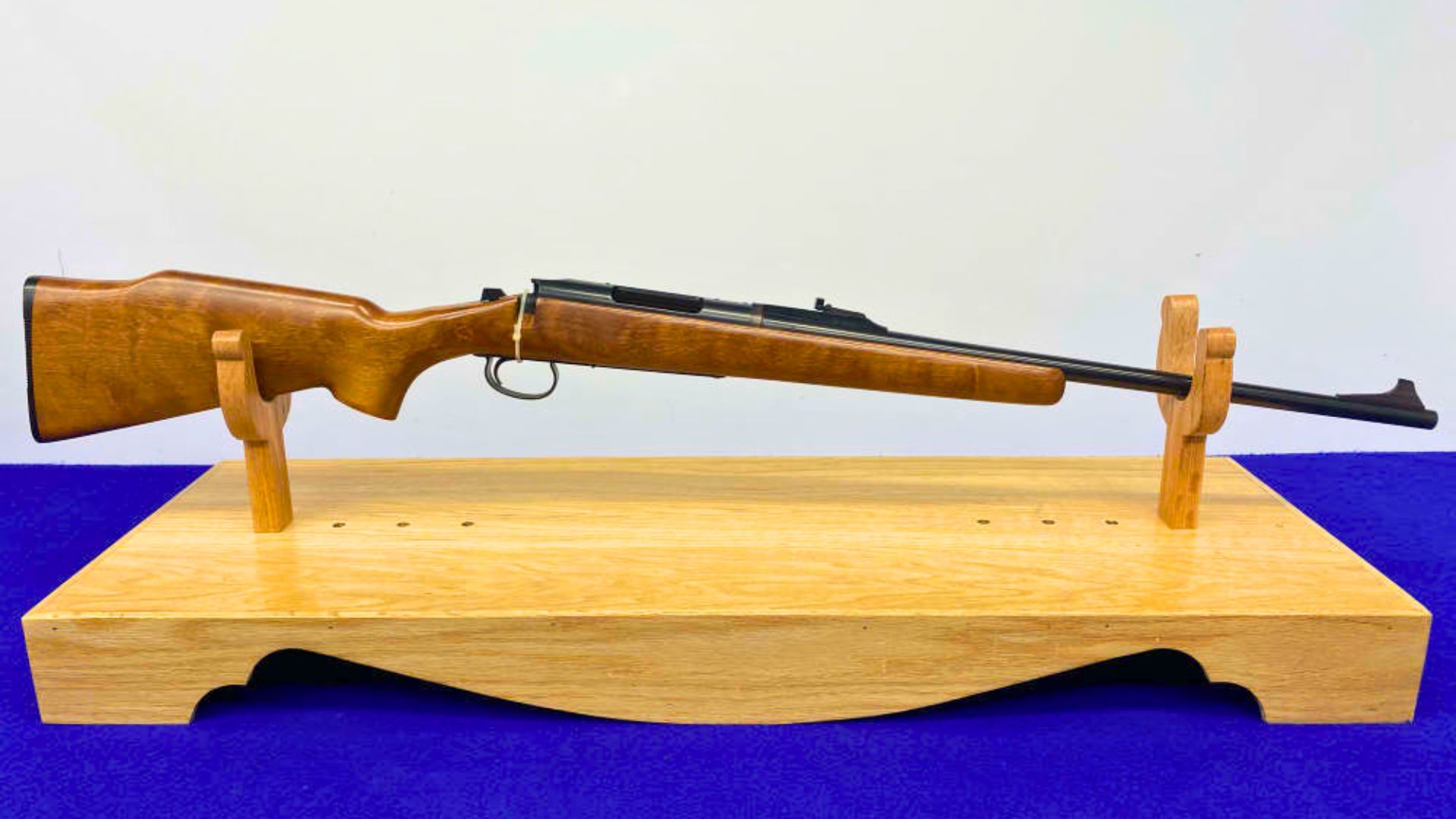
The 788 got mocked because it looked like the budget rifle it was. It never had the prestige of the 700, and a lot of shooters treated it like the cheaper cousin you settled for when you could not afford the real answer. It was plain, it was humble, and it never carried much swagger in the rack.
The problem with mocking accurate cheap rifles is that people eventually start shooting them honestly. The 788 earned a deep reputation for accuracy, and once production was long gone, buyers started realizing those “cheap old Remingtons” were not so cheap anymore. The market eventually caught up to what practical shooters had known for a long time: a rifle can look modest and still become expensive once enough people realize it outshot the respect it got.
Savage 99

The Savage 99 spent years getting talked down by buyers who thought it was awkward, old-fashioned, or not worth the trouble compared to more modern hunting rifles. It did not have the same instant recognition as a Winchester lever gun, and for a while that made it easier to overlook. Some shooters appreciated it. Plenty treated it like a strange relic.
Then prices started telling the truth. People rediscovered how well the 99 carried, how interesting the action really was, and how many of the better examples were no longer just sitting around waiting to be picked up cheap. Clean rifles, especially in appealing chamberings, became harder to land without real money. A rifle once dismissed as oddball dead weight became something collectors and hunters both started chasing with a lot more urgency.
Marlin 1894

For a long time, a lot of buyers treated pistol-caliber lever guns like range toys with cowboy flavor. The 1894 sat right in that lane. People liked them, sure, but plenty also laughed them off as novelty rifles compared to “serious” centerfire options. That worked fine as long as the market stayed soft and people thought they could pick one up whenever they felt like it.
Then everybody wanted one at the same time. The rise in interest around lever guns, suppressor-friendly setups, and practical pistol-caliber carbines pushed the 1894 into a much hotter lane. Suddenly the rifle people used to dismiss as a fun little side piece started carrying price tags that made buyers blink hard. A lot of the same people who once would not have paid attention now wish they had bought two.
Winchester 88

The Winchester 88 was easy to mock for years because it lived in an odd space. It was not the classic lever gun people romanticized, and it was not the simple bolt gun many hunters trusted by default. That left it as the “other Winchester” for a lot of buyers, respected by some and ignored by many more.
That kind of in-between status kept prices softer than they should have been for a long time. Then the usual pattern showed up. People started realizing how slick the rifle really was, how fewer good ones were circulating, and how much they liked the idea of owning something a little deeper-cut than the usual hunting rifle choices. Prices followed. The rifle people once treated like a weird detour became one of those models they now search with a lot more seriousness.
Browning BAR (older Belgian and early rifles)
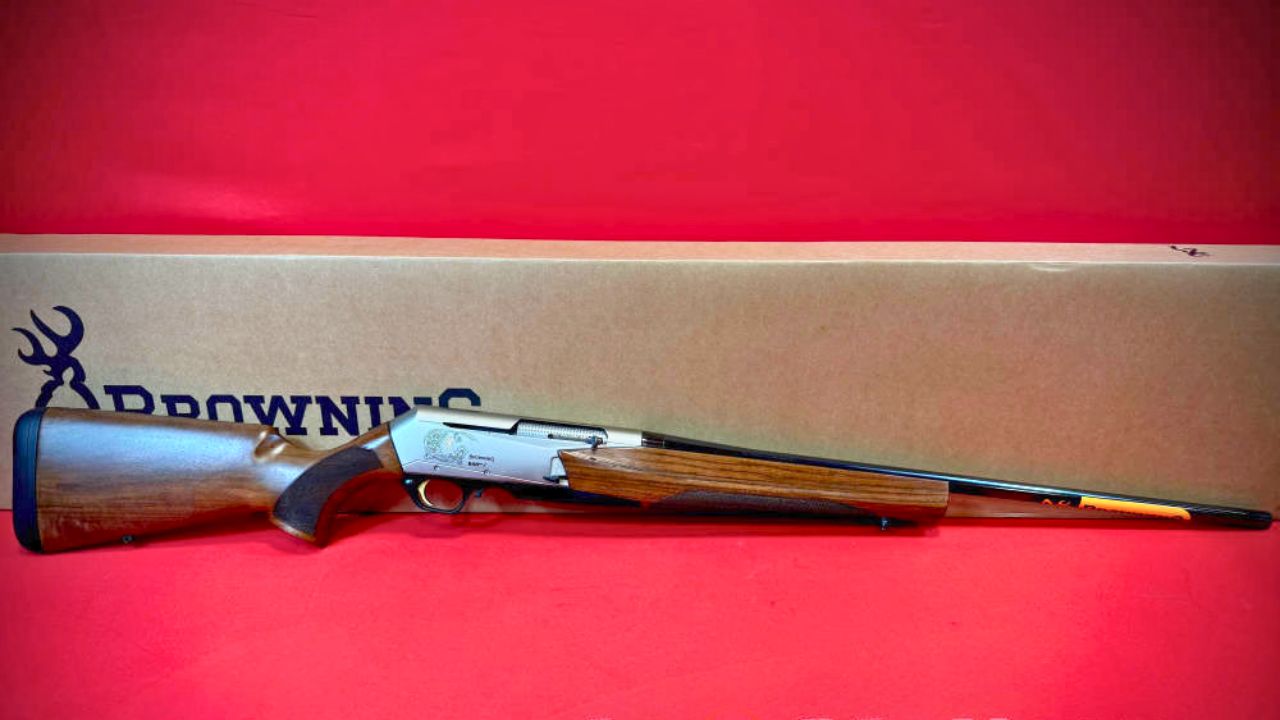
There was a time when older BAR hunting rifles were easy for some shooters to write off as heavy, old autoloaders for guys who did not want to cycle a bolt. They were respected in some camps and shrugged off in others. Because they were not especially trendy, a lot of good ones moved for less than they probably should have.
Then hunters and collectors started looking closer. Older Belgian-made examples especially gained more appreciation, and buyers remembered that a classy semiauto hunting rifle with real history behind it was not going to stay underpriced forever. Once the better rifles began pulling stronger money, the mocking got a lot quieter. Funny how weight matters less when the rifle is suddenly hard to replace.
Remington Nylon 66

The Nylon 66 was mocked for years by people who saw it as cheap, plastic, and not “real” enough compared to blued steel and walnut rimfires. That synthetic construction made it easy for traditionalists to laugh at, especially back when plastic still sounded like a compromise instead of a feature. It was the kind of rifle people underestimated because it looked too unusual for its own good.
Then time changed the conversation. What once seemed odd started looking iconic. People remembered how well these little rifles ran, how distinct they were, and how many had disappeared into closets, collections, and family safes. Suddenly the rifle that once got looked down on for being ahead of its time started bringing prices that would have shocked the same people who used to call it a toy.
SKS

The SKS spent a long time getting mocked as the poor man’s surplus rifle. It was what you bought when you could not afford something cooler, more tactical, or more respected. People chopped them, bubba’d them, threw cheap stocks on them, and acted like they were disposable because they had been cheap for so long.
That era did not last. Once surplus dried up and buyers started wanting original examples again, the tone changed fast. Matching rifles, better imports, and unmolested examples began climbing hard enough to make people regret every cheap sale and every hack-job modification. A rifle once treated like budget clutter became one of the clearest examples of how fast “always available” can turn into “why is this so expensive now?”
M1 Carbine

The M1 Carbine used to get mocked by people who could not decide whether it was too weak, too light, too simple, or too overrated. It lived in a weird place where everybody knew it, but not everybody valued it equally. Some loved them. Others wrote them off as underpowered relics that lived mostly on WWII nostalgia.
Then the market did what it does. Real U.S. examples were not getting easier to find, and buyers started waking up to how handy, historic, and enjoyable the platform really was. Prices responded in a hurry. Now a lot of the same people who once waved it off as a cute little carbine get a lot quieter when they see what good examples are bringing.
Winchester 9422

The 9422 was one of those rimfires people loved in theory but still managed to underappreciate while they were around in larger numbers. It looked like a nice lever .22, and because it was “just a rimfire,” some buyers never took it seriously enough as something worth grabbing while it was still accessible.
That turned out to be a mistake. The 9422 aged into one of those rifles people miss the moment they start trying to replace it. Good examples, especially cleaner ones with boxes or more desirable versions, stopped being casual purchases a while ago. The rifle people once treated like a nice little extra now tends to come with the kind of asking price that makes a used centerfire look affordable.
Ruger Deerfield Carbine

The Deerfield was easy to overlook. It did not have the prestige of a classic lever gun, the tactical cool of a black rifle, or the universal hunting acceptance of a bolt action. For years, that made it a rifle plenty of shooters simply left sitting because they thought there would always be one around later if they changed their minds.
Later got more expensive. Once people started appreciating handy semi-auto carbines in traditional-stock form, the Deerfield looked a lot smarter than it once had. It did not become common, and it did not stay cheap. Like a lot of guns on this list, it suffered from being ahead of the crowd and then got repriced the moment the crowd caught up.
Marlin 39A

The 39A is one of the clearest examples of a rifle people took for granted because it was “just a .22 lever gun” until they tried buying a really nice one later. For years, some shooters treated it like old-timey rimfire nostalgia that did not deserve centerfire money. That attitude helped keep the appreciation lagging behind the quality.
Then people remembered what these rifles actually were. Solid, beautifully made, accurate, and built with a level of old-school confidence that newer rimfires often do not even try to match. Once production stopped and good examples became more sought after, the price story changed fast. A lot of buyers who once laughed at paying that much for a .22 are now wishing they had.
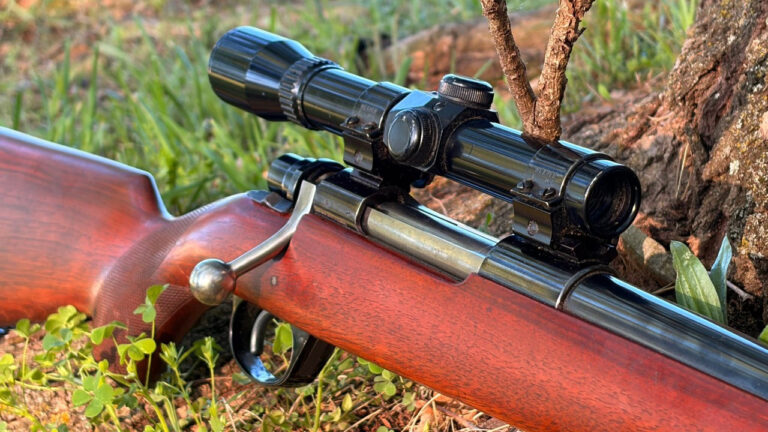
Pre-64 Winchester Model 70
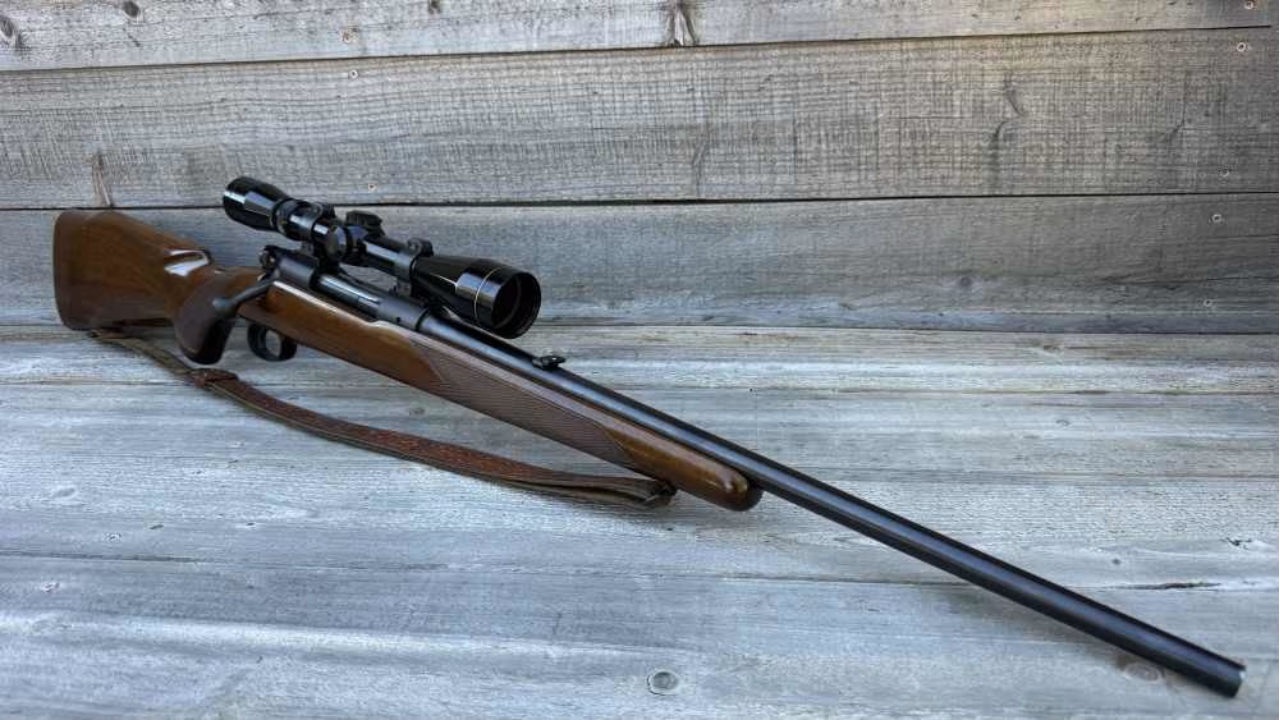
The pre-64 Model 70 was not always cheap, but there was still a long stretch where many buyers treated the reverence around it like old-man talk and collector inflation. Plenty respected it. Plenty others rolled their eyes and acted like newer bolt guns did everything better for less money, which made all the nostalgia sound exaggerated.
That attitude got a lot more expensive over time. Once more buyers handled them, hunted them, and saw how deep the affection for them really ran, the market hardened. The rifle that some people once mocked as overhyped old steel became the kind of rifle they now talk themselves into or out of based on real money. It turns out there was more truth in the old praise than the mockers wanted to admit.
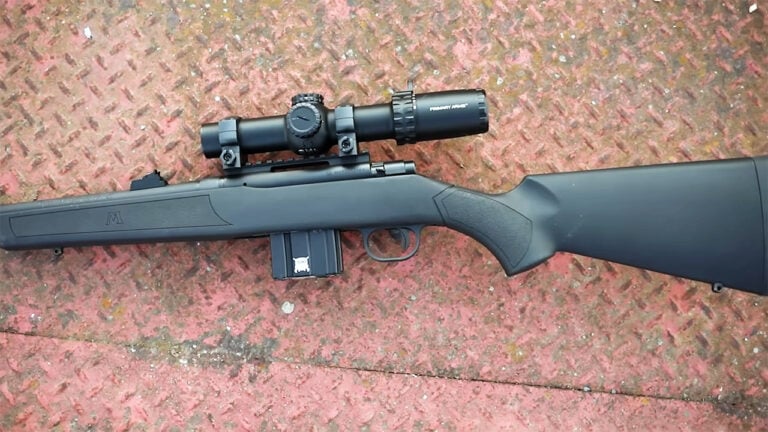
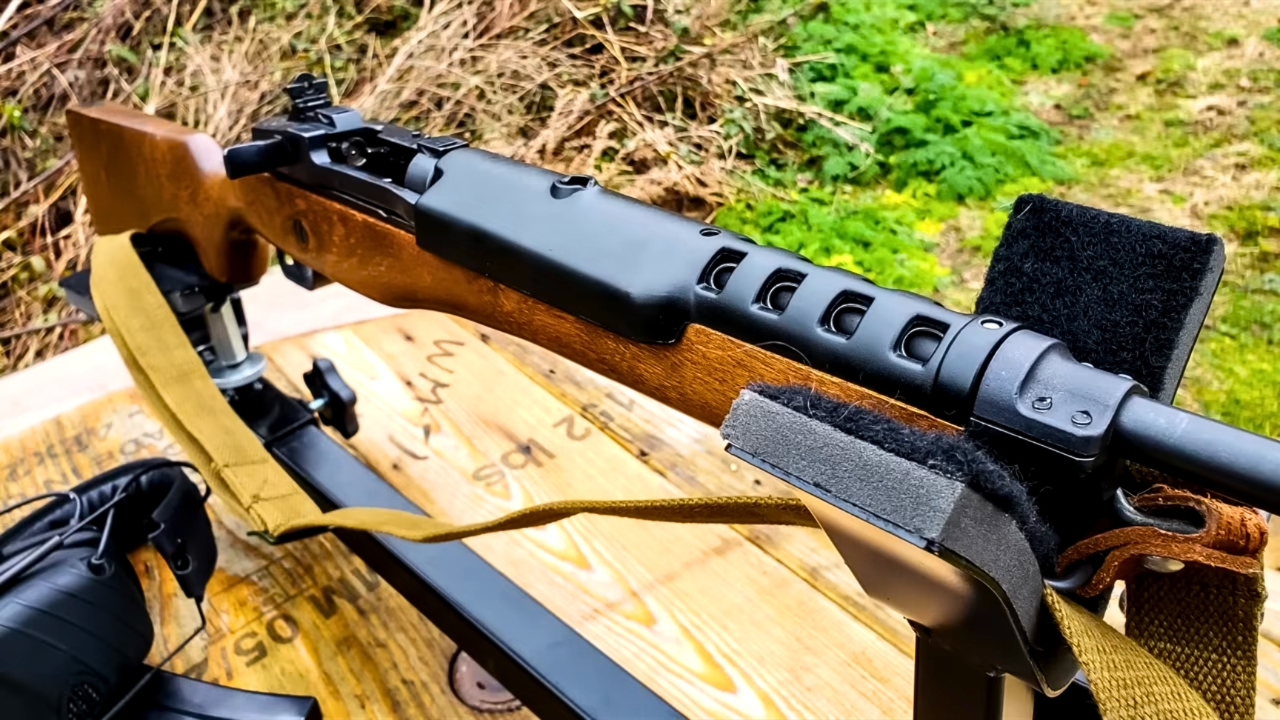
Ruger Mini-14 (older, cleaner examples)

The Mini-14 has spent years as an easy target. Too expensive for what it was, not as accurate as the AR crowd wanted, too ranch-rifle plain for the tacticool guys, and never quite fashionable enough to get universal respect. That made it easy to joke about and easy to leave behind when black rifles were everywhere and cheap.
Then the market shifted. Political pressure, import waves, demand spikes, and growing appreciation for traditional-stock semiautos all helped move the Mini into a different place. Cleaner older examples, especially ones people had not hacked up, stopped being easy bargains. A rifle that got mocked as the awkward non-AR now sits in a lane where plenty of buyers suddenly wish they had not laughed so hard when they were cheaper.
Like The Avid Outdoorsman’s content? Subscribe to our newsletter so you never miss an article.
Here’s more from us: