Photo credit: Smith & Wesson/Youtube
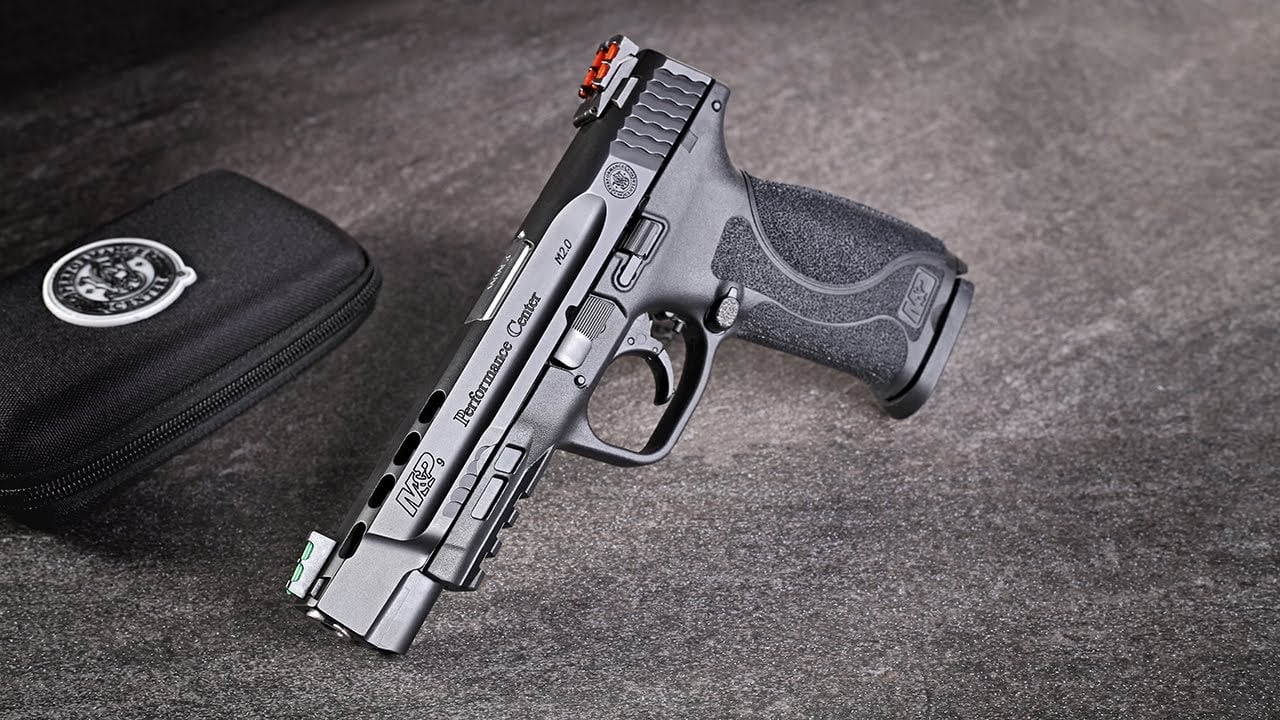
The Smith & Wesson M&P 9 has been around long enough to become one of the main alternatives to Glock in the striker-fired pistol world. Police departments have used it, concealed carriers like it, and plenty of shooters prefer the grip angle and feel over other polymer pistols. The M&P 2.0 line also cleaned up a lot of the older complaints about texture, trigger feel, and overall refinement.
That said, the M&P 9 can still malfunction. It is a reliable platform overall, but the common problems are the same kinds of issues you see with most striker-fired 9mm pistols: feeding trouble, failures to eject, extraction problems, slide-lock issues, magazine-related malfunctions, light primer strikes, and reliability problems after aftermarket parts get added. None of that means the pistol is bad. It means a defensive pistol still needs good magazines, good ammo, proper cleaning, and enough testing before it gets trusted.
Failure to Feed
Failure to feed is one of the more common M&P 9 malfunctions. The slide moves forward, but the next round does not chamber cleanly. The bullet may nose-dive into the feed ramp, hang partway into the chamber, or leave the slide just short of going fully into battery. It can happen with range ammo, hollow points, or only with one specific magazine.
The magazine is usually the first place to look. A weak spring, damaged feed lips, dirty magazine body, or rough follower can all change how the round presents to the chamber. Some M&P 9 owner discussions around feeding issues mention guns being sent back and having the barrel or chamber polished, which points to how feed geometry and chamber smoothness can matter when the pistol is being picky. If the problem follows one magazine or one load, start there before blaming the whole gun.
Magazine-Related Problems
The M&P 9 is generally good with quality factory magazines, but bad magazines can still make it look unreliable. Feeding issues, nose-dives, slide-lock problems, and random stoppages can all start with a magazine that is worn, dirty, damaged, or out of spec. That is true for almost every semi-auto pistol, but it is still one of the first things worth checking.
Magazine follower and slide-catch issues have come up in M&P owner discussions, especially when the follower does not consistently engage the slide stop the way it should. That can show up as the slide failing to lock back after the last round, or sometimes as inconsistent behavior from one magazine to another. Marking magazines is the easy fix here. If one mag causes repeated trouble and the others run fine, that magazine should be rebuilt or pulled from serious use.
Failure to Eject
Failure to eject happens when the pistol fires, but the empty case does not clear the ejection port. It may stovepipe, get trapped by the slide, or bounce around in the action and stop the next round from feeding. With the M&P 9, this can come from weak ammo, a dirty chamber, extractor or ejector issues, recoil spring problems, or the shooter not giving the gun a firm enough platform.
The M&P 9 is not usually known as a delicate pistol, but it is still recoil-operated. If the slide does not move rearward with enough energy, ejection can get weak. Soft range ammo can make that worse. A loose grip can too, especially with newer shooters or one-handed shooting. If it only happens with one bargain load, ammo is the first suspect. If it happens across several loads, magazines, and shooters, the extractor, ejector, chamber, and recoil spring all need a closer look.
Stovepipes
A stovepipe is a specific failure to eject where the empty case gets caught upright in the ejection port. It is usually easy to clear, but it still means the pistol did not finish cycling. On the M&P 9, stovepipes usually come from weak ammunition, limp-wristing, dirty internals, extractor tension, or recoil spring issues.
The pattern matters. A single stovepipe with cheap practice ammo is not the same thing as repeated stovepipes with good defensive ammo. If one shooter gets stovepipes and another runs the same pistol cleanly, grip is probably part of the problem. If the malfunction shows up for everyone, across different loads and magazines, then it is time to inspect the gun. A full-size or compact M&P 9 should not be stovepiping regularly when it is clean, properly sprung, and fed decent ammo.
Failure to Extract
Failure to extract is less common than simple ejection trouble, but it is more serious when it happens. The fired case stays in the chamber instead of being pulled out by the extractor. The slide may stop, or it may try to feed the next round into a chamber that still has empty brass sitting in it.
A dirty chamber, rough brass, weak slide movement, worn extractor, chipped extractor claw, or ammo issue can all cause extraction trouble. If the gun only struggles with one brand of ammo, the load may be the issue. If it leaves brass in the chamber with several loads, the extractor and chamber deserve attention. Extraction problems are not something to ignore on a pistol used for carry, duty, or home defense.
Failure to Return Fully to Battery
The M&P 9 can also fail to return fully to battery. The round starts into the chamber, the slide moves most of the way forward, but the pistol stops just short of being fully closed. Sometimes a tap on the back of the slide seats it. Other times, the round has to be cleared.
This can come from a dirty chamber, rough ammo, weak recoil spring, dry slide rails, carbon buildup, or parts dragging inside the pistol. A barrel or chamber that is rough can also make the gun feel picky with certain loads. If return-to-battery problems start after adding an aftermarket barrel, compensator, trigger kit, recoil spring, or optic setup, the new parts should be questioned first. A stock M&P 9 generally has a good reliability margin, but modifications can shrink that margin fast.
Slide Failing to Lock Back
The slide failing to lock back after the last round is another common M&P 9 complaint. Sometimes the magazine follower is worn, the magazine spring is weak, or the slide stop is damaged. Other times, the shooter’s grip is riding the slide stop and preventing it from lifting.
M&P magazine follower and slide-catch complaints have been around long enough that this is worth checking if the pistol stops locking open consistently. If the slide locks back with one magazine and not another, the magazine is probably the problem. If it locks back for one shooter but not another, grip is likely involved. If it fails with every magazine and every shooter, the slide stop lever and internal contact surfaces need inspection.
Light Primer Strikes
Light primer strikes are not the most common M&P 9 issue, but they do happen. The trigger breaks, the striker moves forward, and the cartridge does not fire. When the round is cleared, the primer may show a shallow mark. That can come from hard primers, cheap ammo, a dirty striker channel, a weak striker spring, or broken striker parts.
Owner reports on M&P 9 pistols have included light strikes tied to striker issues, including one older report where a shop reportedly replaced a broken striker after repeated light primer strikes. Another M&P 9 2.0 owner described a centered but very light primer hit with factory ammo. That does not make light strikes a universal M&P problem, but it does mean repeated ignition failures should be taken seriously. If it starts after trigger work or spring changes, the modifications should be questioned first.
Magazine Release or Magazine Drop Problems
Some M&P 9 owners also run into magazine release problems, where the magazine does not drop free cleanly or feels like it is sticking in the frame. This is not a firing malfunction, but it does affect how the pistol handles during reloads. For a range gun, it is annoying. For a carry or duty pistol, it matters more.
This can come from a stiff new magazine, dirt, frame friction, a rough mag body, or a mag catch that is not moving cleanly. Some owner discussions describe brand-new M&P 9 magazines sticking or failing to drop free. If it happens with every magazine, look at the mag catch and frame. If it only happens with one mag, that magazine is probably the problem. Either way, a pistol used seriously should allow clean, predictable reloads.
Aftermarket Parts Causing Reliability Problems
The M&P 9 has a strong aftermarket, especially with triggers, barrels, sights, optics, recoil springs, magazine extensions, and performance parts. Some upgrades are excellent. Some create problems the factory pistol did not have. That is especially true when several parts are changed at once and nobody knows which one is actually causing the issue.
A lighter trigger setup can create light primer strikes. A tight aftermarket barrel can cause return-to-battery problems. A different recoil spring can affect feeding and ejection. Magazine extensions can change spring pressure. An optic or slide change can alter cycling. None of that means the M&P 9 should never be modified. It means every modified pistol has to be tested hard with the exact magazines and ammo it will be trusted with. A pistol is not dependable because the parts list looks good. It is dependable because it runs.
Like The Avid Outdoorsman’s content? Be sure to follow us.
Here’s more from us: