Photo credit: Tex Mex/YouTube
Trendy trades feel smart at the counter. The new gun has a red-dot cut, a lighter stock, a bigger magazine, a threaded barrel, or a spec sheet that makes the old one look behind. You tell yourself you are upgrading.
Then a few months pass and the regret starts. The newer gun may be more modern, but it does not always balance better, shoot better, carry better, or feel as dependable. Some firearms prove their value only after they are gone.
HK USP Compact

The HK USP Compact got traded away by plenty of shooters chasing slimmer striker-fired pistols with optic cuts and higher capacity for their size. On paper, that makes sense. The USP Compact is thicker, older, and not exactly built around today’s carry trends.
Then owners remember why they trusted it. The pistol feels tough, controls recoil well, and has that old HK durability that makes it easy to believe in. It may not be fashionable, but it works with a kind of confidence newer pistols do not always give you.
Ruger M77
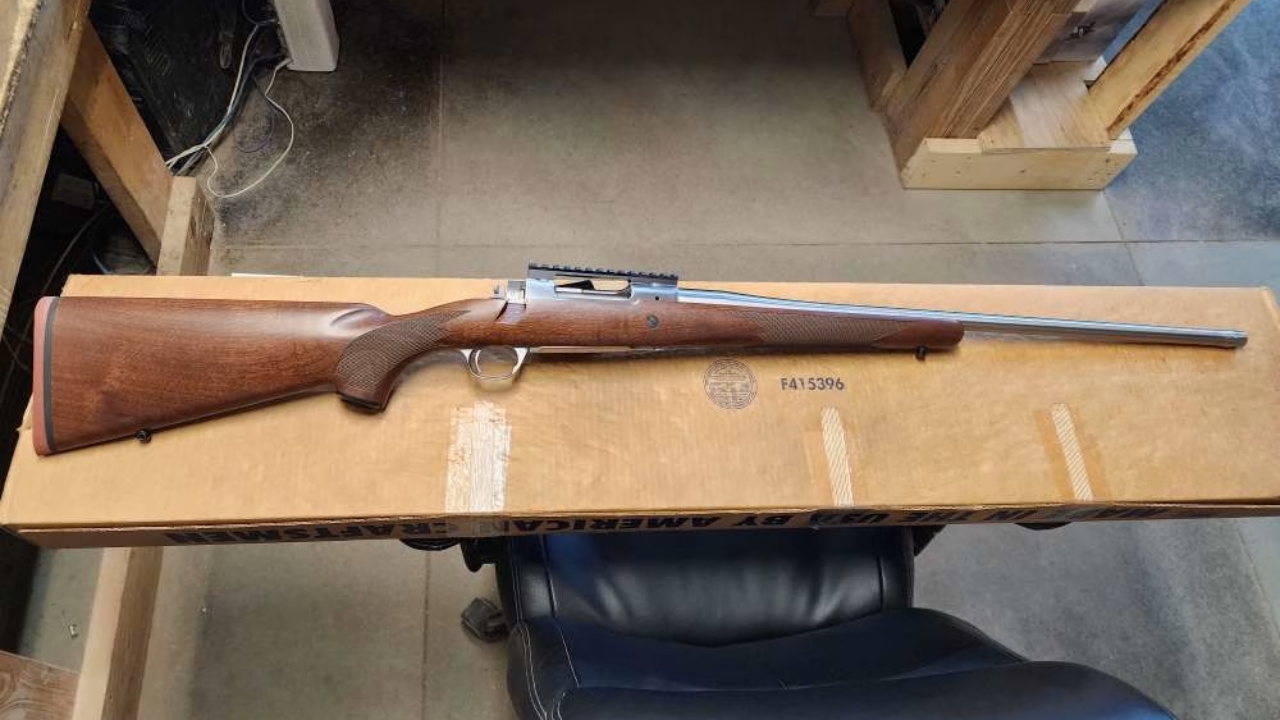
The Ruger M77 was easy to trade when lighter synthetic rifles and budget tack-drivers started filling the racks. A lot of hunters looked at the older Ruger and figured a newer rifle would be smoother, lighter, and more accurate.
Later, they missed the controlled-feed feel, the rugged build, and the way the rifle handled like a real hunting tool. The M77 was not always the smallest-group rifle on the bench, but it carried well and held up in the field. That kind of trust is harder to replace than a spec sheet suggests.
Beretta 8045 Cougar
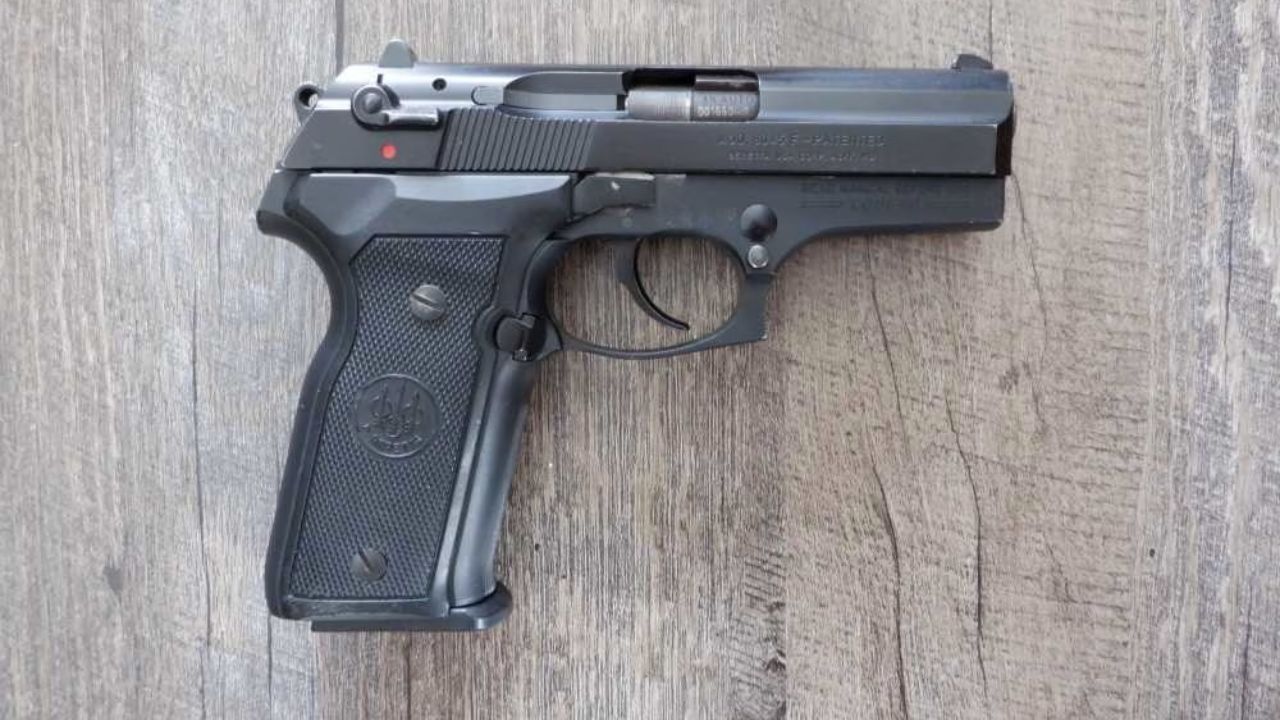
The Beretta 8045 Cougar was often pushed aside when lighter polymer .45s and striker-fired pistols became the easy answer. It looked a little chunky, a little dated, and not as convenient as newer carry or duty guns.
Then shooters remembered how soft and steady it felt. The rotating-barrel system gave the Cougar a different recoil impulse, and the pistol had that old Beretta quality you notice more after it is gone. A trendy polymer .45 may carry easier, but it does not always shoot with the same calm feel.
Remington Model Seven

The Remington Model Seven got traded away by hunters who wanted longer barrels, heavier precision rifles, or newer long-range setups. The little Model Seven could look too plain once everyone started chasing chassis rifles and magnum performance.
That regret usually hits in the woods. The Model Seven is light, handy, and quick to shoulder in tight cover. It is the kind of rifle that makes sense when you are actually hunting instead of reading ballistics charts. Owners who let one go often realize they traded away a rifle that carried better than most of the “better” rifles that replaced it.
Browning Buck Mark

The Browning Buck Mark has been traded off by shooters chasing newer rimfire pistols with threaded barrels, optic cuts, and tactical styling. The Buck Mark can look old-fashioned beside modern .22 pistols with rails and suppressor-ready features.
Then range day reminds people how well it shoots. The trigger is good, the grip angle feels natural, and the pistol has a steady, accurate personality that makes casual shooting easy. Newer rimfires may have more features, but the Buck Mark often feels better where it counts. A good .22 pistol is worth keeping.
Winchester Model 88
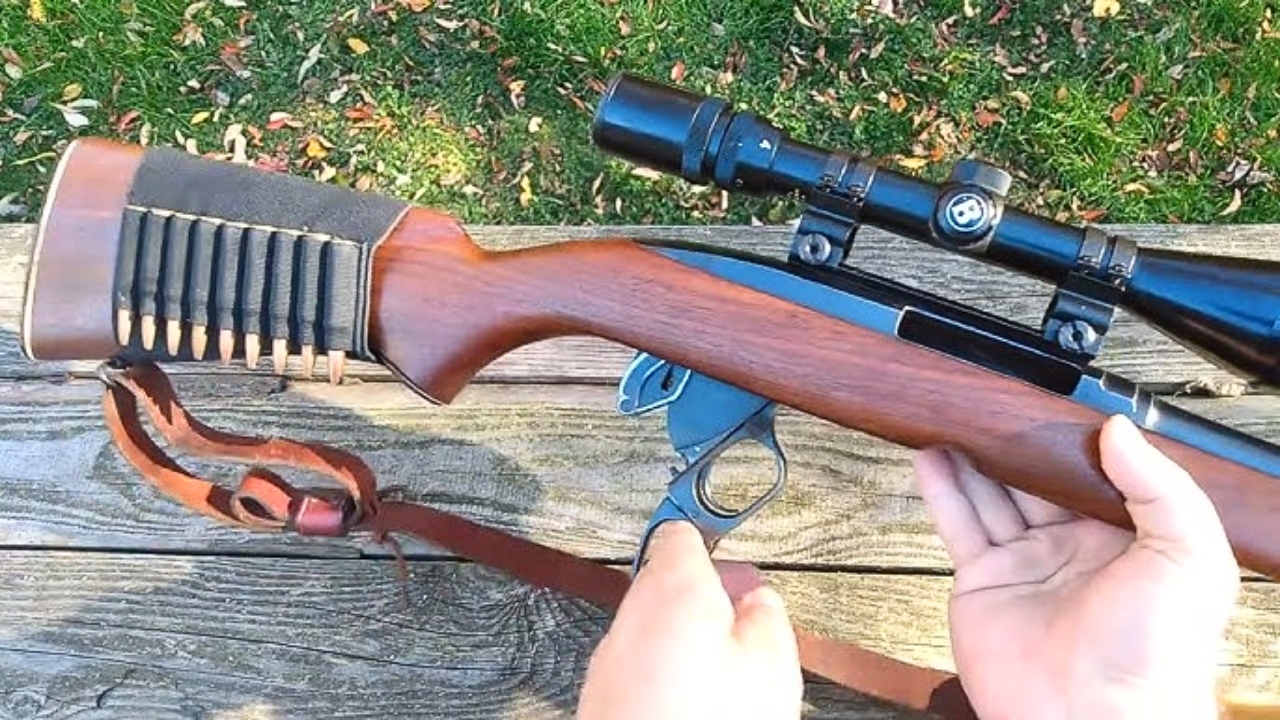
The Winchester Model 88 got traded by hunters who moved toward bolt guns, AR-style rifles, and modern long-range setups. A lever-action rifle that did not look like a classic tube-fed .30-30 confused some people, so it was easy to let go.
That looks like a mistake now. The Model 88 gave hunters lever handling with modern cartridge capability, a detachable magazine, and sleek lines. It was clever without feeling clumsy. A newer rifle may be easier to scope or customize, but the Model 88 had a personality and usefulness that is not easy to replace.
Smith & Wesson Model 457
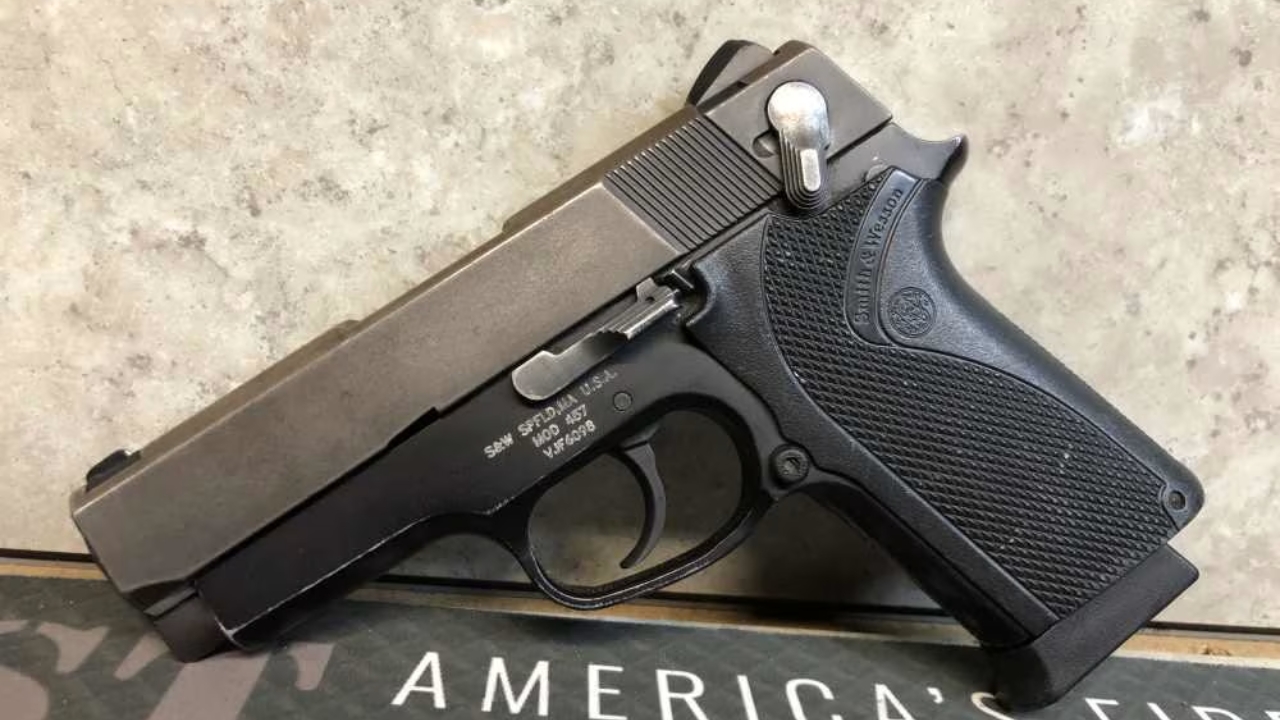
The Smith & Wesson Model 457 was easy to trade when compact polymer pistols started taking over. A chunky DA/SA .45 with old-school styling did not look like the future. A lot of owners moved on to lighter, higher-capacity 9mms.
But the 457 had more going for it than people admitted. It was compact, sturdy, and carried the old third-generation Smith feel in a hard-hitting package. It was not sleek, but it was dependable and honest. Once those older Smith autos became harder to find clean, trading one away started looking less smart.
Marlin Camp Carbine
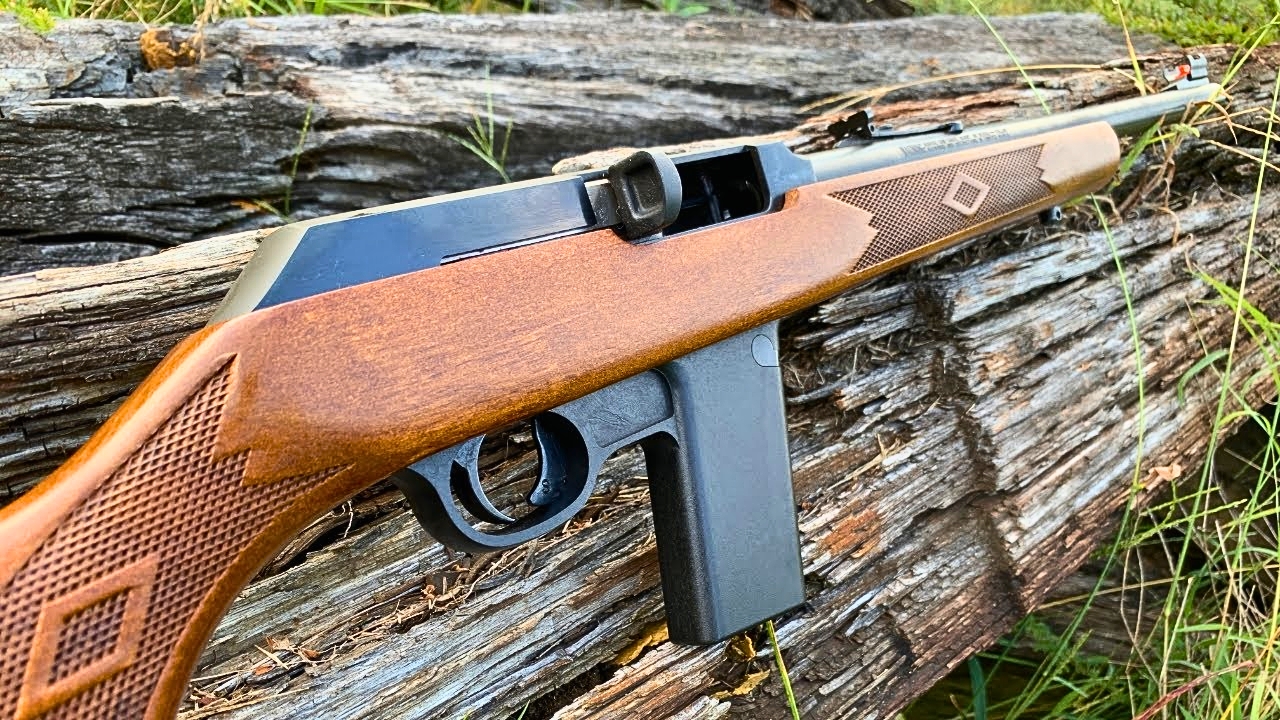
The Marlin Camp Carbine got traded off when pistol-caliber carbines were not nearly as fashionable. Back then, it looked like a simple little semi-auto that did not have much attitude. Plenty of shooters moved on to ARs, tactical carbines, or newer PCCs.
Now the Camp Carbine makes more sense than ever. It is handy, soft-shooting, and uses common pistol calibers in a simple package. It does not need rails everywhere to be useful. Owners who traded one for something trendier often realize they let go of a practical carbine before the market caught up.
CZ 527 Carbine

The CZ 527 Carbine was easy to overlook or trade when hunters started chasing larger rifles, heavier barrels, and long-range platforms. A compact little bolt gun in chamberings like 7.62×39 or .223 did not seem serious enough to some buyers.
Then people realized how useful it was. The 527 carried easily, shot well, and had a controlled-feed mini-Mauser charm that newer compact rifles rarely match. It was not trying to be a thousand-yard rifle. It was a handy field rifle. Once discontinued, the regret became much easier to understand.
Ruger Old Army
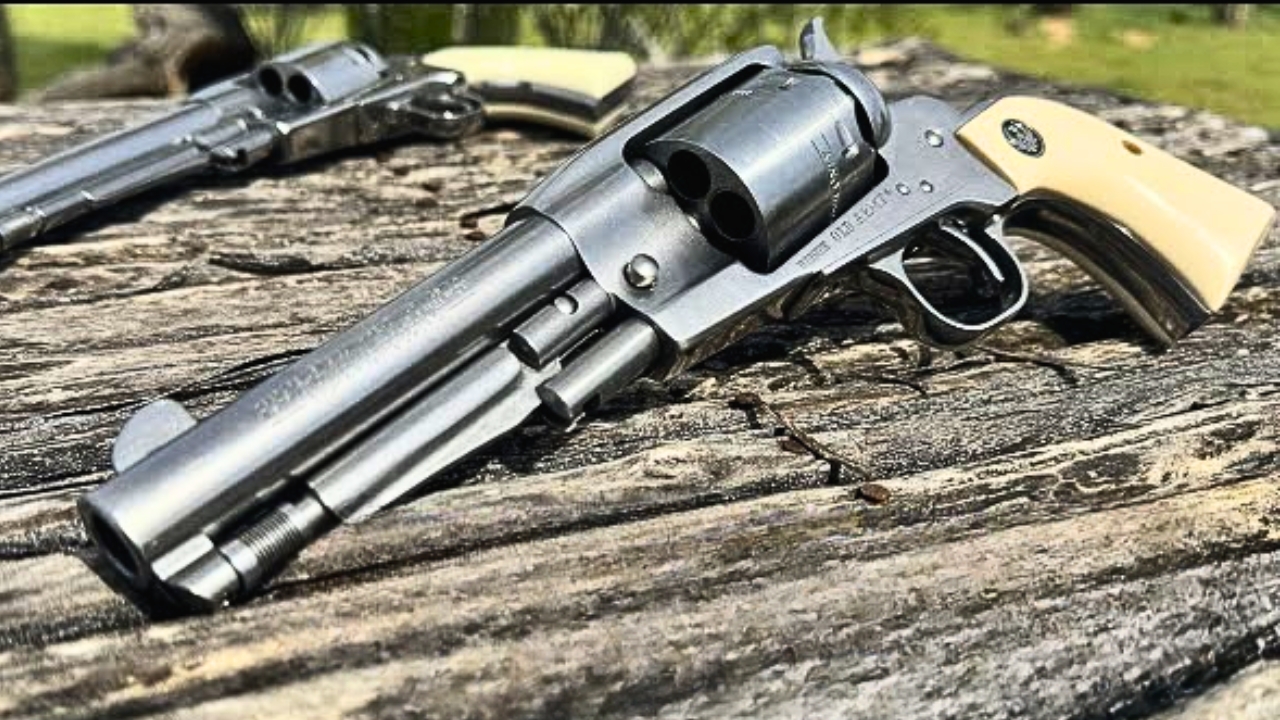
The Ruger Old Army got traded by shooters who moved away from black powder or wanted something more practical. A cap-and-ball revolver can seem like an easy gun to let go when modern handguns are simpler, faster, and cleaner.
But the Old Army was not just another black-powder revolver. It was strong, well-built, and made with Ruger’s usual overbuilt confidence. Owners who let one go often find out later that replacing it is not cheap or easy. It had a quality and seriousness that many reproduction black-powder revolvers do not quite match.
Browning BLR

The Browning BLR has been traded by hunters who wanted newer bolt guns or lighter synthetic rifles. It is not as traditional as a tube-fed lever gun, and it is not as simple as a bolt action, so some owners convinced themselves it was expendable.
That regret can hit hard. The BLR handles well, chambers real high-pressure rifle cartridges, and gives lever-action speed without limiting you to flat-nose bullets. It fills a lane most rifles do not. Once you sell one, you realize a modern bolt gun may be more common, but it does not replace what the BLR does.
Walther P99
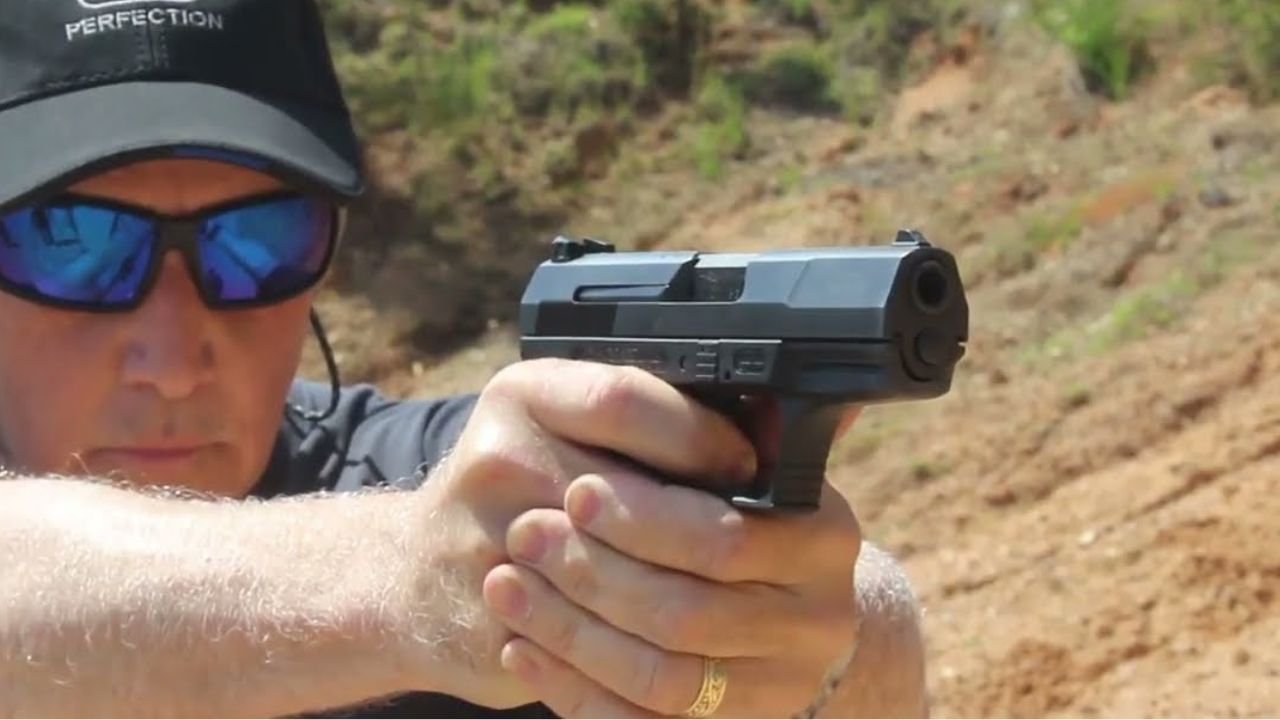
The Walther P99 got left behind when striker-fired pistols became more standardized. Its DA/SA-style striker system, paddle magazine release, and unusual feel made some owners trade it for simpler, more common platforms.
Later, those same quirks became the reason people missed it. The P99 had an excellent grip, a distinctive trigger system, and a personality that newer polymer pistols often lack. It was not just another Glock alternative. It was its own thing. Trading one for something trendier can feel like swapping character for convenience.
Remington 760 Gamemaster

The Remington 760 Gamemaster was often traded by hunters who wanted bolt-action accuracy, modern stocks, or newer semi-autos. Pump rifles can look odd to people who did not grow up around them, so plenty were treated like regional curiosities.
But in the woods, the 760 made sense. It handled fast, carried well, and gave hunters quick follow-up shots in real deer cartridges. It was not just different for the sake of being different. It worked. Owners who traded one away often miss the way it came to the shoulder and moved through thick cover.
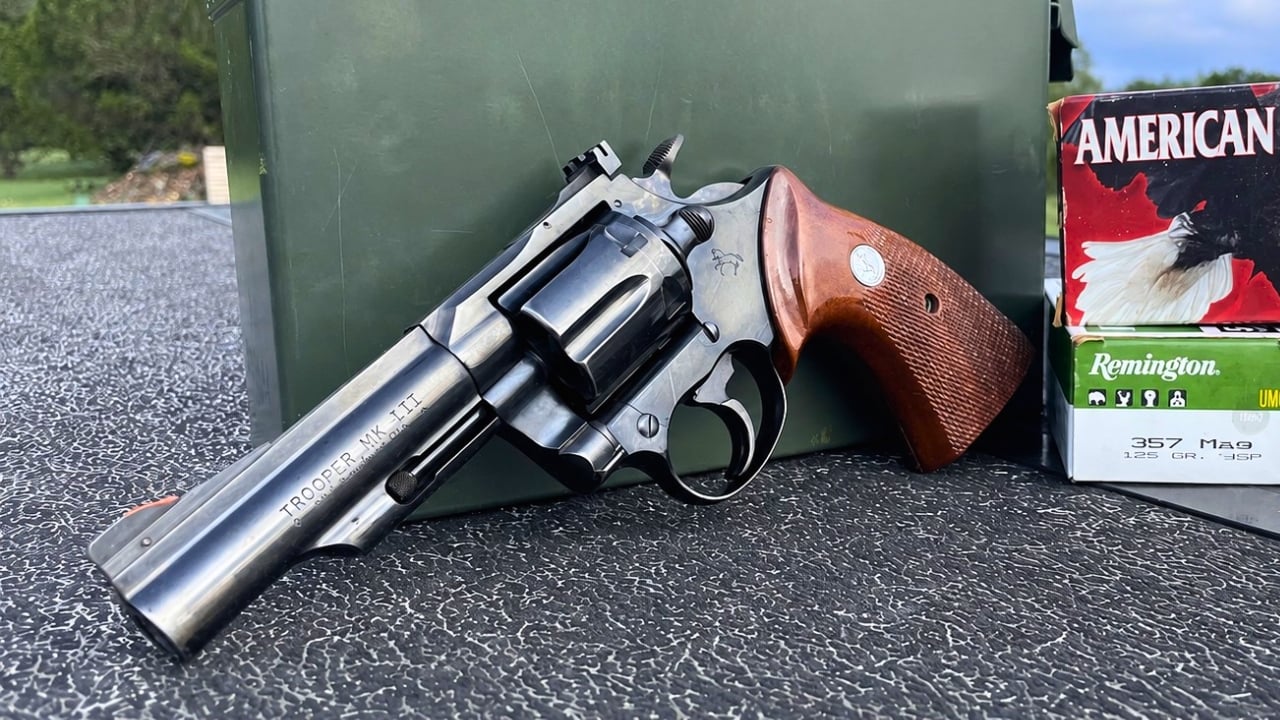
Colt Trooper MK III
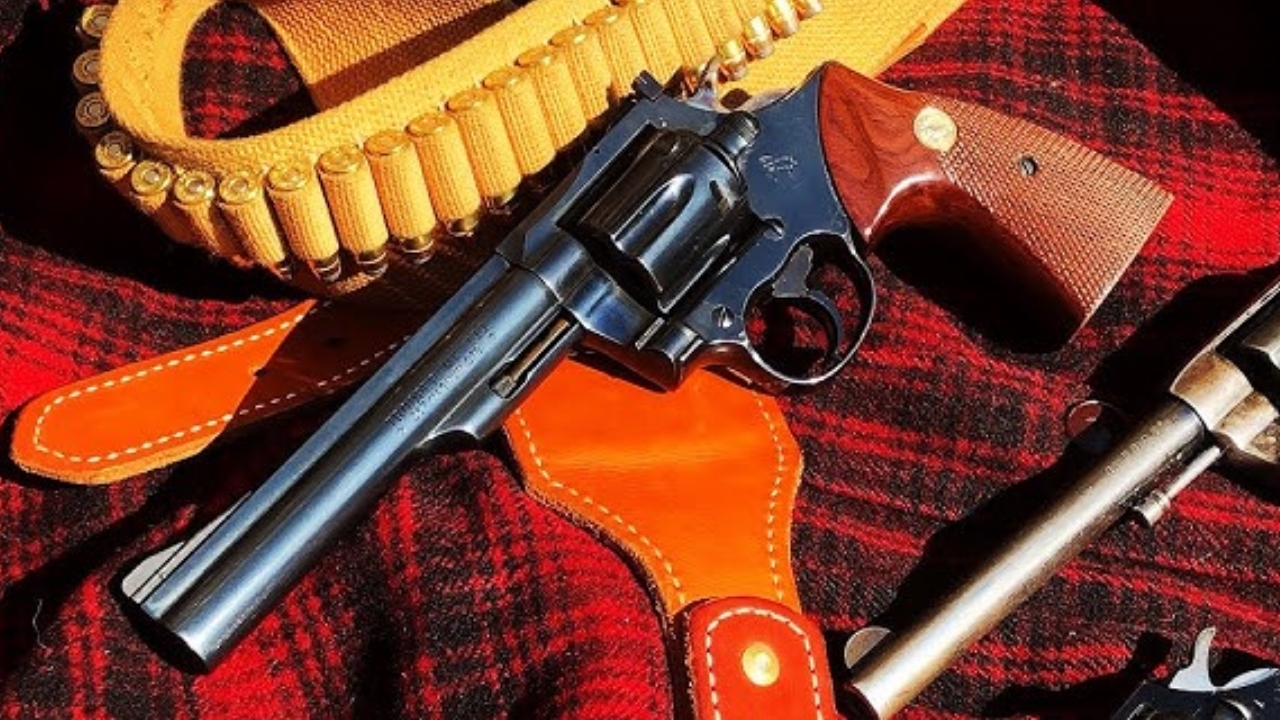
The Colt Trooper MK III got traded by shooters who thought only the Python mattered. For years, it lived in the shadow of Colt’s flashier revolvers, so owners sometimes let them go to fund something newer or more famous.
That looks painful now. The Trooper MK III is strong, good-looking, and still carries real Colt revolver appeal without needing to be a Python. It was a working revolver with more quality than people gave it credit for. Once Colt wheelgun prices climbed, trading one for a trendy pistol started looking like a bad memory.
Benelli M1 Super 90

The Benelli M1 Super 90 got traded by shooters chasing newer tactical shotguns, softer gas guns, or updated semi-autos with more modern controls. Compared with current designs, the M1 can look plain and dated.
But the old M1 had a reputation for a reason. It was light, fast, reliable, and simple in a way many newer shotguns are not. The inertia system kept the gun clean, and the handling was excellent. Owners who traded one away often realize they gave up one of the cleanest semi-auto shotgun designs for features they did not really need.
Like The Avid Outdoorsman’s content? Subscribe to our newsletter so you never miss an article.
Here’s more from us: