Photo credit: Olde English Outfitters/YouTube
There are some guns that move because they are flat-out useful, and there are some that keep moving because they tap into something older, deeper, and a whole lot more emotional. You see it all the time. A rifle leans hard on military history. A revolver gets sold like it rode west in a saddle scabbard yesterday. A lever gun gets wrapped in flags, walnut, brass, and talk about tradition until buyers feel like they are purchasing a piece of American character instead of just another firearm.
That does not always mean the gun is bad. A lot of these firearms are solid. Some are excellent. But plenty of them keep selling because they press the right patriotic buttons long before a buyer ever asks the hard questions about weight, sights, controls, recoil, cost, or real-world practicality. These are the firearms that still sell hard on old glory, and in a lot of cases, that old story is doing just as much work as the gun itself.
Springfield Armory M1A
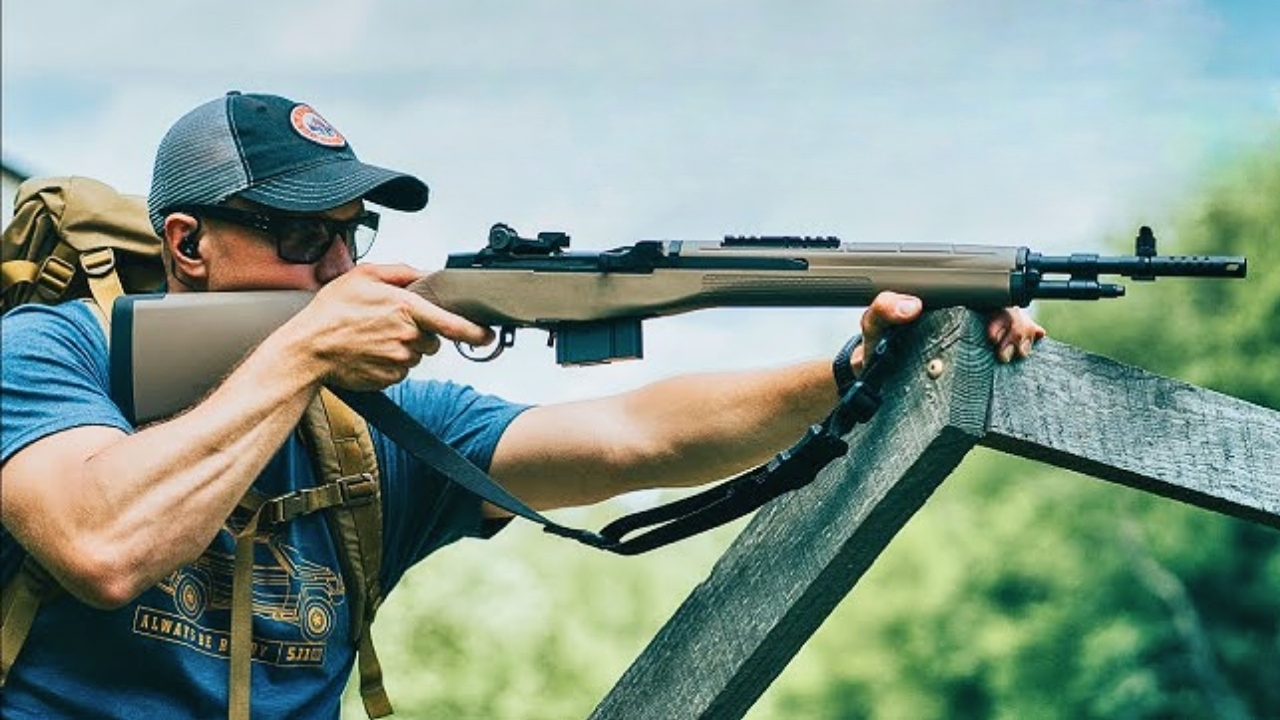
The M1A still sells like it carries the full weight of American service-rifle history on its shoulders, and that is a huge part of its pull. The profile is familiar, the wood-stock versions look right, and the whole package gives buyers that old-school feeling of authority before they ever touch off a round. A lot of people want one because it feels like owning something tied to a tougher, more serious era of rifle craft.
Then you spend time with one and remember the tradeoffs are real. It is long, heavier than plenty of modern .308 rifles, and not especially cheap to feed if you plan to shoot it often. Mounting optics cleanly is not as simple as it should be, and maintenance is not as slick as newer platforms. Still, that military bloodline keeps doing the selling, because for many buyers the M1A is as much about identity as performance.
Henry Golden Boy
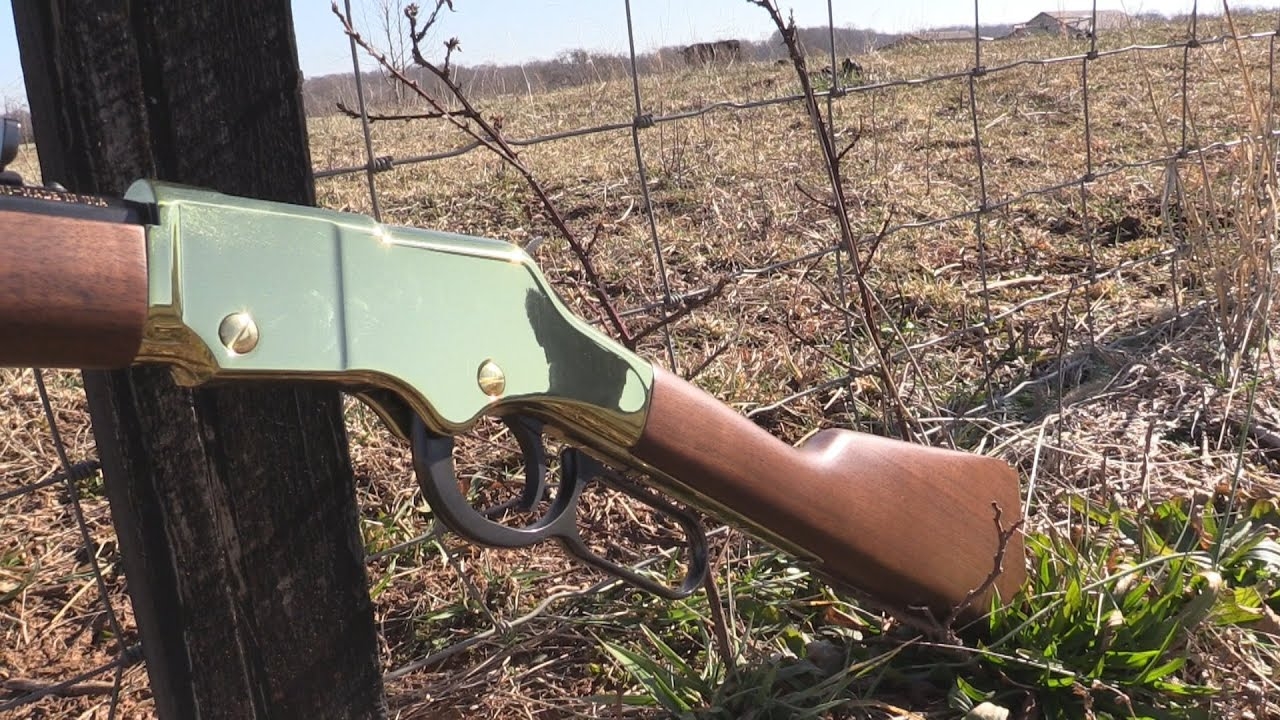
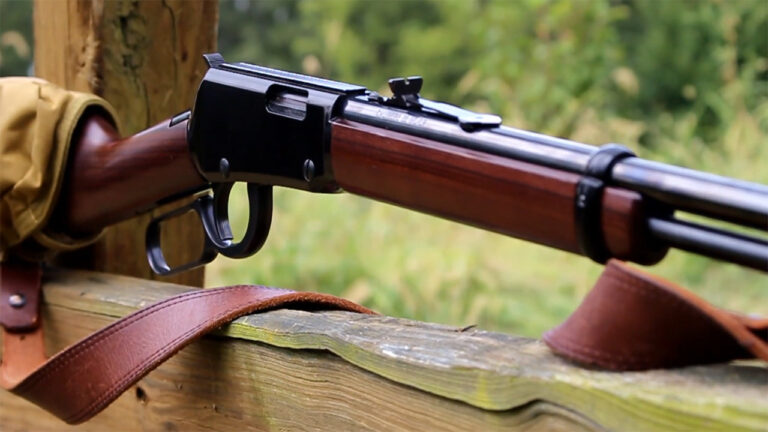
The Henry Golden Boy is one of those rifles that practically walks off the shelf on warm nostalgia alone. Brasslite shine, octagon barrel, and old-time styling do a lot of work before anybody even talks about how the rifle runs. It looks like the kind of gun that belongs over a fireplace, in a pickup rack, or in a memory somebody has of learning to shoot with a granddad standing close by.
To be fair, it is a fun rimfire and easy to like, but the sales pitch is almost never just about practical rimfire use. It gets sold as Americana in rifle form. That is why people who already own perfectly good .22s still end up buying one. They are not always chasing the best trainer or the most rugged field gun. A lot of the time they are buying the feeling that goes with polished metal, walnut, and a rifle that looks older than it is.
Colt Single Action Army

The Colt Single Action Army still carries one of the strongest myth packages in the firearms world. It is not just a revolver. It is frontier smoke, cavalry echoes, old Westerns, and every big story ever told about sixguns in America. The shape alone does half the marketing. People see one and instantly fill in the rest with history, grit, and romance, whether that specific gun has done anything at all besides sit in a display case.
That legend keeps it moving, even though it makes very little practical sense for most shooters today. You give up speed, sights, and easy loading compared to modern revolvers, and the price can be downright silly once the pony on the frame gets involved. But none of that slows it down much. Buyers are not only paying for function. They are paying for the oldest and strongest version of the American handgun story.
Winchester Model 94

The Winchester 94 still gets sold as if every deer camp in the country was built around one, and that image keeps working because there is enough truth in it to matter. Slim lines, saddle-gun history, and decades of use in trucks, cabins, and hardwood ridges make it easy for buyers to picture themselves carrying one. It is one of those rifles that feels American before you even work the lever.
But plenty of people buy the 94 for the story more than the setup. Compared to modern hunting rifles, you are usually dealing with more limited sighting options, less reach, and a platform that demands you actually understand its strengths. None of that kills demand, because nostalgia is built into the metal. A Winchester 94 still sells hard because it feels like continuity, and that feeling closes a lot of deals before the practical questions ever show up.
Auto-Ordnance 1911A1

The Auto-Ordnance 1911A1 leans right into World War II styling, and it knows exactly what it is doing. The parkerized finish, GI-style sights, short trigger, and lanyard-loop flavor all push buyers toward a very specific emotional target. It is not sold as just another .45. It is sold as a connection to American wartime history, and for some buyers that alone is enough to put money on the counter.
The problem is that a faithful GI-style setup is not always what modern shooters actually enjoy using. Small sights, basic controls, and a less forgiving shooting experience can make the romance wear off once range time starts stacking up. But that has never stopped these pistols from moving. People buy them because they want the shape, the feel, and the military echo. The old service-pistol story still carries more weight than practicality in a lot of these sales.
Inland M1 Carbine

The M1 Carbine has a way of making people feel like they are buying a piece of American mobility and wartime ingenuity. It is light, quick, and packed with history, and that counts for a lot. Even folks who are not deep into military surplus culture understand the appeal. The carbine feels handy, looks right, and lives in a sweet spot where history and shootability overlap just enough to keep interest strong.
Still, a lot of these sales ride more on historical affection than raw performance. The cartridge is what it is, parts quality can vary depending on the maker, and many buyers start with emotion long before they start comparing it honestly to modern pistol-caliber carbines or lightweight defensive rifles. That does not make the M1 Carbine a bad buy. It just means the flag, the war history, and the legacy still do a whole lot of the talking.
Ruger Vaquero

The Ruger Vaquero keeps selling because it lets buyers step into the old single-action world without stepping all the way back into old Colt-level fragility or price. It looks the part, carries that cowboy silhouette people still love, and taps straight into the American frontier image. That matters more than many shooters want to admit. There is a reason people smile when they handle one, even if they have no real use for it.
In actual modern use, it is still a single-action revolver with single-action limitations. Reloads are slow, sight setups are simple, and it is far more about feel than efficiency. But Ruger built a tough version of an old idea, and that gives buyers an easy excuse to indulge the romance. A Vaquero does not need to win a practicality contest. It just needs to make a shooter feel like old American gun culture is still close enough to reach.
Uberti 1873 Cattleman

The Uberti 1873 Cattleman is one of the clearest examples of a gun selling on cultural memory as much as anything mechanical. It is a reproduction, but that barely matters to the buyer who wants the old west shape, the four-click hammer sound, and the classic lines that generations of movies burned into the public mind. It scratches the same itch the Colt SAA does, just at a lower buy-in.
That is the whole game here. Most people are not picking one because it is the smartest revolver for defense, hard field use, or frequent fast shooting. They are buying a role, a time period, and a little slice of old American mythology they can hold in one hand. The fact that it can still be fun, well-made, and satisfying only helps. But make no mistake, the old story is what gets the sale started.
Cimarron 1873 Rifle
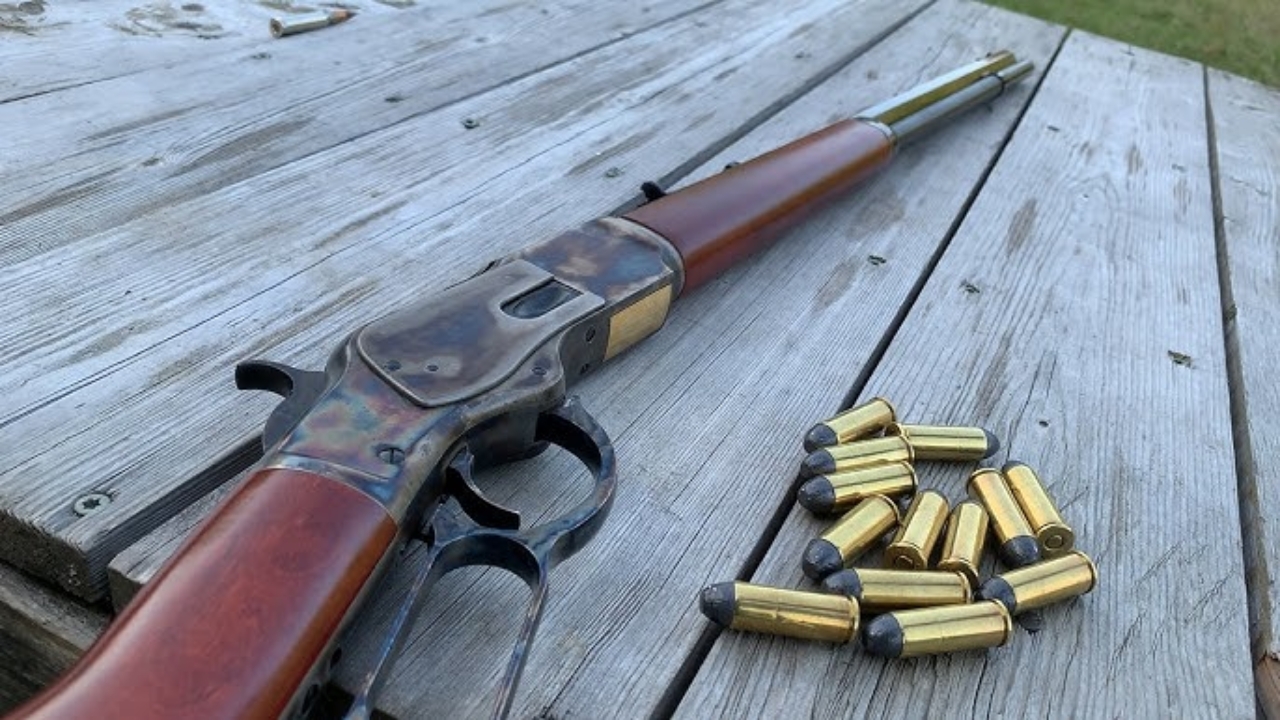
The Cimarron 1873 rifle lives in that same powerful lane where nostalgia can cover a lot of ground. This is not the rifle you buy because you ran a hard spreadsheet on ballistic efficiency and optic compatibility. This is the rifle you buy because you have a weakness for case colors, walnut, octagon barrels, and the idea of the American lever gun at its most iconic. It sells because it looks like history.
On the range, you quickly realize it is a specialty flavor of enjoyment. It is slick when tuned well, fun at sane distances, and loaded with character, but it is not pretending to be the most practical rifle in the safe. That is fine, because that is not why it wins buyers over. It wins because it taps into the frontier myth in a direct, shameless way, and American shooters still respond to that every single day.
Colt Government Model 1911
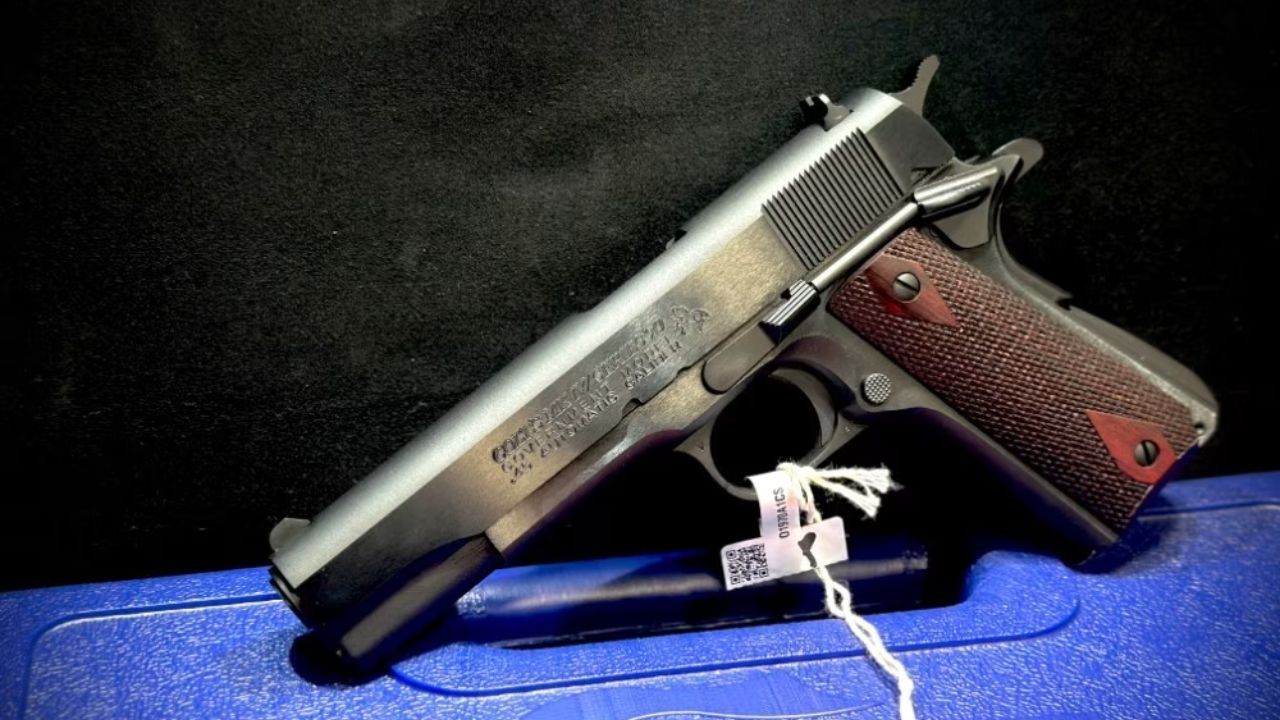
There are newer pistols with more capacity, easier maintenance, less weight, and fewer quirks, but the Colt Government Model still sells like it is carrying a torch nobody else can quite hold the same way. Part of that is deserved. It is an important handgun with real heritage. But part of it is pure symbolic force. The prancing pony, the military connection, and the old .45 legend still push buyers over the line.
Once you start using one hard, the usual 1911 realities show up. Magazines matter. Tolerances matter. Maintenance matters. The platform can still be excellent, but it is not automatically the easiest answer for every shooter. That hardly dents the appeal. A lot of Colt sales happen because people want the original name on the side and the old American story attached to it. In that world, branding and history are doing plenty of lifting.
Winchester 1892 Trapper
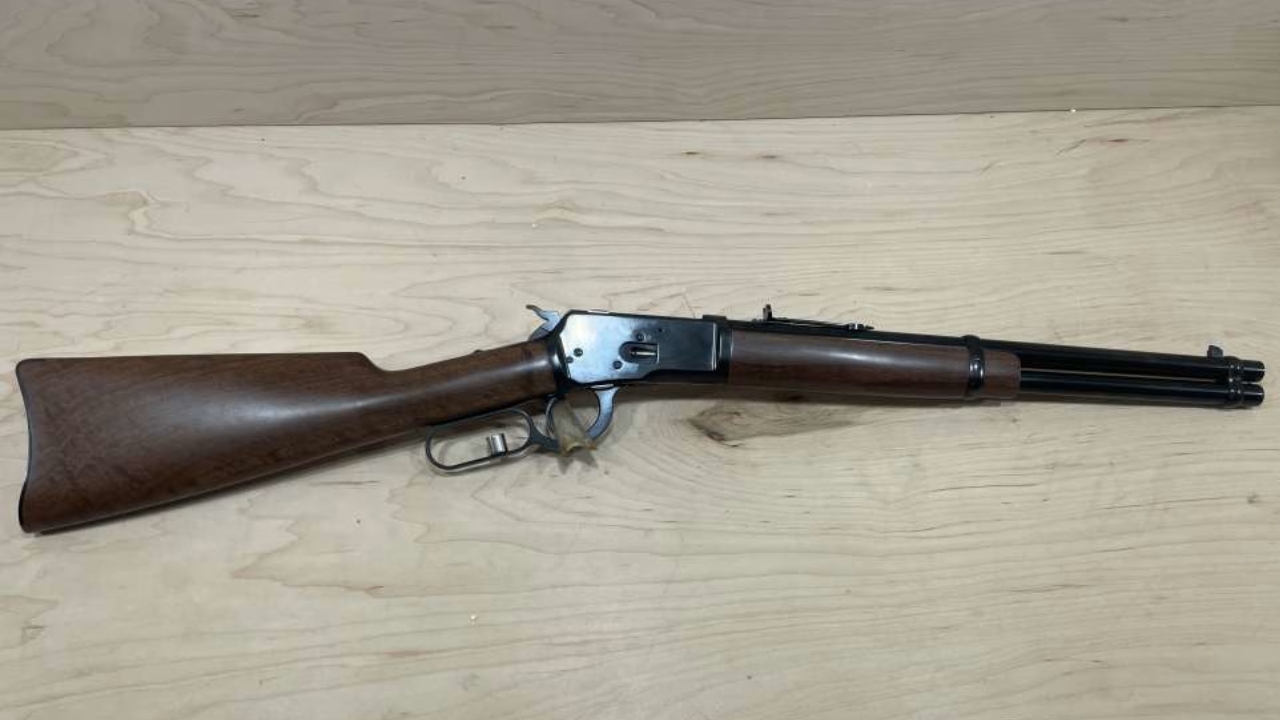
The Winchester 1892 Trapper is compact, lively, and loaded with old lever-action appeal that practically sells itself to anybody who likes traditional rifles. Even before you think about caliber, it brings a certain image with it. It feels like ranch country, brush hunting, and old practical Americana. The shorter barrel and fast-handling feel make it even easier to romanticize, because it feels like a working gun with heritage behind it.
That said, a lot of people buy one because it looks and feels right, not because it outclasses other carbines in everyday use. Lever guns are fun, but they ask more from the shooter in loading, optics choices, and sustained use than many modern rifles do. Still, that hardly hurts demand. The Trapper keeps moving because it lands squarely in the American sweet spot where history, style, and utility overlap just enough to stay convincing.
Springfield Armory Mil-Spec 1911

The Springfield Mil-Spec 1911 is another pistol that benefits heavily from buyers wanting a piece of American service-pistol tradition without jumping into full collector pricing. It looks familiar, sounds familiar, and gives you just enough of that GI-era flavor to trigger the old heritage response. A lot of buyers want a 1911 that feels close to what they imagine American sidearms used to be, and this model speaks directly to that instinct.
The catch is the same one that shows up with many nostalgia-driven pistols. You may wind up with a gun that feels more meaningful than convenient. Depending on the exact configuration, the controls and sights can still leave modern shooters wanting more. But that has not slowed its appeal much. The Mil-Spec works because it delivers recognizable history in a package that still feels shootable enough, and that old military aura continues to help it sell.
Ruger Mini-14 Ranch Rifle

The Mini-14 Ranch Rifle has always benefited from being the rifle that feels American in a different way than the AR-15 does. It is less black-rifle direct, more ranch rifle in spirit, and that softer old-school image absolutely helps it sell. Wood-stock versions especially carry a kind of traditional credibility with buyers who want something familiar-looking but still semi-auto and useful. That image has moved a lot of Mini-14s over the years.
In pure performance terms, it has not always been the easiest rifle to defend against cheaper or more flexible AR options. Magazines, accuracy expectations, and upgrade limitations have all been part of that conversation. But the Mini survives because it sells more than function. It sells comfort, tradition, and a version of American rifle identity that feels a little older and a little less tactical. For a lot of buyers, that still matters more than spec-sheet logic.
Henry Big Boy

The Henry Big Boy keeps doing strong business because it wraps a familiar American lever-gun profile in a finish and presence that feels bigger, warmer, and more sentimental than most modern rifles. It is the kind of gun people pick up and immediately start talking about family, tradition, and passing something down. Henry has been extremely good at selling that emotional package, and the Big Boy may be the cleanest example of it.
That does not mean people are always buying it as the sharpest practical tool for the role. It can be heavier than expected, and depending on setup, it may be more of a range-and-woods pleasure gun than a hard-use workhorse. Still, buyers keep coming because the Big Boy feels like an American rifle should feel in their minds. That emotional fit matters, and Henry has made a whole lot of money understanding exactly that.
Shiloh Sharps 1874

The Shiloh Sharps 1874 sits in a category where romance and national mythology are almost inseparable from the product. This is the rifle of buffalo lore, long-range black-powder legend, and frontier storytelling on a grand scale. Nobody comes to a Sharps because it is the most efficient way to solve a modern rifle problem. They come because it represents a whole chapter of American gun history in a way very few firearms can.
And once you own one, you learn fast that this is commitment shooting. Weight, loading rhythm, ammunition choices, and the pace of use all demand more from you than modern rifles do. That is part of the point. A Sharps is not sold on convenience. It is sold on gravitas. It keeps moving because there are still buyers who want to feel connected to an older American shooting tradition that cared less about speed and more about substance.
Smith & Wesson Model 29 Classic
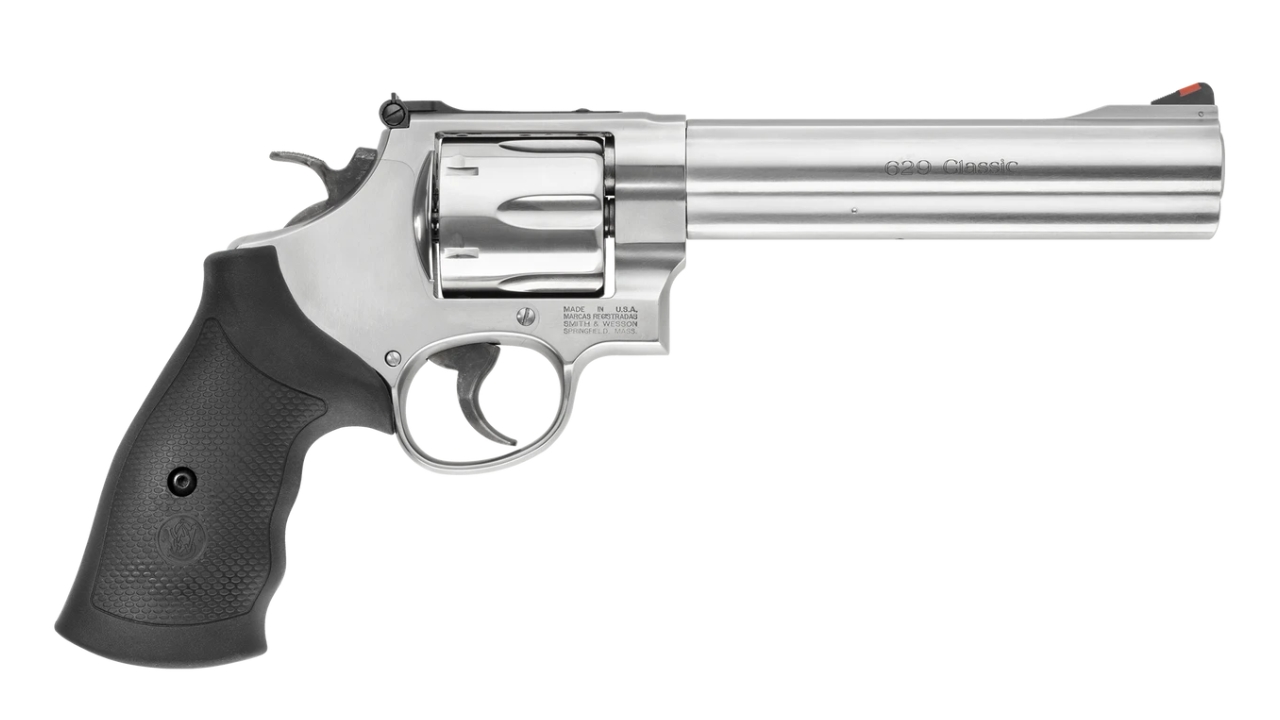
The Smith & Wesson Model 29 Classic sells with a different kind of old-glory energy, but it is there all the same. It is not frontier mythology or service-rifle heritage in the same way as some others on this list. It is American revolver prestige. Deep blue steel, long-barrel drama, and that huge .44 Magnum reputation still hit buyers right in the chest. The gun feels like power, history, and pride all tied together.
In real use, most shooters eventually admit it is more gun than they truly need and often more recoil than they really enjoy for extended sessions. But nobody buys a Model 29 because it makes the most sensible possible range companion. They buy it because it carries old-school American handgun swagger in a way polymer pistols never will. It keeps selling because it still feels like the country that built it believed handguns ought to have presence.
Like The Avid Outdoorsman’s content? Subscribe to our newsletter so you never miss an article.
Here’s more from us: