Photo credit: WHO_TEE_WHO/YouTube
A rifle caliber does not have to be the cheapest thing on the shelf to be a smart buy. What matters is what you get back for the money: usable recoil, broad ammo availability, realistic field performance, and enough versatility that you are not buying a rifle that only makes sense for one narrow job. Right now, the spread on common rifle ammo still shows why old standbys keep hanging on. .22 LR is still showing around five to six cents per round in current listings, while common rifle rounds like .223, 7.62×39, .308, .30-06, .270, and .30-30 still have live inventory and broad market presence instead of pure boutique pricing.
That is the sweet spot you are looking for. You want cartridges that still do honest work without dragging you into the kind of ammo bill that makes practice feel like a punishment. Some of these are cheap to shoot. Some are simply affordable enough relative to what they do that they still make sense. Either way, they are the rounds that keep proving you do not need to live in magnum territory to get real use out of a rifle.
.22 Long Rifle

If you want the clearest answer to “works hard without draining your wallet,” it is still .22 LR. Current AmmoSeek listings show bulk .22 LR still starting around five to five and a half cents per round, which is the kind of price that keeps practice realistic for ordinary shooters. That matters because a rifle you can afford to shoot often usually teaches you more than one you baby because every trigger pull feels expensive.
No, .22 LR is not your deer rifle, and nobody sensible treats it that way. But it is still one of the hardest-working calibers in the country for small game, pest control, basic marksmanship, and pure trigger time. When you want a rifle that earns its keep without asking much from your wallet, .22 LR stays near the top because it solves more day-to-day problems than most centerfires ever will.
.223 Remington

The .223 Remington still makes strong financial sense because it lives in one of the deepest ammo ecosystems in the country. AmmoSeek’s current listings show cheap .223 offers still popping up at the low end, and the caliber remains one of the most-searched rifle rounds on the platform. That tells you what you need to know: people are still buying it in volume, and the market is still feeding it.
What keeps .223 valuable is how much use you get out of modest recoil and easy availability. It is a smart round for training, varmints, predators, and general-purpose range work. In the right rifle and with the right bullet, it can also cover more practical field use than critics like to admit. It works hard because it is light on the shoulder, light on the ammo budget, and easy to find almost everywhere.
5.56 NATO

You can separate .223 and 5.56 on paper, but in the real world they stay linked in the same broad value conversation. AmmoSeek’s ranking data keeps showing 5.56x45mm NATO at the top of rifle-caliber interest, which is exactly what you would expect from a cartridge with deep civilian demand and a huge installed base of rifles. That kind of volume usually helps keep the market healthier than what you see with niche rounds.
The reason 5.56 still works hard is simple: it gives you a lot of useful shooting for relatively little punishment. It is easy to train with, magazines and rifles are everywhere, and it covers a huge amount of practical range and utility work. If you want a centerfire that lets you shoot often without feeling like every range day is a financial mistake, 5.56 is still one of the cleanest answers.
7.62×39

The 7.62×39 has stayed relevant because it still gives you centerfire punch at a cost level that makes more sense than many newer tactical rounds. Current AmmoSeek listings show brass-case examples in the roughly 47- to 61-cent range depending on how the search is filtered, and the caliber keeps showing up near the top of rifle search rankings. That combination of price and demand is hard to ignore.
What you get in return is a cartridge that handles short-to-moderate-range work well, hits harder than the small .22 centerfires, and still lives in a broad market with many rifle options. It is not the flattest thing going, but if your priority is practical utility without overspending, 7.62×39 still earns its spot because it keeps the balance between cost and performance pretty honest.
.243 Winchester

The .243 Winchester remains one of the smarter buys for shooters who want a real hunting-capable round without jumping into expensive magnum habits. AmmoSeek’s ranking data still places .243 among actively searched rifle calibers, which is a good sign for ongoing availability. That matters more than people admit. A useful cartridge is a lot easier to live with when you know it is not drifting into obscure, special-order territory.
The .243 works hard because it gives you mild recoil, flat-enough field performance, and legitimate deer-and-varmint flexibility. You can use one rifle and one chambering for a lot of practical work without buying into heavier recoil, heavier rifles, or heavier ammo bills than necessary. It is one of the few rounds that still feels like a genuine compromise in the best sense of the word: efficient, useful, and rarely excessive.
.308 Winchester

The .308 Winchester is not bargain-bin cheap, but it still earns a place here because it does so much without stepping into premium-only territory. Current listings show FMJ .308 around the mid-60-cent range at the low end and soft-point hunting loads around the high-90-cent range, which is not nothing, but it is still a lot easier to live with than many magnums and boutique long-range cartridges. It also remains one of AmmoSeek’s most active rifle categories.
That is why .308 keeps making sense. It handles training, hunting, and practical all-around rifle use without forcing you into specialized gear or brutal recoil. It has enough power for serious field work and enough market support to stay easy to feed. If you want a cartridge that still pulls its weight without turning every ammo purchase into a gut check, .308 remains one of the safest bets.
.30-06 Springfield
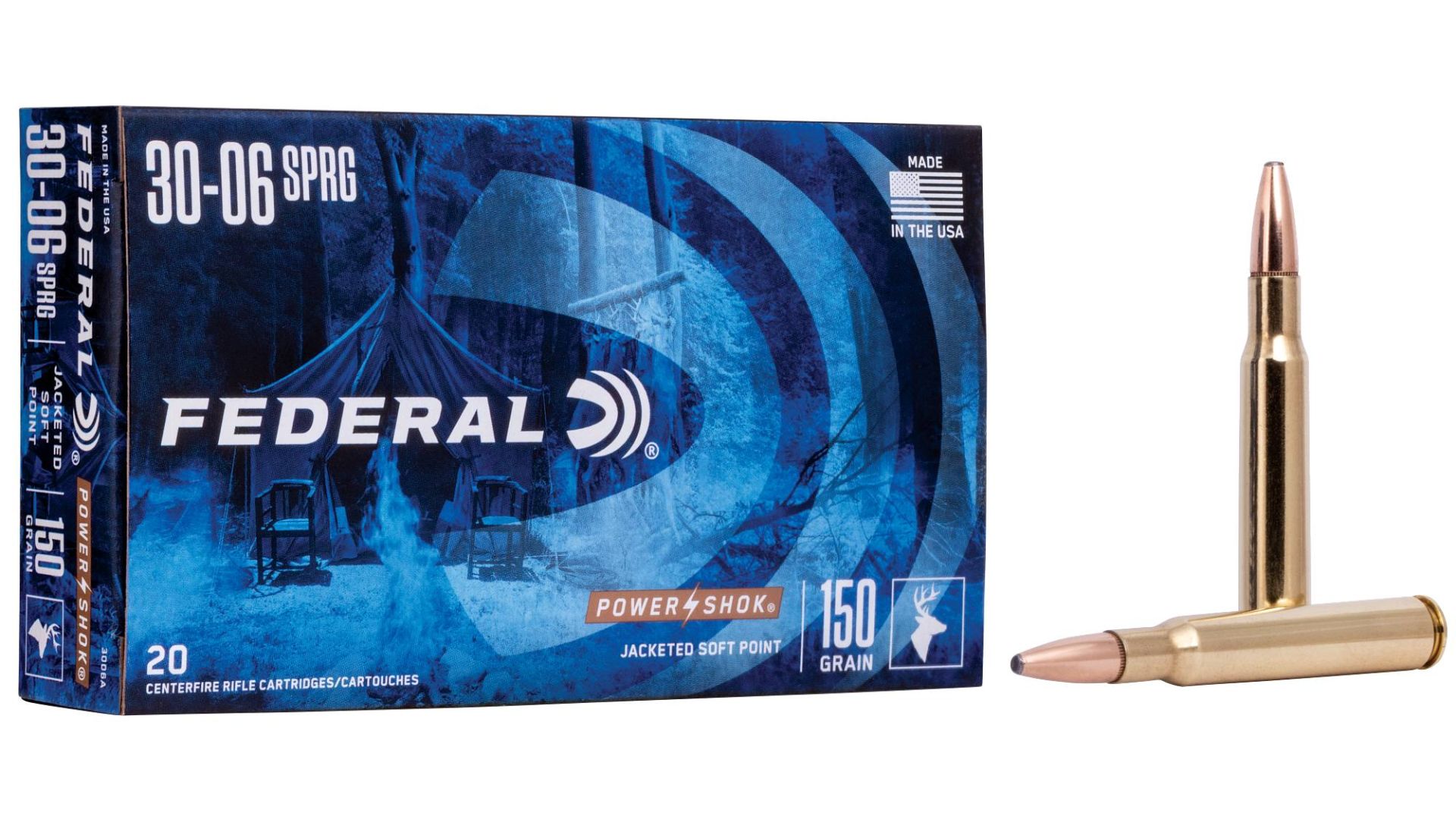
The .30-06 is another round that is not “cheap” in the pure plinking sense, but it still works hard enough to justify itself. AmmoSeek’s current listings show low-end .30-06 options hovering around the mid-90-cent range per round on some loads, and the caliber still appears high in the rifle search rankings. That tells you the old warhorse is still alive in the market, not hanging on by nostalgia alone.
What keeps the .30-06 wallet-friendly enough is range of use. It can cover deer, bigger game, general hunting, and plenty of practical rifle work without forcing you to own a separate rifle for every task. When one cartridge can do that much, the ammo bill becomes easier to justify. You may pay more than you would for .223, but you are also buying versatility that still makes a lot of sense.
.270 Winchester

The .270 Winchester still makes this list because it remains a practical hunting round with a market that has not dried up. AmmoSeek’s current .270 pages show live inventory and low-end listings roughly around the dollar-per-round mark, with broader ranges depending on the load. That is not “cheap,” but for a well-established deer-and-elk-capable hunting cartridge, it is still well inside the zone many hunters can live with.
The reason it still works hard is simple: the .270 gives you flat enough field performance, manageable recoil for many shooters, and broad usefulness without magnum overhead. You are not paying for exotic branding or specialized shelf appeal. You are paying for a cartridge that has stayed useful for generations and still lets one rifle do a lot of honest work without punishing you at the register as badly as the speedier stuff.
.30-30 Winchester
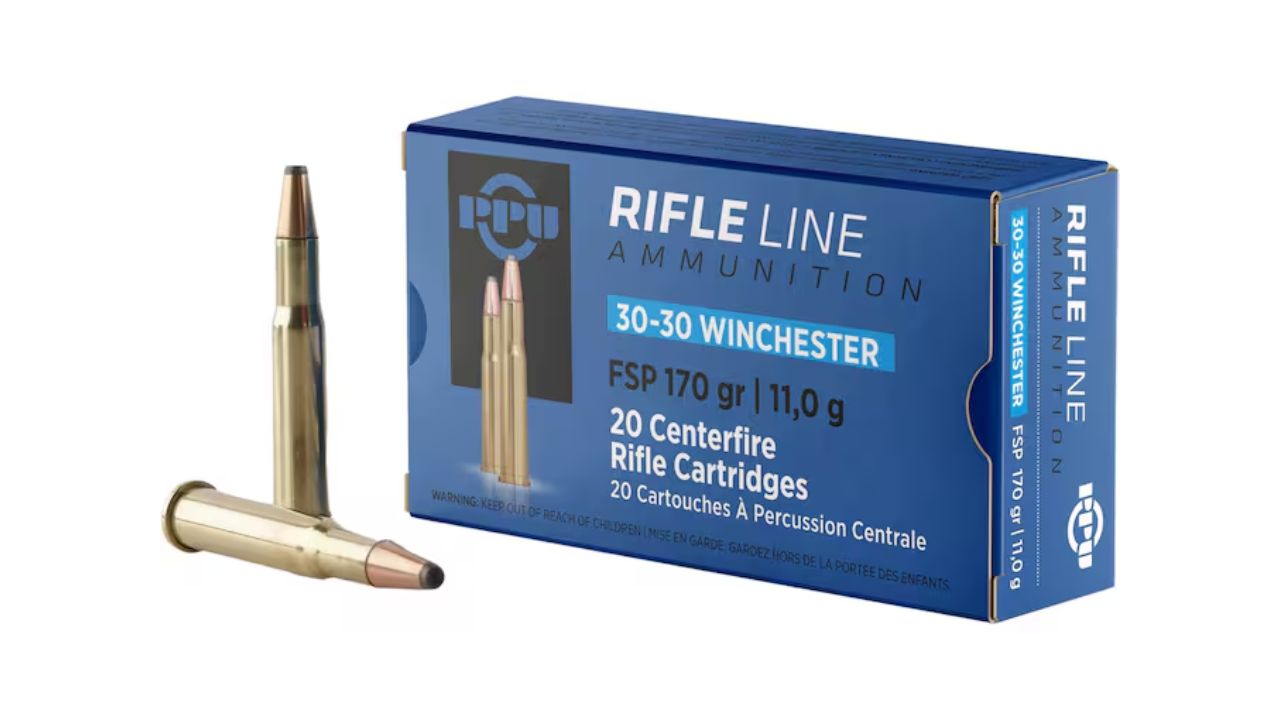
The .30-30 is one of the best examples of a cartridge that stays relevant because it still does real field work with plain old practicality. Current AmmoSeek listings show .30-30 low-end offers around 93 cents per round on some in-stock loads. That is not throwaway money, but it is still a workable number for a cartridge that remains tied to one of the most proven deer-hunting formulas in American rifle culture.
What you are buying with .30-30 is efficiency, not glamour. It is easy to understand, easy to use in the woods, and more than enough for the kind of deer hunting most people actually do. You do not need a long-range setup, a giant scope, or a bruising recoil impulse to make it work. That is exactly why it still earns its keep without beating you up financially or otherwise.
6.5 Creedmoor

The 6.5 Creedmoor costs more than the older bargain staples, but it still belongs here because it gives you a lot of performance without drifting into the premium nonsense that surrounds many newer long-range cartridges. AmmoSeek’s ranking data keeps showing 6.5 Creedmoor near the top of modern rifle-caliber interest, which matters because strong demand usually helps keep supply alive and competitive. That is a lot better than buying into something trendy and understocked.
The reason it still works hard is that it gives you mild recoil, good reach, and legitimate hunting and target use in one package. You are getting a cartridge that feels refined without requiring the cost or punishment of the magnum crowd. It may not be the cheapest round on this list, but for what it offers, it is still one of the more sensible modern buys.
7.62x54R

The 7.62x54R remains one of the few old military cartridges that still makes practical sense for a budget-minded shooter who wants real centerfire power. AmmoSeek’s ranking data still shows it among active rifle searches, which matters because old surplus-family rounds only stay interesting when supply remains real enough to support them. That continued visibility is part of why the cartridge still deserves a look.
What keeps it valuable is that it offers full-power rifle performance in rifles that are often still relatively attainable. It is not sleek, and it is not always the smoothest path to accuracy, but it can still hit hard and cover serious use without dragging you into modern premium-rifle pricing. If you are willing to live with an older-school setup, it still gives you a lot of working rifle for the money.
8mm Mauser

The 8mm Mauser is another cartridge that survives because it still gives you real rifle authority without requiring modern boutique habits. AmmoSeek’s rifle ranking data continues to show 8mm Mauser in active search circulation, which is a good sign for a cartridge this old. That alone tells you it has not dropped off the map. Shooters are still looking for it, which means the market still remembers it.
The reason it works hard is straightforward: it remains a serious full-power cartridge tied to a long line of durable surplus rifles and practical hunting use where legal and appropriate. It is not for everyone, and it is not the cheapest round in the room, but it still offers a lot of real-world utility for shooters who want a strong old-school rifle setup without jumping into flashy new cartridges that cost more and do not always do more.
6.5 Grendel

The 6.5 Grendel is not the cheapest AR-friendly round, but it still deserves mention because it stretches the usefulness of the AR-15 platform without forcing you into a bigger-frame rifle. AmmoSeek’s ranking data keeps putting 6.5 Grendel in the active rifle-caliber mix, which is a good sign for continued market support. In a world full of cartridges that look clever and disappear fast, that kind of continued visibility matters.
What makes it worth your money is efficiency. You get better reach and more authority than the little .22 centerfires while still staying in a familiar, relatively compact rifle setup. It is not a bargain plinker, but if you want more downrange usefulness from an AR-size platform without going broke chasing exotic options, 6.5 Grendel still has a legitimate case.
5.45×39

The 5.45×39 is more of a niche answer now than it once was, but it still belongs in the conversation because it remains an example of a cartridge that can deliver a lot of practical shooting with modest recoil when you already own the right rifle. AmmoSeek’s ranking data still shows it among actively tracked rifle rounds, which means it has not vanished from the buying public’s radar. That counts for something in a market that forgets fringe calibers quickly.
What it still offers is soft shooting, decent volume potential, and a different way to get practical rifle reps without jumping straight into the larger, costlier centerfires. It is not as universal as .223 or 7.62×39, and you have to be more deliberate about feeding it, but for shooters already set up for it, the round can still work hard without turning every range session into an expensive exercise.
6mm ARC

The 6mm ARC is one of the newer cartridges here, but it still makes sense in this conversation because it offers a lot of usable performance out of an AR-15-size platform without requiring a jump to larger rifles and larger operating costs. AmmoSeek’s ranking data keeps it in the active rifle-caliber set, which matters because not every newer round manages to hang around in visible buying volume. This one has stayed in the mix.
The reason it can still be kind to your wallet is not that it is dirt cheap. It is that it gives you more reach and better field flexibility than the little .22 centerfires while still living in a lighter, smaller rifle system than many full-power alternatives. If you look at cost only, there are cheaper answers. If you look at what you get per round in a compact rifle, 6mm ARC is easier to defend than many people think.
.300 Savage

The .300 Savage is not the first caliber most people think of now, but it still deserves respect because it remains one of the older cartridges that can do honest work without requiring you to buy into overbuilt rifles or overblown performance claims. It shares some of the same practical appeal that keeps standard .30-caliber rounds relevant: useful power, moderate field range, and a history of getting real hunting done without a lot of fuss. Its continued relevance is partly reflected by the broader demand for classic, non-magnum .30-caliber hunting rounds still active in today’s market.
What keeps it wallet-friendly in spirit is that it lives in the same practical lane as other standard-power hunting rounds: enough power, no magnum drama, and no need to chase premium long-range gear. You are not buying it because it is trendy. You are buying it because cartridges like this keep proving that ordinary, workable power is still a better value than flashy excess for most shooters.
.35 Remington

The .35 Remington is another cartridge that survives because it still makes practical sense for the kind of hunting it was built around. It is not a high-volume plinking round, and nobody should pretend it is. But in the broader context of non-magnum, straight-up working rifle cartridges, it still reflects the same truth as .30-30 and other traditional woods rounds: you do not need a costly, high-speed setup to get real field performance. The current market’s continued support for classic medium-power hunting rounds shows there is still room for this kind of cartridge.
What makes it a hard worker is that it stays focused. It is a practical brush and deer round that does its job without requiring a heavy scope bill, a long-range obsession, or a shoulder-bruising rifle. It is not the cheapest caliber here, but it still fits the spirit of the list because it keeps proving that useful field performance does not have to come with magnum-level spending.
Like The Avid Outdoorsman’s content? Subscribe to our newsletter so you never miss an article.
Here’s more from us: