

Photo credit: Trigger Trove/YouTube
If you’re heading into the backcountry and want one gun that can handle just about anything, a lever-action starts to make a lot of sense. They’re reliable, lightweight, and easy to top off on the fly. Whether you’re hunting, defending yourself, or just trying to stay alive in the woods, a lever gun is a practical choice—if you pack it right. Here’s how to get the most out of it.
Choose the Right Caliber

Not every lever-action is made for survival. Something chambered in .30-30, .45-70, or even .357 Magnum gives you options for both hunting and protection. The idea is to carry one rifle that can handle medium game but still pack a punch if you run into trouble.
Skip the rimfire for serious survival. It’s fine for squirrels, but not much else. A centerfire round gives you flexibility without adding too much bulk to your pack.
Bring a Compact Cleaning Kit

Even the most reliable lever gun will gum up after a few days of rough weather, dust, and grime. A basic cleaning kit with patches, a bore snake, and some oil can keep it running when you really need it.
Don’t overdo it. You’re not trying to detail the thing—just keep it functional. A little maintenance in the field can save you from a big problem later.
Carry Extra Ammo the Smart Way

Loose rounds bouncing around your pack isn’t going to cut it. Use a cartridge belt, side saddle, or buttstock holder to keep rounds handy and organized. If your rifle takes tubular mags, soft-tipped ammo is a must.
In survival situations, slow reloads can be a problem. Having ammo accessible lets you top off on the move and avoid digging around in your pack.
Opt for Iron Sights or a Tough Scope
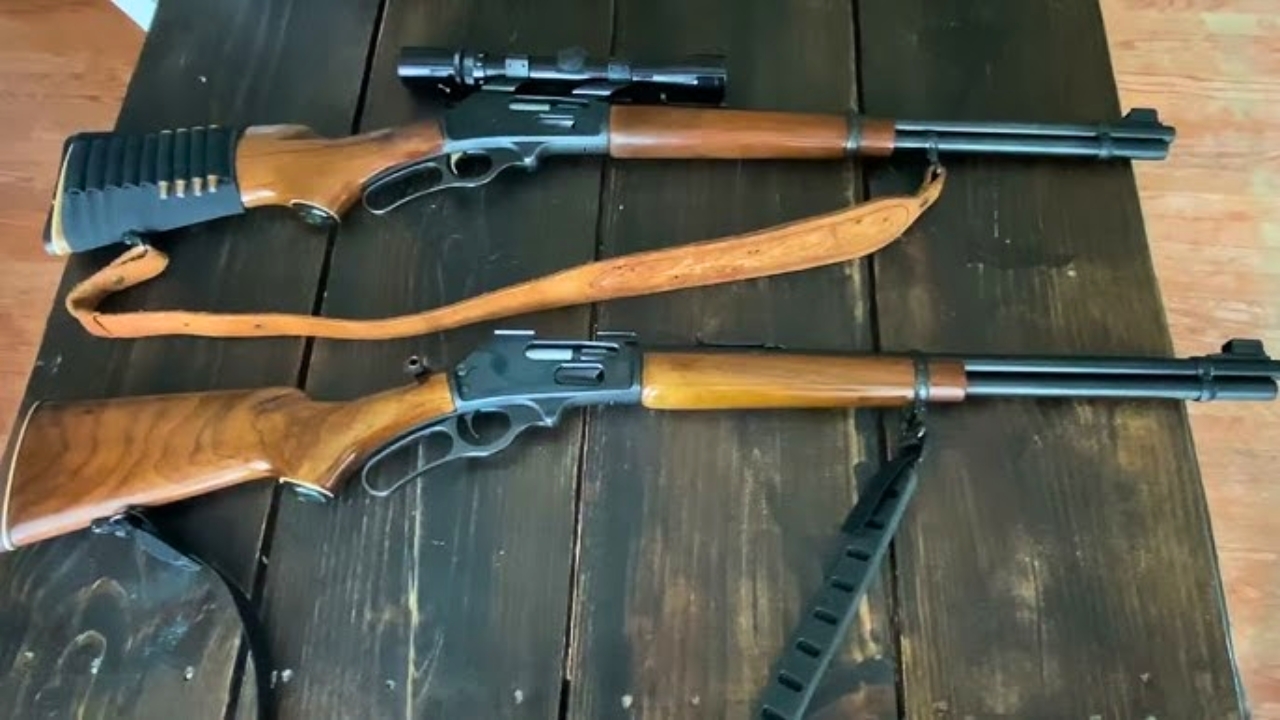
If your lever gun wears a scope, make sure it’s tough enough to handle a beating. Otherwise, iron sights are plenty. A ghost ring setup is fast and reliable, especially in thick brush or low light.
Avoid anything that relies on batteries. You want something you can trust no matter how long you’re out there or what the weather’s doing.
Don’t Skip the Sling

A good sling lets you carry your rifle hands-free when you’re climbing, cutting firewood, or hauling gear. It also helps steady your aim if you need to take a longer shot.
Make sure the sling is sturdy and adjustable. You don’t want to be fighting with it when you’re already worn out and sore.
Pack a Few Spare Parts

Lever guns are simple, but that doesn’t mean indestructible. A broken extractor, a lost screw, or a busted firing pin could leave you in a bad spot. A small pouch with a few critical spares doesn’t take up much room.
You probably won’t need them—but if you do, you’ll be glad you packed them.
Choose a Solid Carry Method

If you’re living out of a pack, how you carry your rifle matters. A scabbard strapped to the side of your pack can protect your rifle while freeing up your hands.
Quick access is key. If a bear shows up or you stumble into a dangerous situation, you don’t want your rifle buried under a sleeping bag.
Bring Multi-Purpose Ammo
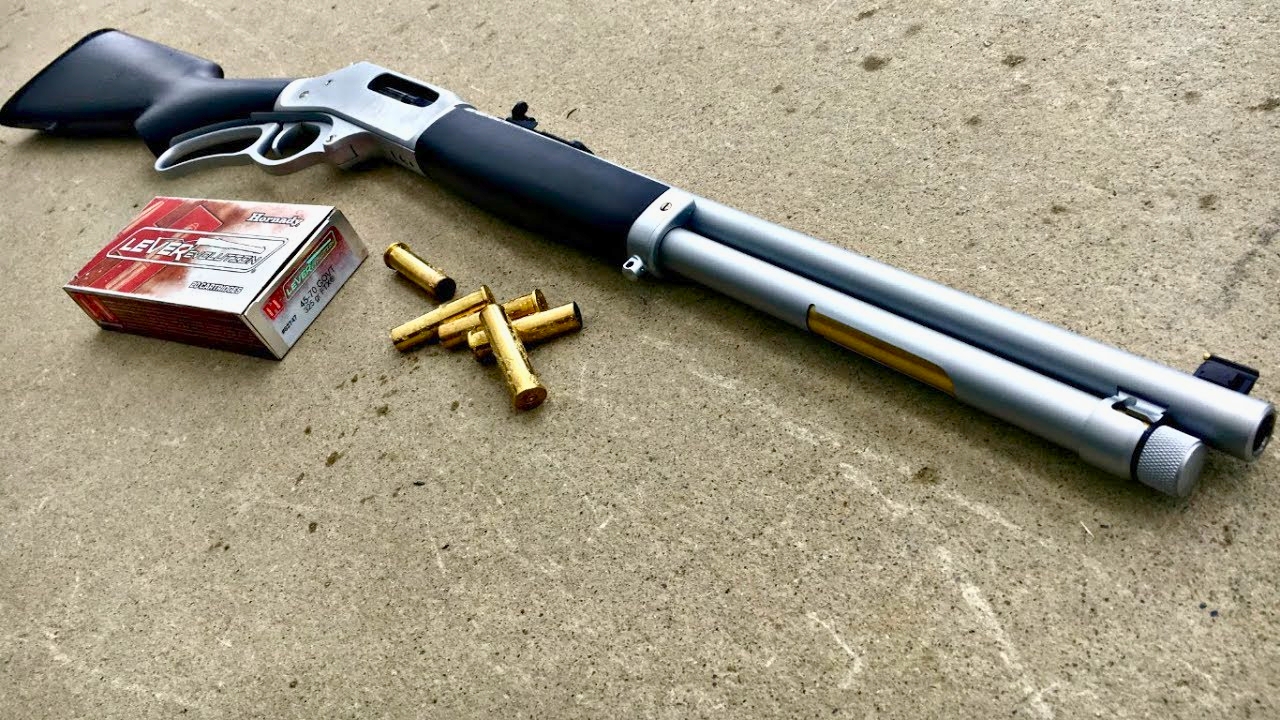
If you’re carrying something like a .357 Magnum lever gun, bring ammo that works for both your rifle and a revolver. That kind of setup can cut down your loadout and make resupply easier.
You won’t always have the perfect round for every situation, but a good all-around cartridge gets the job done more often than not.
Keep It Simple and Lightweight

You’re already hauling food, water, shelter, and tools. Your lever gun setup shouldn’t be overly complicated. Ditch the unnecessary add-ons and focus on reliability.
If it doesn’t directly help you survive or shoot better, it’s probably just adding weight you don’t need.
Know How to Use It
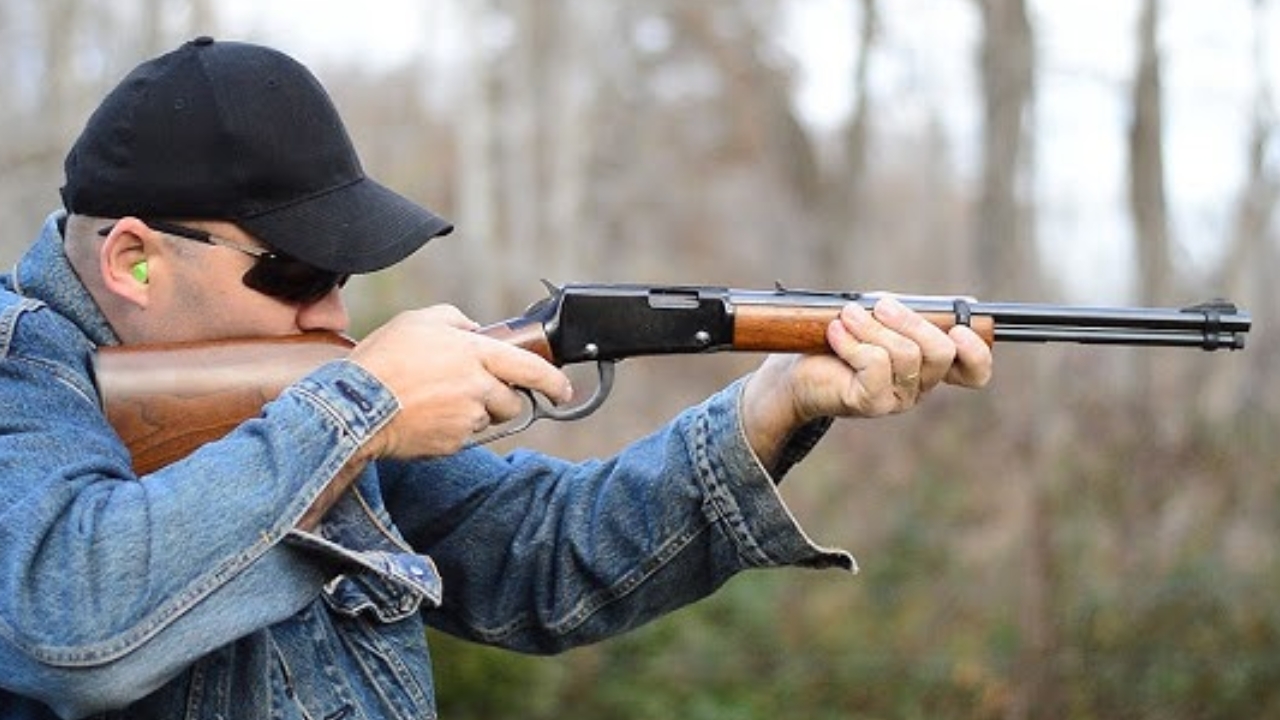
All the gear in the world won’t matter if you can’t hit what you’re aiming at. Practice fast cycling, offhand shooting, and reloading under stress. Make that rifle an extension of your body.
In the backcountry, you may only get one shot that counts. Being familiar with your rifle makes all the difference.
*This article was developed with AI-powered tools and has been carefully reviewed by our editors.


