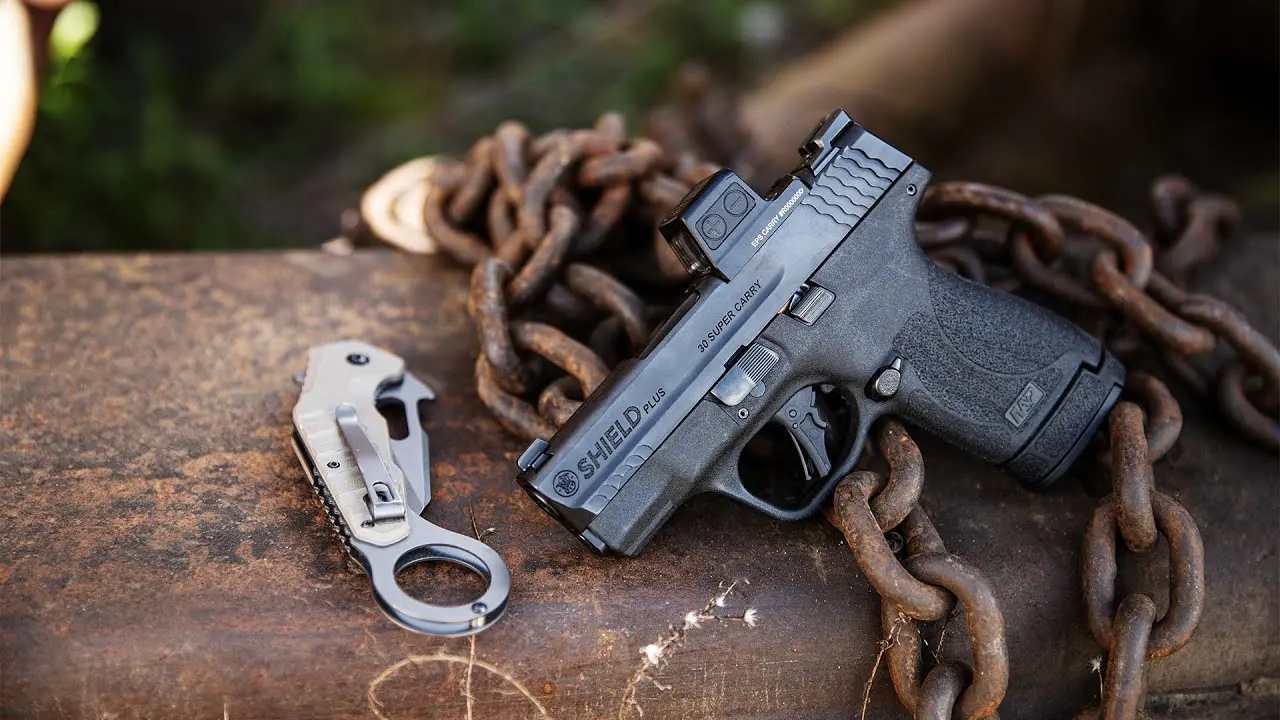
Photo credit: Smith & Wesson
Trust is one of those things shooters talk about all the time, but it means more than simple reliability. A defensive pistol can run fine at the range and still fail to earn real trust from the person carrying it. Trust comes from a mix of things that show up only after enough use: how the gun feels under pressure, how consistently it feeds and ejects, how easy it is to shoot well when you are moving quickly, and whether it keeps doing its job without asking for constant attention.
That is why some defensive pistols inspire confidence faster than others. The guns that become easy to trust usually keep the formula pretty simple. They run well with quality ammunition, their controls make sense, the grip lets the shooter get repeatable purchase, and the trigger is predictable enough to support honest shooting instead of fighting it. They do not have to be flashy or new. They just have to keep proving, over and over, that they will behave the same way every time you press them into serious use.
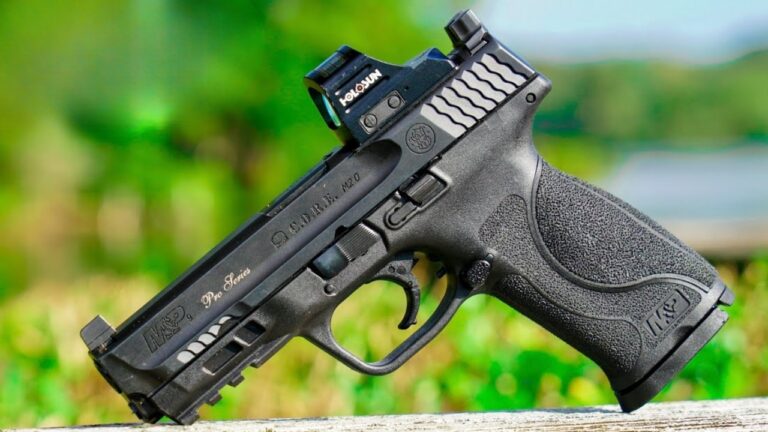
Smith & Wesson M&P 2.0 Compact
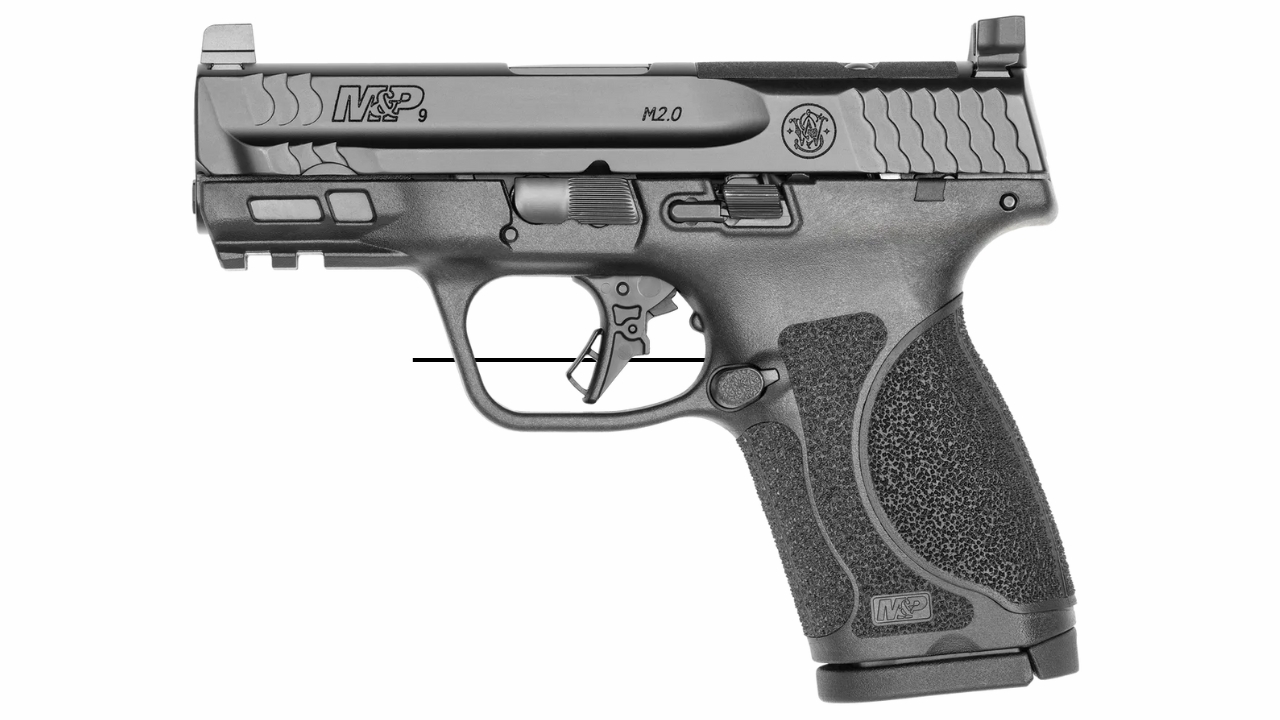
The M&P 2.0 Compact is easier to trust because it feels like a defensive pistol built around practical shooting rather than sales language. The grip texture helps the gun stay planted, the ergonomics work for many hands, and the size strikes a good balance between concealment and control. When a pistol lets the shooter build a repeatable grip quickly and maintain it through recoil, trust comes much faster.
It also earns confidence by staying workmanlike in the best sense. The gun usually runs without drama, the controls are easy to live with, and it does not tend to create the sense that it needs immediate aftermarket help before it is ready for serious use. Defensive pistols become easier to trust when they feel complete from the start, and the M&P 2.0 Compact often gives owners exactly that impression.
SIG Sauer P226

The P226 is easier to trust because it has the feel of a serious service pistol the moment you start shooting it. It is stable, substantial, and known for dependable performance in exactly the kinds of roles where trust matters most. The size and weight help it stay calm under recoil, and the gun tends to shoot in a way that reassures the owner instead of making him work harder than necessary to stay controlled.
Its reputation also helps because it was not built on casual use. The P226 earned its standing through hard service, and shooters who spend enough time with one can usually feel why. Even for people who do not carry a full-size pistol daily, the P226 remains easy to trust because it acts like what it is: a duty-grade handgun built to do serious work with very little excuse-making attached.
Glock 17
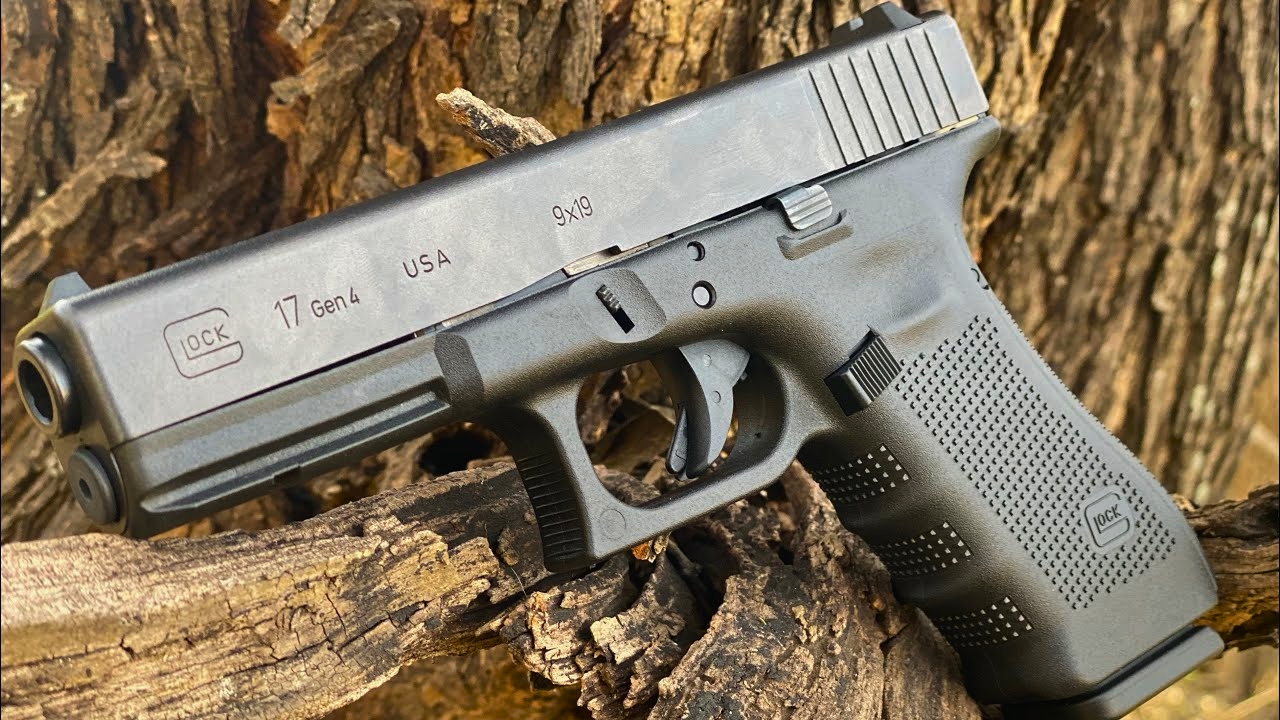
The Glock 17 is easier to trust because there is very little confusion in what it is supposed to do. It is a straightforward, full-size fighting pistol with consistent controls, proven reliability, and enough size to make accurate, confident shooting easier for a wide range of people. That matters in defensive use. A gun that helps the shooter stay calm and efficient usually becomes easier to trust than a more compact or more specialized option.
It also benefits from having fewer compromises. The larger grip, longer sight radius, and slightly more relaxed shooting behavior give the owner a feeling of control that smaller pistols do not always provide. Trust often comes from how easy a pistol is to shoot well when speed increases, and the Glock 17 has been proving for years that simplicity plus shootability is a very strong formula.
Beretta 92FS

The Beretta 92FS is easier to trust than some shooters expect because once you get beyond the size and initial unfamiliarity, the pistol shoots with a steadiness that builds confidence quickly. The recoil impulse is smooth, the slide cycles in a very predictable way, and the overall platform tends to feel composed under repeated fire. A defensive pistol gets easier to trust when it feels like it is helping the shooter stay in rhythm instead of pulling him out of it.
Its long service background also matters. The 92FS did not earn respect by looking good in a display case. It earned it by being used, tested, and criticized heavily for years while still keeping a serious following. Shooters who learn the controls and spend enough time behind one often discover the same thing: it may not be the trendiest defensive pistol, but it is one of the calmer and more reassuring ones to actually shoot.
Smith & Wesson Shield Plus
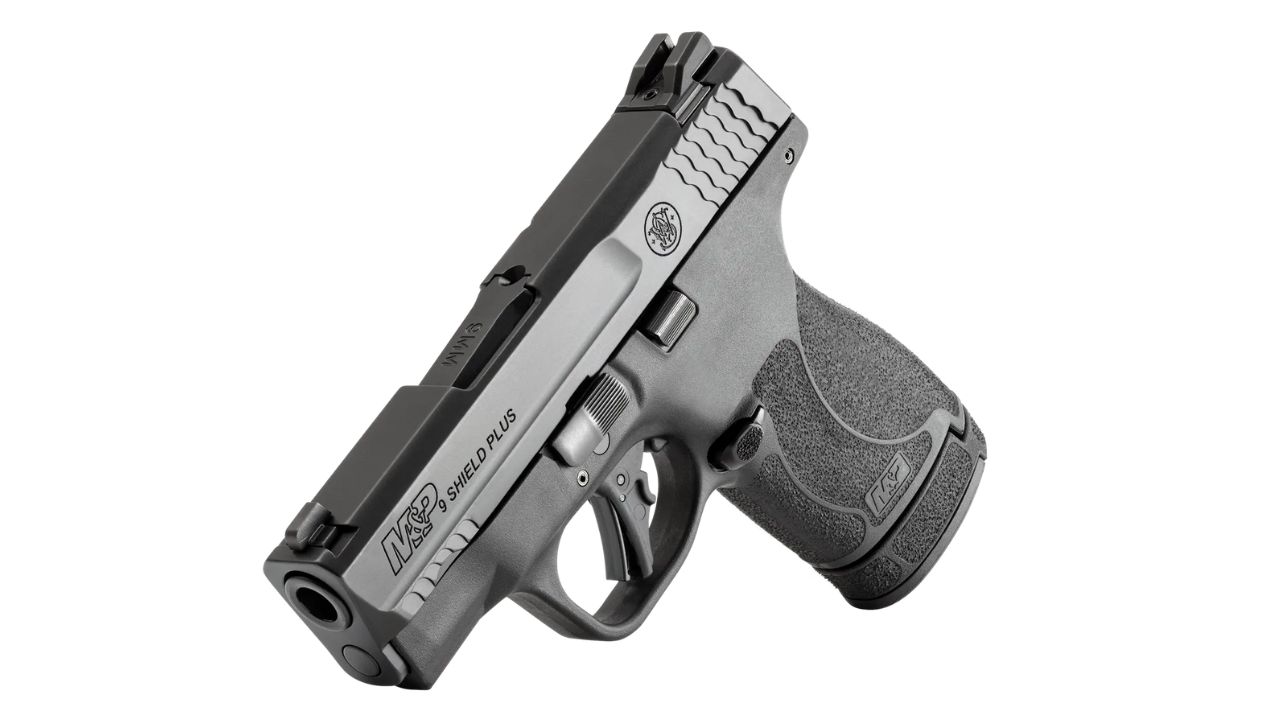
The Shield Plus is easier to trust than many small defensive pistols because it manages to stay slim and carry-friendly without becoming as punishing or compromised as some other compact carry guns. It gives the shooter enough grip, enough capacity, and enough control to feel like a serious defensive pistol instead of a tiny gun you are merely settling for. That makes a real difference when people are trying to build trust through repetition.
A big part of that trust comes from balance. The pistol is small enough to carry consistently, but not so small that it becomes miserable to practice with. Defensive pistols become easier to trust when the owner actually wants to keep training with them, and the Shield Plus tends to support that better than some of the harsher pistols in its class. That is one reason it keeps building a loyal following.
Walther PDP Compact

The PDP Compact is easier to trust because it feels like a pistol that wants the shooter to succeed. The trigger is strong, the grip shape works well for many hands, and the overall gun tends to point and track in a very usable way. When a defensive pistol supports fast, honest hits instead of forcing the shooter into awkward compromises, confidence comes more naturally. That is one of the PDP Compact’s biggest strengths.
It also earns trust by being modern in ways that actually matter. The controls are usable, the platform feels well thought out, and the pistol does not rely on some gimmick to stand out. A lot of defensive pistols look capable. The PDP Compact often feels capable in actual shooting. That matters more. Trust grows faster when the gun keeps confirming the good impression it gave during the first few range sessions.
SIG Sauer P365 XL
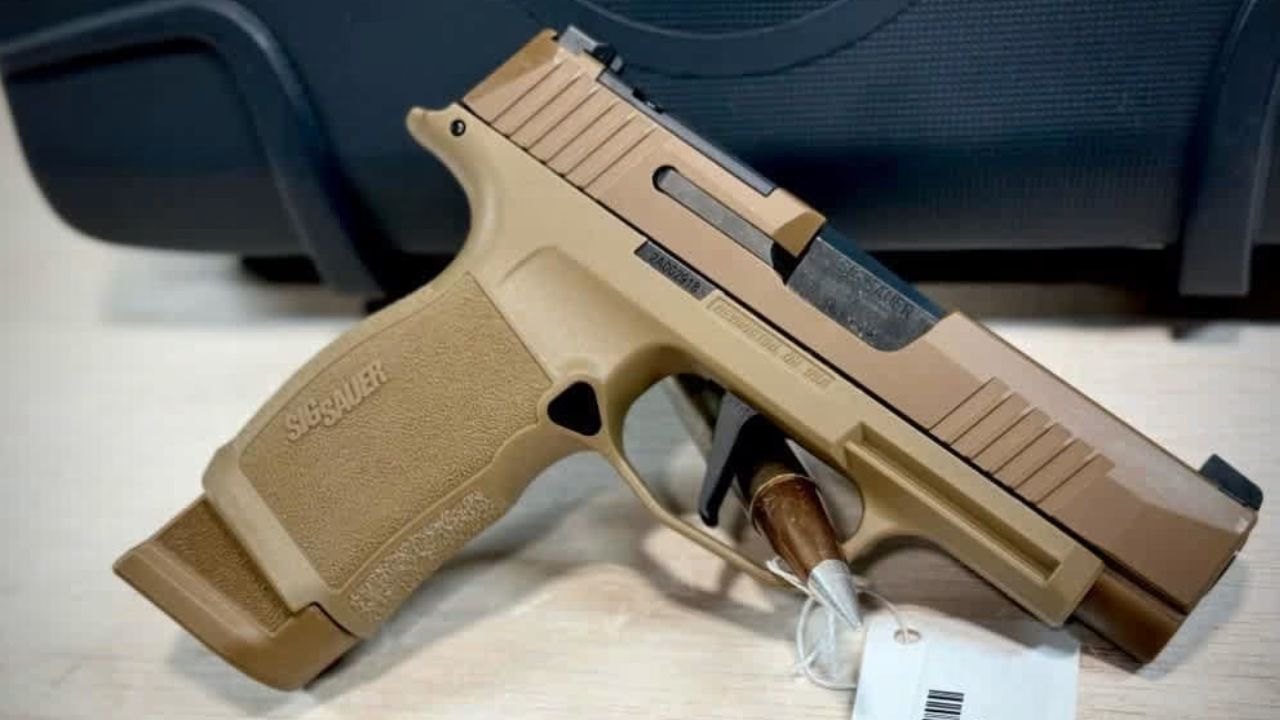
The P365 XL is easier to trust than many micro-compacts because it does a better job of staying shootable while still carrying easily. A lot of very small defensive pistols solve the concealment problem at the expense of confidence on the range. The P365 XL manages the compromise better. It gives the shooter more grip, a more forgiving sight radius, and a generally more settled feel than a lot of tiny carry guns, which helps trust build faster.
It also fits modern carry needs without becoming overly difficult to live with. Capacity is strong, concealment stays realistic, and the shooting experience feels serious enough that owners can see it as more than a convenience piece. A defensive pistol becomes easier to trust when it gives the owner fewer reasons to dread practice, and the P365 XL has done that better than many pistols in its size category.
HK USP

The HK USP is easier to trust because it feels overbuilt in a way that many defensive shooters actually appreciate. The gun gives off a very clear sense that it was designed to withstand hard use, and that feeling tends to carry through once you start shooting it. It is not the sleekest handgun around, but it often feels like the kind of pistol that was built with a margin for abuse and uncertainty already in mind.
That matters because trust is not always only about comfort. Sometimes it comes from the feeling that the gun will keep functioning even when conditions stop being ideal. The USP built that reputation through durability and no-nonsense performance, and owners who spend enough time with one usually understand why it still carries serious respect. It is easy to trust a pistol that feels like it was designed to survive more than you are likely to throw at it.
Springfield Echelon
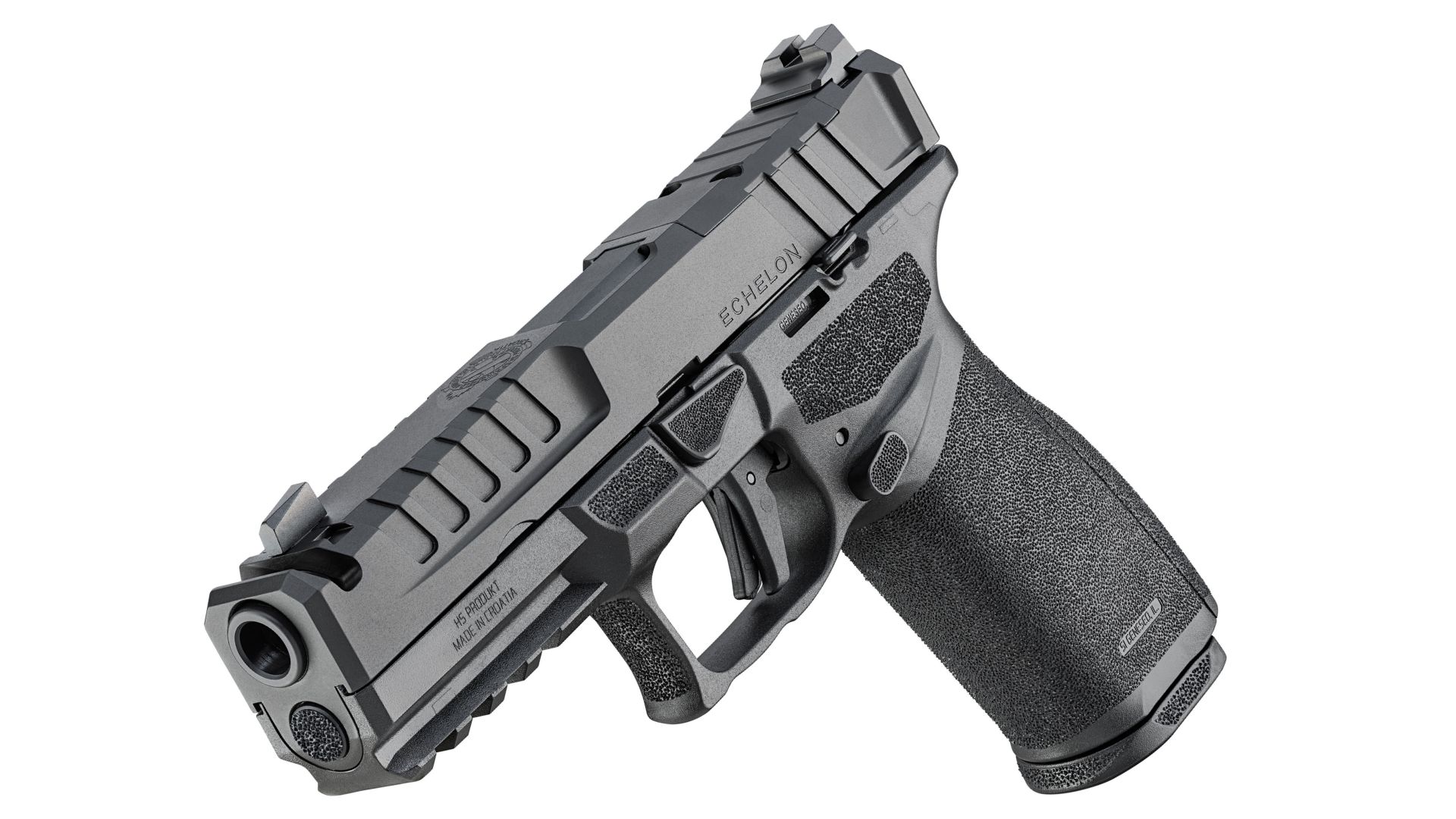
The Echelon is easier to trust than many newer defensive pistols because it does not feel like it forgot the basics while trying to be modern. The grip is practical, the controls are usable, and the shooting behavior is reassuring enough that the pistol starts building confidence quickly. When a handgun feels stable, predictable, and easy to understand, it has a much easier path toward becoming trusted.
Newer defensive pistols sometimes struggle because they feel like they are still trying to prove themselves. The Echelon avoids a lot of that by feeling mature right away. It offers current features, but not at the expense of core shootability. Owners tend to trust pistols that start making sense early and keep making sense after more range time. The Echelon has the kind of behavior that supports that process well.
Glock 19

The Glock 19 is easier to trust than a lot of defensive pistols because it keeps the important things simple and repeatable. The operating system is straightforward, the controls are familiar, and the gun has a long history of running well in real use. It is also large enough to shoot confidently without becoming too bulky for carry, which matters more than people sometimes admit. A defensive pistol gets easier to trust when it does not ask the shooter to fight unnecessary compromises.
That trust also grows because the Glock 19 tends to behave consistently. The trigger feels the same each shot, the magazines are widely trusted, and the overall platform does not require much special treatment to stay useful. There are more exciting pistols on the market, but excitement is not the same thing as confidence. A lot of experienced carriers trust the Glock 19 because it gives them fewer surprises than many alternatives.
Ruger GP100

The GP100 is easier to trust because a solid revolver brings a different kind of confidence to the table. There is no slide cycle to think about, no magazine variables, and no dependence on the same operating rhythm as a semi-auto. That does not make a revolver universally better, but it does make a good one easy to trust for shooters who value straightforward mechanical dependability and a gun that feels built around strength first.
The GP100 in particular earns that trust because it is robust, controllable, and not especially delicate in temperament. It handles magnum loads with real confidence, and its overall construction leaves many owners feeling like they are holding something extremely durable. Defensive handguns become easier to trust when they feel honest and strong, and the GP100 has been giving that impression for a long time.
Smith & Wesson Model 686

The Model 686 is easier to trust for many of the same reasons. It is a revolver that balances shootability and strength extremely well, and that combination matters when a handgun is supposed to inspire serious confidence. The weight helps with control, the trigger can be very rewarding once learned, and the gun tends to behave with a kind of mechanical predictability that experienced owners value more over time, not less.
It is also easier to trust because it remains versatile. Practice with .38 Special, step up to .357 Magnum when needed, and the revolver still feels like a coherent system instead of a compromise. That sort of flexibility helps owners train more, and training always feeds trust. A defensive pistol becomes easier to trust when the shooter keeps wanting to spend time with it, and the 686 does a good job of encouraging that.
CZ P-01

The CZ P-01 is easier to trust because it combines compact carry practicality with a level of control many shooters do not expect at first. The ergonomics are strong, the alloy frame helps keep the gun manageable without making it too heavy, and the overall shooting feel tends to be calmer than a lot of pistols in the same role. A defensive pistol that shoots above its size class usually becomes easier to believe in.
It also builds confidence by feeling serious and deliberate. The platform is not trying to impress with gimmicks. It is trying to work, and that tends to come through once the owner starts running the gun hard enough to notice the little details. Pistols become easier to trust when they feel like they were designed to solve real carry and defensive problems, and the P-01 has that quality.
Commander-Length 1911

A good Commander-length 1911 is easier to trust for shooters who know the platform because it offers a very direct, confidence-building shooting experience. The trigger is clean, the slim grip fits many hands extremely well, and the gun points in a way that makes accurate work feel natural. In trained hands, that kind of shootability builds trust fast. A pistol that lets the shooter place hits cleanly without fighting the interface always has an advantage.
Of course, this trust depends on the pistol being well-sorted and the owner understanding what the system needs. But that is true of many defensive handguns in different ways. A quality Commander earns trust because once it proves itself, it gives back a level of control and precision that many shooters find hard to walk away from. That is why the platform still has such loyal defenders.
Smith & Wesson Model 10

The Model 10 is easier to trust because it strips a defensive handgun down to very honest fundamentals. A medium-frame .38 Special revolver is not flashy, but it is straightforward, dependable, and surprisingly shootable in the hands of someone who understands double-action work. That combination has kept the Model 10 respected for generations. It feels like a handgun built to do practical work without distractions.
It also remains easy to trust because it teaches the shooter exactly what matters. Good trigger control, good sights, and good handling are all right there, and the gun gives a lot back when the owner does things correctly. Not every defensive pistol has to be the newest, lightest, or highest capacity to earn trust. Sometimes a handgun earns it by staying useful and understandable for a very long time. The Model 10 has done exactly that.
Like The Avid Outdoorsman’s content? Subscribe to our newsletter so you never miss an article.
Here’s more from us: