Photo credit: John Baker/Pexels.com
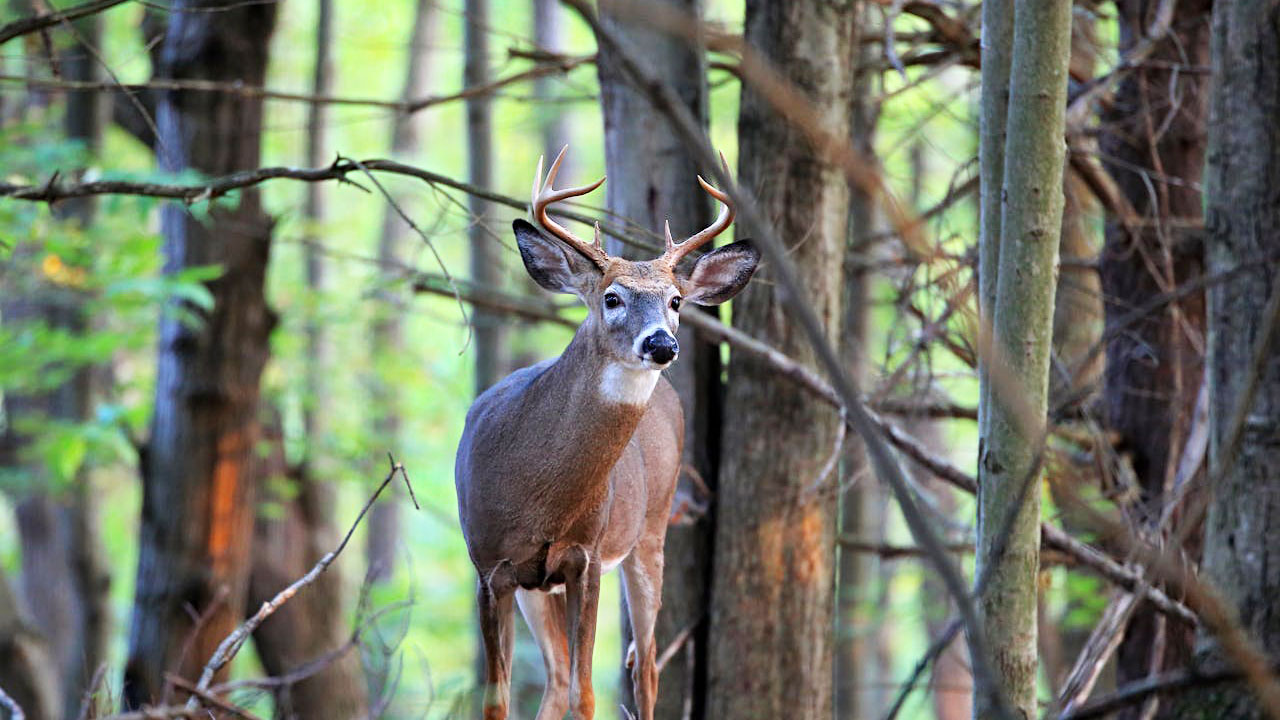
Plenty of states can put up big deer numbers on paper and still hand hunters a rough season. That usually comes down to some mix of private-land dominance, heavy pressure, disease management, tougher access rules, or deer that get educated fast because they’ve been hunted hard for years. Texas has famously high deer densities in some areas, Pennsylvania is still dealing with crop damage and CWD realities, Georgia and Virginia both lean heavily on private land, and states like Iowa and Kansas stay attractive enough that access and draw pressure turn “good deer country” into a much tougher hunt than outsiders expect.
Texas
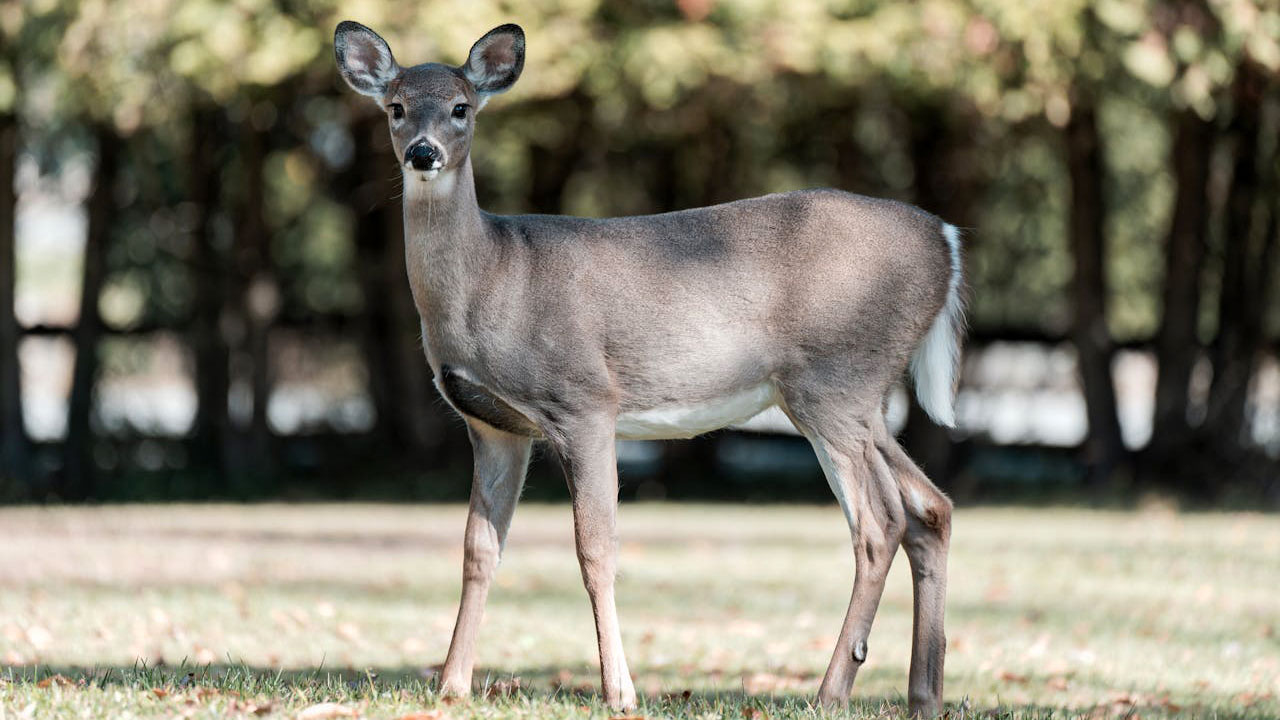
Texas gets talked about like some kind of automatic deer factory, and in certain pockets the numbers really are impressive. TPWD notes that some managed properties can run very high localized densities, and deer management is a major statewide focus. The catch is that Texas is overwhelmingly private land, and success often has more to do with access, money, and management quality than with raw deer abundance. That means a guy can be surrounded by deer country and still not have a realistic place to hunt it.
On top of that, Texas deer are not dumb. TPWD’s own material points to hunting pressure, land size, grazing, and habitat quality as major factors in how deer behave and how well a property hunts. In parts of the state, antler restrictions were adopted specifically to reduce intense pressure on young bucks. So yes, Texas has deer, but high deer numbers and easy hunting are not the same thing. On unmanaged ground or heavily pressured leases, those deer can start acting like ghosts in a hurry.
Pennsylvania
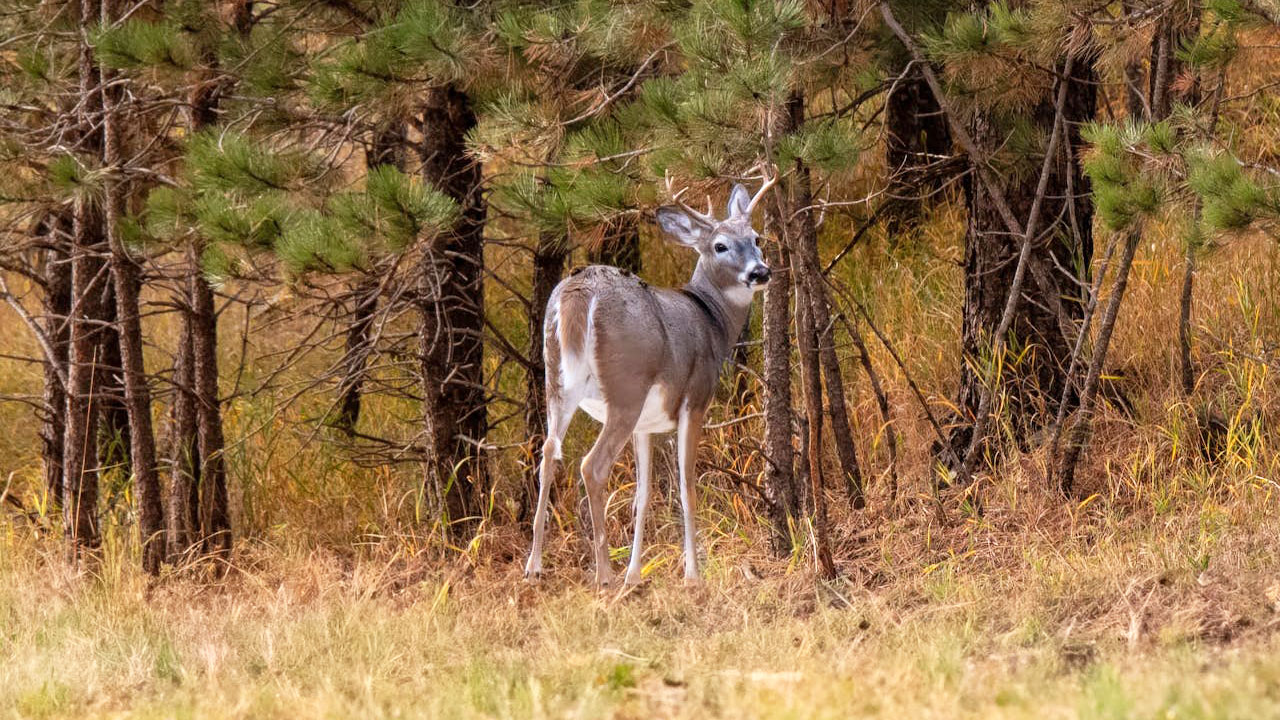
Pennsylvania is one of those states where deer are always part of the conversation, especially when crop damage, forest browsing, and herd management come up. The Game Commission has continued active deer research, and the state was still holding town halls in early 2026 over increased deer pressure on agriculture. That tells you plenty right there: the deer are around, but that doesn’t mean the average hunter is walking into easy sits with relaxed, unpressured whitetails.
What makes Pennsylvania harder than it looks is the mix of pressure, habitat differences, and disease concerns. The state has also reported hundreds of CWD-positive deer in recent surveillance years, which adds another management layer to how deer are hunted and handled. Add in developed areas, fragmented access, and a hunting culture that puts a lot of boots in the woods, and you get a state where deer numbers can look healthy while mature deer still get very hard to kill consistently.
Georgia
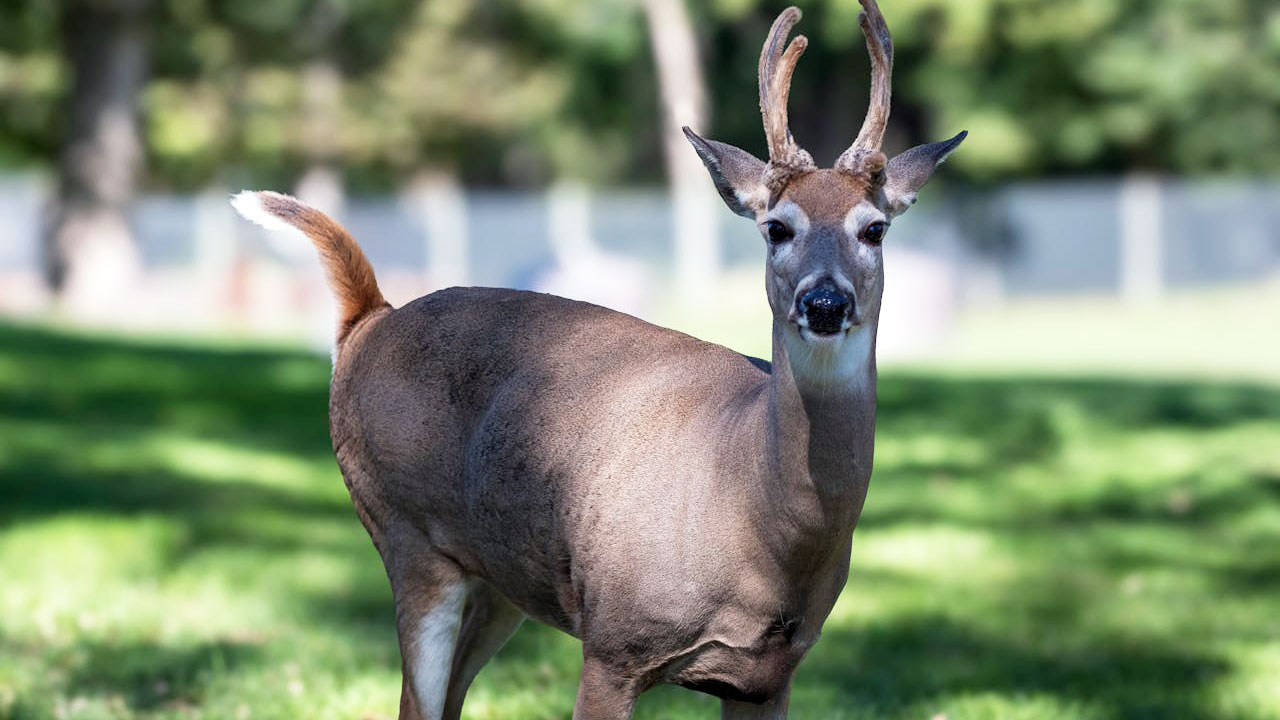
Georgia has strong deer opportunity overall, but the state’s own wildlife agency makes it clear that the vast majority of forestland is privately owned. That alone changes the game. A state can have plenty of deer and still be hard for the average hunter because access is the real bottleneck. Georgia offers nearly a million acres of public land, which sounds great until you remember how many hunters are chasing the same idea every fall.
Georgia also runs quota hunts on some public opportunities, and the agency keeps pushing private-land access and landowner partnership programs because private ground is where so much of the state’s hunting value sits. If you have family land, a club, or a solid permission setup, Georgia can be very good. If you do not, it can turn into a grind of pressured WMAs, limited room, and deer that have already heard every truck door in the county by daylight.
Wisconsin
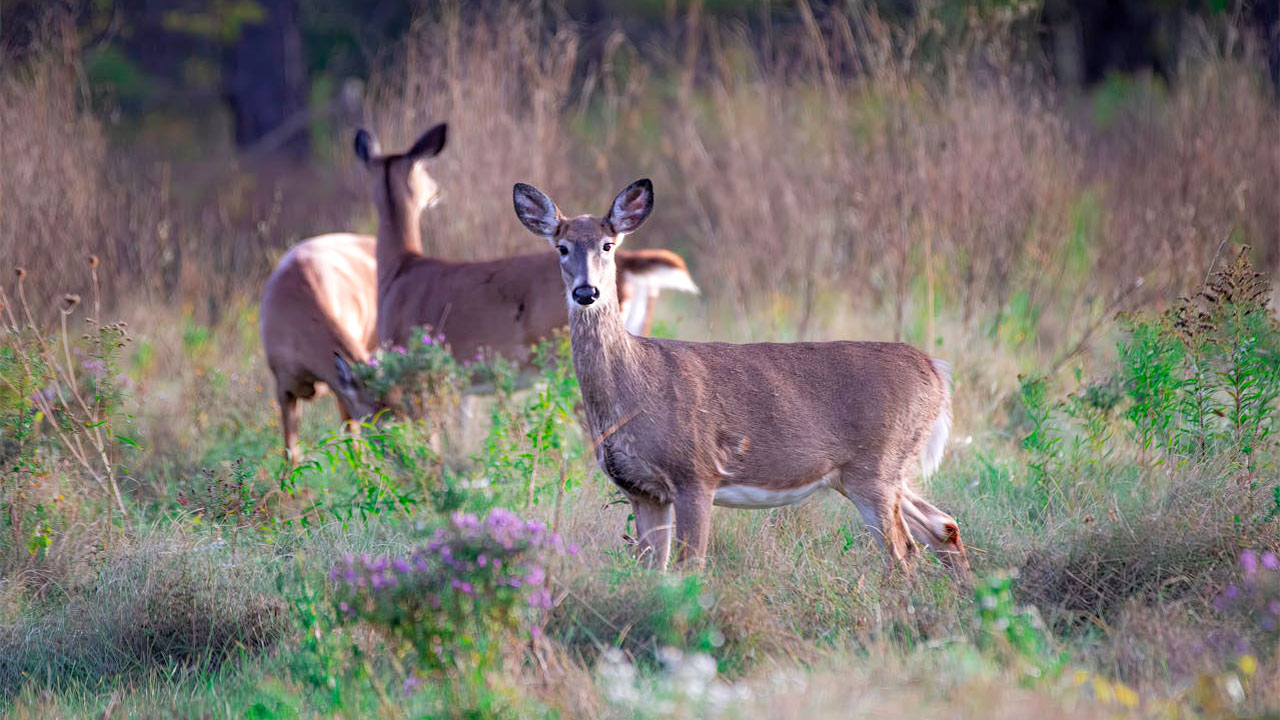
Wisconsin still belongs in any serious deer conversation, but it is not an easy button. The big issue is CWD. The DNR’s southwest research work has focused heavily on how hunting pressure, breeding-season movement, and disease all interact, and the agency has been blunt that the long-term question is what CWD means for deer populations. Once a state gets to that point, the hunting picture gets more complicated than “lots of deer, go sit a funnel.”
The other problem is expectation. Wisconsin has a huge deer reputation, so people pile in with high hopes. But deer that live through annual pressure in a state with that kind of hunting tradition tend to get educated fast. Even the agency’s disease and movement work reflects how strongly behavior changes during hunting season. There are still good hunts to be had, but between pressure, CWD zones, and the sheer number of hunters who know what they’re doing, Wisconsin can humble people who think deer numbers alone will carry them.
Iowa
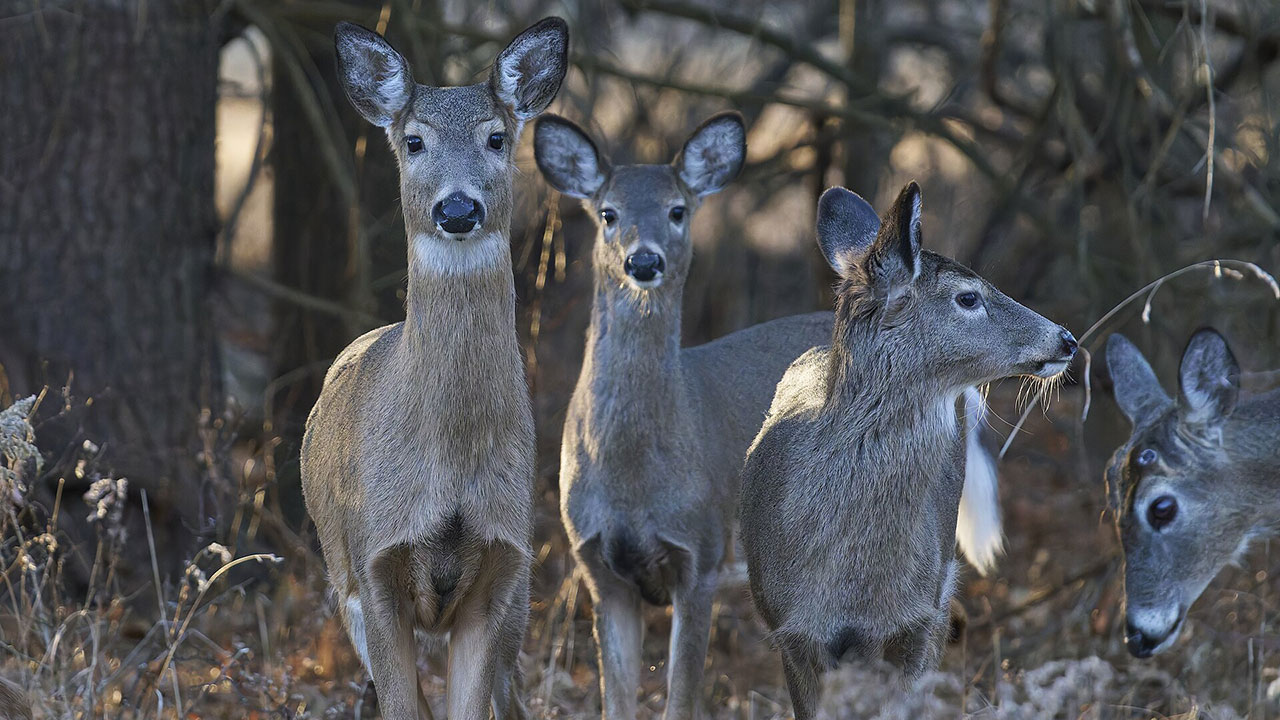
Iowa deserves its reputation for producing quality whitetails, but that reputation is exactly why it is harder than it looks. For nonresidents, deer hunting runs through a drawing system, and the state publishes preference-point and draw statistics because demand is that strong. When a state is good enough that hunters will pay serious money and build points to get in, that tells you the access side is doing a lot of the gatekeeping before the season even starts.
Even residents are not living in a fairy tale. Great habitat, row-crop nutrition, and age structure can produce big deer, but that also means the best ground gets protected, leased, or hunted carefully. Iowa looks easy from the outside because of the photos and the legend. In real life, the limited tag system for nonresidents and the pressure on quality land make it a state where high deer numbers do not automatically translate into easy opportunity.
Kansas

Kansas has the same problem Iowa does in a slightly different package. The deer quality is real, but so is the pressure on good access. Kansas regulations themselves warn that deer adapt to hunting pressure and find places where they can evade hunters. That is a pretty clean summary of why the state fools people. The maps look open, the reputation is strong, and then hunters find out a lot of the best ground is tied up or managed carefully.
Kansas also leans heavily on limited-access and walk-in style opportunity in places, which is useful but not the same as having lightly hunted private ground. Once deer start getting bumped, especially in flatter country with good visibility and predictable access points, the easy part disappears fast. Kansas still has the ingredients for excellent deer hunting, but pressure, land control, and the fact that deer know how to slide away from hunters make it tougher than a lot of people expect.
Ohio
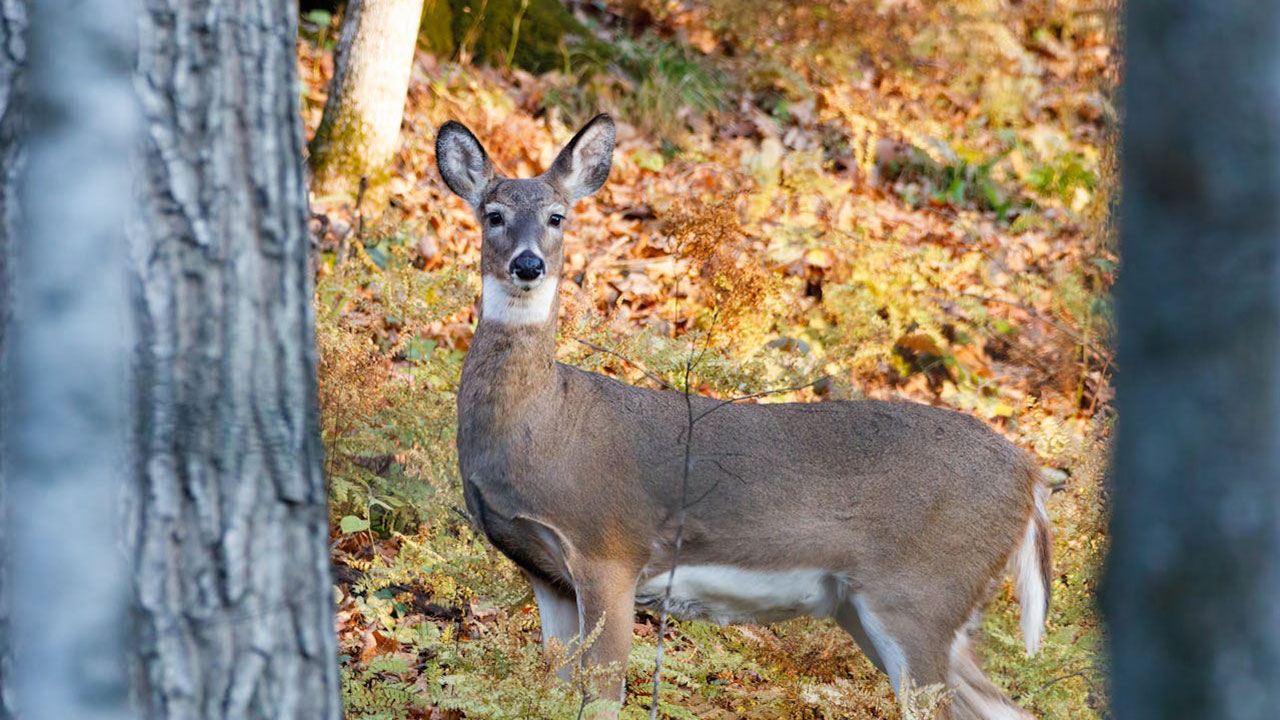
Ohio quietly stays in the upper tier because the harvest numbers are consistently strong. ODNR reported more than 232,000 deer checked in the 2025-26 season, which is the kind of figure that gets attention. But big statewide totals can fool people into thinking success is automatic. A lot of that success comes from hunters who know their areas well, manage access carefully, and keep after deer year after year.
Ohio also has nuisance-deer issues and enough landowner demand for help that the state runs programs to open enrolled land for hunting access. That tells you something important: deer are abundant, but access is still a problem worth solving. If deer were easy everywhere, those programs would not matter nearly as much. Ohio is a very good deer state, but the combination of suburban pockets, pressured farms, and competition for productive ground makes it a lot more technical than the harvest totals suggest.
Kentucky

Kentucky has plenty going for it as a deer state, but the state’s own guidance makes clear that public-land hunting often comes with area-specific regulations, different season dates, user permits, and quota-style limitations on some properties. That matters because many hunters without private access assume public land is a simple backup plan. In Kentucky, it often is not that simple.
The private-land piece matters here too. Kentucky repeatedly reminds hunters to get permission on private property and notes that bad behavior is one reason landowners close property to hunting. Add in rules that differ between public and private ground, including bait restrictions on public land and CWD-related limits in some counties, and you get a state where deer may be there, but clean, repeatable opportunity is harder to line up than outsiders sometimes think.
New York

New York is a great example of a state where deer abundance and hunting ease are two different subjects. DEC says 85 percent of the state is privately owned and that more than 90 percent of hunters will hunt on private land during hunting season. That is a huge clue. There may be lots of deer, especially in some agricultural and suburban zones, but access to the best places often depends on relationships, local knowledge, and permission.
New York also has strict reminders about trespass and even warns hunters not to use private property just to access public land or retrieve game without permission. Some lands require special access permits. So while New York absolutely has deer and in some places plenty of them, the state is built in a way that can make simple, low-friction hunting harder than expected. A hunter can be in good deer country and still spend most of his energy solving access problems instead of hunting.
Missouri
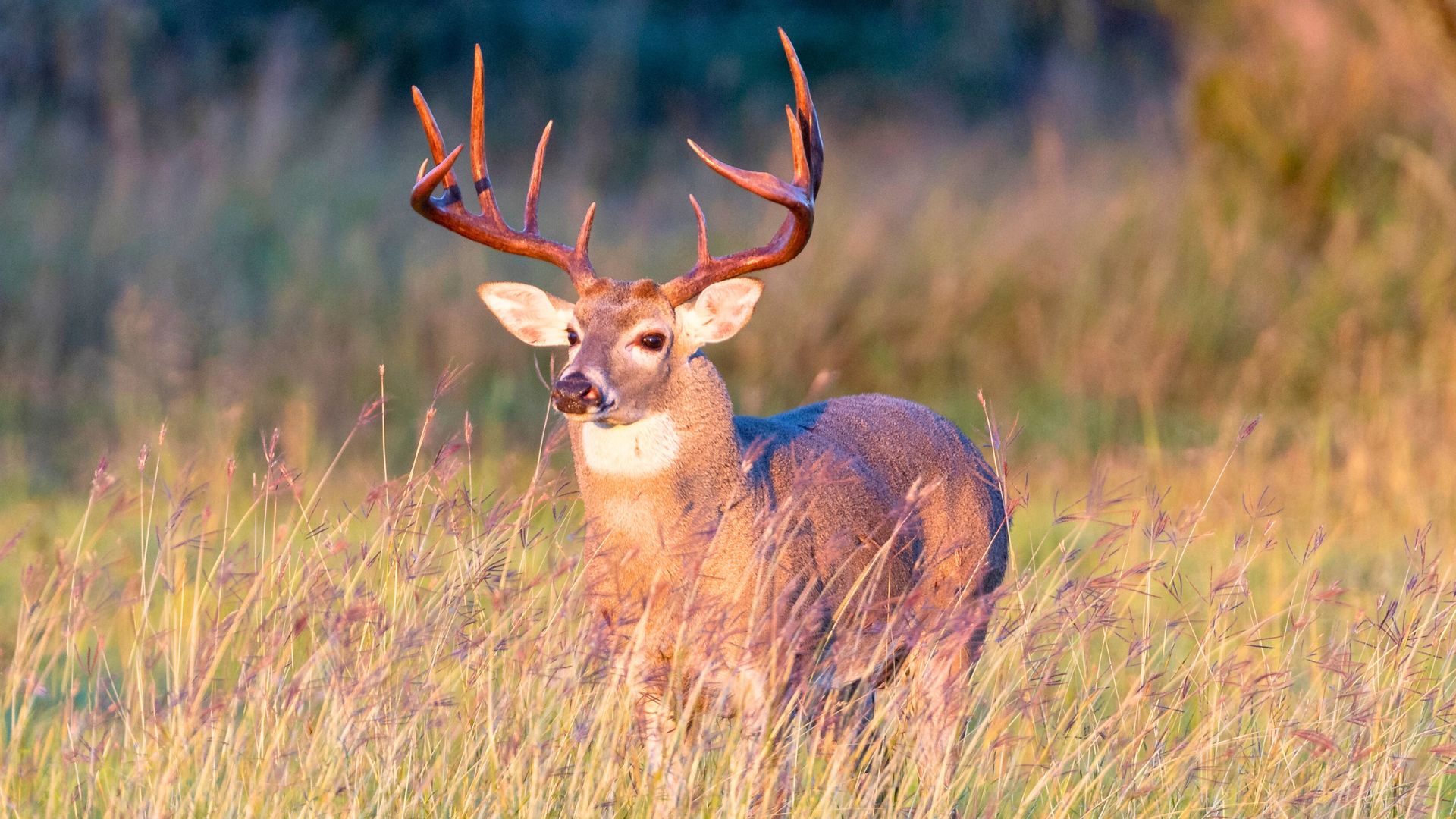
Missouri has healthy deer country and a long deer tradition, but the state’s own conservation material says it plainly: a great deer spot comes down to a healthy population and limited hunting pressure. It also notes that pressured deer change their habits and become difficult to hunt. That is exactly why Missouri belongs on this list. People see deer sign, crop edges, and liberal opportunity in many places and assume the hunt is going to be easy.
In reality, local pressure can swing everything. Missouri also warns that deer numbers and hunting pressure vary widely from property to property, even where county regulations look favorable. That means the guy with the right farm may have one experience while the guy hunting a crowded or poorly managed tract has a completely different season. Missouri has plenty of deer, but consistent success still hinges on land quality, pressure control, and knowing how those deer react once the woods wake up.
Michigan

Michigan is another state where the deer conversation is more complicated than the license sales brochure. The DNR’s deer planning and management material points to a mix of harsh winters, habitat differences, disease concerns, and region-by-region variation that affects both deer density and hunter success. In some parts of the state, deer opportunity is solid. In others, deer densities and success rates are below average and antlerless permits may be limited for years.
The state also continues to deal with CWD management and testing in affected counties, which adds another layer to an already variable hunting picture. Michigan absolutely has a major deer culture and substantial opportunity, but a statewide opener and broad participation do not make it easy. Weather, regional herd differences, and disease concerns can make a state with lots of deer hunters and plenty of deer feel tougher on the ground than many people expect.
Illinois

Illinois is famous for producing good whitetails, but the state’s CWD program is one of the clearest reasons it belongs here. Illinois DNR continues to track cases by county and has implemented a 2025-2029 CWD pilot project, while also maintaining CWD-specific permits in affected counties. That is not the profile of a state where deer abundance means simple hunting. It is a state where management realities have become part of the hunt.
The public-land side can also get more complicated than outsiders assume. Illinois provides area-specific public hunting access information, windshield-card systems in participating areas, and separate permit structures depending on where and how you hunt. The state still offers strong deer potential, but between disease management, regulated public access, and the fact that good Illinois deer ground has been coveted for years, it is much easier to admire Illinois than to consistently beat it.
Virginia

Virginia has good deer hunting, but it also has one of the clearest private-land warnings in the country. DWR says more than 90 percent of the statewide huntable territory is privately owned. That alone changes how hard the hunt is for the average guy. States that lean that heavily on private land can still grow plenty of deer, but opportunity gets uneven fast when access depends on permission, trust, and landowner goodwill.
Virginia even runs programs like PALS and Hunter Finder to connect access and landowner needs, which shows how important the access issue really is. Add in the state’s emphasis on trespass law, retrieval rules, and landowner relations, and it becomes obvious why this is not a “just go hunt” state for everyone. Virginia can be very good, but high deer numbers do not erase the reality that access is still the hardest part for many hunters.
Alabama

Alabama has deer and long seasons, which can make it look easy from the outside. But a lot of that opportunity is tied to privately owned or leased land, and the state still layers in separate WMA licenses, area permits, map permits, and reporting requirements when you move onto public ground. That means the state can offer plenty of deer opportunity while still being more complicated and more access-driven than a casual observer might think.
The structure of Alabama’s deer seasons also shows that land class matters. The state’s season materials repeatedly separate privately owned or leased land from open-permit public lands, and resident landowners have meaningful advantages on their own property. That is great for people with family ground or leases. It is a lot less simple for everybody else. Alabama can absolutely produce good hunts, but access and land status do more of the heavy lifting than the deer numbers alone suggest.
New Jersey
New Jersey surprises people because the deer are there, but the hunt is rarely as simple as the map makes it look. NJDEP says there are more than 750,000 acres of public land available to deer hunters, and thousands of hunters register each season on some managed properties. That sounds like wide-open opportunity until you remember how crowded and regulated a small, heavily populated state can become once deer season gets going.
New Jersey also keeps a tight grip on zone knowledge, permit requirements, Sunday-bow access rules on certain lands, and landowner permission for retrieval. In other words, there may be deer, and in some places plenty of them, but the hunting comes with a lot of structure. That makes New Jersey a good fit for this list: strong deer opportunity, yes, but also a state where regulation details, population density, and access friction can make success tougher than people expect.
Like The Avid Outdoorsman’s content? Subscribe to our newsletter so you never miss an article.
Here’s more from us: