Photo credit: SUNDAY GUNDAY/YouTube
You ever pick up a pistol and think, this thing sounds like it’s already been through a few tours—but it’s brand new? Some guns show their looseness right out of the box. We’re talking wobbly slides, gritty triggers, and parts that clack around like they were slapped together with guesswork and a prayer. Doesn’t matter if they shoot fine—nobody trusts a pistol that sounds like it’s falling apart.
These are the ones folks buy once, carry for a minute, and then shove in the safe or trade off at the first chance. If it rattles in your hand and messes with your confidence, it doesn’t last long. Let’s get into the models that give off that worn-out tool vibe the minute you pick them up.
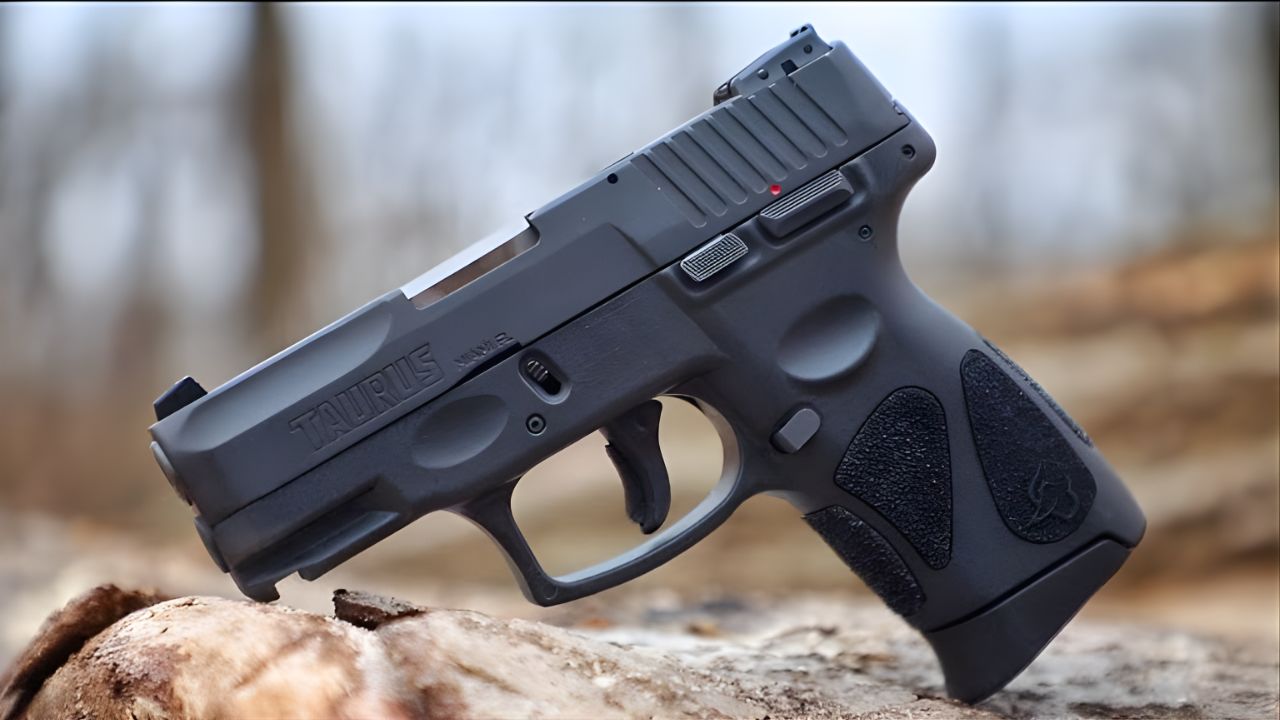
Taurus G2C

You don’t have to shake it hard. The G2C’s got that loose slide feel the second you unbox it. It’s a budget gun, and it shows. You can get decent groups with it if you do your part, but don’t expect any confidence boost when you feel everything shift while reholstering. Some shooters learn to trust them over time, but most end up upgrading before the year’s out.
Rattle aside, the trigger’s gritty and inconsistent. The frame flexes under pressure, and the slide-to-frame fit can feel like it was sized with a butter knife. Taurus sold a lot of them because they were cheap and available, not because they were refined. You might get lucky and get one that runs fine, but you won’t stop noticing how loose it feels. It’s the kind of pistol that makes you remember why your last one got sold.
KelTec P11

It’s lightweight, compact, and built like a stapler. The KelTec P11 was never designed to feel refined. If you shake it next to your ear, you’ll hear the clatter of parts that barely want to work together. It’s got that unmistakable budget pistol energy—enough play between components that you start questioning the engineering behind it.
Accuracy isn’t its strong suit either. The trigger pull is long, heavy, and stacks like wet cardboard. The reset? Forgettable. Still, it’s a pistol that some folks carried because it was affordable and small enough to disappear. But that slide wobble, the magazine fit, and the hollow sound it makes when you rack it—that all reminds you why you didn’t keep your first one. You didn’t want to second-guess your gear every time you carried. That’s the story with the P11—it’ll shoot, but it rattles the confidence right out of you.
Hi-Point C9

You already know what this one sounds like when it hits the counter. The Hi-Point C9 feels like it was made from leftover tractor parts. It’s bulky, top-heavy, and sounds like you dropped a box of bolts when you rack the slide. But the truth is, it usually goes bang—and that’s about all it promises.
Tolerances are loose, and the materials are rough. The magazine fit is sloppy, and the frame-to-slide connection leaves you wondering how long it’ll last. Most folks buy one out of curiosity or desperation, and few stick with it. The trigger’s spongy, the sights feel like they came off a toy, and disassembly is a pain. You might have bought one once thinking it could serve a purpose. But if you ever sold it, odds are you didn’t look back—except to remember how it rattled straight out of the box.
SCCY CPX-2

The SCCY CPX-2 looks decent in pictures, but once it’s in your hands, the fitment issues show up fast. The polymer frame doesn’t mate cleanly with the slide, and you’ll hear and feel movement even when it’s holstered. For a carry gun, that’s not exactly reassuring.
The trigger is another story—it’s heavy, long, and unpredictable. Some shooters can make it work, but if you’re used to a crisp break and consistent reset, this one’s going to frustrate you. Accuracy suffers because you’re fighting the mechanics the whole time. It doesn’t help that the magazines can feel loose and prone to failure. You might’ve picked one up because the price was right and the warranty sounded promising. But if you sold it once before, chances are high it’s because you got tired of wondering whether the next shot would feel worse than the last. It’s a rattlebox from day one.
Remington R51

This one had a weird charm at first. The Remington R51 looked sleek, felt different in the hand, and promised an old-school action brought back to life. But once folks started actually shooting them, the problems piled up fast. Loose tolerances, unpredictable function, and a frame that felt like it wanted to flex the wrong way made the R51 an uncomfortable gamble.
The first run had so many issues they had to recall them. Even the updated versions couldn’t escape that reputation. It feels rattly, and not in a “well-loved” way—more like something’s going to fall out eventually. Accuracy is all over the place, and malfunctions weren’t rare. If you ever had one, you probably remember the moment you realized the retro vibe didn’t make up for the mess. It’s a pistol that made people second-guess Remington’s place in the handgun world. You don’t forget that kind of letdown.
Jimenez JA Nine

The JA Nine isn’t just loose—it’s loud in every way. The rattle when you handle it is matched by the clunky trigger, gritty slide, and awkward safety. It’s the kind of pistol you pick up once out of curiosity, then sell off with no regrets. Everything about it feels cheap, because it is.
The slide feels like it’s barely fit to the frame, and recoil gives the whole gun a loose, flexy feel. Accuracy? Inconsistent. Reliability? Spotty on a good day. You won’t see these at the range often, and when you do, it’s usually followed by some muttering about how it was “just for fun.” The JA Nine isn’t built for confidence. It’s built to meet the bare minimum of what makes something a firearm. And when that slide starts shaking in your hand, you’re reminded why it didn’t stay in your collection the first time.
CZ 100

Not every CZ hits the mark. The CZ 100 had a strange start and an even stranger finish. It was CZ’s early dip into striker-fired territory, and it came out with a heavy trigger, questionable ergonomics, and a rattle-prone slide fit that never inspired confidence. The quality control wasn’t quite up to the usual CZ standard.
The grip angle felt awkward to many, and the slide-to-frame tolerance made it sound like it was already worn in before you ever fired a round. Accuracy was okay for slow fire, but double-taps and fast follow-ups? Forget about it. Add in a long, heavy trigger pull and a gritty reset, and you’ve got a pistol that might’ve sold once on name alone—but didn’t earn a second chance. If you bought one back in the day, odds are it’s not on your hip anymore. You remembered why you let it go the first time.
Arcus 94

The Arcus 94 is a Bulgarian-made clone of the Browning Hi-Power, but it doesn’t carry the same finesse. It’s heavier, clunkier, and feels loose in places that matter. Some folks say they’re tough as nails, but that doesn’t make them comfortable or consistent. It has that old metal-on-metal clatter that never really smooths out.
The trigger isn’t what you’d hope for in a Hi-Power style pistol. It’s heavier, mushier, and makes precise shots more of a chore. Accuracy varies from gun to gun, and the fit can be wildly inconsistent. Some have decent slides, others feel like they were machined on a Friday afternoon. If you’ve ever owned one, you probably had a moment where it felt decent—followed by the realization that a rattling gun with mediocre groups doesn’t earn permanent space in your safe. You remember the weight, the noise, and the disappointment.
AMT Backup .380

You want to talk about sketchy? The AMT Backup in .380 is a pocket pistol that feels like it came from a garage workshop. It’s heavy for its size and still manages to rattle like something’s loose inside. The tolerances are wide, the finish is rough, and the whole gun feels like it’s held together by hope and leftover stainless.
The trigger is long and stiff, and the recoil impulse feels worse than it should for a .380. Accuracy is so-so if you take your time, but don’t expect much under stress. These were meant to be backups, but most ended up in pawn shops or forgotten drawers. If you sold one, you probably remember why: too much heft, too much clatter, and not enough reliability to justify the hassle. You don’t miss carrying it—and the guy you sold it to probably doesn’t either.
Norinco 213

This one’s a Chinese clone of the Tokarev, but chambered in 9mm. And while the Tokarevs had their place in military history, the Norinco 213 doesn’t exactly impress on the civilian side. Loose slide, crunchy trigger, and a magazine that sometimes fits like it doesn’t want to be there.
It’s got that old steel-on-steel sound when you move it around—kind of like holding a box of scrap metal with a firing pin. It’ll go bang, sure, but don’t expect much in terms of tight groups or clean breaks. The ergonomics are dated, and the safety features (if any) are rudimentary at best. These things used to be cheap and everywhere, but there’s a reason they don’t see much carry time. You might’ve had one out of curiosity or nostalgia, but once it rattled itself through a few mags, the shine wore off fast. Odds are, you let it go—and never looked back.
Like The Avid Outdoorsman’s content? Be sure to follow us.
Here’s more from us:
The worst deer rifles money can buy
Sidearms That Belong in the Safe — Not Your Belt
*This article was developed with AI-powered tools and has been carefully reviewed by our editors.