Photo credit: Gear Know-How/YouTube
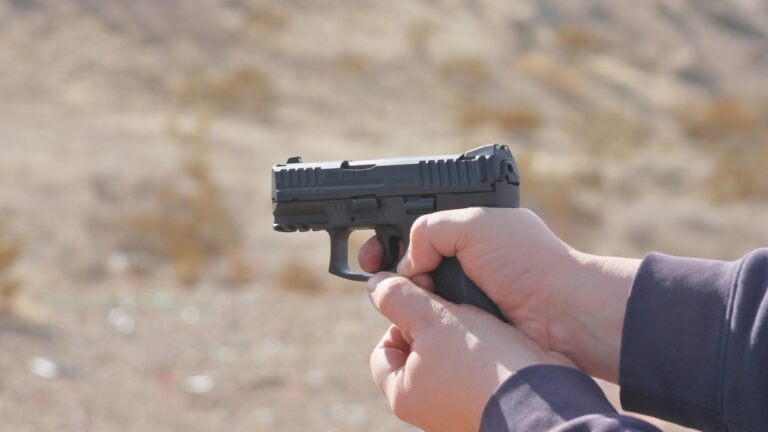
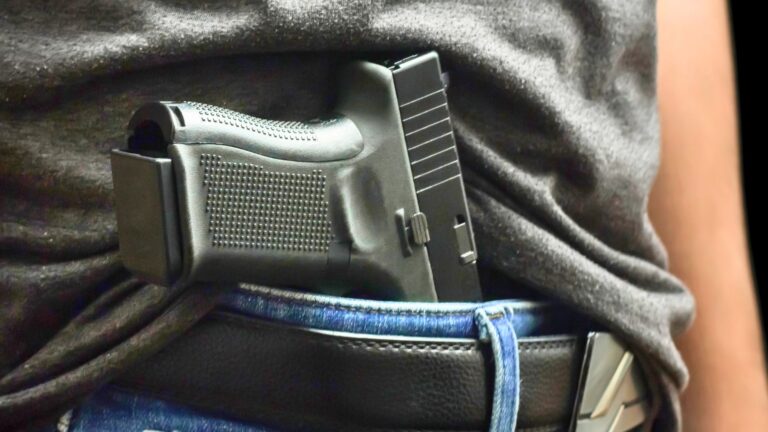
Small pistols look easy on paper. They are lighter, easier to conceal, and often marketed as the simple answer for everyday carry. That leads a lot of people to assume they will also be easy to shoot. In practice, the opposite is often true. The same traits that make a pistol easy to hide can make it much harder to run well once live fire starts. Less grip area, shorter sight radius, lighter weight, and sharper recoil all raise the skill requirement.
That is why some small pistols surprise people once they get past the first box of ammo. They are not bad guns. They simply ask more from the shooter than their size suggests. Good grip pressure, consistent trigger work, better recoil control, and more disciplined follow-through all matter more when the gun gets smaller. These pistols can absolutely be mastered, but many owners only realize after real range time that concealment convenience and shooting ease are not the same thing.
Glock 43
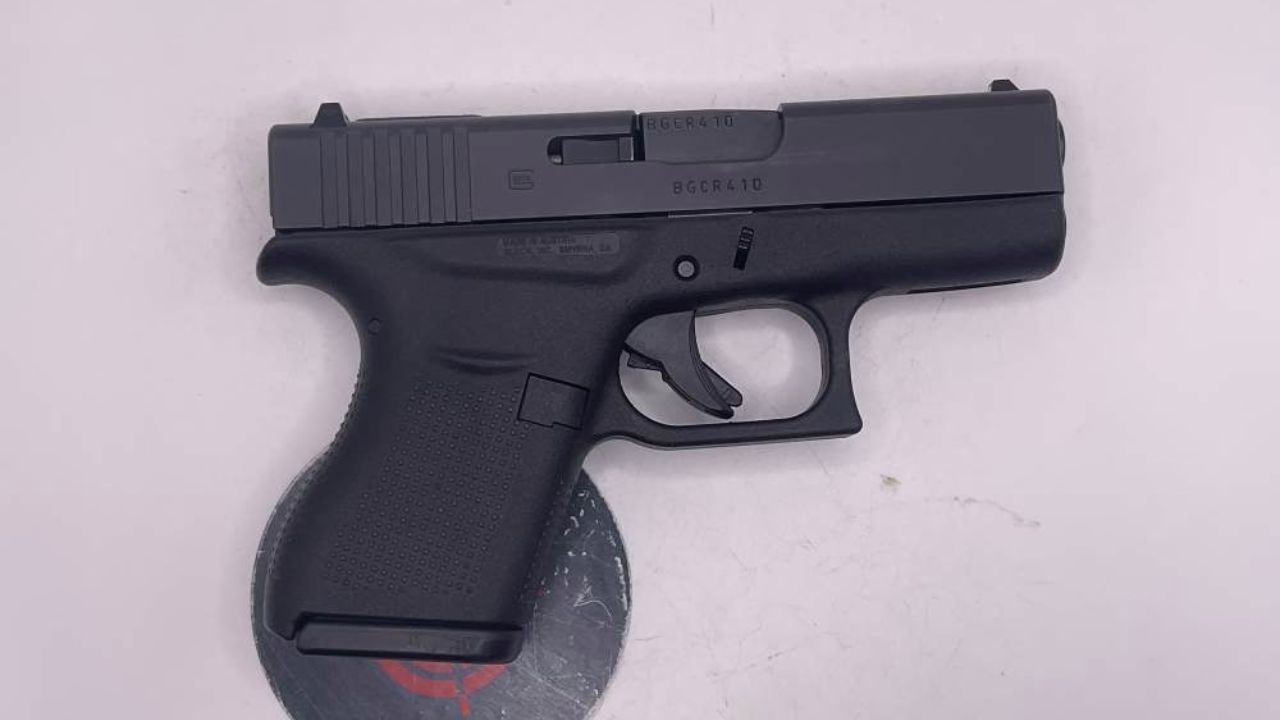
The Glock 43 takes more skill than people expect because it looks like a smaller version of a familiar, easy-to-run system. That makes many buyers assume it will behave like a Glock 19 that happens to be easier to carry. It does not. The shorter grip, reduced weight, and quicker recoil impulse make the pistol less forgiving once speed enters the picture.
That difference gets clearer with actual practice. The gun still has Glock simplicity, but it asks for much cleaner grip and trigger control than many first-time owners anticipate. It is easy to carry and easy to understand mechanically. It is not nearly as easy to shoot well under pressure as people often assume.
SIG Sauer P365

The SIG Sauer P365 takes more skill than people expect because it seems to offer a lot of capability in a very small package without obvious downside. That is part of what made it so appealing. What many shooters discover later is that it is still a very compact pistol, which means it punishes weak fundamentals faster than a larger carry gun does.
Once training becomes more realistic, the smaller grip and lively recoil start demanding better technique. The pistol can perform very well, but it does not cover mistakes the way a larger compact often will. That is the key lesson with the P365. It is smartly designed, but it still rewards trained hands more than casual assumptions.
Springfield Hellcat

The Springfield Hellcat takes more skill than people expect because its size and capacity combination make it seem like a simple modern carry solution. On paper, it looks like you are getting all the practical advantages without much tradeoff. On the range, the smaller frame reminds you quickly that there is still no free lunch with a very compact pistol.
The grip area is limited, the recoil can feel abrupt, and follow-up control takes real consistency. The Hellcat is capable, but it is not a gun that automatically makes mediocre technique look competent. It often teaches owners that concealment-driven design still comes with a shooting cost, even when the pistol is well made.
Smith & Wesson 642

The Smith & Wesson 642 takes more skill than people expect because it looks simple. A lot of people see a lightweight revolver and assume that simple operation must mean easy shooting. That is a bad assumption. The long double-action trigger, minimal sights, and light frame all combine to make this a handgun that demands much better control than its basic manual of arms suggests.
That becomes obvious the first time someone tries to shoot it quickly and accurately. The 642 is excellent at being carried. It is not naturally easy at being mastered. Shooters who do well with one usually earned that skill through repetition, not because the gun gave them much help.
Ruger LCP Max

The Ruger LCP Max takes more skill than people expect because it feels like the perfect answer to discreet carry. It is tiny, light, and easy to keep with you, which leads many people to assume it is also a straightforward gun to train with. Then they start shooting it and realize how much of the package is built around carry ease rather than shooting ease.
The limited grip, sharp recoil for size, and tiny-gun sight picture all force the shooter to work harder. It absolutely fills its role, but it also reveals a truth many owners learn late: the easiest gun to carry is often one of the harder guns to shoot with confidence and speed.
Kimber Micro 9

The Kimber Micro 9 takes more skill than people expect because it looks refined and manageable. The size is appealing, the profile is slim, and the metal-gun feel can give buyers a false sense of control before they ever fire it. Once they do, they find out that a very small 9mm still behaves like a very small 9mm.
The short grip and quicker recoil cycle mean the gun demands more discipline than its appearance suggests. It is not enough to admire the format. You have to learn it. That is what catches many people off guard. The pistol feels sophisticated, but it still requires a very real commitment to shoot consistently well.
SIG Sauer P938

The SIG Sauer P938 takes more skill than people expect because it combines a tiny footprint with a manual of arms that many owners do not fully respect at first. It looks like a compact, high-quality little carry gun, and it is. But small single-action pistols ask for both handling discipline and recoil management, which makes them more demanding than a lot of buyers realize.
Once live fire starts, the pistol’s abbreviated grip and snappy feel become much harder to ignore. The P938 can be very effective, but it is not a shortcut to easy performance. It is a gun that rewards people who really train with it and exposes people who assumed its small size meant small learning curve.
Smith & Wesson Bodyguard 2.0
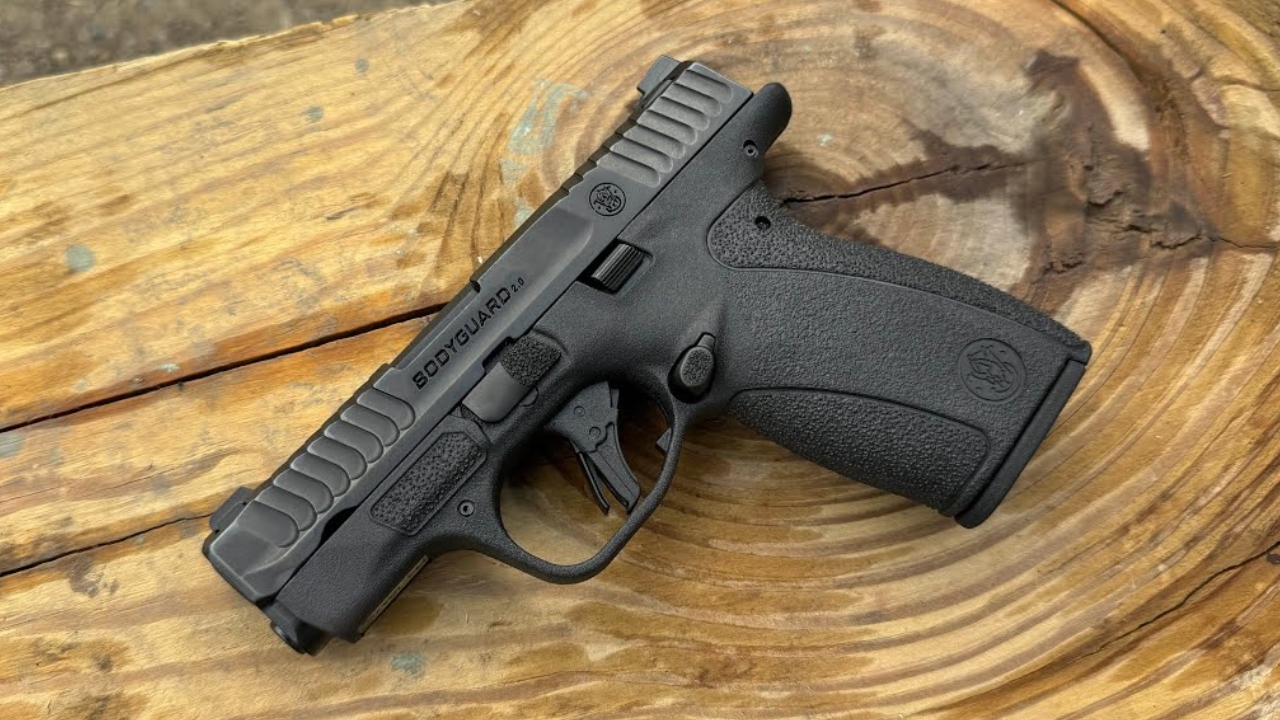
The Smith & Wesson Bodyguard 2.0 takes more skill than people expect because its carry-friendly dimensions can create the illusion of simplicity. It looks like a natural deep-concealment choice, and for that role it makes a lot of sense. But once the owner starts doing more than casual slow fire, the realities of a very small pistol begin showing themselves quickly.
Grip consistency becomes critical, sight tracking gets harder, and small shooting errors become much more visible than they would on a larger gun. That does not make it a poor pistol. It means the owner has to bring more skill to the equation than the size and convenience first suggest.
Kahr PM9

The Kahr PM9 takes more skill than people expect because it was built around maximum concealability before the current micro-compact market became crowded. That made it attractive, but it also means the pistol is very compact in all the ways that matter once live fire begins. Less gun in the hand means less forgiveness.
The smooth trigger can help, but the small grip and lightweight frame still raise the difficulty level. Owners often realize that the PM9 is better described as very concealable than easy to shoot. With enough repetition it can be run well, but that competence usually comes from practice, not from the gun being naturally forgiving.
Taurus GX4
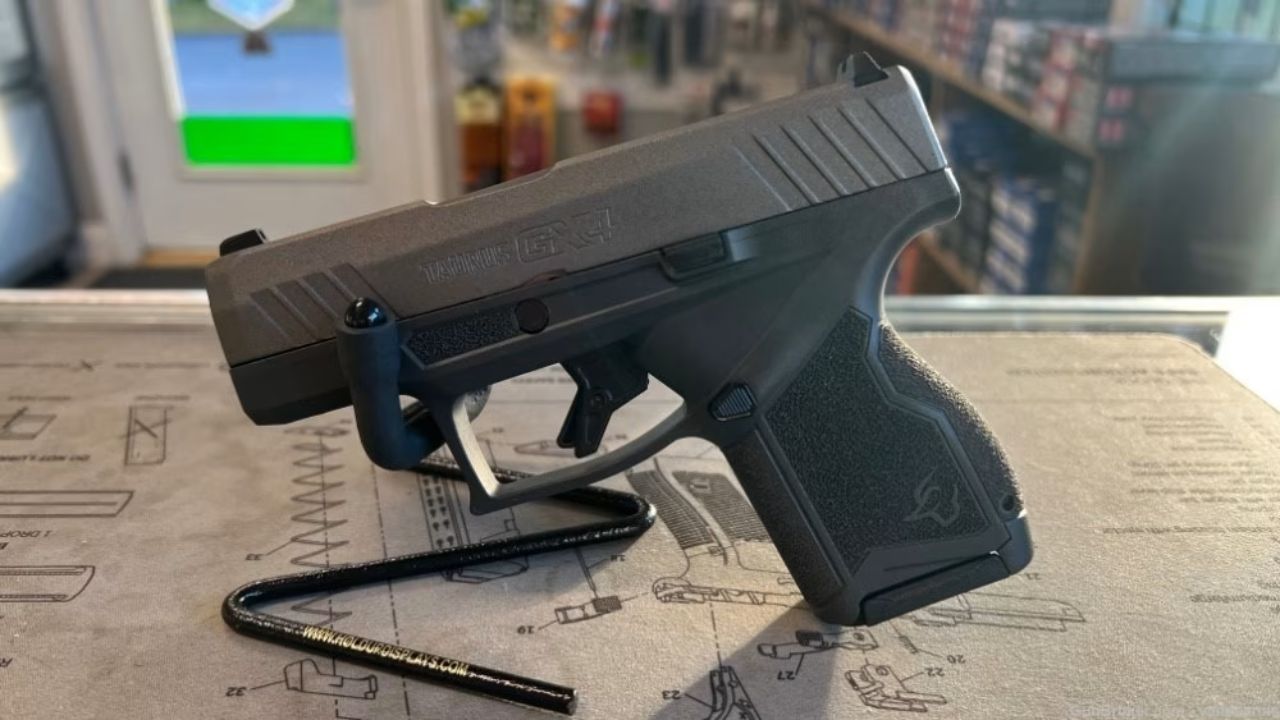
The Taurus GX4 takes more skill than people expect because people often lump all micro-compacts together and assume they will perform roughly the same with minimal adjustment. Real practice says otherwise. Pistols this small amplify little flaws in grip and trigger control, and the GX4 is no exception.
It may carry easily and seem straightforward during dry handling, but faster strings and more serious drills expose how much precision the shooter needs to bring. Small pistols are often sold on convenience. The GX4 reminds people that convenience does not remove the need for strong fundamentals.
Glock 42

The Glock 42 takes more skill than people expect because many buyers hear “.380 Glock” and assume it will be almost effortless to shoot. It is certainly more approachable than some harsher pocket pistols, but it is still a very small handgun with limited grip area and the usual small-gun compromises that show up in practice.
That means it remains easier to carry than to truly master. The lower recoil helps, but it does not erase the need for clean input from the shooter. People often underestimate small .380s because they are softer than tiny 9mms. The Glock 42 is manageable, but it still asks for more skill than its mild reputation suggests.
Beretta Tomcat 3032

The Beretta Tomcat 3032 takes more skill than people expect because its compact size and quirky charm make it look more approachable than it really is. The tip-up barrel and small profile attract a lot of attention, especially from people who want something different from the usual pocket-pistol formula. What often gets missed is that it is still a very small handgun with very small-handgun limitations.
The sight picture, grip, and recoil behavior all require more care than many buyers assume. It is easy to admire and easy to carry. It is not especially easy to run hard. Like many tiny pistols, it rewards owners who understand its lane and stay realistic about what it demands.
Colt Mustang Lite

The Colt Mustang Lite takes more skill than people expect because it looks like a soft-shooting, easy-carry classic. The slim frame and familiar styling make it seem almost friendly in a way many pocket pistols do not. But once practice starts getting serious, the small grip and tiny-pistol dynamics begin making the learning curve much more obvious.
That is especially true for people who assume a light-recoiling caliber means a low skill requirement. It does not. The Mustang Lite can be carried with almost no trouble, but it still asks for careful control and more deliberate training than a lot of owners first imagine.
Ruger EC9s
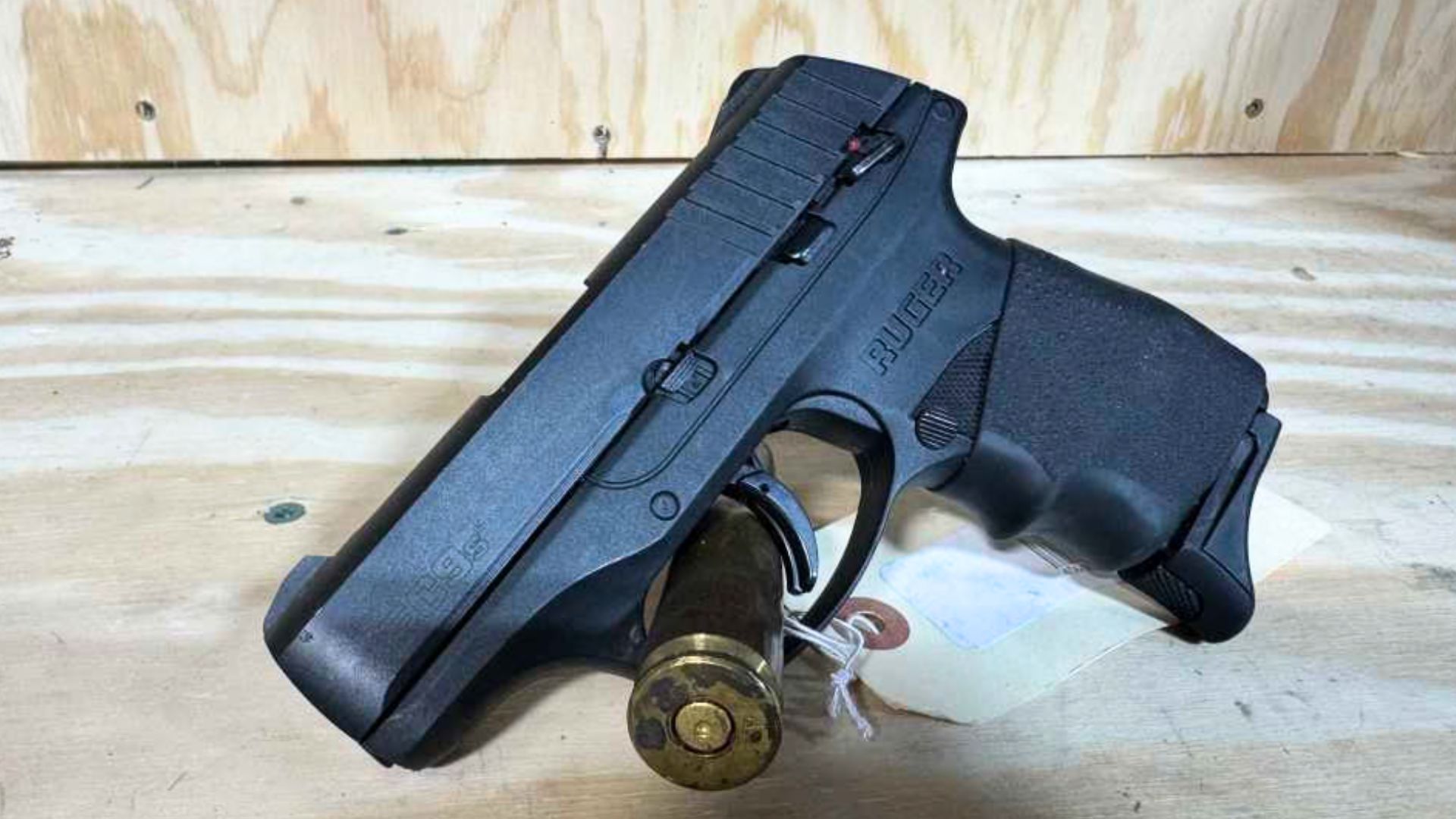
The Ruger EC9s takes more skill than people expect because it often gets bought as a straightforward, affordable carry solution. That practicality can lead people to think it will also be naturally easy to use. Then they start training with it and discover what every small single-stack pistol eventually teaches: limited size means limited forgiveness.
The gun is thin and concealable, but it demands better recoil management and cleaner trigger work than many buyers anticipate. It is not a range toy masquerading as a carry gun. It is a carry gun that asks the shooter to respect what comes with that role.
Springfield XD-S Mod.2

The Springfield XD-S Mod.2 takes more skill than people expect because it feels sleek and easy to carry, which often creates the impression that it will be easy to shoot as well. In reality, its slim frame and smaller grip mean the shooter has to do more of the stabilizing and recovery work himself.
As the pace increases, the pistol becomes more revealing. It can be shot well, but it is not nearly as forgiving as its neat, compact appearance might suggest. A lot of owners discover that this is one of those guns that makes more sense as a carry tool than as a low-effort training companion.
FN Reflex
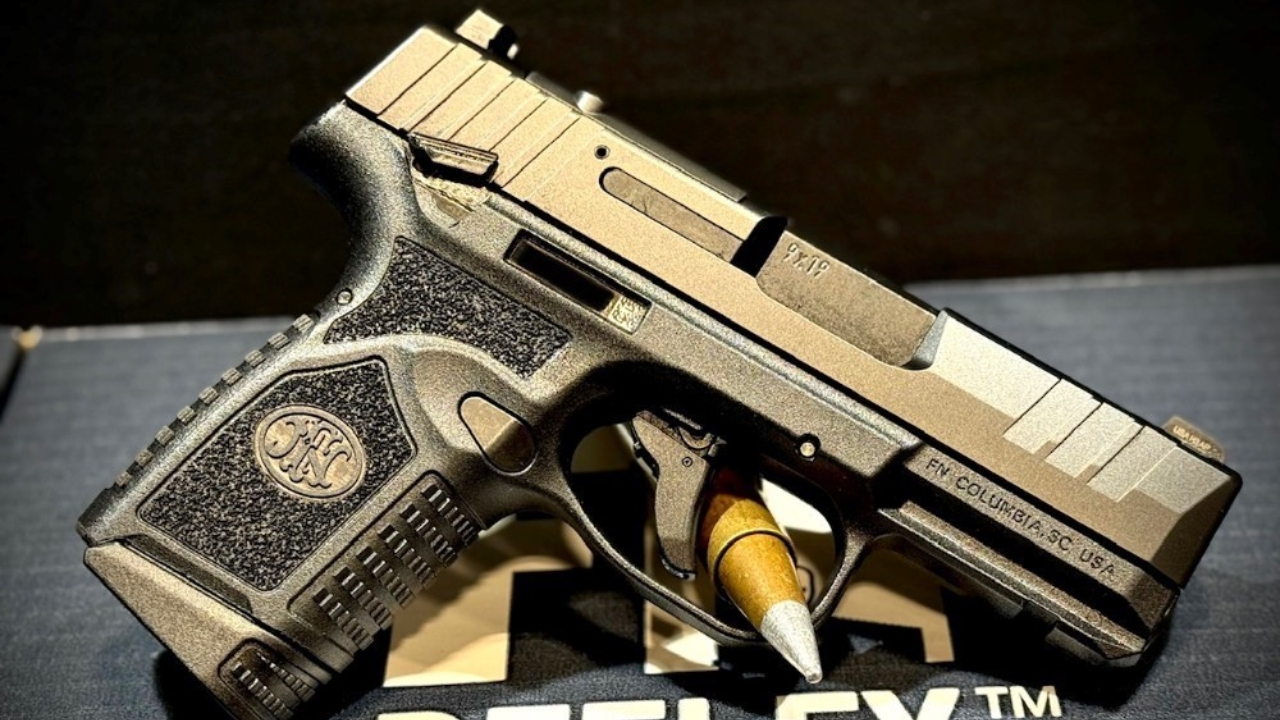
The FN Reflex takes more skill than people expect because it enters the market looking like a very polished, very modern solution to concealed carry. That polish can create the impression that the hard part has already been solved by design. But a small pistol is still a small pistol, and once live fire starts, the need for better grip discipline and cleaner shooting fundamentals becomes very clear.
The Reflex can absolutely reward that work, but it still asks for it. That is the key point. A compact, modern defensive pistol can be excellent and still require more skill than many people first expect from something that seems so easy to carry and so easy to like.
Like The Avid Outdoorsman’s content? Subscribe to our newsletter so you never miss an article.
Here’s more from us: