Photo credit: Academy Sports
Walk into enough pawnshops and you start to notice patterns. Same glass cases, same racks, and the same handful of guns that seem to rotate through the door like a bad country song. They are not all “junk,” either. Some are decent firearms that just don’t fit real life once the new-gun excitement wears off, or once bills show up and the safe gets crowded.
If you’re shopping used, this is good news. It means you can usually find deals, spare mags, and parts without a scavenger hunt. But it also means you should know why these guns keep landing on the same counter, because a “great price” can turn into a headache fast.
1. Remington 710
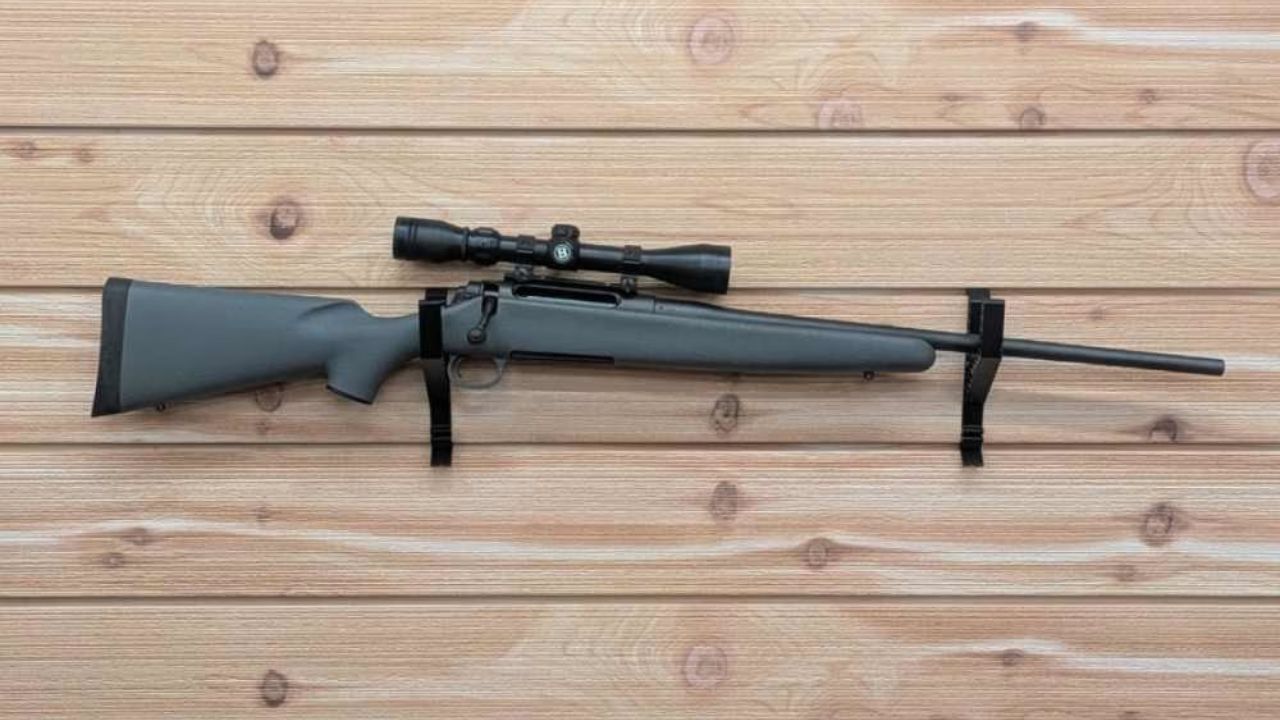
This one shows up a lot because it was marketed as an affordable deer rifle and plenty of them got bought right before hunting season. It will often shoot “good enough” with one box of ammo on a bench, and that’s where the honeymoon ends.
The common complaint is the action feel and long-term durability. When you’ve run smoother bolts, this one can feel like dragging a shovel through gravel. If you find one, check feeding and extraction hard, because a cheap deer rifle that won’t cycle clean is a mood-killer in a cold stand.
2. Ruger American Rimfire (bundle scope packages)
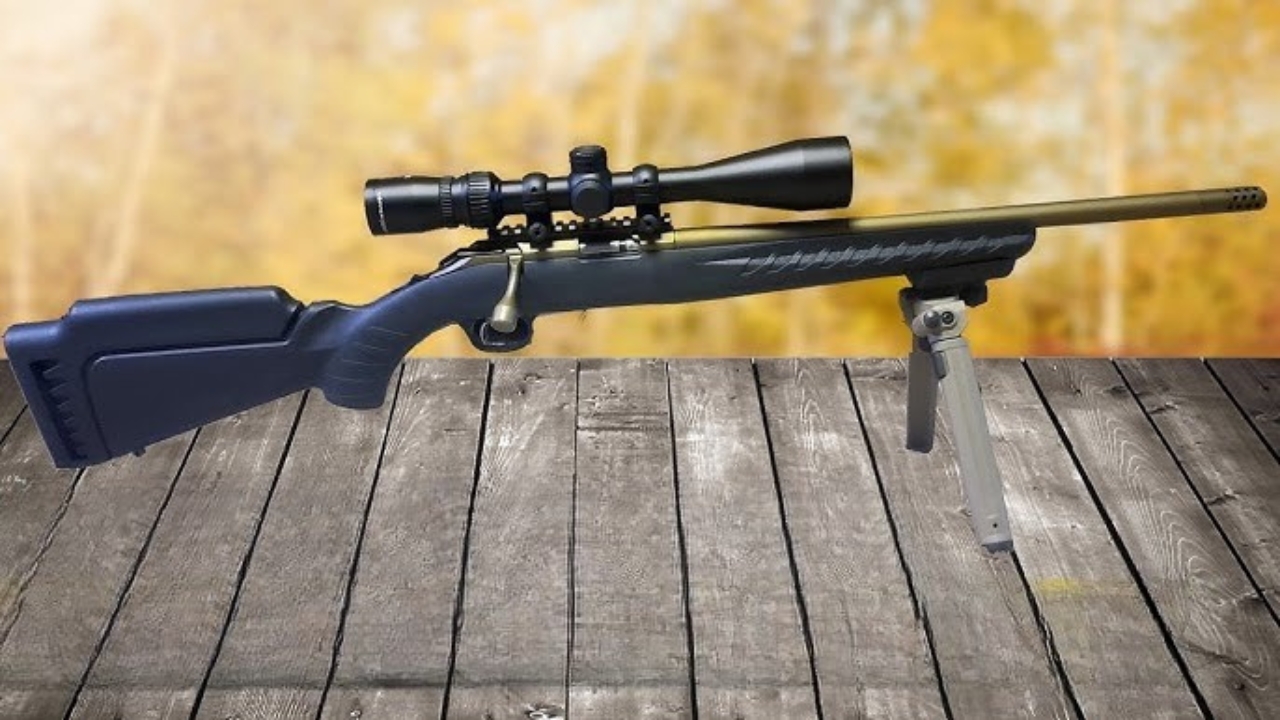
I see these because they’re an easy grab for somebody who wants a .22 today, and doesn’t want to think about it. The rifle itself is usually fine. The problem is the “free” scope that comes riding on top in a lot of package deals.
Those scopes can be dim, finicky, and lose zero after a few bumpy rides behind the truck seat. If you buy one used, budget for decent glass and you’ll likely end up with a handy little rifle. If you don’t, you’ll be chasing squirrels while cussing your crosshairs.
3. Taurus G2C

It’s hard to walk past a G2C because the price is tempting and it feels decent in the hand. That’s why pawnshops keep getting them back. Folks buy one as a first carry gun, then realize they don’t actually like the trigger, the sights, or the way it shoots during longer range sessions.
Some run great, some don’t, and that inconsistency is the whole story. If you’re looking at one, don’t fall in love in the display case. Ask to handle it, check mags, and make sure it isn’t missing the little things that turn “budget” into “why did I do this.”
4. SCCY CPX-2
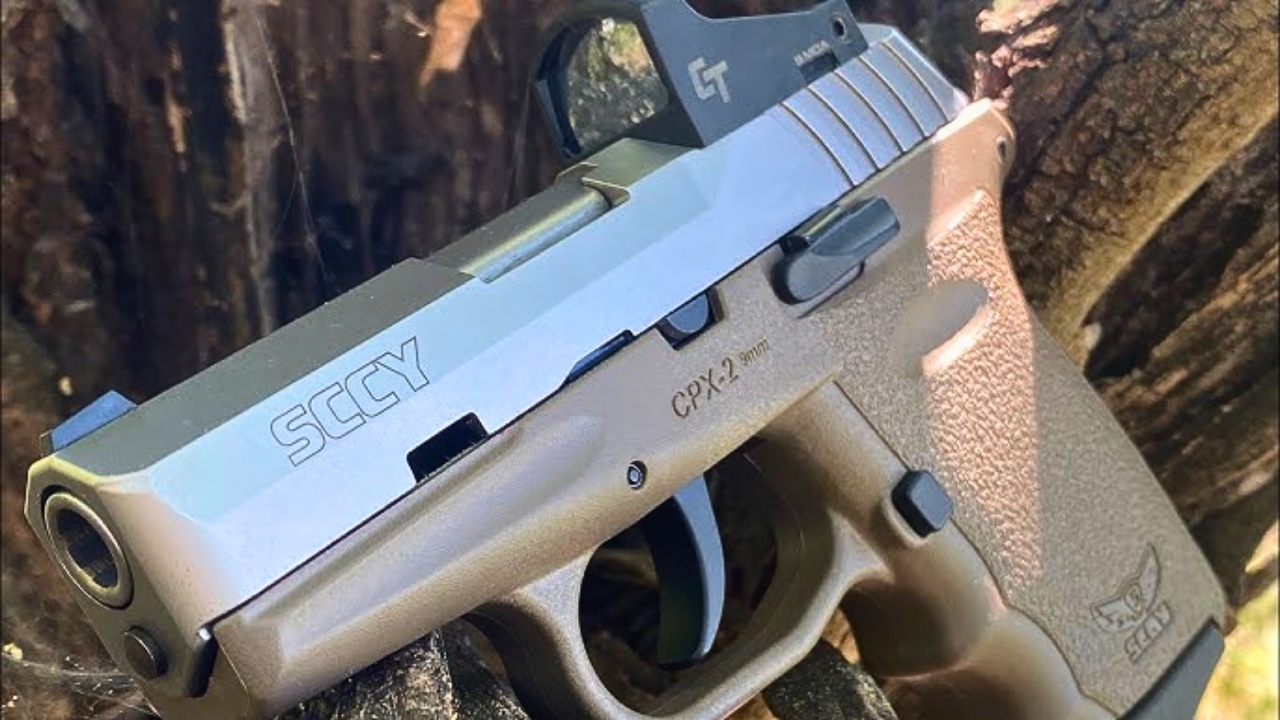
These are a classic “it was cheap and it fit in a pocket” purchase. Then you shoot it. Small, light pistols can be snappy anyway, but the CPX-2 has a long, heavy trigger that wears on you fast if you actually practice.
Pawnshops get them when the owner realizes a carry gun still has to be enjoyable enough to train with. If you can handle the trigger and you get one at the right price, it can fill a role. Most folks just move on to something that doesn’t feel like work every time you press the trigger.
5. Kimber Solo Carry

Every so often you see one of these and think you stumbled onto a classy little gem. They’re slick, compact, and the name on the slide makes people reach for their wallet. Then you start hearing the reliability stories, especially with ammo that isn’t exactly what the gun likes.
That’s why they end up on pawnshop shelves. A small 9mm that’s picky is not what you want for carry, and it’s not fun as a range toy either. If you’re tempted, make sure you’re buying it with your eyes open, not your heart.
6. Smith & Wesson SD9VE
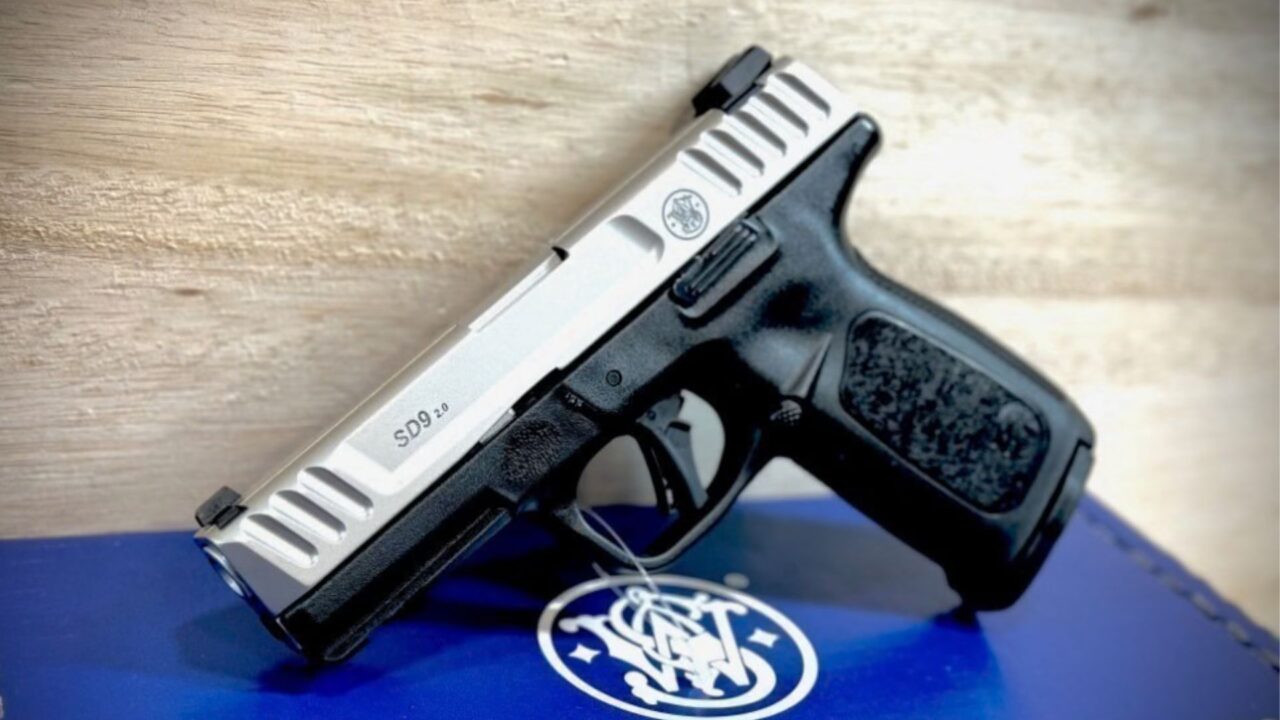
This is the “I need a 9mm today” handgun for a lot of buyers. It’s usually reliable, usually accurate enough, and usually comes with a price tag that makes you feel smart. Then the owner spends a few months shooting nicer triggers and realizes what they’re missing.
The SD9VE trigger is the big reason these pile up. It’s not unworkable, but it’s not crisp, and it tends to hold folks back from shooting well. The upside is they’re common, magazines aren’t hard to find, and if you just want a basic defensive pistol, it can serve.
7. Springfield Armory XD-S (early .45 models)
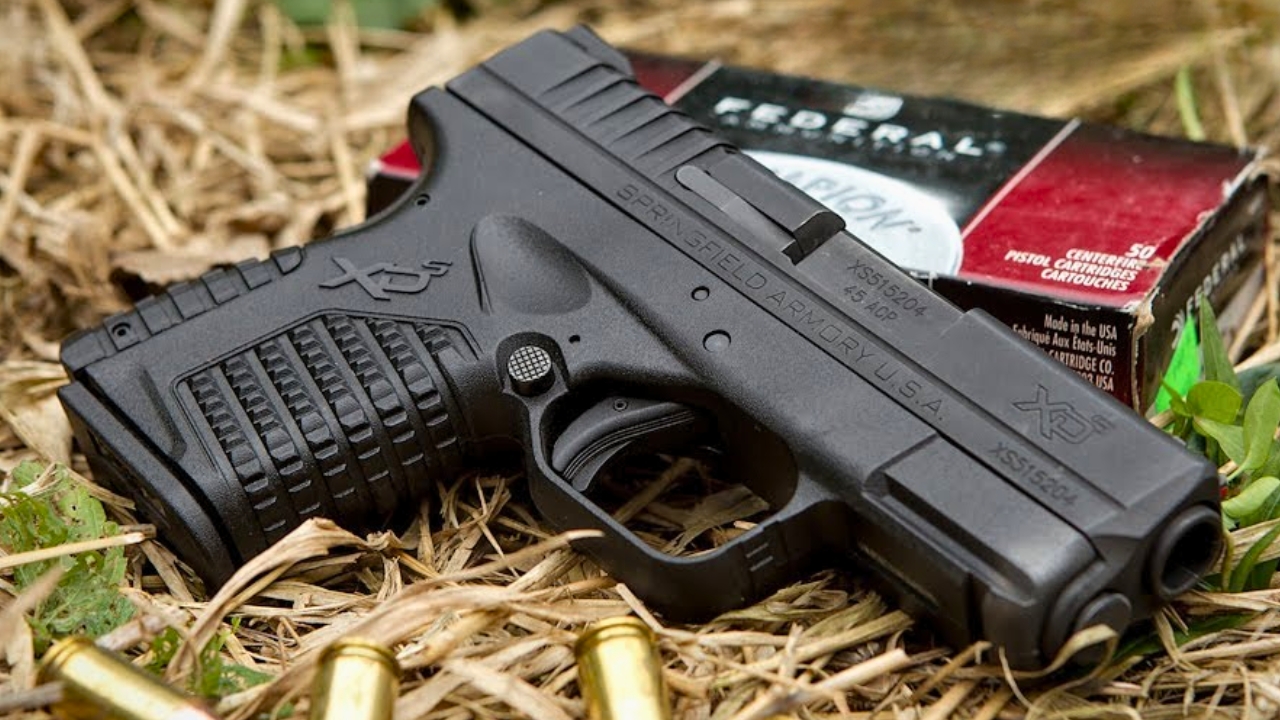
I carried an XD-S for a while and I get the appeal. Thin profile, easy to hide, and the grip safety makes some folks feel better about appendix carry. The .45 versions, especially the early ones, can be snappy enough that practice sessions get short.
That recoil turns into “I never shoot it,” and “I never shoot it” turns into “I’m trading it.” If you want one, the 9mm versions tend to be easier to live with. Either way, make sure you’re actually going to put rounds through it.
8. Glock 22 (police trade-ins)
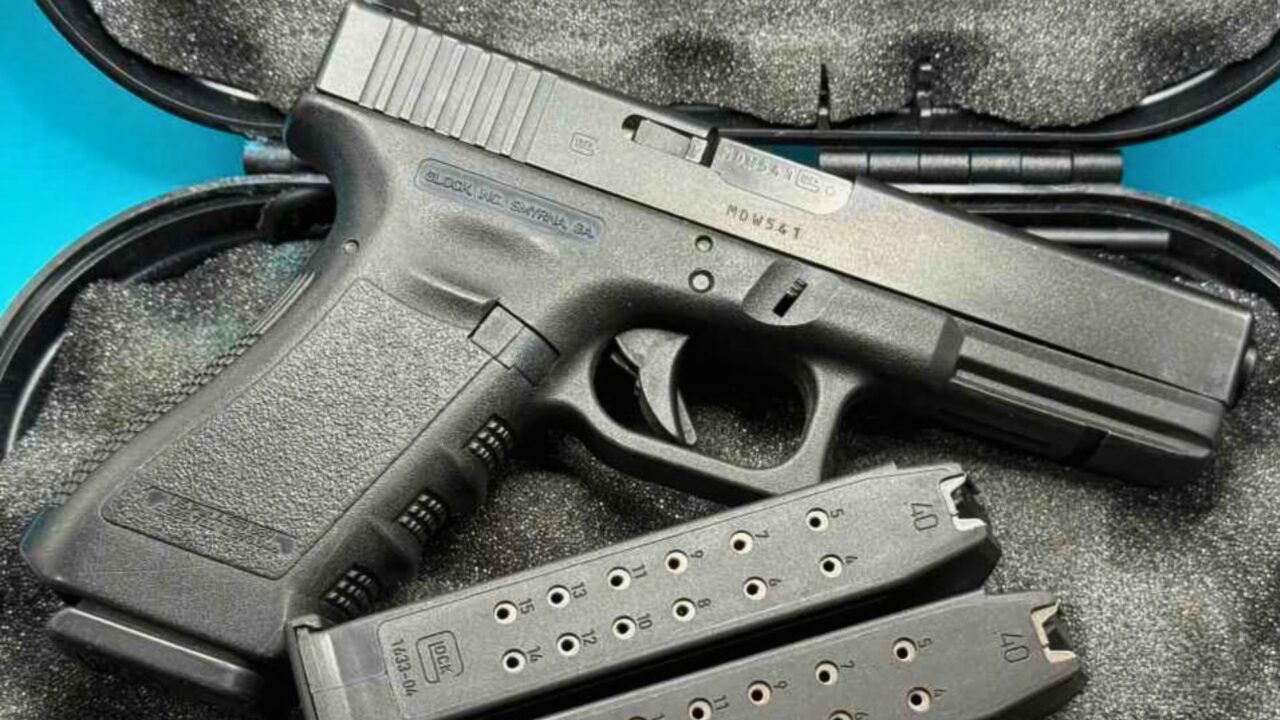
Pawnshops and used gun counters are full of .40-caliber Glocks that rode in duty holsters for years. They’re not there because they’re bad guns. They’re there because agencies moved back to 9mm and dumped piles of them into the market.
If you can live with .40’s sharper recoil and ammo costs, a used Glock 22 can be a steal. Just inspect the usual wear points and don’t assume every trade-in was babied. Some were carried a lot and shot little. Some were shot hard.
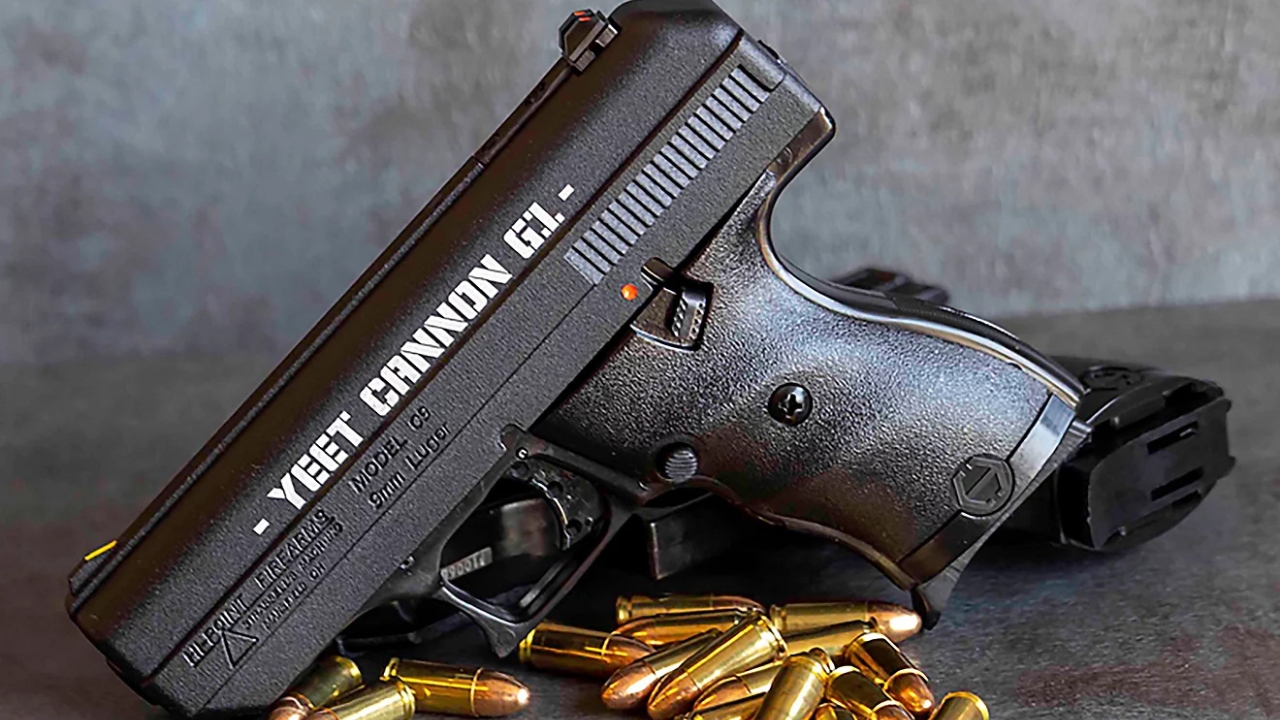
9. Hi-Point C9
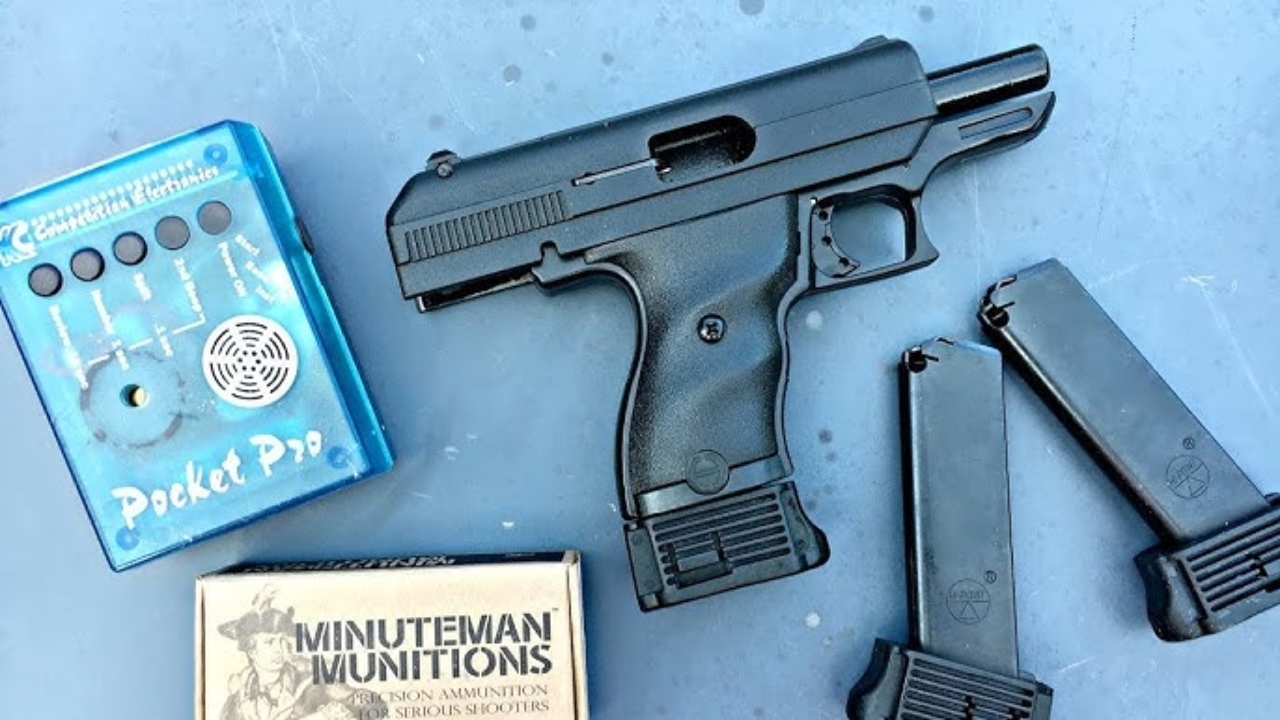
Nothing fancy about it, and that’s kind of the point. These end up in pawnshops because they were bought as a “truck gun” or “just in case” pistol, then the owner wants something lighter, slimmer, or less… brick-like.
They often run, and they’re not as fragile as internet jokes make them out to be. But they’re bulky, the ergonomics are what they are, and they don’t make you want to practice. If you’re buying one, be honest about why you want it.
10. Rock Island Armory GI Standard FS
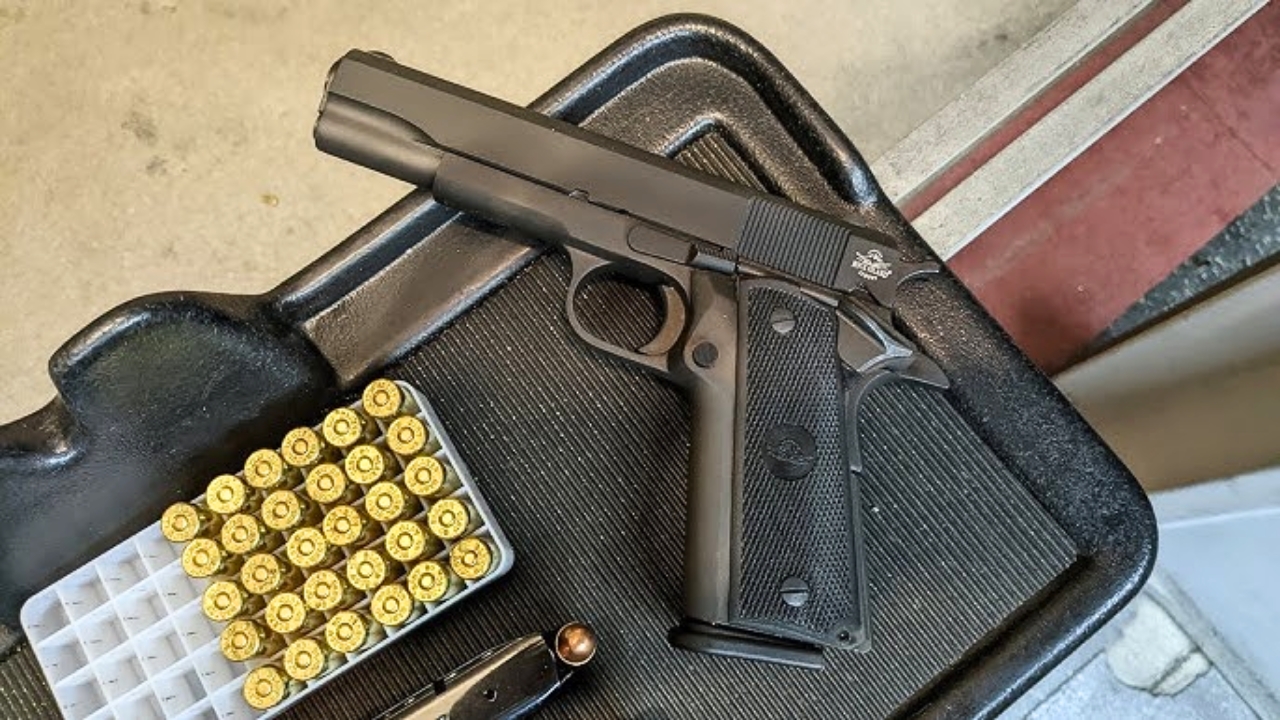
Budget 1911s are a rite of passage. A GI-style Rock Island gets bought because it looks right, feels right, and scratches that 1911 itch without taking out a loan. Then folks learn what “GI sights” and a basic trigger really mean when you’re trying to shoot well.
Some run great, some need a little attention, and a lot of owners don’t want a “project.” That’s why you’ll see them sitting in the case. If you want a simple range 1911 and you’re not chasing perfection, you can do worse.
11. Mossberg 500 (short “tactical” setups)

The Mossberg 500 is a solid shotgun, but the short-barreled, pistol-grip, rail-covered versions get pawned constantly. They look like a home-defense solution until you actually pattern buckshot, try to run the pump fast, and realize how awkward a pistol-grip-only shotgun can be.
Most of these end up being traded toward a more traditional stock and barrel setup. If you find one cheap, think about whether you’re willing to swap furniture and make it useful. A standard 500 with a normal stock is still hard to beat.
12. Remington 870 Express (rough-finish years)

There’s an 870 in almost every hunting camp, and that’s for good reason. The Express models from certain eras, though, can have a rougher chamber and finish that shows rust quicker than it should if it lived in a damp closet.
Those issues get folks frustrated, so they trade them off. The funny part is a lot of them can be made perfectly serviceable with normal cleaning and maintenance, and the parts ecosystem is huge. Look it over carefully and don’t confuse neglect with “bad gun.”
13. Savage Axis (first-generation, package scope)

These are a “get into deer hunting” rifle for a lot of new hunters. They’ll often shoot surprisingly tight groups with the right ammo. But the factory trigger and the bargain scope in the combo kits can make the whole experience feel cheaper than it needs to.
The Axis gets pawned when the owner upgrades to something smoother and a little nicer to carry. If you pick one up, you might be getting a real shooter for short money. Just don’t expect it to feel like a premium rifle when you run the bolt fast in cold weather.
14. Marlin Model 60
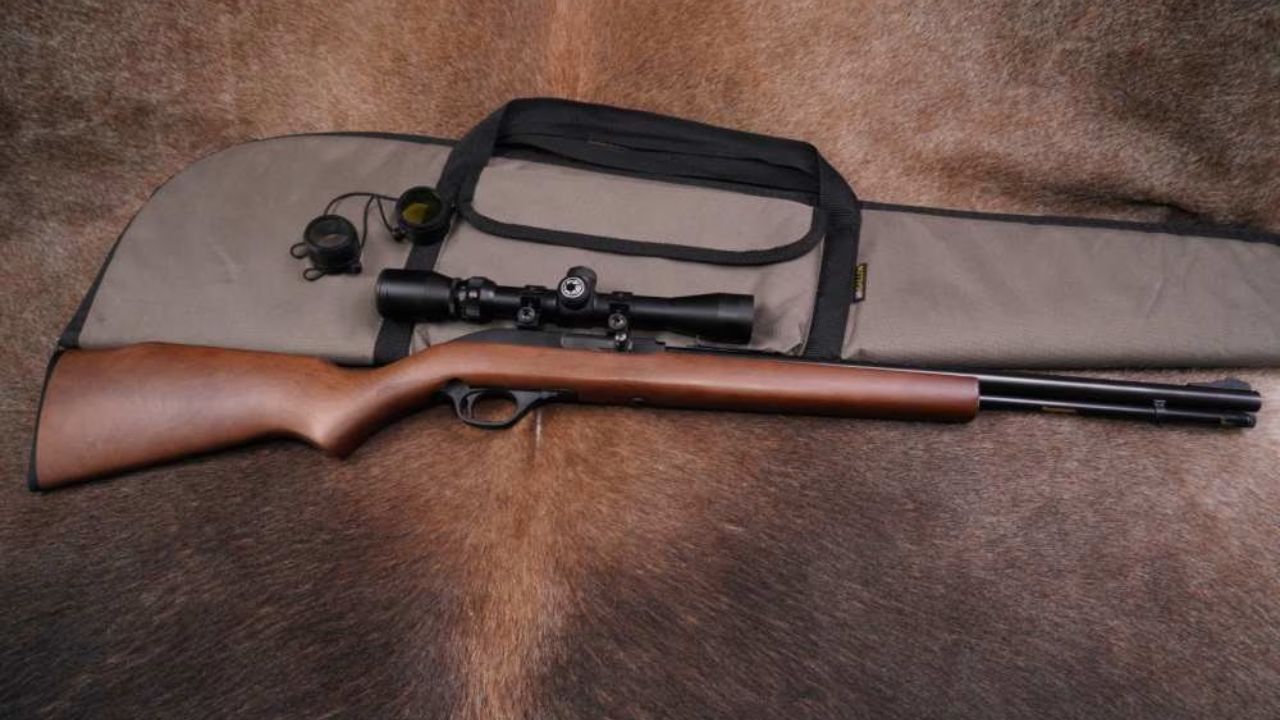
This one hurts a little, because the Model 60 is a classic woods .22. Pawnshops get them because they were Grandpa’s plinker, and somebody cleaning out an estate doesn’t want to mess with a tube-fed .22 and a coffee can of old ammo.
They can be picky if they’re filthy, and the old ones sometimes show wear in the feed system. Still, they point well, carry light, and have put a mountain of squirrels in the pot. If you find a clean one, it’s hard not to smile.
15. Winchester Model 94 (post-64, common variants)
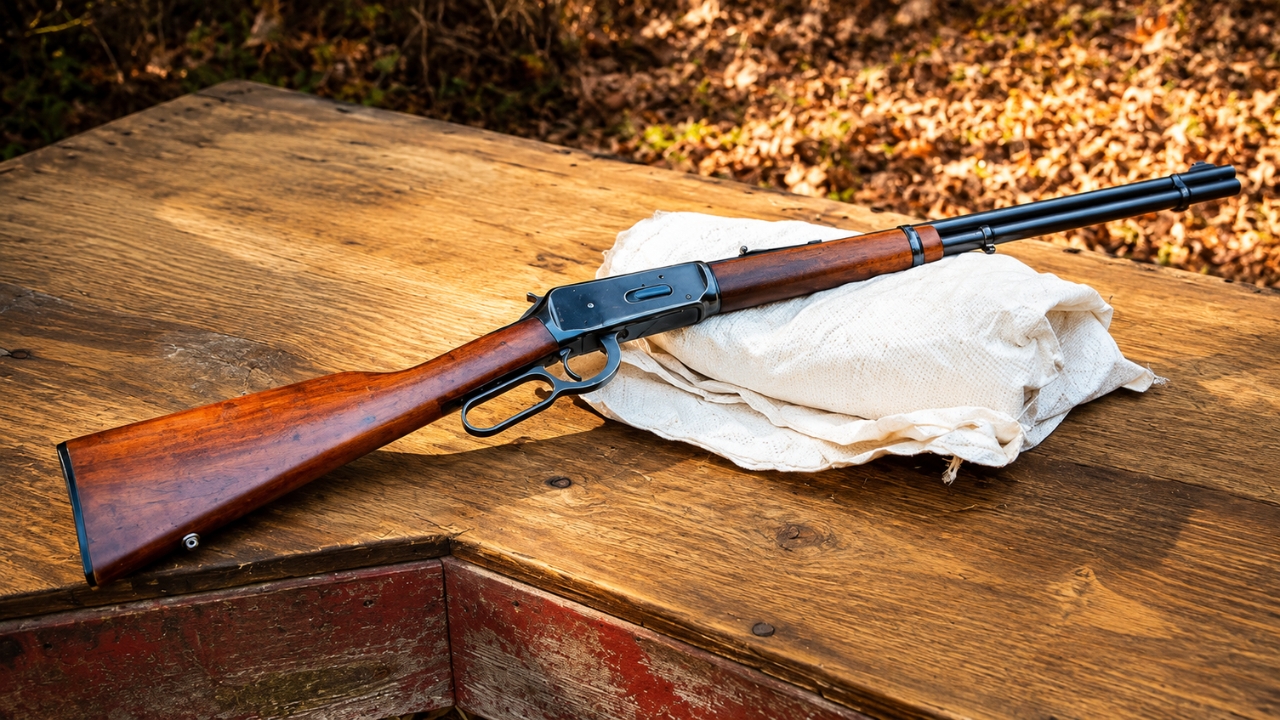
These show up because lever guns are emotional purchases. Somebody buys a 94 because it feels like deer season should feel, then they realize they don’t love iron sights, they don’t reload, and the ammo isn’t always on the shelf like it used to be.
Post-64 guns aren’t all “bad,” but condition matters and so does the specific model. If the bore is good and the action isn’t loose, a Model 94 still carries like a dream in thick timber. Just don’t overpay because it makes you nostalgic.
16. Ruger LCP (original .380)

The original LCP is a pocket-carry workhorse, and pawnshops see a steady stream of them. The reason is simple: folks buy them for convenience, then discover that tiny guns are not fun to shoot. The sights are minimal, the recoil is sharp, and the trigger takes getting used to.
As a “better than nothing” option, it still has a place. As a primary carry gun for someone who actually wants to train, many end up switching to something slightly bigger and more shootable. That’s why the LCP keeps coming back.
17. Kel-Tec PF-9

Before the micro-9mm wave really took off, the PF-9 was one of the slim, lightweight options that didn’t cost much. Plenty of them got carried. Plenty of them also got sold after a few range trips, because thin and light can mean “not enjoyable.”
They can be reliable, but the feel is utilitarian and the recoil is brisk. If you find one used, inspect it well and make sure you’re okay with what it is: a simple tool, not a pleasant range companion.
18. Charter Arms Undercover .38 Special

Small revolvers look like the answer when you want something simple. Then you start shooting .38 +P through a lightweight snub and learn a lesson about recoil and short sight radius. That’s when these often get traded toward a slightly bigger revolver or a compact 9mm.
Charter Arms guns can do their job, but they’re not finished like a high-end Smith. Check timing and lockup if you’re looking at one. A snub that’s out of time is not a bargain.
19. Rossi Model 92 (older imports)
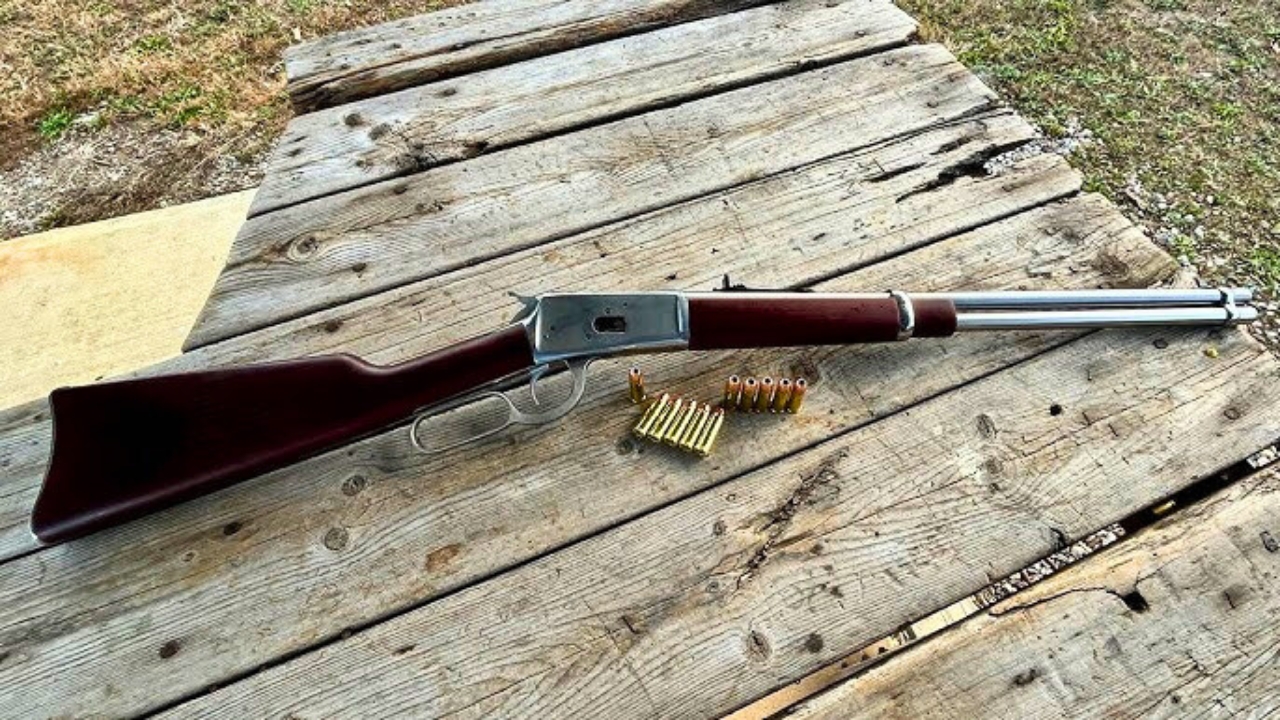
The Rossi 92 is another lever gun that gets bought on looks and price. Some are smooth and solid. Some feel like they were assembled on a Monday after a long weekend. When a new owner gets a rough one, it often goes straight to the pawnshop.
If you’re shopping used, cycle the action a bunch, check the loading gate feel, and look for odd wear. A good one is a fun, handy rifle. A bad one will make you swear off lever guns for no good reason.
20. SKS (mismatched, “bubba” stocks)

Every pawnshop seems to have at least one SKS with a plastic stock, missing the original parts, and some mystery history. They were cheap for a long time, so they got treated like cheap guns. Now they’re not so cheap anymore, and the hacked-up ones are the ones that keep circulating.
A clean, original SKS is a neat piece of history and a reliable shooter. The parts-swapped, mismatched examples can still run, but they’re rarely worth what the tag says unless the shop is realistic. If you want one, look for original configuration and a clean bore, and don’t pay collector money for a project.
The funny thing about the guns that stack up in pawnshops is they’re usually there for real-life reasons, not internet reasons. Too snappy to practice with, too rough to enjoy, too “package deal” to keep once you learn better. If you shop smart, you can turn somebody else’s regret into a solid tool, but only if you handle it, inspect it, and picture how it’ll actually live in your truck, your holster, or your deer stand.
Like The Avid Outdoorsman’s content? Subscribe to our newsletter so you never miss an article.
Here’s more from us: