Photo credit: Academy Sports
I’ve watched a lot of guns look great on a clean bench and then turn into problems once the clock starts, the weather turns, or the shooter’s hands are cold and shaky. “Under pressure” doesn’t always mean combat or some movie moment. It can be a buck that steps out at last light, a bear that won’t leave the trash, a pistol class where you’re clearing malfunctions in the rain, or a simple home-defense drill where you find out your light and your grip don’t play nice together.
So here’s a hard-earned list of models I quit recommending after seeing enough real use. Some of these are popular. A few are even “cool.” A couple are guns I wanted to love. I’m not saying every single example is bad, and I’m not here to start a brand war. I’m saying when things got hurried, dirty, hot, or stressful, these showed me enough weak spots that I stopped sending buddies toward them.
1. Remington 710

I’ve seen more than one of these come in as a “cheap deer rifle” that turned into a one-season headache. The action can feel rough, and when you start running it fast from field positions, it’s not confidence-inspiring. When you’re half-twisted in a stand trying not to move, you want a bolt that closes like it means it.
The bigger issue is long-term support. Parts and service aren’t what they are on a 700, and when something finally goes sideways, you’re often looking at a rifle that’s not worth sinking money into. For a hunting rifle, boring reliability beats “I got a deal” every time.
2. Remington Model 770

The 770 showed up as the next “value” answer, and I get why it sold. Scoped packages are tempting, especially for new hunters. Under pressure, though, I’ve watched the cheap-scope problems, the stiff bolt, and the inconsistent feel stack up into missed chances.
If you never shoot past a box a year, it may seem fine. Put it through a couple range days, make it ride in a truck, or hunt hard in wet weather, and it starts feeling like a compromise you didn’t need to make.
3. Rossi Circuit Judge
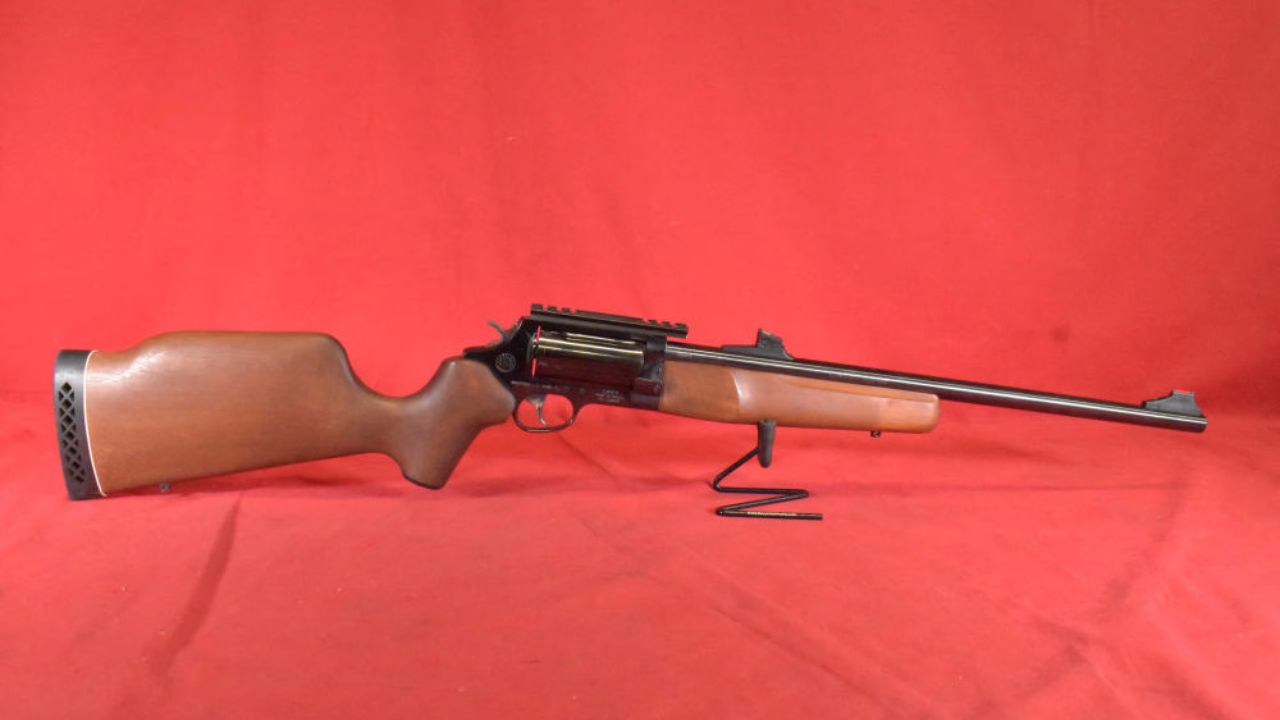
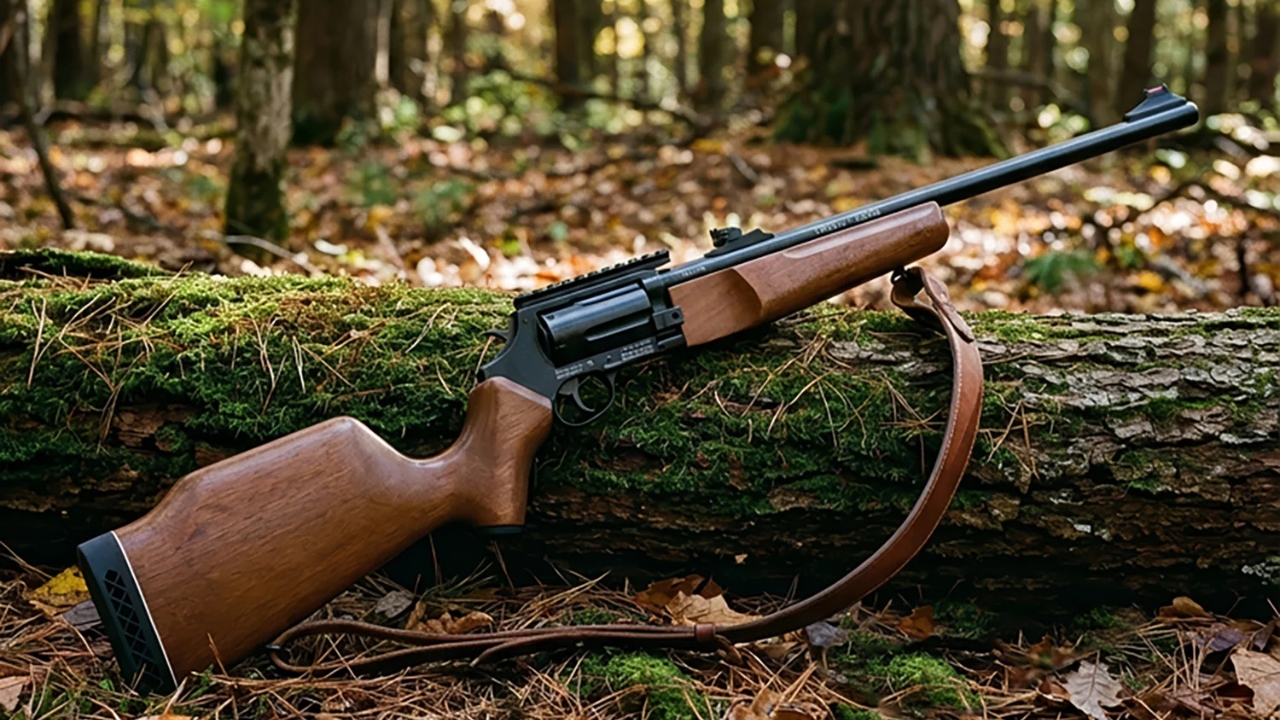
This one looks like the perfect do-it-all camp gun on paper. In the real world, the multi-caliber wheelgun carbine concept brings its own baggage. Under stress, I’ve seen folks short-stroke their rhythm, fumble the cylinder, and fight extraction when things get dirty.
Accuracy can be “good enough” until it’s not, and the whole setup tends to encourage people to treat it like a rifle when it’s really a big revolver with a stock. If you need a camp gun, I’d rather see a simple lever gun or a basic 12 gauge.
4. Taurus Judge (3-inch chamber models)
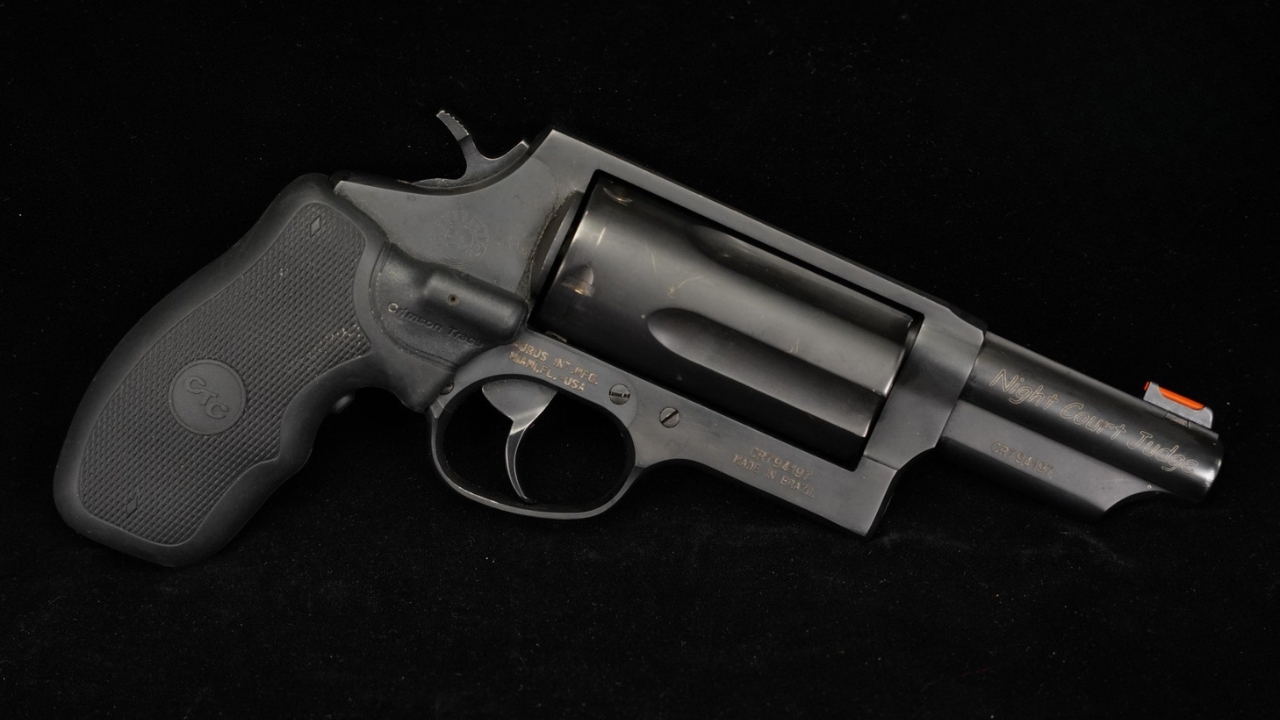
I’ve watched the Judge get bought with good intentions: snakes, barn work, “something for the truck.” Under pressure, the patterning and point of impact can be all over the place with shotshell loads, and the big frame makes it harder to carry than folks admit.
Then there’s the reality of recoil and follow-up shots. It’s not a magical solution, and when you’re trying to make quick, accountable hits, it’s often not the easy button people expect.
5. Taurus PT111 G2 / G2C
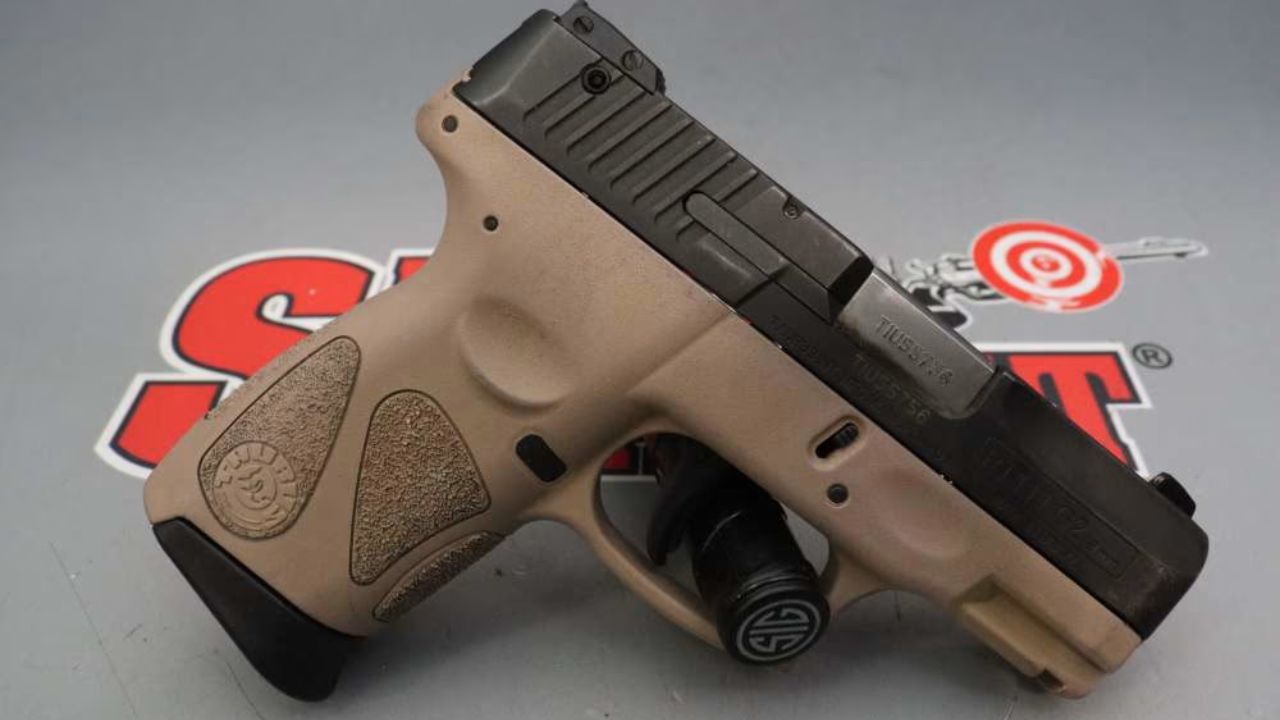
A cheap 9mm that runs is a beautiful thing. The problem is inconsistency. I’ve seen some G2s chug along fine, and I’ve seen others get weird with feeding, trigger feel, and general tolerance stacking once they got hot and dirty.
When someone asks me what to carry as their first pistol, I’m thinking about repetition and trust. If your confidence is always one range trip away from wobbling, you don’t practice the same.
6. SCCY CPX-2
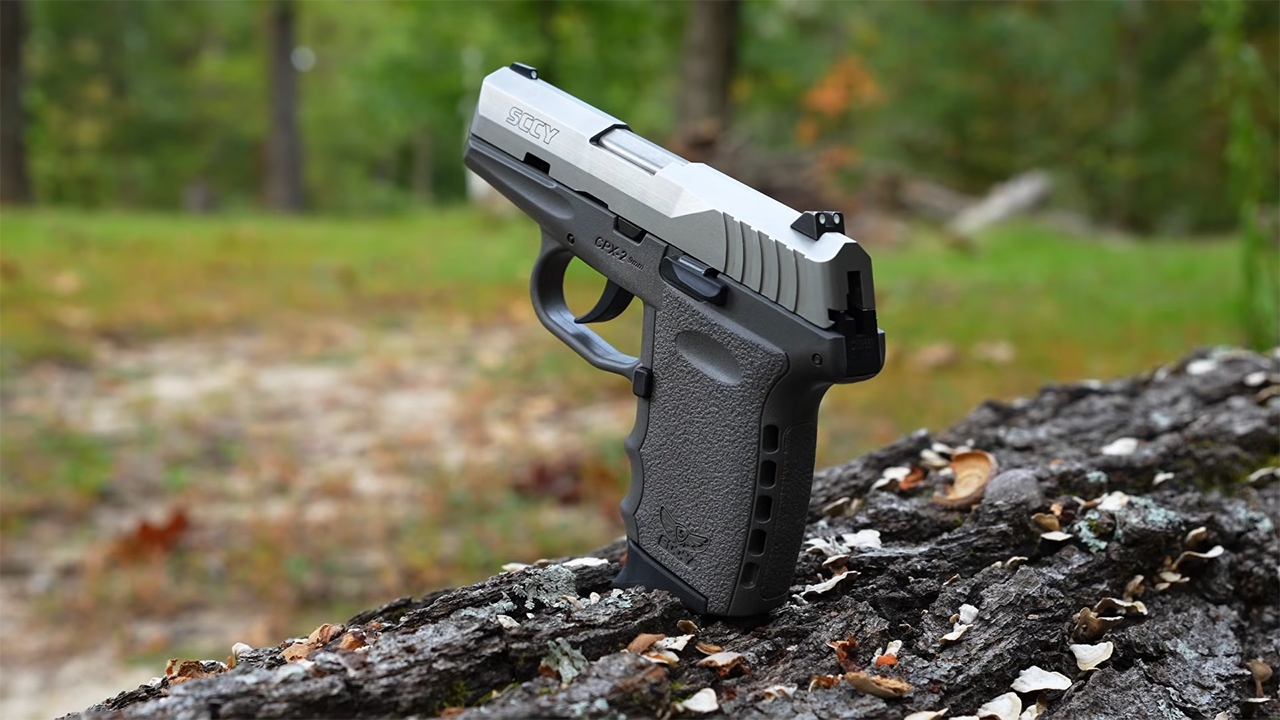
The CPX-2 is one of those pistols that makes sense at the counter: small, light, affordable. Under pressure, the long heavy trigger and snappy recoil show up fast, especially for new shooters. I’ve seen folks yank rounds low left all day and think they “can’t shoot.”
And when you start running drills at speed, little issues—magazine quirks, grip discomfort, sluggish resets—start stealing time and attention. A carry gun should simplify your world, not complicate it.
7. SIG Sauer P365 (early-production guns)
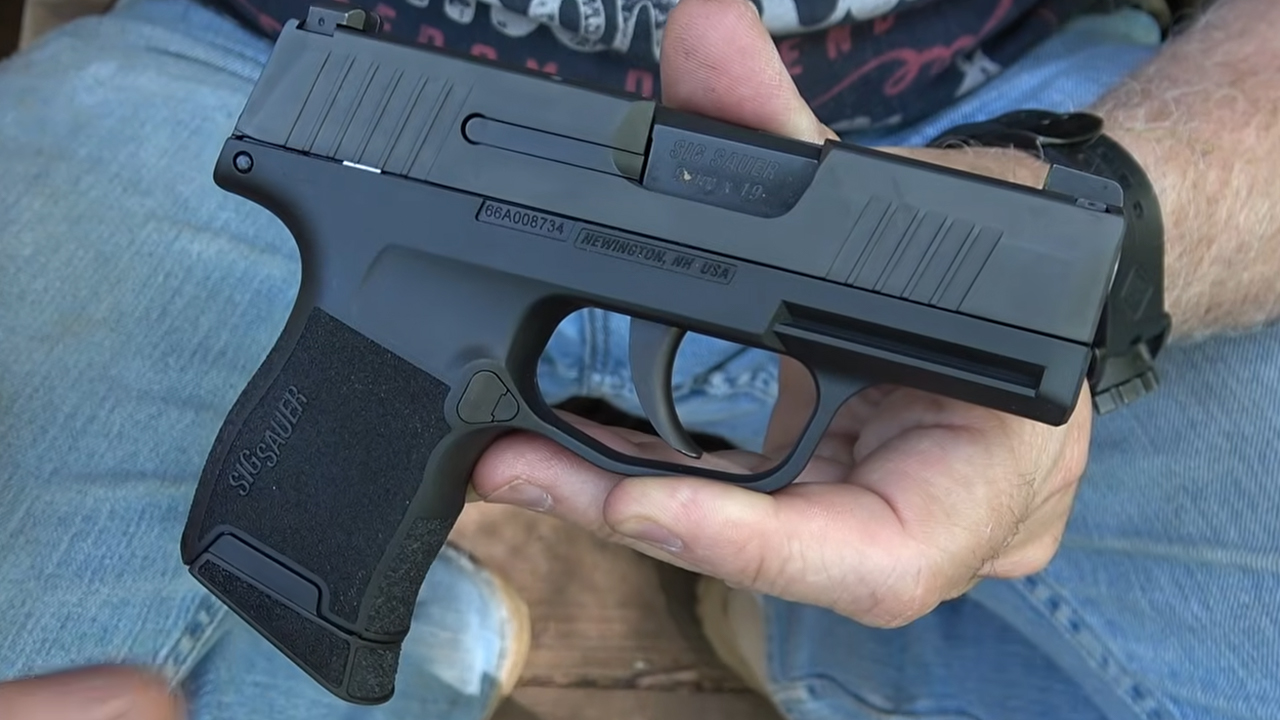
I’m not here to say the P365 as a concept is bad. The later guns have proven a lot. But those early examples gave plenty of folks a bumpy ride, and I saw enough teething issues that I quit recommending them until the dust settled.
Small guns are already harder to shoot well. Add uncertainty about parts wear or reliability, and now you’ve got a carry pistol that lives in the back of your mind. That’s a bad place to be when you need to focus on training and habits.
8. Kimber Ultra Carry II

Short 1911s have a way of humbling people. They carry nice, they look sharp, and then you start pushing round counts or running them fast and you find out how finicky the compact format can be. I’ve watched enough “it runs great with this one mag and this one ammo” stories to back away.
When you’re sweaty, tired, and shooting from awkward positions, you don’t want a pistol that demands perfect conditions. Full-size 1911s can be wonderful. The tiny ones are more of a gamble.
9. Springfield Armory XD-S (especially .45 ACP)
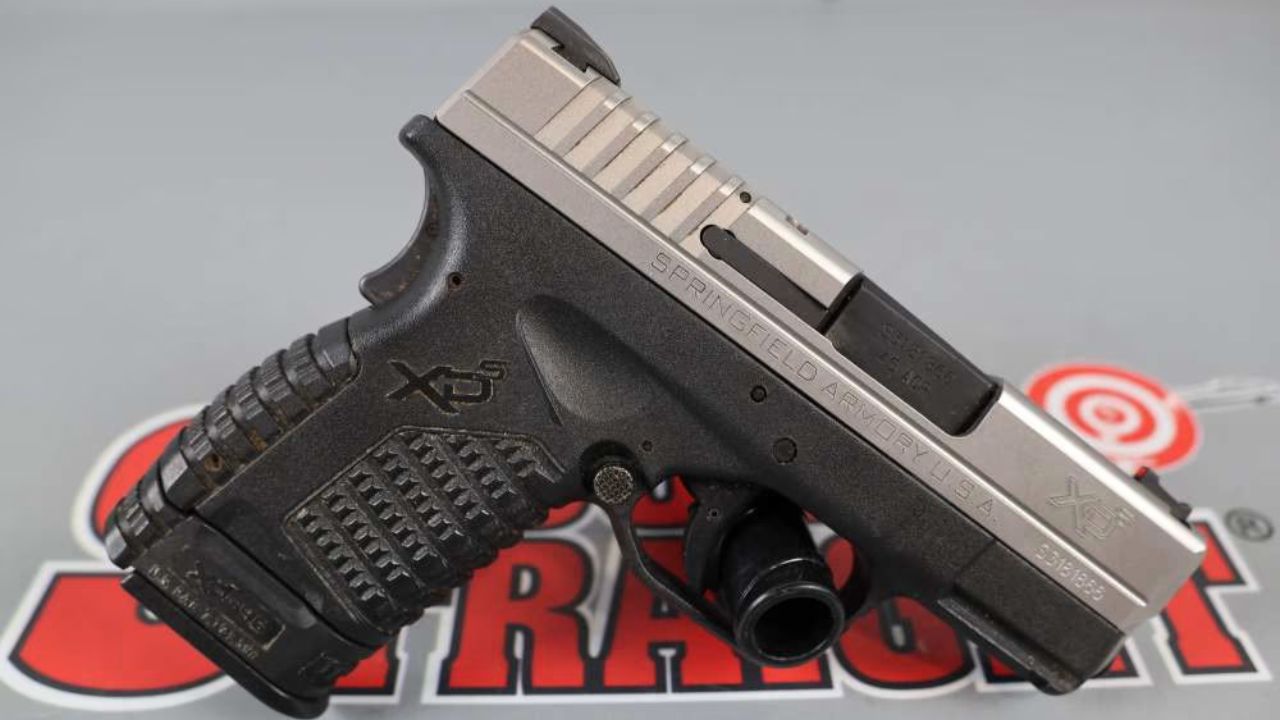
The XD-S is slim and easy to conceal, and that’s what sells it. Under pressure, the recoil impulse in the bigger calibers can get sporty, and the grip can beat up your hand over longer practice sessions. That matters because practice is the whole deal with small pistols.
I’ve also seen shooters struggle with consistent grip and control on fast strings. If you only shoot it twice a year, you’ll never notice. If you train with it, you will.
10. Kel-Tec PF-9

This is one of those guns that taught a lot of folks what “lightweight” really costs. It carries easy, sure. But under pressure, it’s a handful. The recoil is sharp, the trigger isn’t friendly, and the sights can feel more like a suggestion than a tool.
When you’re trying to make quick, accountable hits, you want a pistol that helps you, not one you have to wrestle. There are better options now that don’t punish you for carrying.
11. Kel-Tec P-32

I’ve got a soft spot for little pocket guns, but the P-32 is one I’m careful about recommending. Under pressure, tiny guns magnify everything: grip, limp-wristing, bad ammo, weak mags. I’ve watched malfunctions show up when a shooter’s grip got sloppy in a hurry.
As a “better than nothing” gun, sure. As a primary carry choice for someone who can realistically carry something bigger, I steer them elsewhere.
12. Ruger LCP (first generation)

The original LCP saved a lot of people from leaving a gun at home. It’s also caused plenty of frustration on the range. Under stress, the tiny sights and long pull make it easy to miss fast. I’ve watched folks do fine slow-fire and then fall apart the moment we added movement or time.
The later versions improved things, but the takeaway remains: a micro pistol that’s miserable to shoot becomes a pistol you don’t train with. Ask me how I know.
13. North American Arms Mini Revolver (.22 LR)
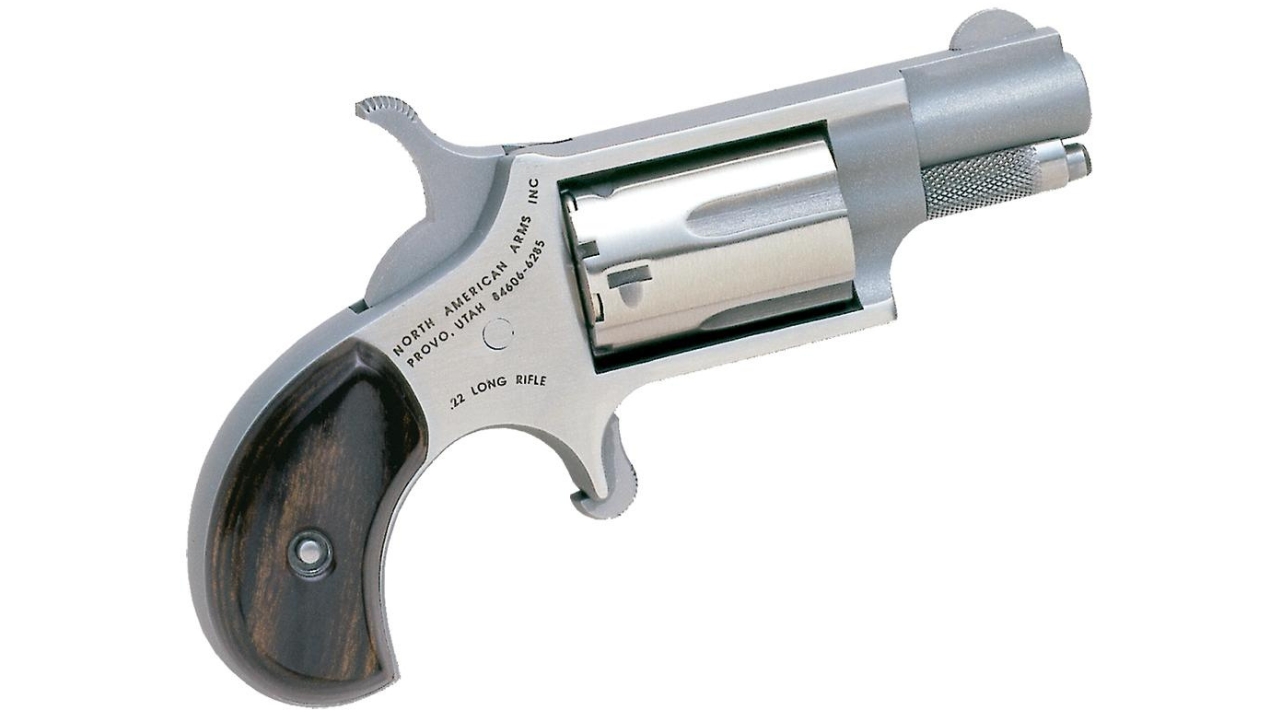
These are neat. They’re also extremely hard to run well when you’re keyed up. Under pressure, the tiny grip and single-action operation slow everything down, and reloading is basically a “later” problem, not a “now” problem.
If someone wants one as a deep concealment last-ditch tool, fine. If they’re asking me for a serious defensive recommendation, I’m not pointing them there.
14. Hi-Point C9
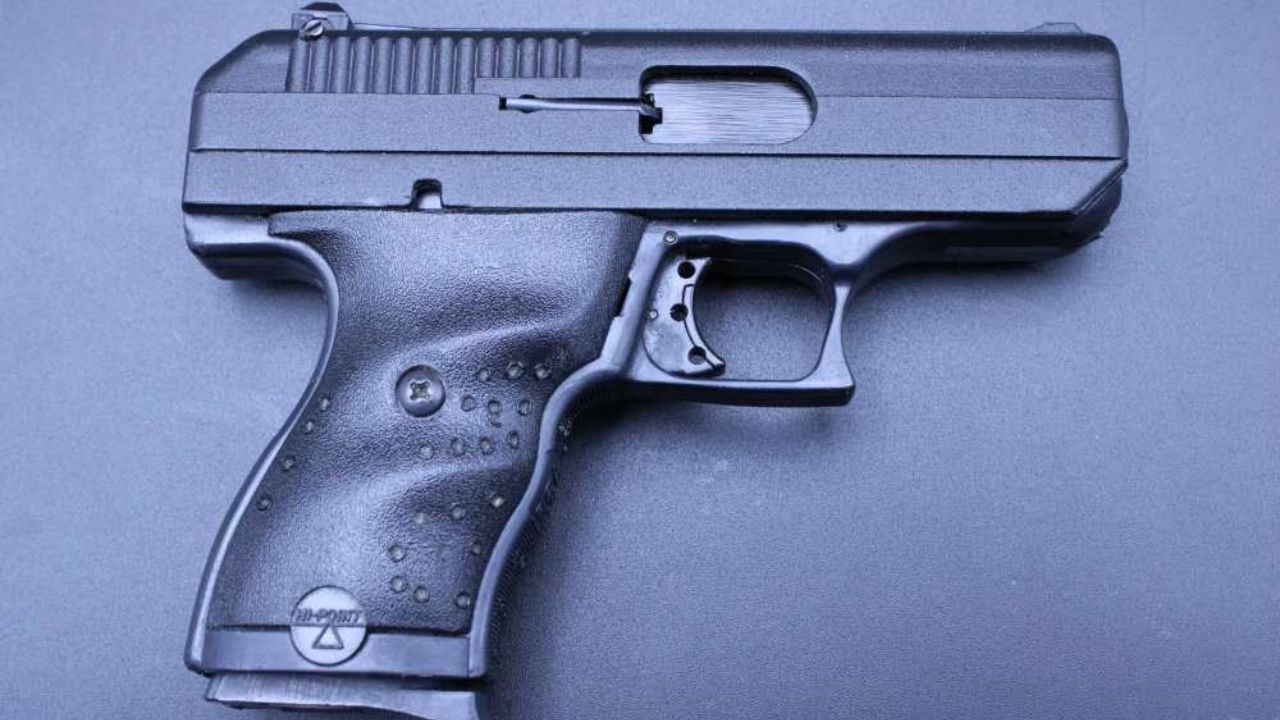
I’ve seen Hi-Points that just keep chugging, and I respect that. But I’ve also watched the bulk, weight, and awkward ergonomics turn into a real issue when people try to use them in classes or under time. They point funny for a lot of shooters, and that slows down hits.
Magazines and controls aren’t what I’d call refined, and when you’re under pressure you don’t rise to the occasion—you fall to your habits. A gun that fights your habits is a problem.
15. Smith & Wesson M&P Shield EZ (9mm and .380)
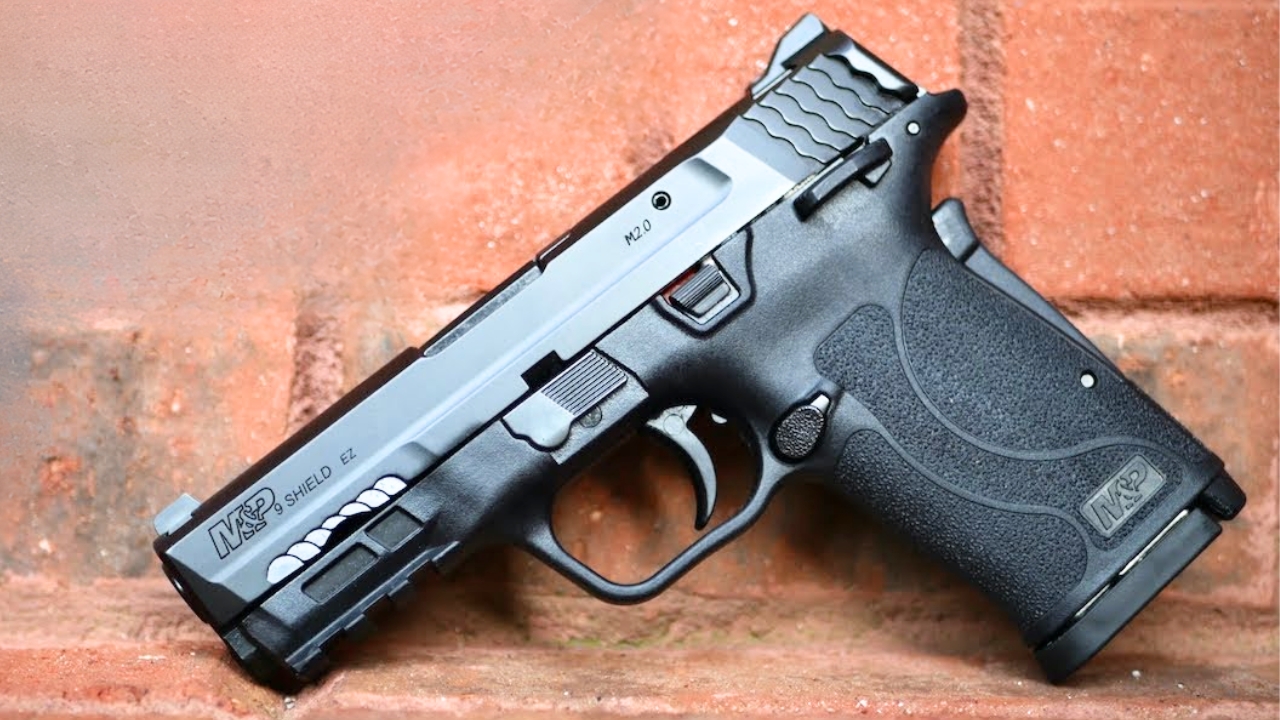
This one might surprise some folks because it’s a good idea: easy-rack slide, easy loading, friendly to newer shooters. The reason I’m cautious is I’ve seen how often people buy it, shoot it a little, and then treat it like a “safe queen” carry gun without putting in real reps.
Under pressure, the lighter controls and overall “soft” feel can encourage sloppy manipulation. It’s not that the gun can’t work—it can. It’s that it sometimes gets bought by folks who need the most training, and the platform can make them think they don’t.
16. Mossberg 590 Shockwave
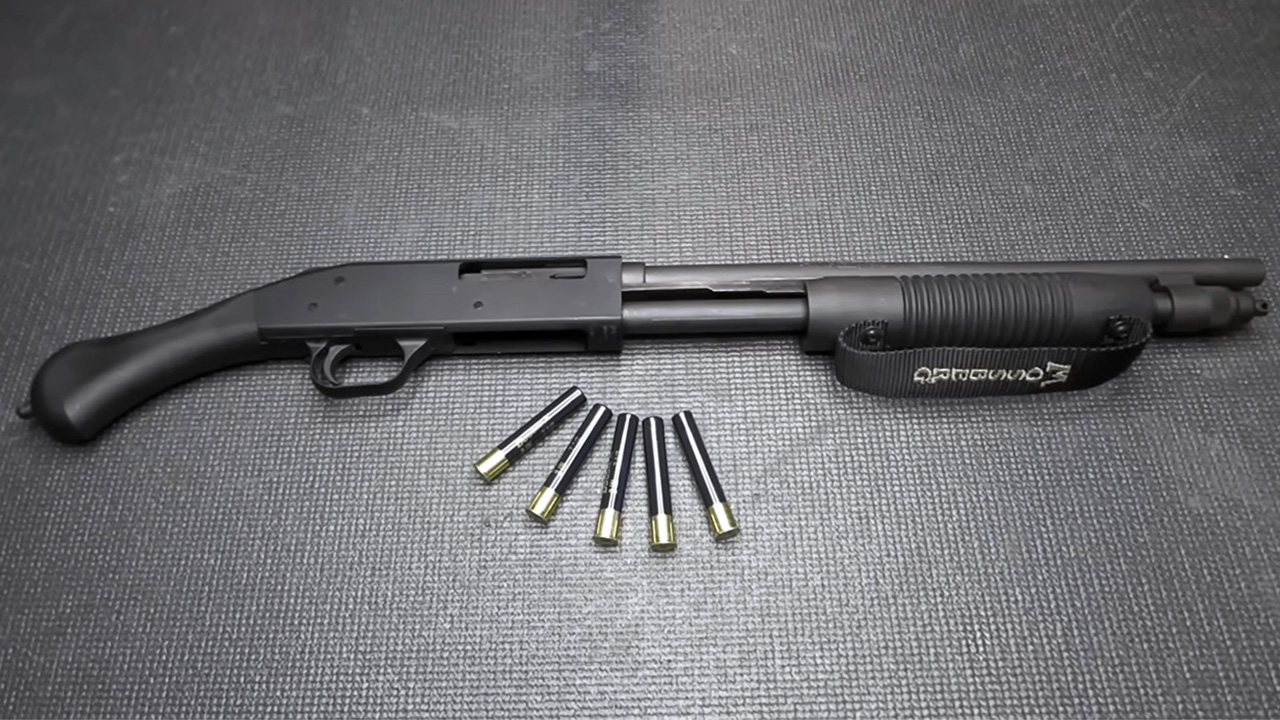
The Shockwave is a blast on the range. It’s also one of the most overestimated home-defense tools I’ve ever watched in real drills. Under pressure, without a stock, recoil management and aiming get ugly fast, especially for smaller shooters or anyone who hasn’t trained.
Yes, it can be run well. But most folks don’t. In a real house, you need a setup that helps you put pellets where they must go, not where they might go.
17. Remington 870 Express (late-production rough-chamber guns)

There was a time when “get an 870” was almost automatic advice. Some of the later Express guns, especially the ones with rough chambers, changed that for me. Under pressure with cheap shells, I’ve seen sticky extraction turn into a full-on wrestling match.
An 870 that’s smooth and properly set up is still a fine shotgun. But I quit recommending the bargain versions blindly. If you don’t know what you’re looking at, you can end up with a pump gun that doesn’t pump when it matters.
18. Savage Axis (factory stock and magazine quirks)

The Axis can shoot, no question. I’ve seen them stack bullets with the right load. Under pressure, the weak point is often the “everything else”: flimsy factory stocks that flex, magazines that can be fussy, and a general feel that doesn’t inspire fast, confident handling in the field.
If you’re willing to tinker and upgrade, you can make an Axis into a solid working rifle. For a new hunter buying one rifle to last a decade, I usually point them to something a little more robust out of the box.
19. Ruger Mini-14 (older thin-barrel models)

I like the Mini-14. I’ve carried them and enjoyed them. The older thin-barrel guns, though, can heat up and wander when you actually shoot them like a working rifle. Under pressure in a class or when a ranch gun gets used for more than two shots, the groups can open up in a hurry.
For a couple careful shots, they’re fine. For sustained shooting, you start wishing you had something that holds zero and holds groups with less drama.
20. DPMS Oracle (early budget AR builds)
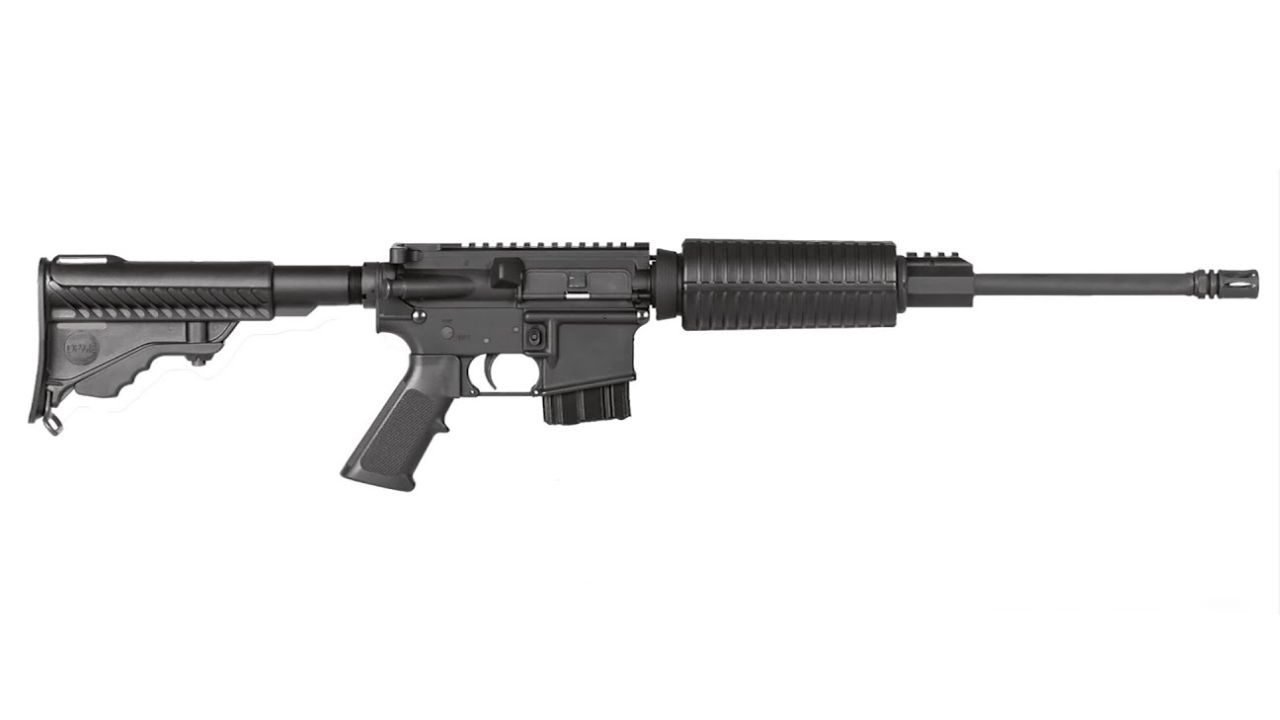
The Oracle is a classic “my first AR” choice, and some examples run fine. Under pressure—hard classes, high round counts, cheap ammo, and heat—I’ve seen enough loose gas key issues, extraction problems, and general parts-quality questions that I stopped recommending it as a default.
A rifle for defense or serious training needs to be boring in the best way. When you’re doing malfunction drills every other magazine, you’re not building skill—you’re babysitting equipment.
I’m not saying every one of these guns is junk, and I’m not telling you to panic-sell anything. What I am saying is this: when you pick a gun for hunting, carry, or home protection, you’re picking what you’ll have when your hands aren’t steady and your brain is running fast. Choose the gun that keeps doing its job even when you’re not doing yours perfectly.
Like The Avid Outdoorsman’s content? Subscribe to our newsletter so you never miss an article.
Here’s more from us: