Photo credit: CW Longshot/YouTube
Some cartridges are classics for a reason. Others are mostly still around because people already own them, inherited them, or like the story behind them. That does not always make them smart choices for a hunting pack today. When better, cleaner, more available, and more ethical options exist, nostalgia starts looking like a weak excuse.
A hunting cartridge should give you enough power, penetration, accuracy, and confidence for the animal you are chasing. It should also be realistic to feed, easy enough to find, and suited to the rifle or handgun you are carrying. These calibers may still have fans, but for most hunters, they are better left out of the pack.
.22 Long Rifle

The .22 Long Rifle is one of the greatest small-game cartridges ever made, but it should not be treated like a general hunting-pack answer. It belongs in squirrel woods, rabbit cover, trapline work, and camp plinking. It does not belong anywhere near deer-sized game or situations where deep penetration matters.
The problem is that .22 LR gives almost no margin when the animal gets bigger than small game. It is low-powered, easily deflected, and limited by light bullets that lose energy fast. A hunter carrying it for serious field use is leaning too hard on perfect shot placement and not enough on responsible cartridge choice. Keep it for small game. Do not pretend it covers more than that.
.17 HMR
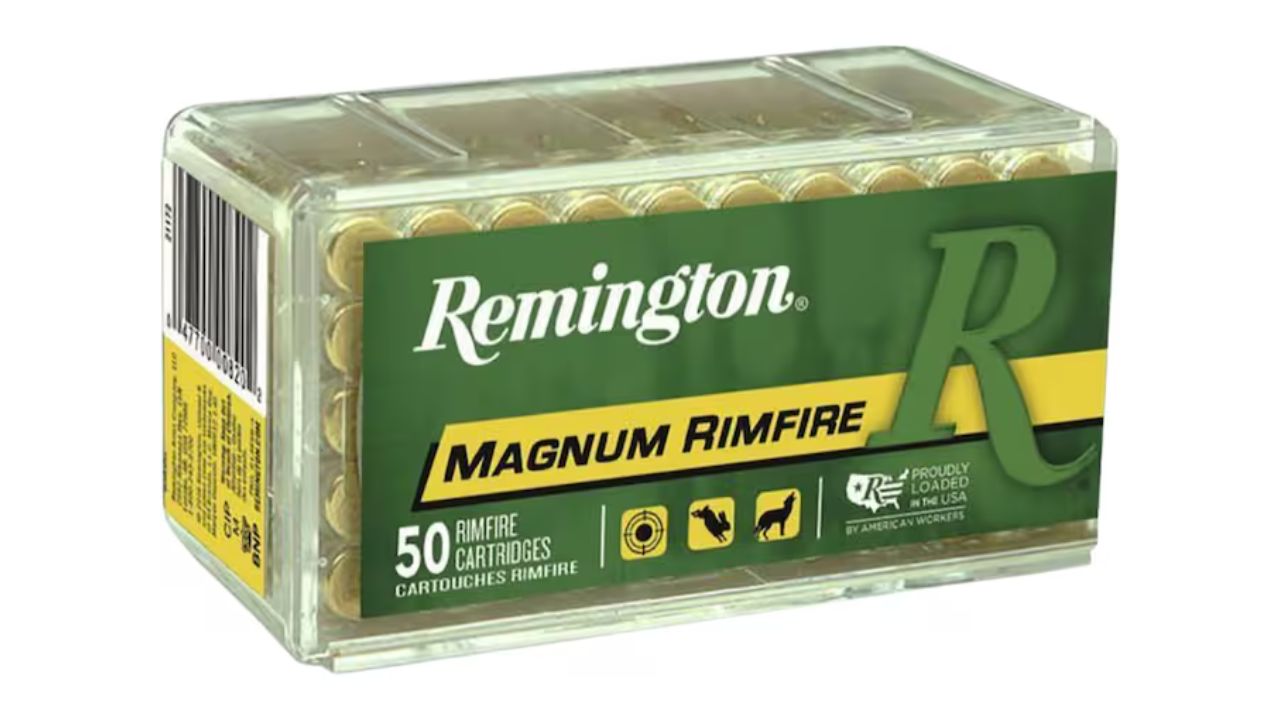
The .17 HMR is accurate, fast, and excellent for small varmints, but it is far too specialized to be treated like a serious hunting-pack caliber. It shines on prairie dogs, squirrels, rabbits, and small pests where explosive performance is exactly what you want. That same performance becomes a weakness when penetration is needed.
The tiny bullet loses authority quickly on anything larger or tougher. Wind also pushes it around more than many hunters expect once the range stretches. It is a great cartridge inside its lane, but its lane is narrow. If the goal is a pack gun that can handle unpredictable field opportunities, .17 HMR is too limited.
.22 Winchester Magnum Rimfire

The .22 WMR hits harder than .22 LR and has real use for small predators and varmints. That still does not make it a do-everything hunting cartridge. The magnum label has caused plenty of hunters to overestimate what it can do, especially on animals that require deeper penetration.
For foxes, raccoons, small hogs at very close range, or pests, it can make sense with careful shot placement. For deer-sized game, it is not enough in any responsible sense. A hunting pack should carry tools that leave room for less-than-perfect conditions. The .22 WMR does not offer that once the animal gets too big.
.25 ACP
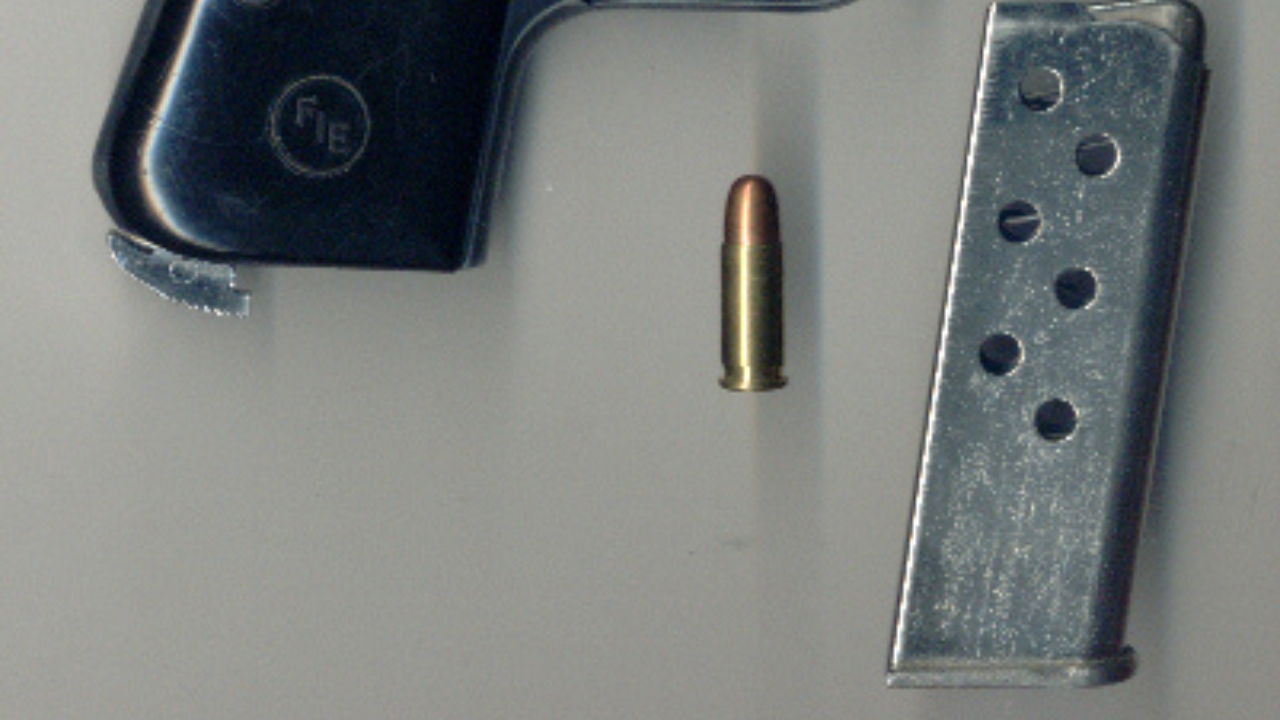
The .25 ACP should not be in any hunting pack unless the goal is simply to carry an antique pocket pistol for curiosity. It is a tiny defensive cartridge from another era, and even in that role it is heavily compromised. As a hunting cartridge, it has almost no useful argument.
It lacks bullet weight, velocity, energy, and penetration for meaningful field work. It is not a small-game cartridge in any serious way, and it is not a backup round for animals. There are too many better options in .22 LR, .22 WMR, .380 ACP, 9mm, or real revolver cartridges. The .25 ACP is interesting historically, but it does not belong in a hunting pack anymore.
.32 ACP

The .32 ACP can be pleasant in small pistols, and some people like it for light recoil and old-school pocket-gun charm. That does not make it a hunting or field cartridge. It was built around close-range defensive use in compact pistols, not penetration through animals.
For a hunter, .32 ACP offers very little. It is too weak for big problems and not especially practical for small game compared with a rimfire pistol or rifle. Ammunition can also be more expensive than its usefulness justifies. If a pack gun is supposed to solve real outdoor problems, .32 ACP is mostly dead weight.
.380 ACP
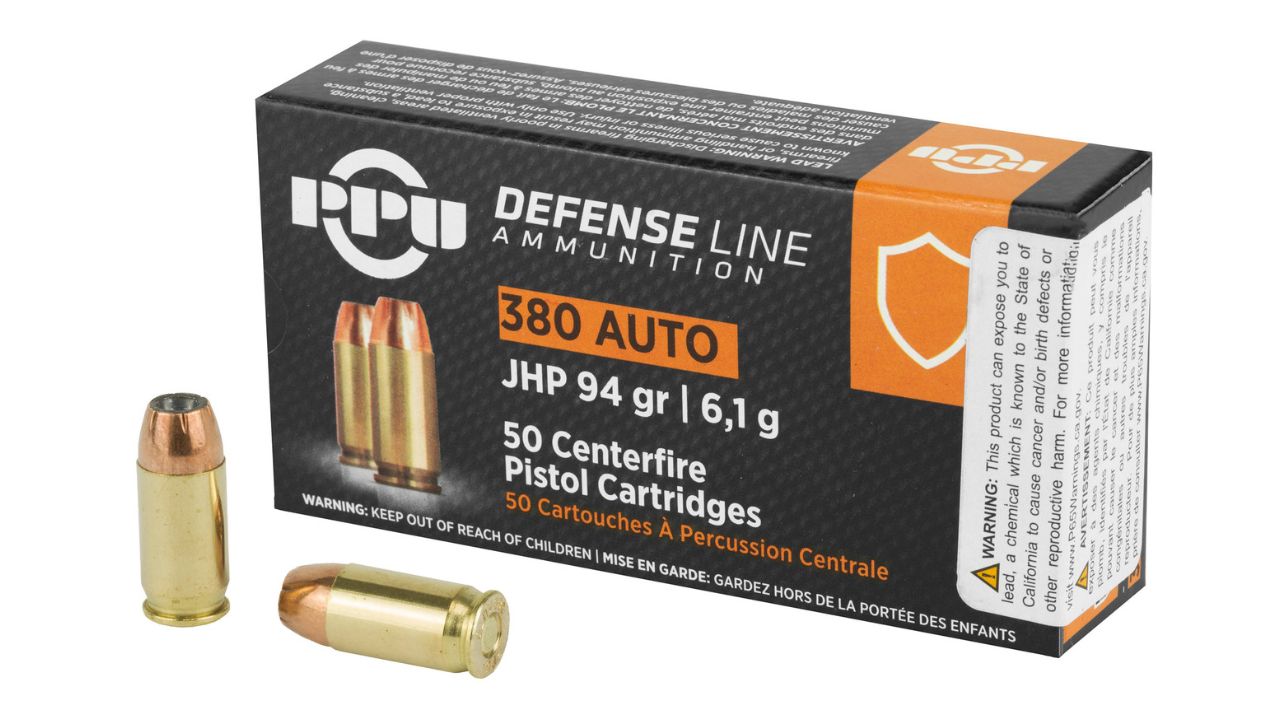
The .380 ACP is popular for concealed carry because it fits into small pistols and is easier to shoot than some tiny 9mm options. That has nothing to do with hunting performance. It is still a modest defensive handgun cartridge that gives up too much penetration and power for serious field use.
A hunter carrying .380 ACP as a backup in the woods is accepting major limits. It is not a good choice for dispatching larger animals, defending against aggressive wildlife, or taking small game cleanly at practical distances. It may be better than nothing, but “better than nothing” is not a strong reason to put it in a hunting pack.
.410 bore handgun loads
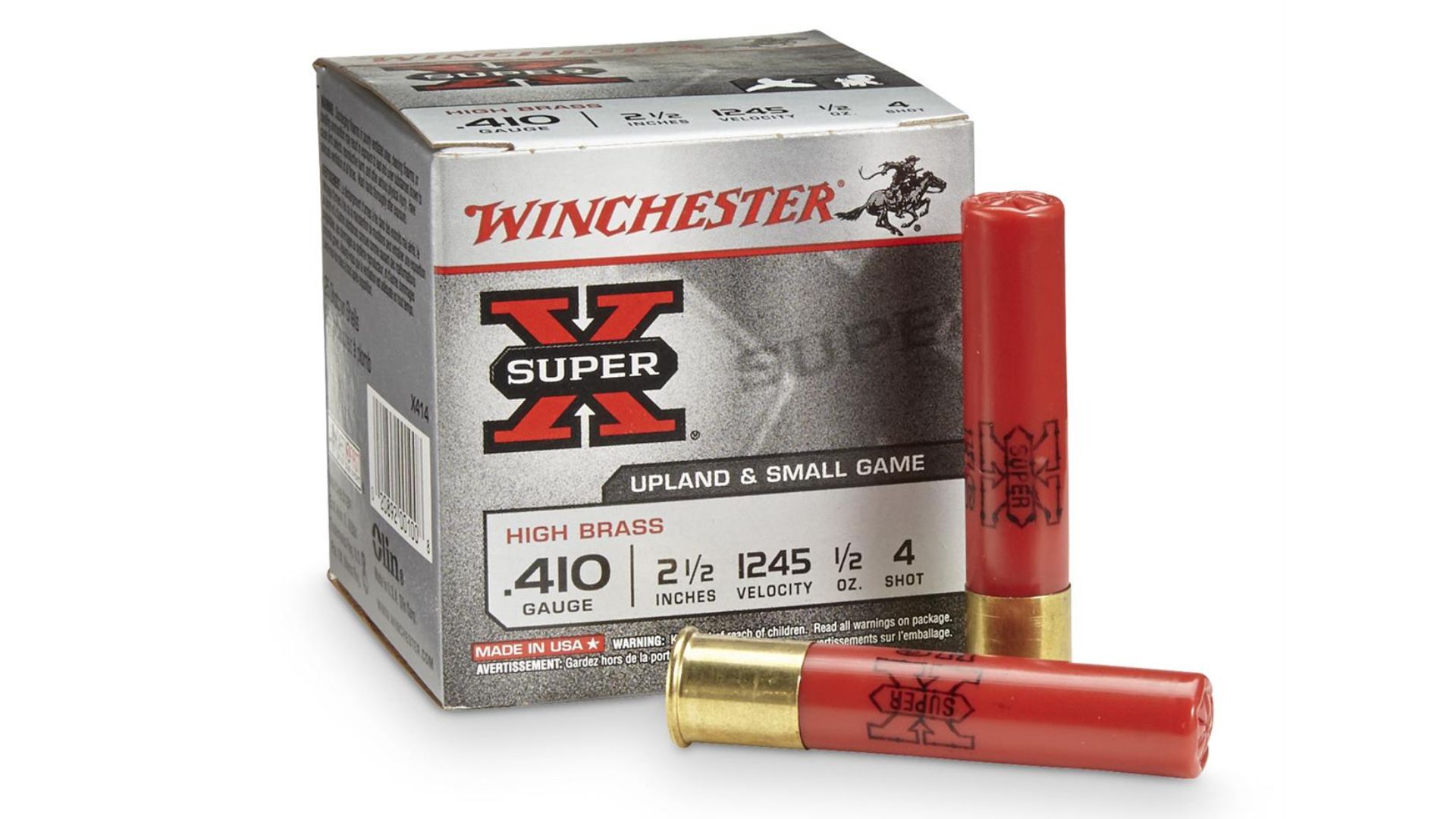
The .410 bore can be useful from a proper shotgun, especially for rabbits, squirrels, snakes, and close-range pest work. The problem is .410 loads fired from handgun-length barrels. Too many people imagine they are carrying a pocket shotgun when they are really carrying a short-barreled compromise.
From handguns, .410 patterns can spread unpredictably, penetration can be poor, and pellet count is limited. Buckshot loads may look impressive in marketing, but they are not magic. A hunting pack should not rely on gimmicky performance when a real shotgun, rimfire rifle, or proper handgun cartridge does the job better.
.38 Special target loads
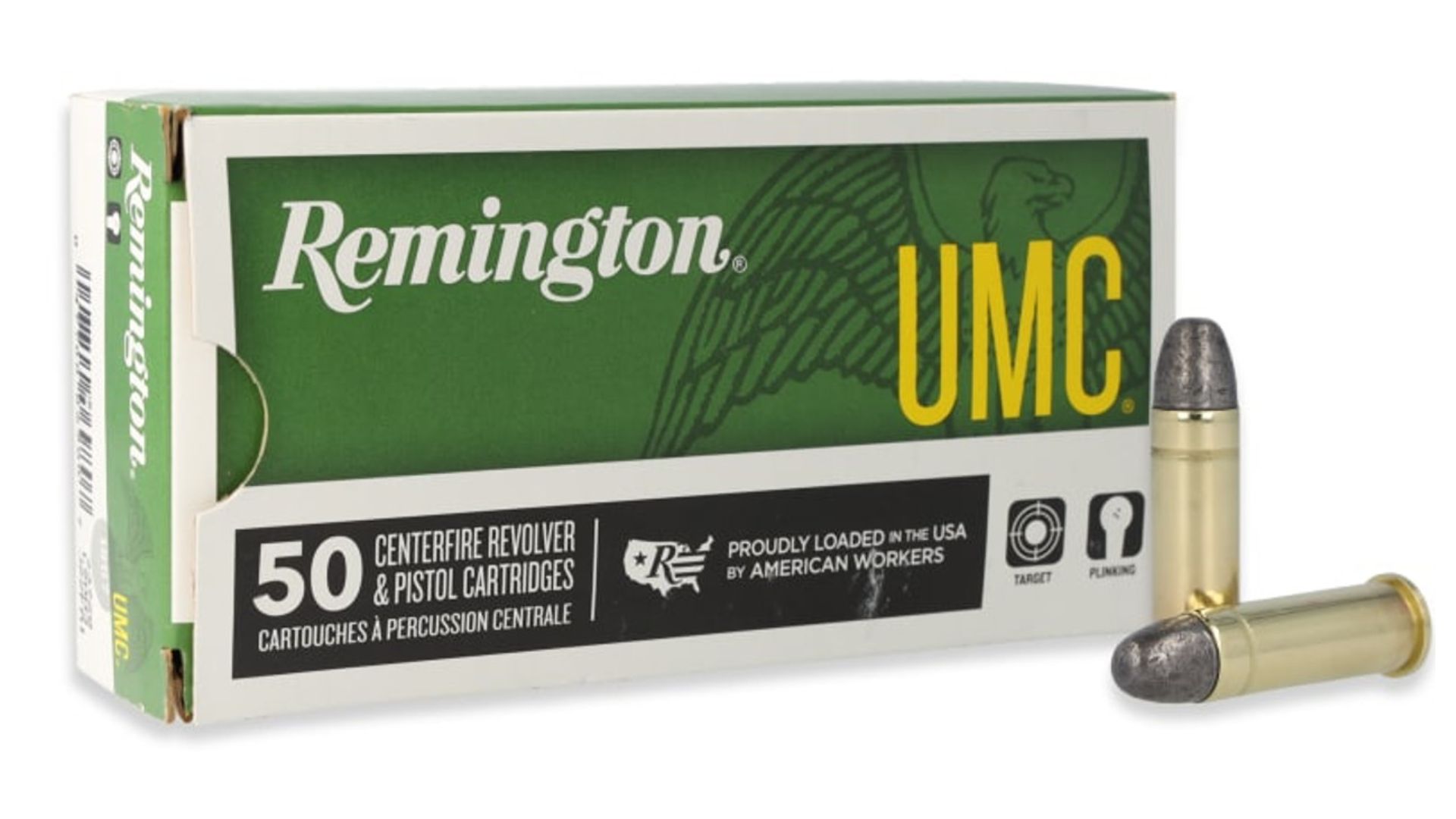
The .38 Special is not a bad cartridge, but light target loads do not belong in a hunting pack as field ammunition. Mild wadcutters and soft practice rounds are great for paper, steel, and low-recoil practice. They are not built for deep penetration or decisive performance on animals.
A proper .38 Special hard-cast or defensive load is a different conversation. The weak target stuff is the problem. If a hunter is carrying a revolver in the field, the ammunition should match the role. Loading soft target rounds because they are comfortable is a bad trade when penetration and authority matter.
.32 H&R Magnum

The .32 H&R Magnum is useful, mild, and enjoyable, but it is hard to justify as a serious hunting-pack cartridge today. It sits in an awkward place. It is better than tiny pocket calibers, but it is clearly behind .327 Federal Magnum, .38 Special +P, .357 Magnum, and common 9mm loads in broader utility.
For small game and light field use, it can work. The issue is that better options exist with more power, more ammunition availability, and more practical flexibility. If a hunter already loves .32 H&R, that is one thing. But choosing it today for a hunting pack means accepting limits that are easy to avoid.
.25-20 Winchester

The .25-20 Winchester has charm, history, and a place in old lever-action discussions. It was once useful for small game, pests, and light farm work. But in the modern hunting pack, it is too niche and too limited to make much sense for most people.
Ammunition availability is a major issue, and performance is modest. It does not offer the easy practicality of .22 Magnum or .223 Remington, and it does not bring the authority of common deer cartridges. Unless someone is deliberately hunting with a vintage rifle for the experience, .25-20 is more nostalgia than smart pack choice.
.32-20 Winchester

The .32-20 Winchester is another old cartridge that has historical appeal but limited modern usefulness. It can be fun in old rifles and revolvers, and it once made sense for small game and light utility use. Today, it is mostly a cartridge for people who enjoy old guns for their own sake.
For a hunting pack, the .32-20 is held back by ammunition cost, availability, and modest performance. It does not hit hard enough to justify carrying it for larger game, and it is less convenient than modern small-game or varmint cartridges. It belongs in a vintage-gun range day, not as a practical modern hunting choice.
.25-35 Winchester
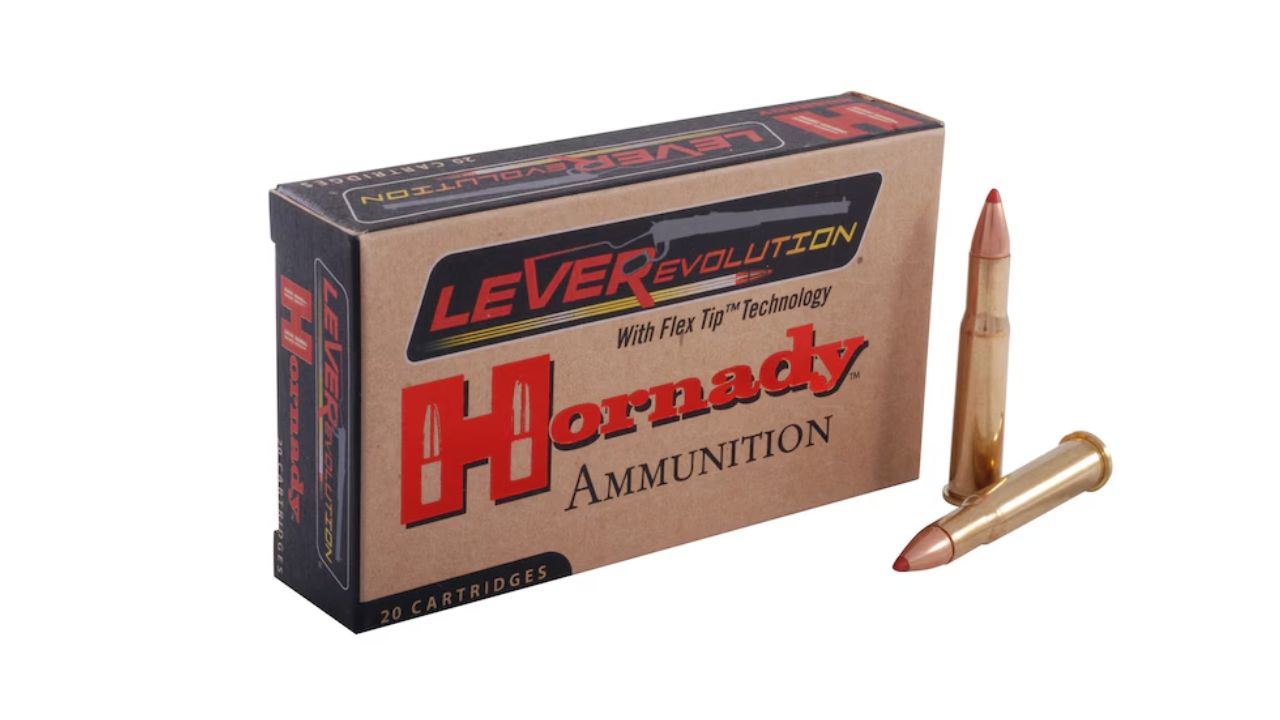
The .25-35 Winchester is not useless, but it is hard to argue for it today outside of nostalgia or specialized use. It has taken plenty of deer over the years, especially with careful shots at modest ranges. Still, modern hunters have far better choices that offer more energy, flatter trajectories, and better ammunition support.
The biggest problem is margin. The .25-35 can work when everything lines up, but it does not give hunters much room for bad angles, longer shots, or larger-bodied deer. When .30-30 Winchester, .243 Winchester, 7mm-08 Remington, and .308 Winchester exist, carrying .25-35 as a serious pack rifle feels more sentimental than sensible.
.30 Carbine

The .30 Carbine is fun, light, and historically important, especially in the M1 Carbine. It is easy to shoot and useful for range work or light defensive roles. But as a hunting-pack cartridge, it falls into an awkward middle ground that does not hold up well against modern alternatives.
It is stronger than pistol rounds but weaker than proper deer cartridges. Bullet selection is limited, and terminal performance is not ideal for big-game hunting. For small game, it is more gun than necessary. For deer, it is not enough for most hunters to feel confident. That leaves it mostly as a fun historical cartridge rather than a smart hunting-pack choice.
.223 Remington with varmint bullets
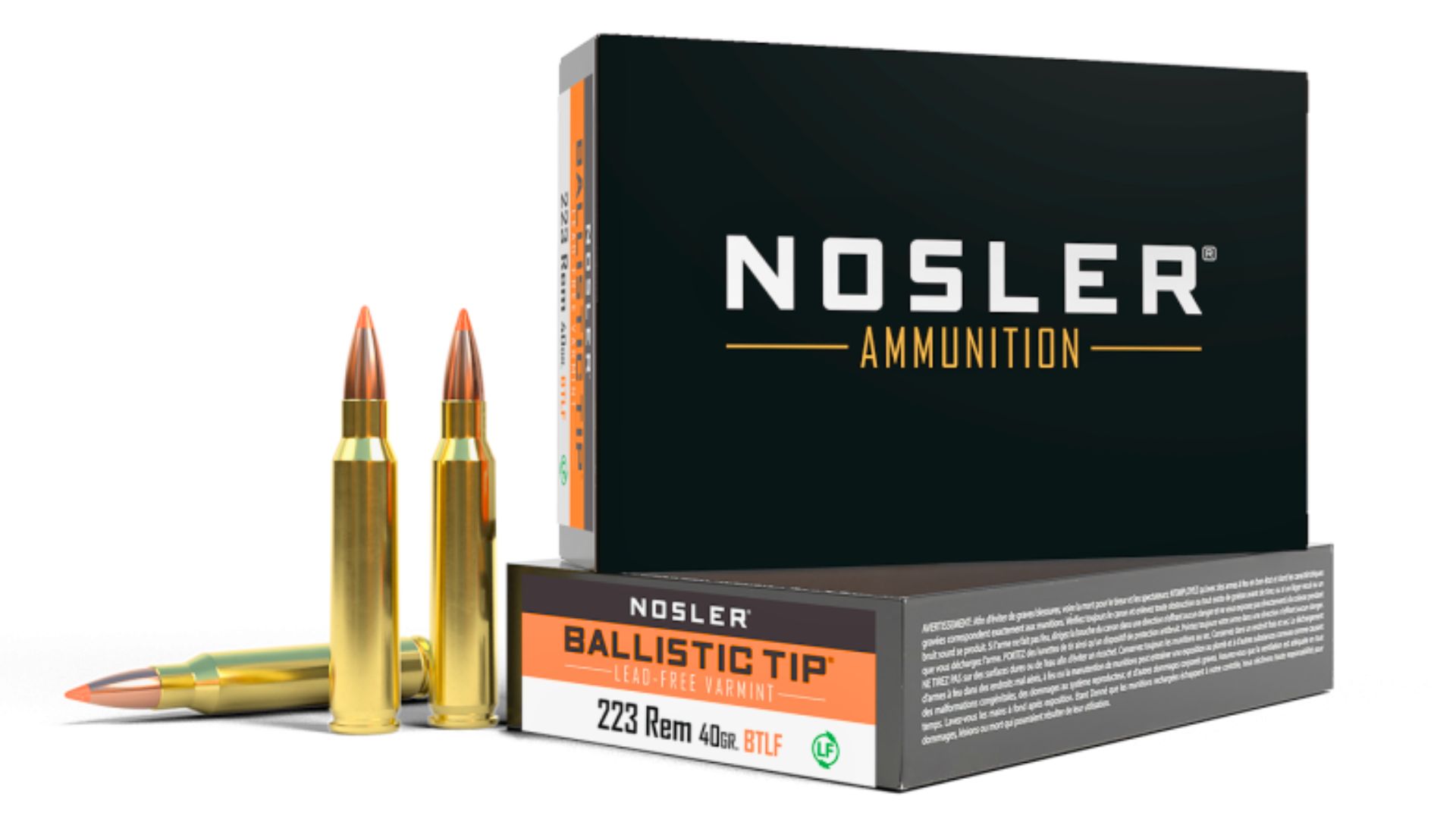
The .223 Remington itself can be useful in a hunting pack when matched to the right job and legal game. It is excellent for coyotes, prairie dogs, and other varmints. With proper bullets, some hunters use it on deer where allowed. The problem is carrying lightweight varmint loads and pretending they are general-purpose hunting ammunition.
Varmint bullets are built to expand rapidly, not drive deep through deer shoulders or tough angles. They may explode too early and fail to reach the vitals. If .223 is in the pack, it needs to be loaded for the job. Lightweight varmint ammunition should not be trusted as an all-around hunting solution.
.22-250 Remington with varmint bullets

The .22-250 Remington is a fantastic varmint cartridge, but it is not a free pass for bigger game. Its speed is impressive, and on coyotes or prairie dogs it can be devastating. But when loaded with light varmint bullets, that same speed can work against penetration.
For deer-sized animals, the wrong .22-250 load can come apart too soon and fail to reach the vitals reliably. Some hunters use tougher bullets where legal, but that requires careful load selection and discipline. As a general hunting-pack caliber, especially with common varmint loads, it is too easy to misuse.
.243 Winchester with light varmint loads

The .243 Winchester is a legitimate deer cartridge with proper bullets, so it should not be written off completely. The problem is light varmint loads. Many hunters own .243 rifles for dual use, and that can create confusion about what the cartridge is doing with different ammunition.
A fast, light varmint bullet may be great for coyotes but a poor choice for deer. It can expand too violently, fragment, and fail to penetrate from less-than-perfect angles. If a .243 is going in a hunting pack, it should be loaded with real hunting bullets. The varmint loads should stay out when big game is on the menu.
.30-30 Winchester past its real range
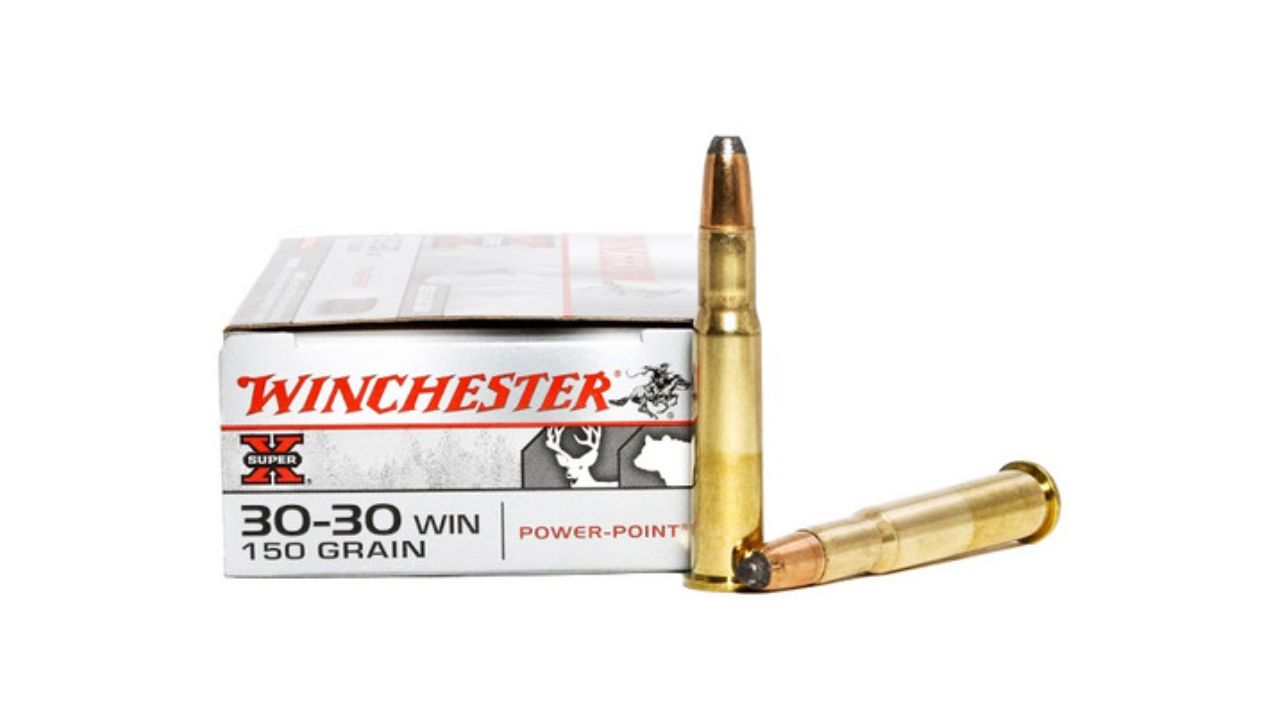
The .30-30 Winchester absolutely belongs in deer camps, but it does not belong in a hunting pack if the hunter expects it to act like a modern long-range round. Inside its practical window, it is one of the best woods cartridges ever made. Beyond that, it loses velocity and energy quickly.
This is not a knock on the .30-30. It is a warning against using it wrong. If the hunt involves open fields, long powerline shots, or western country, there are better options. A .30-30 in the wrong country can become a liability because it tempts hunters to stretch a cartridge that was never built for that job.
.300 Blackout subsonic loads
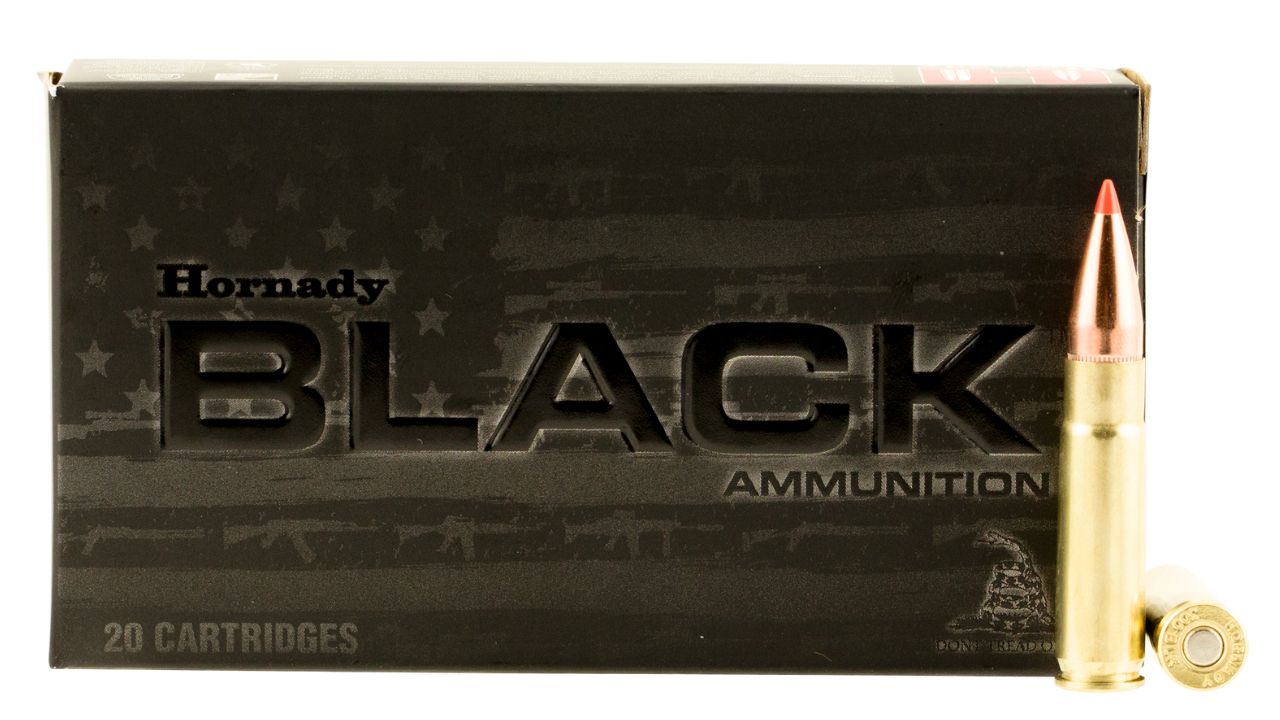
The .300 Blackout is useful, but subsonic hunting loads are often misunderstood. A heavy .30-caliber bullet moving slowly does not behave like a normal rifle round. Without carefully designed expanding bullets and close-range discipline, it can fail to deliver the terminal performance hunters expect.
Supersonic .300 Blackout loads can make sense for hogs, deer at modest ranges, and compact rifles. Subsonic loads are much more limited. If a hunter packs them just because they are quiet, that is a problem. Quiet does not matter if the bullet does not expand or penetrate effectively enough to make a clean kill.
6mm Creedmoor with match bullets

The 6mm Creedmoor is accurate and capable, but match bullets do not automatically belong in a hunting pack. This is where target shooting habits can bleed into hunting in a bad way. A bullet that prints tiny groups may not be designed to expand and penetrate reliably on game.
Some match-style bullets can work under certain conditions, but that does not make them the best choice. Hunting bullets exist for a reason. If the cartridge is being used on deer, antelope, or predators, the bullet should be built for terminal performance. A pack full of match ammo is asking accuracy to solve a job that bullet construction should handle.
.357 Magnum snub-nose loads

The .357 Magnum is a strong field cartridge from the right gun, but snub-nose revolver loads do not belong in a hunting pack as a serious animal-stopping choice. Short barrels rob velocity, increase blast, and reduce the advantage that made the magnum name matter in the first place.
A longer-barreled .357 with hard-cast or hunting loads can be useful for field carry. A snub loaded with light defensive hollow points is a different tool entirely. It may be fine for close-range personal defense, but it is not the same as carrying a proper woods revolver. Hunters should not confuse the headstamp with real field performance.
10mm Auto light defensive hollow points
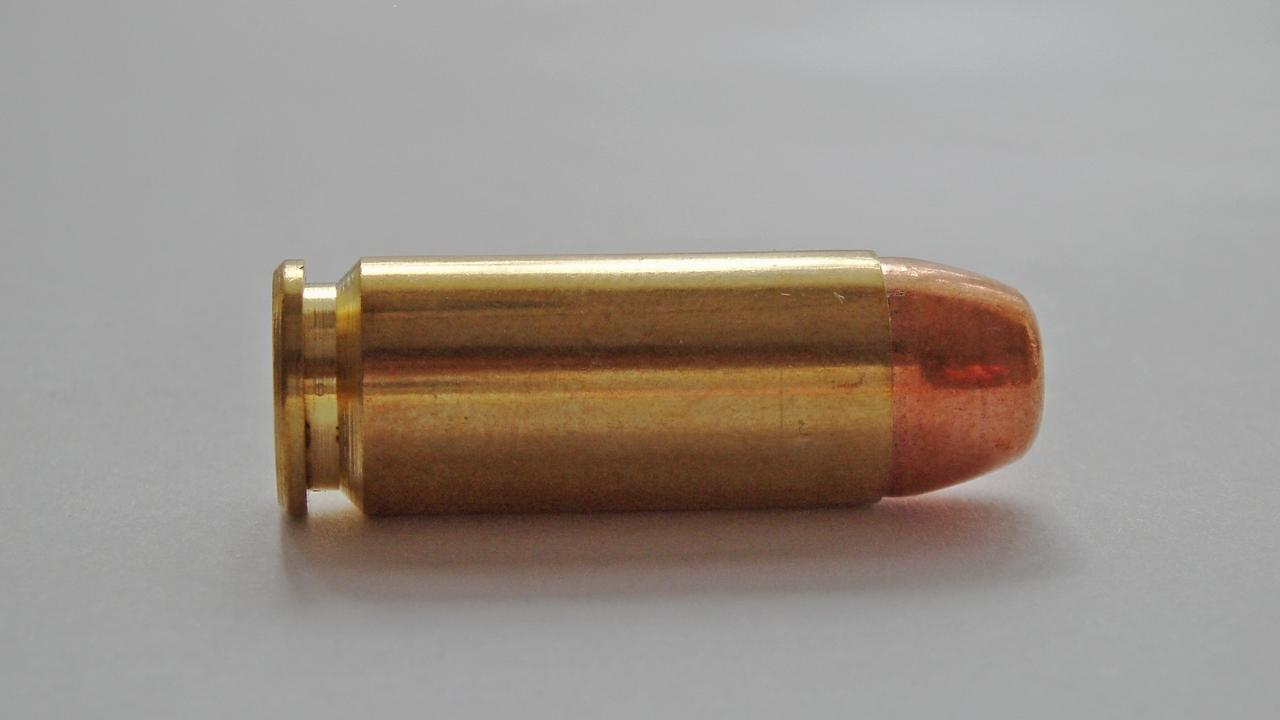
The 10mm Auto can absolutely belong in a hunting pack when loaded correctly. Hard-cast, bonded, or deep-penetrating loads can make it a serious woods cartridge. The problem is light defensive hollow points that are designed for two-legged threats, not bone, hide, and deep animal vitals.
Those loads may expand too quickly and fail to drive as deep as hunters expect. That is especially risky around hogs, black bear, or steep shot angles. If 10mm is going into a hunting pack, the ammunition needs to match the outdoor role. Carrying soft defensive loads just because the cartridge says 10mm is a mistake.
.45 Colt cowboy loads

The .45 Colt has a wide performance range, and that is exactly why it gets misused. In strong revolvers or rifles with proper loads, it can be a serious hunting cartridge. In mild cowboy-action loads, it is a low-recoil competition round built for steel targets and easy shooting.
Those cowboy loads should not be in a hunting pack for serious field use. They are too mild, too slow, and too limited for bigger animals. The .45 Colt can do real work, but only when loaded properly in guns built for stronger ammunition. The soft stuff belongs at the range, not in the woods when penetration matters.
.44 Magnum light hollow points

The .44 Magnum has plenty of power, but the wrong load can still make it a poor hunting-pack choice. Light hollow points may look impressive because they are fast and dramatic, but they can expand too quickly on larger animals. That can limit penetration exactly when the hunter needs it most.
For hunting, the .44 Magnum should be loaded with bullets designed to reach deep. Heavy soft points, hard-cast bullets, and controlled-expansion hunting loads make far more sense. A powerful caliber with the wrong bullet can still fail the job. That is why light defensive-style .44 Magnum loads should stay out of the hunting pack.
Like The Avid Outdoorsman’s content? Be sure to follow us.
Here’s more from us: