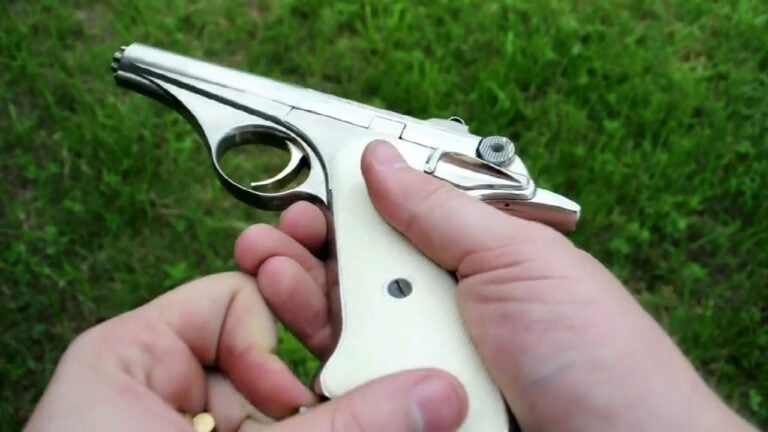
Photo credit: Martin Menšík/YouTube
Some guns build a reputation so big you expect noise to follow them forever. You expect constant bragging, endless range chatter, and some kind of loud, obvious presence every time their name comes up. But that is not always how it works. A lot of the firearms that built the deepest reputations did it through years of real use, not through nonstop attention. Once they proved themselves, they did not need to keep begging for validation.
That is what makes these guns interesting. They still carry serious weight, but the conversation around them often feels quieter than you would expect. Maybe the market moved on to flashier designs. Maybe newer shooters got distracted by whatever is trending now. Or maybe these guns simply became so established that they no longer need a sales pitch. Either way, these are the firearms that feel oddly quiet for the kind of name they built.
Winchester Model 70

The Winchester Model 70 still carries one of the strongest reputations in the hunting world, but the way people talk about it now often feels surprisingly restrained. You would think a rifle with that much history would still dominate every serious bolt-gun conversation, yet it often gets mentioned almost casually, like everybody already settled the argument years ago. That quietness says a lot. The rifle is so established that it no longer needs dramatic defense.
It also helps that the Model 70 built its name in real hunting camps, not in the kind of hype cycle that burns hot and disappears fast. Hunters trusted it in rough country, bad weather, and across generations. That kind of reputation ages differently. It does not always stay loud, but it stays heavy. The Model 70 feels quiet now mostly because its place has been secure for so long.
Glock 17

The Glock 17 should probably inspire louder conversation than it does. This is one of the most influential pistols of the modern era, and yet the talk around it has gotten oddly calm compared to the huge reputation it built. Maybe that is because Glock’s own lineup got crowded. Maybe it is because newer carry guns steal more attention. Still, for a pistol that changed so much, the day-to-day buzz around the 17 feels surprisingly muted.
That does not mean the reputation faded. It means the gun became part of the foundation. When something stays around long enough and proves itself hard enough, people stop treating it like a debate topic and start treating it like background truth. The Glock 17 still matters because it keeps doing what built the name in the first place. It just does it without needing much drama anymore.
Remington 870 Wingmaster

The Remington 870 Wingmaster built the kind of reputation most pump shotguns would kill for, but it does not always get talked about with the energy you would expect from a firearm that respected. A lot of shooters mention it with a quick nod, like its status is already understood. That can make the gun seem quieter than it really is, especially to people who did not grow up around one.
The truth is that the Wingmaster became so trusted that it almost moved past hype entirely. Smooth action, proven field use, and decades of service in hunting and defensive roles gave it a reputation that no longer depends on constant praise. It feels quiet because people are not trying to sell the story anymore. They are simply living with the fact that the 870 earned a place most shotguns never reach.
Smith & Wesson Model 686

The Smith & Wesson 686 still has a serious reputation among revolver shooters, but the tone around it is often calmer than you would expect. This is a revolver that has earned long-term respect for durability, shootability, and versatility, yet it rarely gets talked about like some exotic prize. Instead, it comes up in a more settled way, like a known quantity that does not need anyone raising their voice on its behalf.
That kind of quiet confidence usually belongs to guns that survived enough trends to outlast the need for promotion. The 686 kept proving itself while fashion shifted toward lighter, smaller, and higher-capacity choices. It never stopped mattering, but it stopped needing fanfare. That is part of what gives it such a strong reputation even now. The gun feels quiet because it already won its argument.
Ruger 10/22 Carbine

The Ruger 10/22 has one of the broadest reputations in American gun culture, but the conversation around it can feel almost too calm considering how much ground that rifle has covered. It taught generations to shoot, spent years in camps and barns, and became one of the most adaptable rimfires ever built. A rifle with that kind of reach should sound louder in the culture than it often does.
Instead, the 10/22 often gets treated like part of the furniture. That is the strange compliment built into its quietness. It became so normal, so useful, and so widely trusted that people stopped talking about it like a phenomenon. They just kept buying, shooting, and handing them down. The reputation is still massive. It only feels quiet because the rifle has been woven into everyday shooting life for so long.
Beretta 92FS

The Beretta 92FS should still be louder in the conversation than it often is. Between military service, decades of public visibility, and its reputation for smooth shooting, it built one of the most recognizable identities any semiauto pistol can claim. But in a market now obsessed with carry size, optics cuts, and polymer frames, the 92FS often gets discussed in a lower, almost nostalgic tone.
That is a little misleading, because the gun’s reputation was not built on style points alone. It earned that name by being shootable, durable, and hard to ignore once you actually spent time with one. The quieter tone around it now says more about the market than about the pistol. The 92FS still carries real weight. It just does it in a way that feels less noisy than the reputation might suggest.
Marlin 336

The Marlin 336 built a serious name as a practical woods rifle, but it often feels strangely under-discussed for how many deer seasons it has shaped. Lever guns get bursts of attention now and then, but the 336 itself often seems to live in a quieter lane than its reputation deserves. That is especially true when compared to rifles that generate a lot more chatter without the same field record behind them.
Part of that comes from how straightforward the 336 has always been. It was never about trying to impress people with range fantasies or modern styling. It simply handled well, fit real terrain, and kept making sense for hunters in brush and timber. Guns like that do not always stay loud in the culture. They stay respected. The Marlin 336 feels quiet because it earned its place so long ago.
Colt Python

The Colt Python has a reputation big enough to fill a room, but sometimes the actual day-to-day conversation around it feels softer than expected. Sure, collectors still chase them and shooters still admire them, but for a revolver with that much mystique, the tone around the Python is often oddly measured. It feels less like a current obsession and more like a known heavyweight everyone agreed to stop arguing about.
That makes sense in a way. The Python’s name was built on finish, feel, and a kind of revolver prestige that has already been absorbed into gun culture. Once something reaches that level, it often gets quieter rather than louder. People do not need to oversell it. They already know what it represents. The Python still carries huge reputation weight. It just does so with less noise than you might expect.
Browning Hi-Power
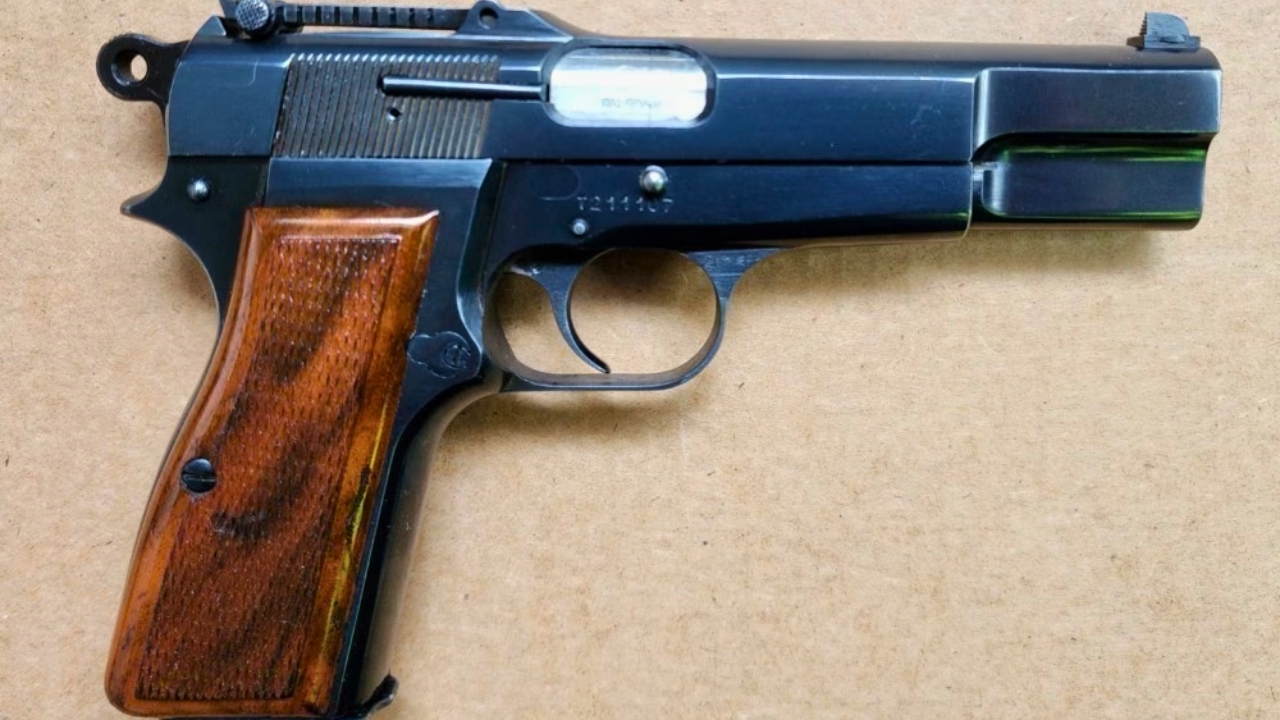
The Browning Hi-Power should probably be louder in modern pistol talk based on the kind of reputation it built. This is one of the great service-pistol designs, one that influenced countless handguns that came after it, yet it often feels like it lives in a lower register now. People who know it tend to respect it deeply, but the broader conversation around it can feel strangely subdued.
That quietness has a lot to do with age and market drift. Newer shooters often meet modern pistols first and only back into the Hi-Power later. But when they do, they usually understand why the reputation survived. The ergonomics, history, and long service record are still there. The gun does not sound as loud in the culture anymore, but the respect behind it is real and has not gone anywhere.
Mossberg 500

The Mossberg 500 built a working-man reputation that should make it louder in shotgun conversations than it sometimes feels. It has served hunters, homeowners, and everyday shooters for decades, yet it often gets discussed almost too casually. Maybe that is because it never relied on polish or prestige. Maybe it is because it became such an obvious, practical answer that people stopped thinking of it as remarkable.
That is the funny part. Practicality can make a gun seem quieter than it deserves to seem. The Mossberg 500 earned its place through reliability, flexibility, and sheer usefulness across different roles. It never needed to be glamorous to become trusted. That reputation is still sitting there, solid as ever. The gun only feels quiet because it built its name through work, not through spectacle.
SIG Sauer P226
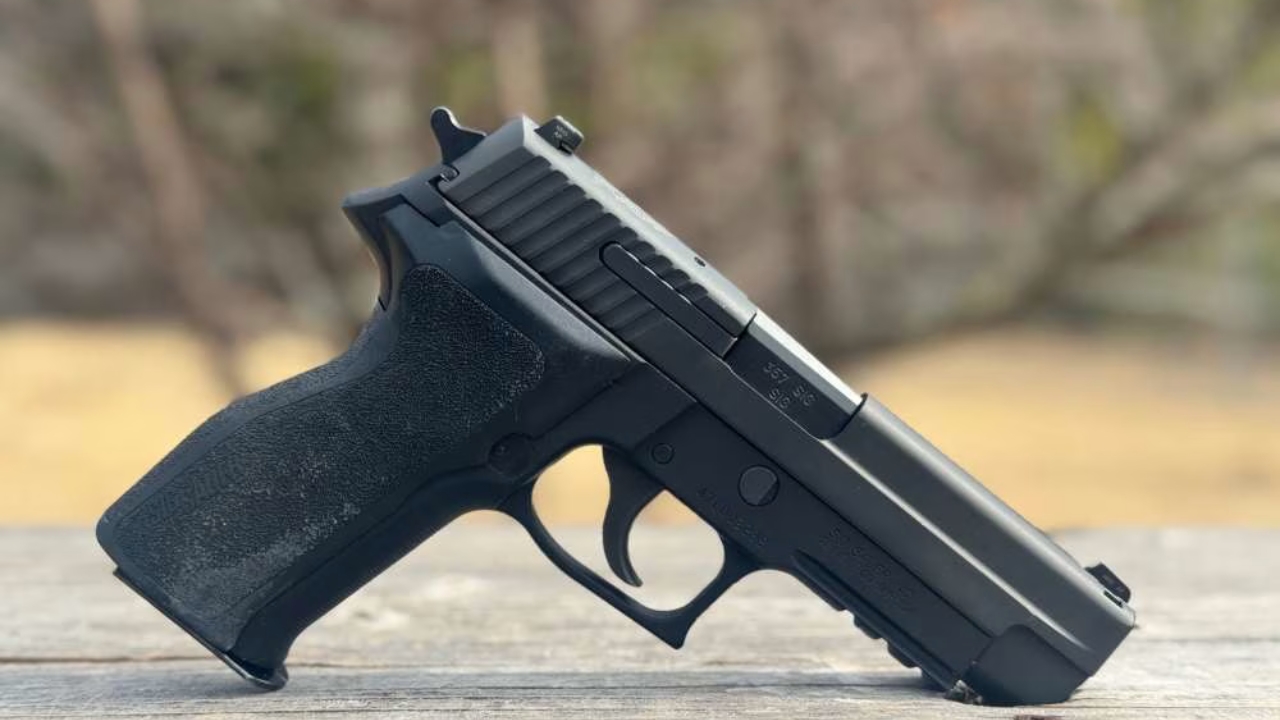
The SIG Sauer P226 still has one of the stronger reputations any duty-style pistol can claim, but it often feels less talked about than that reputation would suggest. You would think a handgun with that much law enforcement, military, and enthusiast credibility would still dominate the room. Instead, it often gets mentioned in a more understated way, almost like a classic performance car people assume everybody already respects.
That understated tone does not hurt the gun. If anything, it reflects how secure its reputation became. The P226 earned trust for balance, shootability, and long-term seriousness. It never really needed gimmicks or reinvention to stay important. As the market moved toward lighter and simpler options, the conversation around it got quieter, but the reputation stayed dense. The pistol still means a lot, even when people are not shouting about it.
Winchester Model 94

The Winchester Model 94 is another rifle that feels almost too quiet for the kind of legend it became. It helped define the lever-action image for generations and stayed tied to American hunting culture in a way very few rifles can match. Still, the current talk around it often feels softer than you would expect, especially among newer buyers who know the silhouette but may not fully grasp the reputation behind it.
That is what happens when a gun becomes bigger than any one moment. The Model 94 built its name over decades of actual carrying and actual use, not through short bursts of excitement. By now, its place is so secure that it no longer needs a campaign. It stays relevant in a quieter way, carried by memory, tradition, and continued use. That is still power, even if it is not always loud.
CZ 75B

The CZ 75B has one of those reputations that feels bigger than the volume of conversation around it. Shooters who know pistols tend to respect it, sometimes intensely, but the gun does not always dominate the broader discussion the way you might expect. For a handgun with such a loyal following and such a strong shooting reputation, it can feel almost oddly hushed outside the people who really understand it.
That may be because it never built its name through flashy marketing or cultural overexposure. It built it through the way it shoots, the way it feels, and the way owners tend to keep praising it after real time behind the trigger. Guns like that often end up quieter than their reputation deserves. The CZ 75B still has real gravity. It just carries it in a lower, steadier voice.
Ruger GP100

The Ruger GP100 built a serious reputation for toughness, but it does not always get talked about with the same intensity that surrounds some more collectible or more polished revolvers. That can make it seem quieter than its reputation should allow. In reality, the GP100 earned respect from shooters who valued strength and dependability more than fancy presentation, and that kind of respect often comes with a calmer tone.
The revolver never needed much image work. People bought it to use it, not to perform admiration for it. That is part of why the talk around it feels so grounded now. The GP100 still carries weight because it proved itself as a durable, practical revolver that can take real use. It only seems quiet because the people who trust it usually do not need to make a big show about why.
Savage 110

The Savage 110 has been building a serious rifle reputation for decades, but it still sometimes feels oddly quiet compared to rifles with less performance behind their names. That is likely because Savage spent so many years winning people over through results instead of polish. The 110 became known for accuracy and utility, yet it rarely carried the same glamorous tone as some of its competitors.
That quietness never really hurt it. In a way, it became part of the rifle’s identity. Shooters kept learning that these rifles could flat-out perform, and the reputation grew from there. It did not need swagger to stay relevant. The Savage 110 still matters because it kept proving something important: a rifle does not need to sound expensive or look dramatic to build a name that lasts.
Heckler & Koch USP

The HK USP built the kind of reputation that should probably still echo louder than it does. It became known as a rugged, serious-duty pistol with a level of durability that made people trust it in hard-use conversations. Yet the actual modern chatter around it can feel surprisingly low compared to that reputation. It is respected, yes, but often in a quieter, more settled way than you might expect.
That usually happens to guns that aged into certainty. The USP no longer needs to convince people it is durable or serious. That work was already done. Newer handguns may pull more immediate attention, but the USP still sits in the background with a reputation that has not really weakened. It feels quiet mostly because its supporters are no longer trying to win the case. The verdict was handed down a long time ago.
Like The Avid Outdoorsman’s content? Subscribe to our newsletter so you never miss an article.
Here’s more from us: