Photo credit: annapowa/Pixabay.com
A real farm dog does not need a cute backstory or a polished image. It needs nerve, stamina, good sense, and enough toughness to deal with weather, stock, rough ground, and long days without falling apart. That kind of dog still matters on working land. A lot of modern dogs have been softened up by bad breeding, lazy ownership, or being treated like house ornaments first and working animals second. But there are still breeds out there with real grit left in them. You can still find dogs that want a job, can handle pressure, and do not need to be coddled every five minutes to function.
The hard part is that grit does not always look flashy. Sometimes it looks like a dog that keeps moving after a long day. Sometimes it looks like one that will stand its ground at the fence line, work stock without quitting, or settle near the porch with one eye still open for trouble. That is the kind of dog farm people respect. Not every breed on this list does the same job, but all of them have the kind of backbone that still belongs on land. These are the dogs that can still earn their keep when the work is real and the conditions are not soft.
Australian Cattle Dog
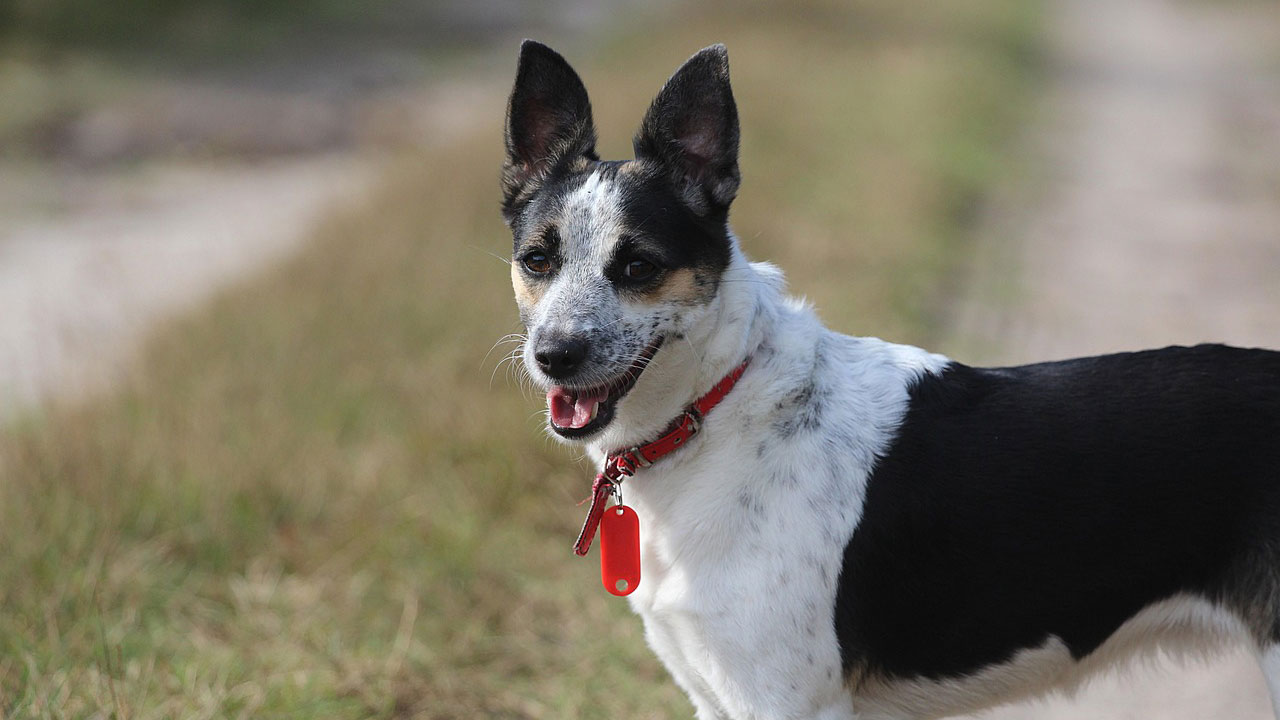
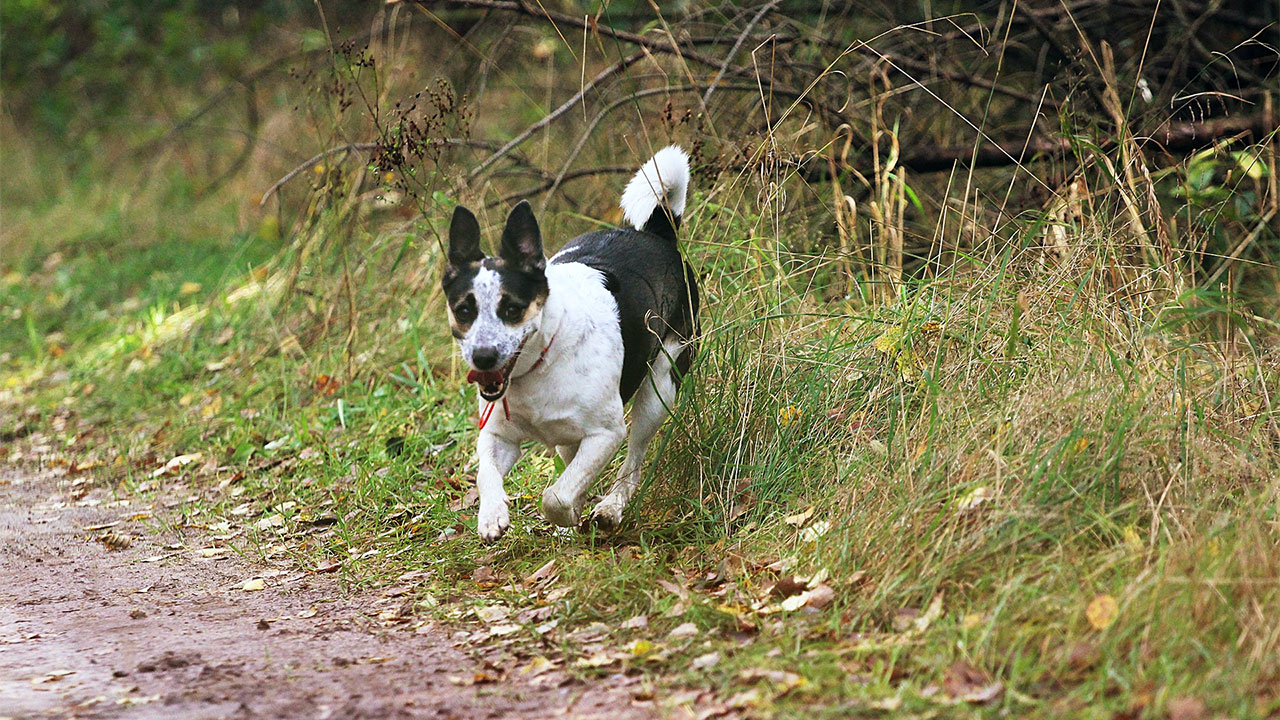
The Australian Cattle Dog is one of the toughest little work dogs ever put on four legs. This breed was built to handle rough stock, cover ground, and keep going in heat and hard country without acting fragile about it. A good one is alert, driven, and not afraid to get in where things get western. That kind of grit is exactly why they still belong on farms and ranches where a lazy or overly sensitive dog would wash out fast. They are not there for decoration. They are there to help move the day along.
The flip side is that all that toughness comes with a strong mind. These dogs are not for owners who want something half-interested in working when it feels convenient. A cattle dog usually wants direction, activity, and a reason to use its brain. If it gets that, it can be one of the handiest dogs on the place. If it does not, it may start making its own fun, and that usually means trouble. But in terms of grit, very few breeds can outmatch a good cattle dog that knows its job and means business.
Border Collie
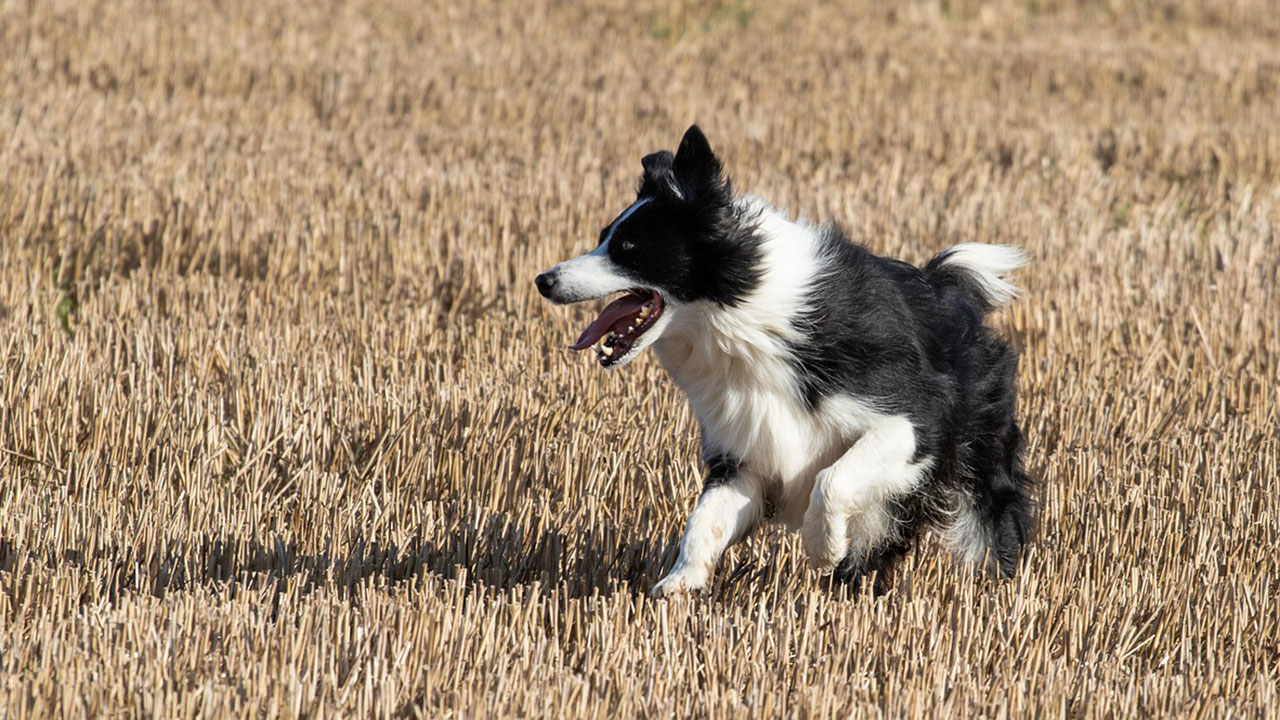
People sometimes talk about Border Collies like they are all brains and finesse, but a good one has plenty of toughness in it too. You do not work livestock day after day without nerve, endurance, and the willingness to keep pressure where it needs to be. Border Collies are sharp enough to outthink both the stock and the handler when needed, but what makes them valuable on a farm is that they pair that intelligence with serious work ethic. They are not usually dramatic about it either. They just keep doing the job.
That grit shows up in a different way than it does with a harder, more confrontational breed. Border Collies are not usually trying to overpower things. They are controlling movement, reading pressure, and staying locked in for long stretches without getting sloppy. That takes real backbone, especially around stubborn stock. A soft dog cannot do it well for long. A good Border Collie can handle hard days and repeated work without losing its edge. It is a quieter kind of grit, but on the right farm, it is worth its weight in feed.
Australian Shepherd

The Australian Shepherd still has plenty of real farm dog left in it when it comes from working lines. A good Aussie is quick, responsive, stock-aware, and willing to put in a full day without acting like life has become unfair. They are versatile enough to help with chores, move animals, cover ground, and then still stay tuned in around the house or barn. That kind of usefulness is part of what makes them such strong farm dogs. They have enough mind for varied work and enough grit to hold up under it.
The problem is that a lot of people now see Aussies as pretty dogs first and working dogs second. That can blur the picture a little. But when you get one bred and raised for actual work, the grit is still there. They are often more than willing to deal with tough weather, rowdy stock, and long stretches of activity. They may not have the same rough-edged style as a cattle dog, but they absolutely still belong in the conversation when it comes to dogs that can earn their keep on a real place.
Catahoula Leopard Dog
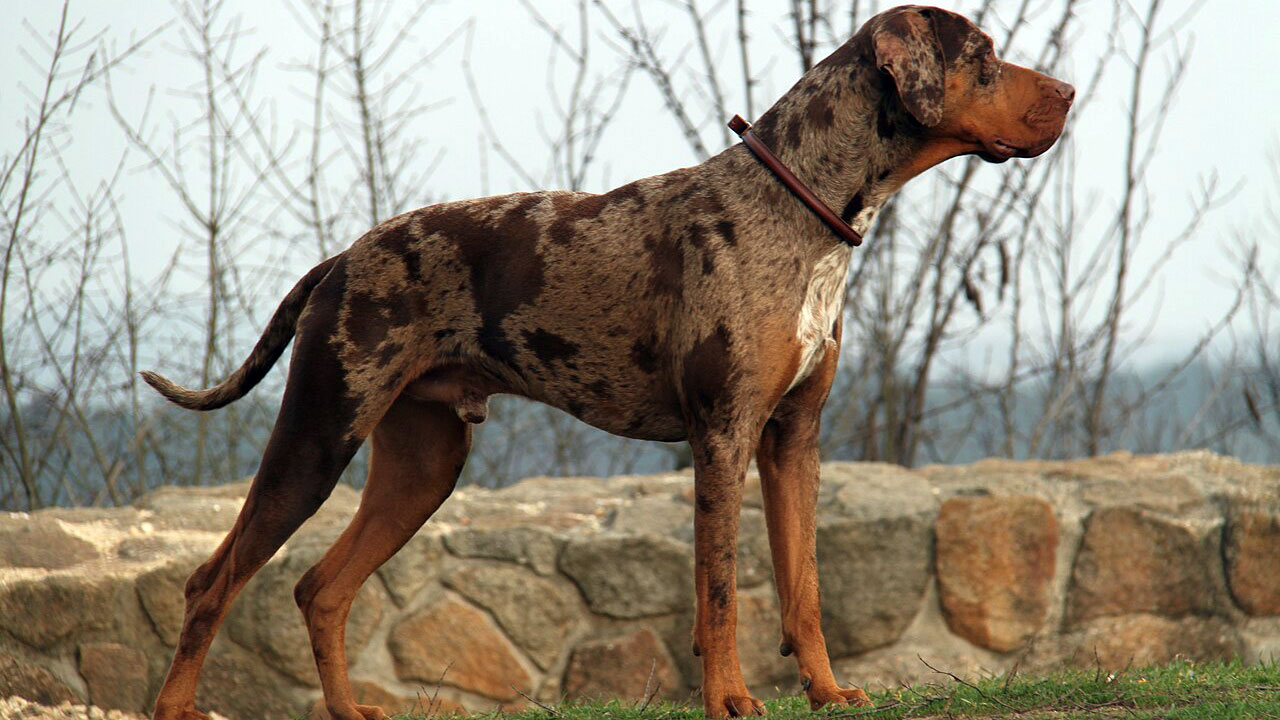
The Catahoula Leopard Dog is one of the most naturally gritty breeds a farm or rural property can have. These dogs were built to think on the move, handle pressure, and stay useful in rough country. A good Catahoula can work hogs, move stock, patrol property, and make itself handy in a bunch of different situations. They tend to have a rougher kind of intelligence than some herding breeds, which makes them especially valuable on land where the day does not always go according to plan.
They are also not the kind of dogs that shrink from hard conditions. A good Catahoula has toughness in both body and mind. It can handle heat, rough terrain, and hard work without needing everything comfortable to function. That does not mean they are easy. They usually need leadership, structure, and enough work to stay balanced. But if the question is whether they still have real grit, the answer is yes without much debate. In the right hands, a Catahoula still feels like a dog meant for serious country, not soft suburban routines.
Australian Kelpie

The Australian Kelpie is one of those breeds that people who know farm dogs tend to respect in a hurry. Kelpies are light on their feet, sharp-minded, and loaded with the kind of endurance that makes a full day of work look normal. They were built for handling stock in hard country, and it shows. A good one can move fast, think clearly under pressure, and stay useful long after heavier or less driven dogs have started to drag. That kind of staying power is one of the clearest signs of grit there is.
What makes the Kelpie especially impressive is how much work it can do without wasting motion. These dogs are not just busy. They are efficient. They can handle stubborn animals, adapt to changing situations, and keep pressing the job forward without getting rattled. On a real farm, that matters more than flash. Kelpies are not usually the breed people buy for image, and maybe that is part of why so many good ones still feel honest. They are there to work, not pose, and that working backbone is still very much alive in the breed.
Anatolian Shepherd

The Anatolian Shepherd has farm grit in a very different form than a stock dog, but it is every bit as real. This breed was built to guard livestock, think independently, and stay out with animals in rough conditions without needing constant supervision. A good Anatolian is not pacing around looking for praise. It is watching, judging, and standing ready if something crosses the line. That kind of quiet seriousness takes a lot of backbone. Weak dogs do not hold territory and stock under pressure the way these dogs can.
This is not a breed for people who want nonstop obedience or a clingy dog underfoot. Anatolians are tough-minded and often very independent, which is part of what makes them so effective. They are willing to work in heat, cold, wind, darkness, and long empty hours when nothing seems to be happening. Then when something does happen, they are expected to respond. That is real grit. It is not about being flashy or exciting. It is about reliability under hard conditions, and the Anatolian still brings that to the table in a big way.
Great Pyrenees
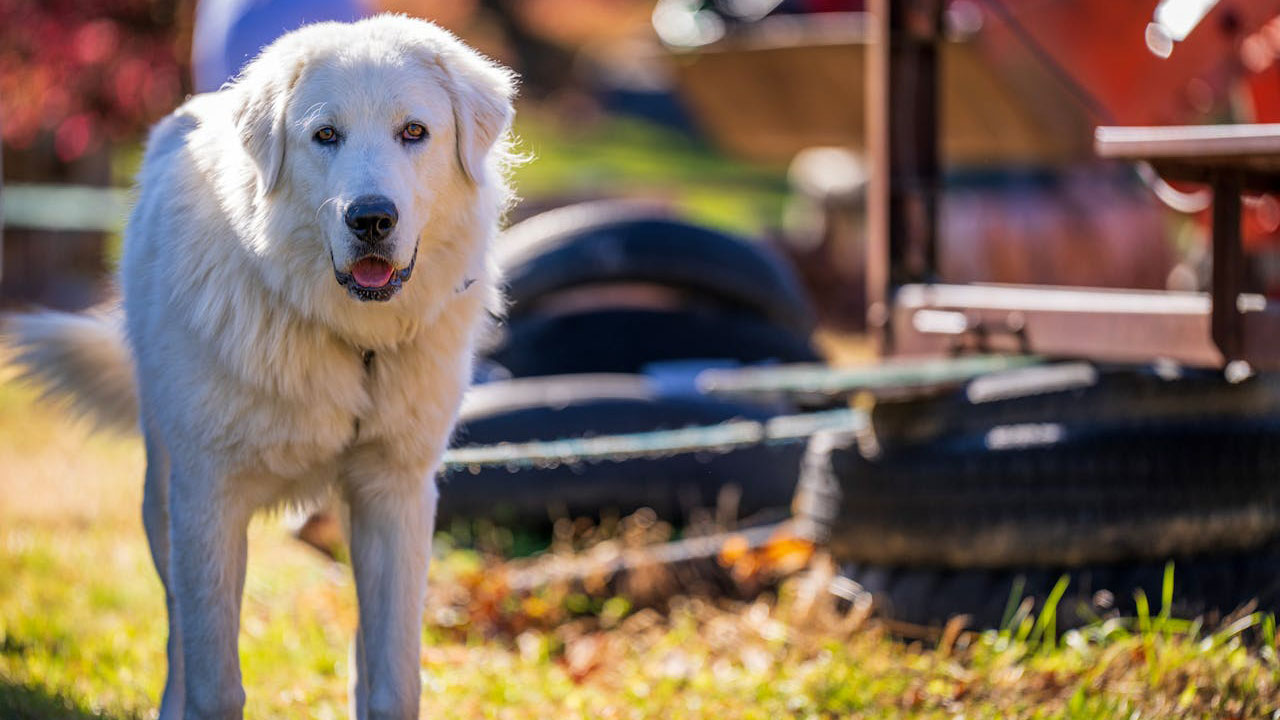
The Great Pyrenees gets underestimated by people who only know the fluffy white look. Out on land, a good Pyrenees can be an absolute anchor. This breed was built to live with livestock, stay alert at night, and meet predator pressure with a calm kind of courage that softer dogs do not have. They are not usually frantic or noisy without reason. They hold ground. That matters on farms where the job is not to impress anybody, but to stay present and dependable when everything else is asleep.
Their grit is not the hard-driving, high-speed kind you see in herding breeds. It is more patient than that. A Pyrenees earns respect by being steady in bad weather, serious about its stock, and willing to stay with the work long-term. A good one can handle isolation, cold nights, and repeated predator pressure without folding up. That is real toughness even if it looks calm from a distance. On the right farm, a solid Great Pyrenees still proves every day that grit does not always come wrapped in a hard-eyed package.
Maremma Sheepdog

The Maremma Sheepdog is another livestock guardian breed that still carries a lot of real working backbone. These dogs were bred to stay with stock, think independently, and handle long stretches of quiet responsibility without getting mentally soft. A good Maremma is steady, protective, and deeply committed to its animals. It does not need to be pushed into the job every five minutes. It understands the job and settles into it, which is a trait a lot of true farm people appreciate.
That grit shows up in consistency. A Maremma is not impressive because it is flashy. It is impressive because it keeps showing up to the same responsibility in all conditions. Wind, cold, dark, rough ground, isolation, and predator pressure are all part of the package. A weak-nerved dog does not do well in that role. A Maremma that is bred and raised right still can. They are one more reminder that a farm dog does not have to be loud or frantic to be tough. Sometimes the toughest dog on the place is the one calmly holding the line all night.
Kangal
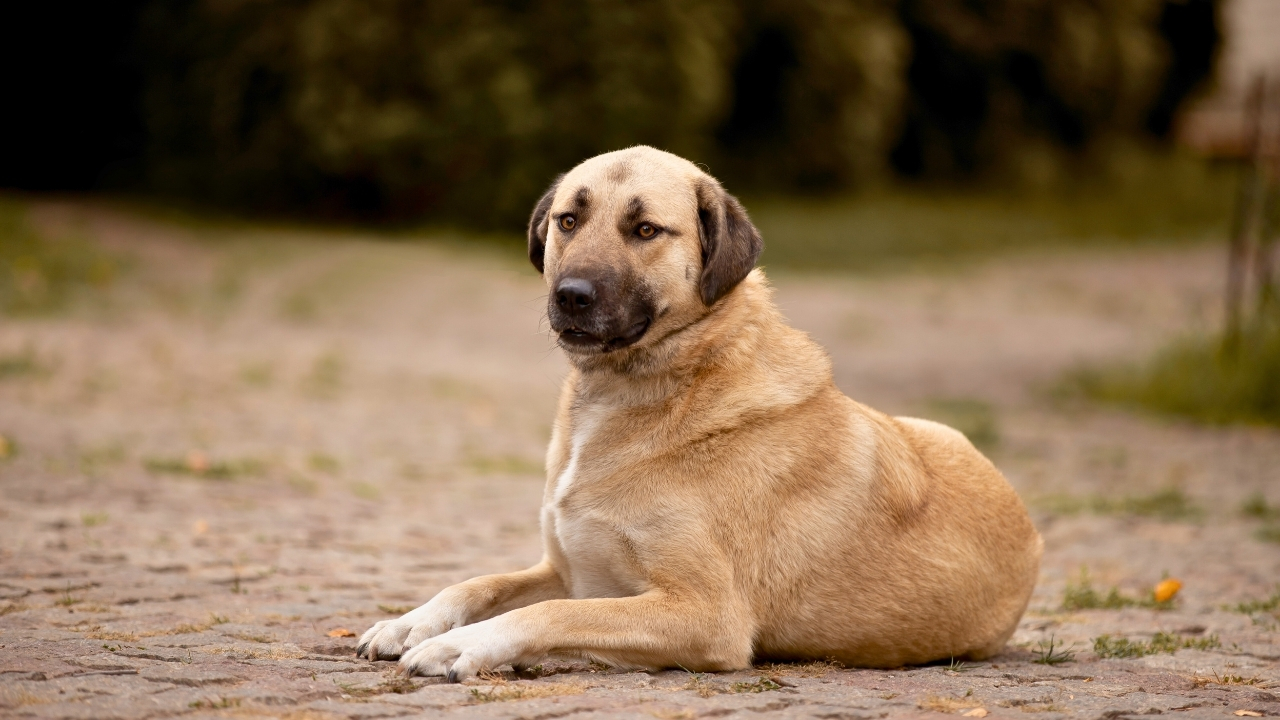
The Kangal is one of the clearest examples of a farm dog with real grit still intact. This breed was built to guard stock against serious threats, and it carries that responsibility with a level of confidence that is hard to fake. A good Kangal is strong, alert, and willing to meet pressure without panicking. It does not need to posture constantly to prove anything. The dog knows what it is there for. That kind of seriousness is a huge part of why these dogs still belong in the conversation when people start talking about true working grit.
On land, that toughness matters because farm work is not always convenient or controlled. Predators do not keep business hours, weather does not care about comfort, and stock still needs watching when people are tired. The Kangal was built for exactly that kind of reality. It has the size, nerve, and independence to function in hard conditions without becoming unreliable. That does not make it easy for everybody to own. It just means the grit is real. In the right setup, a Kangal still feels like one of the most no-nonsense livestock dogs in the world.
Belgian Malinois
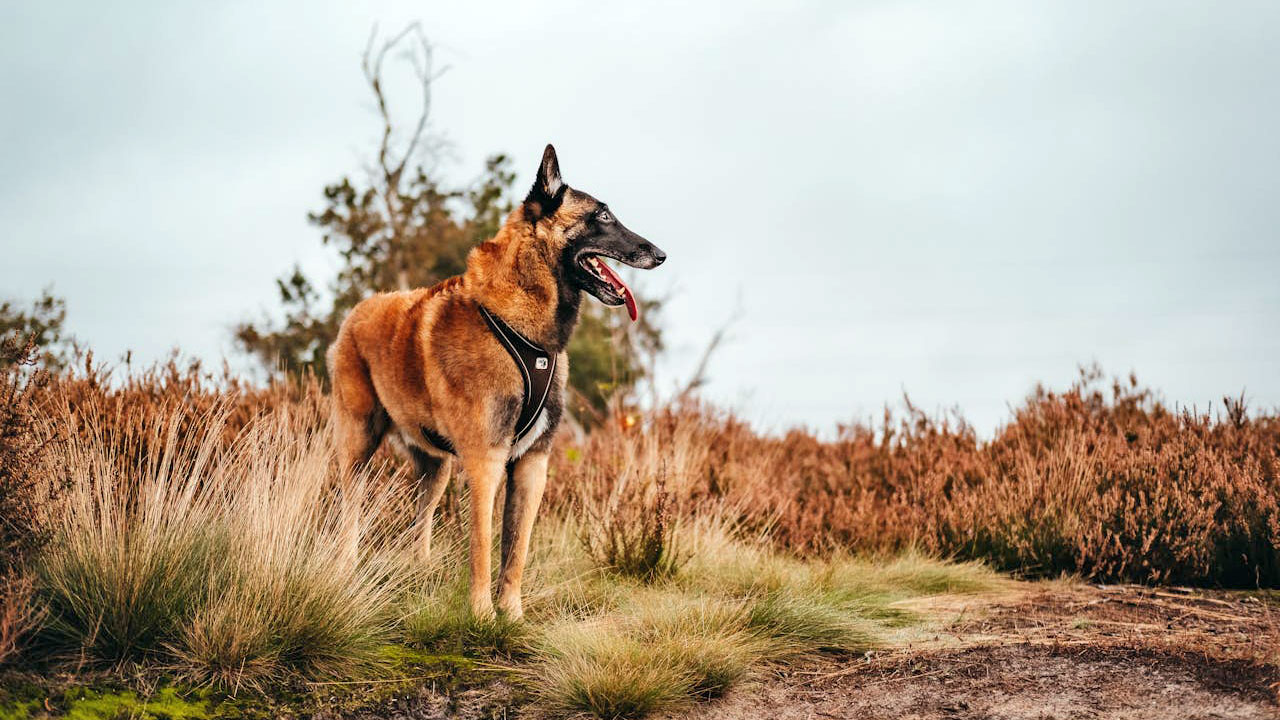
The Belgian Malinois is not the first breed many people picture when they think farm dog, but it still has more grit than most dogs ever will. This breed is intense, driven, athletic, and mentally sharp in a way that demands real work to stay balanced. On the right property, a Malinois can be incredibly useful for patrol, protection, and high-engagement work where a soft or lazy dog would come apart. They do not usually need much encouragement to take a job seriously. That kind of natural intensity is a form of grit all by itself.
The caution with this breed is that its toughness comes with a very high motor. A Malinois without direction is usually a headache. But on land where there is real structure, real work, and somebody who knows how to handle a serious dog, the breed can absolutely earn its feed. It handles pressure, keeps moving, and usually does not back away from a challenge. That is why people who want a dog with real drive still respect it. Farm grit does not always have to look old-fashioned. Sometimes it looks like a dog that comes wired for work and never lets off the gas.
German Shepherd

A solid German Shepherd from working stock still has plenty of farm grit left in it. This breed became popular for a reason. It has enough intelligence for complex work, enough toughness for rough conditions, and enough protective instinct to stay useful in a lot of rural settings. A good one can help patrol property, watch over the home place, move through chores with you, and still settle quickly when the pressure is off. That kind of range matters on land where one dog often ends up wearing several hats over the course of a day.
The grit in a German Shepherd usually comes through in its ability to stay engaged under pressure. These dogs can work through discomfort, weather, and long days if they are bred and handled right. They are not just decorative guardians. At their best, they are serious utility dogs. That said, weak breeding and lazy handling can take the edge off any breed, and Shepherds are no exception. But when you get a good one, the old backbone is still there. It is one of those breeds that can still feel honest when it comes from people who value work over looks.
Jack Russell Terrier

A Jack Russell Terrier may be small, but nobody who knows the breed doubts its grit. These little dogs are all nerve, drive, and stubborn determination packed into a compact frame. On farms, that can make them extremely useful around barns, outbuildings, and anywhere rats or other small varmints become a problem. A good Jack Russell does not tiptoe into work. It attacks the day like it has something to prove. That relentless attitude is exactly what gives the breed its reputation.
Their size fools people into thinking they are toy-level serious. They are not. A real Jack Russell is intense, hard-charging, and very willing to get dirty. It may not move stock or stand against predators, but when it comes to rodent control and tenacity, the breed brings more grit than many bigger dogs. That matters on a farm because not every job is about power. Some jobs are about nerve and persistence, and few breeds can match a Jack Russell there. For a dog that fits in small spaces, it carries itself like it owns the whole place.
Rat Terrier
The Rat Terrier is another small breed that still deserves respect on working land. These dogs were made for usefulness, not pampering, and a good one can still be a deadly little hand around feed rooms, barns, coops, and outbuildings where vermin become a real problem. They are quick, alert, and wired to notice movement. That kind of prey drive, paired with their toughness and agility, makes them one of those dogs that can quietly save a lot of trouble without getting much glory for it.
What makes a Rat Terrier gritty is that it does not need to be babied through work. It gets after it. These dogs are usually game, energetic, and more durable than people expect from something their size. On a farm, that kind of reliability goes a long way. You do not always need a giant guardian or a high-dollar stock dog. Sometimes you need a sharp little varmint dog that keeps pressure on pests and stays useful every day. That is where the Rat Terrier still shines, and it is why the breed still belongs in any honest farm dog conversation.
Treeing Walker Coonhound

The Treeing Walker Coonhound brings a different kind of farm grit, but it is real all the same. These dogs are built to cover ground, work scent hard, and keep going without quitting when the job gets long. On rural property, that kind of endurance can matter a lot. They may be better known for hunting than traditional farm chores, but a tough, sensible hound can still be a valuable dog on land where tracking, awareness, and all-night stamina count for something. A soft dog does not hold up under that kind of workload.
A Walker’s grit comes from persistence. These dogs do not tend to give up easily once they are locked onto a purpose. They can handle rough weather, rough country, and long hours without losing their edge. On the right place, they fit well into a life that is not tidy or overmanaged. They are not usually the type to look polished standing on the porch. They look like they belong in mud, dust, and timber. That is exactly why a good one still earns respect among people who value toughness over appearance.
Blue Lacy
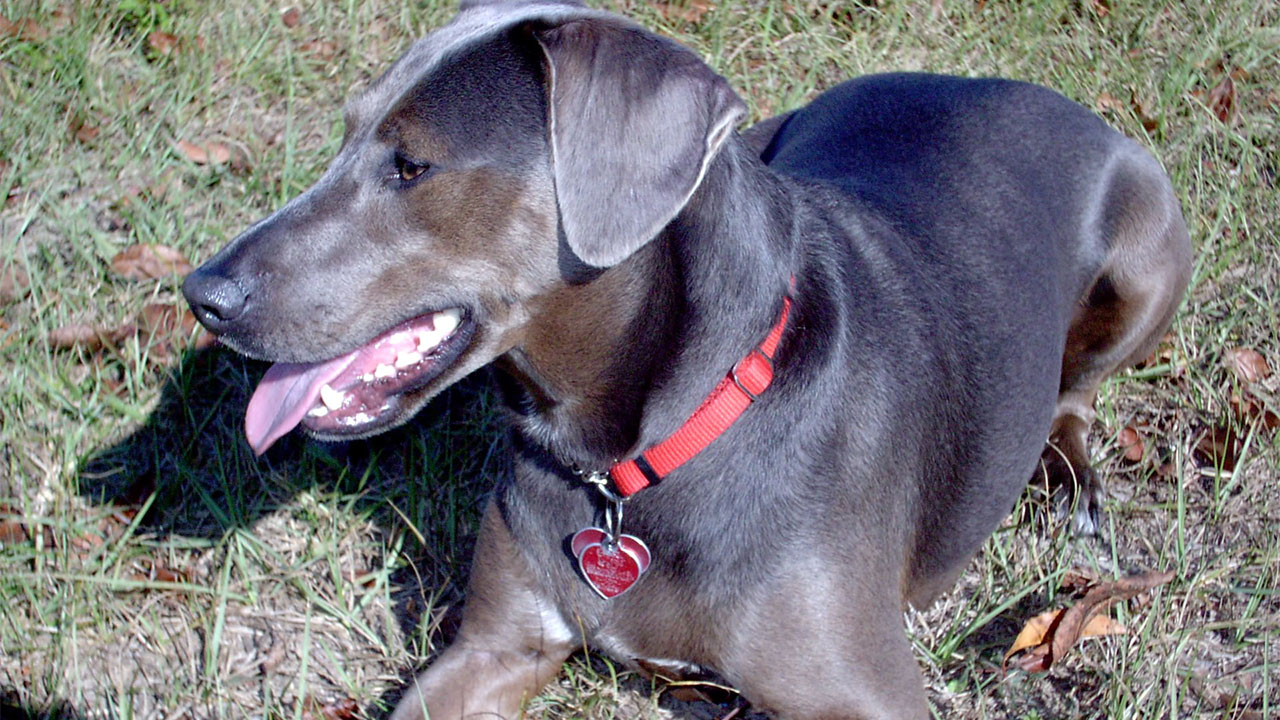
The Blue Lacy is one of those breeds that feels built for real country, which makes sense given where it came from. Bred in Texas for ranch work, these dogs were expected to handle stock, trail game, and stay useful across rough land without falling apart. That kind of working history shows up in a good Lacy. They are driven, athletic, and generally willing to get on with the job instead of standing around looking pretty. A breed like that still has a place anywhere practical ability matters more than image.
Their grit comes from versatility and toughness. A good Blue Lacy can cover ground, stay mentally engaged, and handle a mix of jobs that would wear down a softer or less serious dog. On farms and rural properties, that is a big advantage. The day is rarely made up of one neat task at a time. A dog that can adapt and keep up is worth a lot. Blue Lacys do not always get mentioned as often as bigger-name farm breeds, but they still carry the kind of honest backbone that landowners tend to appreciate once they have seen one work.
Black Mouth Cur

The Black Mouth Cur is about as farm-tough as a dog can look and still somehow get underrated. These dogs were made for rough country, practical work, and the kind of all-day usefulness that rural people still respect. A good Cur can help with stock, hunt, patrol, and stay engaged with whatever the day throws at it. They tend to be driven without being frantic and serious without being stiff. That makes them a natural fit on farms where no two days look exactly the same.
The grit in this breed is easy to see once the work starts. They handle heat, rough terrain, and real pressure well, and they usually carry themselves like they know they belong there. A Black Mouth Cur is not interested in being ornamental. It wants a role. That is part of why the breed still feels so honest. When bred and raised right, these dogs bring the kind of toughness that shows up in useful ways every day. On land, that matters more than pedigree talk or fancy looks ever will.
Airedale Terrier

The Airedale Terrier has enough grit for farm life and then some. People sometimes forget how tough a well-bred Airedale can be because the breed has a cleaner look than some rougher country dogs. But under that coat is a dog with tenacity, nerve, and enough versatility to stay useful in a lot of working situations. Airedales have been used for vermin control, guarding, hunting, and general purpose work, which tells you plenty about the kind of backbone they were built with.
On a farm, that can still translate well if the dog comes from lines that have not lost the plot. Airedales are tough-minded, energetic, and usually game for real work. They are not the kind of dog that melts in bad weather or acts precious about dirt and discomfort. They want to be involved, and when they are given a reason to work, they can still show a surprising amount of grit. They may not be the most common farm dog now, but they have enough old-school toughness left to deserve real respect.
Old English Sheepdog
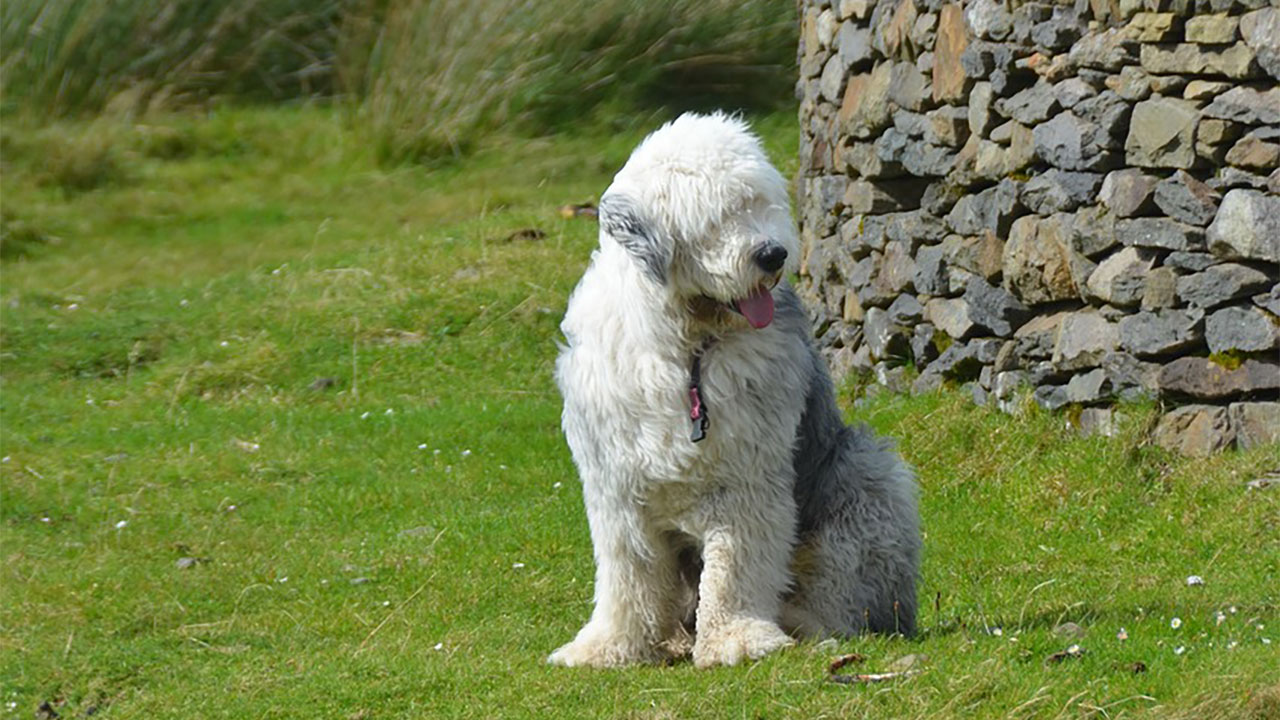
The Old English Sheepdog is one of those breeds that people now often picture in softer settings, but the breed came from real working roots and still has grit when it is preserved well. Originally used for driving and managing livestock, these dogs were built to be sturdy, capable, and willing to stay with the job. A good one is not just a shaggy mascot. It has a serious body, a strong mind, and more work ethic than a lot of modern owners probably expect.
That grit may show up with less flash than it does in leaner herding breeds, but it is still there in the dogs that were kept true to purpose. On a farm, a dog that can handle weather, stock pressure, and long days without quitting still matters. Old English Sheepdogs were made for that kind of practical usefulness. They are not the first breed most people reach for now, but in the right hands and from the right lines, they still carry a kind of durable backbone that fits rural life better than people give them credit for.
Beauceron
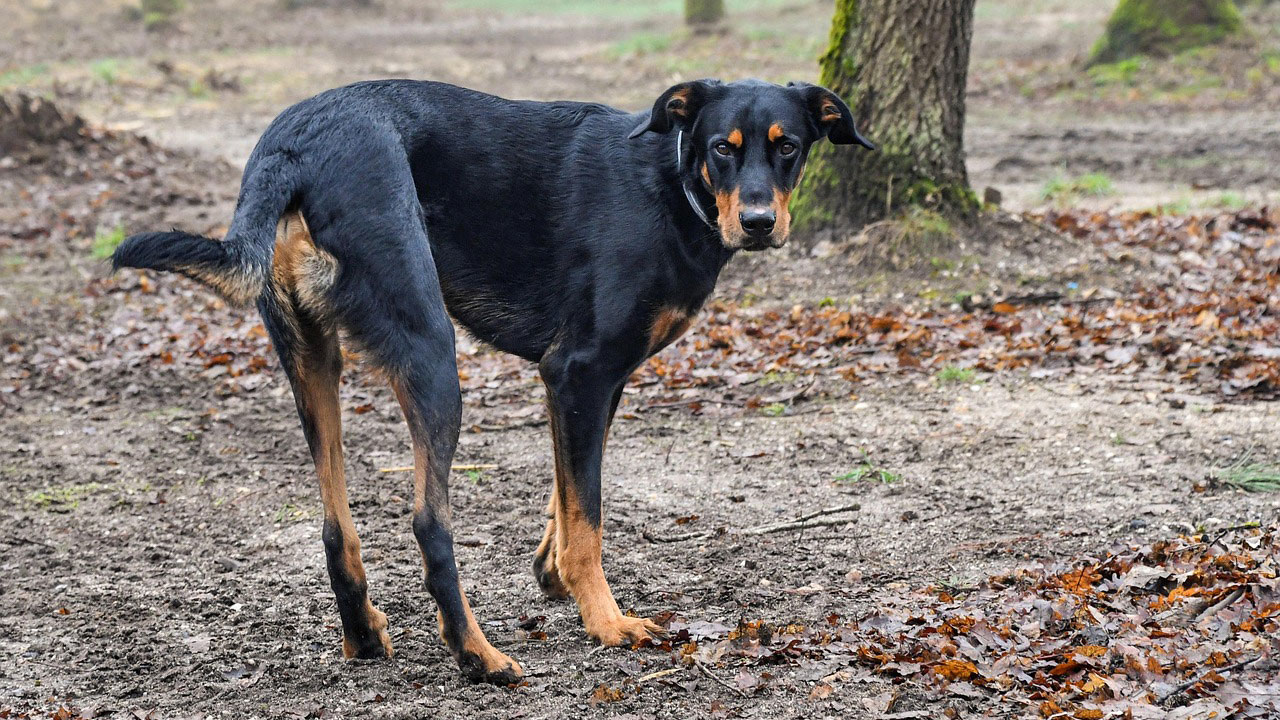
The Beauceron is one of the more underrated serious farm breeds out there. These dogs were built in France for herding and guarding, which is a combination that tends to produce a lot of practical grit. A good Beauceron is confident, athletic, steady, and ready to work without needing constant fuss. It has enough mind for livestock and enough backbone for protection work, which makes it a strong fit on land where dogs are expected to do more than one job well.
What makes the Beauceron stand out is that it often combines toughness with good judgment. It is not just hard-charging for the sake of it. It tends to move with purpose, stay aware, and keep working when softer dogs get mentally rattled. On a farm, that kind of reliability is a huge asset. These dogs still feel like they belong to a world where usefulness mattered first. That is probably why they continue to impress the people who actually put them to work instead of treating them like a conversation piece.
Australian Stumpy Tail Cattle Dog
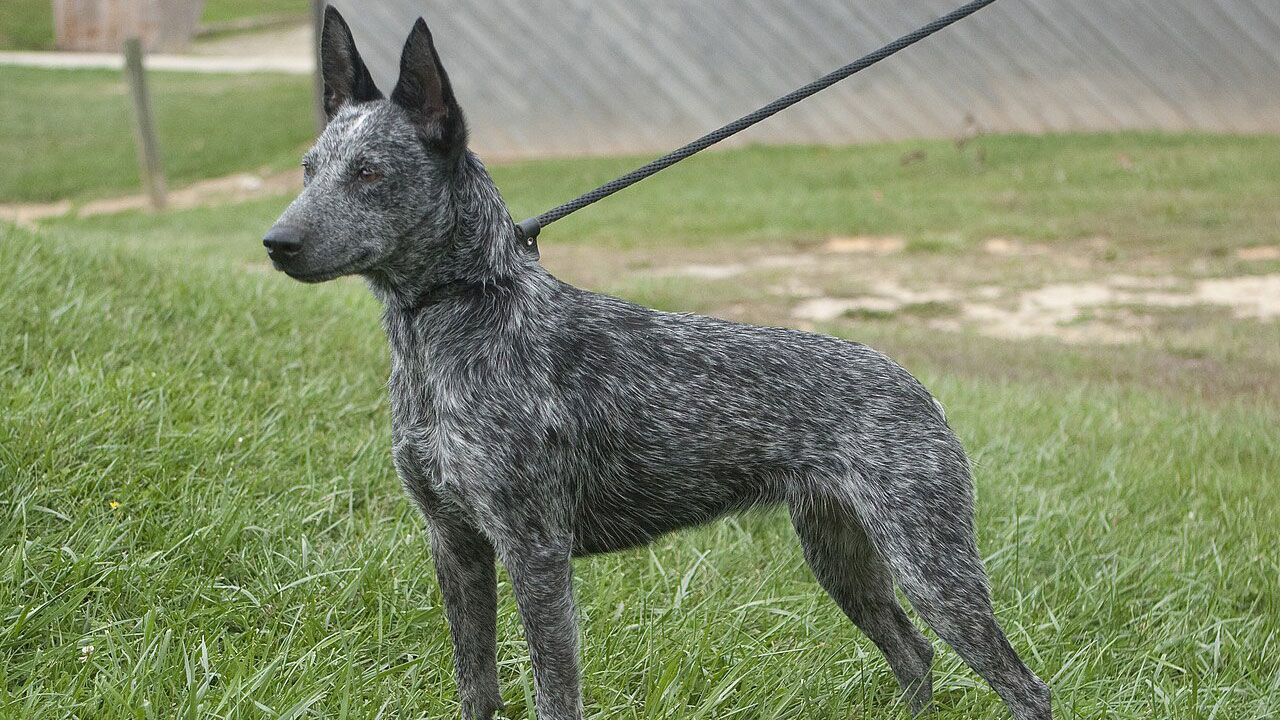
The Australian Stumpy Tail Cattle Dog is not as widely known as the standard Australian Cattle Dog, but it absolutely deserves a place in any grit conversation. This breed was made for moving stock in hard country and doing it without acting delicate about the conditions. A good Stumpy is alert, durable, sharp, and very willing to put in serious work. It carries the same kind of hard-earned toughness that makes a proper cattle dog so valuable in the first place.
That grit matters because stock work is not gentle, and farm life does not reward dogs that need constant hand-holding. A Stumpy Tail that comes from strong working lines can deal with pressure, keep going in heat and dust, and stay mentally connected to the job instead of drifting off. It is one more breed that proves real farm backbone is still out there if a person looks in the right places. These dogs may not be everywhere, but where they are working, they tend to earn respect the old-fashioned way.
Like The Avid Outdoorsman’s content? Subscribe to our newsletter so you never miss an article.
Here’s more from us: