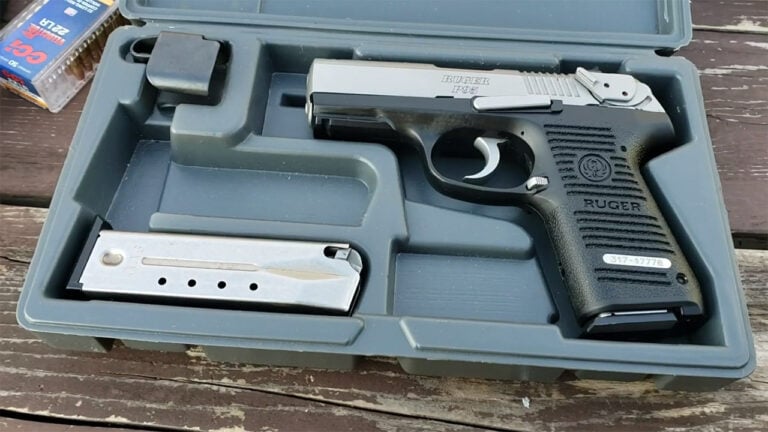
Photo credit: GunBroker
Humidity doesn’t need a storm to ruin a gun. A sweaty hand, a damp sling, a cold-to-warm temperature swing, or a soft case that never fully dries can start the process. Rust usually shows up where moisture lingers and where your hands keep reapplying salts and oils: along sharp edges, around screw heads, under grips, and anywhere two parts meet tight. The frustrating part is how fast it can happen when you live in wet air or hunt marshes, swamps, or rainy timber.
Some models get a reputation for rusting because of the finishes they’re commonly sold with, the way they’re used, and the spots they tend to hide moisture. These are guns that can look fine on the rack, then surprise you with orange freckles the moment you get casual about wipe-downs and storage.
Remington 870 Express

The 870 Express is a classic field shotgun, but the finish on many of them can spot up quickly in humid air. You tend to see the first orange freckles on the receiver, along the barrel exterior, and around the magazine tube area where moisture likes to hang around after a wet hunt.
If you run an Express in damp country, you treat it like a working tool that needs routine attention. Wipe the exterior metal after every trip, especially anywhere your hands touched. Break it down after rain or a foggy morning, let it dry, then apply a light protective film. Storage matters, too. Keeping it out of foam and out of damp soft cases goes a long way.
Remington 700 SPS and ADL blued rifles
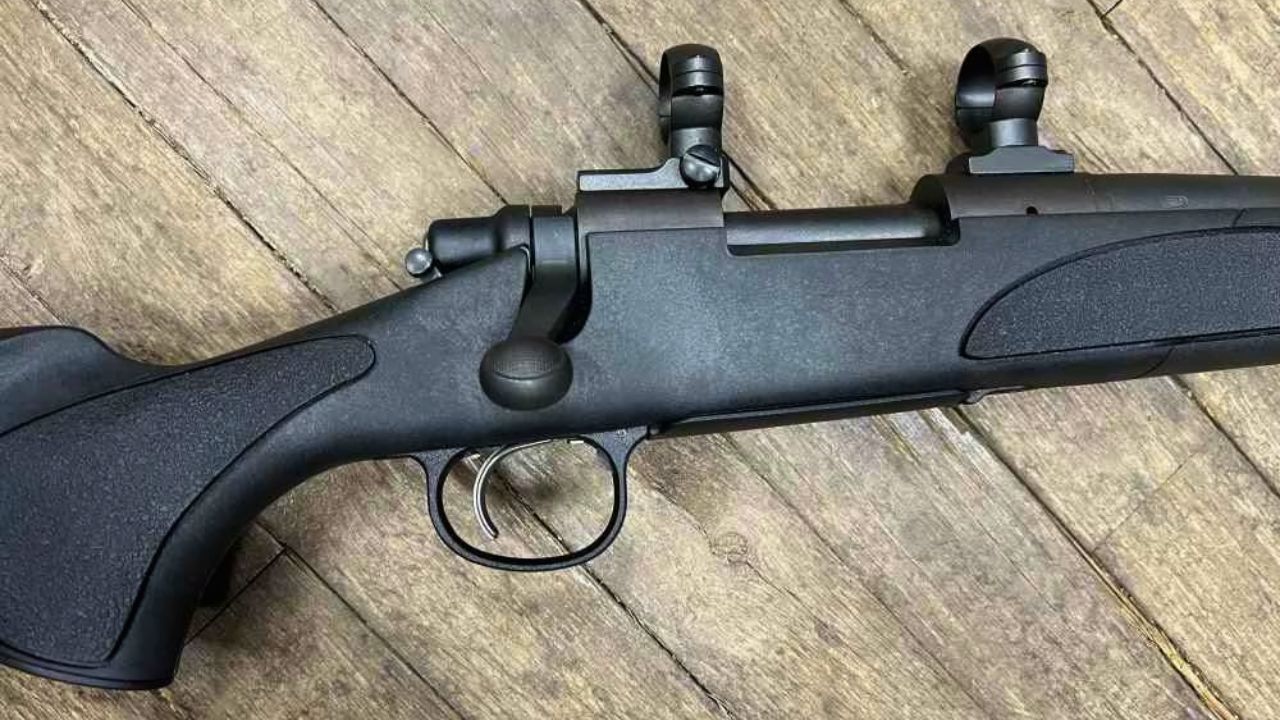
A blued Remington 700 can look clean on the outside while rust starts in hidden places. Scope bases, ring contact points, and action screw areas can trap moisture that never gets wiped away. You often notice it later as stains, pitted spots, or screws that feel rough when you finally put a driver on them.
If you hunt wet seasons, you stay ahead of it with consistency. Wipe down the barrel, receiver, and bolt handle after handling. Let the rifle dry before it goes in the safe. Once in a while, pull the action from the stock and inspect the metal line where moisture likes to sit. A small routine prevents the kind of rust that shows up when it is already a problem.
Savage Axis blued rifles

Savage Axis rifles are built to be affordable and functional, and the blued finish on many examples can show rust if you live in humidity. Sharp edges, screw heads, and the bolt handle are common places for freckles to appear, especially after the rifle rides in a truck or sits in a case after a cold morning.
You keep an Axis looking decent by staying disciplined. Wipe it down after every outing, even if it never saw direct rain. Pay attention to the bolt body and the area around the ejection port where moisture and grime collect. Do not store it in a soft sleeve long-term. A dry safe with airflow and a light protective coat on exterior metal keeps it from turning into a spotty mess.
Ruger American blued rifles

Ruger American rifles run well, but blued versions can show surface rust in humid climates if you get lazy about wipe-downs. The barrel near the muzzle, exposed screw heads, and high-contact areas on the receiver are where rust often starts, especially after the rifle goes from cold air to warm air and condensation forms.
You keep it under control with habit. Wipe the exterior metal after handling, and do not put it away damp. If you hunt in steady wet weather, pull the barreled action occasionally and check the hidden metal along the stock line. Also keep an eye on the bolt handle and the bolt body, since they see sweat and moisture more than most people think. It is an easy rifle to own, but humidity demands follow-through.
Marlin 336 older blued rifles

An older blued Marlin 336 is the kind of rifle that gets carried a lot, and that carry time is where rust starts. Edges wear thin, and once bluing gets rubbed down, humid air grabs those spots fast. Receiver corners, the underside of the action, and hardware around barrel bands are common trouble areas.
Lever guns also have places you do not naturally wipe. Moisture can sit around the magazine tube, under the fore-end, and along seams near the tang. If you hunt damp woods, you wipe it down every time it comes out of the field. A quick pass with a lightly protected rag and an occasional deeper check under the wood keep it looking like a rifle you take pride in.
Winchester Model 94 blued rifles

A blued Winchester Model 94 often rusts where your hands live on it. Receiver flats, the lever, and the lower tang area take sweat and skin oils all season, and humidity turns those prints into freckles if they sit. Older rifles with honest wear are even more susceptible because thin finish leaves less protection.
The other issue is storage after wet days. A Model 94 that goes into a padded case while damp can develop rust faster than you expect, especially along edges and screw heads. Wipe it down before it goes away, and let it dry in open air after rain or fog. A little routine care keeps surface rust from becoming permanent pitting on a rifle that deserves better.
Henry Big Boy Steel blued receiver rifles

The Henry Big Boy Steel is a solid lever gun, and the blued steel receiver can show rust freckles in humidity if it gets handled a lot and put away without protection. Receiver sides, the lever loop, and the loading gate area tend to take the most contact, so that is where rust often appears first.
You avoid problems by treating it like any blued steel gun that sees real use. Wipe down the exterior after handling, especially after warm weather carry where sweat is involved. Pay attention to screw heads and seams where moisture can sit. Storage makes a difference, too. Keeping it out of damp cases and giving it airflow in the safe helps more than any miracle product. Consistency keeps it looking clean.
Rossi R92 blued rifles

A Rossi R92 is handy and fun, but the blued finish on many examples can show rust quickly in humid areas. High-contact points on the receiver, sharp edges, and exposed screws are common places for freckles to form, especially if the rifle rides in a scabbard or gets leaned in a corner after a wet hunt.
You keep it from turning rough by staying ahead of it. Wipe the metal after every outing, and do not store it wet. Check around barrel bands and the magazine tube area, since those spots hold moisture longer than open flats. An occasional deeper cleaning under the fore-end helps, too, because rust often starts where you do not see it day to day. A little care keeps it running and looking right.
Mossberg 500 blued models

A blued Mossberg 500 often lives in the worst places for rust: boat decks, duck blinds, wet sheds, and truck beds. In humid air, rust can show up on the receiver, along the barrel, and around the magazine tube area if the gun gets put away damp or stored in a case that traps moisture.
You keep it in good shape by breaking it down after wet trips. Let the parts dry, then wipe them with a light protective film. Pay attention to the underside of the barrel and the action bars, since those areas do not get wiped during quick cleanups. If you treat it like a shotgun that needs end-of-day care, it will last. If you treat it like a shotgun that can live wet, it will look it.
Mossberg 590 and 590A1 phosphate finishes
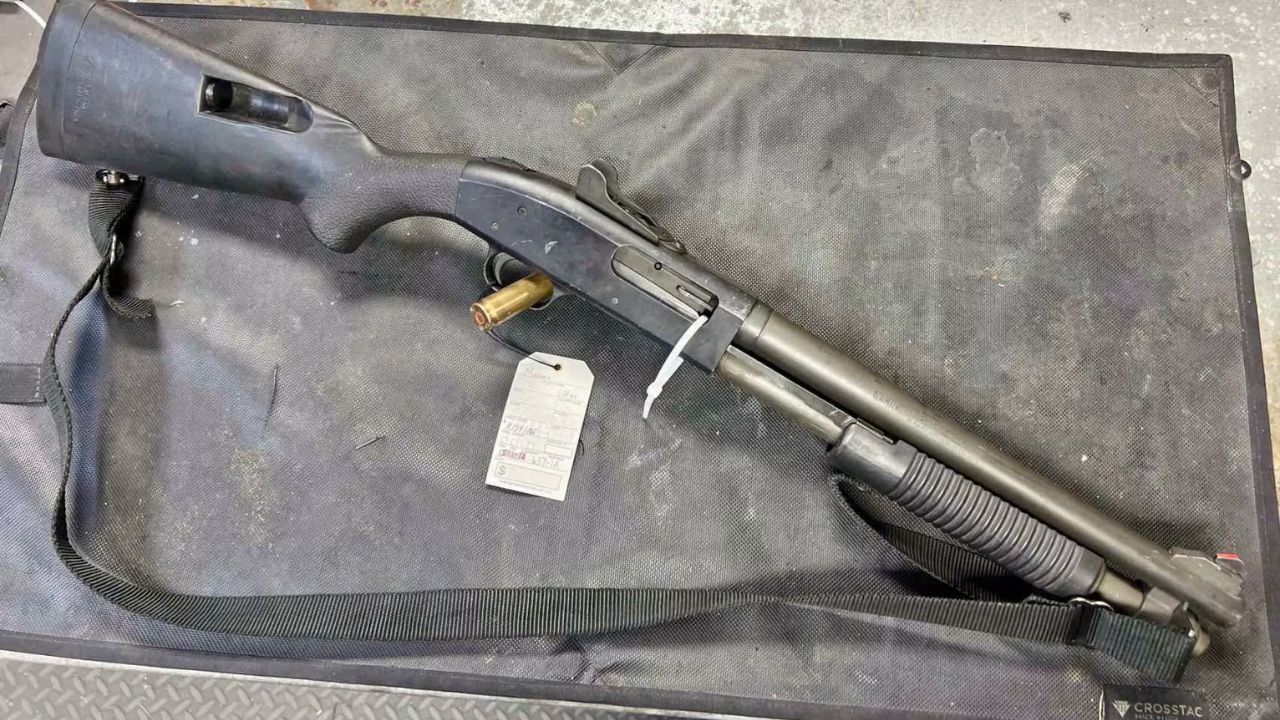
Phosphate finishes work well when they are lightly protected, but they can rust fast when they go dry in humidity. On many 590 and 590A1 setups, you will see orange haze on high-touch areas, exposed edges, and around hardware after wet days if the exterior was left dry.
You get the best out of this finish by keeping a thin protective layer on the exterior metal. Wipe it down after handling, especially if sweat was involved. Check the magazine cap area, sight bases, and any seams where grime holds moisture. These shotguns are built for hard use, but hard use in wet air means you stay consistent with maintenance. A few minutes after each outing prevents the rough, chalky rust look that creeps in.
Springfield Armory 1911 Mil-Spec

A parkerized 1911 can rust faster than many people expect when it is carried in humid weather. Holsters trap warmth and moisture, and sweat pushes salts into serrations and seams. Surface rust often shows up on edges, small parts, and around high-contact areas where your hands ride the frame.
You keep it clean with routine. Wipe the gun down at the end of the day and do not store it in a damp holster. Pull the grips once in a while and check the frame underneath, since that area can hide moisture for a long time. Also watch the grip screws and bushings, because small parts are often the first to show corrosion. The pistol can run flawlessly while the exterior quietly degrades.
Kimber Custom II blued models

A blued Kimber carried often can develop rust freckles if humidity and sweat are part of your daily life. The muzzle area, slide flats, and sharp edges tend to lose finish from holster contact, and once the finish thins, moisture attacks those spots quickly.
You prevent that by treating carry as exposure. Wipe the pistol down after handling and after carry, even on days it never saw rain. Pay attention to serrations, the back of the slide, and the frame areas that sit close to your body. Do not leave it stored in a sweaty holster overnight. A blued 1911 looks great when it is cared for, but humidity turns neglect into visible damage faster than most people expect.
Colt Government Model and Series 70 blued pistols

A classic blued Colt has plenty of steel surface area, and humid air makes fingerprints matter. Rust often starts where your hands touch it most, like the slide flats, front strap area, and around controls. Bluing slows corrosion, but it does not stop it when sweat and moisture sit.
You keep one looking right with habits that never change. Wipe it down after handling and after carry. Do not store it in foam or in a case that holds moisture. Check under the grips occasionally, because moisture can hide there and stain the frame. If you take two minutes at the end of the day to protect the metal, the pistol stays clean. Skip that routine in wet air and the finish will show it.
Browning Hi-Power blued pistols
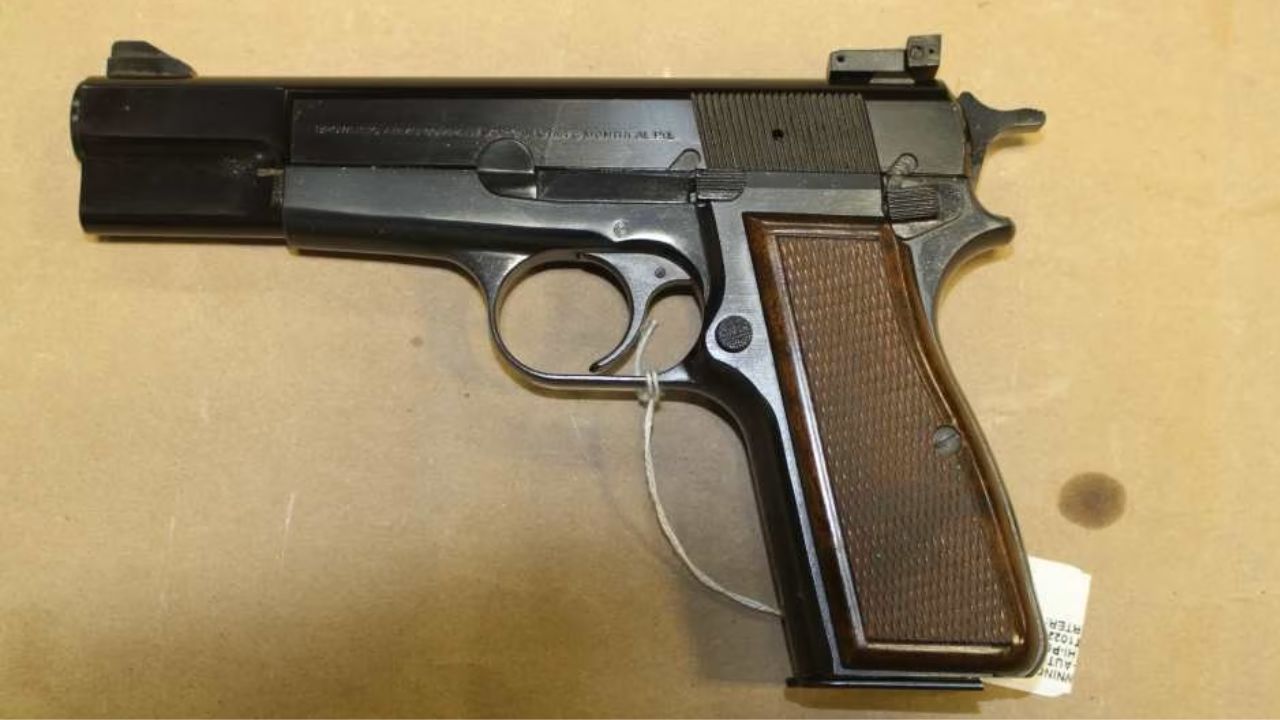
A blued Hi-Power is an all-steel handgun that can show rust quickly in humid environments, especially if it is a carry gun. Slide serrations, the muzzle area, and the backstrap region are common spots, since they see sweat and skin oils and do not always get wiped thoroughly.
The surprise usually lives under the grips. Moisture can collect between grip panels and the frame, and you can end up with rust you did not know existed until you remove them. Wipe the pistol down after handling, keep a light protective film on exterior metal, and inspect hidden areas occasionally. The Hi-Power is durable and proven, but steel plus humidity demands care. Treat it like a tool you respect and it will keep its looks.
CZ 75B blued steel pistols

A blued CZ 75B is known for being a shooter’s pistol, but humid air and daily handling can bring out surface rust if you are not consistent. The frame and slide have plenty of contact points, and rust can show up around the rear of the slide, along edges, and near controls where sweat and moisture gather.
You stay ahead of it with routine maintenance that matches your environment. Wipe it down after carry, and clean it more often when humidity stays high. Pay attention to the slide rails and areas around the hammer where grime holds moisture. Pull the grips occasionally and inspect the frame underneath, since that is where rust likes to hide. The pistol can be reliable for decades, but the finish will reflect how you store it and how you treat it.
Smith and Wesson Model 19 and Model 29 blued revolvers

Blued Smith and Wesson revolvers can rust in places you do not see during a quick wipe-down. Under the ejector star, around the crane, and beneath the grips are classic problem areas because moisture can sit there while the outside looks clean. Humidity turns that hidden dampness into orange staining fast.
You keep a blued wheelgun clean by opening the cylinder and wiping the crane area after humid days. Pull the grips occasionally and inspect the frame. Also watch the front of the cylinder and the area near the forcing cone after shooting, since residue plus humidity can accelerate corrosion. These revolvers are built to last, but they reward the owner who pays attention to crevices and contact points, not only the shiny exterior.
Like The Avid Outdoorsman’s content? Be sure to follow us.
Here’s more from us: