Photo credit: ALDECA studio/Shutterstock.com
Police pistols don’t get chosen the same way your next carry gun gets chosen. Departments have to think about training time, parts on the shelf, armorer support, liability, and how a pistol holds up after tens of thousands of rounds across an entire fleet. When an agency “comes back” to a handgun, it’s usually because it solved boring problems: it ran in bad weather, it was easy to keep running, and it didn’t create drama on the qualification line.
You’ll also notice a pattern. The guns that keep returning to duty holsters aren’t always the newest or the coolest. They’re the ones with long track records, predictable triggers, and support that’s already baked into the system. If you’re trying to understand what works when a pistol becomes an everyday tool—not a range toy—these are the names you keep seeing.
Glock 17

The Glock 17 has been a duty standard for decades because it’s consistent. You get a full-size grip, a sight radius that helps officers qualify easier, and a track record for running even when maintenance isn’t perfect. When departments want a pistol that behaves the same in every hand, the 17 keeps making the short list.
It also wins on logistics. Magazines, holsters, sights, and parts are everywhere, and armorers already know what breaks and how to fix it fast. The trigger isn’t fancy, but it’s predictable under stress and easy to teach at scale. When agencies revisit sidearm choices, the Glock 17 often shows up as the “safe bet” because it keeps admin headaches low and performance steady.
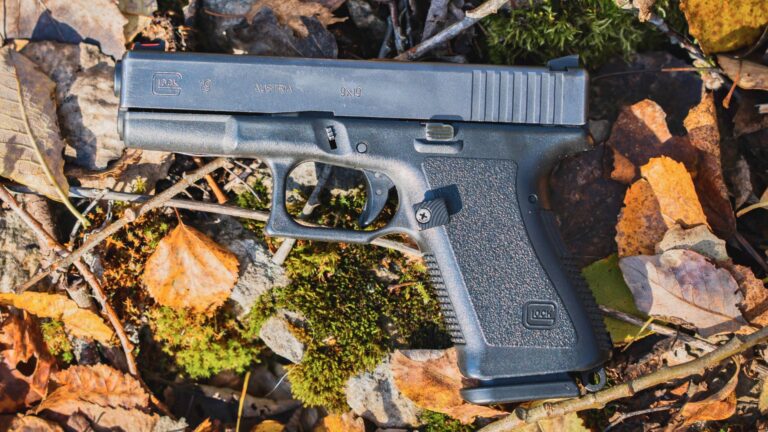
Glock 19

The Glock 19 is the duty pistol that acts like a one-size-fits-most answer. It’s easier to fit to more body types than a full-size gun, it rides better in a car seat, and it still gives you enough grip to run hard with gloves or wet hands. That balance is why so many agencies keep circling back to it.
On the training side, it’s familiar. Instructors can teach one manual of arms across a wide group, and the gun tends to run with a wide range of ammo. The 19 also plays well with modern optics and lights without turning into a brick on the belt. When departments need a pistol that can do uniform duty, plainclothes, and everything in between, the Glock 19 keeps checking the same boxes year after year.
Glock 45

The Glock 45 is what you get when a department wants “full grip control” with a slightly shorter slide. That matters in real police work—drawing around body armor, working inside vehicles, and moving through tight spaces. The longer grip helps officers who struggle with smaller frames, especially under recoil and time pressure.
It also fits modern duty setups. The 45 is commonly paired with weapon lights and, increasingly, optics. It carries like a compact up top but shoots like a full-size in the hand, which helps qualification scores and confidence. From an admin standpoint, it keeps Glock compatibility across magazines and many parts, which departments already like. When an agency wants to update without reinventing everything, the Glock 45 feels like a natural “return to what works” move.
Glock 22

For years, the Glock 22 in .40 S&W was a default choice in American law enforcement. Agencies wanted more punch than 9mm at the time, and the 22 delivered capacity, durability, and a simple manual of arms. Even as many departments moved back to 9mm, the 22’s long service history still matters.
You’ll see agencies “come back” to this type of gun in two ways. Some keep them in service longer because the pistols already exist in inventory and keep running. Others revisit the .40 idea for specific roles where barrier performance is a priority, using modern duty ammo. The Glock 22 isn’t loved for comfort, but it’s respected as a hard-working duty tool that proved it could survive real patrol use.
Glock 21
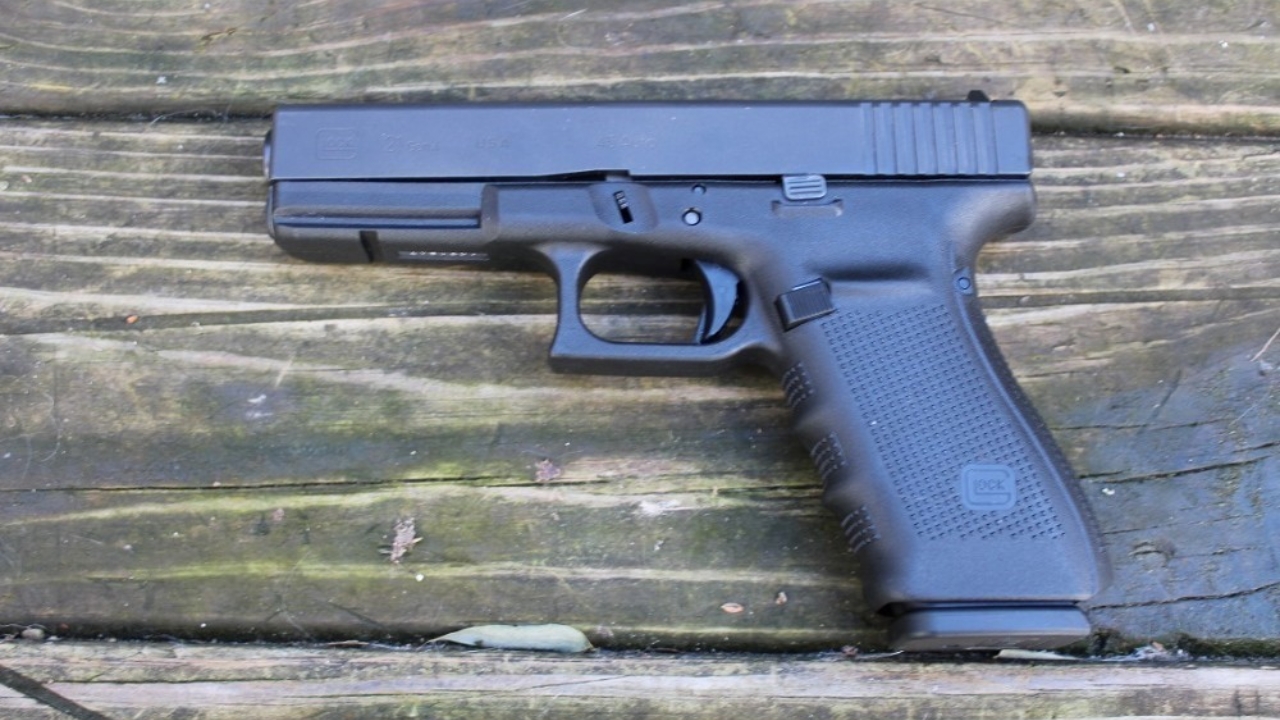
The Glock 21 is the big .45 that departments look at when they want a heavy-bullet option and a pistol that’s still easy to maintain. It’s large, but it’s also straightforward: durable design, simple controls, and the same Glock ecosystem that keeps parts and magazines easy to source.
Not every agency wants .45 anymore, but the ones that do often want it in a platform that won’t turn into a maintenance project. The 21’s size also helps some shooters manage recoil better than you’d expect, because the grip gives you leverage and the slide mass softens the impulse. When specialized units or certain regions keep a .45 tradition alive, the Glock 21 is one of the recurring names because it’s not complicated to support across a fleet.
Smith & Wesson M&P9

The M&P9 has been a major police-sidearm player because it fits hands well and shoots naturally for a lot of officers. Grip shape matters more than people admit, especially when you’re training a whole department with mixed experience levels. A pistol that points well and stays controllable helps qualification scores and confidence.
The M&P line also has deep support: parts availability, armorer programs, duty holsters, and common compatibility with lights and optics-ready setups. The trigger feel has changed over the generations, but the overall platform has stayed focused on duty use. Agencies that want a striker-fired pistol with modern ergonomics and a strong domestic support network often land here. When departments reevaluate, the M&P9 keeps showing up because it solves the “fit and training” problem without adding complexity.
Smith & Wesson M&P40

The M&P40 earned real street time during the era when .40 S&W was seen as the duty standard. Agencies that adopted it often liked the grip and the way the pistol handled compared to some other .40 platforms. It offered a duty-sized gun that many officers could manage with proper training.
Even as the broader trend shifted toward 9mm, the M&P40 still shows up in agency inventories and in discussions about role-based sidearms. Some departments keep them because they already invested in guns, magazines, and training. Others maintain .40 options for specific needs and personnel preferences. The key point is that it proved it could survive patrol work, and it sits inside the same M&P ecosystem that makes support and maintenance manageable. “Coming back” sometimes means not leaving in the first place.
SIG Sauer P320

The P320 is a modern answer to a modern department problem: different officers, different roles, and a need for a pistol that can adapt without buying an entirely different fleet. The modular design lets agencies tune grip size and configuration while keeping the same core system, which matters when you’re fitting a big group of shooters.
Departments also like the way the platform integrates current duty realities—optics-ready variants, lights, and a wide support market. The trigger is consistent, the gun is accurate, and it’s built to be a duty pistol, not a boutique piece. When agencies come back to the P320 concept, it’s often because the platform scales. It supports uniform work, investigative carry, and specialized roles without changing how the gun runs. That continuity saves training time and lowers friction.
SIG Sauer P226
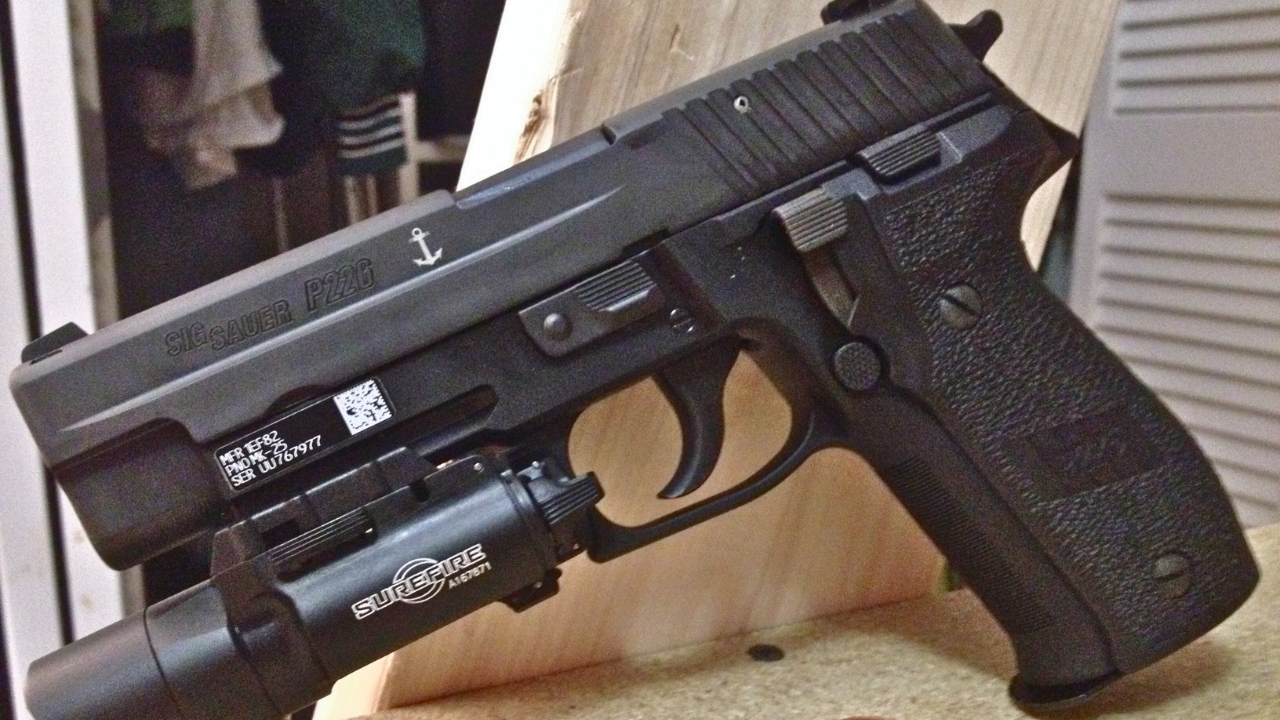
The P226 is the classic service pistol that earned its reputation the hard way—high round counts, harsh conditions, and long-term duty use. Departments that ran them often did so because they wanted a metal-frame gun with a proven reliability record and a DA/SA trigger system that matched their training philosophy.
When agencies “come back” to the P226, it’s usually for the same reasons enthusiasts still respect it: it shoots well, it’s durable, and it holds up to serious use. It’s also a pistol many veteran officers already trust, and institutional trust matters in a police armory. You’ll still see the P226 in certain roles and units where accuracy, shootability, and proven build quality are valued over being the newest thing. It’s a duty gun with a long memory in the law enforcement world.
SIG Sauer P229

The P229 is the more compact sibling that fit a lot of law enforcement needs: easier carry, easier vehicle work, and still built like a duty gun. It has a history in both 9mm and .40/.357 SIG configurations, which made it attractive during the era when agencies wanted more than 9mm.
A big reason departments return to the P229 is familiarity and performance. It’s known for being controllable, accurate, and tough. The DA/SA system also appeals to agencies that prefer a deliberate first trigger pull and a consistent manual of arms that officers can train around. While striker-fired pistols dominate many modern procurements, the P229 keeps reappearing in conversations because it worked for a long time in real duty cycles. When a department values proven metal-frame durability and confidence on the range, the P229 still has a seat at the table.
Beretta 92 Series

The Beretta 92 platform became iconic in American service for a reason: it runs, it’s soft shooting for its size, and it handles high round counts well when maintained. Departments that adopted it often appreciated the accuracy, the smooth cycling, and the way officers could learn to shoot it well with practice.
When agencies come back to the 92 concept, it’s often because the gun has a long record of durability and because many armorers know the system. The size can be a downside for smaller hands, but the tradeoff is stability and controllability during qualification and training. The DA/SA trigger requires real instruction, but it also rewards disciplined fundamentals. The Beretta 92 isn’t trendy, but it’s a proven duty pistol that keeps showing up because it did the job for a long time and still can.
HK USP

The HK USP is one of those pistols departments and units choose when they want durability above almost everything else. It’s built like a service tool, and it has a reputation for surviving hard use with minimal drama. It’s not the lightest option, but it’s the kind of gun that feels like it was designed to be carried every day.
Another reason it keeps coming back is flexibility. Many USP variants support different safety/decocker setups that fit different policies and training programs. The gun also handles recoil well, and it tends to be accurate in a very predictable way. It’s not always the cheapest route for an entire department, but for agencies and specialized roles that prioritize build strength and long-term reliability, the USP remains a recurring pick. It’s a duty pistol that was overbuilt on purpose.
HK P30

The HK P30 is a duty-oriented evolution that focused on ergonomics and real-world handling. The grip system fits a wide range of hands, which matters when you’re outfitting a department with different shooters and trying to keep training consistent. A pistol that fits better usually gets shot better.
The P30 also has a strong reputation for reliability and durability, which is the whole point of a service gun. Agencies that use DA/SA or prefer certain trigger systems often appreciate how the platform supports different setups. The pistol is easy to control in fast strings, and it tends to stay stable under recoil, which helps qualification performance. When departments revisit sidearm choices, the P30 shows up because it blends hard-use build quality with a grip that actually helps officers run the gun well without fighting it.
FN 509
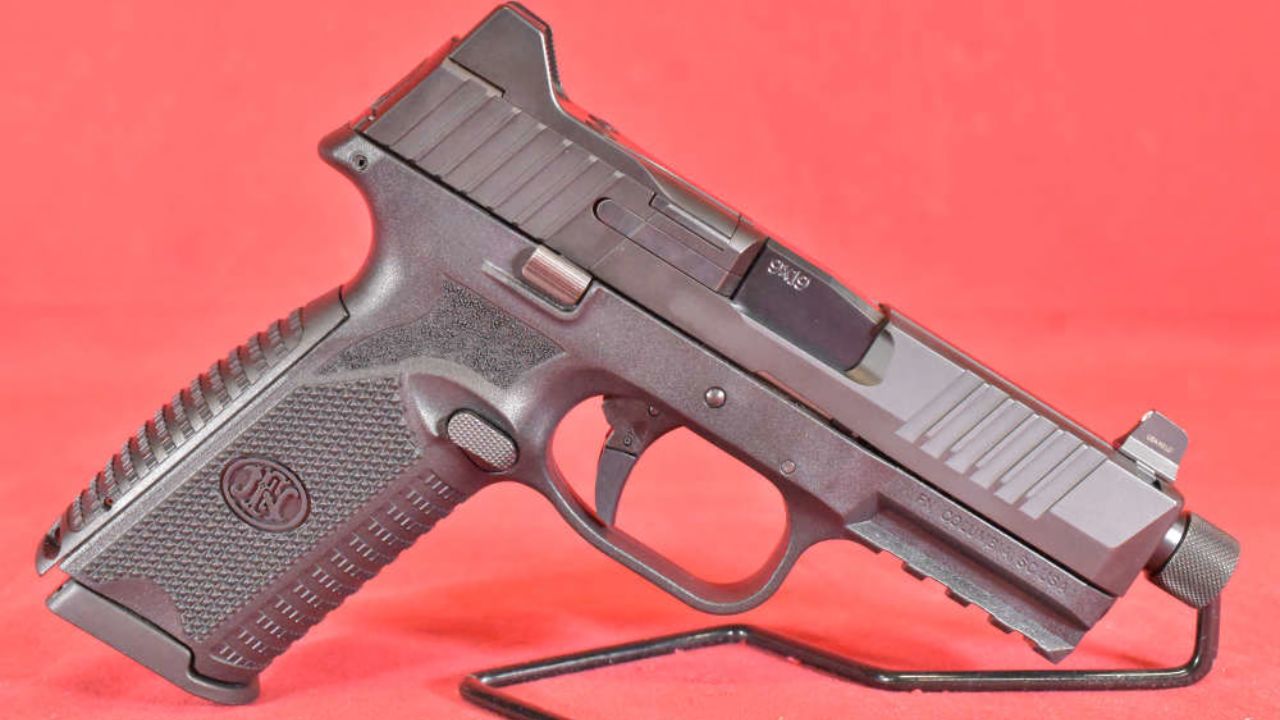
The FN 509 is a newer-duty contender that earned attention because it was built around hard-use expectations: robust internal design, duty features, and strong support for lights and optics-ready configurations. Departments that have moved toward modern dot-equipped service pistols often look for platforms that were designed with that future in mind.
The appeal is practical. The 509 gives you a striker-fired system with duty-sized capability and a growing ecosystem of holsters, parts, and agency support. It’s also a pistol that tends to handle recoil in a predictable way, which helps officers who are still building fundamentals. When an agency is trying to modernize but doesn’t want to gamble on an unproven concept, the 509 can end up on the shortlist. “Coming back” here often means returning to a brand that’s long been tied to military and law enforcement procurement.
1911 Pattern Duty Guns
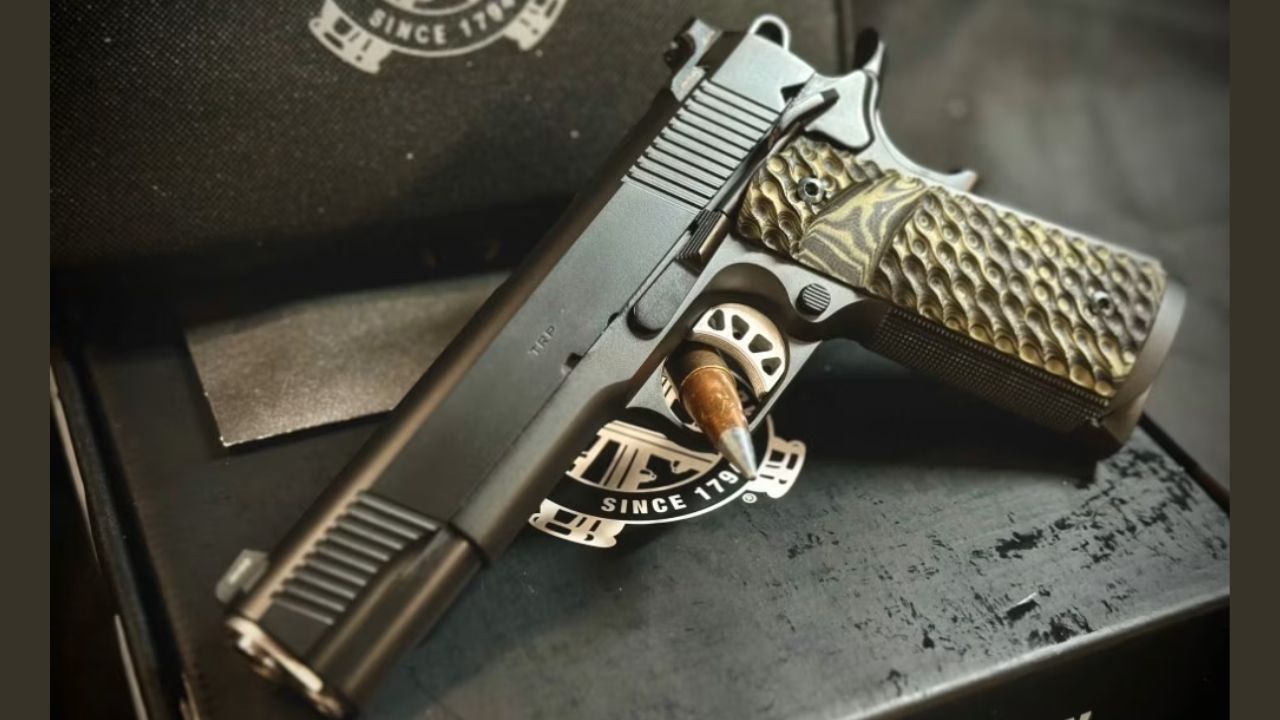
The 1911 isn’t a mainstream patrol pistol today, but it keeps coming back in a specific way: specialized roles and units that value a crisp trigger and shootability, often paired with a culture of higher training standards. When you’re dealing with officers who shoot a lot and maintain gear carefully, the 1911 still has appeal.
The reality is that running a 1911 well takes commitment. You’re managing safeties, maintenance schedules, and a platform that rewards attention. But the payoff is accuracy and a trigger that can help skilled shooters perform at a high level under time pressure. That’s why the 1911 never fully disappears from the law enforcement conversation. It cycles in and out depending on policy and leadership, but it remains a recurring option where training time, armorer skill, and performance expectations support it. It’s an old design that still works when it’s treated like a duty tool.
Like The Avid Outdoorsman’s content? Be sure to follow us.
Here’s more from us: