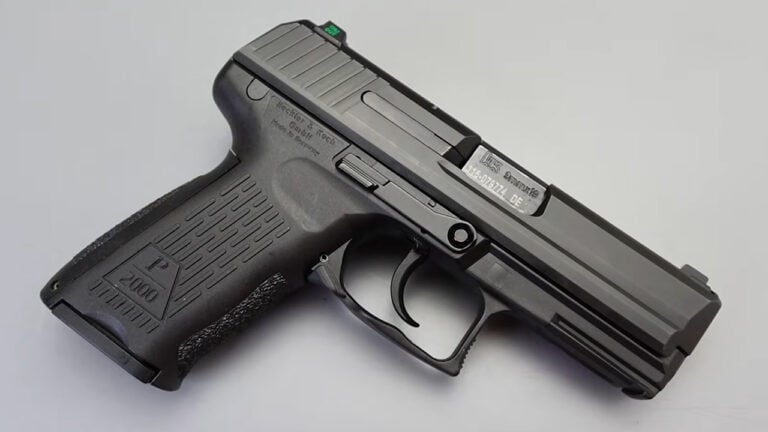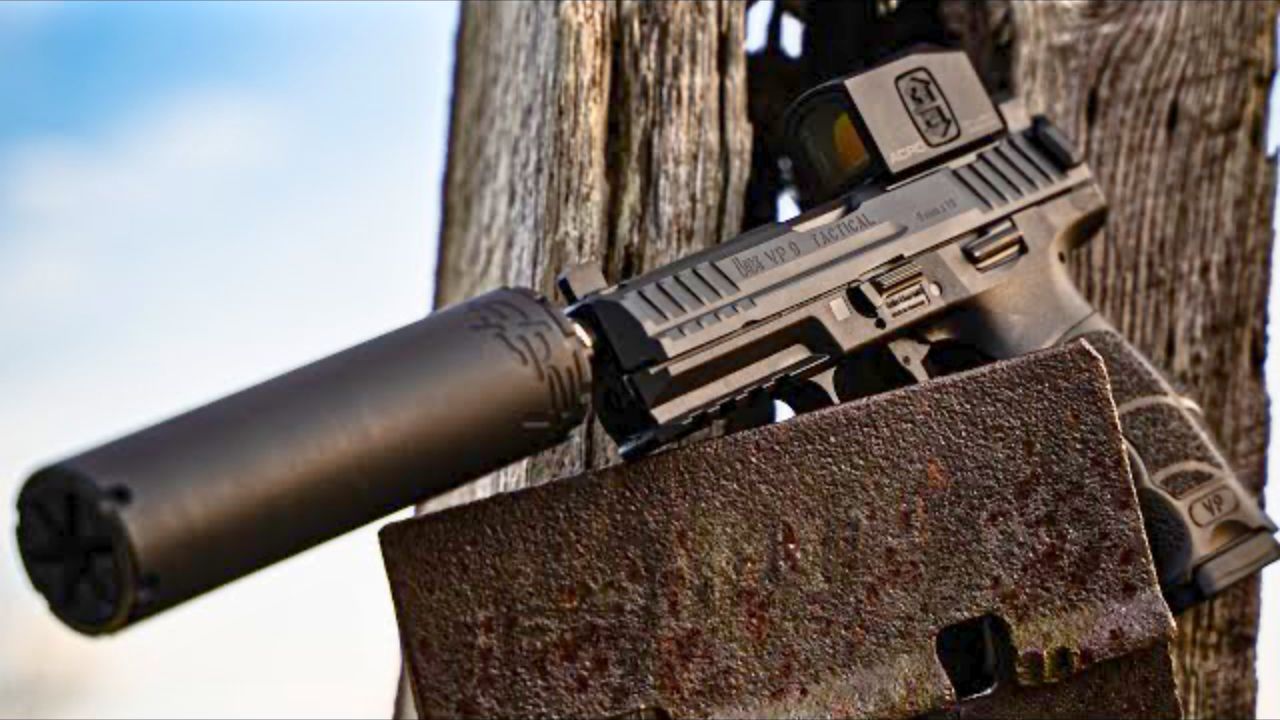
Photo credit: Alabama Arsenal/YouTube
Every handgun guy I know has at least one that feels like a cheat code. It points like your index finger. The trigger breaks clean. It runs for years, through rain, sweat, lint, and a couple thousand rounds of whatever was on sale. You start trusting it the way you trust a good pair of boots.
Then one day it shows you the catch. Sometimes it’s a part that finally wears. Sometimes it’s a design choice you never noticed until you tried to carry it all day, hunt with gloves on, or feed it the wrong bullet shape. None of these are “bad guns.” They’re the ones that are so good you forget to look for the weak spot.
1. SIG Sauer P365

The P365 changed what a “small” 9mm could be, and it still shoots bigger than it looks. It’s easy to keep on target, the sights are usable, and it carries like a slim little tool instead of a brick. For a lot of folks, it becomes the default gun—until it doesn’t.
The weakness is that it’s compact and high-mileage parts matter. Recoil springs and small internal bits aren’t forever parts, especially if you practice hard. Stay on top of maintenance intervals and don’t ignore weird ejection patterns or a slide that starts feeling sluggish. Tiny guns run hard.
2. Glock 19 (Gen 3/4/5)
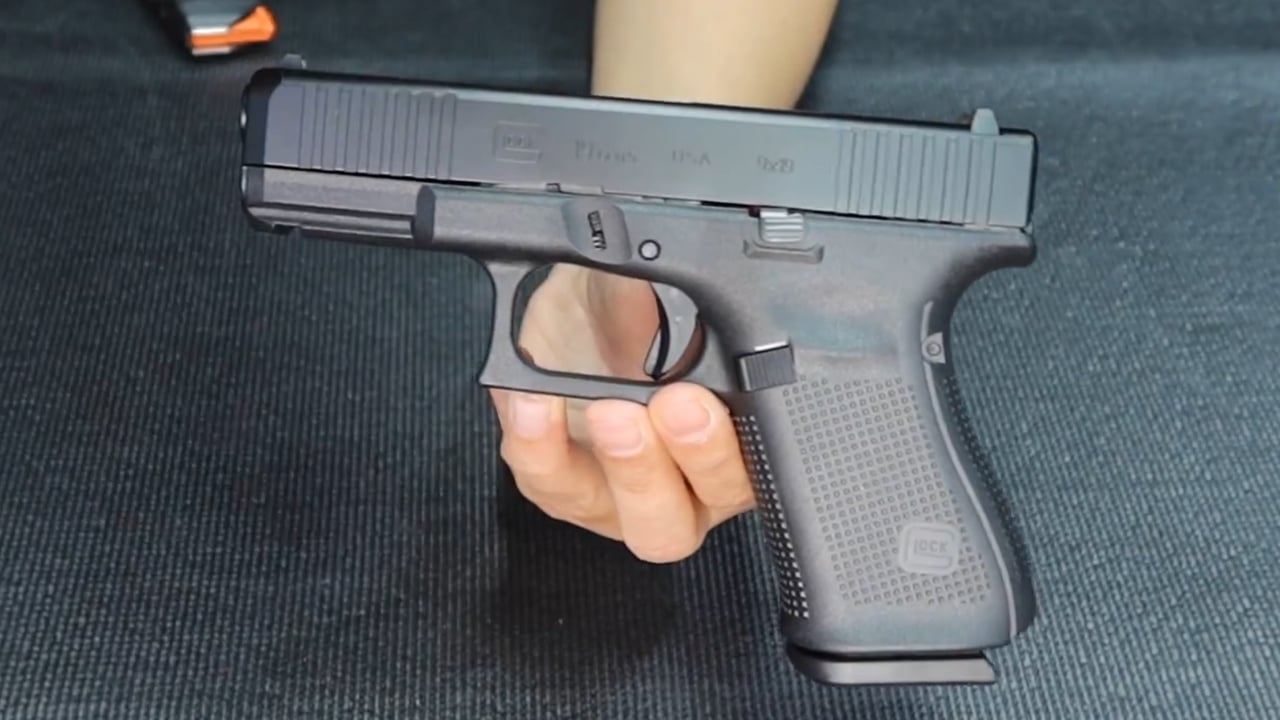
A Glock 19 is the plain ham sandwich that keeps showing up at the cookout because it works. It points naturally for most hands, it’s accurate enough to embarrass your buddies, and magazines and parts are everywhere. It’s the gun that makes you think you don’t need anything else.
Its weak spot usually isn’t reliability—it’s fit. If the grip angle and trigger reach don’t match you, you’ll fight it forever and blame yourself. Another reality is “Glock knuckle” and hot spots when you shoot long strings. It’s fixable, but some hands just don’t love it.
3. Smith & Wesson M&P 2.0 Compact

The M&P 2.0 Compact is one of the best do-it-all pistols for an outdoorsman who carries, trains, and wants something that behaves. The texture locks in, the recoil impulse is soft, and it tracks flat. When you’re shooting drills, it feels like it wants to help you.
The weakness is that the same aggressive grip that’s great on the range can be rough against skin and shirts all day. Cover garments pill, undershirts get chewed, and you’ll notice it on a hot summer carry. A little grip work or a different backstrap can solve it, but out of the box it’s not friendly to everyone.
4. CZ 75B
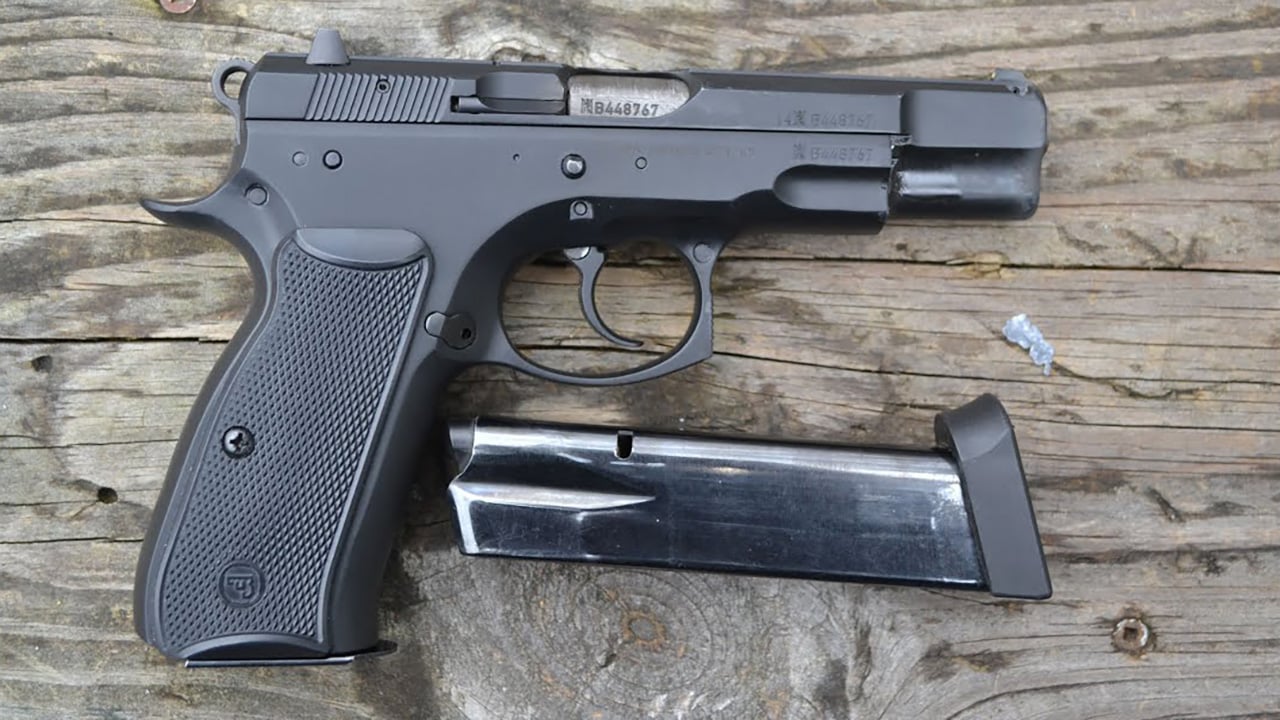
If you grew up around plastic pistols, a steel CZ 75B feels like stepping into an old truck that shuts with a real door sound. Low bore axis, good balance, and it shoots like it’s on rails. With decent mags, it’s boringly accurate.
The weak spot is weight and modern carry reality. It’s not a “throw it on in gym shorts” gun, and if you try to make it one, you’ll end up leaving it at home. Also, some examples can be finicky with certain hollow points until they’re broken in. It’s a range and belt gun first.
5. CZ P-01
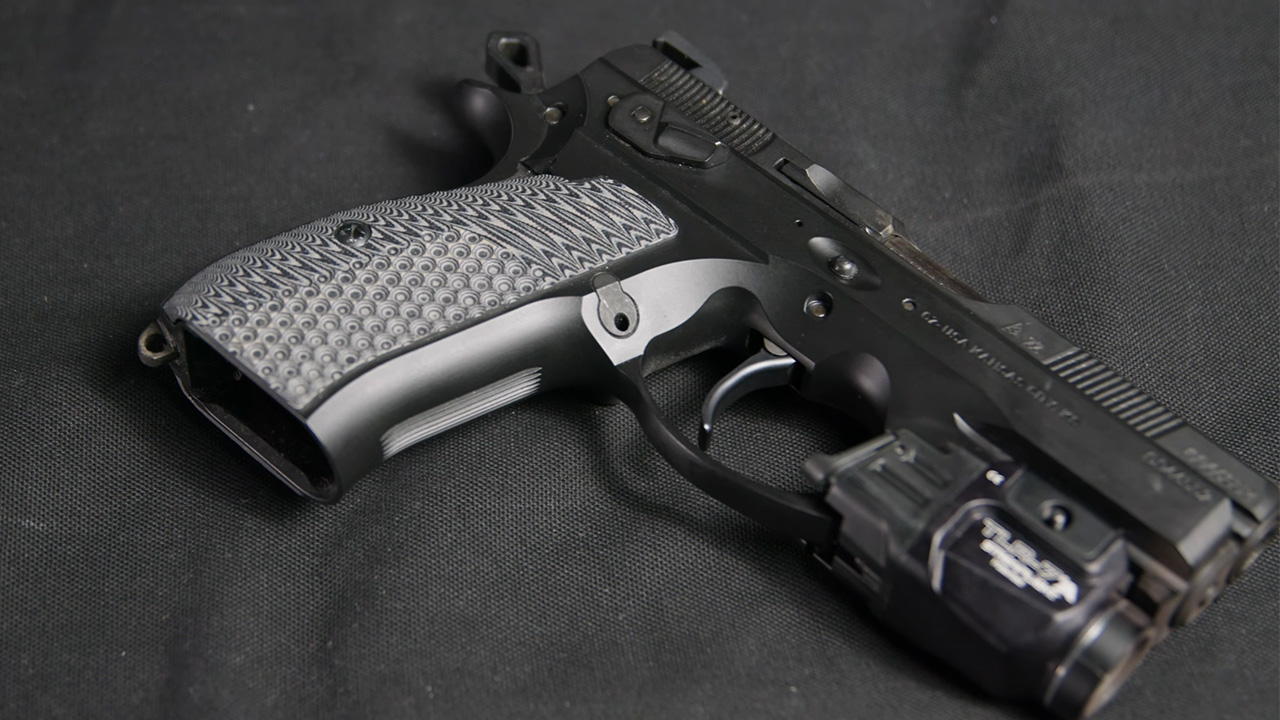
The P-01 is one of those pistols that makes you wonder why you ever tolerated a mushy trigger. It’s compact, it points well, and it’s easy to shoot fast without feeling snappy. A good DA/SA gun can be a real confidence builder.
The weakness is that DA/SA demands you actually practice the first shot. If you live on the single-action pull in your head but never run the double-action draw to first hit, you’ll see the gap when the timer’s on or when you’re cold and tired. The gun isn’t the problem—your reps are.
6. Beretta 92FS
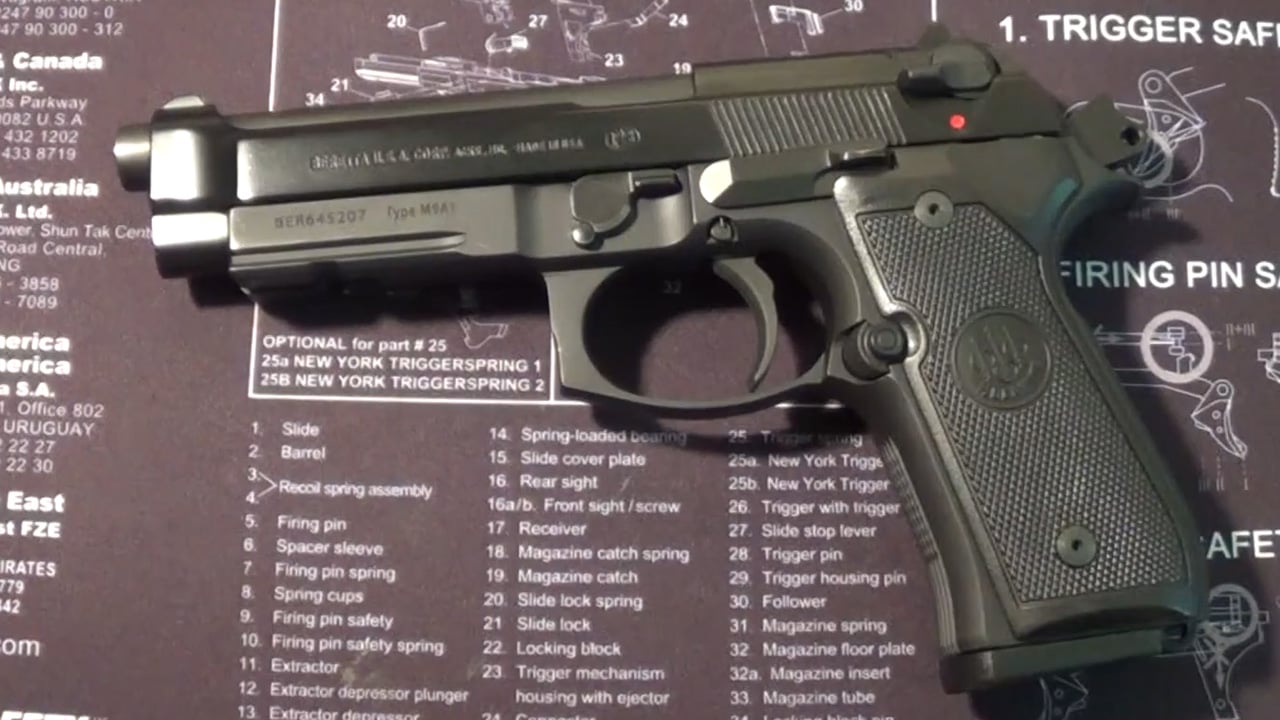
A 92FS is smooth. The slide cycles like it’s on ball bearings, it eats ammo, and it’s easy to shoot well even for folks who aren’t “pistol people.” Put it in someone’s hands at the range and they usually grin after the first magazine.
The weak spot is size and controls. It’s wide, it’s long, and the slide-mounted safety/decocker can be a headache if you ride the slide or manipulate it in a hurry. If you’re not consistent, you can end up on “safe” when you didn’t mean to. Great shooter, but it asks you to be deliberate.
7. SIG Sauer P226
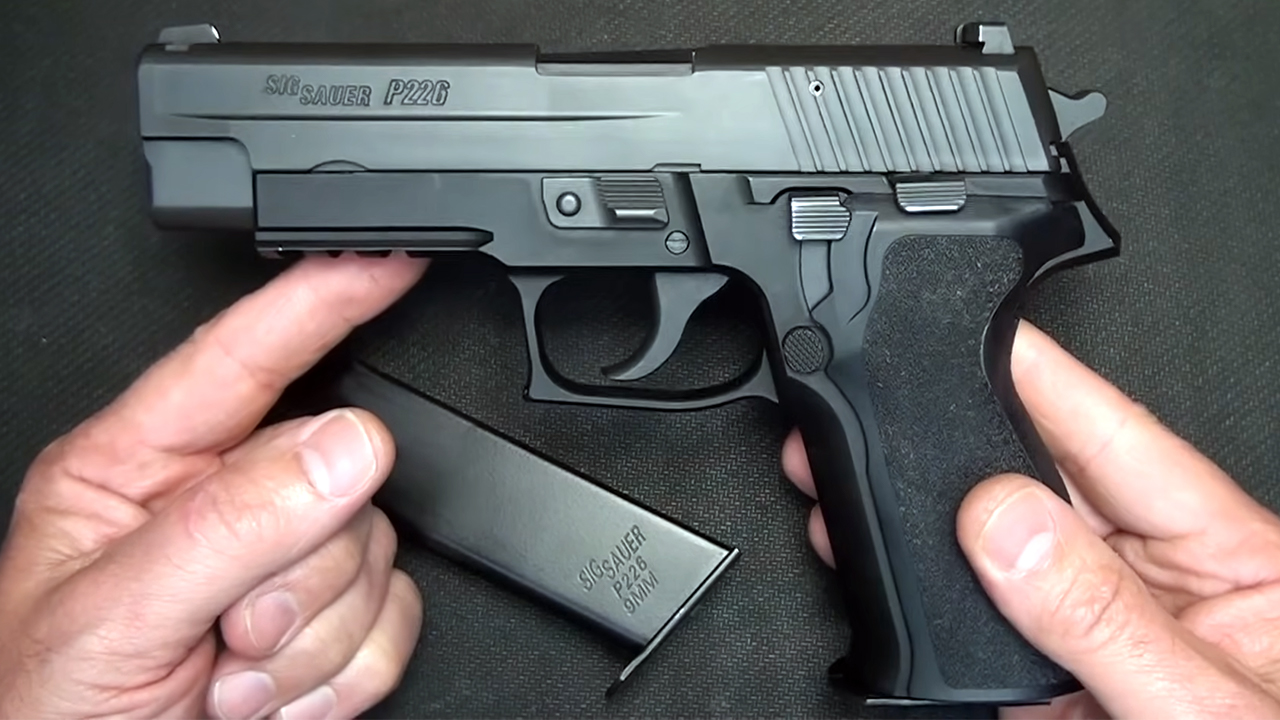
The P226 is one of the easiest full-size pistols to shoot well, period. It soaks recoil, the sights sit steady, and it runs in ugly conditions. It’s the kind of gun you could carry on a trapline and not worry about babying.
The weakness is that it’s a commitment: weight, bulk, and cost. By the time you buy mags and a quality holster, you’re into real money. And if you don’t maintain it, small parts and springs can eventually remind you this is a machine. It’s not fragile—just not magic.
8. HK VP9
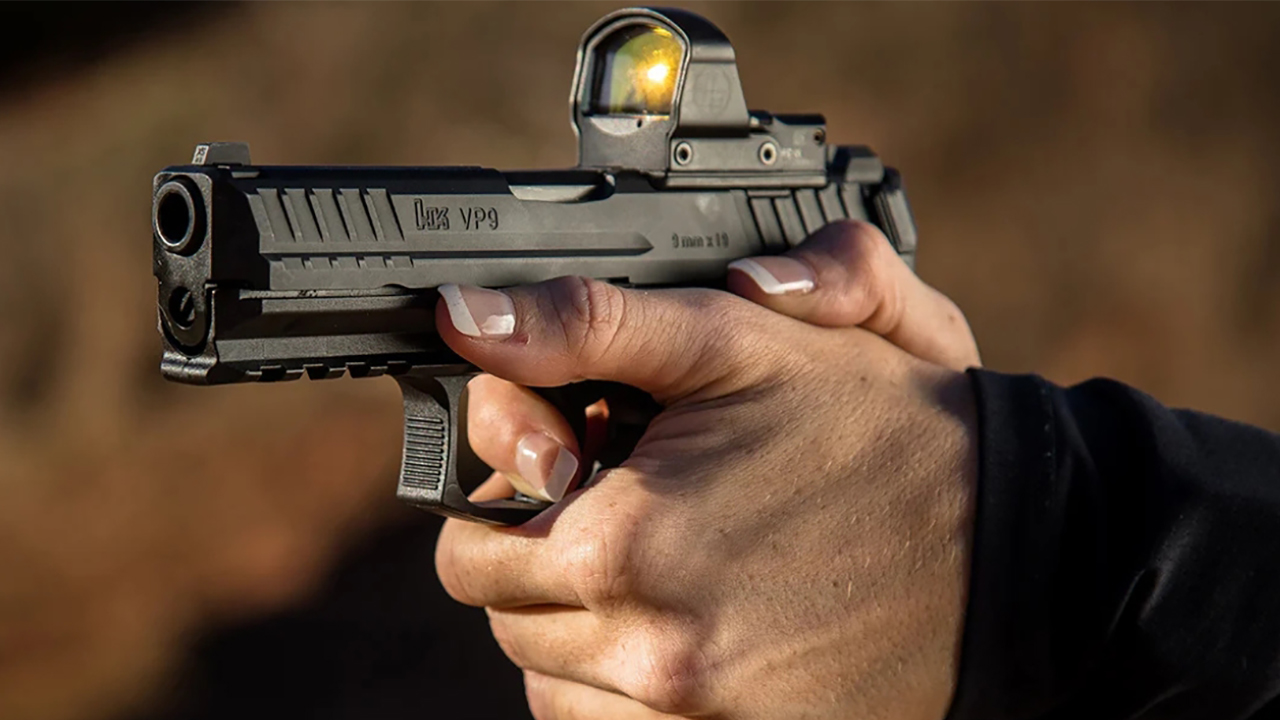
The VP9 fits a lot of hands right out of the case, and that matters more than folks admit. The trigger is clean for a striker gun, and it’s easy to keep your sights honest through recoil. For some shooters it’s the first pistol that makes them “get it.”
The weak spot is that the fit can fool you into neglecting grip discipline. When your hands are wet, cold, or gloved, that “perfect” ergos feeling can shift, and the paddles/mag release style (depending on variant) can trip up muscle memory. It’s not hard, but you can’t ignore it.
9. Walther PDP Compact
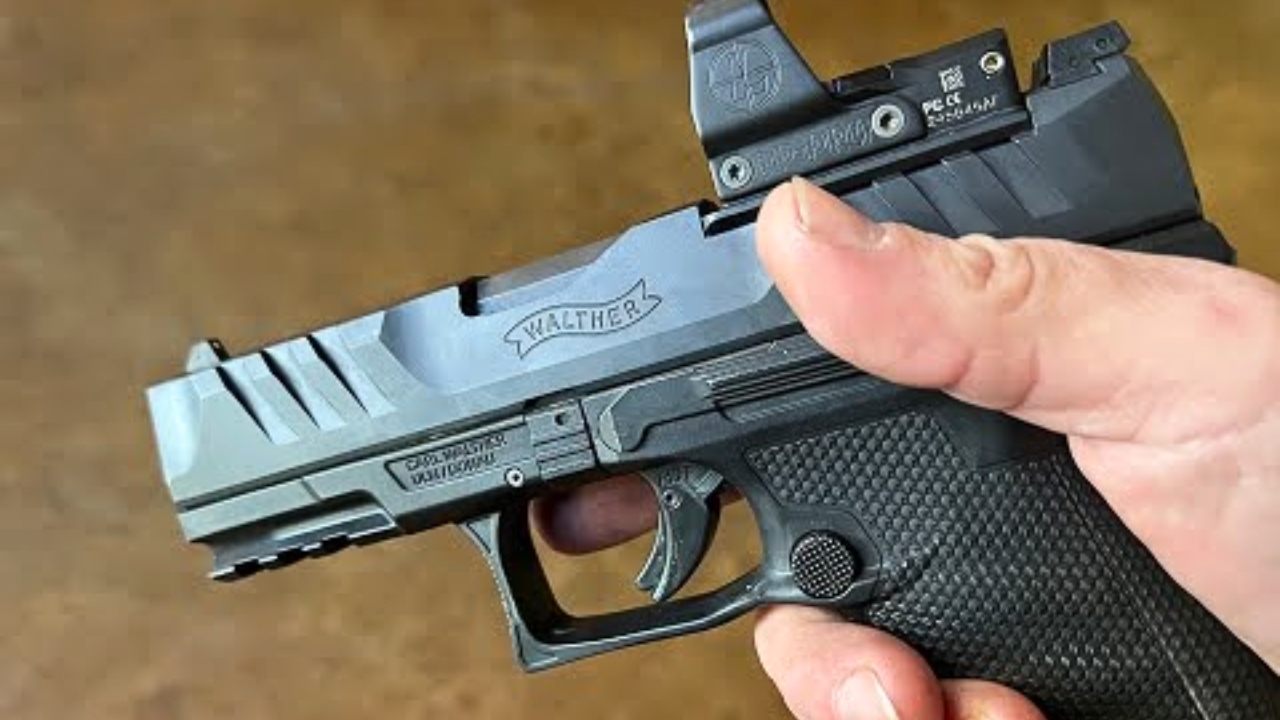
The PDP is a fast gun. The slide serrations are excellent, the trigger is one of the better factory striker triggers, and it shoots flatter than a lot of pistols in its class. If you like running dot sights, the PDP feels like it was built for that life.
The weakness is that it can feel “lively” in recoil compared to some heavier, softer shooters, especially with hotter defensive loads. Some folks also find the slide mass and springing make it a little more sensitive to limp-wristing when you’re tired. It’s a performer, but it wants a solid grip.
10. Springfield Armory Hellcat
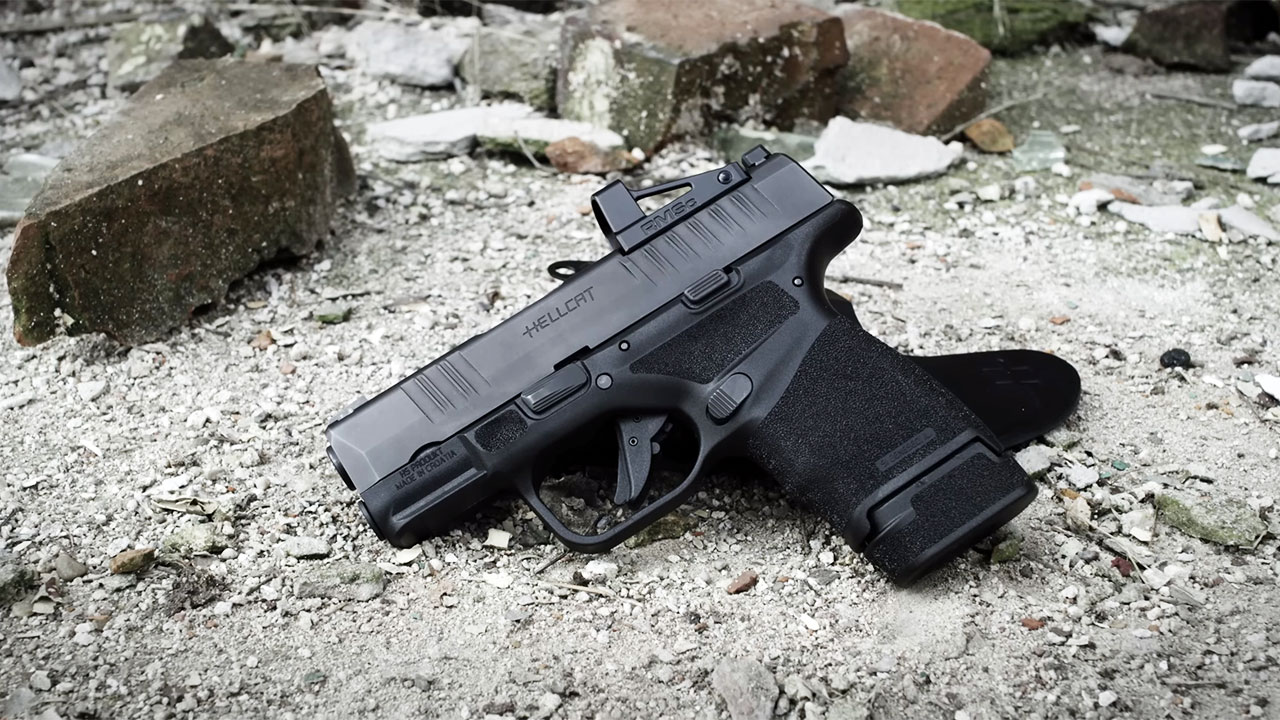
The Hellcat is small, carries easy, and still gives you real sights and real capacity. It’s the kind of gun that makes you actually carry, which beats a bigger “better” gun sitting in the safe. With practice, it can be impressively accurate.
The weak spot is that it’s still a micro 9. Long range sessions can beat up your hands, and quick follow-ups take more work than they do on a compact. If you buy it and never practice because it’s not fun to shoot, you’ve found the weakness the hard way.
11. Ruger LCR (.357 Magnum)

An LCR disappears in a pocket, rides light on a belt, and doesn’t care about lint or dust the way some autos can. As a trail gun for snakes, camp chores, or “I’m in town but I’ll be in the woods later,” it’s hard not to like. The trigger is better than it has any right to be.
The weakness is physics. A light revolver in .357 will remind you you’re alive, and more than a few folks end up carrying .38 +P because it’s actually controllable. Also, pocket carry means you must stay disciplined about holsters and keeping that trigger covered. Revolvers are simple, not foolproof.
12. Smith & Wesson Model 686

The 686 is a revolver you can hand down. It’s accurate, durable, and in the woods it just makes sense—especially if you’re hiking where four-legged trouble is a real concern. With .38s it’s a kitten; with .357 it means business.
The weak spot isn’t function so much as real-world carry. A 686 is heavy, and a heavy gun left in the truck is just a truck gun. Also, revolvers can go out of time, and when they do it’s not a simple “swap a mag” problem. They’re reliable until they aren’t, then you need a smith.
13. Ruger GP100
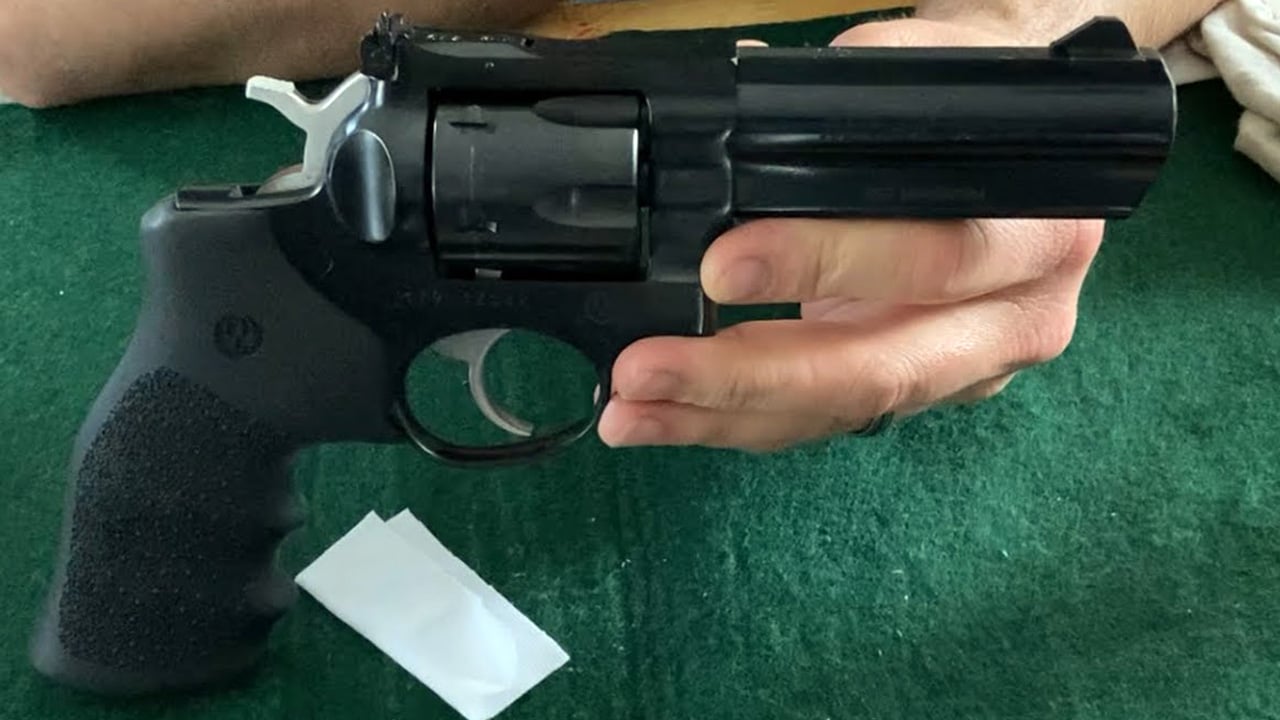
The GP100 is built like a fence post. If you run hardcast loads in the backcountry, it’s one of those guns that doesn’t feel like it’s living on the edge. It balances well for a big revolver, and it handles abuse better than a lot of lighter wheelguns.
The weakness is that out of the box the trigger can be stiff and a little gritty. Many smooth out with use, but some never get “nice” without attention. If you’re used to a slick S&W trigger, the Ruger can feel like work until your hands learn it.
14. Colt Python (modern production)

A Python shoots with a kind of grace that’s hard to explain until you feel it. The sights are good, the balance is excellent, and it turns range ammo into tiny groups. It also scratches that itch for a revolver that feels like it was made when people still cared about polish.
The weakness is that it’s expensive enough to make you baby it, and a babied gun doesn’t get trained with. Also, it’s not the revolver you toss in a tackle box. If it becomes a safe queen, the “weakness” is you treating a working tool like a museum piece.
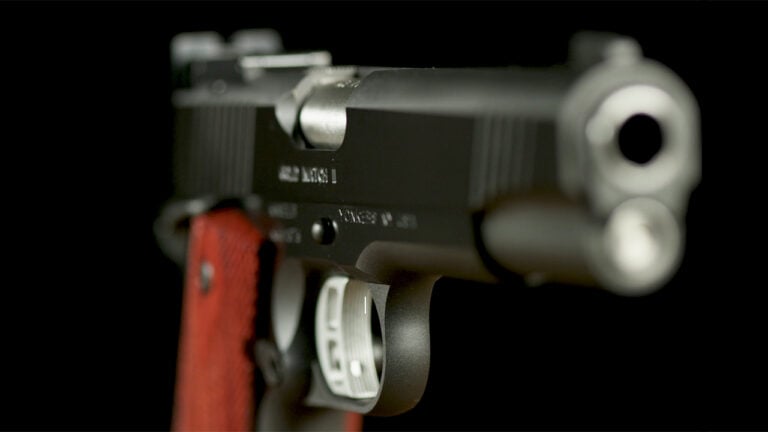
15. 1911 (Colt Government Model)
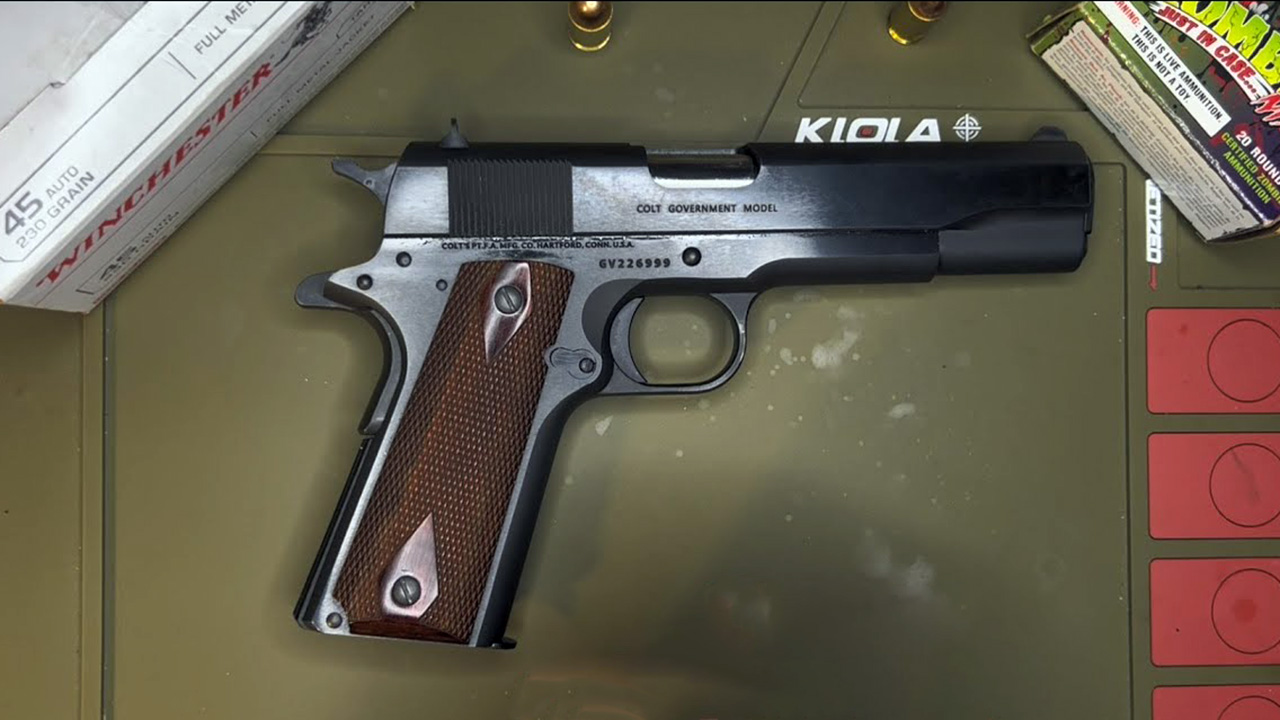
A good Government Model 1911 is still one of the best-shooting handguns ever made. The trigger is the reason. When you’re shooting slow-fire or trying to stack holes, it can feel unfair.
The weakness is that “1911” isn’t one thing. Magazines, extractors, and tolerance stacking can turn a dream into a finicky eater, especially with modern hollow points if the setup isn’t right. If you want one as a serious carry gun, you need to prove it with your ammo and your mags. Ask me how I know.
16. Browning Hi-Power (FN / Browning P-35)
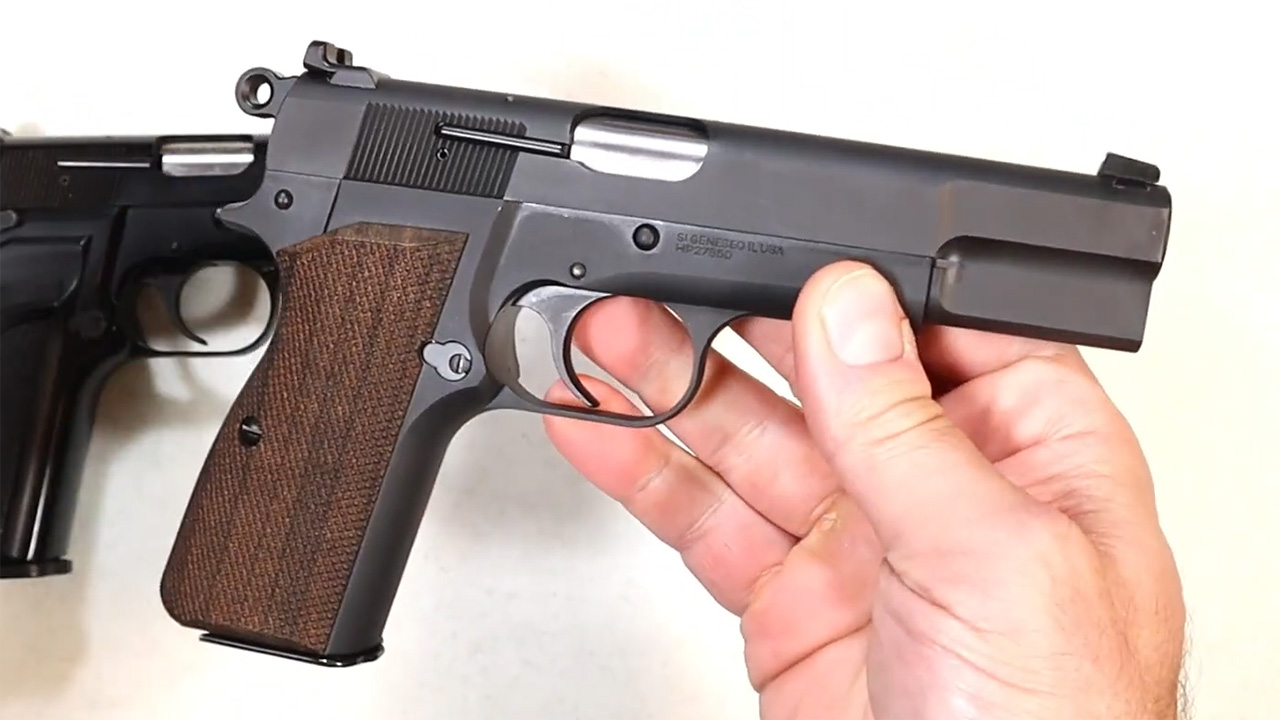
The Hi-Power carries flatter than you’d expect, points beautifully, and has a natural feel that makes you look good on steel. It’s one of those pistols that makes you appreciate older designs without pretending everything old is better.
The weakness is that the ergonomics come with quirks. Hammer bite is real for some hands, and parts/mags vary depending on which era you’re dealing with. Also, many examples benefit from modern sights, but not everyone wants to modify a classic. Great gun, but you have to live with its personality.
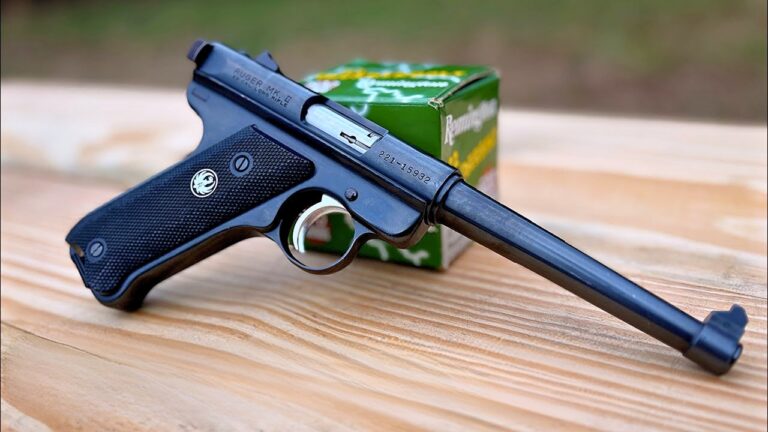
17. Ruger Mark IV (Standard/22-45)
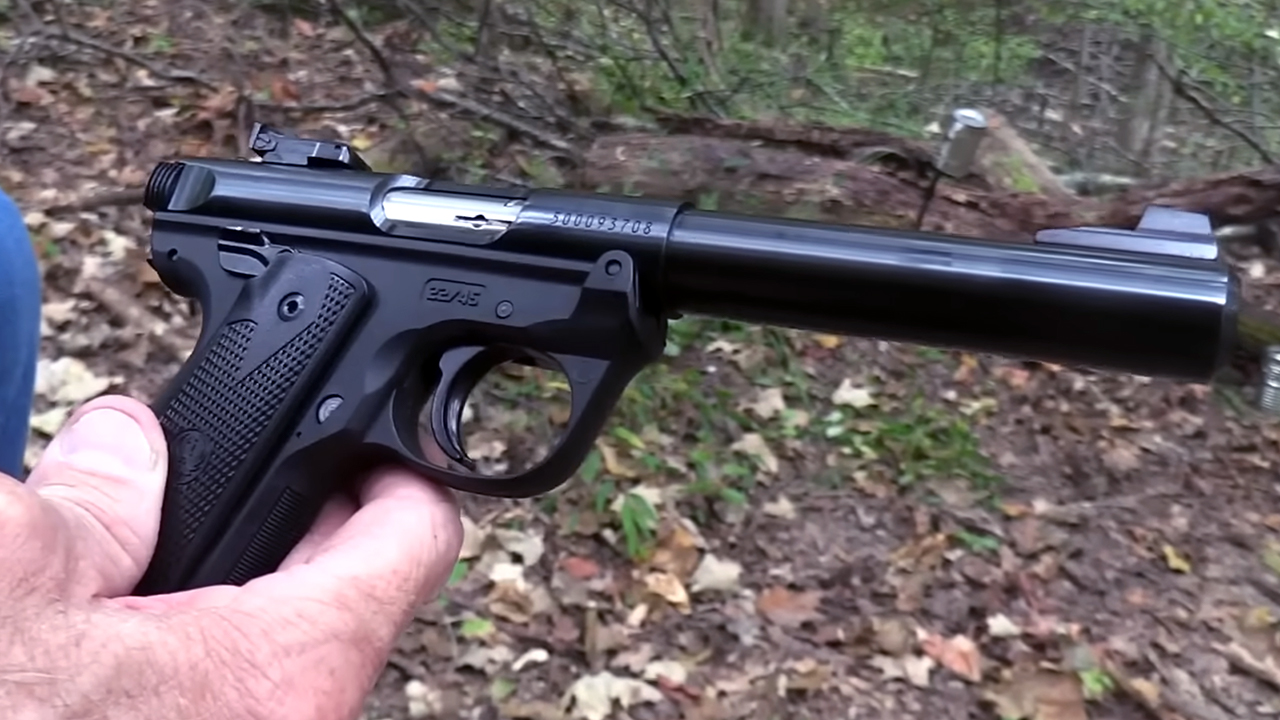
A Mark IV is how you keep your pistol skills sharp without burning through your paycheck. It’s accurate, it’s quiet-ish compared to centerfire, and it’s perfect for camp plinking and teaching new shooters. The push-button takedown is a gift.
The weakness is rimfire reality. .22 LR ammo can be dirty and inconsistent, and a gun that runs 500 rounds clean can start choking when you get lazy about maintenance. Also, magazines get dropped in the dirt at the range, and .22 mags hate grit. Keep them clean and it’ll keep smiling.
18. Smith & Wesson Model 41

If you want to know what “shoots like nothing else” feels like, shoot a Model 41 on a calm morning. The trigger is surgical. The balance is right. It makes you believe you’re a better shot than you are.
The weakness is that it’s a picky thoroughbred compared to rough-and-tumble .22s. Some ammo brands will run like a sewing machine and others will make you question everything. It also isn’t a knock-around woods pistol unless you’re fine with beating up a nicer gun. Many aren’t.
19. Desert Eagle Mark XIX
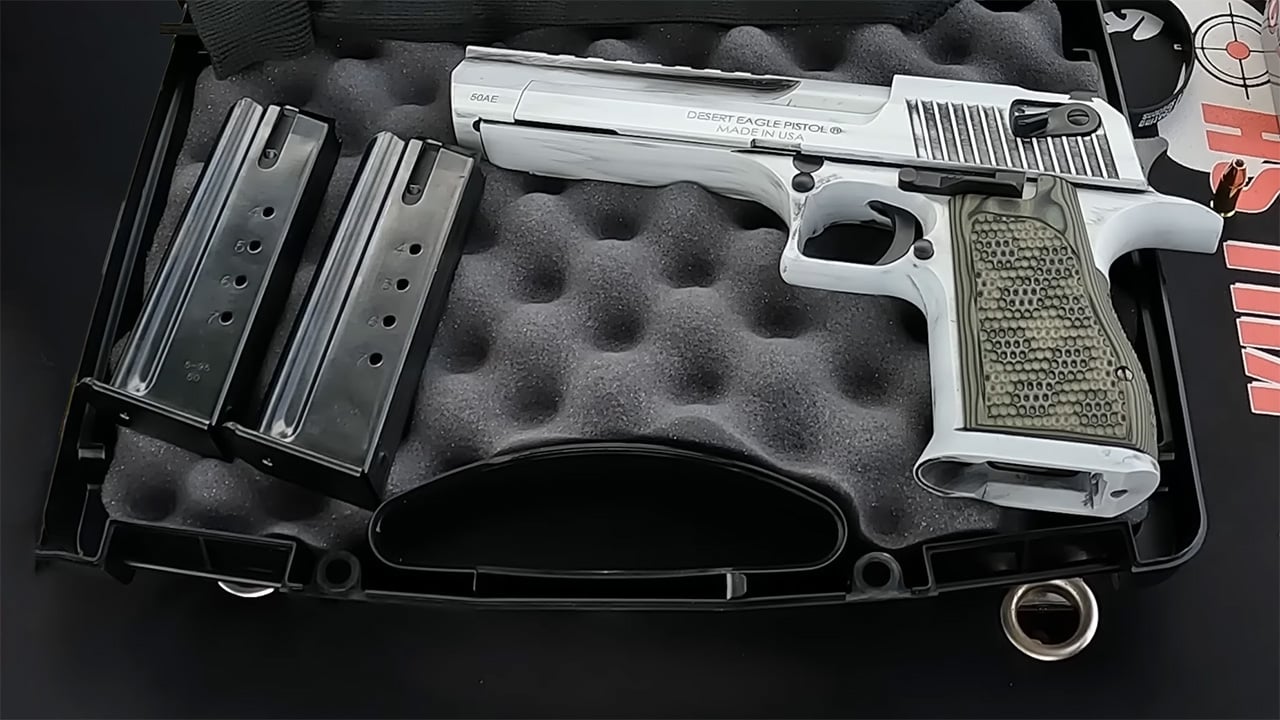
The Desert Eagle is ridiculous in the best way. When everything is right, it’s shockingly accurate for what it is, and it turns heads every single time. It’s the handgun you buy because you want it, not because you need it.
The weakness is that it’s a system, not a simple pistol. Ammo choice matters, grip matters, and maintenance matters. If you treat it like a Glock and expect it to eat anything, it will humble you. It’s fun, but it’s not forgiving.
20. Kel-Tec P32

The P32 is one of the sneakiest useful pistols ever made. It’s light enough to actually carry when you’re in waders, running a chainsaw, or making a quick run to the feed store. For deep concealment, it has saved a lot of days.
The weakness is that tiny pistols live in harsh places: pockets, sweat, dust, and lint. If you don’t periodically check it, clean it, and replace carry ammo that’s been marinating against your body for months, you’re trusting luck. It’s a great tool, but it punishes neglect.
Every one of these handguns can feel like the answer—right up until you run into the one thing it doesn’t do well. The trick is figuring that out on a boring range day, not when you’re cold, tired, and something is going sideways. Shoot what you carry, maintain what you trust, and be honest about what your hands and habits actually like.
Like The Avid Outdoorsman’s content? Subscribe to our newsletter so you never miss an article.
Here’s more from us: