Photo credit: Yonder Oak/YouTube
Revolvers get a reputation for being simple. Point it, press it, it goes bang. No magazine to lose in the leaves, no slide to grab your cover garment, no “tap-rack” drama when your hands are cold and your brain is busy. I get the appeal. I own a few and I carry one sometimes.
But here’s the part nobody wants to practice: getting that empty wheel back to full when the clock is running and your heart rate is up. A revolver that feels perfect in the store can turn into a fumble-fest when you’re trying to reload one-handed, off-balance, in low light, or with numb fingers. The gun isn’t “bad.” It’s just honest.
These are 20 revolvers that tend to feel like winners right up until the first time you try to reload them under pressure. Some are great guns anyway. Some are specialized tools. A few are straight-up lessons. Ask me how I know.
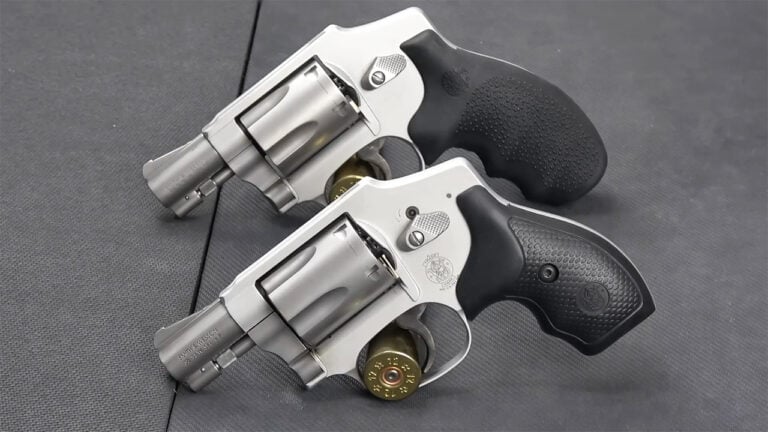
1. Smith & Wesson Model 642 Airweight
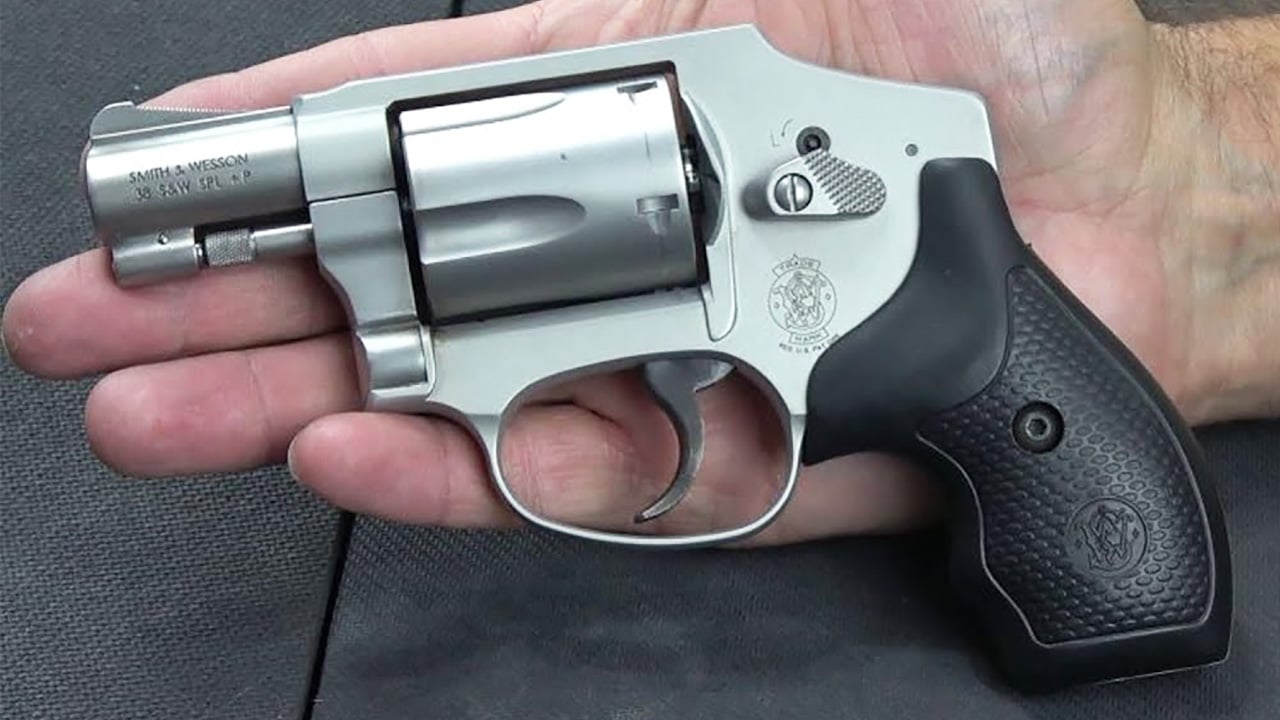
The 642 is one of the best “always” guns ever made. It’s light, snag-free, and disappears in a pocket holster like it was born there. The double-action pull is usually heavy but workable, and it’ll ride with you when a bigger pistol won’t.
Reloading one fast is where it humbles people. The short barrel and light frame make you want to clamp down hard, and that tension carries into the reload. Ejector strokes can be weak if you don’t run it like you mean it, and tiny grips don’t give you much to index during a speedloader or speed strip reload.
2. Smith & Wesson Model 442 Airweight
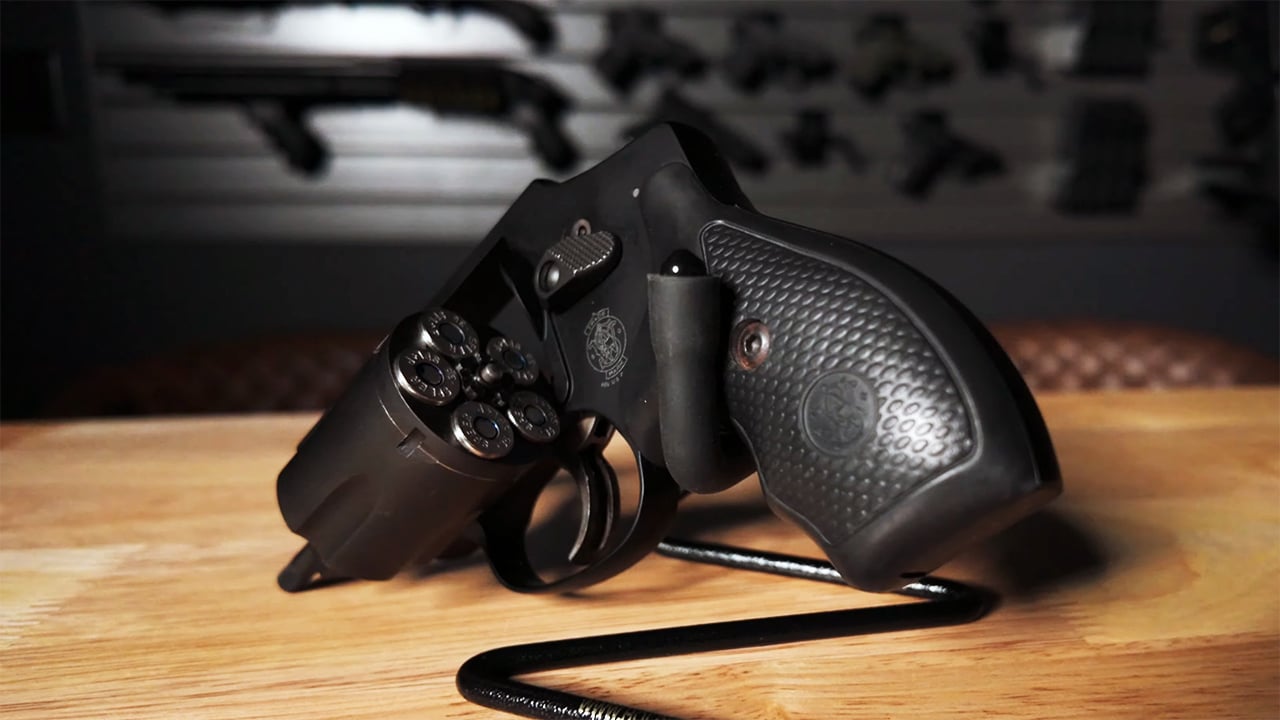
Same idea as the 642, just a different finish. It’s a working-person revolver that actually gets carried. That matters more than internet debates about finish wear.
Under pressure, the enclosed hammer and small window between grip and cylinder mean your hands are crowded. If you don’t practice clearing empties with a firm, straight smack of the ejector rod, you’ll end up plucking cases and losing time. It’s not complicated, it’s just not forgiving.
3. Ruger LCR .38 Special
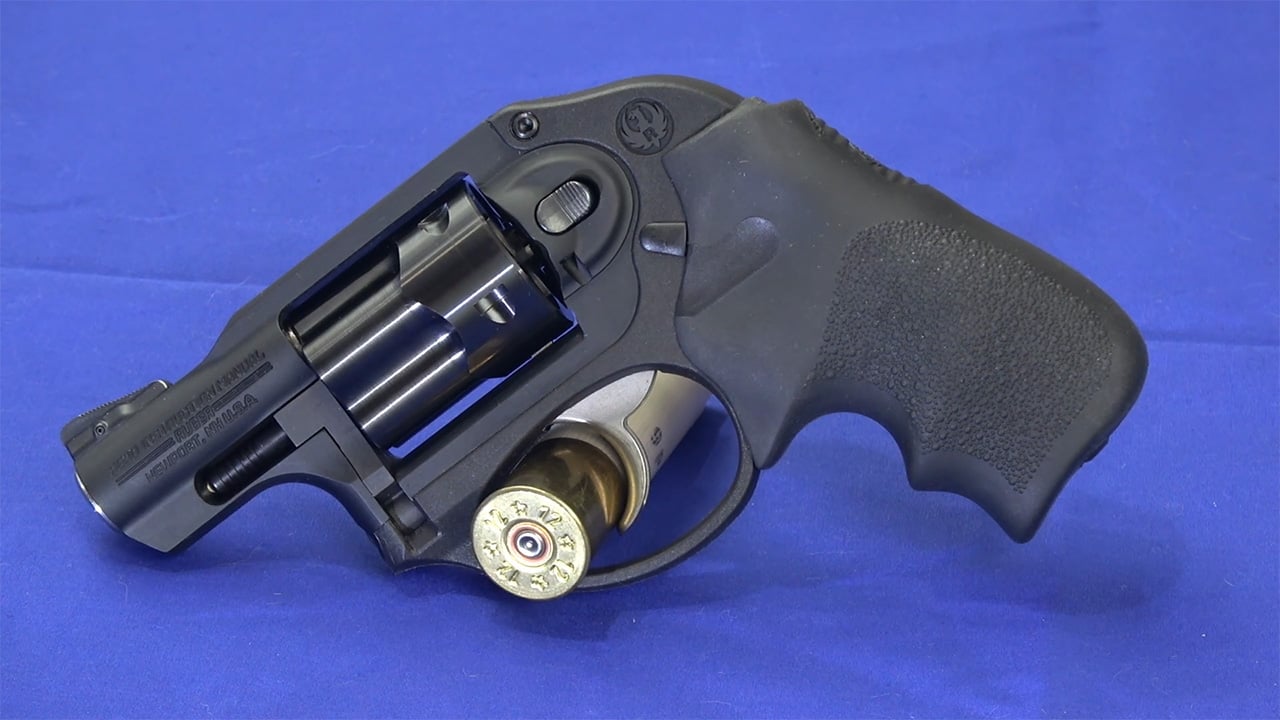
The LCR points fast and carries easy, and that cam-style trigger can feel surprisingly smooth. For a lightweight snub, it shoots better than it “should.” It’s a legitimate choice for a lot of folks.
The reload is where the design shows its quirks. The cylinder release is different than the S&W style many shooters have trained on, and that little pause while your brain searches for the button costs time. Add a tight pocket carry habit and lint-and-grime reality, and your “simple revolver” starts demanding attention.
4. Ruger LCR .357 Magnum
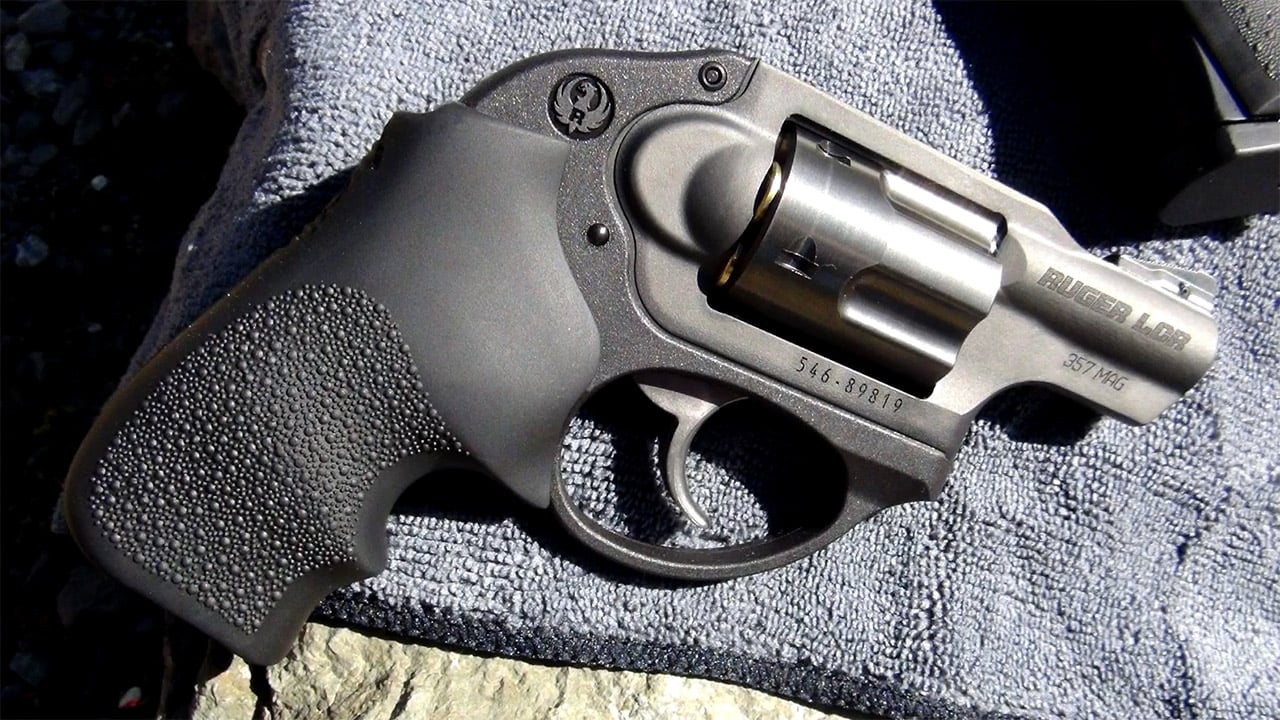
The .357 LCR is a tough little package, and it gives you caliber flexibility. Run .38s for practice, carry .357 if you want the option. Nothing fancy about it, and that’s kind of the point.
But .357 in a small frame can make extraction sticky, especially with certain ammo. Sticky extraction isn’t a theory; it’s what happens when heat, pressure, and a little carbon ring team up. When you’re rushing a reload, a case that doesn’t want to let go feels like the gun is fighting you.
5. Colt Cobra (2017 and newer)
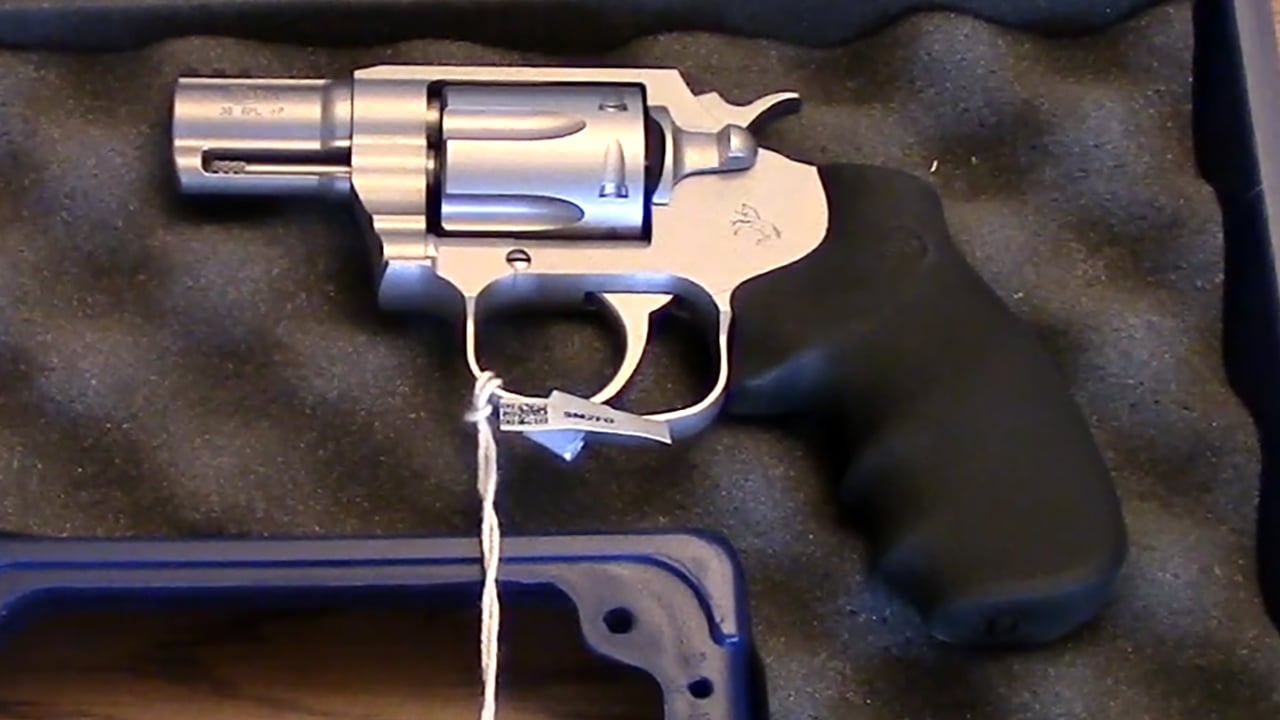
The modern Cobra is a good-looking carry revolver with a nicer trigger than a lot of people expect. It has that Colt feel in the hand and it points natural. Six shots in a small-ish package is easy to like.
Where it can bite you is speedloader compatibility and technique. Not every loader fits every grip, and small variances matter when you’re trying to slam rounds in quickly. A revolver can be dead reliable and still be a pain to feed fast if your loader and grip don’t play together.
6. Colt King Cobra (3-inch)
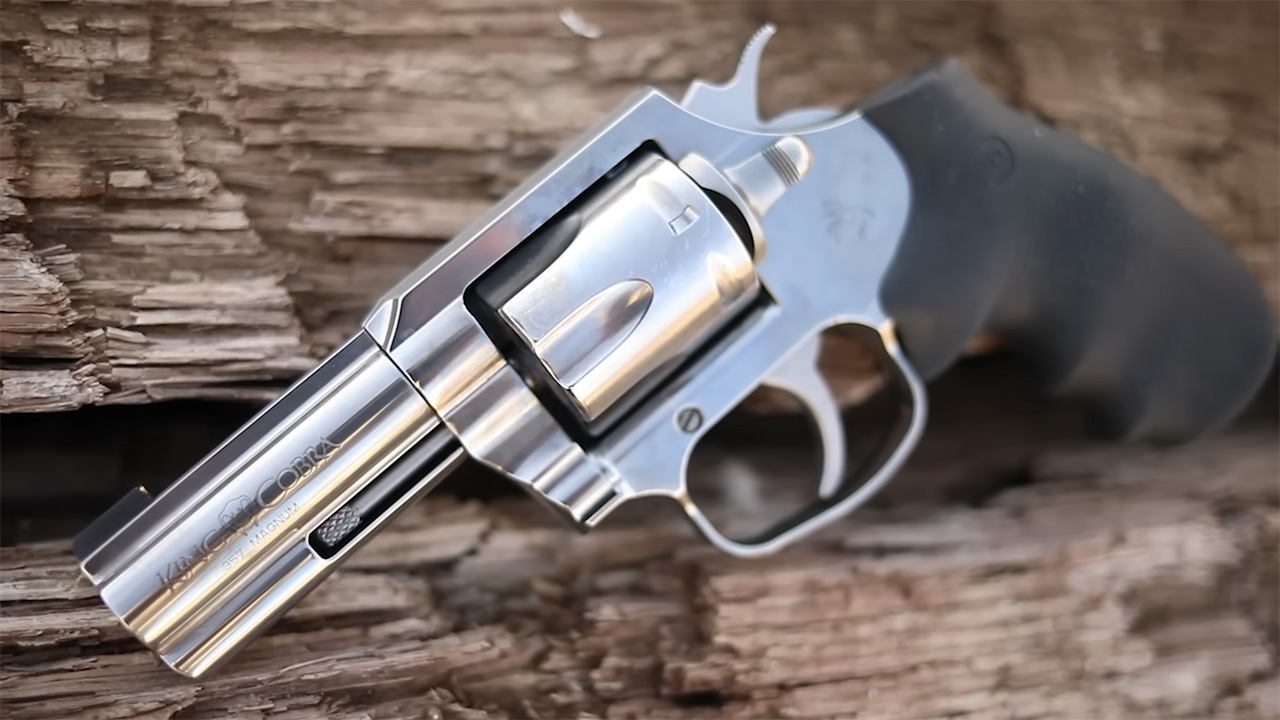
A 3-inch King Cobra is about as close as you get to a “do-everything” revolver that still carries. Great sight radius for the size, good balance, and enough weight to shoot real .357 without hating life. It’s one I would not be quick to let go.
The catch is that the very things that make it shootable also make it a little more awkward to reload at speed than folks expect. The slightly bigger package prints differently under clothing, and when you rush a reload, that longer ejector stroke needs to be used fully. Short-stroking it leaves cases hanging and your reload turns into a mess.
7. Kimber K6s (2-inch)

The K6s is slick: six shots, compact frame, good sights on some models, and it feels “tight” in a good way. It’s also a revolver that sells itself the first time you handle it at the counter.
That tightness can show up during a hurried reload. With some speedloaders, clearance is everything, and the K6s can be picky about what loader works cleanly. If your reload gear isn’t matched, you’ll be staring at rounds that won’t quite line up while time drains away.
8. Kimber K6s DASA (3-inch)
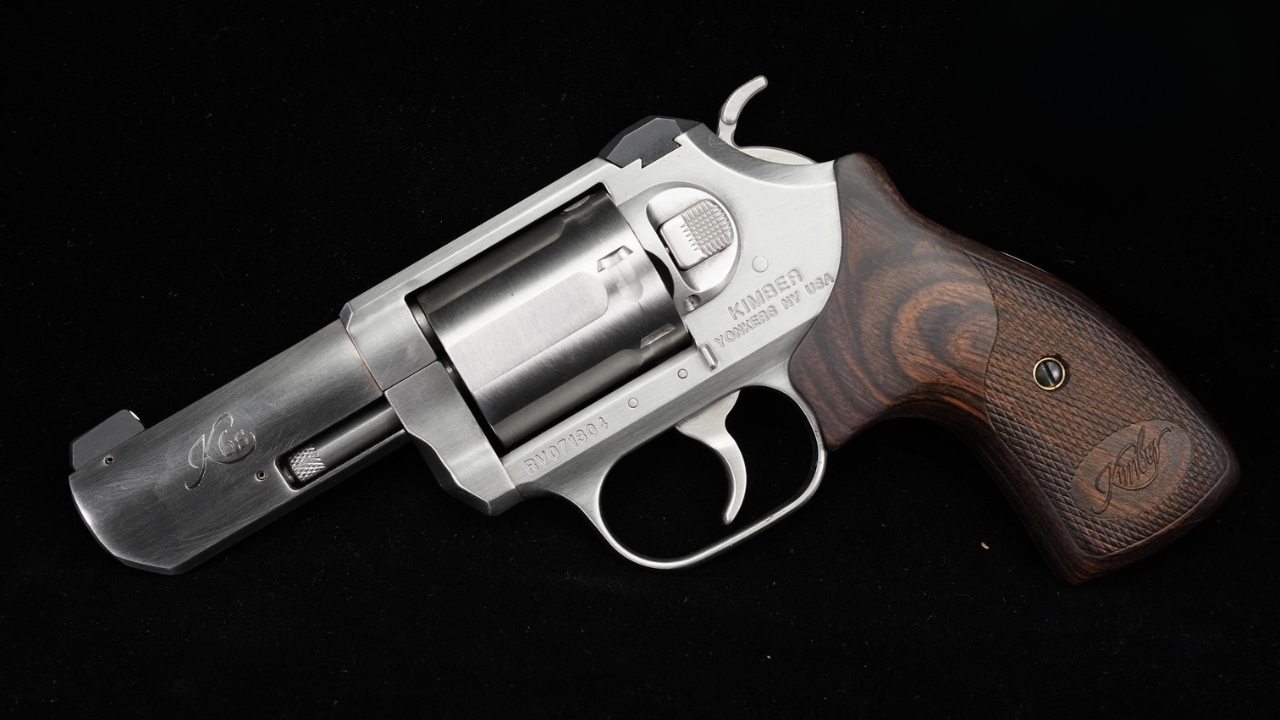
The DASA version gives you a different manual of arms than most revolver shooters are used to. A thumb-cocked single-action option can feel comforting to folks who grew up on older wheelguns.
Under stress, extra options can become extra decisions. If you’re already juggling opening the cylinder, hitting the ejector hard, and indexing fresh rounds, the last thing you need is a brain hiccup about how you’re staging the trigger. It’s not unsafe; it’s just one more thing to manage when you’re behind the curve.
9. Smith & Wesson Model 340PD

This is the “featherweight .357” that makes sense right up until you shoot it. It carries like nothing else, and for deep concealment it’s hard to beat. The idea is simple: a serious cartridge in a tiny package.
Now try reloading it fast after full-power loads. Recoil can pull bullets forward in lightweight revolvers with some ammo, and even if you never get actual bullet jump, the whole experience tends to make you rush and fumble. Also, small-frame magnum loads can make extraction feel less smooth, which is the last thing you want when you’re trying to get the gun back online.
10. Smith & Wesson Model 329PD
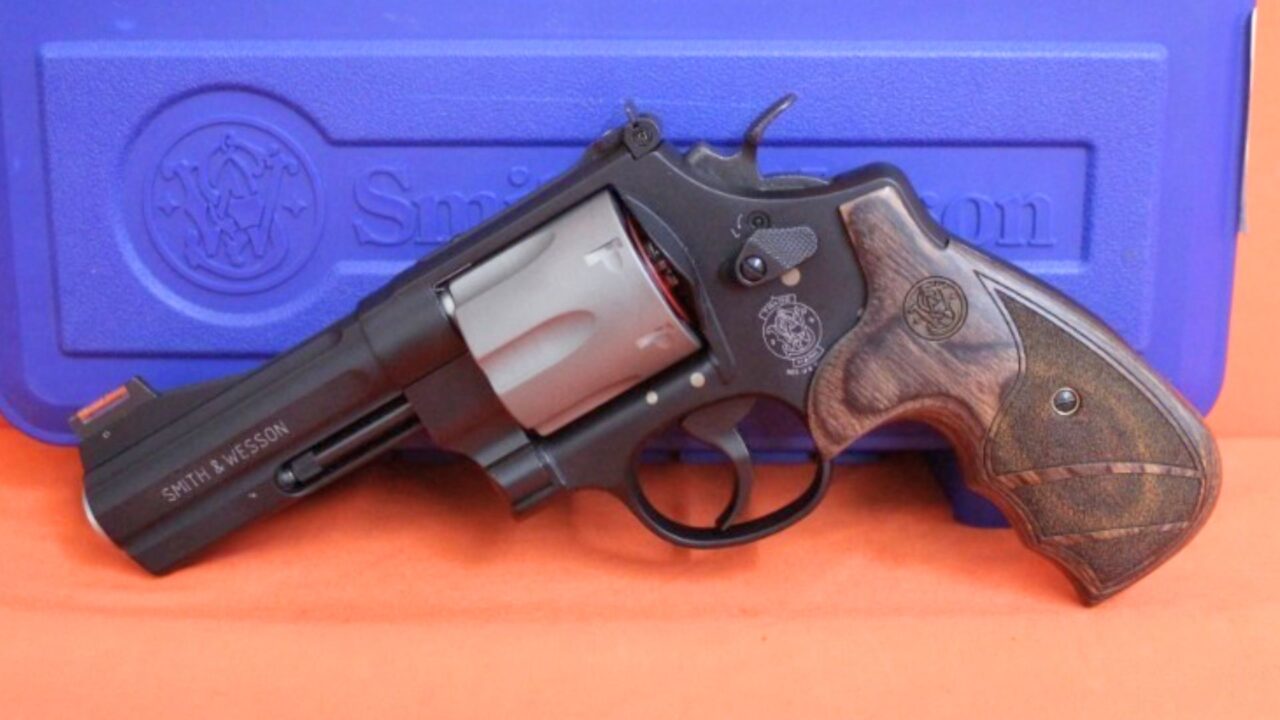
A .44 Magnum you can carry all day sounds perfect for the backcountry. The 329PD is exactly that: light enough to actually pack, powerful enough to end an argument with teeth and claws. A lot of folks buy it as an “insurance policy” revolver.
Reloading under pressure is where it gets ugly. Big-bore cases can be stubborn, and the light frame means recoil is sharp. If you’ve got sweaty hands, gloves, or adrenaline, keeping the cylinder steady while feeding big cartridges quickly is not graceful work.
11. Ruger SP101 (2.25-inch)

The SP101 is built like a little tank. It’s a revolver you can shoot a lot without feeling like you’re beating it to death. For woods carry or as a durable small revolver, it’s earned its reputation.
The downside is speed. Smaller grip, smaller window, and a short ejector stroke mean you have to be deliberate to get clean extraction. Under pressure, a half-ejected case that falls back under the star is a time killer, and it’s more common on short-barreled small frames than people admit.
12. Ruger GP100 (4-inch)
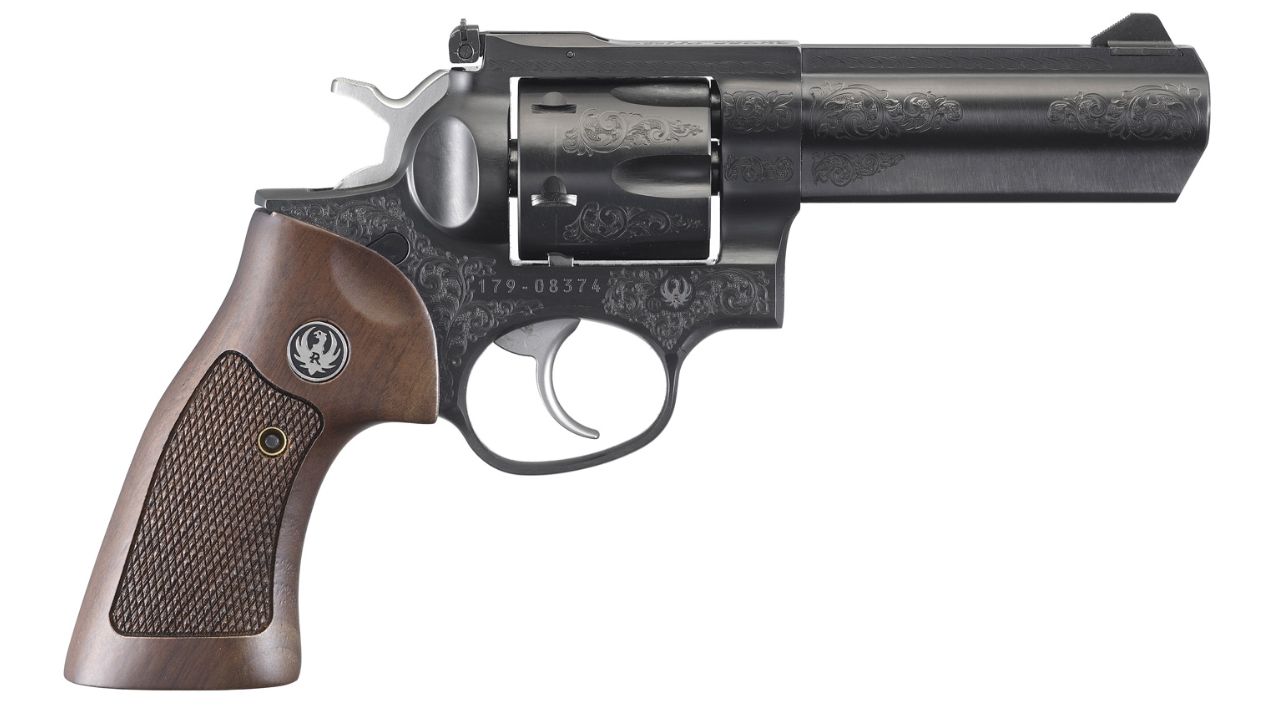
GP100s are honest revolvers. They shoot well, they last, parts and holsters are easy to find, and they don’t feel precious. If you want one revolver to train with hard, this one makes sense.
It still isn’t a speed reload machine if you don’t practice. A full-size cylinder is easier to load than a snub, but it’s also heavier and easier to bobble when you’re trying to do everything fast. If you’re using speed strips instead of loaders, you’ll feel like you’re loading fence staples one at a time.
13. Smith & Wesson Model 686 (4-inch)

The 686 is what a lot of folks picture when they think “good .357.” Balanced, accurate, and generally smooth. With a decent set of sights and a good trigger, it can make you look like a better shooter than you are.
Where it surprises people is how much reload performance depends on your support hand and your gear. Some speedloaders are bulky, some grips interfere, and some folks never learn to run the ejector rod with authority. A great revolver doesn’t automatically equal a great reload unless you put in the reps.
14. Smith & Wesson Model 19 Carry Comp
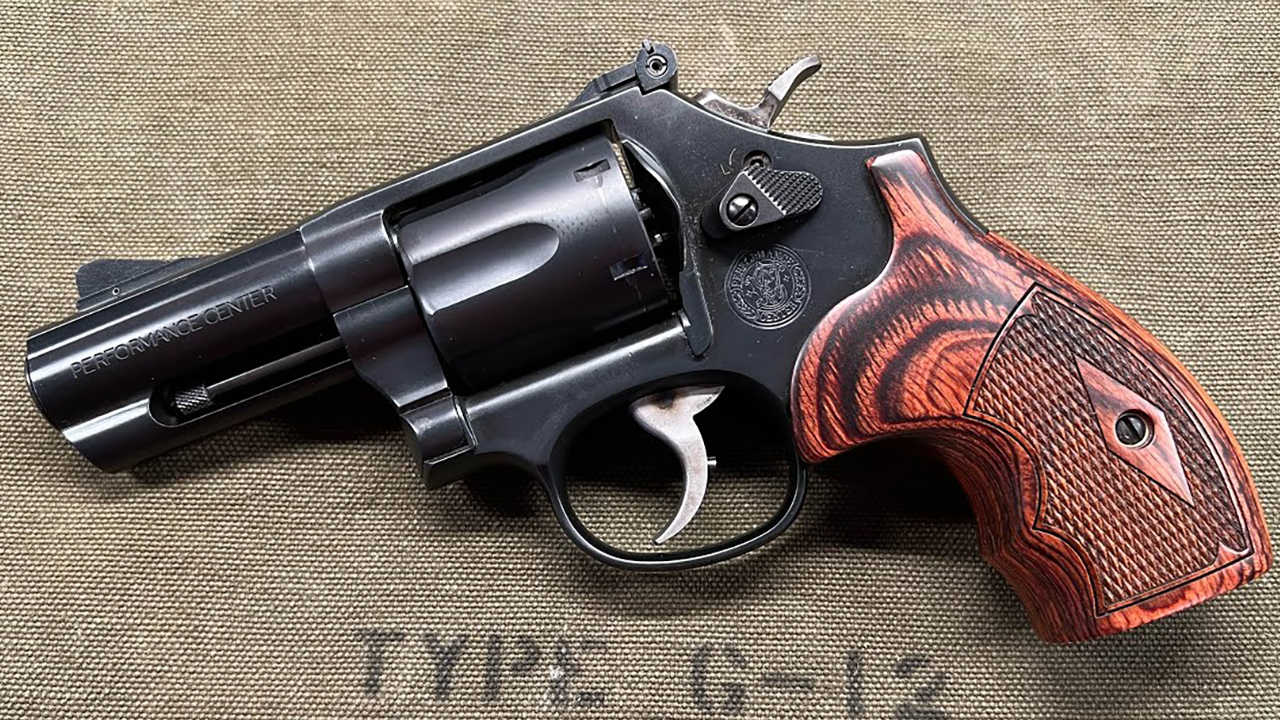
This one has a lot going for it: classic lines, modern refinements, and the kind of balance that makes you want to shoot “just one more” cylinder. It carries flatter than many folks expect for a K-frame.
But when you’re trying to reload quickly, that nice carry setup often includes carry-friendly grips that don’t always love speedloaders. If your loader drags on the grip or you have to rotate it just right to clear, you’ll feel the delay in your bones.
15. Smith & Wesson Model 10 (2-inch or 4-inch)
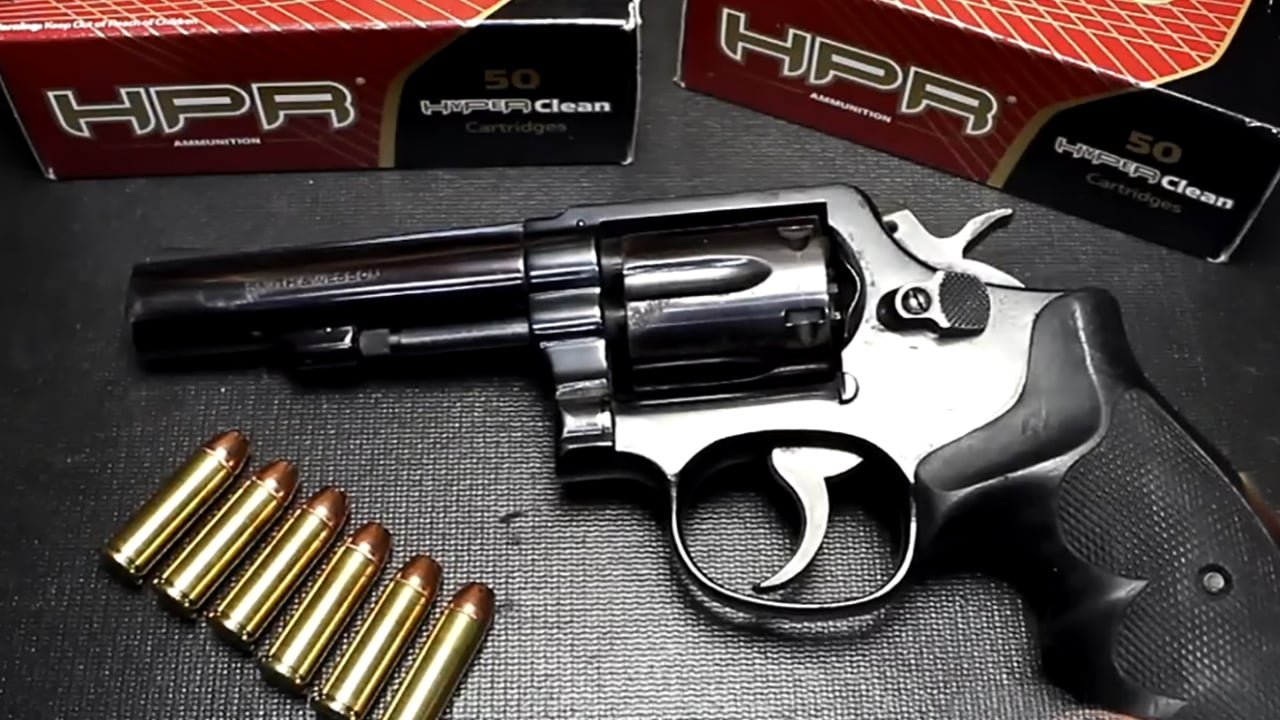
The Model 10 is about as proven as it gets. Plenty of these have lived in holsters, glove boxes, and nightstands for decades and still do their job. They’re usually boring in the best way.
The problem is most Model 10s you run across aren’t set up like a modern fighting revolver. Small sights, older grips, and sometimes a gun that’s been carried a lot more than it’s been practiced with. Under pressure, tiny sights and unfamiliar reload gear can turn “old faithful” into “old and slow.”
16. Taurus 856 (2-inch)

The 856 gives you six shots in a compact frame at a price that makes sense for working folks. Some of them run great, and when you get a good one it’s easy to understand why they sell.
Reloading under pressure can get dicey because tolerances and small parts fit aren’t always as consistent as the bigger-name stuff. A cylinder that doesn’t swing as freely or an ejector that feels a little rough will show up when you’re moving fast. On a calm range day, you might never notice.
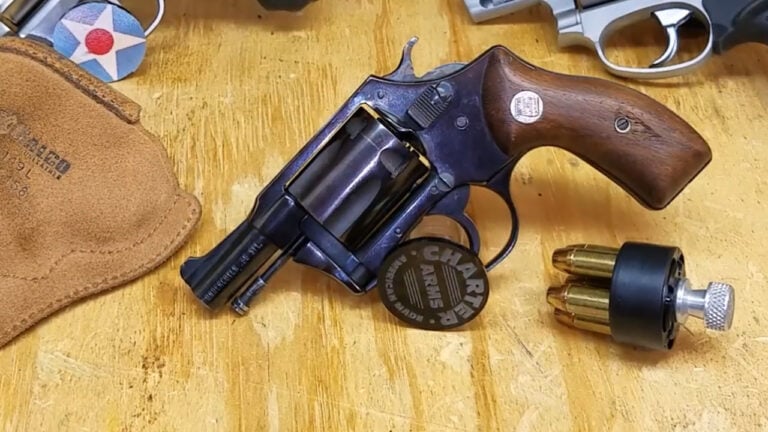
17. Charter Arms Undercover

Charter Arms revolvers have put a lot of affordable protection in pockets over the years. They’re light, simple, and they fill a niche for people who want a basic wheelgun without spending a pile of money.
The reload is where that budget reality can show. Timing and smoothness matter when you’re trying to snap the cylinder open and get empties out clean. If the action feels gritty or the cylinder doesn’t like to swing with authority, you’ll fight the gun when you should be feeding it.
18. Smith & Wesson Governor
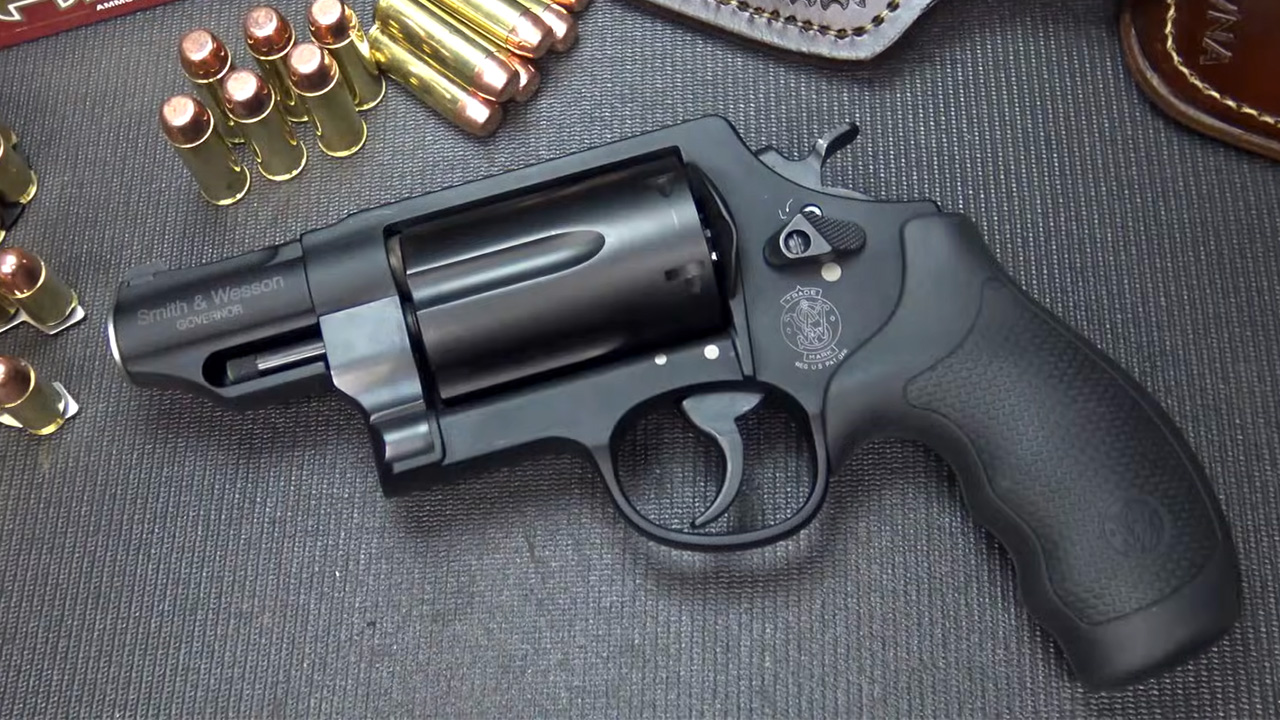
The Governor is fun, and it has a purpose for some folks: multi-ammo flexibility and big holes. On a nightstand it feels like a hammer, and it points better than it has any right to.
Reloading it quickly is another story. Big, long chambers and mixed ammo choices can complicate what should be a simple process. Speedloaders are bulky, and the whole package is wide enough that “smooth” reloads take real practice and a dedicated setup.
19. Taurus Judge (Public Defender or full-size)
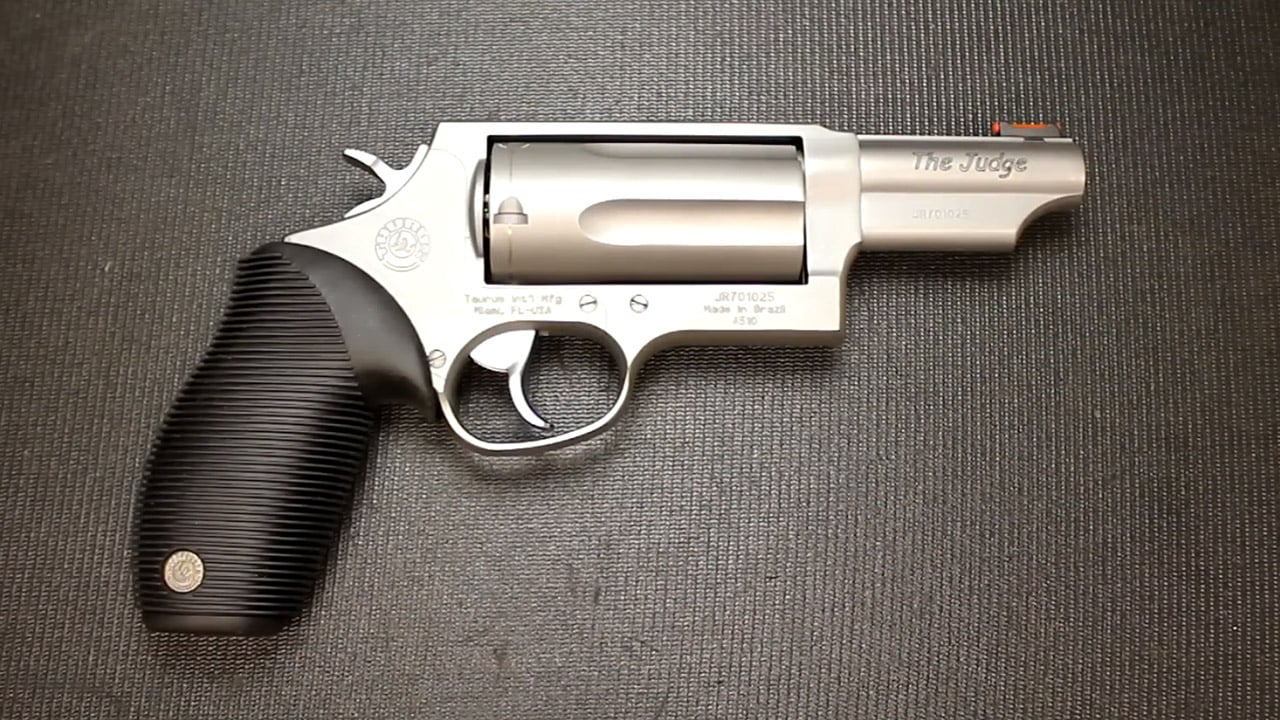
The Judge is one of those revolvers that people buy because it sounds like it solves problems. It’s also popular in truck consoles and tackle-box country where folks want something that feels versatile.
Under pressure, the long .410 chambers and the size of the cylinder work against you. Ejection can feel sluggish, and feeding those long rounds quickly isn’t as easy as loading .38s into a K-frame. It’s a revolver that demands you be honest about what you’re actually carrying it for.
20. North American Arms Mini Revolver (Black Widow / Mini-Mag)

These little minis are well-made for what they are, and they disappear in places nothing else will. As a last-ditch “better than harsh language” option, they have a following for a reason.
But reloading one under pressure is close to the definition of “good luck.” You’re pulling the cylinder pin, poking empties out, and handling tiny cartridges with tiny parts. On a bench it’s slow. In the real world, it’s not a reload plan—it’s a pocket talisman that you hope you never need twice.
If you love revolvers, don’t let any of this scare you off. Just be honest about what you’re buying. The right revolver with the right reload method can be plenty capable, but none of them reload themselves. If you carry one, practice opening the cylinder, dumping empties with a firm stroke, and feeding it with whatever gear you actually plan to carry—because the first time you figure it out shouldn’t be the first time it matters.
Like The Avid Outdoorsman’s content? Subscribe to our newsletter so you never miss an article.
Here’s more from us: