Photo credit: Kimber America/Youtube
Every range has a guy who shows up with a pistol that shoots like a dream off a bench, prints tiny groups, and makes everyone walk over and ask, “What is that?” Then you watch him try to hide it under a T-shirt on the way out and you realize the truth: some handguns were built to live in a case, not on a belt.
Carry guns are about boring reliability, manageable size, snag-free controls, and you being able to run the thing under stress with sweaty hands. Range pistols are about sight radius, weight, triggers, and sometimes pure mechanical accuracy. Those goals don’t always overlap. Here are 20 handguns that can be excellent at the range but are, in my opinion, the wrong tool for daily self-defense carry for most regular folks.
1. CZ Shadow 2

The Shadow 2 is a laser when you do your part. Heavy steel, long sight radius, soft recoil, and a trigger that makes you look better than you are on a good day. It’s the kind of pistol that turns a mediocre range session into a confidence builder.
For carry, it’s a brick. Big, heavy, and with competition-style controls that can be more “race gun” than “life depends on it.” It can be carried, sure, but most folks won’t actually carry it consistently, and consistency is the whole game.
2. SIG Sauer P226 X-Five
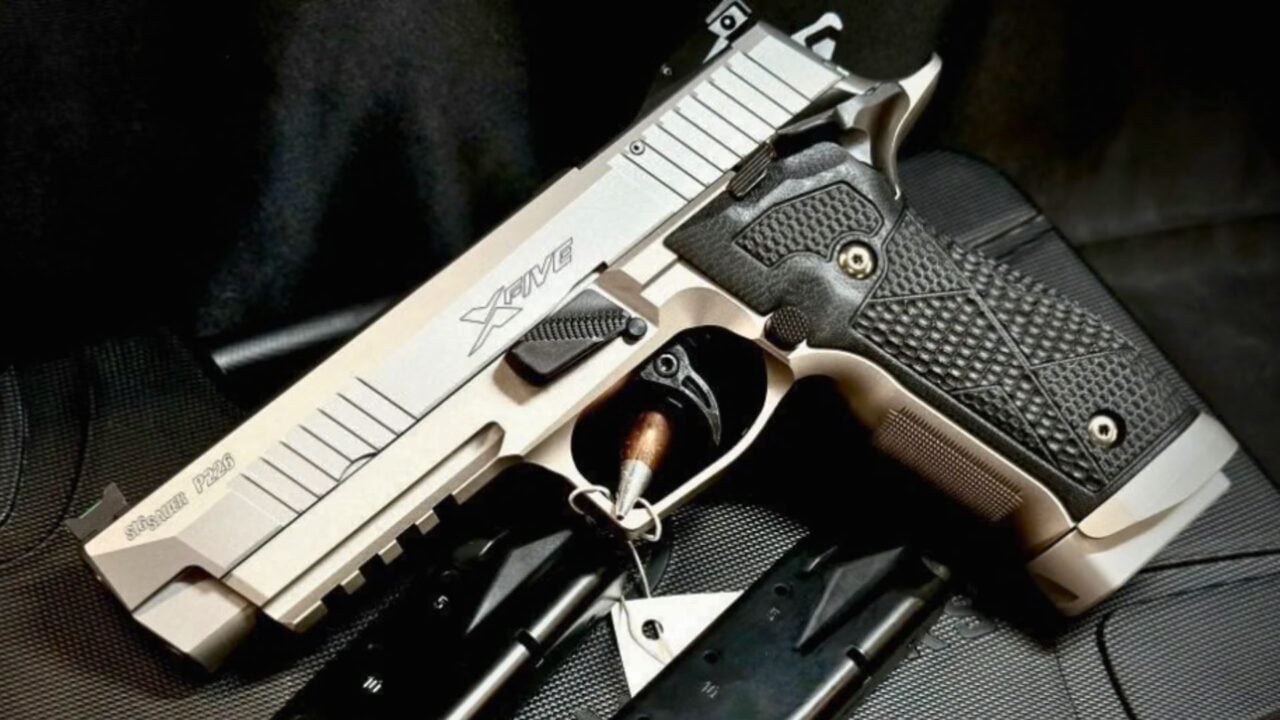
This is one of those pistols that feels like it’s running on ball bearings. The weight and balance soak up recoil, and the accuracy is not marketing fluff. If you like spending afternoons working drills and chasing perfect groups, it’s a sweetheart.
On the belt all day? Not so much. It’s large, usually has a tall profile, and it wants a serious holster setup. Most people who buy one end up babying it, and that’s the opposite mindset of a working defensive gun.
3. Beretta 92X Performance

Beretta did a lot right here: heavy frame, smooth shooting, and that classic 92 feel that points naturally for many shooters. It’s the kind of pistol that makes 9mm feel like it got turned down a notch.
But the Performance model is built for match comfort, not concealment comfort. Weight is the biggest problem, followed by bulk. It’s an awesome range day pistol and a less-awesome “run errands in July” pistol.
4. Walther Q5 Match Steel Frame

The Q5 Match in steel is flat-out fun. The slide cuts, the way it tracks, the dot-ready setup—this thing is meant to burn ammo and ring steel. It’s also one of those pistols that makes you want to stay for “just one more magazine.”
For carry, it’s heavy and set up around competition preferences. Big magwell setups and extended controls are great until they start printing or rubbing you raw. A carry gun should disappear; this one wants attention.
5. Glock 34 (Gen 5 MOS)

I’ve watched more than a few shooters run a Glock 34 like they were born with it in their hands. The longer slide and sight radius help, and it’s reliable in the way Glocks usually are. It’s a practical competition gun, not a safe queen.
But that extra length is exactly why it’s not a great everyday carry choice for most. Sitting, bending, getting in and out of a truck—long slides poke and print. You can make it work, but the average person won’t stick with it.
6. Springfield Armory 1911 TRP (5-inch)

A full-size 1911 with a good trigger is a beautiful thing. The TRP shoots soft, points well, and makes slow fire feel almost unfair. On the range, you’ll understand why people get attached to 1911s.
Carrying one brings a different set of realities: weight, sharp edges, and more maintenance expectations than a modern striker gun. Also, 5-inch steel and summer clothing don’t get along. Ask me how I know.
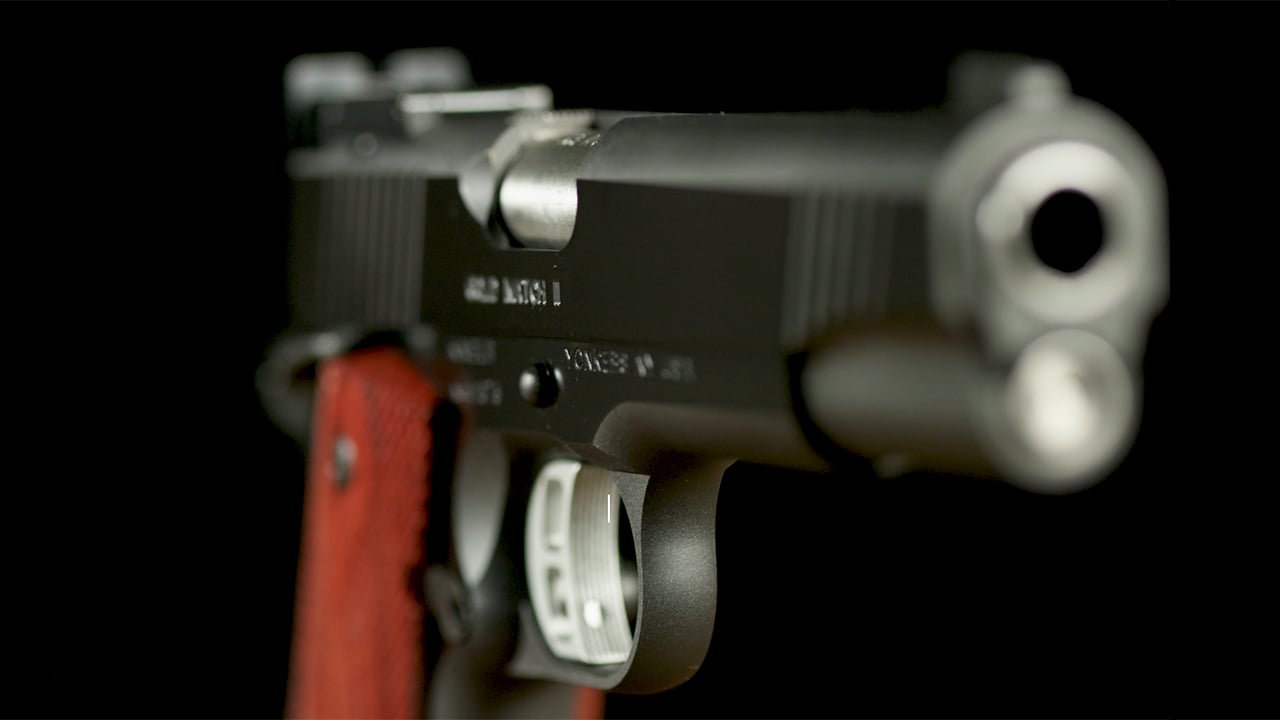
7. Kimber Gold Match II
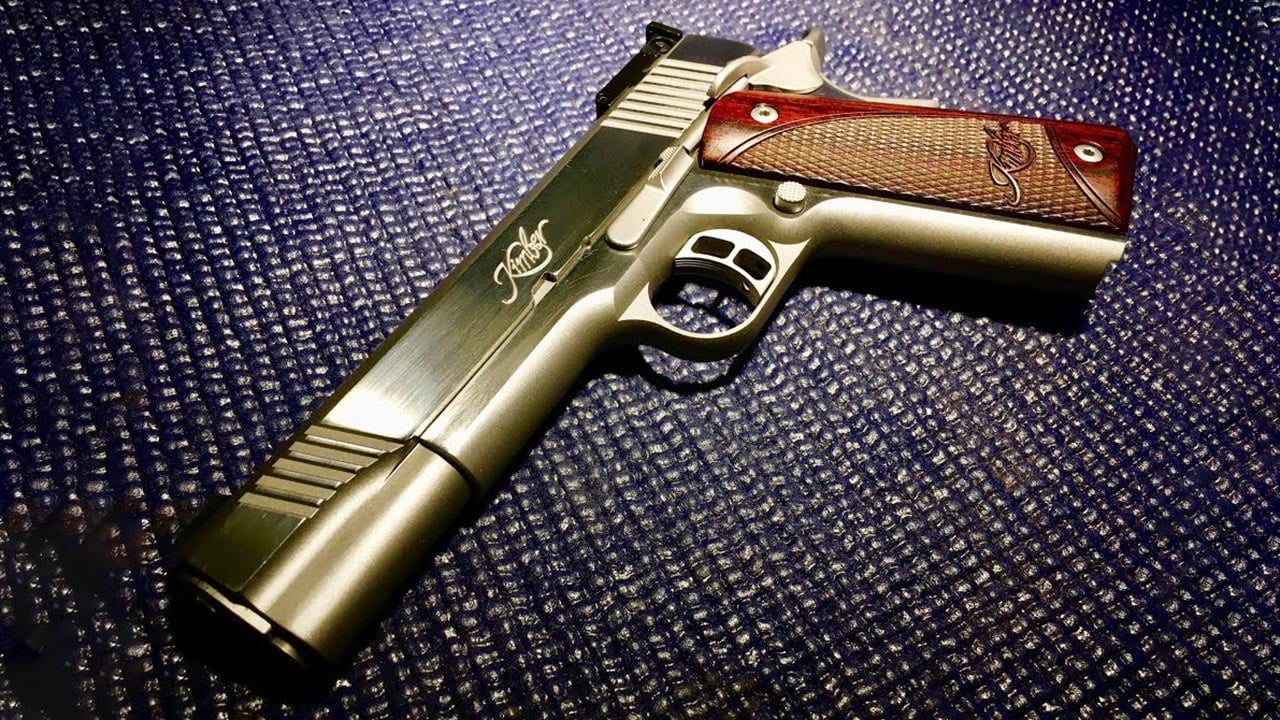
When Kimber gets one running right, the accuracy is there and the trigger can be excellent. This is a “nice day at the range” pistol that can make paper targets look embarrassed.
But tight, match-style 1911s can be pickier about ammo and upkeep. For a defensive pistol, I want boring, forgiving reliability. A match 1911 is a lot like a high-strung bird dog—great when everything is right, annoying when it’s not.
8. Smith & Wesson Model 41
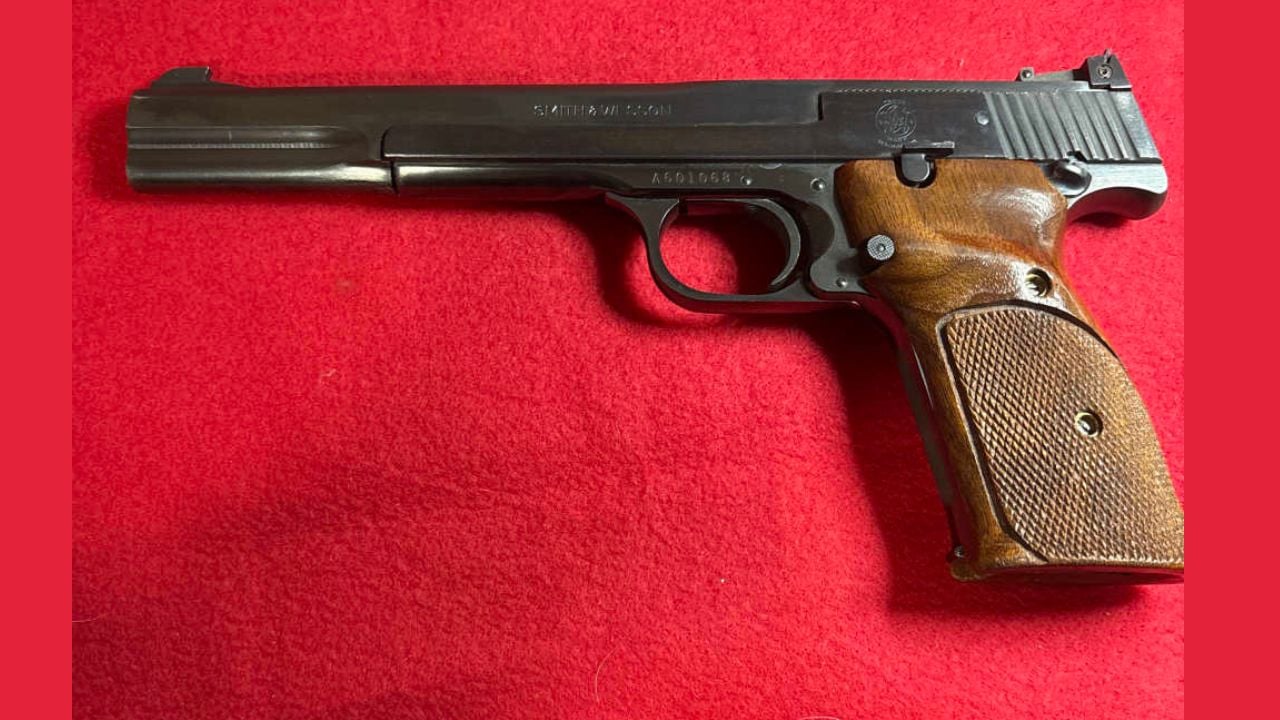
The Model 41 is what happens when a .22 target pistol gets built by people who care. It’s smooth, ridiculously accurate, and it’ll make you want to shoot bullseye just to justify owning it.
It’s also a dedicated target .22 with target ergonomics and a purpose-built role. Could a .22 work defensively? In the real world, I’m not betting my family on it, especially not with a pistol designed around slow, precise range work.
9. Ruger Mark IV Target

Ruger’s Mark series has been putting smiles on faces for decades. The Mark IV made takedown easier, and the Target models are tack drivers. Cheap ammo, easy practice, and they’ll run all afternoon.
Still a rimfire target pistol with target controls and a shape that carries like a lunchbox. It’s great training and great fun. It’s not what I’d choose when everything goes sideways at a gas pump.
10. Browning Buck Mark Camper/Target

The Buck Mark is another .22 that feels “too good” for the money sometimes. Nice triggers, good accuracy, and it balances well. It’s a classic for a reason, and it belongs in a range bag.
But it’s not built around defensive handling, defensive ammo, or defensive reliability standards. Rimfire ignition is what it is. If you want a practice pistol that’s a joy, yes. For carry, no.
11. Desert Eagle Mark XIX
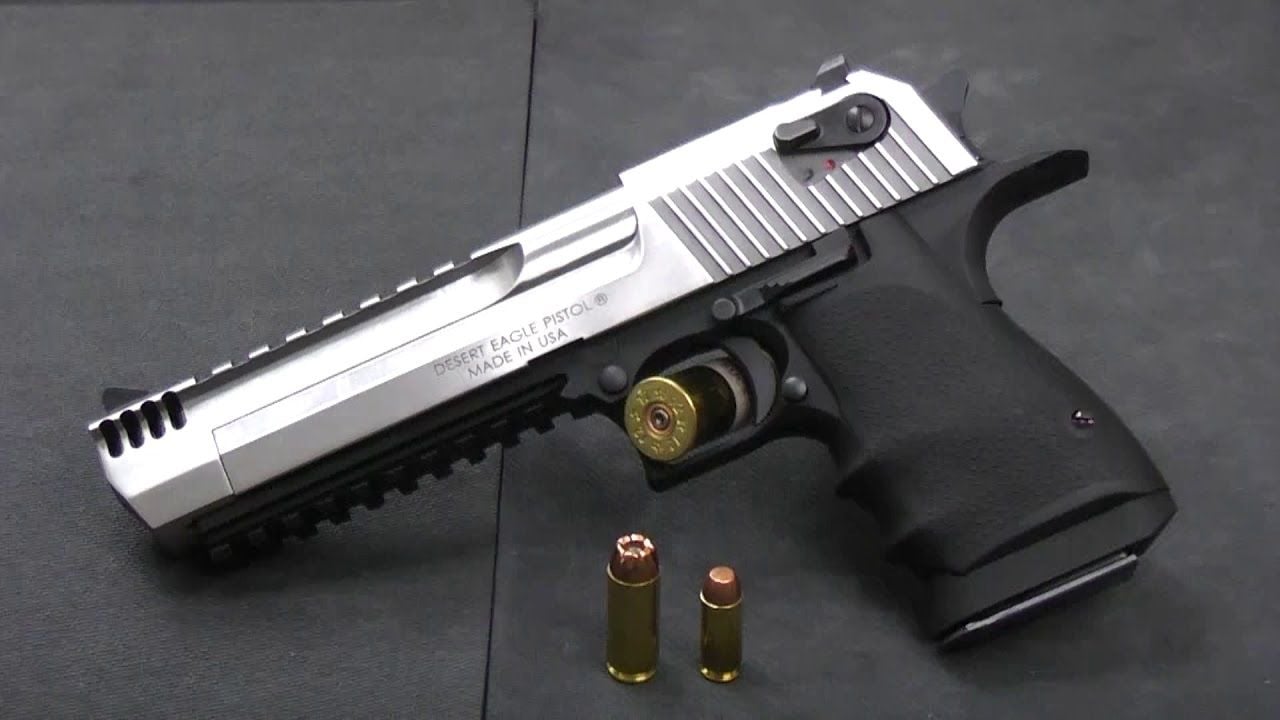
Every range has a moment when someone uncases a Desert Eagle and the whole line pays attention. The blast is real, the recoil is different than most folks expect, and it’s just plain fun in small doses.
As a carry gun it’s basically a joke, and not the funny kind when you’re trying to be serious about self-defense. It’s huge, heavy, and ammo is expensive. If it’s on your belt, you’re dressing around the gun in a way most people won’t keep up with.
12. Magnum Research BFR (revolver)

The BFR is made for big bores and big grins. It’s for hunting handgunners and range days where you want to feel something. As a field revolver, it can make sense in its lane.
But concealed carry? Not realistically. The size, the weight, and the recoil profile make it a specialized tool. If you’re strapping on a BFR, you’re not “carrying,” you’re hauling.
13. Smith & Wesson Model 29 (6.5-inch)
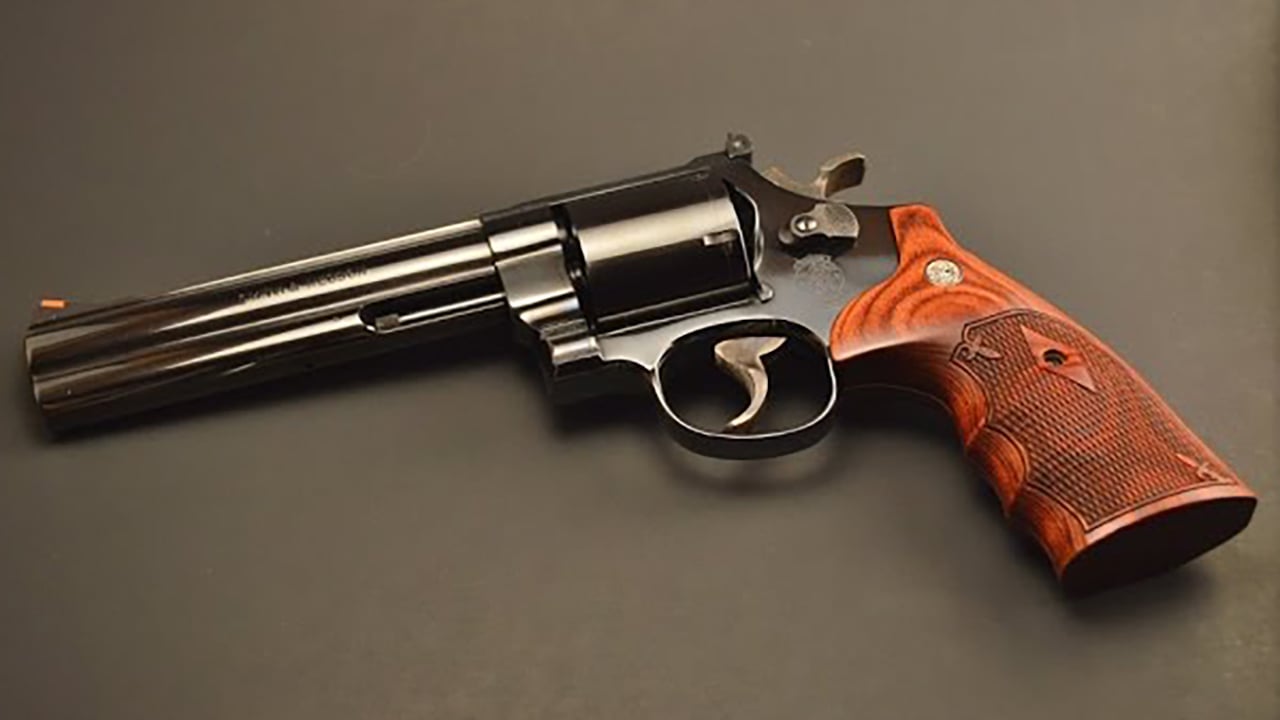
A classic .44 Magnum with a long barrel is a pleasure on the range if you respect it. With the right loads it’s manageable, and with full-house stuff it’ll remind you to hold on. It’s also just an iconic revolver.
It’s also not a practical concealed carry gun for most people. Long barrels poke, heavy frames drag belts down, and follow-up shots are slower for the average shooter. Great woods gun. Not a great grocery store gun.
14. Ruger Redhawk (7.5-inch)
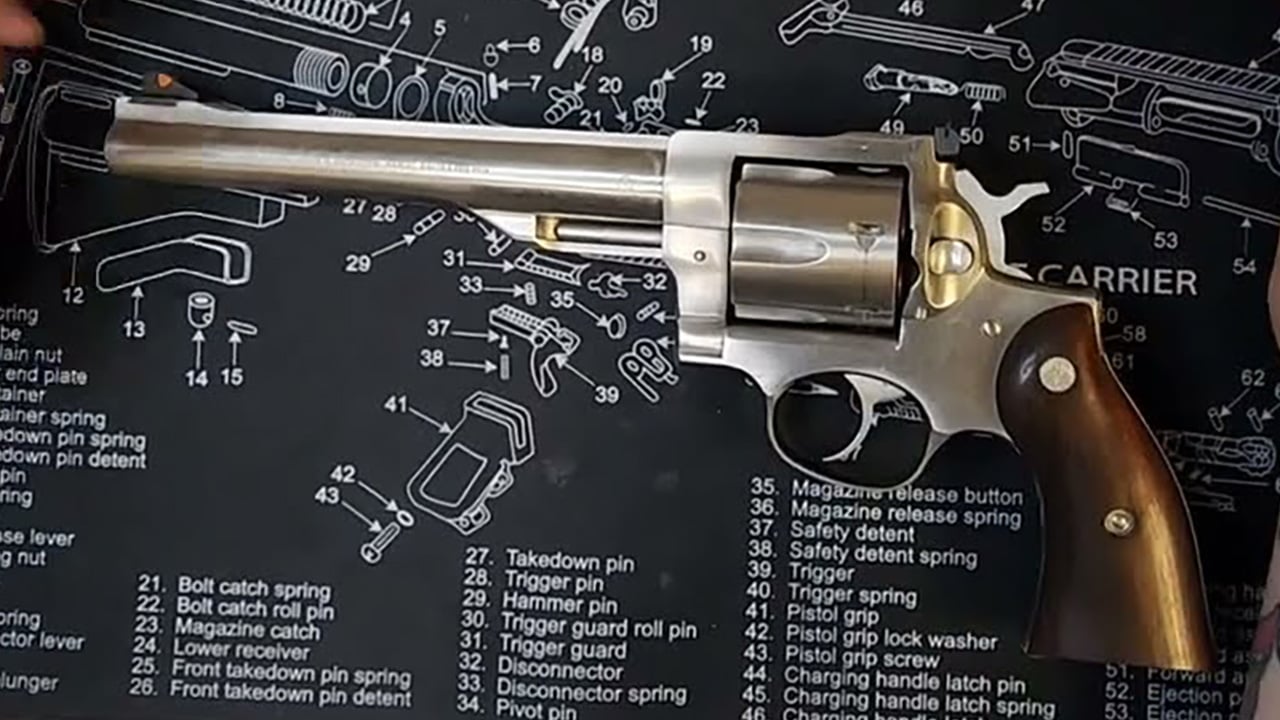
The Redhawk is built like a tractor. If you want a revolver that can live a hard life, Ruger understands the assignment. In hunting or backcountry roles, it has a place.
For everyday carry, it’s too much iron. The size and weight make it uncomfortable, and uncomfortable guns end up in the console instead of on your person. That defeats the entire reason for carrying.
15. Colt Python (6-inch)
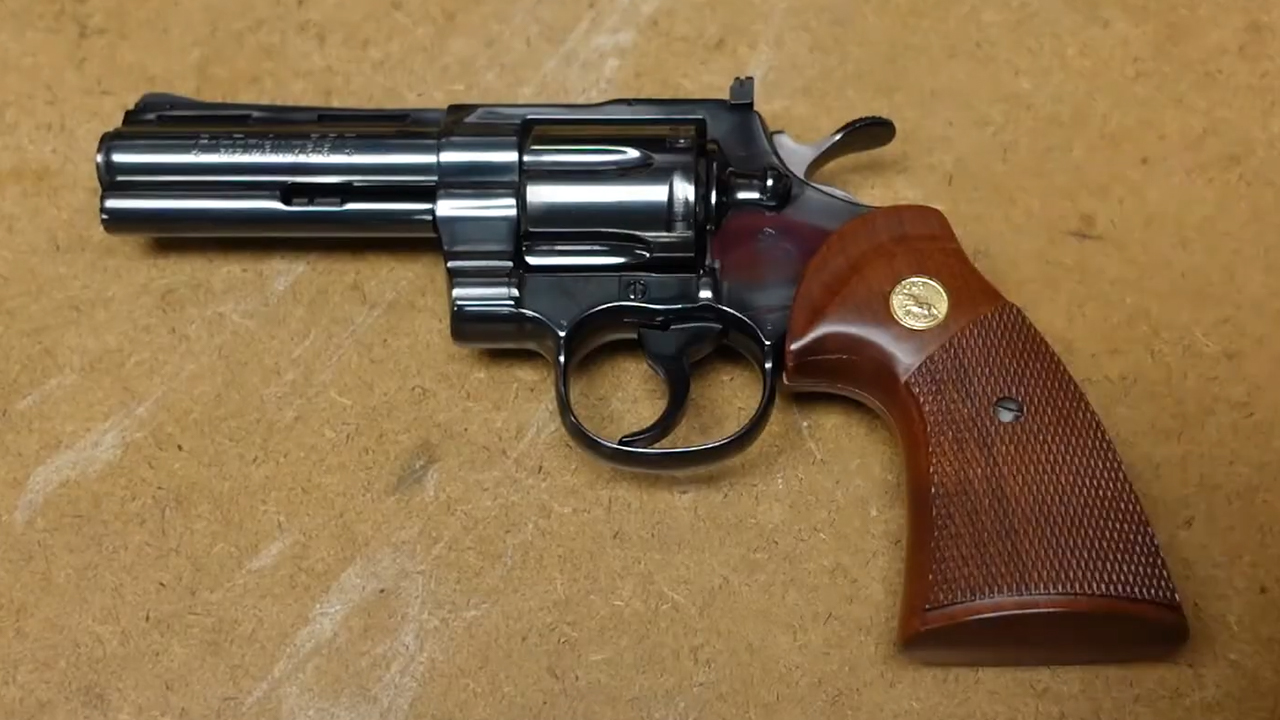
A 6-inch Python is smooth, accurate, and pretty enough that you catch yourself wiping it down even when it isn’t dirty. On the range, they shoot like they cost what they cost. The trigger can be excellent.
But it’s a long, heavy revolver that most owners treat like a collectible. Carrying a high-dollar, high-polish revolver daily is a fast way to either scratch it up or baby it so much you don’t train with it. Either way, it’s not ideal.
16. CZ 75 TS 2
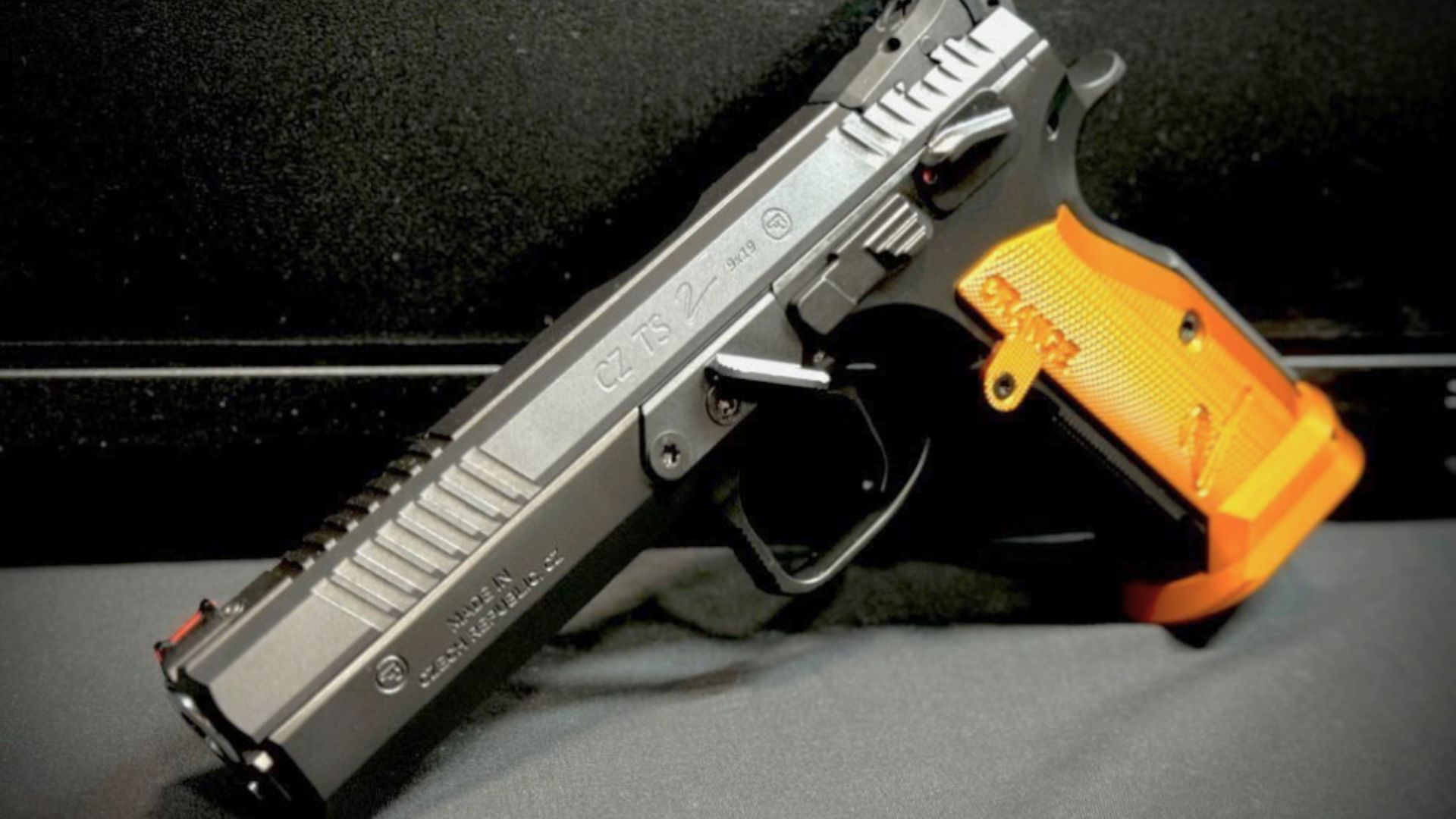
The Tactical Sport line is built to run fast and shoot flat. The TS 2 is a competition-minded pistol that rewards good grip and good trigger control. If your idea of fun is drilling A-zones quickly, you’ll get it.
But it’s big and set up like a match gun. Extended controls and a bigger footprint aren’t your friend under a cover garment. It’s also a pistol that encourages “game” handling, not necessarily the simplest, most foolproof manual of arms.
17. Tanfoglio Stock II

Tanfoglio makes some very accurate, very shootable pistols that live in the competition world. The Stock II is one of those guns that settles in the hand and just runs when you feed it decent mags and ammo.
It’s heavy, it’s wide, and it’s typically not the kind of gun you can just grab holsters and spare parts for at any random shop. For a dedicated range rig, that’s fine. For a defensive carry setup, simplicity and support matter.
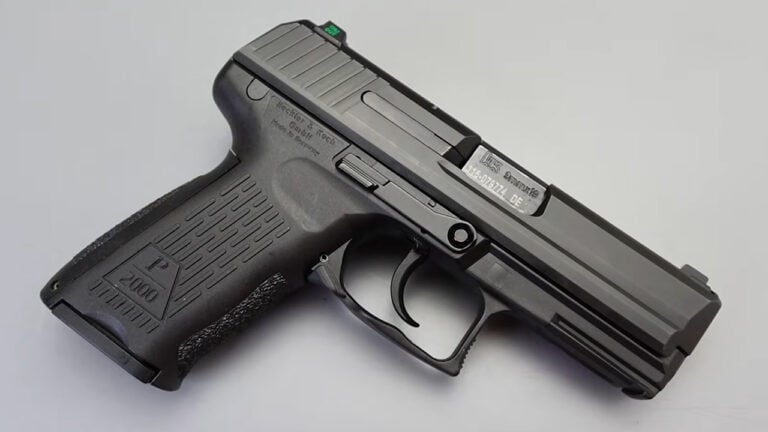
18. HK USP Expert

The USP Expert is accurate and soft shooting, and that long slide does help. It’s a pistol that feels “engineered,” and it tends to make shooters slow down and shoot well. If you like hammer-fired guns, it scratches that itch.
It’s also long and bulky with a control layout that not everyone loves under pressure. The safety/decocker setup is fine if you train with it, but it’s not as straightforward as many modern carry guns. Add the size, and it’s just not the easy answer.
19. SIG Sauer P210

The P210 has a reputation for a reason. The trigger, the lockup, the way it shoots—it can feel like cheating on paper targets. If you care about mechanical accuracy, it’s hard not to admire it.
For defensive carry, you’re dealing with a more specialized, more expensive pistol that many owners hesitate to bang around. Also, depending on the variant, capacity and accessory support can lag behind more common carry options. It’s a range treasure, not a beater.
20. Walther PDP Match

The PDP Match is built to shoot fast and feel good doing it. It’s a modern, optics-friendly pistol with weight and features aimed squarely at performance on the clock. On a flat range, it’s easy to like.
But it’s still a “match” variant—bigger, often heavier up top, and less comfortable to conceal than the standard duty-sized guns it’s based on. If you’re serious about daily carry, you want the version you’ll actually keep on you when it’s hot, when you’re tired, and when you’re just running to the hardware store.
None of these pistols are “bad.” Most of them are excellent at what they were built for. The mistake is forcing a range tool into a carry role just because you shoot it well on Saturday mornings. If you want one gun to do it all, pick something you’ll truly carry every day, then buy a dedicated range pistol later. That order saves a lot of money and a lot of frustration.
Like The Avid Outdoorsman’s content? Subscribe to our newsletter so you never miss an article.
Here’s more from us: