Photo credit: CW Longshot/Youtube
Some rifles feel like they were built by people who expected them to be used hard for decades. Then you pick up certain newer guns and start noticing the shortcuts. Thin stocks. Rough bolts. Plastic where metal used to be. Magazines that feel like an afterthought. Finishes that look good until the first ugly season.
Modern rifles can be excellent, and plenty of them shoot better than older rifles ever did. But not every new design feels better in the hands. These rifles make modern shortcuts hard to ignore because they remind shooters what solid, thoughtful rifle-building feels like.
Winchester Model 70 Classic Stainless
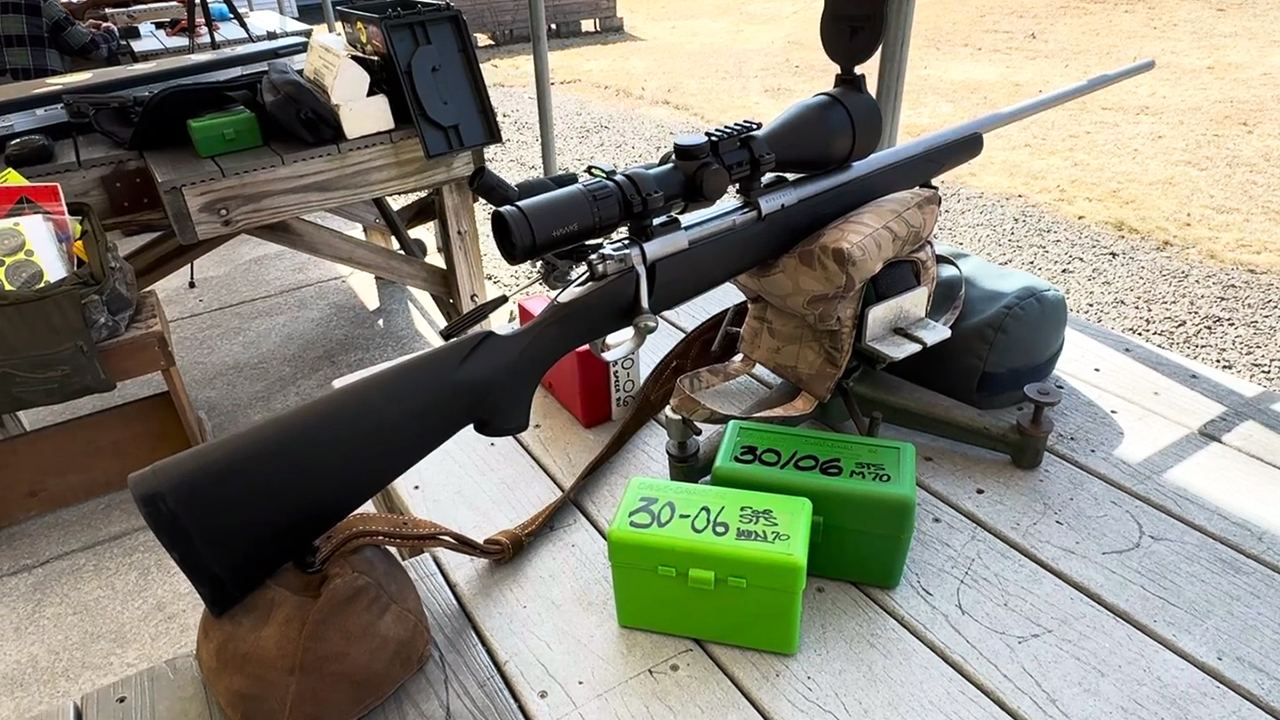
The Winchester Model 70 Classic Stainless has a way of making newer weather-ready rifles feel a little too stripped down. It gives hunters stainless construction without abandoning the controlled-round-feed action, three-position safety, and serious field feel that made the Model 70 respected. It’s practical, but it doesn’t feel cheapened.
That balance matters. A lot of modern stainless synthetic rifles shoot well, but some feel hollow or disposable in the stock. The Classic Stainless still feels like a real rifle. It feeds with authority, handles rough conditions, and gives hunters confidence without needing a dozen trendy features. It’s the kind of gun that reminds you weather resistance does not have to mean cutting every corner everywhere else.
Remington 700 Sendero SF II
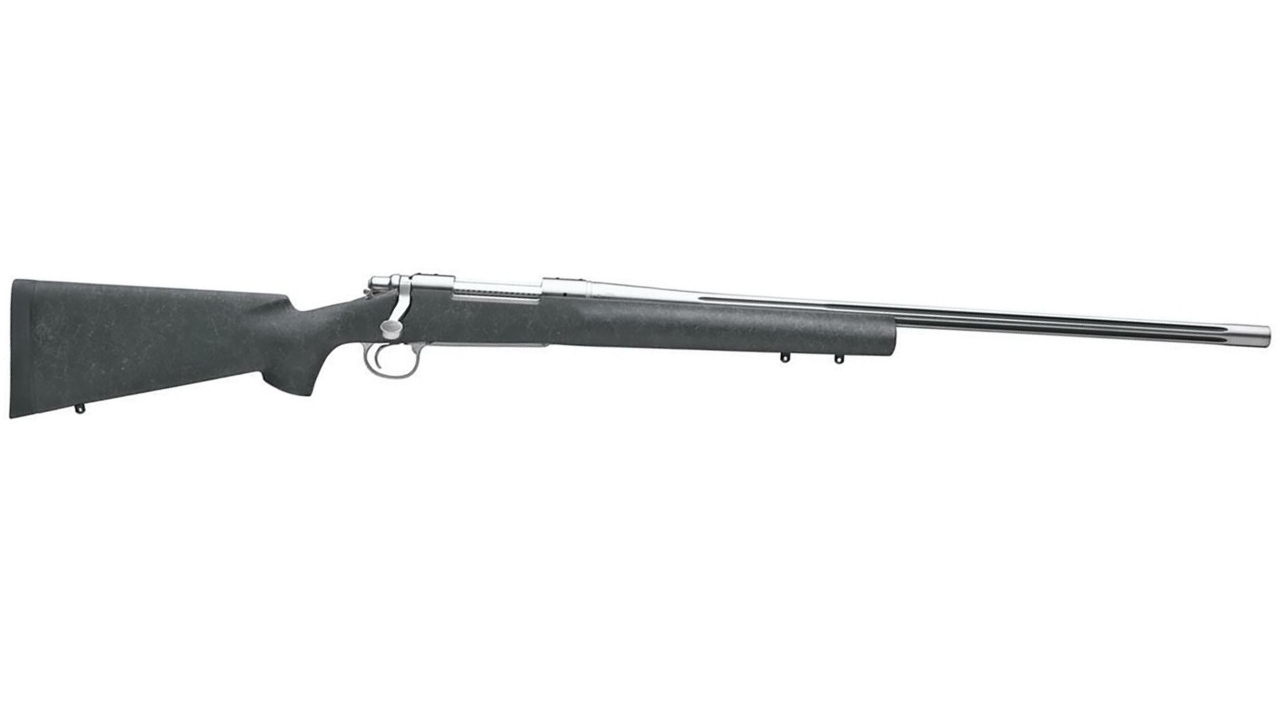
The Remington 700 Sendero SF II makes lightweight, pencil-barreled rifles feel honest about their limits. It was built for steadiness, not easy carrying through thick brush all day. Heavy barrel, stainless fluted construction, and the familiar Model 700 action made it a favorite for hunters and shooters working open country, long senderos, and bean fields.
This rifle shows why weight can be useful. It settles well, handles heat better than a featherweight sporter, and gives the shooter more confidence from supported positions. Newer rifles often chase low weight because it looks good on a spec sheet. The Sendero reminds you that shooting stability still matters, especially when distance stretches and the shot has to be clean.
Sako 75 Greywolf
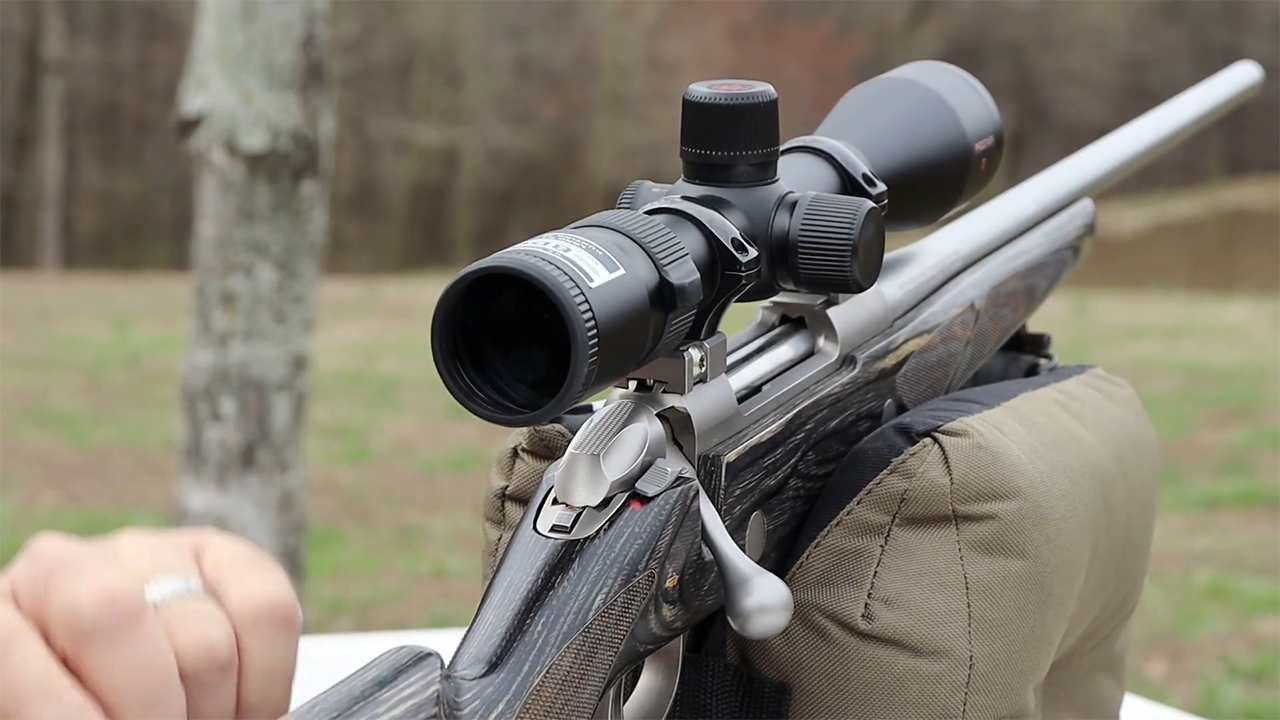
The Sako 75 Greywolf is one of those rifles that makes cheap synthetic stocks look especially weak. Its stainless metalwork and laminated stock give it a rugged, handsome feel without turning it into a clumsy club. It’s weather-resistant, stable, and refined in a way a lot of modern rifles try to fake with coatings and molded texture.
The real difference shows up when you run the action and settle behind the rifle. The bolt is smooth, the trigger is clean, and the rifle feels like it was built with care. It isn’t the lightest option, but it feels trustworthy. Modern shortcuts become obvious when a rifle like the Greywolf shows you that durability, accuracy, and fit can all live in the same package.
Ruger M77 Hawkeye All-Weather

The Ruger M77 Hawkeye All-Weather has the kind of solid field personality that exposes lighter, cheaper rifles fast. Stainless steel, synthetic stock, controlled-round-feed action, and Ruger’s usual ruggedness make it feel ready for miserable weather without acting delicate. It’s not fancy, but it feels substantial.
Some modern hunting rifles feel like the stock was designed mostly to save money. The Hawkeye All-Weather feels different. It has weight where it needs it, a strong extractor, and a safety system hunters can trust. It may not always shoot tiny groups like a precision rifle, but it feels like something made for seasons of actual hunting. That kind of confidence is harder to build than a catchy feature list.
CZ 550 American

The CZ 550 American makes modern shortcutting easy to spot because it has that old-school controlled-feed seriousness. The Mauser-style extractor, solid action, and set trigger on many examples give it a level of mechanical personality that many newer rifles lack. It feels like a rifle built around function first.
The 550 American can be heavier than some modern hunting rifles, but that weight often comes with stability and confidence. It feeds smoothly, shoots well, and carries a traditional walnut-and-steel feel that is getting harder to find at normal prices. New rifles may be more modular, lighter, and cheaper to produce. The CZ 550 reminds you that strong actions and good triggers never stopped mattering.
Browning A-Bolt Stainless Stalker

The Browning A-Bolt Stainless Stalker proves that practical rifles can still feel polished. It offered stainless construction, synthetic-stock usefulness, a smooth short-lift bolt, and good accuracy in a package that many hunters trusted for years. It wasn’t trying to look tactical or ultra-modern. It just worked.
Compared with some newer rifles, the A-Bolt feels surprisingly refined. The bolt lift is quick, the magazine system is practical, and the rifle balances well. Modern rifles often claim improvement while feeling rougher in the little places a hunter notices over time. A clean Stainless Stalker makes you wonder why some newer designs feel like they went backward in the hand.
Weatherby Mark V Fibermark
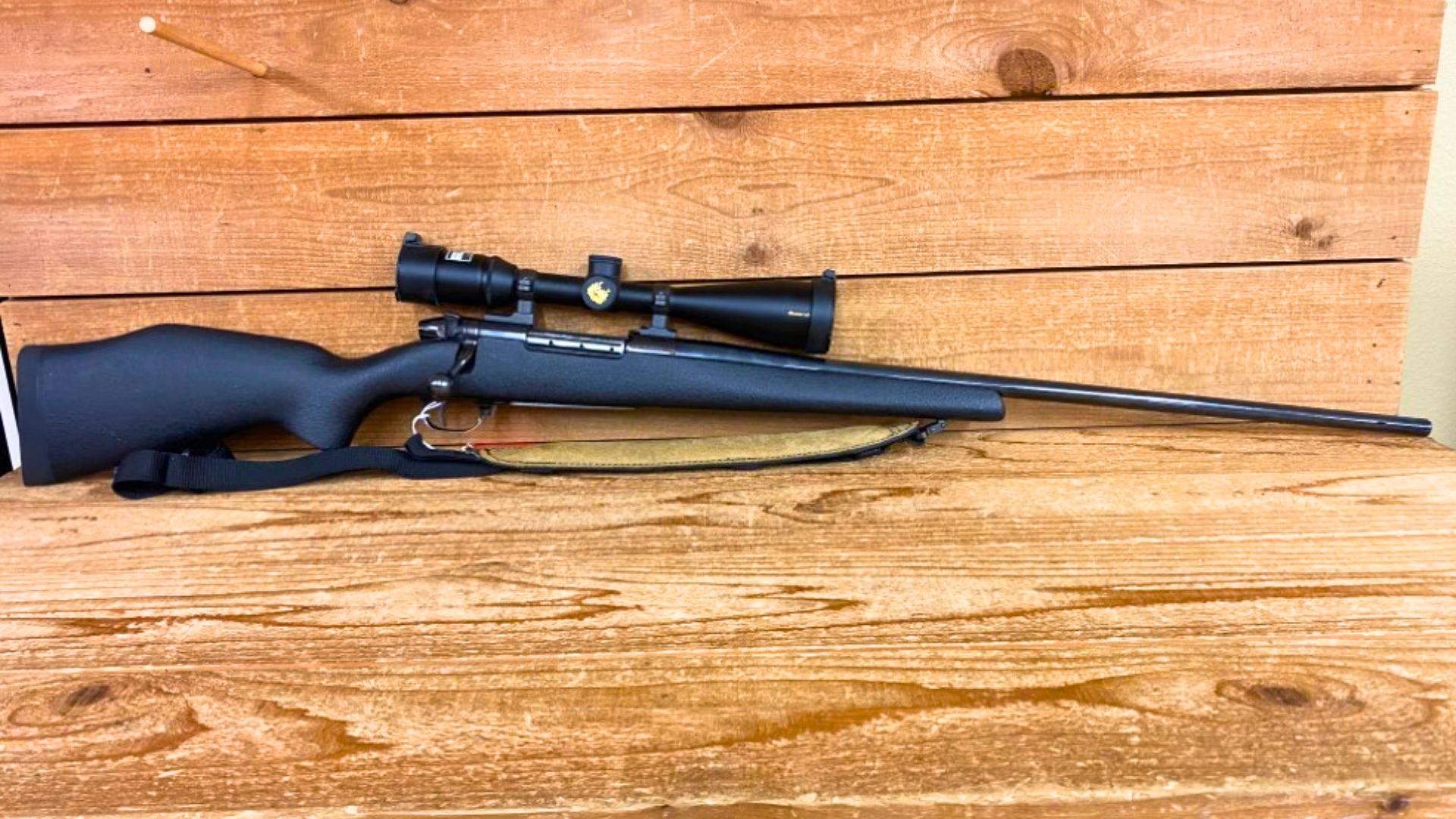
The Weatherby Mark V Fibermark has a serious feel that exposes rifles built mainly around price cuts. The Mark V action is strong, the bolt lift is short, and the synthetic stock gives it weather resistance without making the rifle feel flimsy. It was built for powerful cartridges and real hunting use.
A lot of modern rifles can look weatherproof while feeling cheap. The Fibermark doesn’t have that problem. It has enough weight and strength to handle Weatherby chamberings with confidence, and the stock feels like part of the rifle rather than an empty shell. It may not be the trendiest Mark V variant now, but it still reminds hunters that synthetic-stocked rifles can feel substantial.
Steyr Pro Hunter

The Steyr Pro Hunter has always looked a little different, but the design has more thought behind it than many shooters first realize. The synthetic stock, cold-hammer-forged barrel, smooth action, and practical safety system make it feel like a rifle engineered around use instead of old habits. It’s modern without feeling cheap.
That’s why it highlights shortcuts elsewhere. Some rifles use plastic because it’s cheaper. The Pro Hunter uses modern materials in a way that feels intentional. The stock design may not suit everyone, but it isn’t lazy. The rifle shoots well, handles weather, and carries that precise Steyr feel. It shows that modern manufacturing can be smart when it’s done with purpose instead of just cutting cost.
Tikka M695
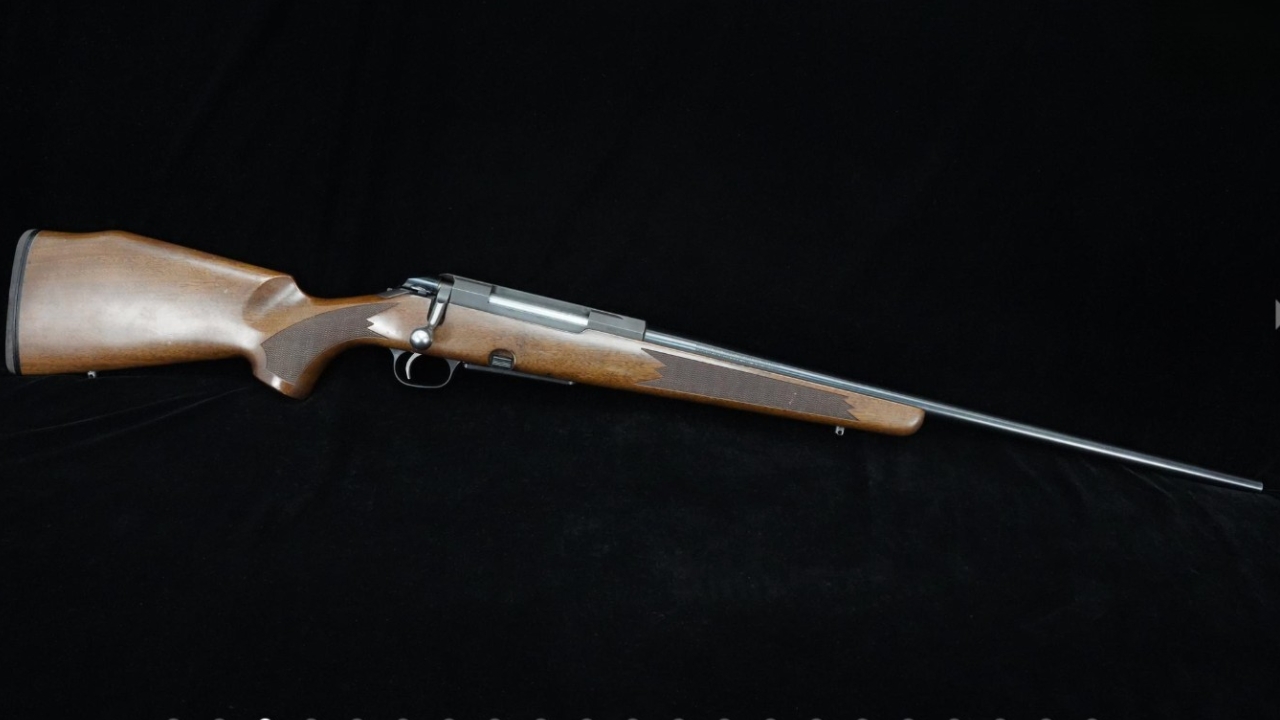
The Tikka M695 came before the T3 line made Tikka a more common name among American hunters, but it still has a following because it feels so well put together. The action is smooth, the trigger is excellent, and the rifle has a solid sporting feel that many newer rifles struggle to match.
What makes the M695 stand out is how complete it feels. It doesn’t seem like a barrel and action dropped into the cheapest stock possible. It feels like a rifle built as a full package. The later Tikkas may be lighter and more common, but the older M695 has a sturdier personality. Pick one up after handling too many entry-level rifles, and the shortcuts become hard to miss.
Mauser M03
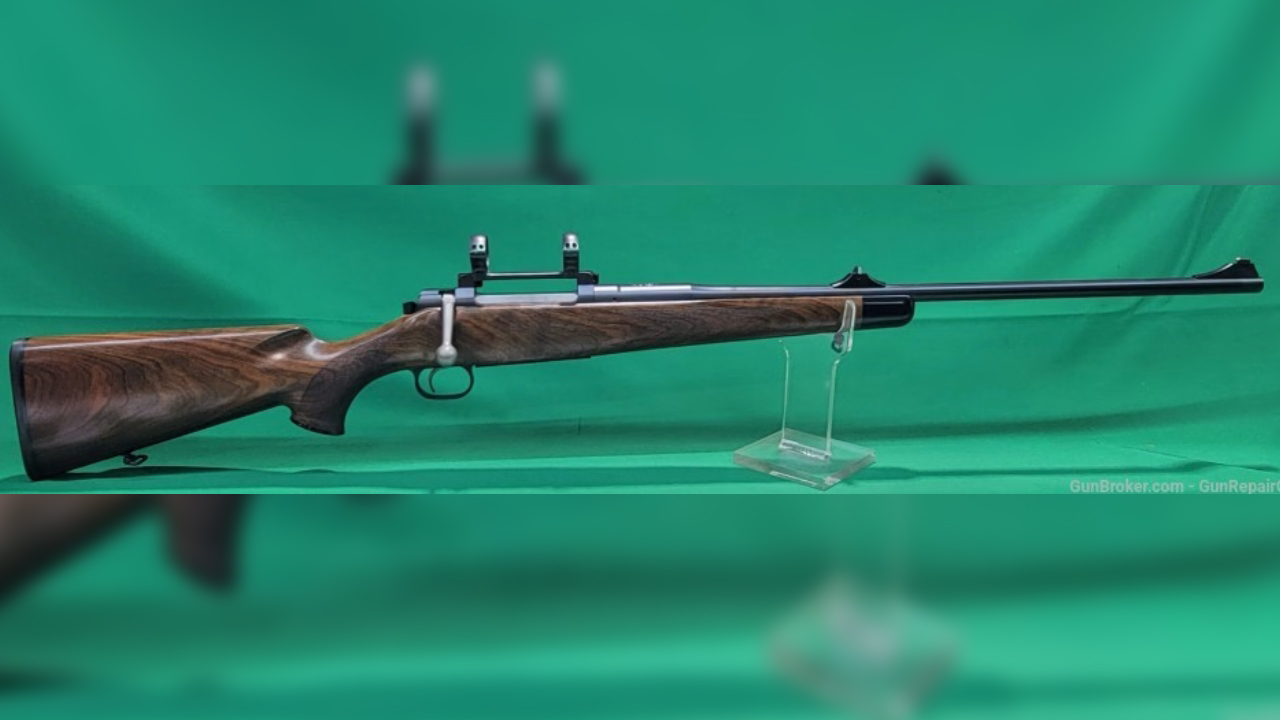
The Mauser M03 is not a budget rifle, and it was never meant to be. It’s a switch-barrel system built with serious engineering, strong lockup, and European hunting practicality in mind. Everything about it feels deliberate, from the bolt system to the safety to the way barrels and calibers can be changed.
This rifle makes shortcuts obvious because it shows what a modular design can feel like when it isn’t done cheaply. Modern rifles often brag about modularity, but not all of them feel refined or confidence-inspiring. The M03 does. It’s complex compared with a basic bolt-action, but it feels engineered rather than cobbled together. For hunters who appreciate mechanical quality, it makes many newer “feature-rich” rifles feel thin.
Kimber 84M Montana

The Kimber 84M Montana exposes a different kind of shortcut: rifles that claim to be lightweight but don’t feel thoughtfully built. The Montana is light, weather-resistant, and trim, but it still has controlled-round feed and a serious hunting-rifle feel. It was built around the idea of carrying far and shooting carefully.
Some lightweight rifles feel like regular rifles with material removed until they got unpleasant. The Montana feels purpose-built. It isn’t the easiest rifle to shoot from a bench because light rifles demand better form, but in the field, it makes sense. A good one reminds hunters that weight savings should be engineered, not simply shaved off wherever possible.
Cooper Model 54
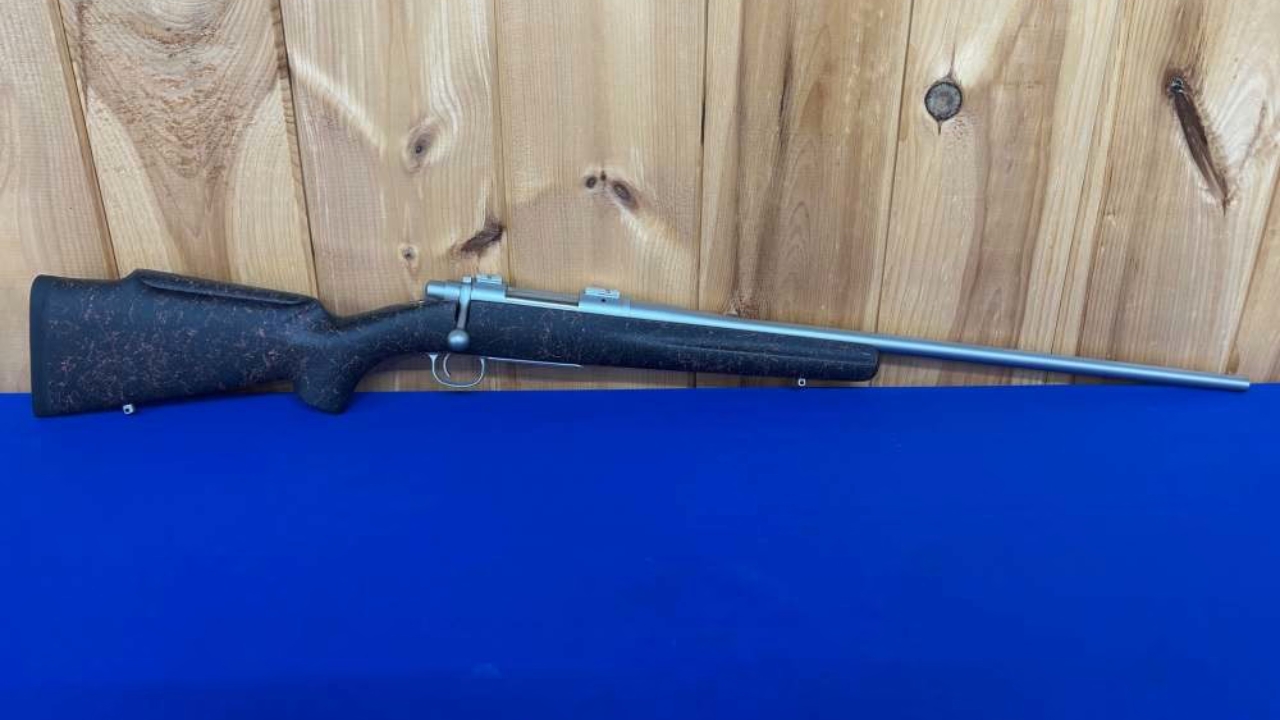
The Cooper Model 54 makes mass-production shortcuts very obvious. It’s a bolt-action repeater built with accuracy, fit, and finish in mind, and it feels like a rifle made by people who cared about the details. The wood, metalwork, trigger, and overall feel all stand apart from ordinary factory rifles.
No, it’s not a rough-weather beater, and it costs more than many hunters need to spend. But that is part of the point. The Model 54 shows what happens when a rifle is built to a standard instead of down to a price. Modern rifles can shoot well and still feel soulless. A Cooper gives you accuracy with pride of ownership, and that combination makes shortcuts elsewhere feel obvious.
Savage 110 Ultralite

The Savage 110 Ultralite is a newer rifle, but it belongs here because it shows modern cost-saving does not have to mean lazy design. Savage paired its proven action and AccuTrigger with a Proof Research carbon-fiber-wrapped barrel, creating a rifle that actually uses modern materials for a purpose. It’s not just light for the sake of being light.
The Ultralite exposes cheaper modern rifles that claim mountain-rifle status while feeling poorly balanced or unpleasant to shoot. This one gives hunters weight savings, accuracy potential, and adjustability in a package that makes sense for real carrying. It still feels like a Savage in some ways, but the smart use of materials matters. It proves modern rifles can evolve without feeling like shortcuts stacked together.
Nosler M48 Mountain Carbon

The Nosler M48 Mountain Carbon was built around a clear idea: give serious hunters a lightweight, accurate rifle with quality parts and thoughtful execution. It’s not a rifle for someone shopping purely by price. It’s a rifle for someone who has carried enough weight uphill to care about every ounce, but still wants confidence when it’s time to shoot.
That’s where it makes shortcuts stand out. Some lightweight rifles feel nervous, cheap, or unbalanced. The Mountain Carbon feels purposeful. The carbon-fiber stock, quality barrel, and hunting-focused design all serve the same goal. It’s expensive, but the money goes toward solving real field problems. That makes lesser rifles with lightweight marketing but budget execution look pretty thin.
Winchester Model 52 Sporter
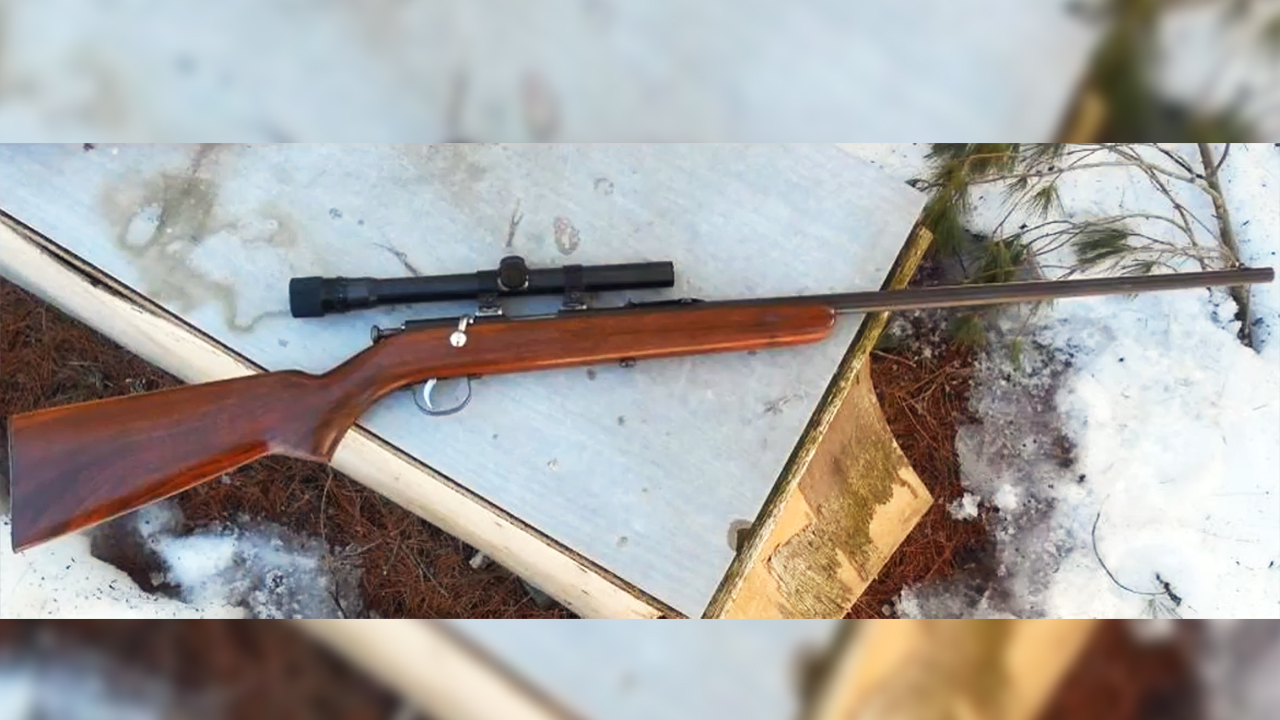
The Winchester Model 52 Sporter makes modern rimfire shortcuts almost impossible to ignore. Many .22 rifles today are built to be cheap, modular, or tactical-looking. The Model 52 Sporter came from a different mindset. It was a high-quality rimfire built like a serious sporting rifle.
The action, trigger, stock work, and accuracy potential all show what a premium .22 can be. It feels like a rifle for someone who understood that rimfire shooting deserved good equipment too. Modern rimfires can be excellent, especially at the precision end, but many basic ones feel disposable. The Model 52 Sporter reminds shooters that even a .22 can be built with real pride.
Like The Avid Outdoorsman’s content? Subscribe to our newsletter so you never miss an article.
Here’s more from us: