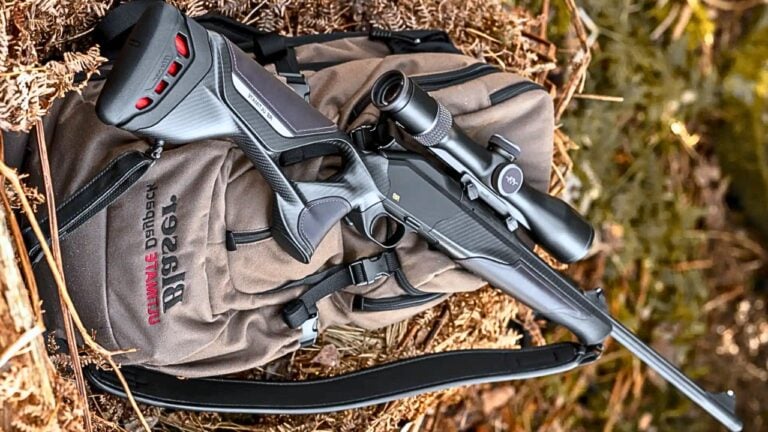
Photo credit: moosehenderson/Shutterstock.com
There’s nothing more frustrating than working hard to call in a coyote and then missing your shot. Most of the time, it’s not your rifle or ammo—it’s small mistakes that add up. Coyotes are fast, unpredictable, and don’t give you many chances. The good news is, fixing your shot mistakes isn’t complicated. With a few adjustments, you can start putting more fur on the ground. Here are eight common reasons hunters miss coyotes and what you can do to tighten things up.
You’re Rushing the Shot

Coyotes come in hot, and it’s easy to panic and yank the trigger. Rushed shots are one of the biggest reasons hunters miss. Take a second to breathe, shoulder your rifle properly, and make a smooth trigger pull. A quick but controlled shot will land way more coyotes than just slapping the trigger as soon as you see fur. Slow down enough to make your shot count.
You’re Not Practicing Field Positions

Too many hunters only shoot from a bench, but coyotes don’t show up at the range. You miss when you aren’t comfortable shooting from sitting, kneeling, or prone positions. Practice how you’ll actually shoot in the field, especially off shooting sticks. You’ll be faster on target and make cleaner shots when it counts. A little range time from real-world setups makes a noticeable difference in accuracy.
Poor Trigger Control

Jerking the trigger ruins accuracy fast, especially on longer shots. You don’t need a fancy match-grade trigger, but you do need a smooth pull. Dry fire practice is a cheap way to fix this—work on a steady, straight-back pull without moving your sights. Even five minutes a day of dry firing can clean up your trigger control and lead to more coyotes on the ground.
Bad Scope Setup

A sloppy scope setup throws off point-of-impact more than people realize. If your scope isn’t level or your eye relief is wrong, you’ll struggle to stay consistent. Take the time to properly mount and level your scope, and make sure you’re not getting scope shadow when you shoot. A clean, comfortable sight picture cuts down on rushed shots and keeps your point of aim steady.
Misjudging Distances

Coyotes are notorious for looking closer than they are. If you’re constantly missing high or low, it’s often bad distance calls. A basic rangefinder solves this problem and helps you make confident shots. Use it when you set up to mark key landmarks, so you’re not guessing under pressure. Knowing your ranges keeps you from lobbing shots you’ll regret.
Shooting Too Far
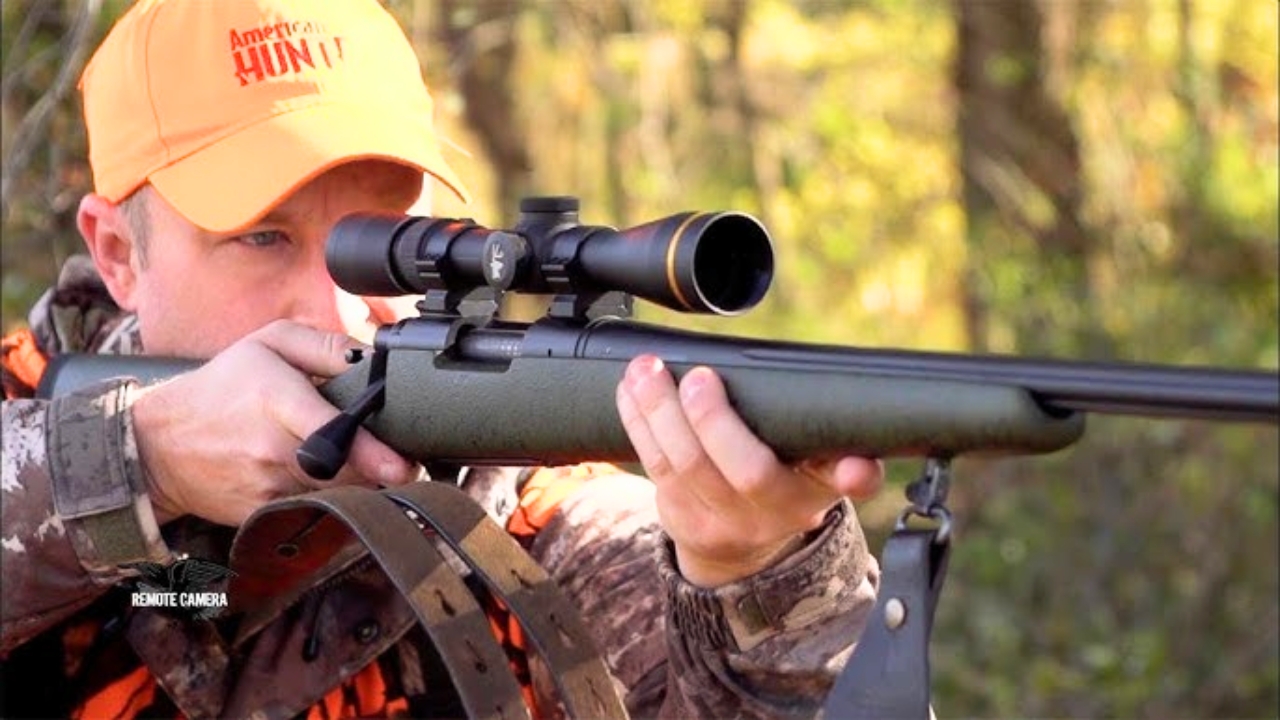
It’s tempting to take long shots, but most misses happen past 250 yards. Coyotes are small targets, and wind plays tricks on bullets. Get closer whenever possible, and pass on shots that feel iffy. Inside 200 yards, your chances go way up. You’ll miss fewer coyotes if you focus on making good setups and only shoot when you know it’s a high-percentage shot.
Bad Follow-Through

Pulling your head up too soon or relaxing after the shot can cause clean misses. Keep your sights on target through the shot and follow through properly. This helps you stay steady through recoil and spot your hits or misses. Good follow-through not only tightens your groups but lets you stay ready for a quick follow-up if needed.
Cheap or Mismatched Ammo
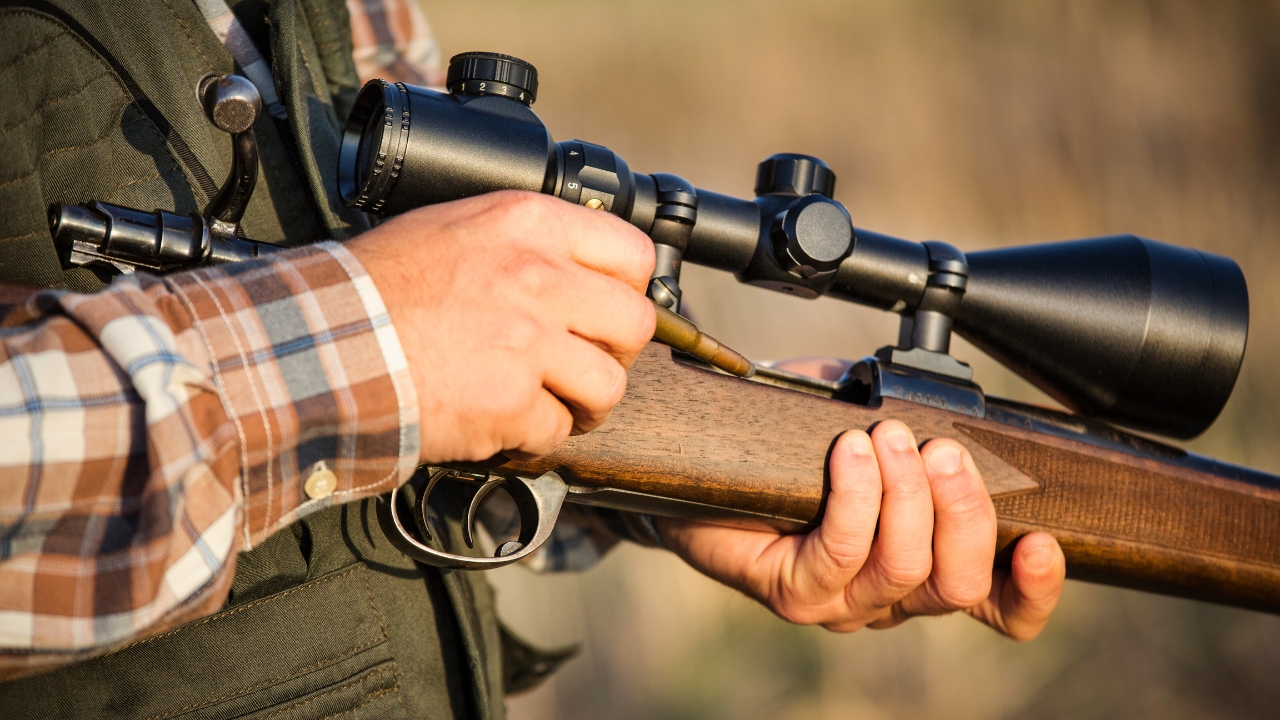
Coyotes don’t need premium match ammo, but inconsistent loads make accuracy tougher. Sight in with the same ammo you hunt with and stick to it. Some rifles shoot lighter bullets better, some prefer heavier ones—test a couple options and pick the one that groups best. Eliminating ammo as a variable will give you one less thing to worry about in the field.
*This article was developed with AI-powered tools and has been carefully reviewed by our editors.