Photo credit: WHO_TEE_WHO/YouTube
A cartridge does not kill cleanly by name alone. Bullet construction, shot placement, distance, animal size, and the hunter behind the trigger matter more than campfire arguments ever admit. A good round used badly can still wound game. A marginal round used carefully can still work.
But some hunting rounds give hunters more margin. They carry enough bullet weight, penetrate well, expand reliably, and stay useful across normal field conditions. Others get pushed too far, used on the wrong animals, or loaded with bullets that were never meant for clean kills. These are the rounds that tend to drop game cleanly, and the ones that too often leave hunters tracking longer than they should.
.308 Winchester drops game
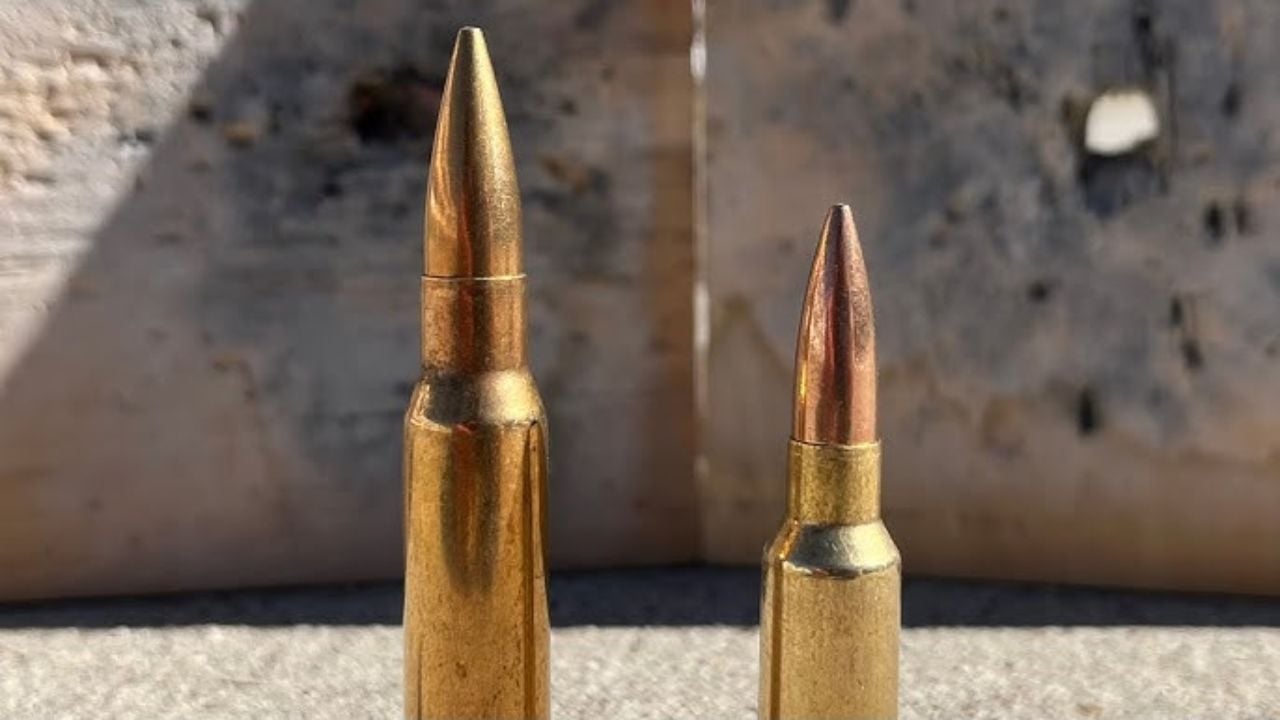
The .308 Winchester is one of the easiest deer and hog rounds to trust because it does so many things well. It offers manageable recoil, strong bullet selection, and enough power for whitetails, mule deer, black bear, and plenty of elk hunting inside sensible ranges.
What makes the .308 so dependable is balance. Hunters can shoot it well, ammo is easy to find, and good 150-, 165-, and 180-grain hunting bullets give plenty of penetration. It is not flashy, but clean kills usually come from boring consistency, and the .308 has plenty of that.
.223 Remington wounds when pushed too far

The .223 Remington can kill deer where legal with the right bullet and perfect shot placement. The problem is that it leaves little room for mistakes. A small bullet, light weight, and limited penetration on poor angles can turn a slightly off shot into a long tracking job.
That is why hunters get into trouble with it. They use varmint bullets, stretch distance, or aim like they are shooting a larger cartridge. The .223 is excellent for coyotes and practice. On deer-sized game, it demands more discipline than many hunters bring to the stand.
.270 Winchester drops game

The .270 Winchester has been dropping deer, antelope, sheep, and elk for generations because it shoots flat and hits harder than the recoil suggests. A good 130-grain load is deadly on deer, and heavier controlled-expansion bullets give it real reach into bigger-game territory.
It works because it gives hunters speed, penetration, and manageable recoil in the same package. The .270 is not trendy anymore, but it still does exactly what a hunting round should do. Put a proper bullet in the chest, and it rarely leaves much to argue about.
.22-250 Remington wounds when treated like a deer rifle

The .22-250 Remington is a fantastic varmint cartridge. It is fast, flat, and devastating on coyotes and prairie dogs. That speed is exactly why some hunters try to make it a deer round.
The problem is bullet construction and size. Many .22-250 loads are built for explosive expansion on small animals, not deep penetration on deer. With the wrong bullet, a close shot can make a mess without reaching enough vital tissue. It can work, but it is not forgiving enough to be a smart general deer choice.
.30-06 Springfield drops game

The .30-06 Springfield still drops game because it gives hunters flexibility. Deer, hogs, black bear, elk, moose, and plenty of other animals are all within its range when the right bullet is used. It is not the newest answer, but it remains one of the most complete ones.
The .30-06 gives enough bullet weight to matter. A 150-grain load handles deer. A 165- or 180-grain load covers bigger animals. Heavier bullets are there when needed. That range is why hunters keep trusting it after newer cartridges come and go.
.300 Blackout wounds when used like a normal deer cartridge
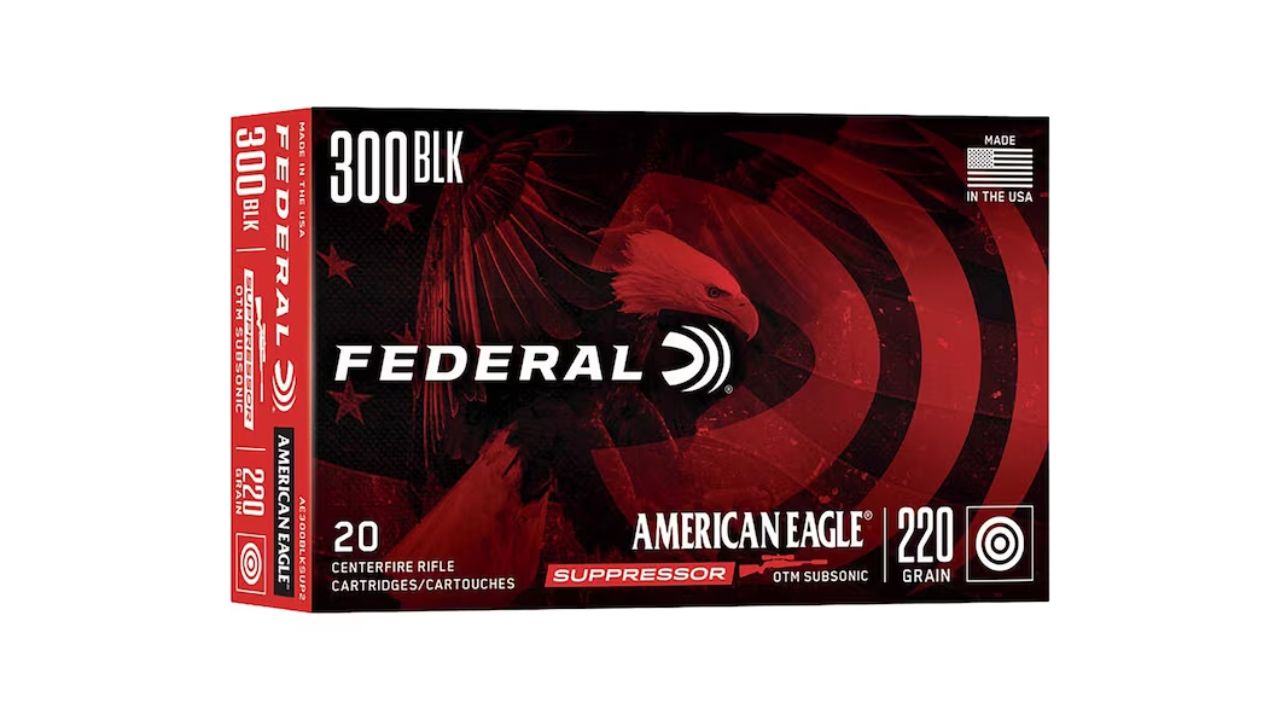
The .300 Blackout has a real place in close-range hunting, especially with supersonic hunting loads and careful shot selection. It is handy in compact rifles and works well for hogs or deer inside its limits.
Trouble starts when hunters treat it like a full-power .30-caliber rifle round. Subsonic loads are especially risky for typical deer hunting unless the bullet is specifically built for that job and the range is tight. The name sounds serious, but the cartridge has a narrow lane. Step outside that lane, and wounded game becomes much more likely.
7mm-08 Remington drops game

The 7mm-08 Remington is one of the best deer cartridges that still does not get enough credit. It gives hunters mild recoil, excellent 7mm bullet performance, and enough energy for deer, hogs, black bear, and elk with the right loads.
It drops game because it is easy to shoot well and carries better bullets than its recoil level suggests. A hunter who flinches with a magnum may shoot a 7mm-08 cleanly. That matters. A calmer rifle with a good bullet often beats a louder rifle the hunter cannot control.
.243 Winchester wounds when used beyond its comfort zone

The .243 Winchester is not a bad deer round. In fact, with good bullets and careful shots, it has taken a huge number of deer. The issue is that it gets recommended too casually as if it has the same margin as larger cartridges.
On small deer and broadside shots, it can be excellent. On big-bodied bucks, hogs, black bear, or bad angles, it starts to show its limits. Hunters who choose fragile bullets or aim through heavy shoulder bone can end up with poor penetration. The .243 works, but it does not forgive as much as people pretend.
.280 Ackley Improved drops game

The .280 Ackley Improved has become popular for a reason. It gives hunters flat trajectory, strong 7mm bullet selection, and enough authority for deer, elk, antelope, and mountain game without the recoil of many magnums.
It is not necessary for every hunter, but it is a very good big-game cartridge. The bullets are efficient, the recoil is manageable, and the performance lands in a sweet spot. For hunters who want reach without getting punished, the .280 AI has a strong case.
6.5 Grendel wounds when hunters expect too much

The 6.5 Grendel is one of the better AR-15 hunting rounds, and it can work well on deer and hogs at reasonable distances. The problem is that some hunters treat it like a full-size 6.5 Creedmoor or .260 Remington. It is not.
The Grendel is efficient, but it still has limited case capacity. Range, bullet choice, and shot angle matter a lot. It can drop deer cleanly with proper loads inside its lane. Stretch it too far or use poor bullets, and the cartridge can leave hunters wishing they had brought more rifle.
.300 Winchester Magnum drops game
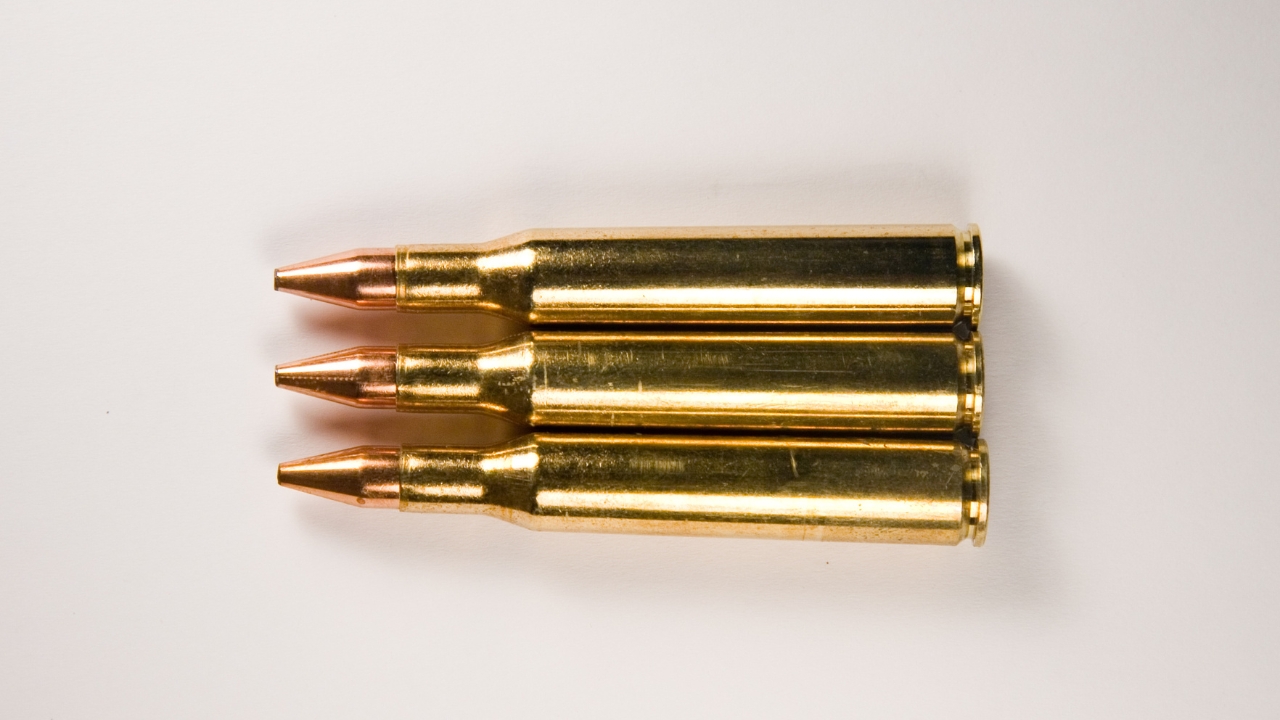
The .300 Winchester Magnum is more cartridge than many deer hunters need, but it is undeniably effective when used well. It hits hard, carries energy, and gives hunters enough bullet weight for elk, moose, mule deer, and long open-country shots.
Its strength is authority. With a good 180-grain bullet, it penetrates well and keeps enough speed to expand at distance. The tradeoff is recoil. In the hands of someone who shoots it well, it drops game. In the hands of someone afraid of it, the cartridge’s advantage disappears fast.
.350 Legend wounds when hunters stretch it too far

The .350 Legend is useful in straight-wall states. It is mild, affordable, and capable on deer inside sensible distances. It solved a real regulation problem for a lot of hunters.
But it is not a long-range hammer. Bullet choice matters, velocity drops, and the cartridge needs realistic expectations. Hunters who treat it like a .308 because it comes in a rifle-shaped package are asking for trouble. Inside its lane, it works. Outside that lane, it can wound.
.45-70 Government drops game

The .45-70 Government has been around forever because big bullets at moderate range still work. In a strong modern rifle with the right load, it can hit deer, hogs, black bear, and even larger game with serious authority.
The key is matching the load to the animal. A good expanding hunting load can be devastating in woods ranges. Heavy hard-cast loads can penetrate deeply on tough animals. It is not flat-shooting, and it is not mild, but inside its range the .45-70 can put game down hard.
.45-70 Government wounds with the wrong load

The same .45-70 that drops game can also cause problems when the wrong load is used. That is why it appears on both sides. Light cowboy loads, hard-cast bullets that do not expand, or overly heavy loads used poorly can create bad results.
A big bullet does not guarantee a quick kill. If the bullet does not expand when it should, or the hunter misjudges distance because of the arched trajectory, tracking can get ugly. The .45-70 is powerful, but it still demands load knowledge and range discipline.
6.5 Creedmoor drops game when used honestly

The 6.5 Creedmoor gets mocked because it was overhyped, but that does not make it ineffective. On deer, antelope, hogs, and similar game, it performs very well with proper hunting bullets. Recoil is mild, accuracy is strong, and hunters tend to shoot it confidently.
That shootability matters. A 6.5 Creedmoor through the lungs is far better than a magnum jerked into the guts. It is not a magic elk hammer, and it is not the answer to every hunt. But used honestly on the right game, it drops animals cleanly.
6.5 Creedmoor wounds when used like a magnum

The problem with the 6.5 Creedmoor is not the cartridge. It is the way some hunters talk about it. They treat efficient bullets and good accuracy like they erase animal size, range, and shot angle. That is where wounded game happens.
On elk, big-bodied mule deer, or tough angles, the Creedmoor needs the right bullet and careful placement. It does not have the same margin as larger cartridges. When hunters respect that, it works. When they act like it is a laser-guided hammer, guides start shaking their heads.
.338 Winchester Magnum drops game
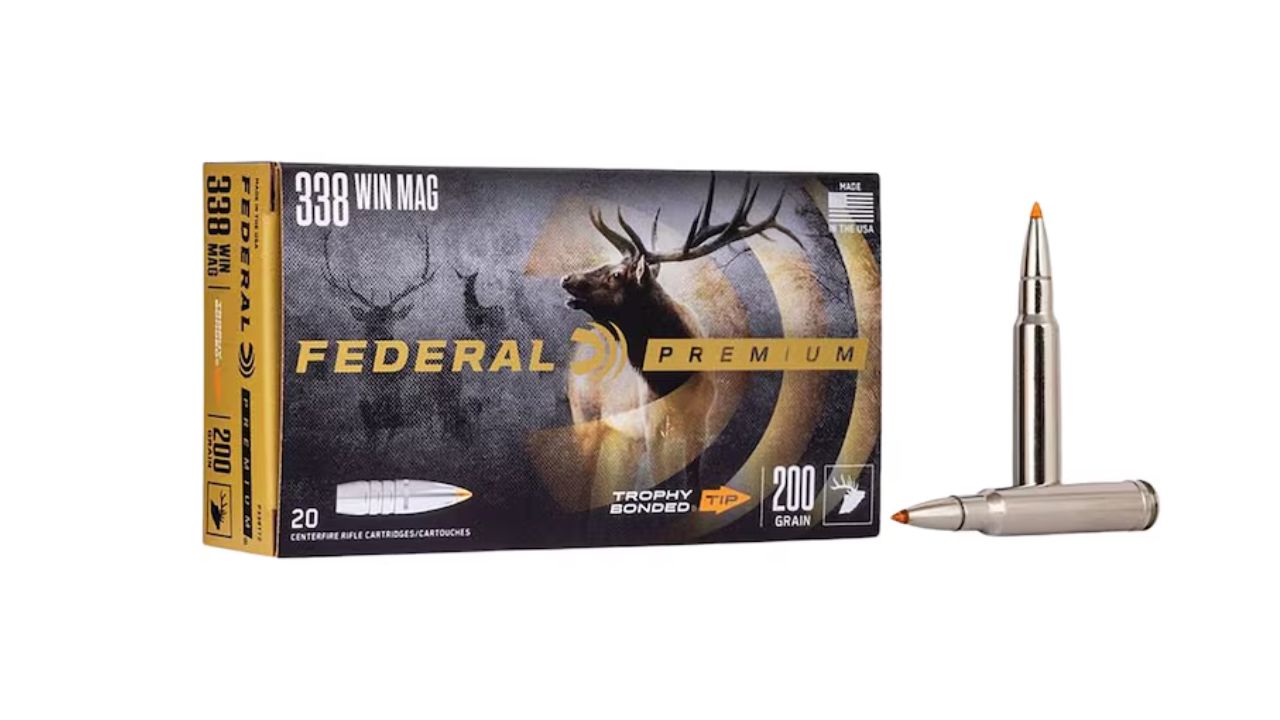
The .338 Winchester Magnum is a serious big-game cartridge. It is more than most deer hunters need, but for elk, moose, bear, and tough animals in rough country, it brings real authority. Heavy bullets and deep penetration are the whole point.
It drops game because it gives margin. Bad angles, heavy bone, and large animals are exactly where cartridges like this earn their keep. The recoil is not for everyone, but a hunter who can shoot it well carries a lot of confidence.
.338 Winchester Magnum wounds when the shooter flinches

Power can become a problem when the shooter cannot handle it. The .338 Winchester Magnum is effective, but it can also teach a hunter to flinch if they do not practice properly. A bad hit from a powerful rifle is still a bad hit.
Guides see this all the time with hard-kicking rifles. The hunter brings plenty of cartridge but not enough control. That can turn a great big-game round into a wounding machine. The rifle has to match the shooter, not just the animal.
.30-30 Winchester drops game inside its lane

The .30-30 Winchester has probably filled more deer camps than most modern cartridges ever will. It is not fast, flashy, or long-ranged, but inside woods distances it works. Good soft-point or modern lever-gun loads still take deer cleanly.
The .30-30 drops game because hunters usually use it where it belongs. Short shots, broadside deer, and quick-handling lever guns are its comfort zone. It does not need to be more than that. When hunters respect the range, it remains deadly.
.30-30 Winchester wounds when stretched like a modern rifle round

The .30-30 gets into trouble when hunters ask it to behave like a flatter-shooting bolt-gun cartridge. Past its practical range, trajectory and energy become real issues. Iron sights can add another layer of difficulty.
The cartridge is not failing. The hunter is asking too much. A .30-30 at 75 yards in timber is a different animal than a .30-30 lobbed across a long field. It is a classic because it works, but it still has limits.
.270 Winchester drops game cleanly
The .270 Winchester deserves another mention because it remains one of the best examples of enough gun without too much recoil. It hits harder than light deer rounds, shoots flatter than many old woods cartridges, and still gives hunters excellent bullet options.
For deer and antelope, it is almost boringly effective. For elk, it can work well with heavier controlled-expansion bullets and good shot placement. The .270 has lasted because it gives hunters performance they can actually use.
.450 Bushmaster wounds when recoil beats the shooter
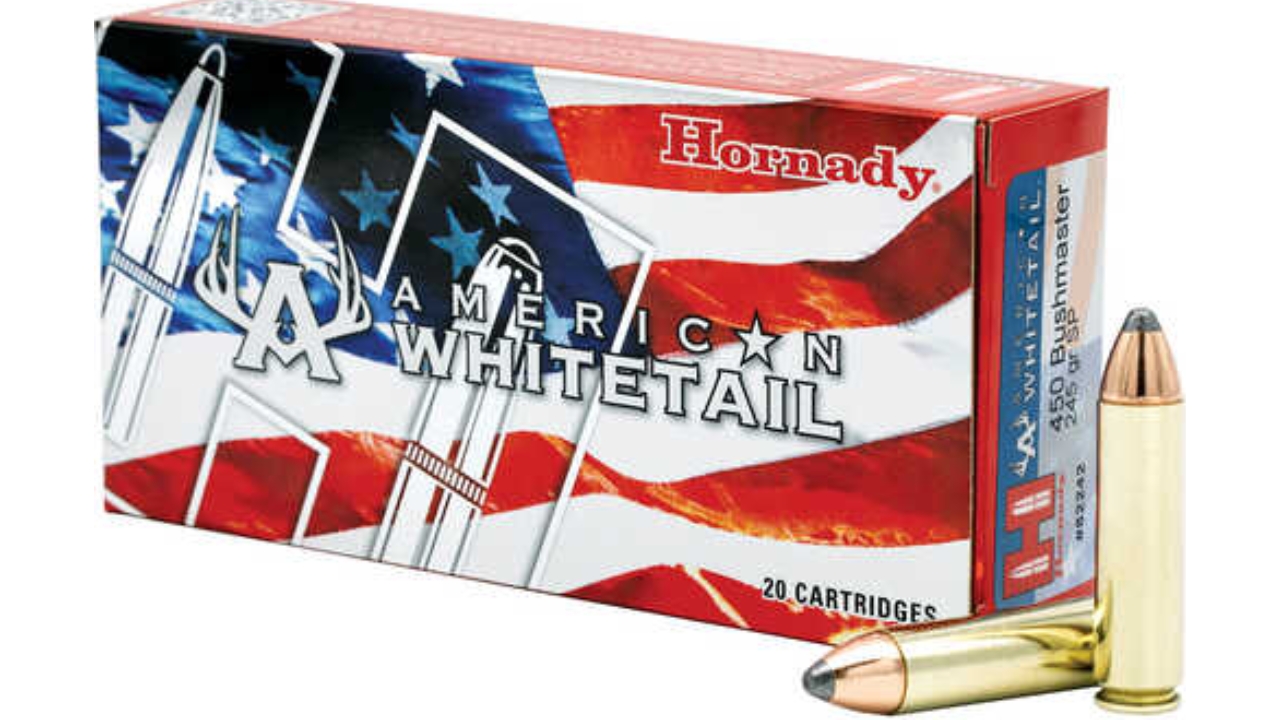
The .450 Bushmaster hits hard, especially in straight-wall deer states. It can be very effective at moderate distances, and plenty of deer have dropped to it quickly. The issue is what happens when hunters buy it for power and then do not shoot it well.
Recoil and blast matter. If the shooter flinches, jerks the trigger, or avoids practice, the big bore advantage disappears. A hard-hitting straight-wall cartridge can still wound if the shooter is scared of it. Sometimes a milder round that gets placed well is the better deer killer.
.300 PRC drops game in the right hands

The .300 PRC is a serious modern long-range hunting cartridge. With heavy, efficient bullets, it carries energy well and can handle elk, mule deer, and open-country shots when the hunter has the skill to use it.
It drops game when it is matched with someone who understands wind, range, bullet performance, and recoil. That is the catch. The cartridge is capable, but it is not a shortcut. In capable hands, it is impressive. In careless hands, it is just an expensive way to miss or wound from farther away.
.300 PRC wounds when it encourages overconfidence

Long-range cartridges can create bad habits. The .300 PRC has plenty of reach, but reach does not make a hunter ready for every shot. Wind calls, animal movement, shooting position, and bullet impact velocity all still matter.
A cartridge that can shoot far can also tempt people into shots they should pass. That is where wounds happen. The .300 PRC is excellent when used with discipline. It becomes a problem when hunters confuse capability with permission.
.257 Weatherby Magnum drops deer fast

The .257 Weatherby Magnum can be dramatic on deer and antelope. It is fast, flat, and hits with enough shock to make clean broadside shots look almost effortless. In open country, it has a real following for good reason.
It drops deer because speed and proper bullets can work beautifully on medium game. The recoil is manageable compared with bigger magnums, and the trajectory helps hunters hold confidently. It is not cheap or common, but it can be very effective.
.257 Weatherby Magnum wounds when bullets are too fragile

The same speed that makes the .257 Weatherby exciting can also make bullet choice critical. Push a fragile bullet too fast into shoulder bone or too close at high impact velocity, and penetration can suffer. That is where a clean-looking shot can turn into a bad result.
Fast cartridges need tough bullets. The .257 Weatherby is not the problem when loaded correctly. The problem is assuming speed alone equals clean killing. Hunters who pick the wrong bullet may find out the hard way that velocity can destroy instead of penetrate.
.375 H&H Magnum drops big game

The .375 H&H Magnum is more than a deer round. It belongs in conversations about large, tough, and dangerous game. It has enough bullet weight, penetration, and track record to stay relevant long after newer magnums arrived.
It drops game because it was built for serious animals and serious conditions. On large game, it gives hunters real margin. The recoil is stout, the rifles are heavier, and the ammo is expensive, but when the animal justifies it, the .375 H&H still delivers.
.375 H&H Magnum wounds when used by someone who cannot handle it

A .375 H&H in the wrong hands can be worse than a smaller rifle the hunter shoots well. The recoil, blast, and rifle weight can all work against someone who bought it for confidence instead of skill.
This is the hard truth with powerful cartridges. They do not make up for poor shooting. If the hunter flinches or rushes the shot, even a legendary big-game round can wound. The cartridge has authority, but the shooter still has to earn it.
Like The Avid Outdoorsman’s content? Subscribe to our newsletter so you never miss an article.
Here’s more from us: