Some insect encounters are just painful. Others can turn dangerous fast. The big issue is anaphylaxis, which is a severe allergic reaction that can happen within minutes and can affect breathing, blood pressure, and multiple body systems at once. The CDC says severe allergic reactions to stinging and biting insects can be life-threatening and require immediate medical attention, and the American College of Allergy, Asthma & Immunology says symptoms can include trouble breathing, throat swelling, dizziness, hives, vomiting, and a drop in blood pressure.
That matters outdoors because people often waste precious time trying to “wait and see” if symptoms calm down. They should not. The Mayo Clinic says anaphylaxis needs emergency treatment, and people at risk are often advised to carry epinephrine. So this list is not about which insects are the meanest. It is about the insects most likely to trigger a life-threatening allergic reaction in a short window, especially if the person already has a venom or bite allergy.
Honeybees

Honeybees are one of the best-known causes of severe allergic reactions because their venom can trigger anaphylaxis in sensitive people. ACAAI lists honeybees among the stinging insects most associated with serious allergy problems, and the Mayo Clinic notes that bee stings can cause severe reactions in some individuals.
What makes honeybees tricky is that people tend to think of them as the “nice” stinging insect. Usually they are not looking for trouble. But if someone is allergic, one sting can be enough to start a fast-moving emergency. Around gardens, clover, feeders, barns, and flowering brush, a normal day outside can turn serious in a hurry for the wrong person.
Yellowjackets
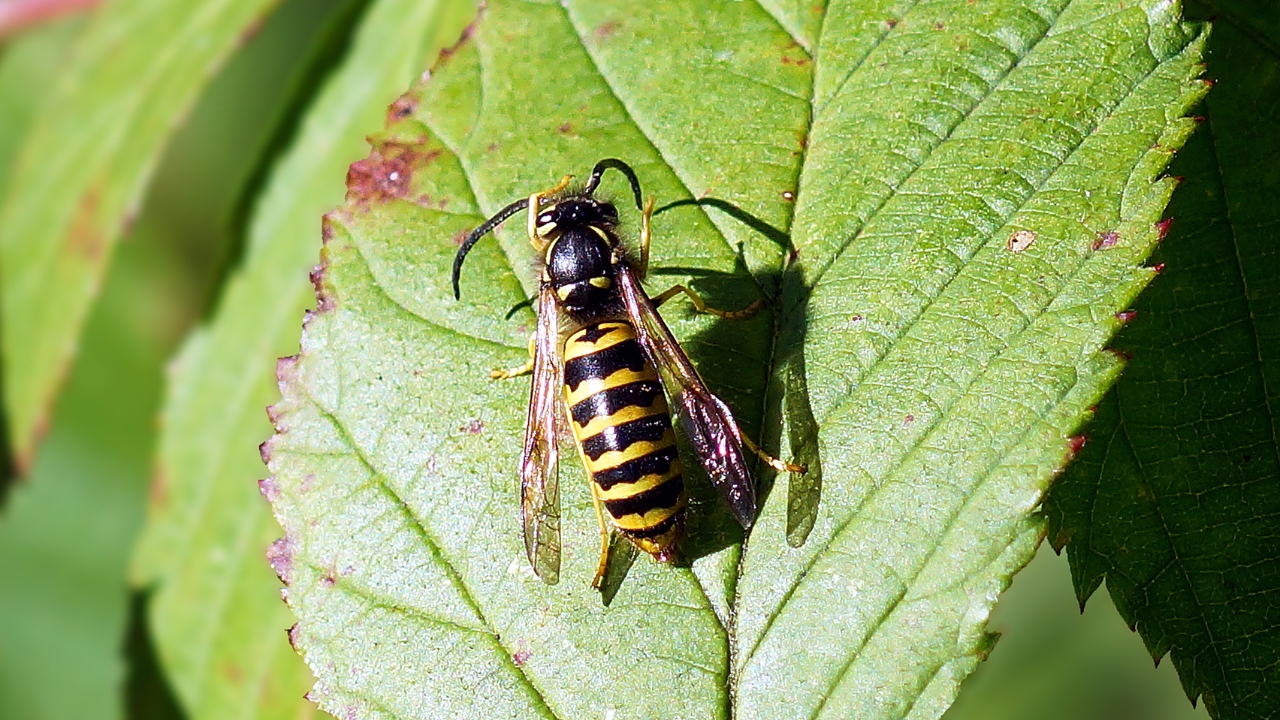
Yellowjackets are bad news because they are aggressive, common, and able to sting more than once. ACAAI specifically lists yellowjackets among the major stinging insects that trigger allergic reactions, and Cleveland Clinic notes that yellowjacket stings can cause severe reactions including anaphylaxis in allergic people.
They are also the insect that catches people when they least expect it. A nest in the ground, under siding, in a brush pile, or around outdoor equipment can turn one accidental step into multiple stings almost instantly. That matters even more because multiple stings can be dangerous on their own, while a single sting can be life-threatening in someone with venom allergy.
Wasps

Wasps deserve a spot here for the same reason: venom allergy can make one sting a true emergency. ACAAI includes paper wasps among the leading culprits in insect sting allergy, and Johns Hopkins Medicine notes that allergic reactions to insect stings can escalate rapidly and require emergency care.
The problem with wasps is how often people surprise them during ordinary chores. You move a board, open a shed, grab a ladder, pull a tarp, or reach under a porch rail, and suddenly the air is full of angry insects. In someone with a serious allergy, that is not just a painful mistake. It is a race against time.
Hornets

Hornets are closely related to wasps and carry the same kind of severe allergy risk. ACAAI lists hornets among the main stinging insects that can provoke dangerous reactions, and Cleveland Clinic notes that hornet stings can trigger severe allergic responses, including anaphylaxis.
They also tend to create the kind of scene people panic in. Big insects, loud buzzing, and a defensive nest can lead to repeated stings before somebody gets clear. Even for a person without a known allergy, multiple hornet stings can be serious. For a person who is allergic, the first few minutes after the sting matter a whole lot more than people sometimes realize.
Fire ants

Fire ants are not always the first thing people think of with anaphylaxis, but they absolutely belong here. ACAAI says fire ant stings can cause severe allergic reactions, and the FDA has warned that serious allergy symptoms after insect stings can include swelling away from the sting site, trouble breathing, and shock.
What makes fire ants especially rough is that they rarely sting just once. A person can step into a mound and get hit repeatedly in seconds. That means somebody with fire ant allergy may not even have the “just one sting” scenario. They may get a cluster of stings before they know what happened, which can push a bad reaction faster than expected.
Bumblebees
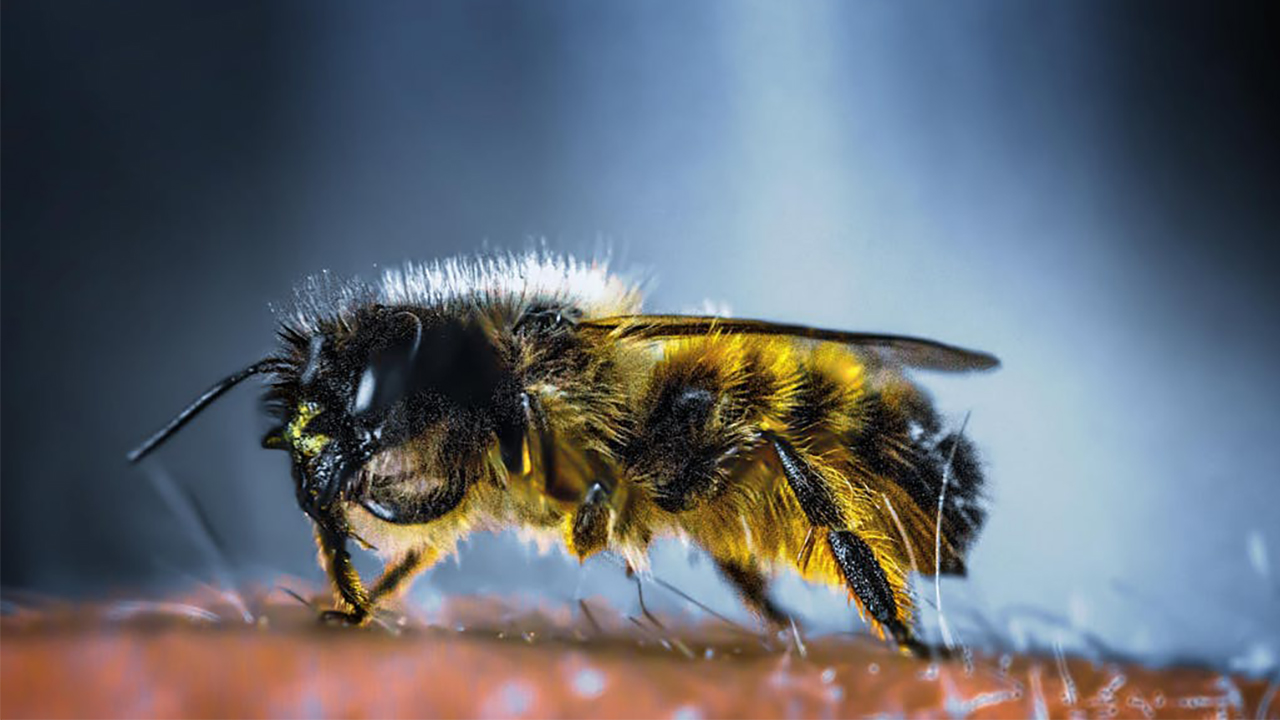
Bumblebees are less aggressive than yellowjackets in a lot of situations, but they can still sting and still trigger severe allergic reactions. ACAAI includes bees broadly in insect sting allergy guidance, and Mayo Clinic notes that bee venom can provoke anaphylaxis in some people.
That is worth remembering because people lower their guard around bumblebees. They see a fuzzy bee around flowers or a garden bed and assume no real risk is there. For most people that is fine. For somebody with a venom allergy, that assumption can be dangerous. The insect does not have to be aggressive to be medically serious.
Africanized honey bees

Africanized honey bees deserve separate mention because public safety concern is often tied to the number of stings they can inflict when disturbed. The U.S. Forest Service notes that Africanized honey bees defend their hives aggressively and in greater numbers than European honey bees, which raises the risk of mass stinging incidents.
That matters even outside classic allergy scenarios. A person with a venom allergy is at very high risk from repeated stings, but even someone without a known allergy can be in danger if enough stings happen in a short time. Outdoorsmen working around sheds, hollow structures, equipment, or remote property need to take that seriously in regions where these bees are established.
Deer flies and horse flies

These flies are better known for painful bites than classic anaphylaxis, but severe allergic reactions can happen after insect bites as well as stings. The CDC says severe allergic reactions to biting insects can be life-threatening, and Johns Hopkins notes that biting insect reactions can range from mild irritation to severe allergy in some people.
The reason they make this list is not that they are the top cause. They are here because people spend time in fly-heavy ground without thinking of them as a real allergy threat. Near water, trails, pasture, or woods, a painful bite followed by fast swelling, hives, breathing trouble, or lightheadedness is not something to shrug off just because the insect was a “fly” instead of a bee.
Mosquitoes

Mosquito allergy severe enough to cause anaphylaxis is rare, but it has been documented. AAAAI notes that mosquito bites usually cause mild local reactions but that systemic allergic reactions, including anaphylaxis, can occur in rare cases.
That makes mosquitoes a lower-probability but still real entry here. People are so used to mosquito bites being itchy and annoying that they may not connect a much bigger reaction with the insect at all. If someone develops widespread hives, facial swelling, wheezing, or dizziness after mosquito bites, the fact that mosquitoes are common does not make the reaction harmless.
Kissing bugs

Kissing bugs matter for a different reason. Beyond their disease associations in some regions, allergic reactions to their bites can be severe, including anaphylaxis. The CDC notes that some people may have severe allergic reactions to kissing bug bites.
This is one of those insects people do not think about until after the bite. Because they often bite at night, someone may wake up with swelling and not even know what caused it. In the wrong person, that is more than a creepy story. It can be a true emergency, especially if breathing symptoms or widespread reactions start quickly.
Fire ant alates and winged swarmers

This one is really part of the fire ant problem, but it is worth calling out because people sometimes only think about ant mounds on the ground. Swarming reproductive ants can show up during certain conditions, and the underlying venom risk is still there for allergic people. ACAAI’s fire ant allergy guidance does not limit concern to one exact ant situation; the serious issue is venom exposure and systemic reaction.
For landowners, gardeners, and people spending time around disturbed ground, the bigger lesson is simple: ants do not have to look dramatic to create a dangerous allergic event. People who know they react badly to fire ants should treat any sting seriously and have a plan ready.
The real danger sign is the reaction, not the insect’s reputation

This is the part that matters most. A “less scary” insect can still trigger a severe allergic reaction, while a meaner-looking one may not. The FDA says emergency symptoms after an insect sting can include hives, swelling of the face or throat, wheezing, trouble breathing, dizziness, and loss of consciousness. The Mayo Clinic says suspected anaphylaxis should be treated as a medical emergency and epinephrine should be used right away if prescribed.
So the outdoorsman rule here is pretty simple: do not judge the danger by how small the insect is or how ordinary it looks. If someone gets stung or bitten and then develops breathing trouble, throat tightness, widespread hives, vomiting, faintness, or fast swelling, that is emergency territory. Minutes matter.
Like The Avid Outdoorsman’s content? Be sure to follow us.
Here’s more from us: