

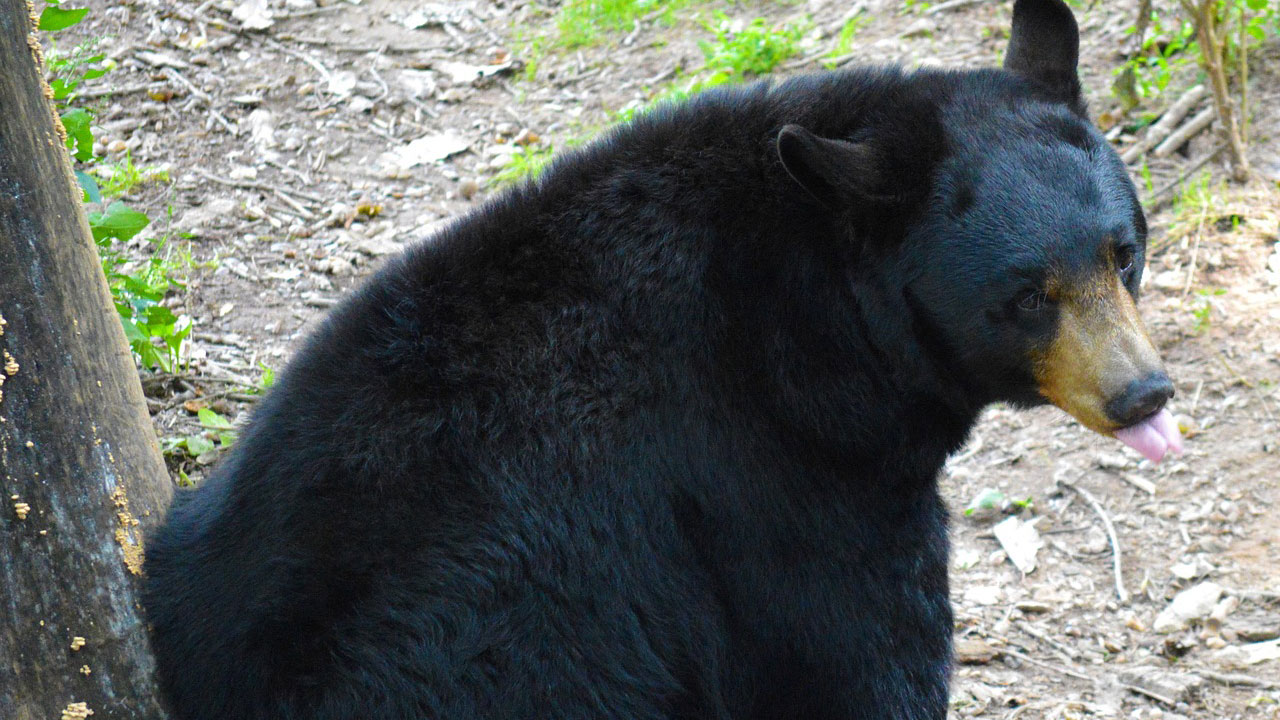
Photo credit: Alan D. Wilson, CC BY-SA 3.0, via Wikimedia Commons
Black bears aren’t “night animals” the way people talk about them. A healthy bear will move whenever it makes sense—cool mornings, warm afternoons, or that bright middle of the day when the wind is right and food is close. In a lot of states, bear habitat isn’t some far-off wilderness anymore. It’s the strip of timber behind a subdivision, a creek line that runs through town, or a ridge that drops into backyards.
Daylight sightings usually come down to two things: natural food and human food. When acorns, berries, and soft mast are strong, bears feed openly. When those foods are weak, or when a bear has learned trash day means calories, you start seeing them while you’re mowing the yard or walking the dog.
These states aren’t ranked. They’re places where bear numbers and human overlap make daytime encounters more common, and where shutting down attractants is the fastest way to keep a casual sighting from becoming a regular route.
Alaska

Alaska has more black bears than anywhere else, and in a lot of towns you’re never far from salmon streams, berry patches, or a greenbelt that funnels bears right past homes. When natural food stacks up close to people, daytime sightings aren’t rare—especially during salmon runs and late-summer berry season.
If a bear is cruising your yard in daylight, treat it like a warning light. In spring, hungry bears fresh out of the den can be roaming at odd hours, and in fall they’ll put on miles looking for calories. Bears that get rewarded by trash, fish carcasses, or dog food start showing up earlier and staying longer. Lock food down, clean grills, keep fish waste sealed, and don’t let “it’s only passing through” turn into a repeat visit.
California
California’s foothills and mountain towns are classic bear country, and the state has a big bear population living right next to people. In places where oaks, manzanita, and creek bottoms run through neighborhoods, bears can be feeding in broad daylight and still feel covered.
Daylight sightings often track one thing: food. If a bear finds bird seed, fallen fruit, open trash, or a freezer in the garage, it starts checking the same streets like it’s working a route. Once that happens, the bear’s internal clock shifts toward when the easiest meals show up—after school, during yard work, on trash day. Your best move is to remove every reward you can: bear-resistant cans, no outdoor pet food, clean grills, and fruit picked up fast. Make the yard boring and the bear moves on.
Colorado

Colorado’s Front Range is packed with bear habitat stitched right into suburbs—drainages, trail corridors, and thick pockets of oak brush. When acorns or berries are good, bears can feed in daylight without ever stepping far from cover. When those foods crash, they start shopping closer to people.
If you’re seeing bears mid-morning or mid-afternoon, it usually means they’re comfortable in that neighborhood or they’ve learned a payoff exists. Garbage left out early, bird feeders, and backyard chicken feed can turn a “passing bear” into a regular. Keep trash secured until pickup morning, bring feeders in when bears are active, and store feed like you’d store dog kibble in camp—sealed, tough, and out of reach. If a bear lingers, don’t give it space to settle in.
Florida

Florida bears have learned how to live around people, especially where subdivisions press into swamps, pine flatwoods, and hammock edges. With mild winters, a long growing season, and plenty of human food sources, daylight sightings around neighborhoods are common in many bear zones.
When a bear shows up during the day in Florida, assume it’s following its nose, not looking for trouble. The problem is that one easy meal teaches it to come back in daylight when people are active and yards are open. Secure garbage in a bear-resistant container if you can, take it out the morning of pickup, and keep doors to garages and sheds closed. Pet food stays inside, and bird feeders are a gamble in bear country. If you do those things, most bears slide back into the woods and stop treating your street like a buffet.
Georgia

North Georgia’s mountains and the big blocks of public land around them hold a steady bear population, and the edges—cabins, lake communities, and small towns—are where daylight sightings pop up. Bears move in daylight when food is easy and cover is close, and that describes a lot of the Blue Ridge.
Spring and early summer are prime time for “yard bears,” especially when natural foods are thin and human smells carry. One trash can left out overnight or one bird feeder dripping seed can shift a bear’s pattern fast. If you want fewer noon sightings, you run your place like camp: food locked up, grills cleaned, grease containers sealed, and garbage protected until pickup day. When a bear gets rewarded, it starts treating people as background. Remove the reward and you get your space back.
North Carolina

Western North Carolina has seen bear numbers rise over the years, and the mix of steep hollows, thick cover, and neighborhoods tucked into the woods creates nonstop bear-to-human overlap. In that setup, daylight sightings don’t require anything unusual—bears can be feeding on acorns, berries, or insects within sight of a porch.
The daylight bears that worry you are the ones working trash cans, checking decks, or pushing too close to people. That behavior usually comes from repeat rewards. Keep garbage secured, pick up fallen fruit, and store livestock and chicken feed in hard containers. If you’ve got a bear visiting in daylight, the whole street needs to tighten up or it keeps happening. When food disappears, bears often shift back to natural patterns. When food stays available, they learn a neighborhood is worth the risk.
Tennessee

East Tennessee, especially around the Great Smoky Mountains, is bear country with heavy tourism and dense neighborhoods packed along forest edges. Bears can move through cover all day and still be within a few steps of someone’s deck. Add campsites, cabins, and trash volume, and you get a lot of daylight bears.
If you’re seeing a bear in daylight near homes, think “food-conditioned” until proven otherwise. Bears that learn people equal calories start showing up when the odds of a meal are highest, not only after dark. Lock trash down, don’t leave coolers outside, and clean up any outdoor cooking mess like you’re trying to hide it from a bloodhound—because that’s what you’re dealing with. Keep distance, keep pets close, and report repeat visits so the pattern gets addressed before it escalates.
Virginia

Virginia has bears across the mountains and into the Piedmont, and plenty of neighborhoods sit right on the seam between woods and yards. That edge habitat makes daytime sightings more likely because bears can feed in a thicket, cross a yard, and be back under cover before anyone reacts.
Most daylight encounters come down to timing and opportunity. In spring, bears are lean and searching. In fall, they’re chasing calories hard. If a bear learns your street has trash, bird seed, or compost that smells like a diner, it starts checking in during daylight when those items are out. Secure garbage, take down feeders when bears are active, and keep compost enclosed. If you see a bear repeatedly in daylight, don’t normalize it. The sooner the neighborhood stops rewarding it, the sooner it stops visiting.
West Virginia

West Virginia’s big timber, steep hollows, and heavy mast crops make it strong bear habitat, and a lot of homes sit tucked into that cover. Bears don’t need much to appear in daylight there—they can be feeding on berries, beechnuts, or insects along a ridge and drift right down to a yard.
Daylight sightings around houses tend to spike when natural food is inconsistent or when a bear finds a steady reward. Trash left in the open, deer corn, and outdoor pet food are repeat offenders. If you want fewer mid-day visits, you cut off the rewards and you do it fast. Keep garbage secured, don’t feed deer near the house, and store any attractants indoors or in locked containers. Bears that don’t get paid usually keep moving. Bears that get paid start acting like they own the place.
Pennsylvania

Pennsylvania is one of the top black bear states in the East, and the mix of hardwood ridges, farm edges, and suburbs means bears are never far from people. When acorns are good, bears feed in daylight like clockwork. When they aren’t, bears still move in daylight, but they’re more willing to check yards and outbuildings.
If you’re spotting bears in daylight near homes, don’t assume it’s “normal.” It can be, but it can also be the early stage of a bear learning human food. Bird feeders, trash cans, and backyard livestock feed create reliable stops, and bears are smart enough to remember addresses. Tighten up attractants, keep pets under control, and don’t leave doors to garages open. Daylight bears that lose fear can become a bigger issue fast, so the earlier you shut off the reward, the better.
New York

Upstate New York has deep woods and strong bear habitat, and it also has a lot of lake towns and neighborhoods carved into the forest. That creates the perfect recipe for daylight bears: cover within seconds, food smells from houses, and enough human traffic that some bears stop caring.
Bears are naturally active in daylight, especially during spring foraging and fall feeding. What changes the game is when a bear learns it can get a meal from people. Garbage put out the night before pickup, bird feeders, and greasy grills will pull bears into yards while you’re still drinking coffee. Keep trash secured until morning, take feeders down when bears are around, and store anything that smells like food in a locked building. If a bear keeps showing up in daylight, it’s telling you the neighborhood is paying it.
New Jersey

North Jersey has a dense bear population living in tight country—ridges, swamps, and thick woods pressed up against back decks. With that layout, bears can travel and feed in daylight while staying close to cover, and many encounters happen during normal daytime routines.
If you see a bear in daylight in New Jersey, it’s often either seasonal feeding or a bear that’s learning neighborhoods. Trash and bird seed are the usual drivers, and once a bear gets rewarded, it starts checking the same streets at predictable times. You cut that off by securing garbage, removing feeders, and keeping garage doors shut. Keep dogs leashed and close, especially near brushy edges. The goal is to keep bears wary. When they start acting relaxed around people in daylight, that’s when problems follow.
Massachusetts

Western and central Massachusetts have steady bear activity, and a lot of towns sit right against thick forest and swamp pockets. Bears can be moving in daylight and still be invisible until they step into a yard for a quick look at a trash can or bird feeder.
Daylight sightings don’t always mean aggression, but they often mean opportunity. In years with strong natural foods, bears feed openly. In lean years, they’re more likely to test neighborhoods. If you want fewer daytime visits, you do the basics every day: trash secured, no outdoor pet food, and bird feeders pulled when bears are active. Pick up fallen fruit, and keep compost contained. When a bear gets a meal once, it remembers. When it gets nothing, it keeps traveling and your street stops being part of its routine.
New Hampshire

New Hampshire’s mix of big woods, small towns, and backyard bird feeding makes daylight bear sightings a regular part of life in many areas. Bears are naturally diurnal, and when you add berry season, beech ridges, and apple trees, you’ll see them during the hours you’re outside.
The daylight bears that become a problem are the ones that start working human schedules—trash nights, school bus times, and backyard grilling. That usually starts with one reward: bird seed, unsecured garbage, or livestock feed. If you live where bears roam, your best defense is routine: keep attractants locked up, bring feeders in, and don’t leave coolers or trash in a garage with the door cracked. If a bear keeps showing up in daylight, it’s telling you it’s being rewarded somewhere close. Remove that reward and the visits fade.
Maine

Maine has plenty of wild country and a healthy bear population, but daylight sightings spike around camps, rural homes, and town edges where food smells are concentrated. Bears in Maine will move in daylight for natural foods, and they’ll also move in daylight when they learn people are a shortcut to calories.
If you’re seeing bears near homes during the day, think about what’s drawing them. Bird feeders, grease, compost, and trash are magnets, and bears have the nose to find one weak spot on a whole road. Lock garbage down, clean outdoor cooking gear, and store anything scented inside a secure building. Keep pets close and don’t let a bear linger without making it feel unwelcome. Bears that stay wild usually pass through. Bears that get rewarded start checking back, and daylight visits become the new normal.
Like The Avid Outdoorsman’s content? Subscribe to our newsletter so you never miss an article.
Here’s more from us:


