Photo credit: Erik_Karits/Pixabay.com
“Spider bite” gets blamed for a whole lot of skin problems that have nothing to do with spiders. That is not just people being dramatic. It is a real pattern. The CDC says people often confuse some MRSA skin infections with spider bites, and UC IPM notes that plenty of other arthropods and skin problems can get mistaken for spider bites too. Real spider bites do happen, but they are less common than people think, and most spiders are not out looking to pick a fight with you anyway.
That matters outdoors because the wrong assumption can make you miss what actually tagged you. A tick bite, bed bug bites, flea bites, a wasp sting, or even a skin infection can all get called a “spider bite” by somebody who never saw the culprit in the first place. Louisiana public health guidance says spiders usually bite only once, so when somebody has multiple bites or several people in the same place get hit, spiders are less likely to be the cause.
MRSA and staph skin infections

This is probably the biggest one people get wrong. The CDC says a supposed “spider bite” should raise suspicion for a Staphylococcus aureus skin infection, including MRSA. It also says that unless you actually saw a spider, the irritated spot is likely not a spider bite. That is a pretty blunt way of saying a lot of people guess wrong.
What makes MRSA tricky is that it can start out looking like a painful red bump, boil, or swollen spot. That is exactly why people slap the spider label on it. The trouble is that infections need the right medical treatment, not guesswork. If a spot is getting hotter, more swollen, draining pus, or coming with fever, that is not the time to keep saying, “Probably a spider.”
Bed bugs
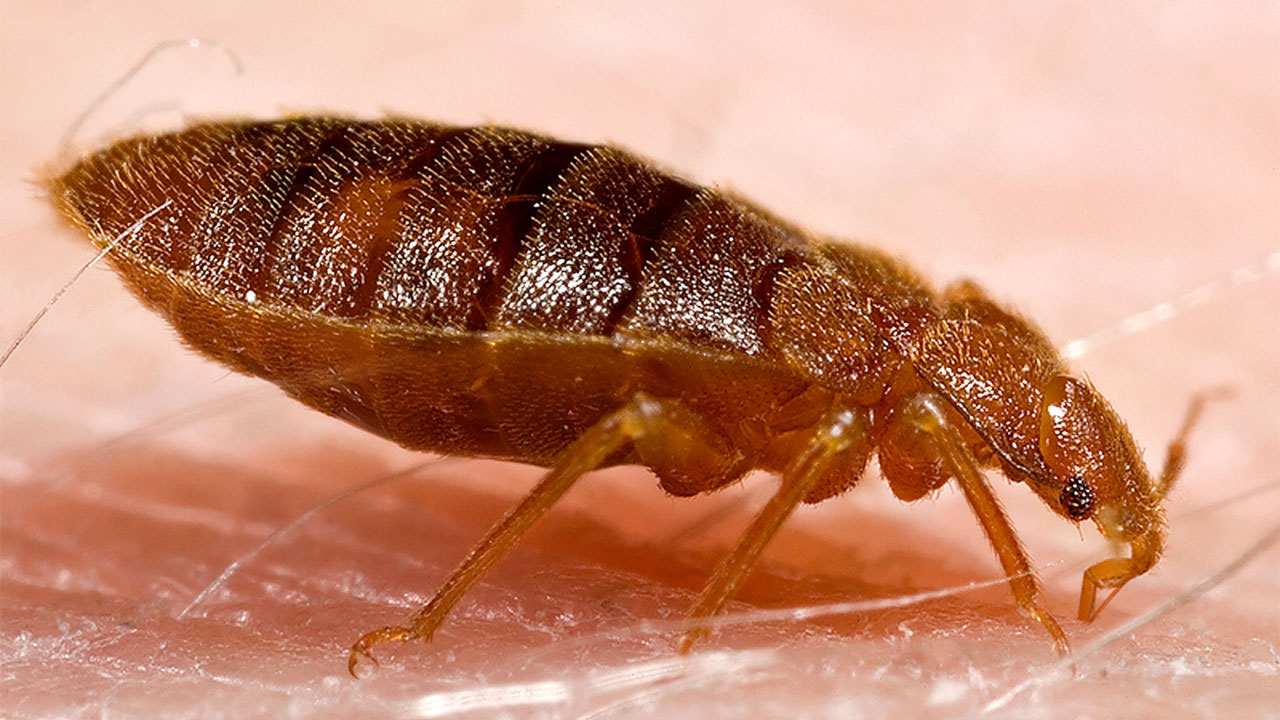
Bed bugs get blamed on spiders all the time because people wake up itchy and assume something crawled across them in the night. The CDC says bed bug bites can look like mosquito or flea bites, and the marks may be random or appear in a straight line. The American Academy of Dermatology also notes that bed bug bites often show up as itchy welts in a zigzag pattern.
That pattern matters because spiders usually are not leaving a row of bites behind. Bed bugs are much better suspects when bites show up after sleeping, especially if there are multiple welts or more than one person in the room is getting hit. People love to blame a mysterious spider because it feels simpler, but bed bugs are a much more common explanation for that kind of setup.
Fleas
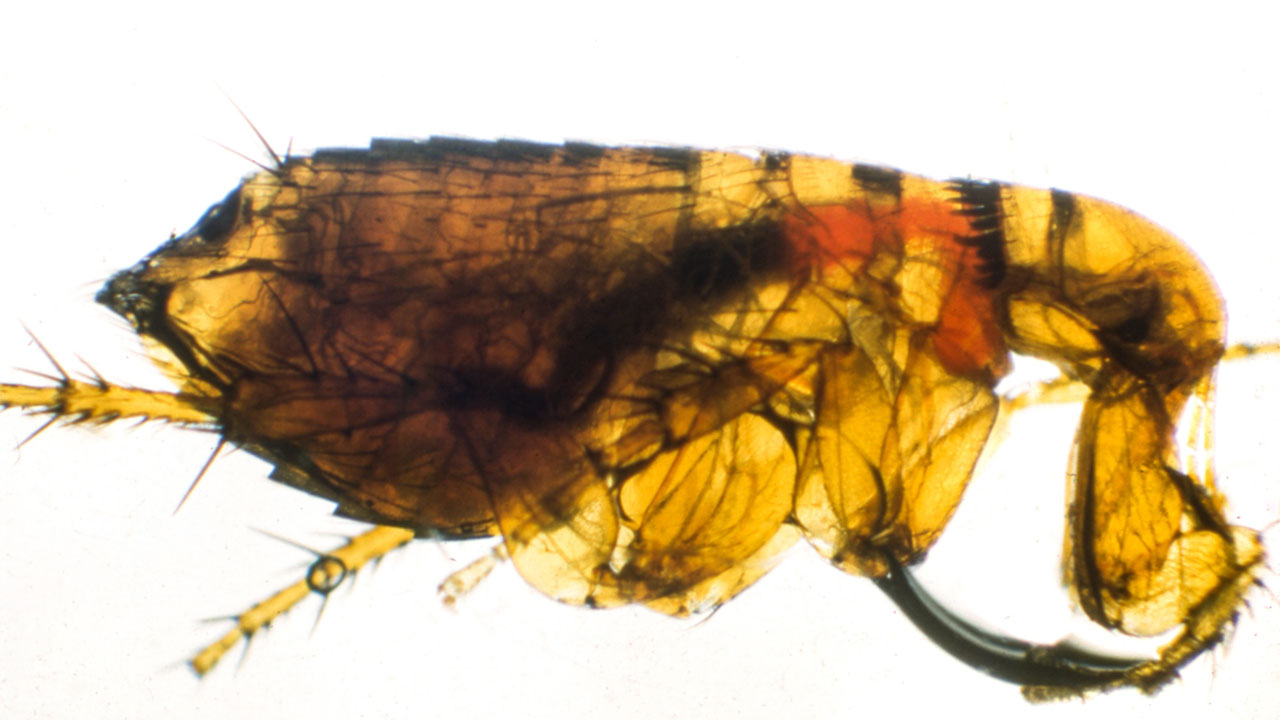
Flea bites are another classic “must’ve been a spider” mistake. Fleas hit low on the legs a lot, they itch like crazy, and they often show up in little clusters instead of one isolated bite. Tennessee public health guidance lists fleas among common infestation pests that bite people and pets, and allergy specialists note that flea bites can appear in small groups that look a lot like other bite reactions.
They also make more sense than spiders when pets are involved. If the dog or cat is scratching and people in the house are getting little itchy bumps around ankles or lower legs, fleas deserve a hard look before anybody starts hunting for a spider in the garage. A lot of so-called spider bite stories make much more sense once there is a pet or infested carpet in the picture.
Mosquitoes

Mosquito bites are obvious when you catch them in the act, but not always when they swell up later and start itching hard. UC IPM specifically lists mosquitoes among the arthropods whose bites or stings may be mistaken for spider bites. That lines up with real life, especially when somebody gets one angry welt and assumes something worse caused it.
The difference is usually the pattern and timing. Mosquitoes tend to hit exposed skin, often after evening time outside, and a few bites can react way more strongly than the rest. A big itchy welt on an arm or calf can send somebody straight into “brown recluse” mode even though the far more boring answer is a mosquito with good timing. Outdoors, boring answers are usually worth checking first.
Ticks

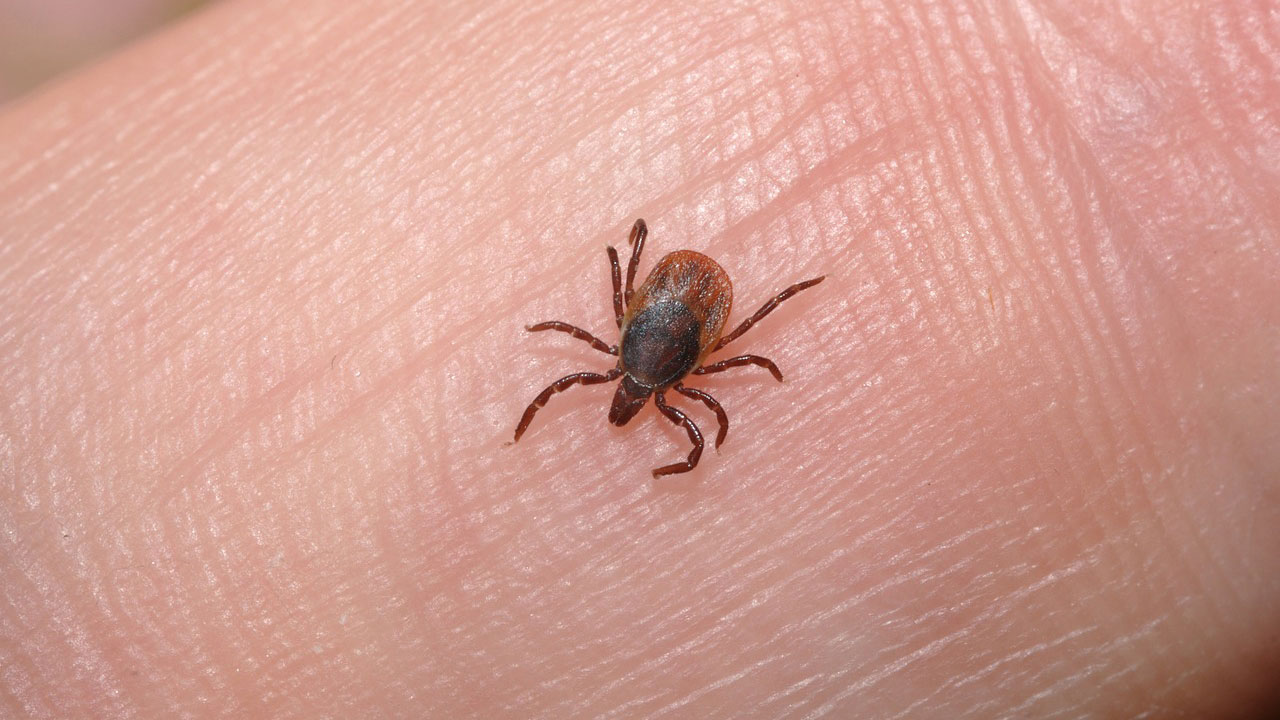
Ticks are easy to miss because many bites are painless at first. The CDC says ticks can spread germs that make people sick and that tickborne illnesses can bring fever, aches, and rash. That alone should push them higher on the suspect list than spiders when somebody has been in brush, grass, leaf litter, or woods.
The other reason ticks get misread is that people find the irritated spot later, after the tick is gone, and fill in the blank with “spider bite.” That is shaky logic. If you were hiking, working fence lines, checking trail cameras, or sitting in tall grass, a tick is often the more realistic suspect. And unlike a lot of so-called spider bites, a real tick bite can come with disease risk, which is another reason not to shrug it off.
Chiggers
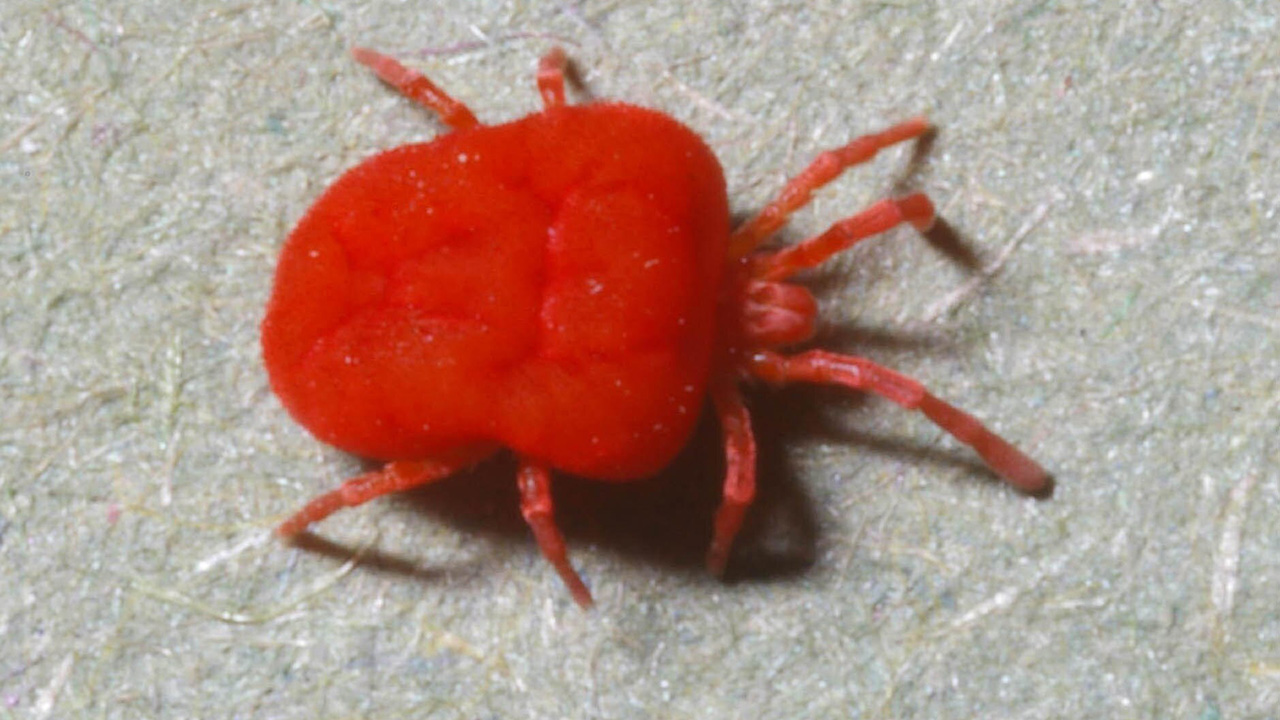
Chiggers are tiny larval mites, and people blame spiders for them all the time because they usually never see what actually bit them. The CDC notes that chiggers can bite people, and some species can spread disease in parts of the world. Even when disease is not the issue, the bites can itch hard enough to make somebody think something more dramatic got them.
Chigger bites also show up in the kind of places outdoors people know too well: around sock lines, waistbands, behind knees, and other tight clothing areas after walking through grass or brush. That pattern does not fit a typical spider encounter nearly as well as it fits chiggers. If you spent the day in weedy ground and woke up scratching in a bunch of spots, spiders are probably taking blame for a mite job.
Bees
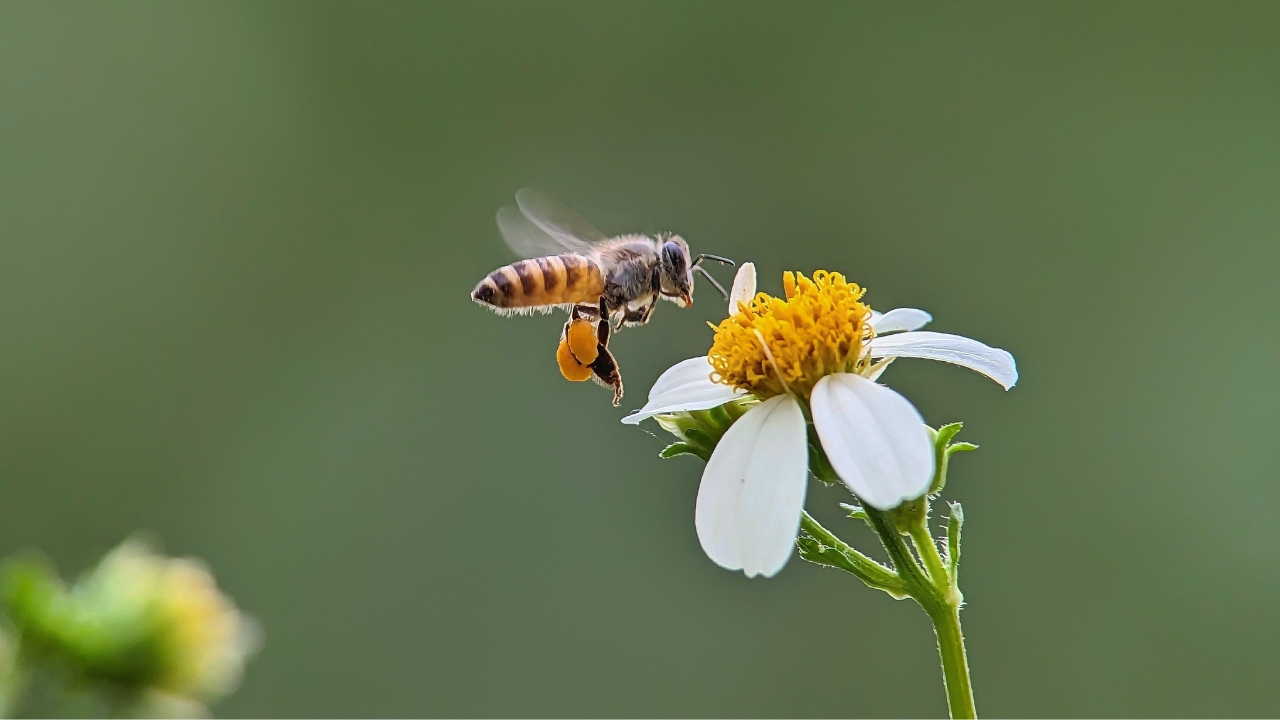
Bee stings can absolutely get mislabeled as spider bites, especially when the sting itself was not noticed clearly. UC IPM lists bees among the arthropods whose stings can be mistaken for spider bites. That makes sense, because a sting can leave a swollen, hot, painful patch that sounds pretty dramatic when somebody tells the story later.
What usually separates them is the pain and the setting. If it happened while mowing, working around flowers, trimming brush, or messing with equipment that disturbed insects, bees are a much more likely suspect than some random spider. People tend to picture spider bites as mysterious and bee stings as obvious, but sometimes all they remember is that something hurt and swelled up fast.
Wasps and hornets
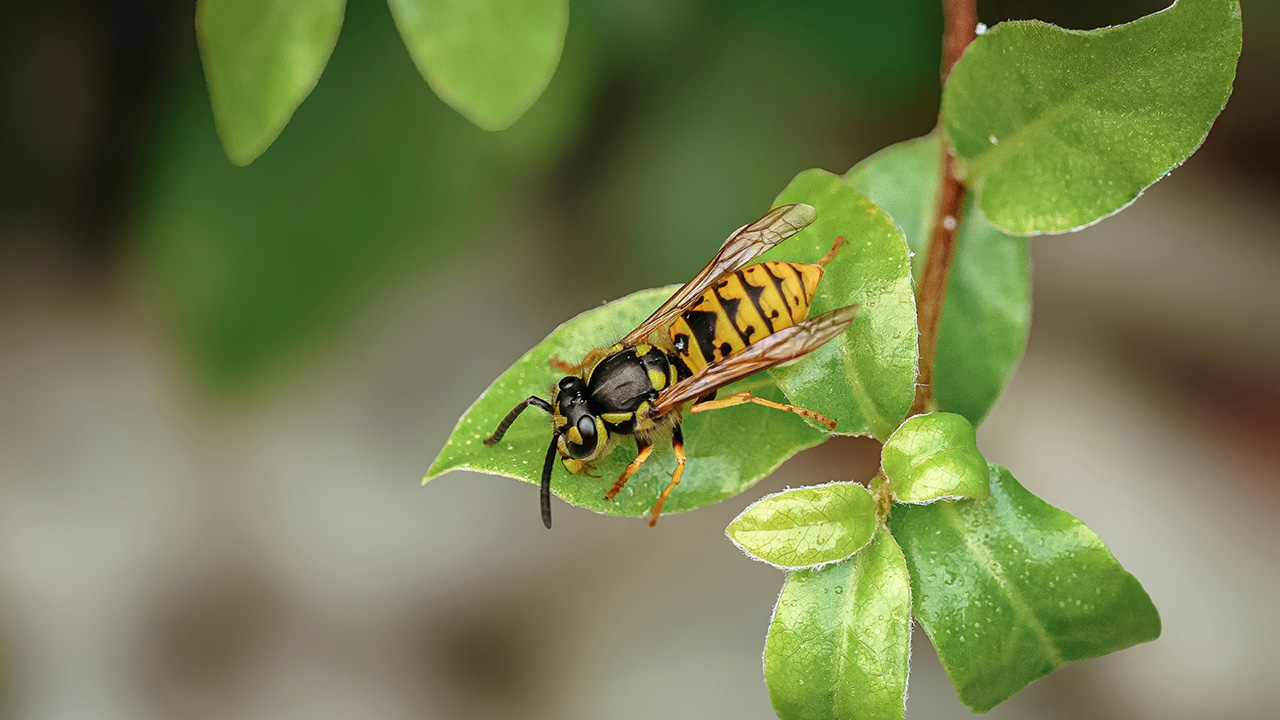
Wasps and hornets earn blame confusion for the same reason bees do, except they are often meaner about it. A single wasp sting can leave redness, swelling, and a sore raised spot that later gets described as a spider bite by somebody who never got a good look at what hit them. UC IPM includes wasps in that same mistaken-identity group.
These are especially easy to misread when somebody gets hit while grabbing a tool, lifting a tarp, opening a blind, or reaching into a shed. The person feels a sudden sting, swats, and never sees the culprit. Hours later the swelling looks nasty, and the spider theory starts. In outdoor work, a hidden wasp nest is usually a better guess than a spider roaming around looking for skin.
Kissing bugs

Kissing bugs are one of those culprits people do not think about nearly enough. UC IPM specifically lists the conenose, or kissing bug, as one of the arthropods whose bites may be mistaken for spider bites. That is worth knowing because these bugs feed on blood and usually work at night, which makes them perfect candidates for mystery bites people blame on spiders the next morning.
They also tend to bite exposed skin, especially around the face, which can make the reaction look especially alarming. Someone wakes up with a swollen spot, never saw the insect, and immediately decides a spider must have been in the bed. That is not a crazy guess, but it is often the wrong one. When the culprit is a nighttime blood-feeding bug, spiders are just getting framed because they are already the villain in people’s heads.
Deer flies and horse flies
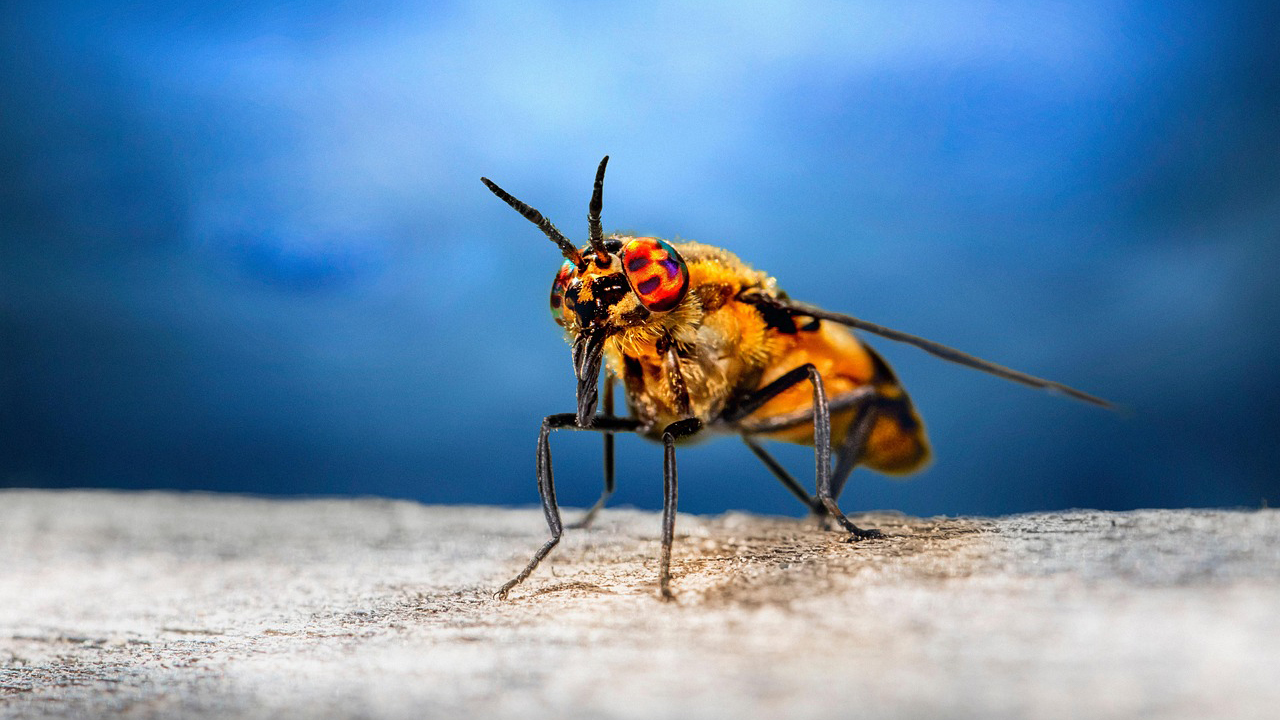
Deer flies and horse flies are nasty enough that people remember the pain but not always the insect. UC IPM lists both as bites that can be mistaken for spider bites, and that tracks because these flies can leave a painful welt that hangs around longer than a typical mosquito bite.
If you were near livestock, ponds, woods, trails, or marshy ground in warm weather, a biting fly deserves serious consideration. These things are aggressive, and they often go after people in broad daylight. A red, painful, irritated bite after time outdoors in fly country is a lot easier to explain with a fly than with an unseen spider somehow finding the one perfect moment to nail you.
Fire ants

Fire ants do not always get included in these conversations, but they should. People sometimes focus on the swollen painful spots afterward and forget what caused them, especially if they brushed against a mound without realizing it right away. The EPA lists fire ants among pests of public health importance, and anybody who has stepped in a mound knows they can leave a cluster of angry-looking lesions fast.
That cluster is usually the giveaway. Spiders generally are not handing out a bunch of bites in one quick burst the way fire ants can. If the marks are on feet, ankles, or legs after yard work, kids playing outside, or chores around dry ground and brush, ants make a whole lot more sense than spiders. Sometimes the boring explanation is also the one that hurts the worst.
Bird mites and other mites
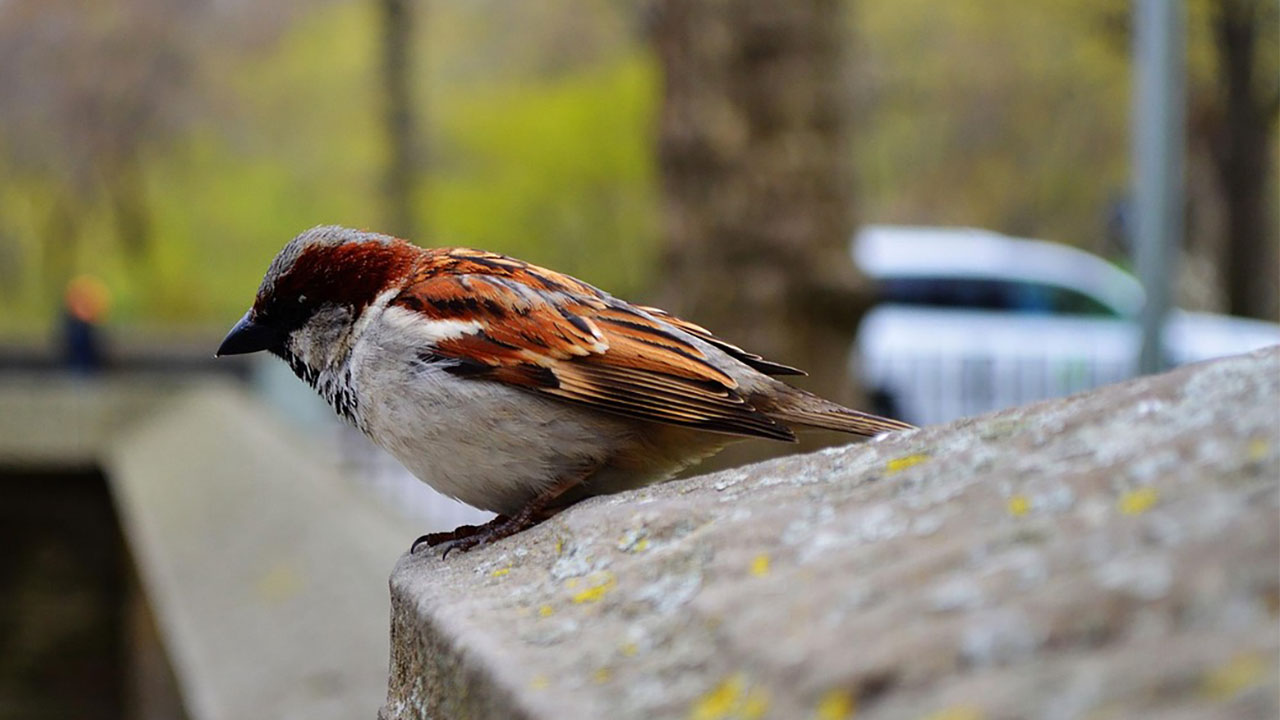
Mites are another group that gets overlooked because people rarely see them. They are tiny, irritating, and perfect for starting mystery-bite panic inside houses, sheds, hunting cabins, and outbuildings. The broader point from public health and entomology sources is that lots of small arthropods can cause itchy skin reactions that are not specific enough to identify by appearance alone.
That is why mite problems can get pinned on spiders so easily. Somebody gets itchy after dealing with nesting material, attic spaces, old furniture, or bird activity around the house, and “spider bites” becomes the catch-all label. In reality, tiny pests that live around birds, rodents, or stored material often make more sense than a spider somehow biting several times and disappearing without a trace.
Lice
Lice do not bite like a spider, but the itching and skin irritation they cause can still get bundled into the same kind of bad guessing game. Tennessee public health guidance includes lice among human infestations that cause nuisance symptoms. When people are itchy and do not know why, they are often far too quick to blame whatever creepy-crawly scares them most.
This one comes down to context. If the irritation is persistent, tied to hair or clothing, or affecting more than one person in a household, spiders are not the best suspect. That is another theme that shows up over and over: spiders get blamed for patterns that do not even match how spiders usually bite. The more widespread the problem is, the less convincing the spider theory gets.
Allergic skin reactions

Not every “bite” is a bite at all. Some itchy red spots people swear are spider bites are allergic reactions or skin irritation from something they touched. UC IPM and public health sources both emphasize that appearance alone is a poor way to identify a spider bite, and CDC bed bug guidance says reactions are not diagnostic on their own either.
That matters because poison ivy, plant irritation, chemicals, sweat, friction, and other skin triggers can all create bumps or rashes that get blamed on a bug nobody actually saw. Once people decide something bit them, they stop looking at other explanations. In the outdoors, that is a mistake. Not every raised red patch came from teeth, fangs, or a stinger. Sometimes your skin is just reacting to the world you dragged it through.
Water bugs and other biting aquatic insects
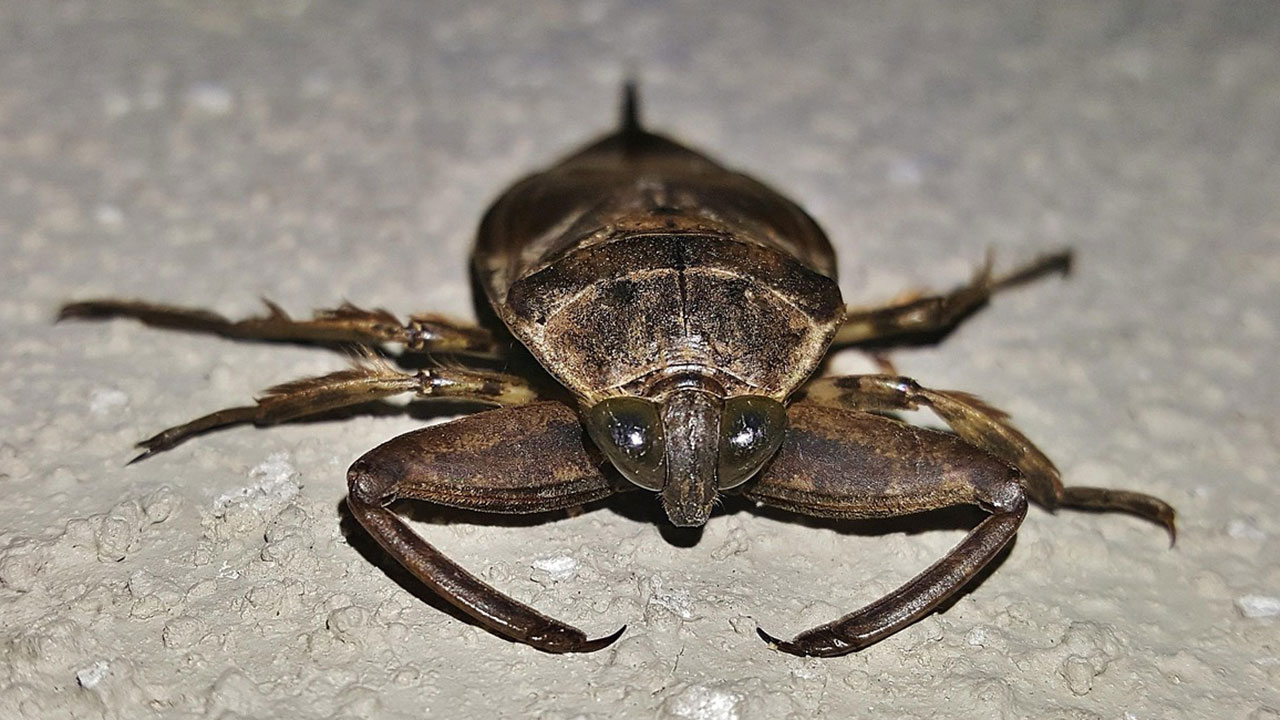
This one surprises people, but UC IPM also lists water bugs among arthropods whose bites can be mistaken for spider bites. That makes a lot of sense for anglers, paddlers, duck hunters, and anyone messing around docks, ponds, marsh edges, or standing water. You get hit by something around the water, do not see it well, and later the story turns into “must’ve been a spider.”
Aquatic insects and true bugs do not get the same bad reputation spiders do, which is exactly why they dodge blame. But if the setting was water and the reaction was sudden and painful, it pays to think wider than spiders. Outdoorsmen spend enough time in weird habitat to know better than anybody that the thing that got you is not always the thing you first picture.
Like The Avid Outdoorsman’s content? Subscribe to our newsletter so you never miss an article.
Here’s more from us: