Photo credit: Pixabay/Pexels.com
Wolves aren’t “back” everywhere, but in a growing chunk of the country, they’re back enough that hunters, ranchers, and small-town neighbors are talking about them like a real, local factor. Sometimes that’s because there are established packs. Sometimes it’s because dispersing wolves keep popping up in places that didn’t have them a generation ago. And sometimes it’s because a state is actively reintroducing wolves, so every track, trail-cam clip, and livestock story turns into a debate at the gas station. Here are 15 states where wolf sightings and wolf talk are becoming a normal part of the outdoor conversation.
Alaska

In Alaska, wolves aren’t a novelty story—they’re a reality most people who spend time outside take seriously. The “regular conversation” part comes from how often wolves overlap with moose and caribou country, plus the way packs can work an area hard and change what you see over time. If you’re running a trapline, hunting, or living remote, wolf sign isn’t shocking. It’s something you factor into what you’re doing and how you’re doing it.
What makes Alaska different is scale. You’ve got huge country, big prey, and a lot of folks who rely on wild meat. That means wolves aren’t just a wildlife topic—they’re a management and lifestyle topic. In many parts of the state, hearing wolves at night or seeing tracks on a river bar is common enough that it doesn’t even make social media unless something unusual happens.
Idaho

Idaho has one of the biggest “wolf talk” footprints because wolves are established and managed in a way that keeps them on everyone’s mind—hunters, ranchers, and people who just live near public land. Sightings aren’t rare in a lot of regions. The bigger shift is that wolves are now part of the normal checklist: how elk act, where deer hold, what you’re hearing at dawn, and what kind of sign you’re seeing on roads and ridges.
And when wolves are in the area, the conversation changes fast. People compare pack locations, calf survival, and what they’re seeing on trail cams. Idaho’s also a place where management decisions get debated hard, so even a simple “I saw wolves cross that cut” turns into a bigger discussion about seasons, quotas, and what “balance” is supposed to look like.
Montana

Montana is another state where wolves are no longer a “headline animal.” They’re just there, especially across a lot of the western and southwestern landscape, and sightings are common enough that they don’t surprise people who spend time outside. What’s becoming more regular is how often wolves come up in everyday hunting talk—where elk are bedding, why a drainage suddenly went quiet, or why deer are sticking closer to roads and private pockets.
The other driver is livestock conflict and the politics that come with it. In Montana, wolves aren’t just a wildlife issue, they’re a culture issue. That keeps them in the conversation year-round. Even when you’re not seeing wolves daily, their presence shapes where people glass, how they call, and how they think about predator pressure across a season.
Wyoming
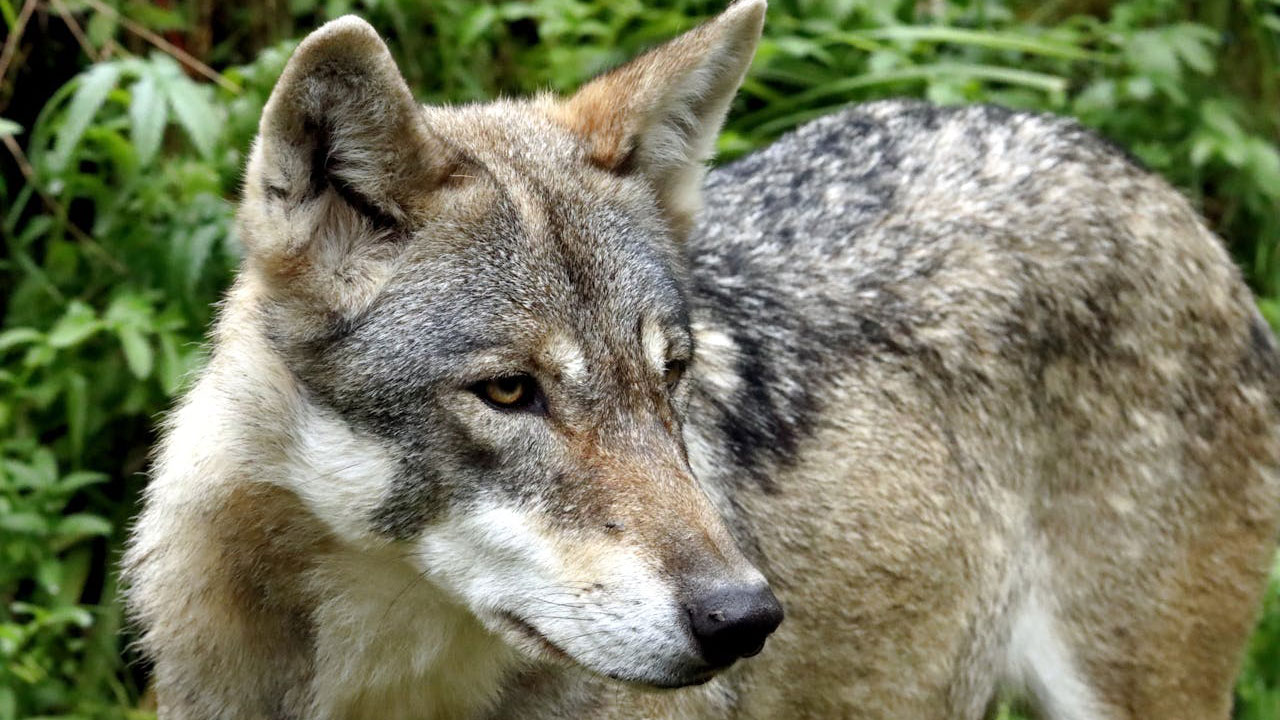
Wyoming’s wolf conversation is constant because the state sits right in the core of the Northern Rockies wolf story. Wolves are established, and sightings can happen anywhere the habitat and prey line up. For hunters, that means wolves are part of the reality of elk country in many areas—tracks on snow roads, howling on a ridge, and occasional visual sightings that used to be rare enough to feel like a once-in-a-lifetime event.
Wyoming also has that ongoing tension between different zones and different expectations. Some areas treat wolves as a managed big game predator, other areas treat them more like a problem to be controlled. When a state has that kind of split, wolves stay a “regular conversation” because everybody’s experience—and opinion—can be wildly different depending on where they live and hunt.
Washington

Washington has enough wolves now that the conversation has shifted from “are they here?” to “where are they now, and what does that mean for this unit?” The state’s annual reporting and pack tracking keeps wolves in public discussion, and hunters in certain regions have gotten used to hearing about packs the way they hear about bears—something you plan around.
Even with year-to-year fluctuations, Washington still has multiple packs across the state, and that makes sightings and sign more normal than people remember from the early 2000s. Trail cam captures, tracks along forest roads, and reports near livestock operations all keep wolves in the spotlight.
Oregon

Oregon is a classic “regular conversation” state now because wolves are established enough that annual reports, livestock issues, and pack growth are followed closely. The shift recently is that Oregon’s counted population has shown real movement again, which adds fuel to the conversation from both sides—people who want wolves protected and people who want stronger control tools.
From an outdoorsman’s angle, Oregon wolf talk is often local and practical: which county, which drainage, what prey looks like, what dogs are doing, and where people are hearing howls at night. In parts of eastern Oregon, wolf presence isn’t hypothetical. It’s part of the landscape, and folks trade info the same way they talk about winterkill or drought conditions.
California

California is on this list because wolves are no longer a one-off rumor. There are established packs, a tracked population, and now sightings are expanding into places that make people do a double take. When a wolf shows up far from the core areas, it becomes a statewide conversation—hunters, ranchers, and even folks who never step off pavement start paying attention.
The reason it feels “more regular” is simple: wolves are dispersing, and California has huge stretches of connected habitat. A collared wolf showing up in a new county is the kind of thing that gets talked about for weeks, because it signals where wolves may head next. That matters for livestock, deer behavior, and anyone running dogs or spending time in remote country.
Colorado

Colorado is the definition of “wolves becoming a regular conversation” because the state didn’t just see natural trickle-in sightings—it launched a formal reintroduction. When a state does that, every confirmed track, every relocation headline, and every livestock incident becomes part of a bigger public debate.
Colorado’s also a place where wolves are actively moving around the state and even crossing state lines, which keeps the conversation hot in neighboring areas too. If you hunt elk in the western half of Colorado, wolves are now a factor you’ll hear about at trailheads and check stations, not just something you read about online.
Minnesota

Minnesota has been wolf country for a long time, but what’s “becoming regular” is how often wolves come up outside the traditional Northwoods-only conversation. People talk more about where wolves are pushing, where deer numbers are struggling, and how wolves overlap with winter yarding areas. For a lot of hunters, wolves are part of the explanation for why certain areas feel different than they did 10–15 years ago.
Minnesota is also a state where wolf management is a constant tug-of-war, so the topic never really cools off. When you’ve got strong populations and strong opinions, sightings and sign become something everyone shares—because it reinforces what they already believe about what wolves are doing on the landscape.
Wisconsin

Wisconsin’s wolf conversation stays regular because wolves are established and monitored and they’re part of everyday outdoor life in a lot of the state. For deer hunters, wolf presence is one of those things that people talk about in the same breath as coyotes, harsh winters, and habitat change—especially in the northern zones.
The other reason it stays front and center is that Wisconsin tends to have loud debates any time management rules shift. That means wolves are never just “out there.” They’re part of politics, court rulings, and hunting culture arguments. So even a simple sighting at the edge of a cutover turns into a bigger conversation fast.
Michigan

Michigan belongs on the list mainly because wolves are a real factor in the Upper Peninsula, and that keeps sightings and sign in regular discussion among hunters and landowners. When wolves are present in a region with deep snow, big woods, and deer yarding patterns, people talk about them constantly—because predator pressure is easy to notice when conditions are tough.
Michigan’s conversation is also “regular” because it’s geographically contained. The UP wolf story is different from the Lower Peninsula, which makes it feel more intense in the areas that actually live with wolves. If you hunt the UP, you’ll hear wolf talk at camp, at the gas station, and at the processor—because people see the tracks and hear the howls.
Arizona

Arizona is on this list for a different reason: Mexican gray wolves. In the right parts of Arizona, wolves are a real management and ranching topic, and sightings are a serious conversation, not a novelty. These aren’t “maybe someday” wolves—there’s an active recovery effort, and that means more monitoring, more reporting, and more public attention.
For hunters, the conversation often centers on overlap with elk country, trail cam evidence, and what people are hearing from local landowners. For ranchers, it’s obviously more personal. Either way, Arizona is a state where wolves are part of the outdoor reality in certain regions, and the talk keeps spreading as more people get direct experience.
New Mexico

New Mexico is tightly connected to the same Mexican gray wolf recovery conversation, and it also has the “spillover” factor from Colorado’s reintroduction story. When wolves move across state lines, it turns into a multi-state conversation fast, especially in rural areas where people watch the land and notice changes.
New Mexico’s wolf talk also tends to be practical. People want to know where the wolves are showing up, what kind of conflict is happening, and what it means for local hunting and ranching. It’s not just an internet argument—many locals have seen sign, heard reports from neighbors, or dealt with the consequences firsthand.
Utah
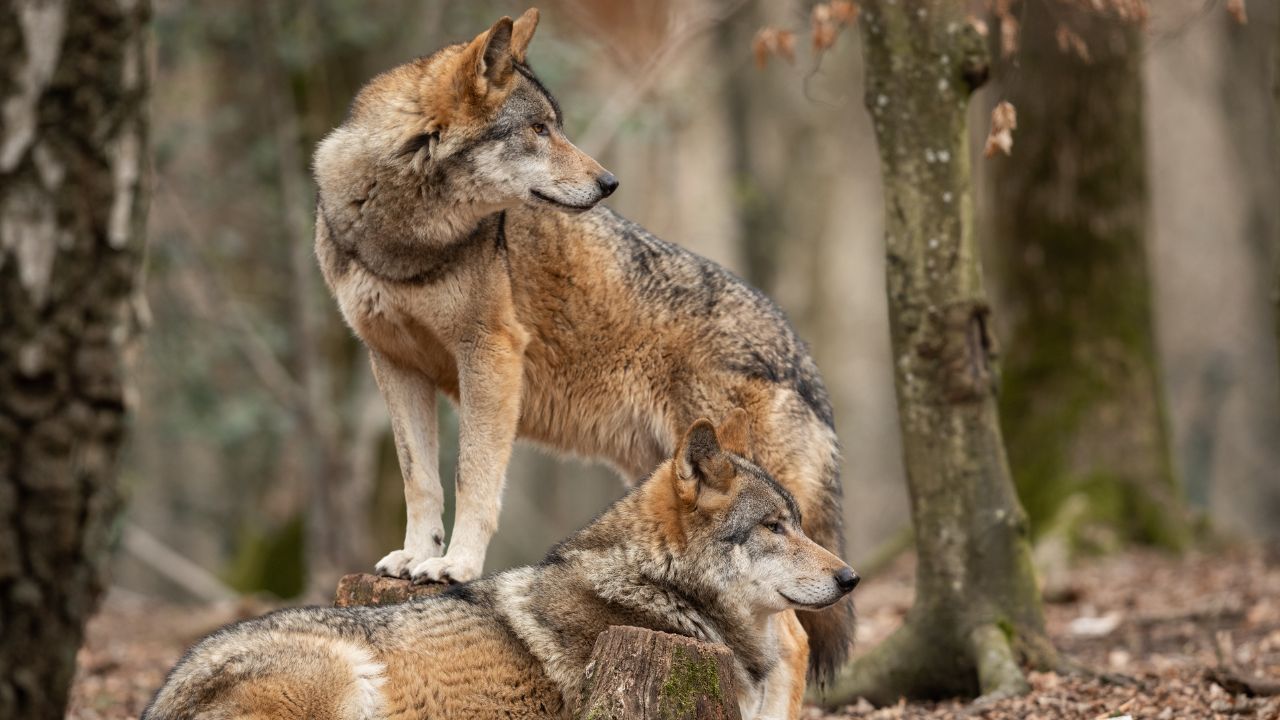
Utah shows up here because it’s one of those states where wolves aren’t “everywhere,” but the idea of wolves showing up is increasingly plausible, and that keeps the conversation alive—especially in northern and eastern parts tied to bigger regional habitat. When dispersing wolves roam, states like Utah become part of the “where are they headed next?” talk.
This is also where rumor vs. confirmation matters. In Utah, you’ll hear plenty of “my buddy saw one” stories. Some are mis-ID, some are real, and that uncertainty actually increases the chatter. The result is wolves being discussed more regularly than the actual number of wolves might suggest—because the possibility is real enough that people pay attention.
North Dakota

North Dakota is a “regular conversation” state because of proximity to wolf country and the way dispersers and border-area sightings get talked about. Even when wolves aren’t thick across the whole state, hunters and landowners in the right areas keep tabs on what’s coming out of Minnesota and Canada, and that turns into real talk each year.
In states like North Dakota, one confirmed animal can keep people talking for a long time because it feels like a signal. Folks start asking the same questions: Is this a one-off, or the start of something? Are deer changing patterns? Are coyotes acting different? That’s why wolf talk can become routine even when sightings are still relatively scattered.
South Dakota
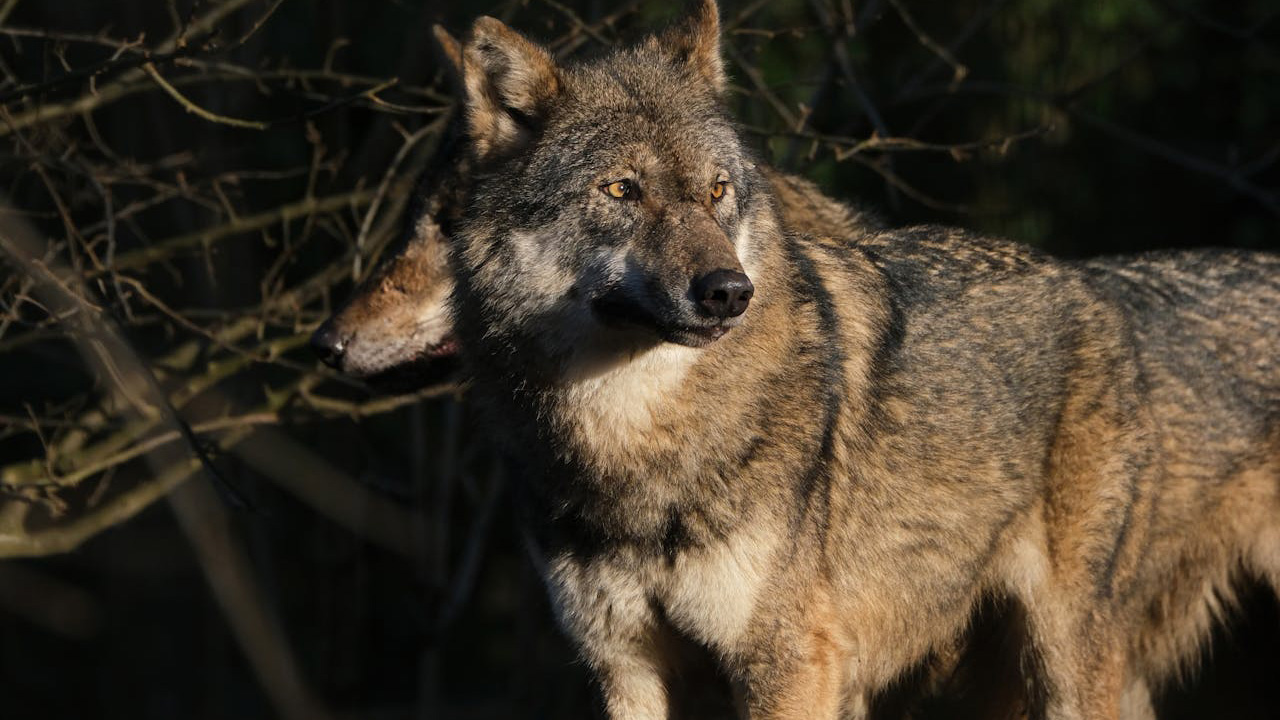
South Dakota is similar: you’ll hear consistent conversation about wolves in certain circles, especially where people are watching what’s happening in neighboring states and along big habitat corridors. The “regular” part here is less about dense packs and more about the steady drip of sightings, rumors, and the feeling that wolves aren’t as far away as they used to be.
For hunters, it’s usually not a fear-based conversation—it’s a “what does this mean long term?” conversation. Predator pressure is something people feel strongly about, and South Dakota has enough connectivity to wolf country that it stays on the radar. Even limited confirmed sightings can keep a state talking for years.
Like The Avid Outdoorsman’s content? Subscribe to our newsletter so you never miss an article.
Here’s more from us: