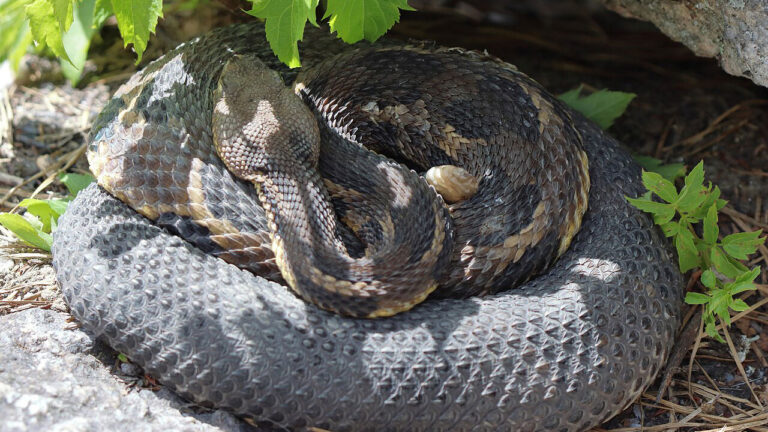
Photo credit: Holger Krisp, CC BY 3.0/Wiki Commons
Copperheads are one of those snakes people think they understand until the weather starts doing weird things. In a normal stretch of warm, steady conditions, they tend to use the kinds of places you would expect: brushy edges, woodpiles, rock cover, creek bottoms, and shady spots that hold prey. But when the weather swings hard, gets unusually wet, turns dry fast, or bounces between warm and cold in a short stretch, copperheads start showing up in places that catch people off guard.
That is what makes them such a problem around homes, barns, and small properties. They are not out there trying to surprise anybody, but they are built to follow temperature, moisture, and cover wherever those things make sense. Strange weather scrambles their normal routine, and suddenly the exact places people stop checking are the places a copperhead ends up. These are the spots copperheads are most likely to use when the weather gets strange and their usual patterns get pushed around.
Under porches and steps
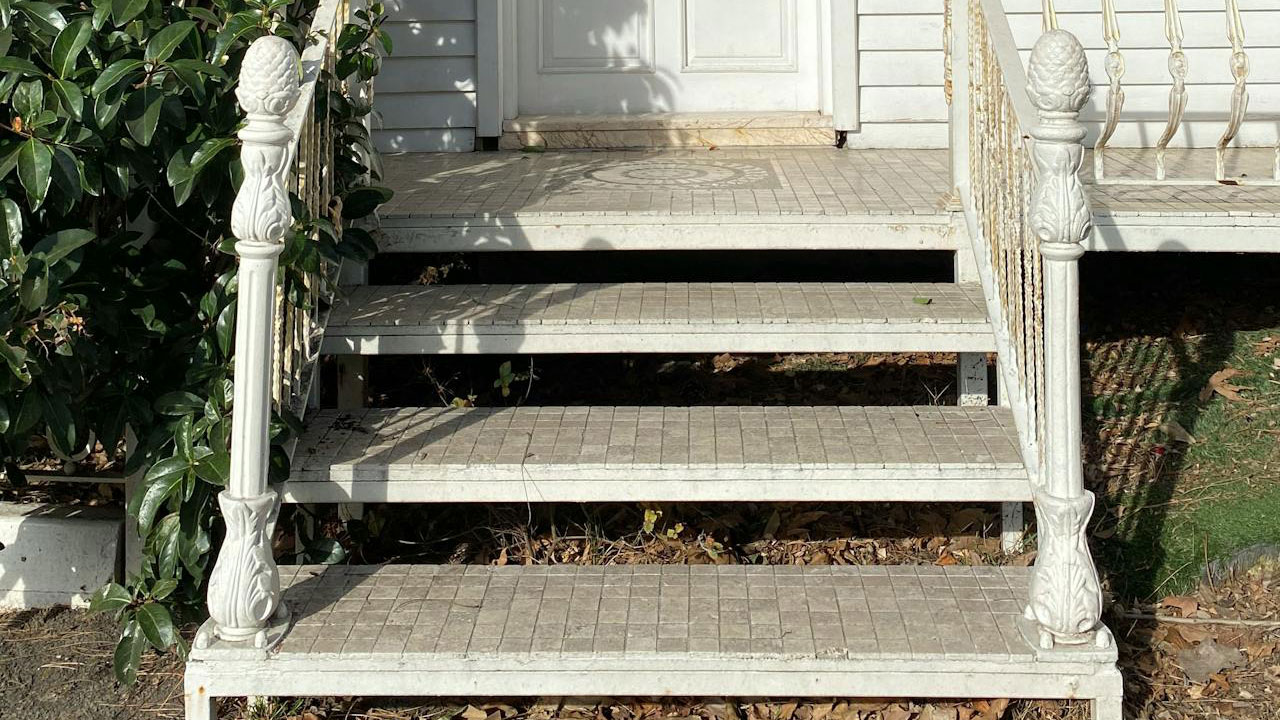
When the weather gets unpredictable, copperheads love spaces that stay sheltered without being fully sealed off. Under porches and steps fits that perfectly. These spots stay shaded, hold steadier temperatures than open ground, and often stay dry during heavy rain while still keeping a little ground moisture underneath. That combination gives a copperhead a place to get out of the worst of the weather without having to move far from hunting cover.
What makes this location such a problem is how easy it is to ignore. People walk over it every day and stop thinking about what might be underneath. Then a weather swing hits, and suddenly a snake that was working the brush line or flower bed has shifted into the protected space right next to the house. If your porch sits low, has open skirting, or backs up to mulch, shrubs, or rough ground, it is exactly the kind of place a copperhead may use when conditions get unstable.
Woodpiles that stay warm and dry
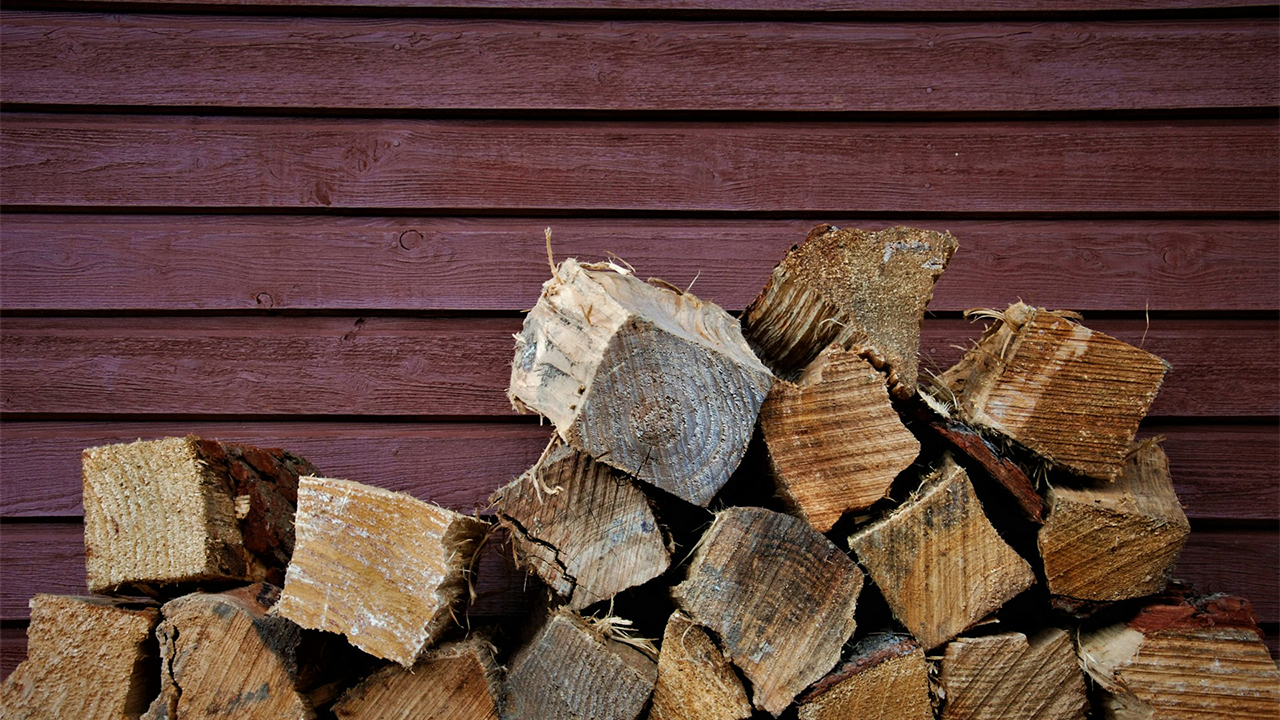
Woodpiles are already classic snake cover, but weird weather makes them even more useful. A stacked pile of firewood gives copperheads shade, tight hiding pockets, mouse activity, and just enough insulation to ride out temperature swings better than exposed ground. After a cold snap, the pile may warm faster than surrounding cover. After heavy rain, the inside stays drier. During a sudden heat burst, the shaded lower layers stay cooler. That kind of flexibility is hard for a snake to ignore.
The problem is that people tend to think of the woodpile only when they need something from it. They do not think about what has been using it in between. Copperheads do not need much room, and a pile that sits close to the house, barn, or tree line is especially attractive during unstable weather. If the conditions have been bouncing around, the last thing I would do is reach blindly into a stack that has been sitting quiet for a while.
Around foundation edges
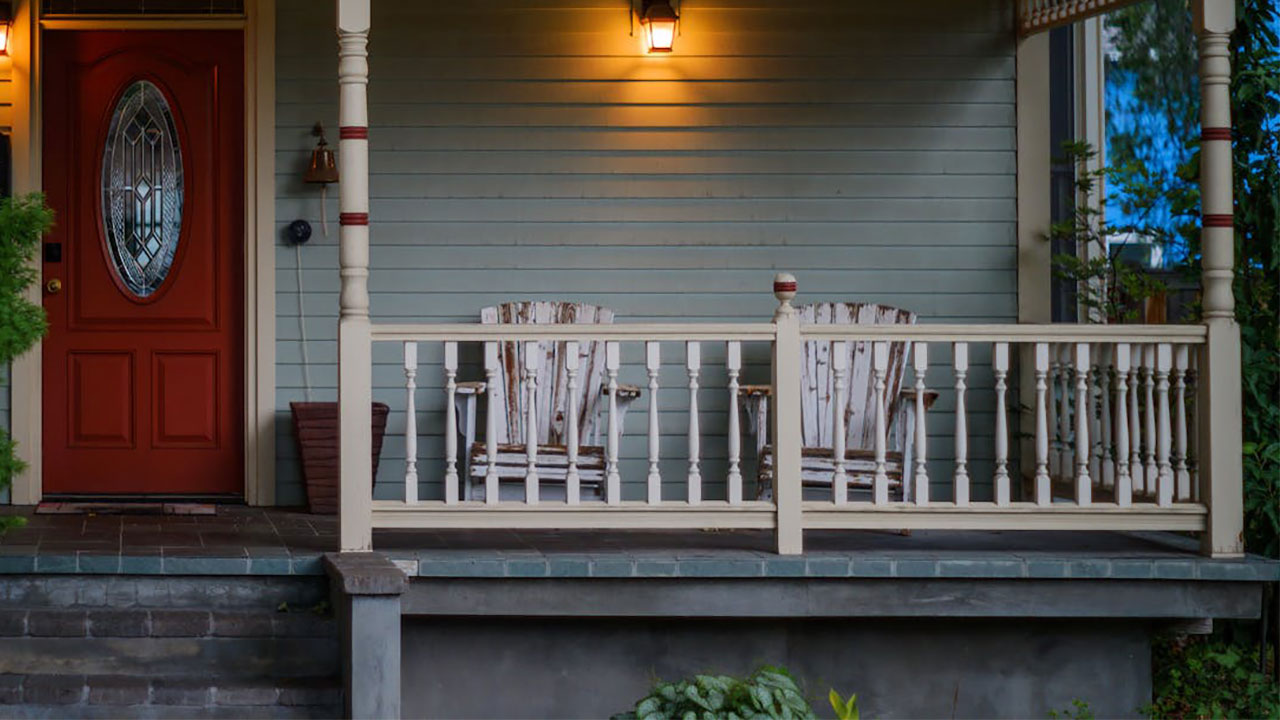
When the weather gets off-pattern, copperheads often start working foundation lines because those edges create a narrow strip of mixed conditions. There is shade, warmth, insects, rodents, mulch, cracks, and a little bit of everything depending on the time of day. A house or outbuilding foundation can hold heat after a cool night, shed water after rain, and create exactly the kind of broken cover snakes use to move without being fully exposed.
This becomes even more likely when landscaping hides the base of the structure. Thick mulch, decorative rock, low shrubs, stacked materials, and clutter around the foundation all turn that edge into a travel lane and resting spot. Copperheads do not need your whole yard to feel right. They just need one protected strip that solves the weather problem for a day or two. Around strange weather, the quiet line where your building meets the ground can become a whole lot more active than people realize.
Beside AC units and outdoor equipment pads
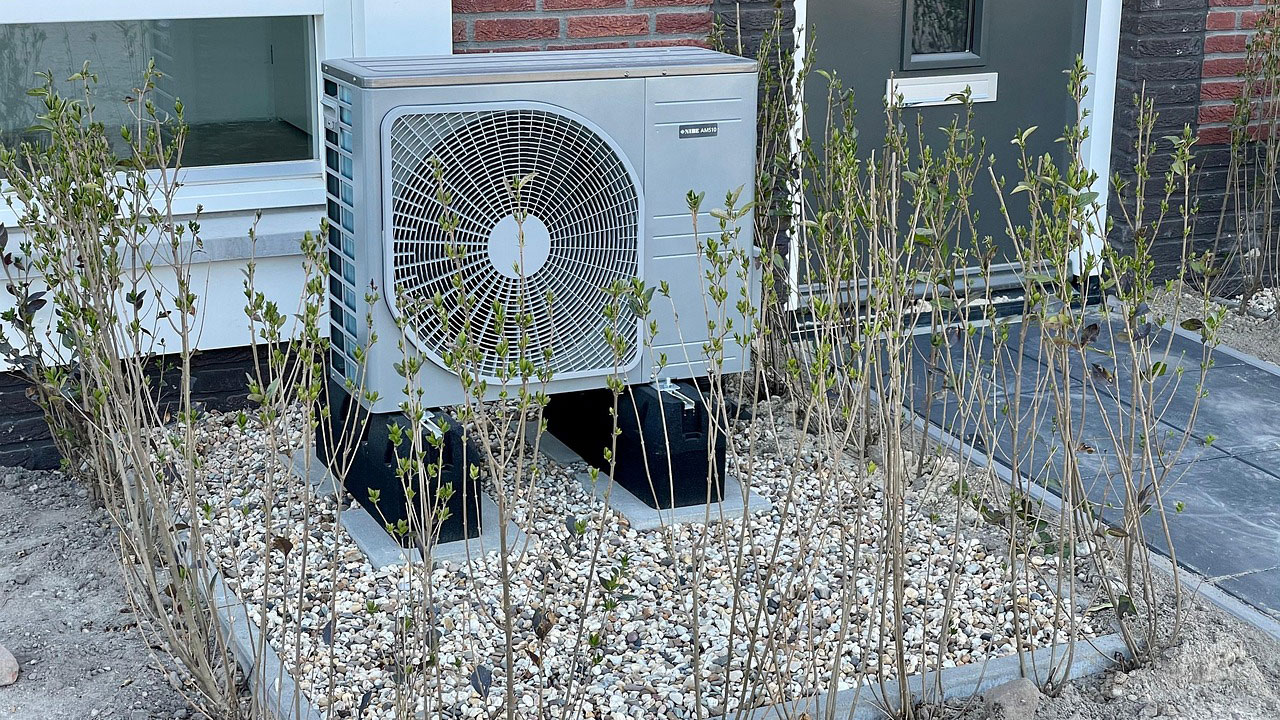
This is one people miss all the time. Outdoor AC units, generator pads, and similar equipment areas create a weird but useful microclimate for snakes. You get shade, hard edges, gravel or concrete that holds temperature differently than the surrounding yard, and often just enough clutter or plant growth nearby to let a copperhead slip in and out without showing much of itself. During temperature swings, that edge can feel safer than open yard.
The reason this matters is that people approach these spots casually. They walk up to check something, trim around it, or move debris that has collected nearby and never think twice. But when the weather gets strange, copperheads look for stable little pockets, not just wild-looking habitat. If an equipment pad sits close to flower beds, overgrown grass, or a brushy fence line, it can easily become a short-term stop for a snake trying to stay out of the worst conditions.
Under tarps, boards, and sheet metal
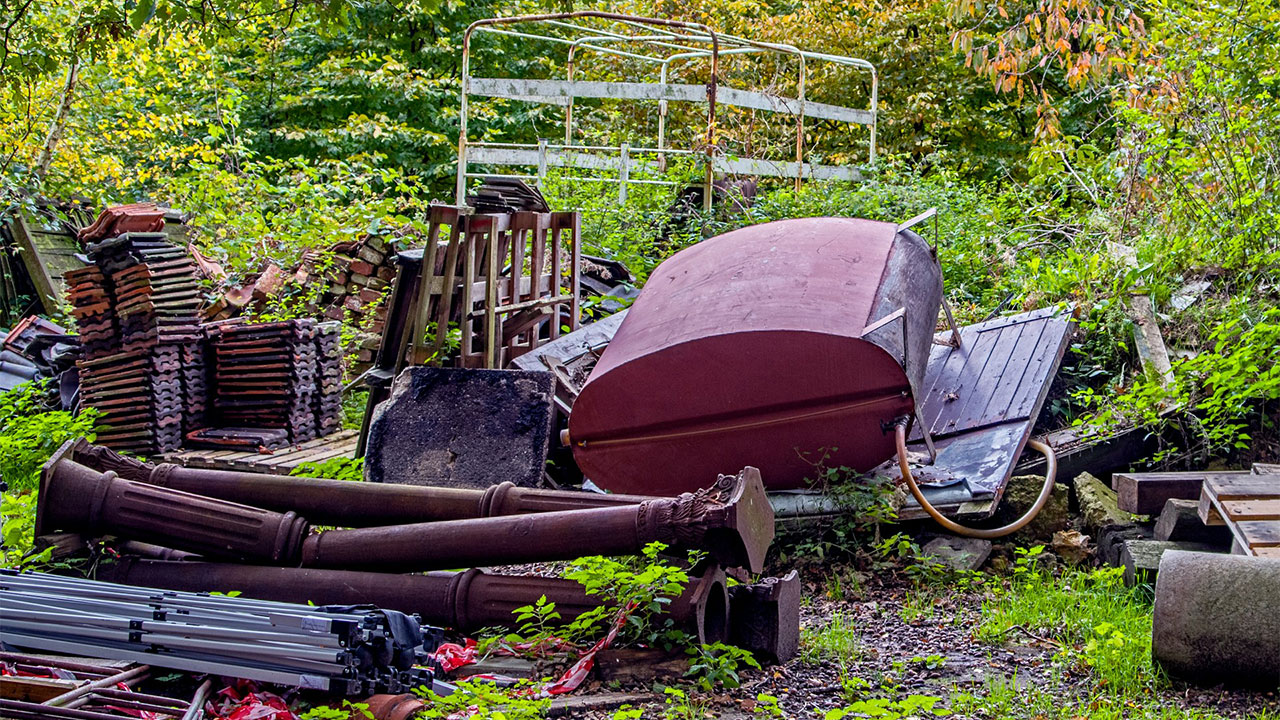
A hard rain, cold front, or sudden hot spell can push copperheads under anything that creates instant overhead cover. Tarps, plywood, old boards, scrap metal, and plastic sheeting all work because they trap a certain amount of moisture and temperature stability underneath. They are not pretty cover, but snakes do not care about that. They care about what sits under them and how long it stays usable.
This is one of the biggest reasons cleanup projects turn into snake encounters after weather swings. A piece of tin that sat untouched through a rainy stretch or a board left beside the shed after a cold night becomes the exact kind of hiding place a copperhead will use. Then somebody comes along in the middle of the day thinking it is just junk and flips it over without checking. Strange weather makes temporary cover more valuable, and junk on the ground becomes better shelter than people think.
Along rock borders and retaining walls
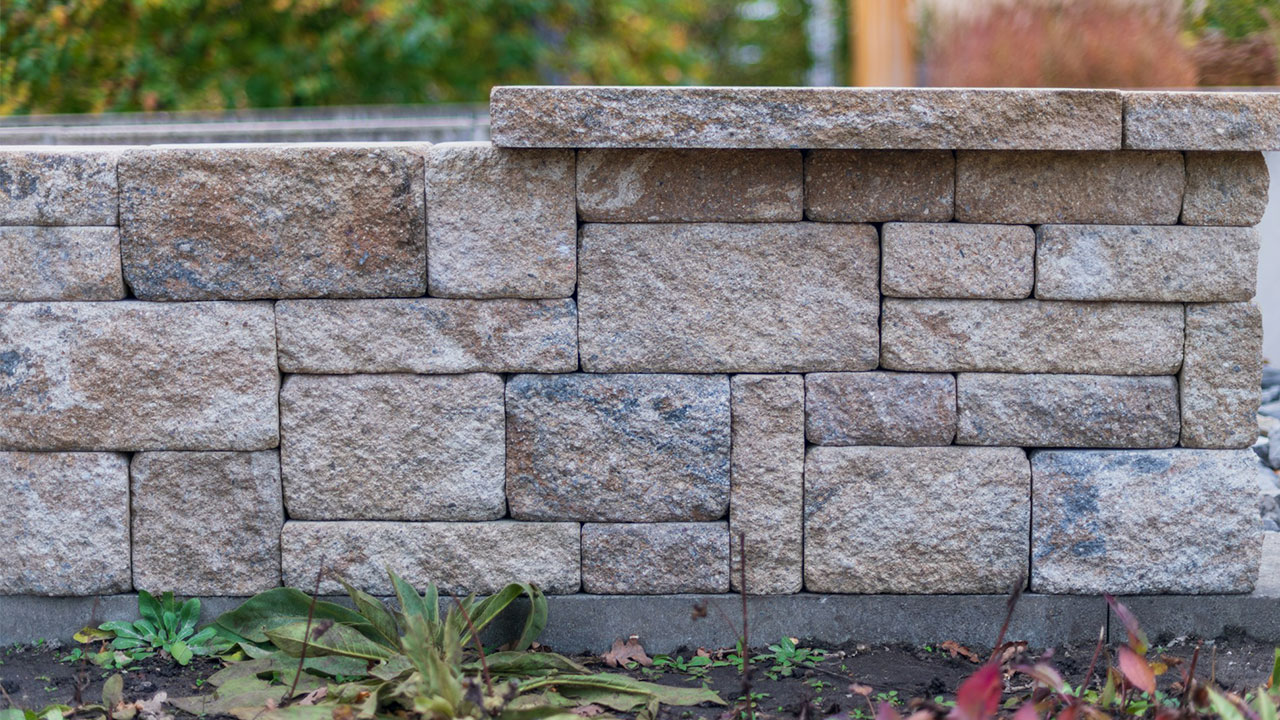
Rock holds and releases temperature differently than dirt, which makes it especially attractive during odd weather. Copperheads use rock borders, stacked stone, retaining walls, and decorative edging because all those cracks and gaps create little temperature zones they can shift through without moving far. After a chilly night, the right stone can warm nicely. During excessive heat, the deeper gaps stay cooler. After rain, the structure still offers dry pockets.
People forget that landscaping rock is still rock cover, even when it looks neat and intentional. A retaining wall beside a patio or garden bed may feel far removed from “snake habitat,” but the snake does not see it that way. If the wall sits near shrubs, mulch, water, or rough cover, it becomes even more useful when the weather gets jumpy. Strange conditions make these manmade rock features more attractive because they offer options in a small space.
Mulch beds around shrubs and flowers
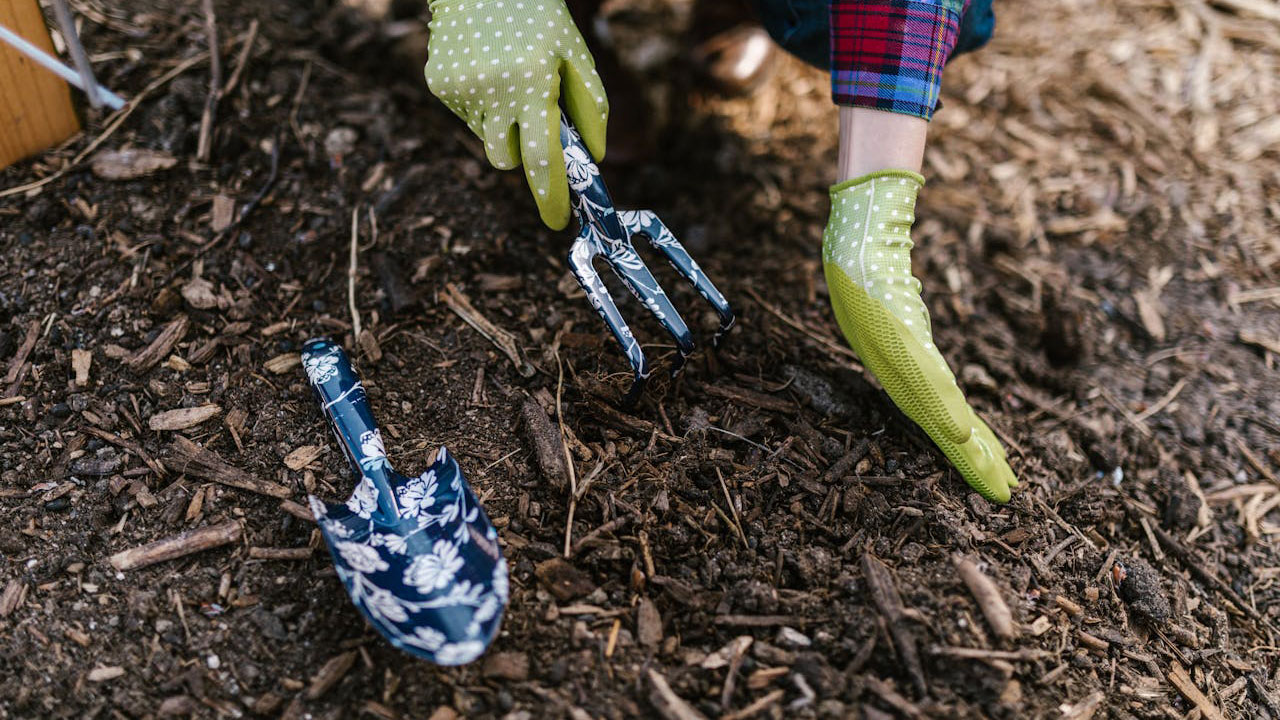
Mulch is another one that becomes more useful to copperheads when weather stops behaving normally. It holds moisture better than bare dirt, insulates the ground a bit, and gives a snake a soft, shaded surface under shrubs where prey may already be active. During dry spells, mulch can stay cooler and damper. During cold snaps, it buffers the ground slightly. After heavy rain, the plant cover above it gives snakes somewhere to tuck in without fully exposing themselves.
This is why people sometimes run into copperheads in parts of the yard they think are too tidy to matter. A thick mulch bed against the house or around low ornamental shrubs may be one of the better spots on the property during weird weather. If the bed stays damp, shaded, and connected to another patch of cover, it does not take much for a copperhead to use it. Neat landscaping does not automatically stop being snake habitat just because it looks maintained.
Drainage ditches after heavy rain
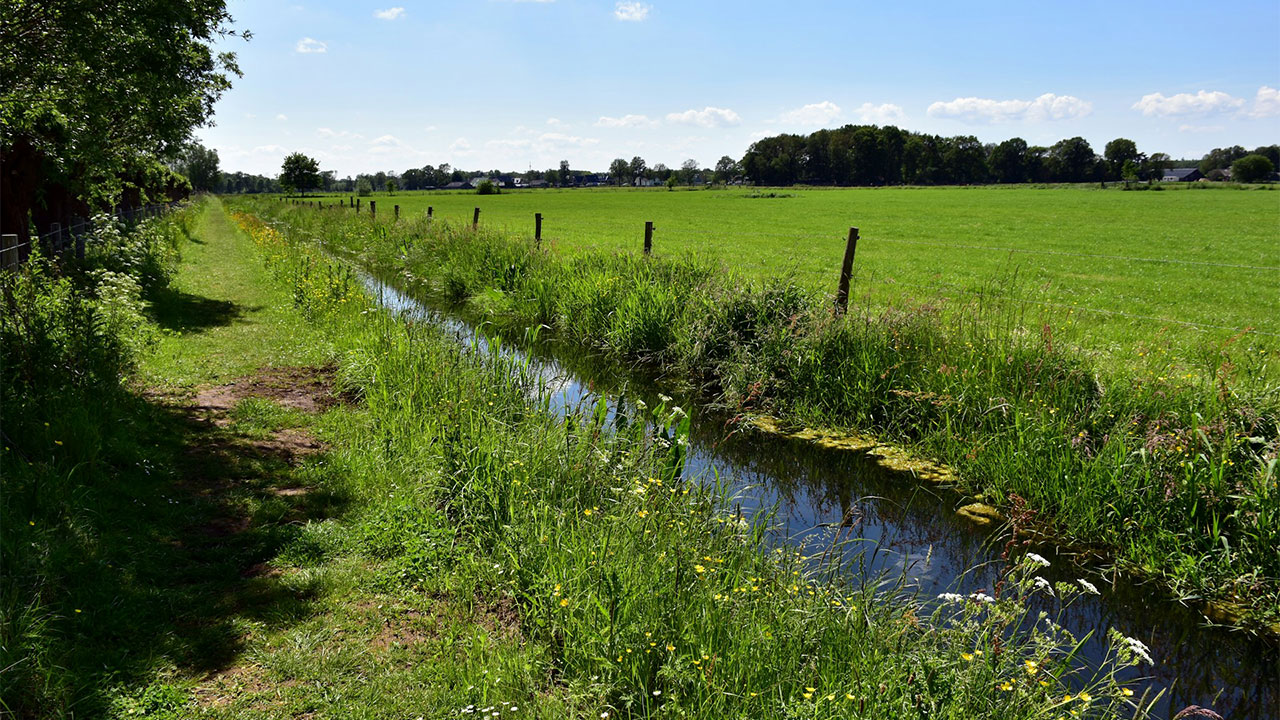
When rain comes hard or keeps coming, copperheads often get displaced from the exact low cover people associate with them most. That does not mean they disappear. It means they shift. Drainage ditches, culverts, and the slightly higher banks beside runoff channels become useful because they offer movement routes and slightly drier ground right next to all that soaked habitat. A snake that got pushed out of one place may end up traveling the ditch edge to find another.
This is one reason people see copperheads in odd places after storms. They may show up along driveways, behind sheds, or near barn pads because they followed drainage paths out of wetter cover. The ditch itself may not be where they settle, but it often becomes the route. If your property channels water hard during rough weather, pay attention to those edges once things start drying out. That is when displaced snakes often end up where people are not expecting them.
High ground beside creeks and wet bottoms
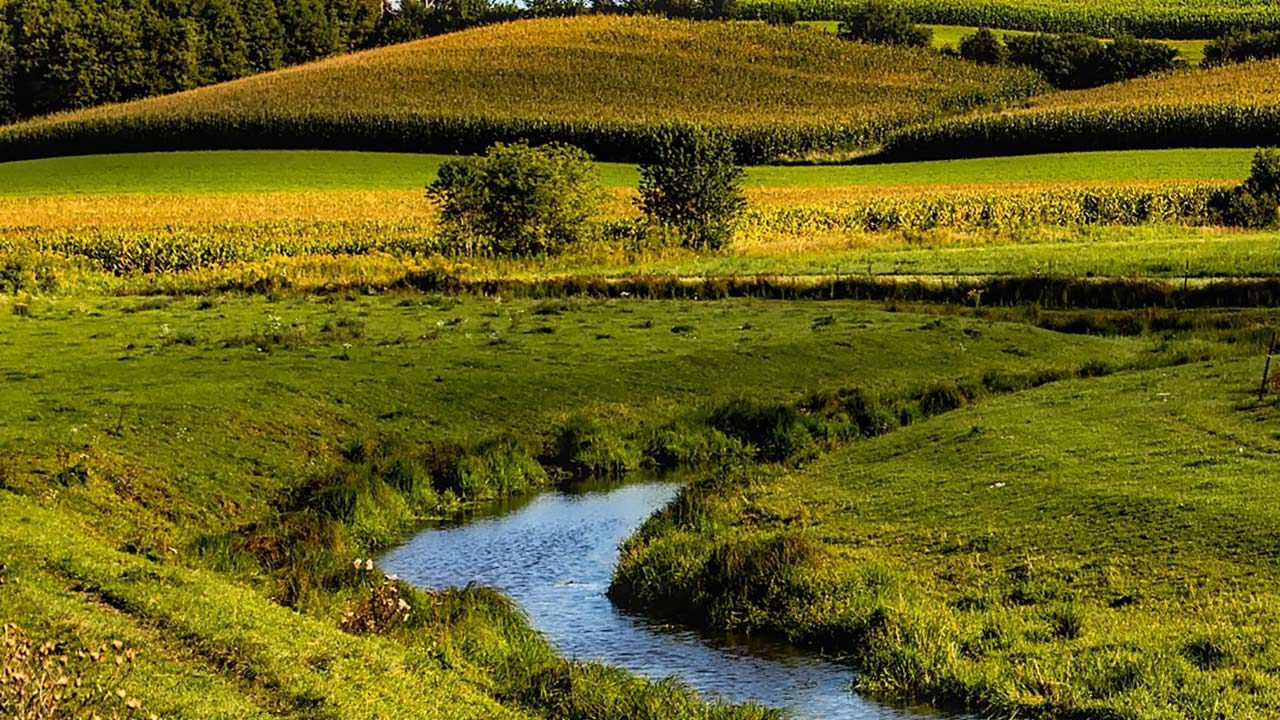
Copperheads like creek country, but when water rises, the exact spots they favor can become too wet or unstable. When that happens, they usually do not go far. They shift to the nearest higher ground that still gives them cover. That may mean a brushy rise, an old root ball, a line of saplings, or a little shelf above the flood edge. People assume flooding pushes snakes way out. Most of the time it just rearranges them a short distance upslope.
This matters because those slightly higher spots are often where people feel safest after wet weather. They avoid the mud and start walking the dry edge to check fence, look at storm damage, or inspect the creek. Meanwhile that same edge is where displaced snakes are regrouping. A copperhead trying to stay out of standing water still wants shade, cover, and access to prey. The first decent patch above the wet ground is often enough.
Inside cluttered sheds and barns
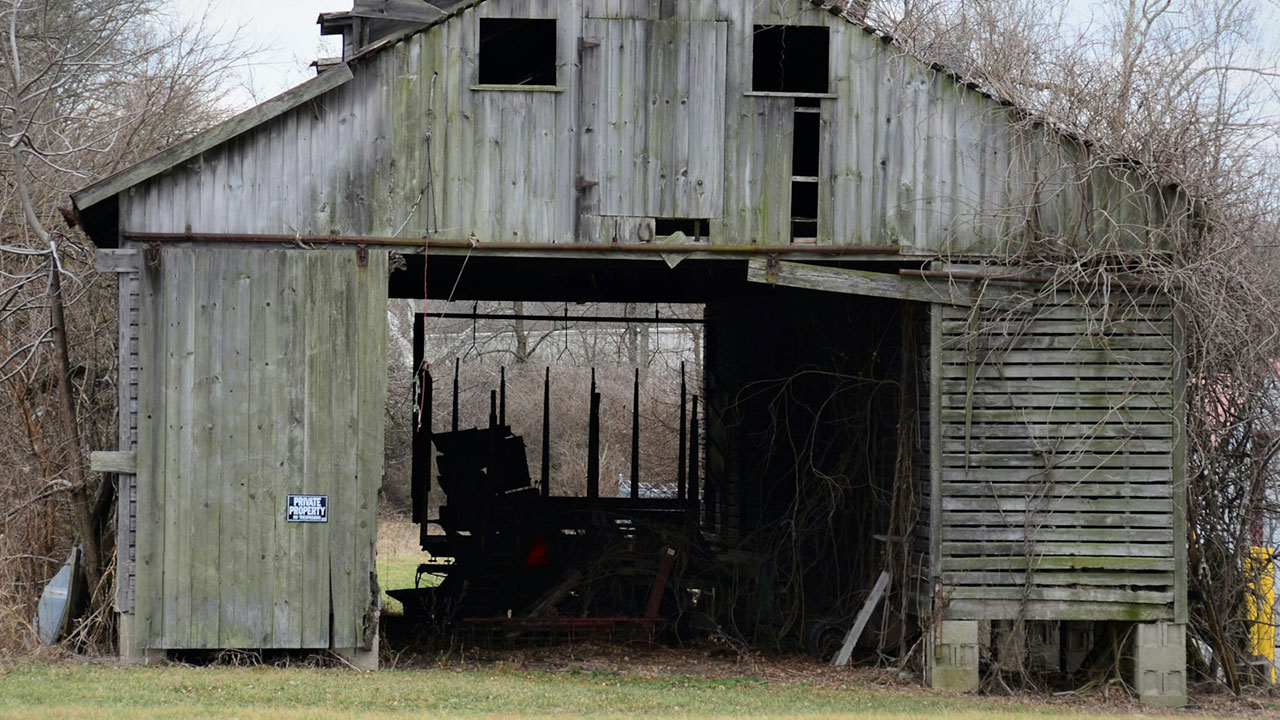
When weather gets erratic, copperheads do not mind using buildings if the setup makes sense. A cluttered shed or barn with gaps at ground level, feed sacks, old boards, tools, and rodent activity can offer stable shelter fast. If outside conditions get too wet, too hot, or too cold all at once, the snake may shift indoors just enough to ride it out. Not inside your living room, usually, but definitely into storage spaces people do not disturb much.
This is especially true in places where the building sits right beside grass, brush, or wood cover. A copperhead does not need to commit to living there. It only needs the doorway, crack, or open corner to stay available while the weather is weird. That is why the first warm day after a cold snap or the first dry day after a soaking rain can be risky in old sheds. The stuff inside has been sitting quiet, and a snake may have decided that was good enough for now.
Around hay bales and feed storage
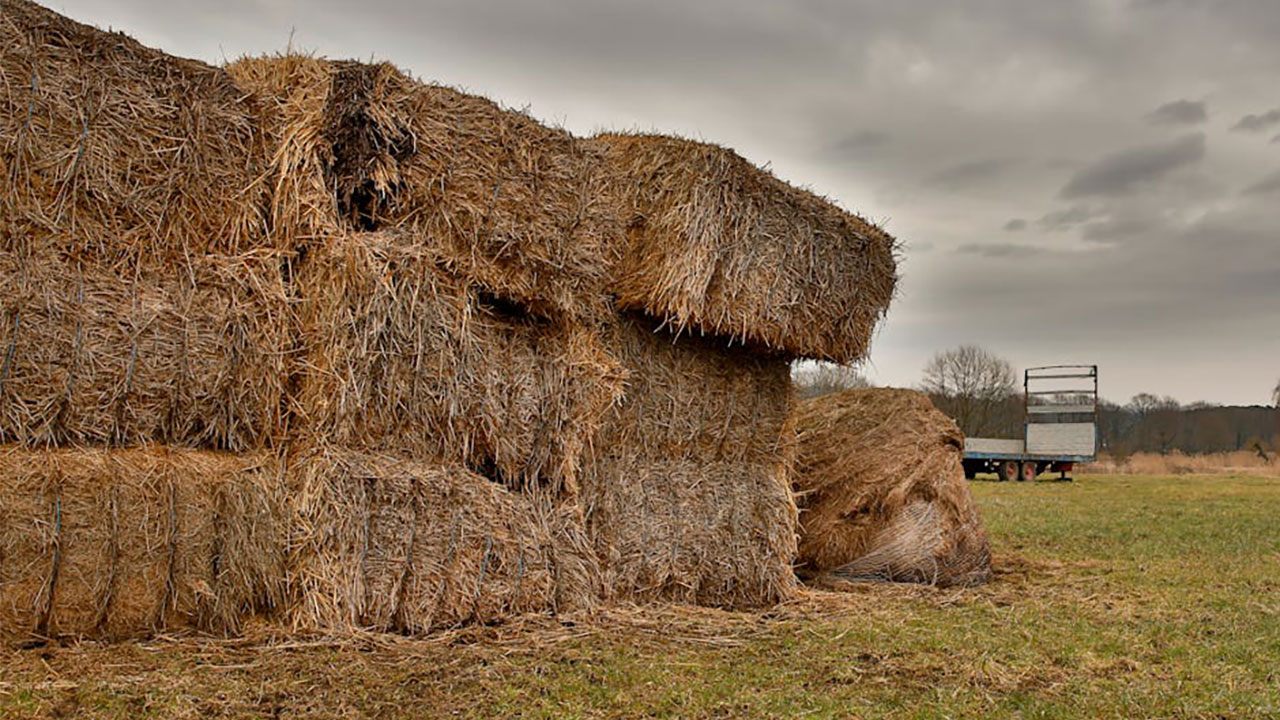
Hay and feed areas create warmth, rodent traffic, shade, and layered hiding places, which is already enough to matter. Add strange weather and those spots become even more attractive. A copperhead may tuck along the base of a hay stack, slip behind feed bags, or use the cooler shaded pocket under a raised pallet when conditions outside keep shifting. The snake is not interested in the hay itself. It is interested in what the hay is doing to the environment around it.
This becomes a bigger issue on working properties because people move through these spots quickly and out of habit. They grab feed, kick a bale, move sacks around, and rarely stop to inspect before reaching. But when the weather gets unstable, those quiet, layered storage zones can hold a lot more than mice. If feed storage is close to an open wall, barn edge, or rough patch of ground, it is worth treating with more caution after weird weather than most folks do.
Under outdoor toys, planters, and yard clutter
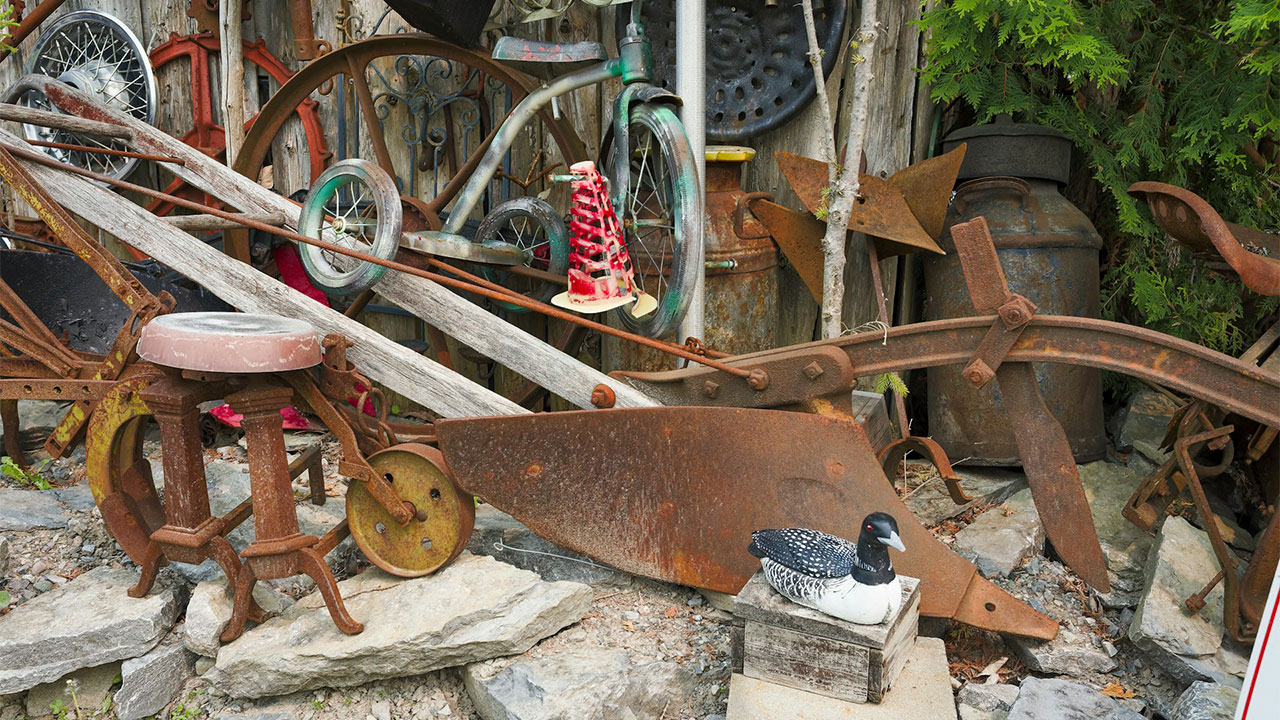
Copperheads do not always need big-country habitat to make use of strange weather. Sometimes they end up under the most ordinary backyard stuff imaginable. Large planters, kids’ toys left still for a while, stacked pots, hose reels, and decorative yard clutter all create low shade and trapped moisture under the right conditions. If they sit near grass, flower beds, or a fence line, that may be enough for a copperhead to use them as a temporary stop.
What makes this tricky is how personal these spots feel. People see the backyard as theirs, not as habitat. So they move things fast and casually. But weird weather pushes snakes into whatever gives quick relief, and suburban or semi-rural clutter can do that just fine. If there has been a lot of rain, a cold snap, or a hard heat swing, the underside of everyday yard stuff deserves more respect than normal.
In leaf piles that stayed damp too long
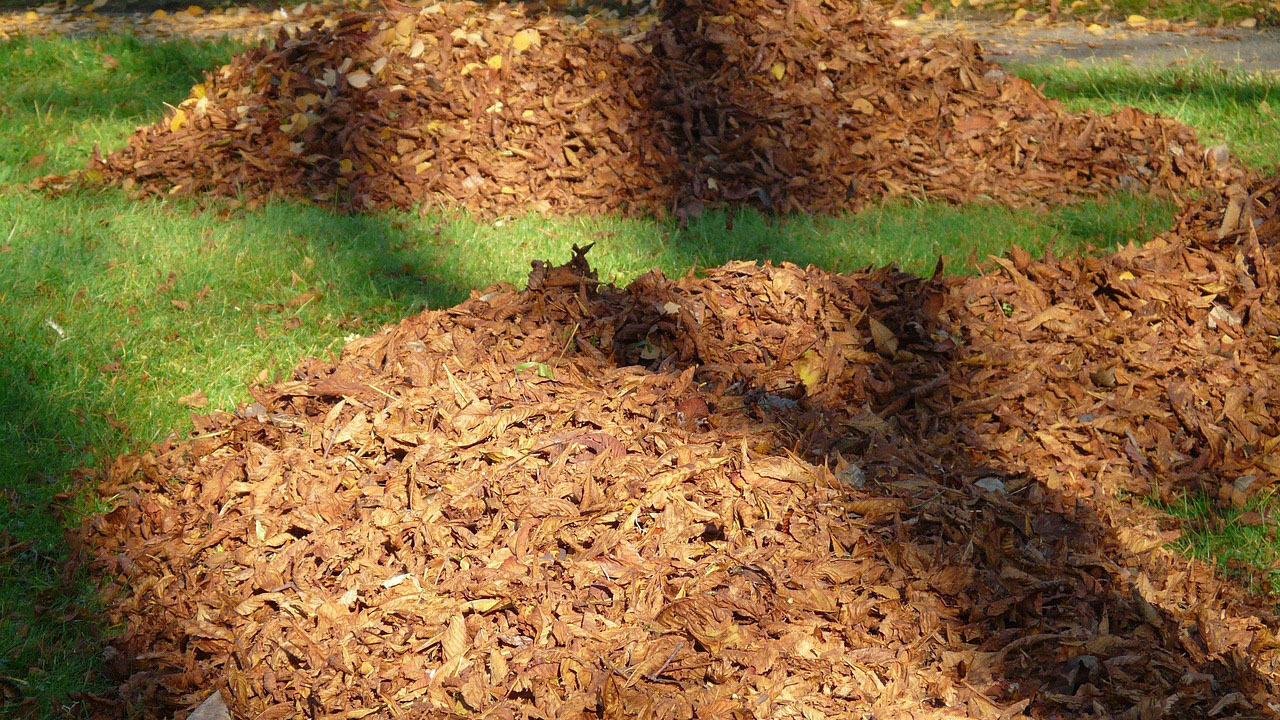
Leaf piles are classic copperhead cover in fall and spring, but strange weather can make them useful well outside the times people expect. A pile that stays damp after rain or collects against a fence, deck, or wood line creates a cool, hidden pocket that holds insects, frogs, and rodents. If the weather has been bouncing around, that soft, layered cover can be exactly what a copperhead wants for a short hold.
The issue is that leaf piles do not always look active. They look dead and harmless. Then somebody goes to rake, kick, or scoop them and finds out something has been using the underside. Around odd weather, a pile that is wetter, deeper, or more sheltered than the rest of the yard is always worth a second look. Copperheads love anything that lets them disappear without having to travel far.
Beside warm concrete after a cold swing

After an unusual cold spell or sharp cool night, copperheads may show up closer to concrete than people expect. Walkways, patios, driveway edges, and slab borders warm differently than surrounding ground once the sun comes back out. A snake that spent the night tucked nearby may slide over to the edge of that warmth while still staying close to cover. Not in the middle of the patio, usually, but right where hard surface meets mulch, grass, or rock.
This kind of movement catches people because the yard suddenly feels more “normal” once the sun returns. They think the weird weather is over and stop paying attention. But that transition period is often when snakes reposition. A copperhead trying to recover from a cold snap does not need some perfect wilderness hideout. A warm edge near good cover can do the job. Those are the moments when people spot one way closer to the house than they ever expected.
Around pool equipment and water features
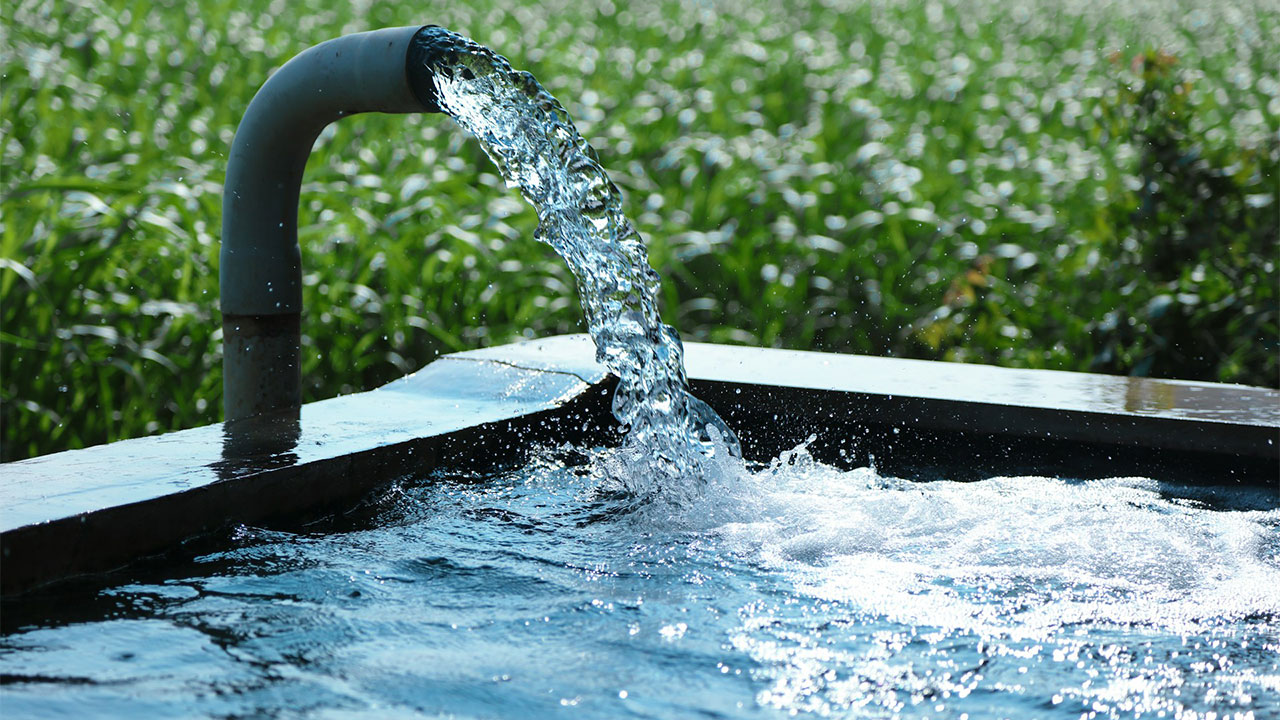
Pool pumps, decorative ponds, waterfalls, and similar water setups can draw attention during strange weather because they combine moisture, shade, edges, and sometimes prey. Frogs show up. Rodents use the surrounding cover. The equipment housing or stone border creates shelter. During dry stretches, that moisture matters. During heat, the shaded side matters. During stormy weather, the protected pockets around the setup may matter even more.
People rarely think “copperhead” when they think about a backyard water feature, especially if it is landscaped neatly. But a snake looking for a workable little zone during unstable weather does not need a swamp. It needs the right combination of cover and conditions. Water features near shrubs or low beds can offer both. The cleaner and more decorative the setup looks, the more people let their guard down around it.
Crawl spaces and open skirting under homes
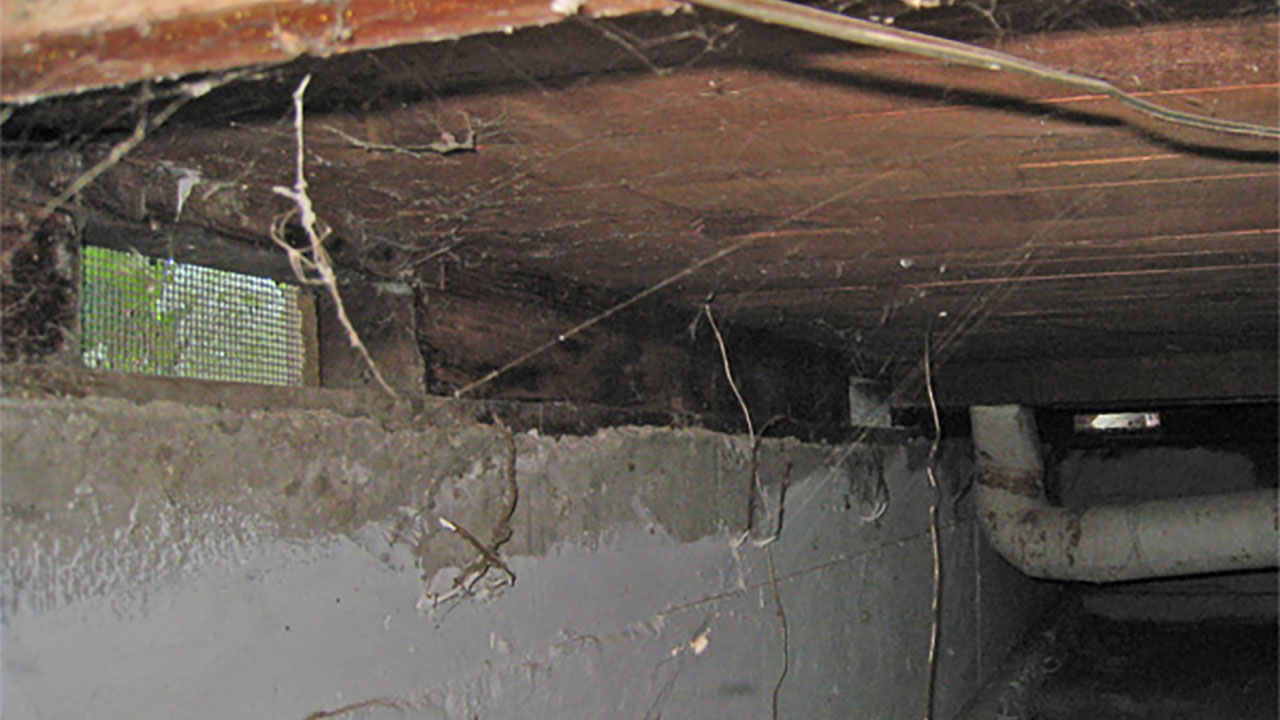
If a house has an accessible crawl space or loose skirting, strange weather can make it more attractive than usual. These spaces stay dark, fairly stable, and protected from the worst of wind, rain, and temperature swings. If there is rodent activity underneath, that only adds to the appeal. A copperhead may not live there full-time, but it does not need to. It can use the edge or entry point as a short-term refuge when outside conditions get ugly.
This is especially relevant on rural homes, mobile homes, and houses with older skirting or rough vegetation around the perimeter. The snake follows cover to the opening, finds a stable environment, and settles in until the conditions outside improve. Most people never think about what is moving under the house unless they hear it. But with copperheads, silence is part of the problem. A strange weather stretch can turn those forgotten spaces into some of the most appealing shelter on the property.
Like The Avid Outdoorsman’s content? Subscribe to our newsletter so you never miss an article.
Here’s more from us: