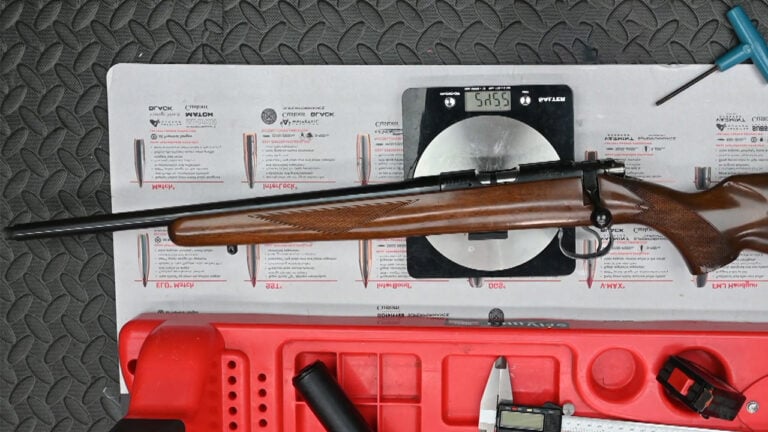
Photo credit: MICHAEL WAYNE/YouTube
You can walk into any gun shop in America and spot the lever-actions that keep boomeranging back. They move from buddy to buddy, get traded toward a deer rifle, get bought on a whim when somebody finds a “deal,” and then—somehow—end up sitting in the same kinds of safes: the working man’s safe next to the mudroom, the old-timer’s safe with worn felt on the shelves, and the new hunter’s safe with one rifle that actually gets carried.
It doesn’t matter if you paid pawn-shop money or collector money. Certain lever guns just have a way of sticking around because they do useful things, feel right in the hands, and keep making sense long after the new-gun excitement wears off. Here are 20 of them, from cheap beaters to “don’t touch it with greasy fingers” nice, and why they keep changing hands but never really disappear.
1. Marlin Model 336 (especially in .30-30)

The 336 is the lever gun that ends up behind truck seats, in scabbards, and in corner racks with honest wear. It carries flat, points fast, and it’s forgiving when you’re bundled up in a coat and gloves. A decent 336 will still put venison on the pole even if the bluing is half gone.
It gets traded because guys decide they “need” a bolt gun with more reach, or they want a newer optic-ready setup. Then they hunt thick timber again and remember why the 336 worked so well in the first place. Replacing one you actually like—smooth action, decent wood-to-metal fit—can be harder than you’d think.
2. Winchester Model 94 (pre-safety, standard carbine)
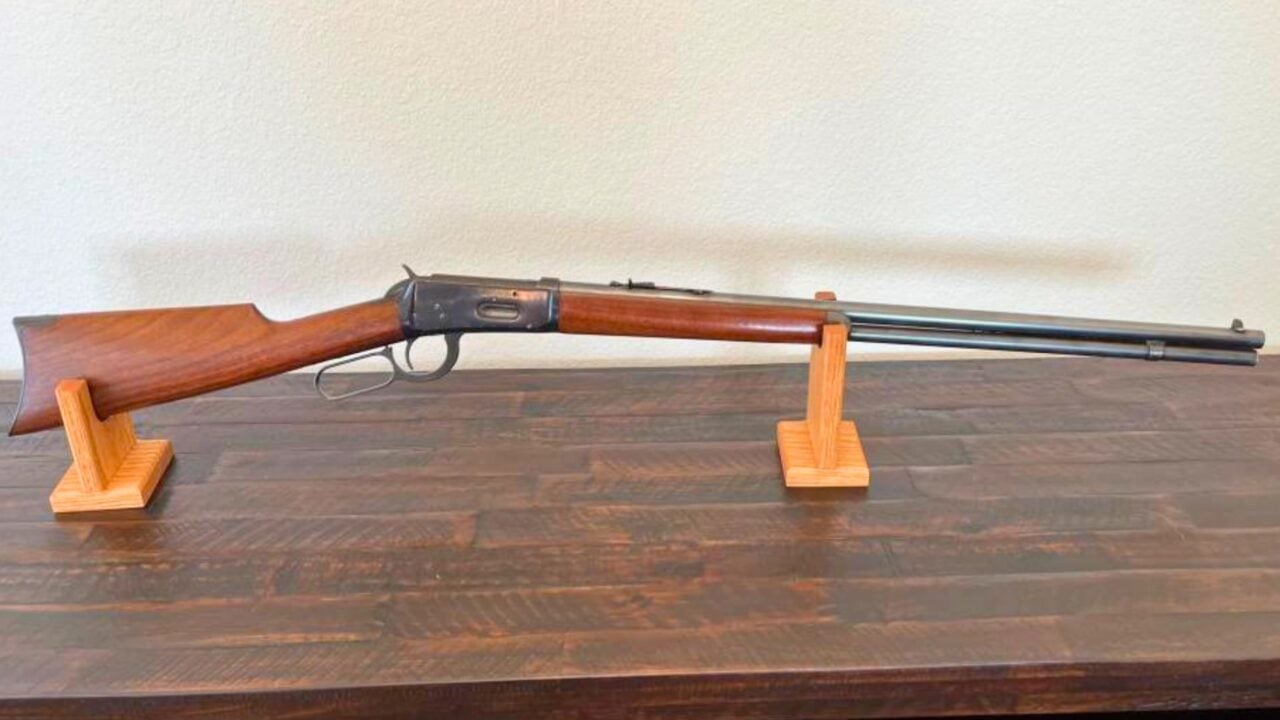
If there’s a lever-action that has been in more closets, farm trucks, and saddle scabbards than anything else, it’s the Model 94. It’s light, it’s handy, and it has that “grab it and go” balance that makes you forgive a lot. With iron sights and a .30-30 load you trust, it’s still a 150-yard deer rifle all day.
They change hands because they’re everywhere and they feel like money in the bank. Folks inherit them, sell them when times are tight, then spend years wishing they’d kept Grandpa’s rifle. The ones with honest dings and a slick lever stroke always end up back in somebody’s safe.
3. Henry Repeating Arms H001 (.22 LR)

This is the lever gun that converts non-lever people. It’s cheap enough that you don’t panic about scratches, accurate enough to matter, and fun enough that it actually gets shot. A Henry .22 is what you hand a kid, a neighbor, or a buddy who “doesn’t really like guns” and watch them grin anyway.
They get sold when somebody decides they’re “upgrading” to a centerfire, or thinning the herd. Then squirrel season rolls around and they realize they just sold the rifle that’s perfect for messing around behind the barn with a pocketful of ammo.
4. Marlin Model 1894C (in .357 Magnum)
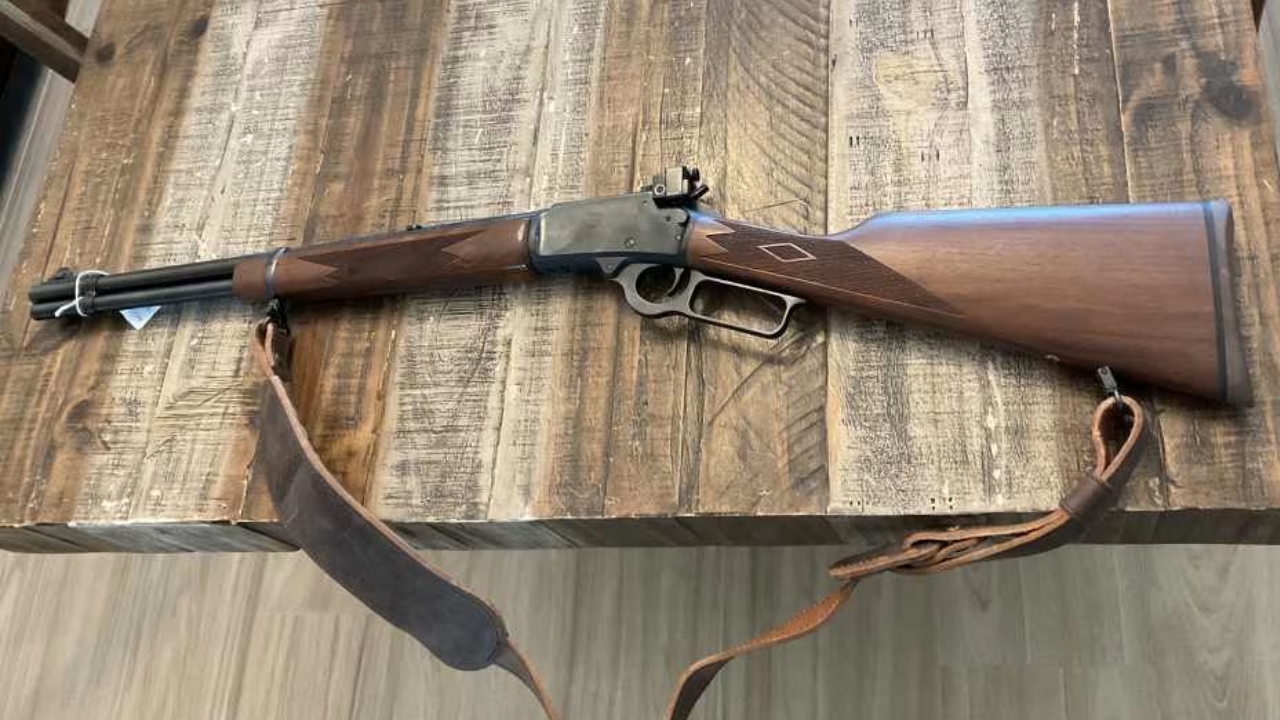
A .357 lever gun is one of the most useful rifles you can own if you actually shoot. Cheap .38 Special for plinking, real .357 loads for coyotes and woods walking, and recoil that’s friendly enough for anybody. The 1894C is the version that a lot of folks keep coming back to.
They change hands because people think they want a bigger cartridge, or they get wrapped up in “stopping power” talk. Then they do the math on ammo cost and range time, and realize the .357 is the one they’ll actually practice with. Practice beats theory every time.
5. Rossi Model 92 (stainless, .357 or .44 Mag)
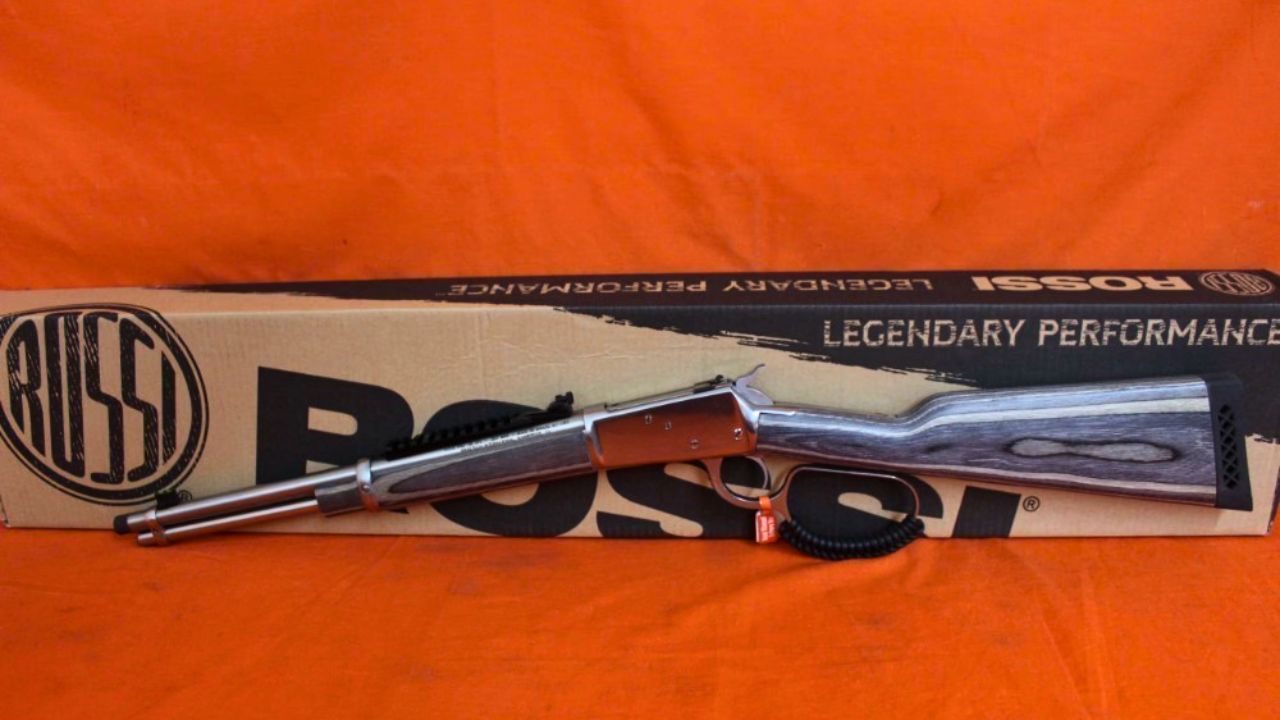
Rossi 92s are the definition of “good enough to ride hard.” They’re not fancy, and out of the box some are stiff, but they tend to run if you keep them reasonably clean and don’t abuse them. Stainless versions live behind truck seats and in UTV racks for a reason.
Guys move them along because they want a “real” brand name, or they don’t like the feel compared to a smoother gun. Still, these often land in a working safe where the owner values a lever gun that won’t make him cry if it gets rained on. There is nothing fancy about it, and that is kind of the point.
6. Winchester Model 92 (originals and quality reproductions)
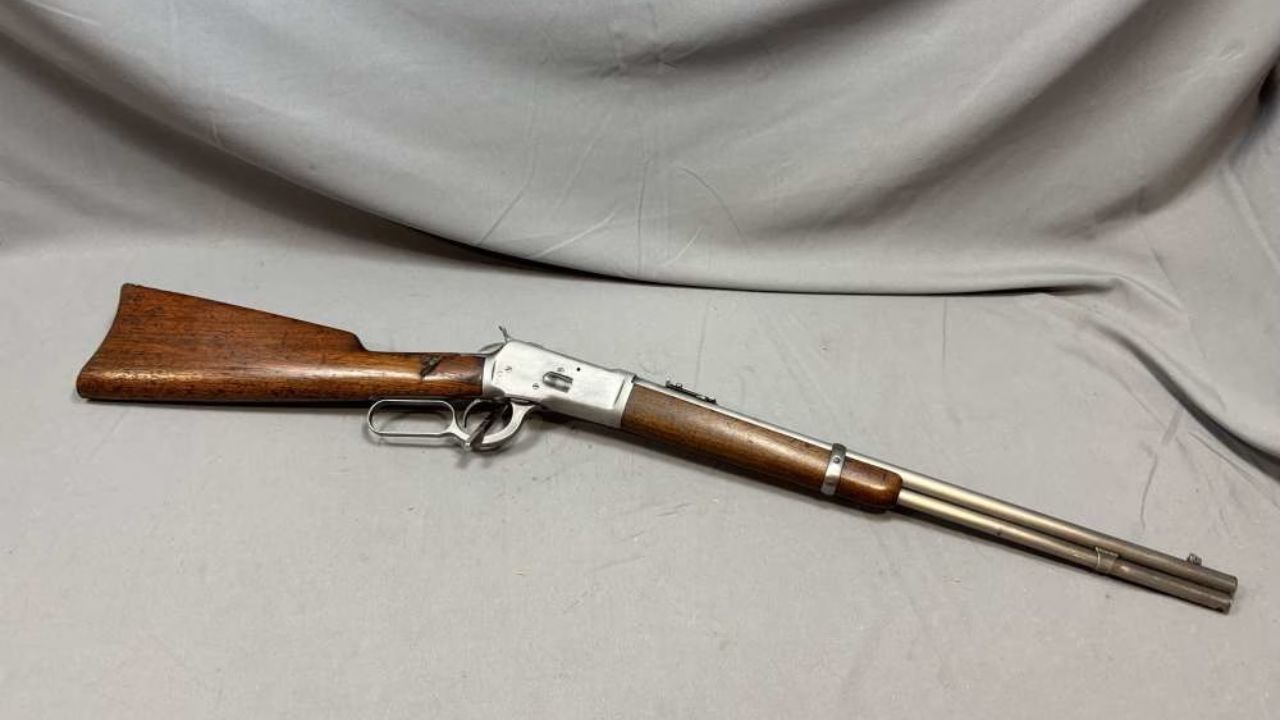
The 1892/92 pattern is one of the slickest lever designs ever built. In pistol calibers it’s compact, fast, and strong, and the action feels like it wants to run. Whether it’s an older Winchester or a well-done reproduction, it’s a rifle that makes you want to cycle it just standing there.
They bounce around because cowboy-action guys trade constantly, collectors buy and sell, and hunters realize a .44 Mag carbine is handier than they expected. The 92 tends to settle into the “keeper” row once someone finds one that feeds their preferred ammo without drama.
7. Henry Big Boy Steel (in .357, .44, or .45 Colt)

The Big Boy Steel models are heavier than people expect the first time they pick one up. But that weight is what makes them pleasant to shoot, especially in .44 Mag. They have a smooth feel, good finish, and they tend to be the lever gun that newer shooters trust quickly.
They get traded when someone decides it’s “too heavy” for a day in the woods, which is fair. Then that same rifle ends up in a safe where it becomes the go-to for range days and property walks because it’s accurate, mild-mannered, and easy to live with.
8. Marlin Model 1895 (Guide Gun and standard .45-70)

A Marlin 1895 in .45-70 is the lever gun that gets bought for a dream hunt and then kept because it’s just plain capable. It hits hard, works in ugly weather, and carries well in thick country. You don’t need to be in bear country to appreciate a big-bore that points fast.
It does change hands when the owner figures out .45-70 ammo isn’t cheap and recoil isn’t pretend. But it usually ends up with someone who understands what it’s for: close-to-medium range authority on big-bodied animals and peace of mind on rough ground.
9. Henry H010 (Brass) Big Boy in .45 Colt

The brass Henrys are divisive. Some guys think they’re too shiny, too “presentation.” Then you handle one that’s been shot and carried and the shine tones down into a warm, worn look that’s hard not to like. In .45 Colt, it’s a pleasant shooter that still has enough punch for practical use.
These often get bought as a “nice” rifle, then sold because someone doesn’t want to baby it. Funny thing is, the next owner usually shoots it, scuffs it, and ends up loving it more. Safe queens are expensive. Honest wear is free.
10. Winchester Model 1895 (in .30-06 or .405 Winchester)

The 1895 is the lever gun for guys who like history and still want a rifle that can hunt. The box magazine makes it a different animal than the tube-fed classics, and it has a look that’s all business. In .30-06 it’s surprisingly practical, even if it’s not the lightest thing you’ll carry.
It changes hands because it’s a niche rifle and not everybody wants to feed it or scope it. But it keeps ending up in the “oddballs that stay” safe because it’s a conversation piece that still works, and it scratches a very specific itch.
11. Browning BLR (in .308 Win or .30-06)

The BLR is what happens when you want lever handling but you also want modern cartridges and pointed bullets. The detachable magazine and rotating bolt make it more bolt-gun-like in capability, but it still carries like a lever gun. In steep country, that matters.
It gets sold because it costs more than most lever guns and it doesn’t have the classic tube-magazine vibe. Then someone hunts with one, realizes it’s a legitimate all-around rifle, and it ends up in the safe next to “serious” hunting guns instead of in the nostalgia corner.
12. Savage Model 99 (in .300 Savage or .308)

The Model 99 is one of those rifles that feels smarter than it looks at first glance. The rotary magazine, sleek lines, and solid lockup make it a hunter’s rifle, not a cowboy prop. In .300 Savage it’s classic deer camp stuff.
These often move when an estate gets settled or a collection gets thinned. Then the new owner shoots it and realizes it’s accurate, quick, and oddly modern-feeling for an old lever gun. A good 99 ends up getting treated like a “real rifle,” because it is one.
13. Mossberg 464 (.30-30)
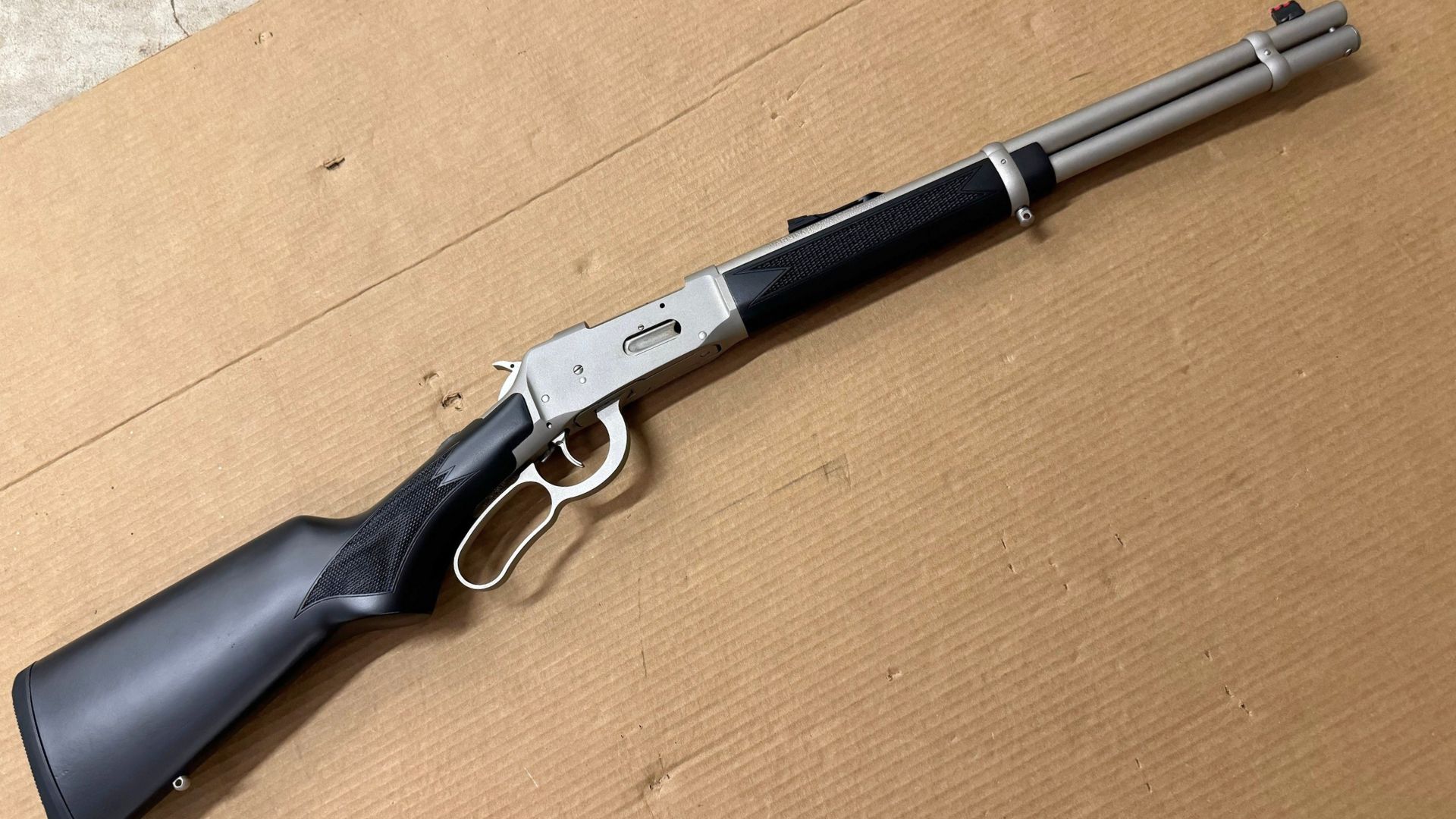
The 464 is one of those rifles that gets bought because it’s affordable and available when the “big names” are scarce or priced high. It’s a working .30-30 that doesn’t pretend to be something else. Some have rough edges, but plenty of them just run.
They change hands when someone wants a Marlin or Winchester name on the receiver. Still, the 464 shows up in the same safe as the beat-up pump shotgun and the .22 that’s always by the back door. It’s the “loaner deer rifle” for a reason.
14. Winchester Model 9422 (.22 LR)
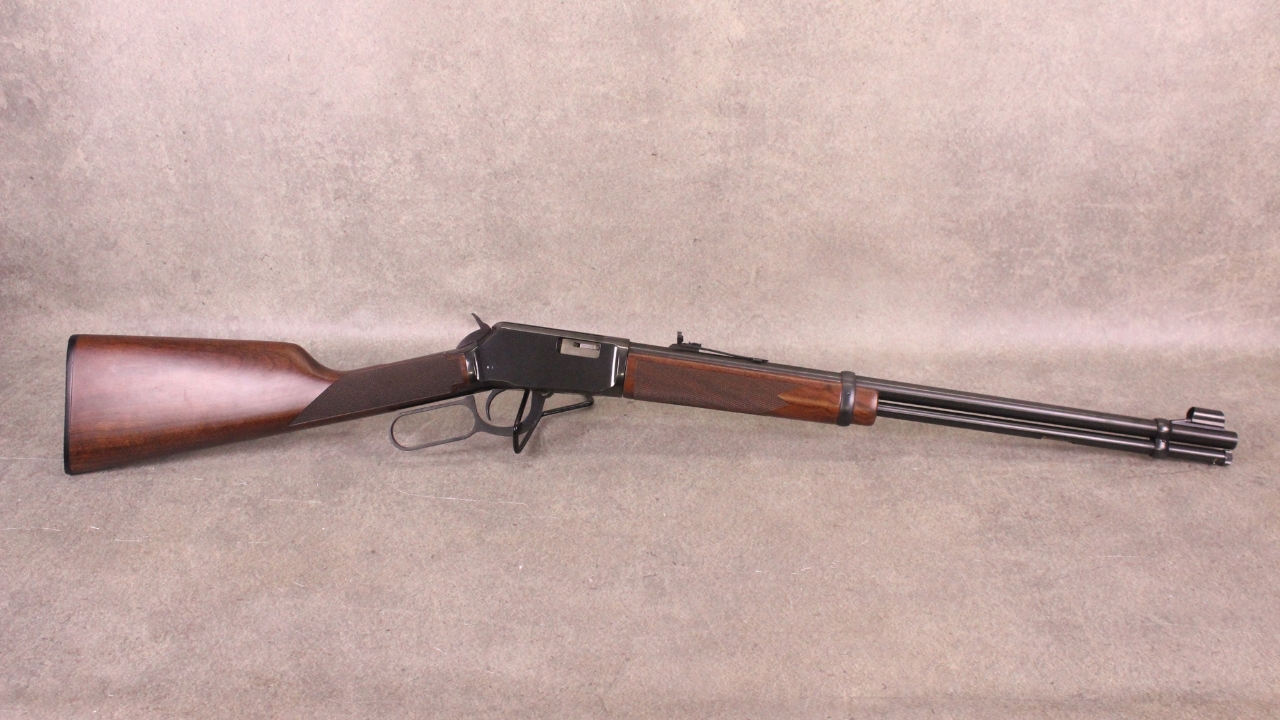
The 9422 is what you buy once and then stop shopping, if you can swallow the price. It’s smooth in a way most rimfire levers aren’t, and it feels like a centerfire rifle shrunk down. The fit and finish on good examples is the kind of thing that makes you slow down and appreciate it.
They get sold because the market got hot and somebody wants the cash, or because an owner is afraid to scratch it. Then they end up in a safe with other “they don’t make them like this” guns, and they rarely come out of that safe for good again.
15. Marlin Model 39A (.22 LR)

The 39A is a classic for a reason. It has real steel and walnut heft, it breaks down easily for cleaning, and it will shoot better than most folks can hold. If you grew up with one, you know the sound of that action like you know the screen door at deer camp.
They move when somebody wants lighter, cheaper, more “modern.” Then they realize modern .22s are great, but they don’t feel like a 39A. This is one of those rifles that turns into a family marker if it stays put long enough.
16. Marlin Model 1894 (in .44 Magnum)
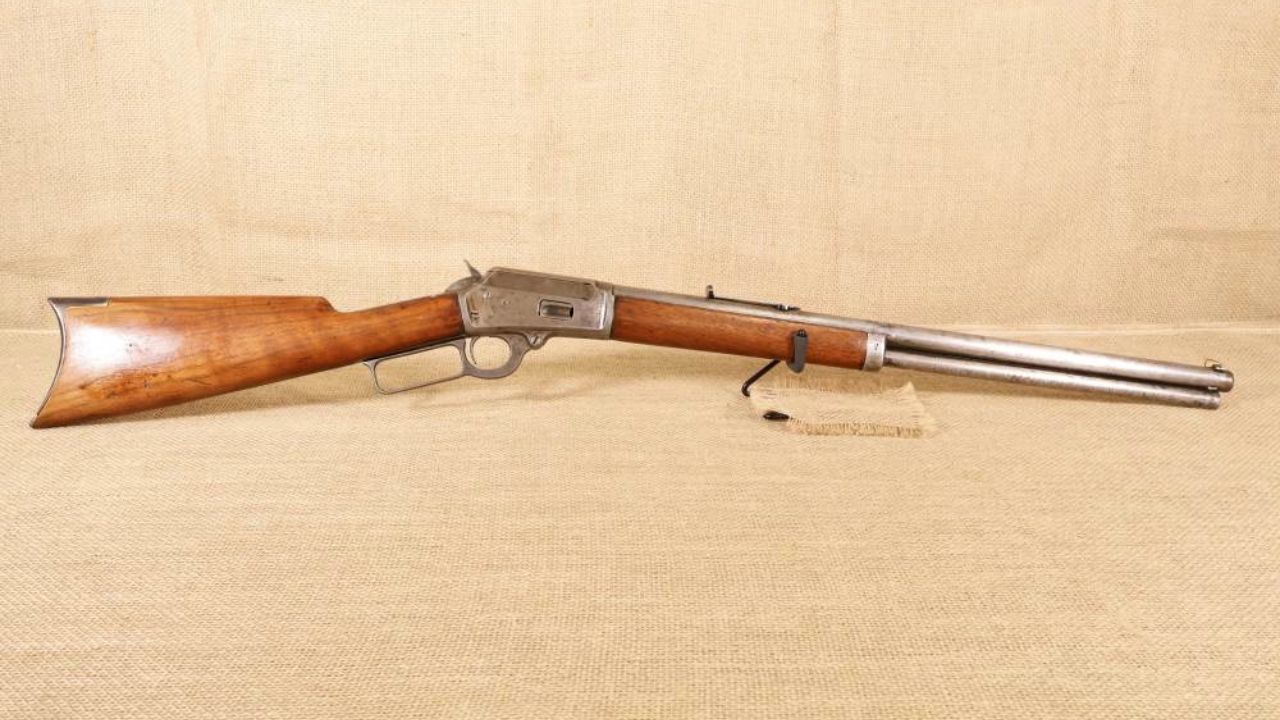
A short .44 Mag carbine is a serious woods tool. It’s not a 300-yard gun, but inside 125 yards it hits hard and points fast. The 1894 in .44 is the rifle that makes you stop overthinking and just hunt.
It gets traded when a guy decides he wants flatter trajectory or less recoil, depending on which phase he’s in. Then he sits in a tight stand, watches a buck appear at 40 yards, and realizes he just described the perfect .44 Mag scenario. Ask me how I know.
17. Winchester Model 88 (in .308 Win)
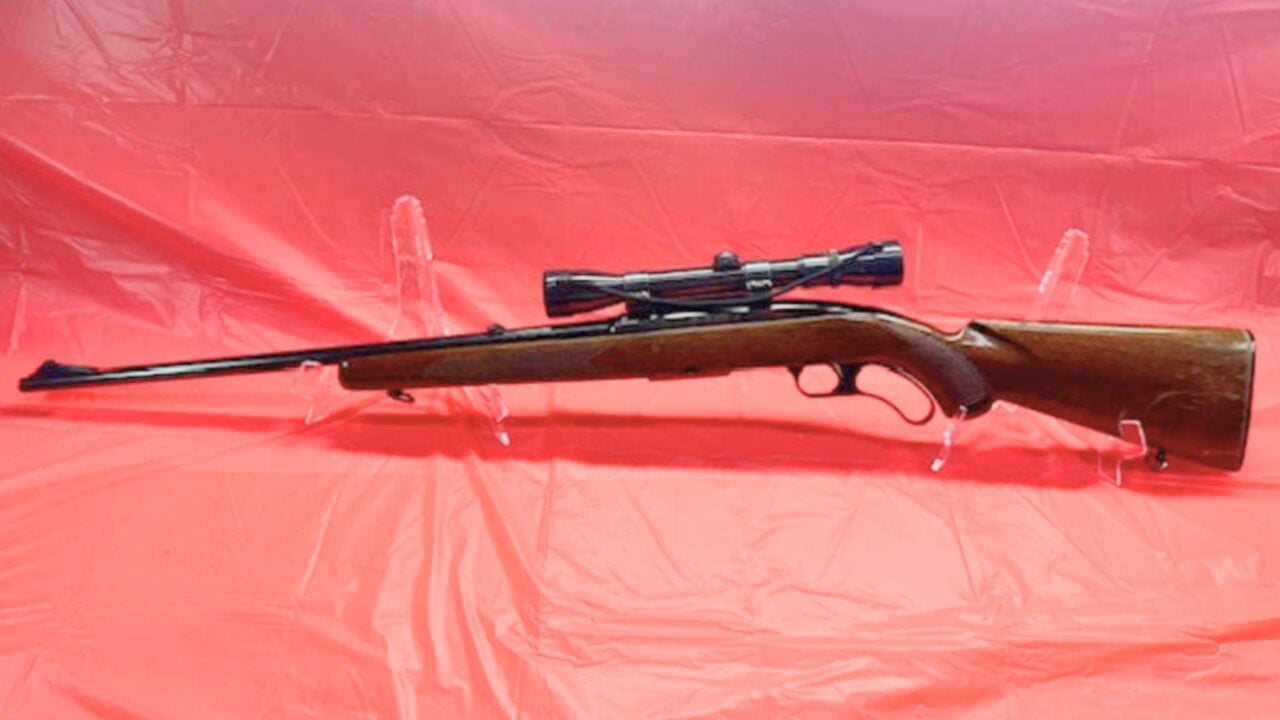
The Model 88 is a lever gun for bolt-gun people. It has a box magazine, it’s sleek, and it handles like a hunting rifle that just happens to be a lever. It’s also one of those rifles that feels “different” in a good way once you’ve carried it.
They don’t show up everywhere, so when one does, it tends to get bought and traded by the same circle of hunters who appreciate them. The 88 ends up in safes where the owner likes efficient gear and doesn’t care if it looks traditional.
18. Uberti 1873 (in .357 Magnum)
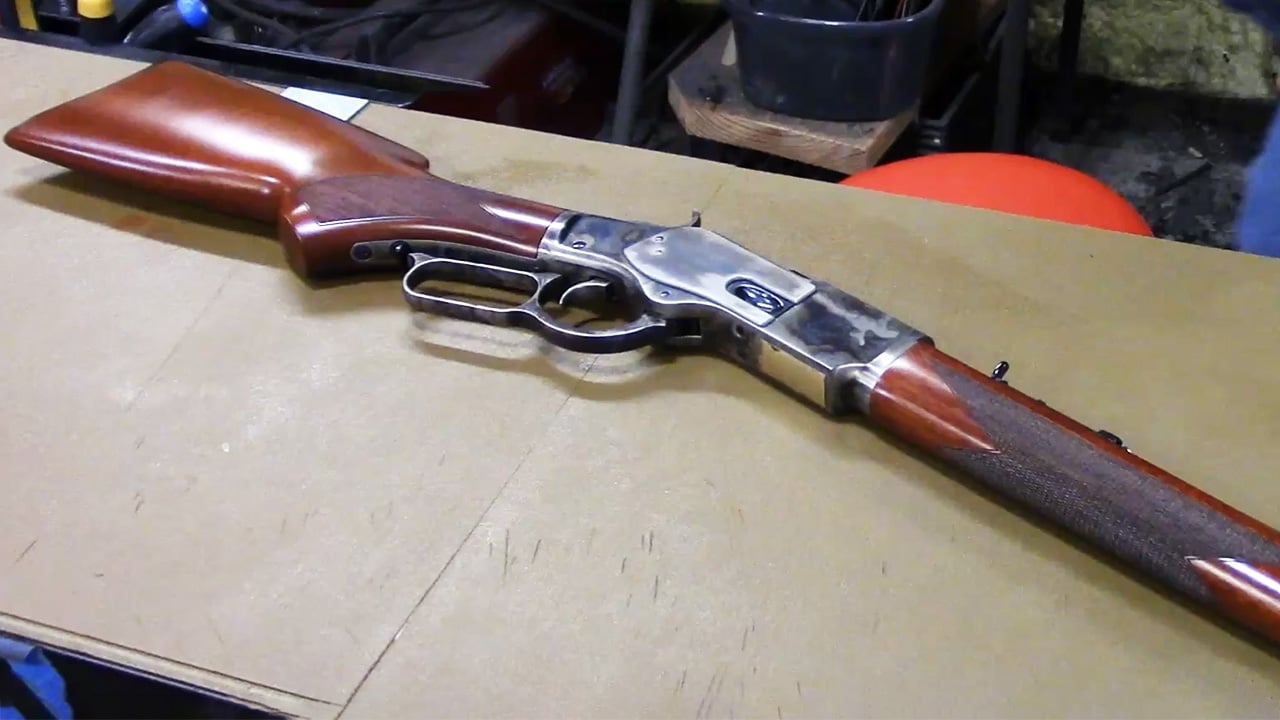
The 1873 pattern is pure feel. It’s not about raw strength or modern features; it’s about a smooth action and a rifle that makes you want to shoot it. In .357, it’s friendly, accurate, and perfect for steel, small game, and general fun.
These get sold when someone buys one for a “cowboy phase” and then moves on. But the next owner often keeps it because it’s the gun that gets pulled out when friends come over. A rifle that creates range days tends to stick around.
19. Chiappa 1892 Alaskan (take-down, stainless)
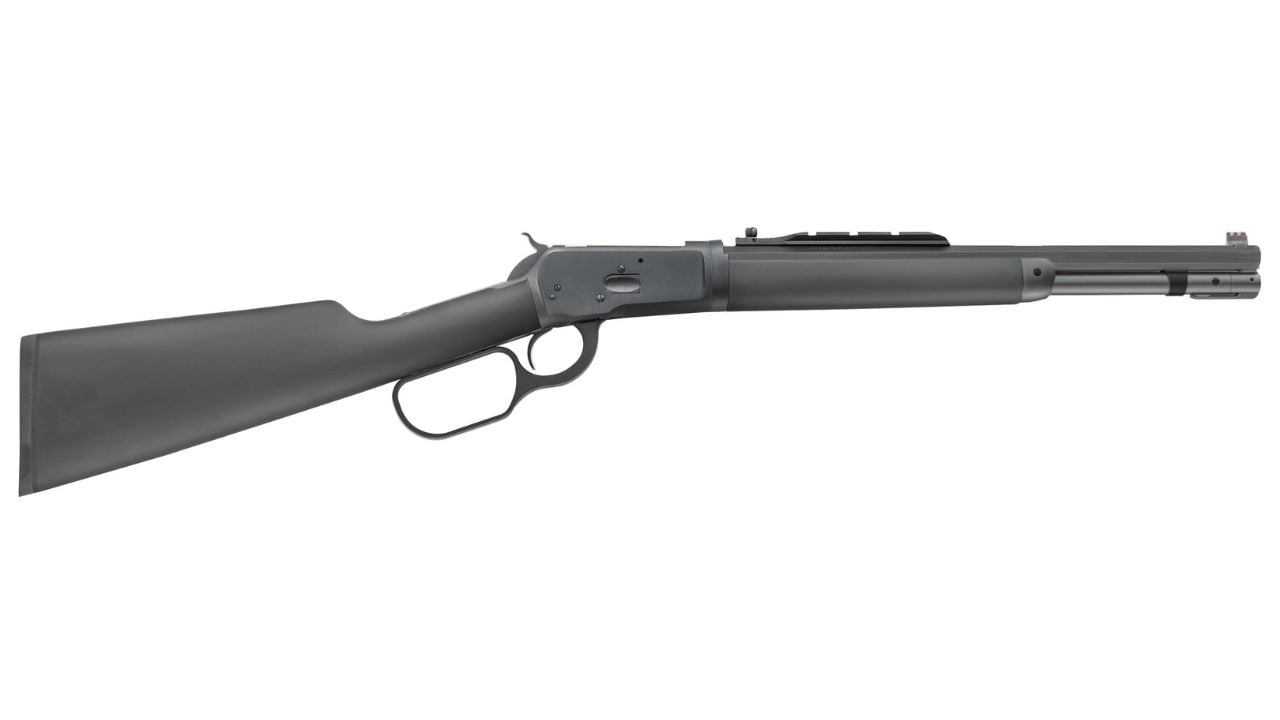
The Alaskan take-down guns are purpose-built, and you either get it or you don’t. Short barrel, compact package, and a setup that fits in a pack or behind a seat without being awkward. They’re handy in a way longer rifles just aren’t.
They change hands because they’re not cheap, and some folks decide the novelty isn’t worth it. Then someone who actually lives with a rifle—boats, snowmachines, ATVs, fence checks—buys it and it becomes their constant companion. Compact usefulness beats internet opinions.
20. Ruger Marlin 1895 (current production)
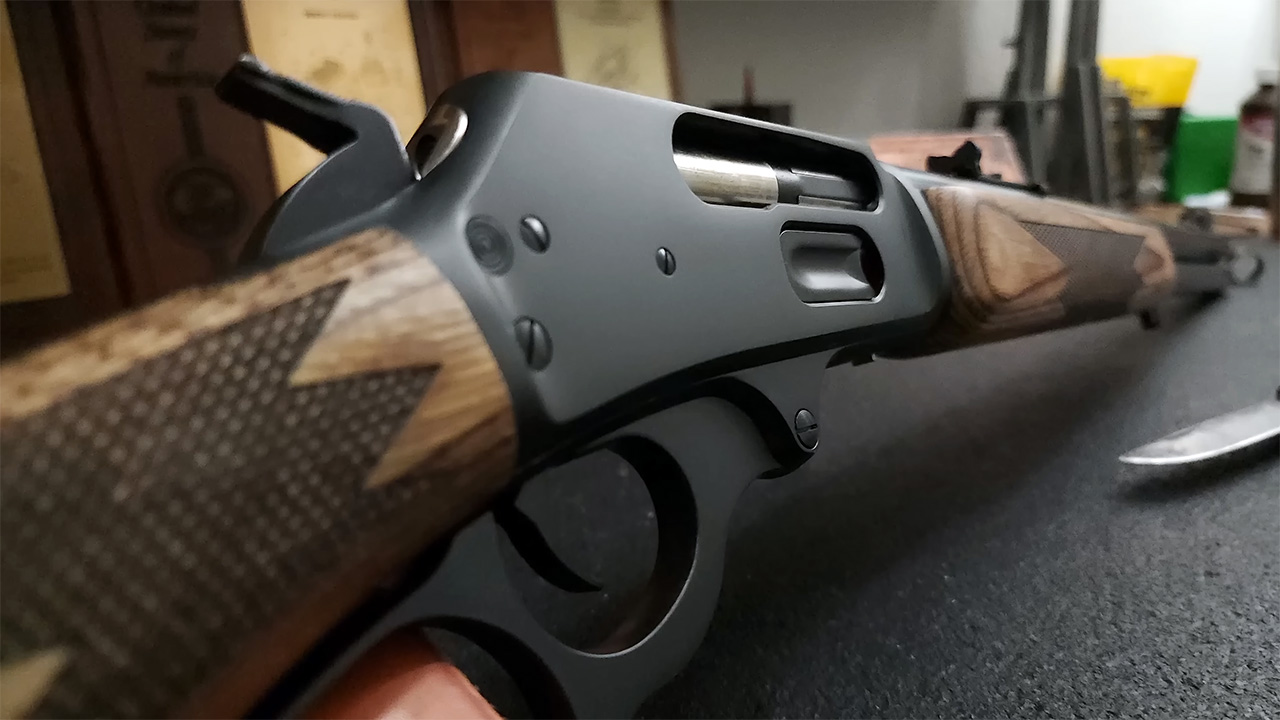
The newer Ruger-made Marlins have become the “I missed my old one” purchase for a lot of hunters. Cleaner machining, good sights, and a feel that inspires confidence right out of the box. They’re not bargain rifles, but they feel like tools, not ornaments.
These end up in the same safes as the older 1895s and Guide Guns because they solve the same problem: a tough lever gun that can hunt hard and handle bad weather. The funny part is watching a guy swear off .45-70, then buy one again a year later because he can’t quit it.
Lever-actions aren’t perfect. Some are finicky about certain bullet shapes, some are harder to scope cleanly, and some are heavier than they look. But the ones above keep circulating for one big reason: they’re still useful, and they still feel right when you actually carry them in the woods. If you’re staring at one in the safe and thinking about trading it off, just be honest with yourself—are you selling it because it doesn’t work for you, or because you’re bored? One of those decisions is a lot more expensive later.
Like The Avid Outdoorsman’s content? Subscribe to our newsletter so you never miss an article.
Here’s more from us: