Photo credit: Iraqveteran8888/Youtube
There was a stretch of time when a handgun on a rural property wasn’t a “platform” or a “build.” It was just a tool. It lived in a tackle box, a glove compartment, a kitchen drawer, or a saddlebag, and it came out for the jobs nobody writes articles about: finishing a wounded animal, scaring off a feral dog, thumping a snake near the feed room, or settling your nerves when you heard the barn door bang at 2 a.m.
Then the collector market showed up, and suddenly the same pistols and revolvers that rode around in dusty holsters started wearing price tags that made folks blink. Some of these are legitimately great guns. Some are just nostalgia with bluing wear. Either way, here are 20 handguns that used to be “standard equipment” on rural ground, back before everybody started treating them like retirement plans.
1. Ruger Single-Six
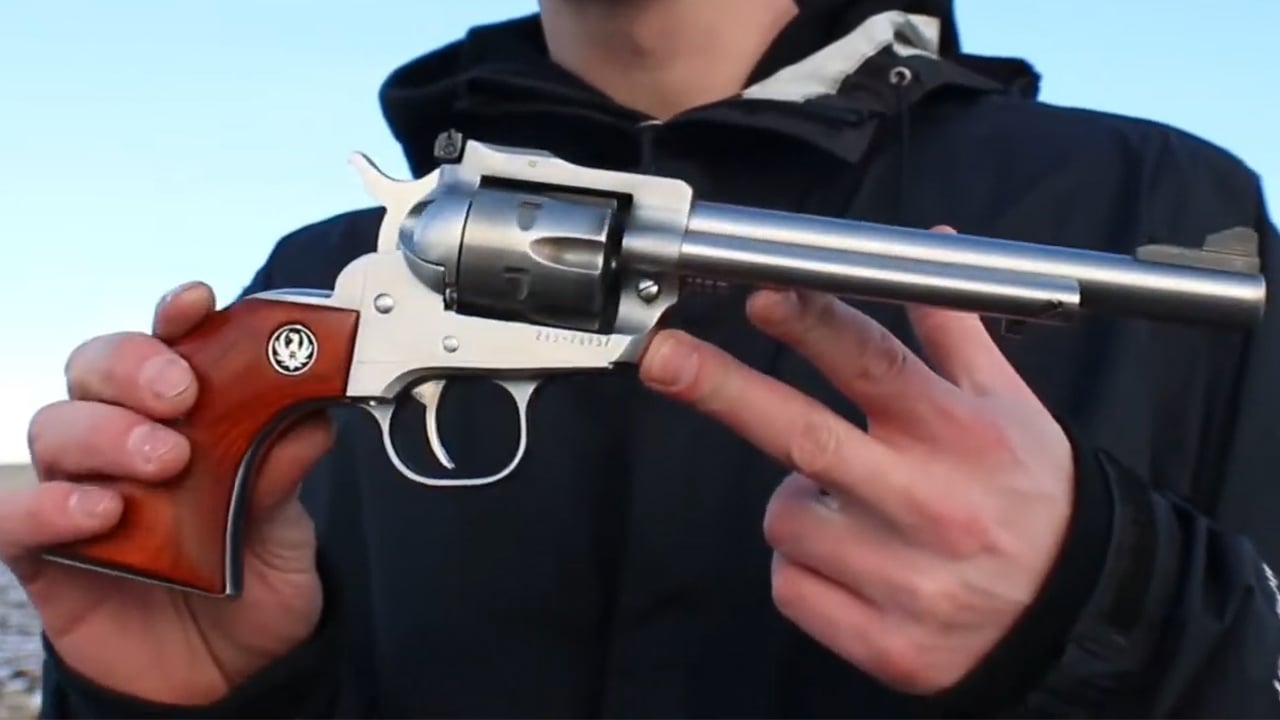
If you grew up around a trapline, a garden, or a chicken coop, odds are you saw a Single-Six. It’s not flashy. It’s just a .22 that points right, carries easy, and keeps running even when it’s been ignored all season.
On rural properties it was the “go check the fence” gun. Six shots, simple manual of arms, and cheap ammo meant it got used instead of babied. Now, clean older examples bring more than a lot of folks remember paying new, which is wild for a gun that spent half its life in a tractor toolbox.
2. Ruger Blackhawk (Three-Screw models)
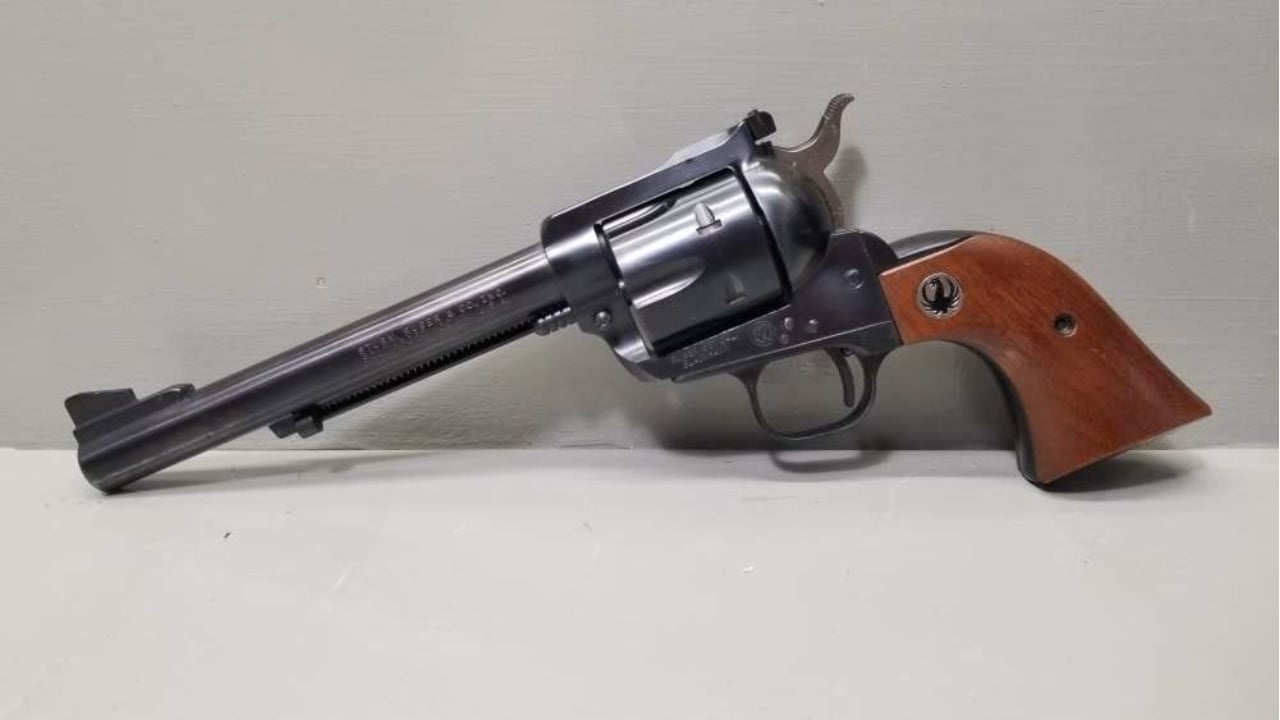
The old three-screw Blackhawks were everywhere because they were tough and accurate enough for real work. .357 and .41 Mag versions especially made sense for ranch chores and the occasional coyote.
The collector crowd loves the early lockwork and original parts, so the same revolver that used to ride on a belt while you fixed water gaps suddenly gets “don’t touch it” status. I get it, but I also hate seeing a good working revolver turned into a safe queen.
3. Ruger Security-Six
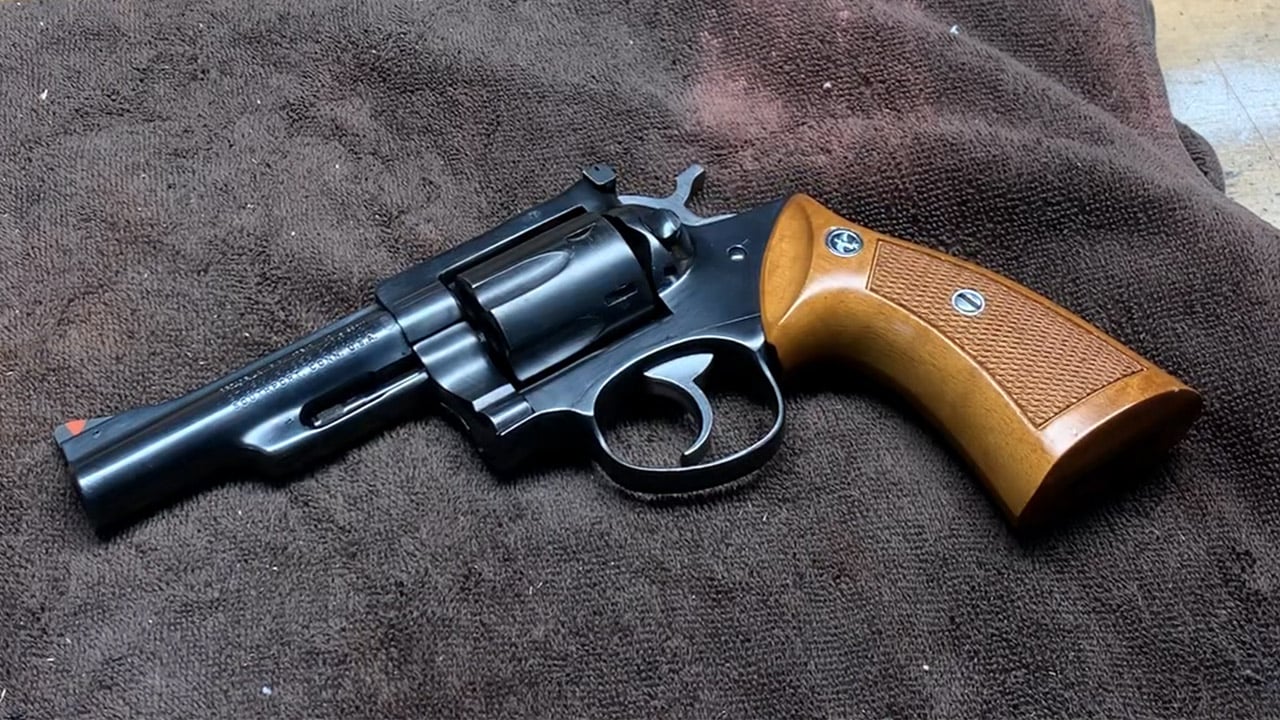
Before the GP100, the Security-Six was the do-it-all Ruger: strong, no-nonsense, and usually shot better than its owner. It’s one of those revolvers that feels like it was built for glove-wearing hands and cold mornings.
Parts and holsters are still around, but not like they used to be. When you find one with honest wear and a smooth trigger, you understand why folks kept them by the back door for decades.
4. Ruger GP100 (early stainless 4-inch)
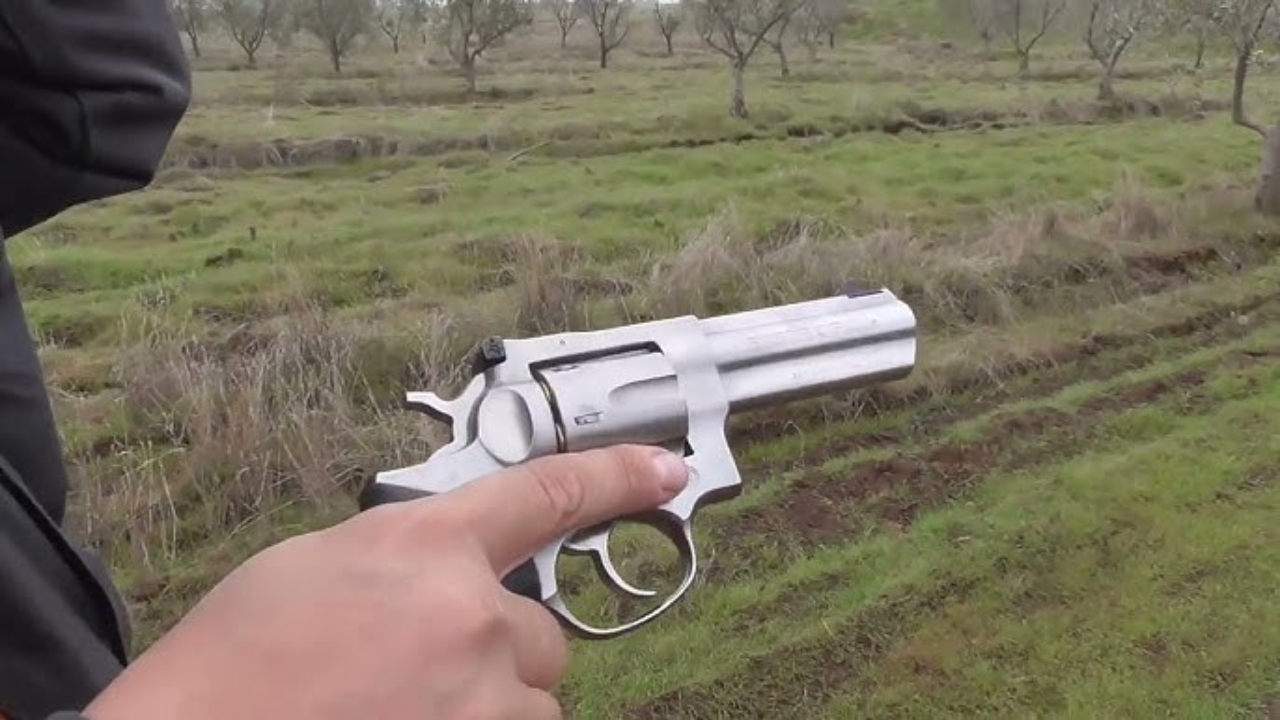
The GP100 is “farm revolver” in stainless steel. It handles .357 like it was made for it, and it shrugs off sweat, rain, and neglect better than blued guns ever will.
It’s not rare, but prices on clean early examples have crept up because everyone decided they need an “all-purpose wheelgun” again. They’re heavy on the belt, though. Great by the barn. Less great when you’re walking fence all afternoon.
5. Smith & Wesson Model 10
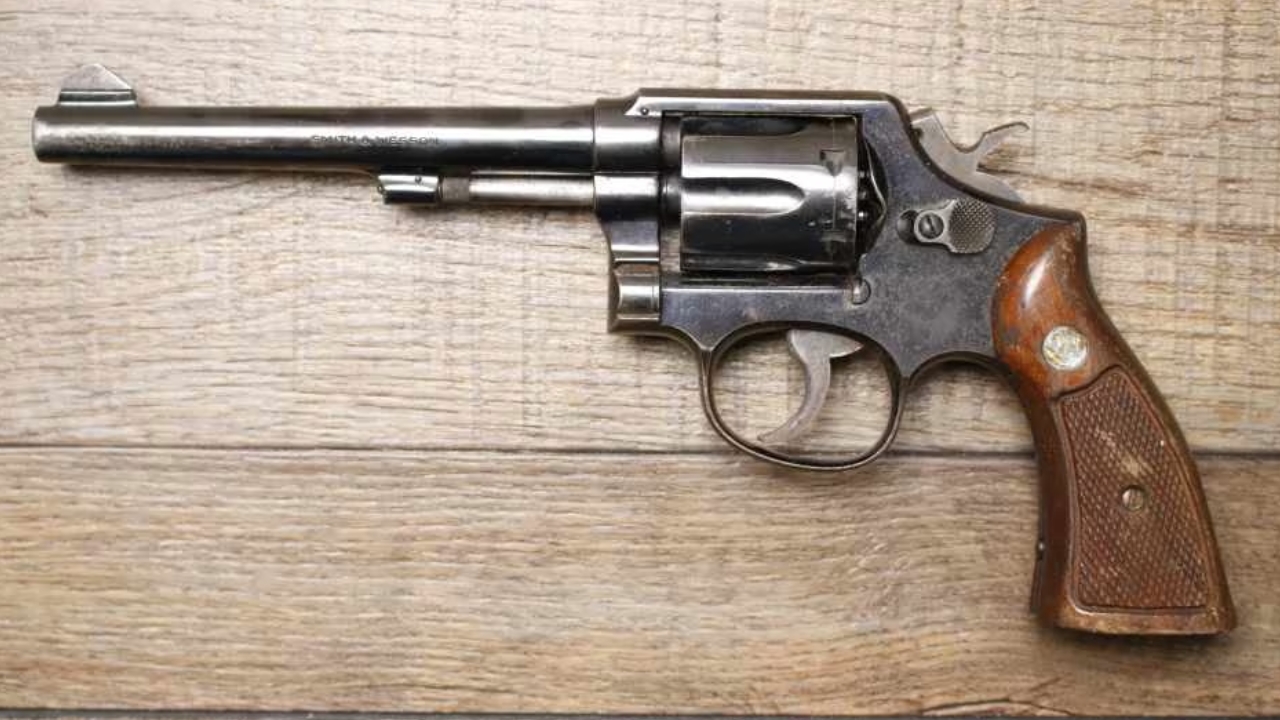
A Model 10 is about as plain as it gets, and that’s the charm. It’s the kind of revolver that sat in a nightstand on a rural property for 40 years and still works the day you pull it out.
Most of them lived easy lives—.38 Special, modest loads, and simple maintenance. Now the old police trade-ins and clean fixed-sight K-frames are getting snatched up fast. They’re still useful, but they’re not “cheap and everywhere” anymore.
6. Smith & Wesson Model 36 (Chief’s Special)
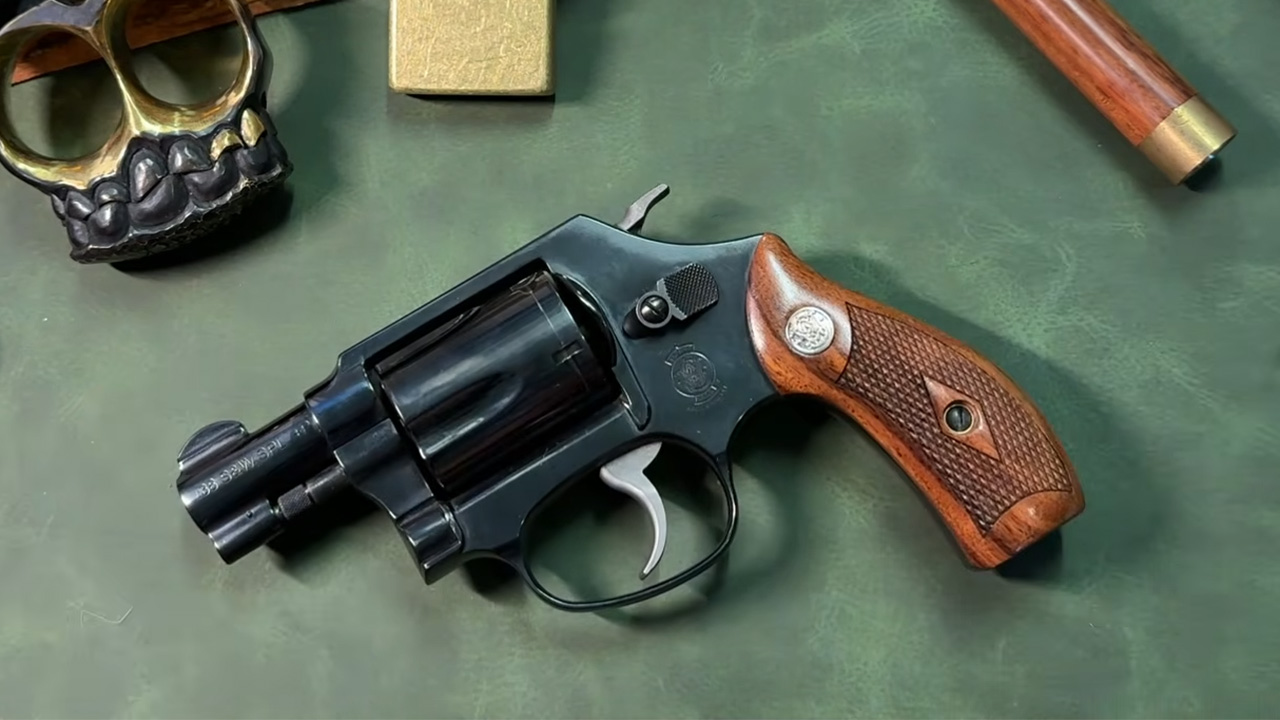
The little J-frame was a pocket gun before “micro compact” was a marketing category. In the country, it was the quick run-to-the-barn handgun, especially for folks who didn’t want something big and obvious.
They’re not fun to shoot a box of ammo through, and nobody should pretend they are. But they carry like nothing, and they go bang when you need them. Collectors love pre-lock examples, and that has pushed them out of “beater gun” territory.
7. Smith & Wesson Model 19
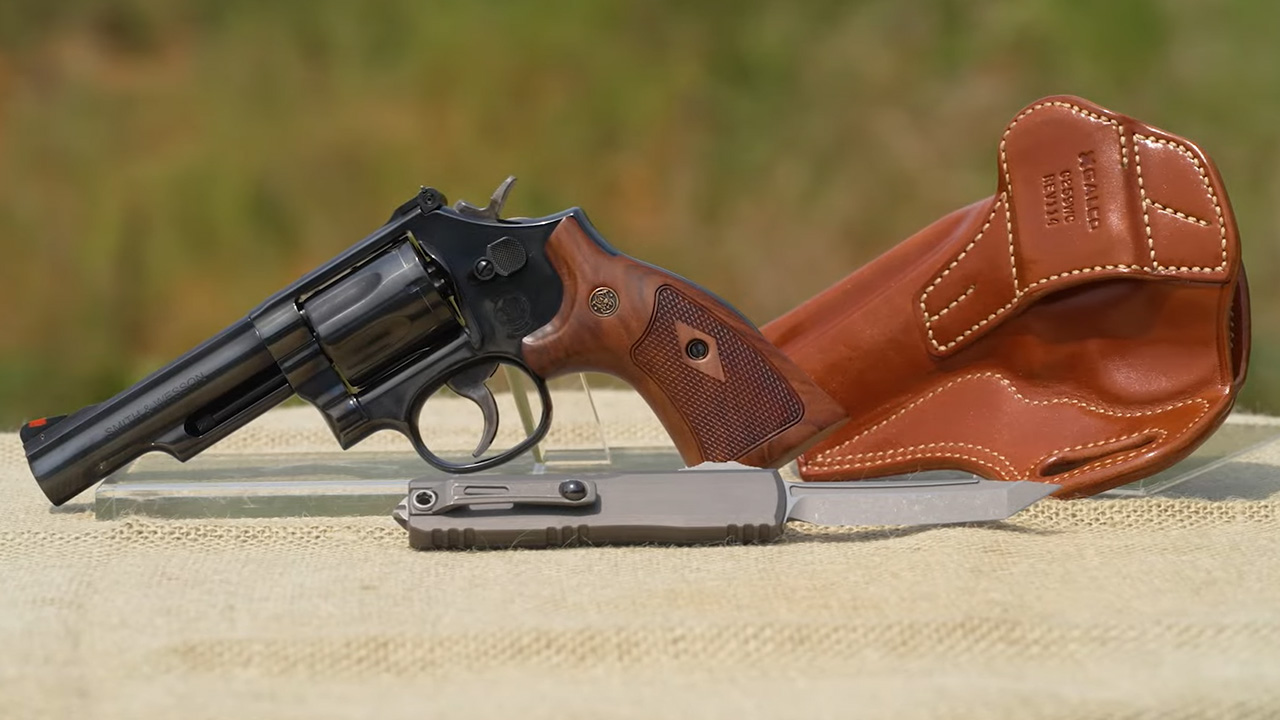
The Model 19 is what happens when a revolver has manners but can still get serious. It balances beautifully, points naturally, and for a lot of rural shooters it was the “nice revolver” that still got used.
It’s also one that got fed a steady diet of hot .357 loads in some households, and that matters when you’re buying used. The collector market didn’t just raise prices—it made clean, lightly-used examples harder to find than they should be.
8. Smith & Wesson Model 29

Not every rural handgun was practical, and the Model 29 is proof. Plenty of folks owned one just because it was a .44 Magnum and that was enough reason. It was also a legitimate choice for woods loafing in bear country.
They’re big, they recoil, and they’re not for everybody. But they’re iconic, and iconic equals expensive. A scratched-up hunting 29 used to be “normal.” Now even worn ones get treated like museum pieces.
9. Colt Python (blued, older production)
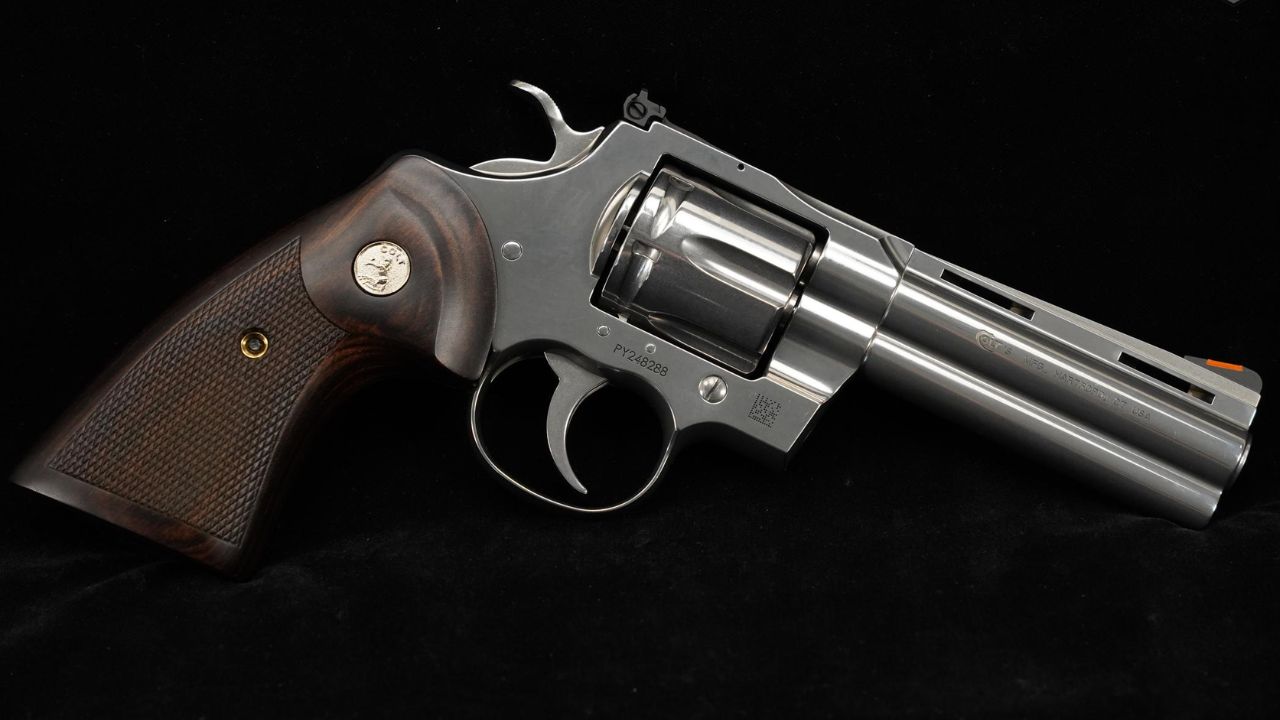
The Python wasn’t common everywhere, but every area had at least one guy who had one and talked about it like it was a custom rifle. Smooth action, great finish, and that “Colt feel” is real.
The problem is once collectors got involved, the Python stopped being a revolver you carried to check traps. It became something you wipe down with a cloth and worry about. If you actually want a working .357, there are better values, but that doesn’t change what they bring now.
10. Colt Trooper / Trooper Mk III
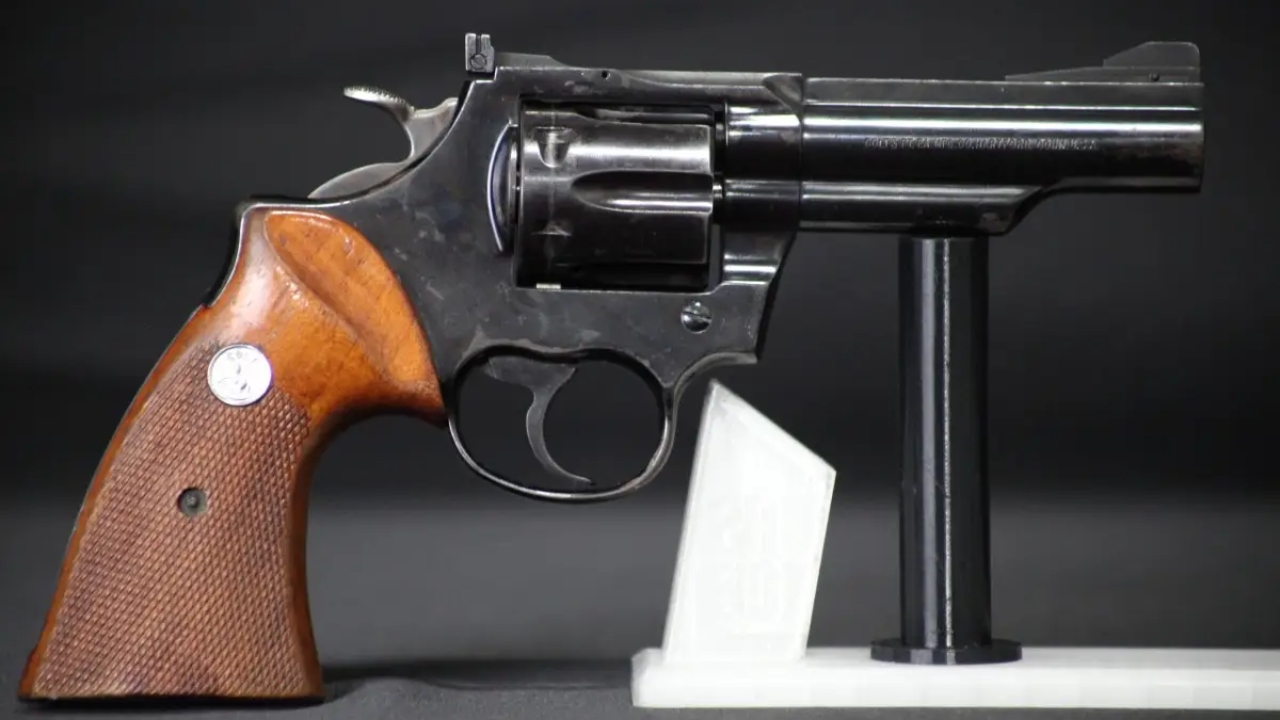
The Trooper was the practical Colt—still nice, but not so precious that you were afraid to use it. A lot of rural owners ended up with one because it was available and it shot straight.
The Mk III era guns don’t get the same romantic attention as the Python, which is good if you want to shoot it. But the “Colt tax” is real now, and even Troopers that used to be working guns are climbing fast.
11. Colt Official Police
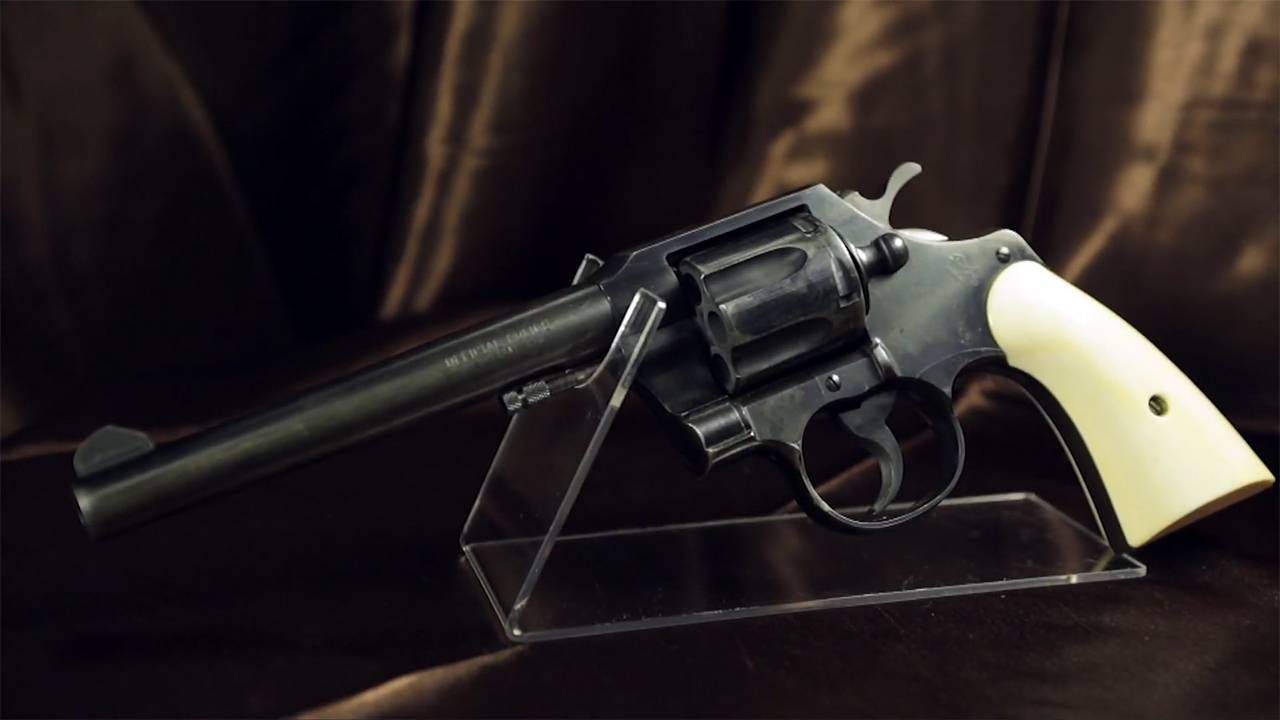
Old Colt service revolvers ended up on farms the way old pickups did: traded, handed down, and put to work. The Official Police is a classic example—big enough to shoot well, simple sights, and usually chambered in .38 Special.
They can be slick and accurate, but you’re buying history, and history comes with parts and gunsmith considerations. Collectors are scooping up the clean ones, leaving the rough-but-serviceable examples as the last affordable entry point.
12. Colt Detective Special
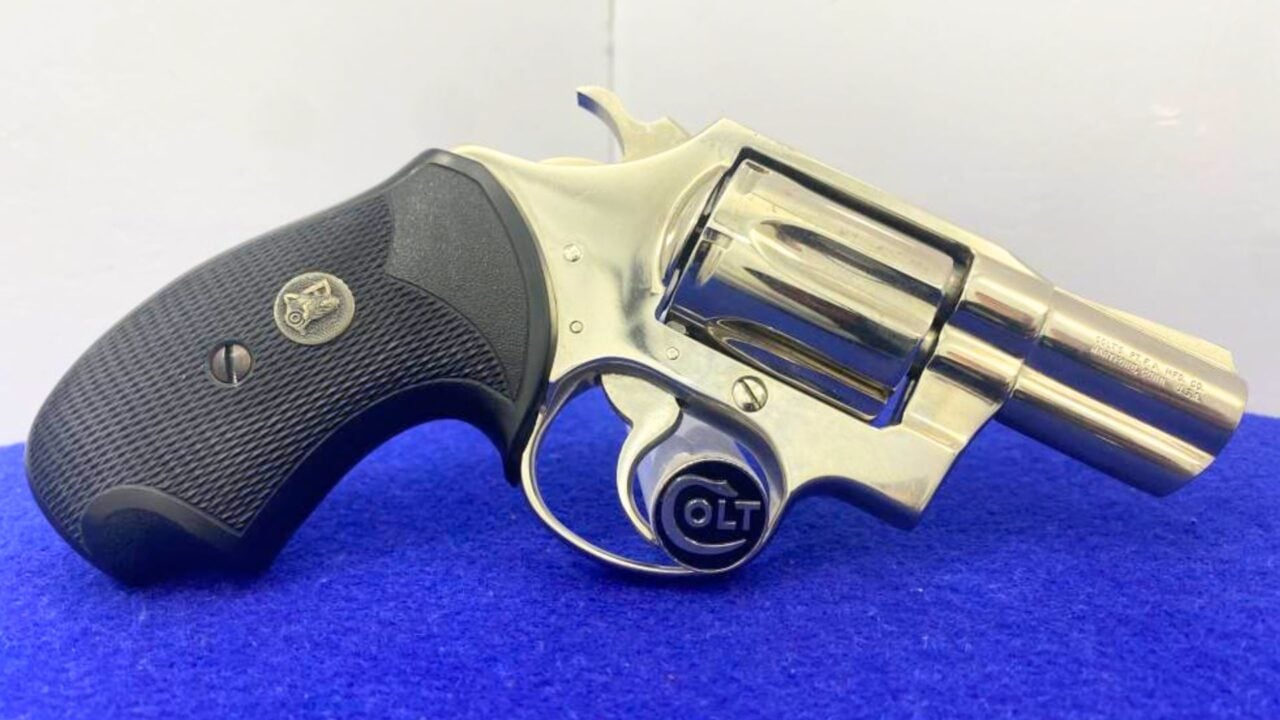
This one rode in coat pockets and truck doors for a reason. Six shots in a small frame mattered back when “small revolver” often meant five.
They carry great and shoot better than most snubs if you do your part. The downside is the same as other older Colts: prices went up and casual use went down. It’s hard to blame folks for babying them now, but they were made to be carried.
13. Browning Hi-Power
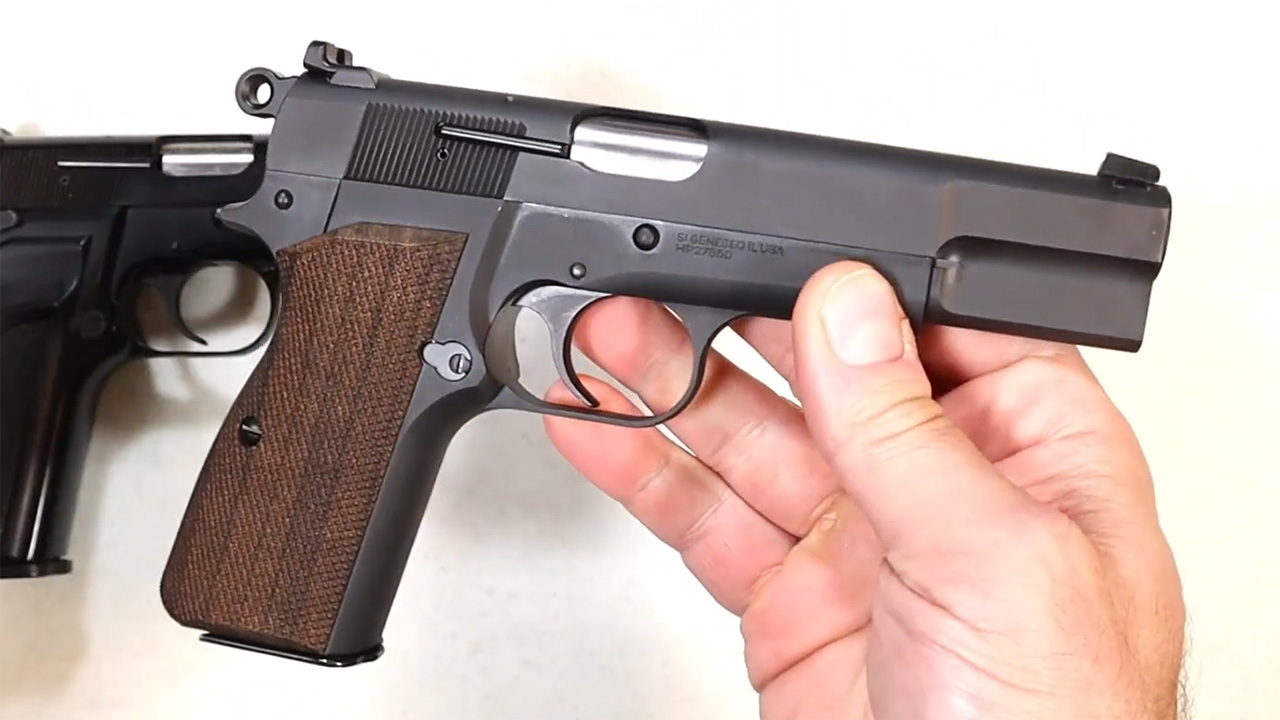
The Hi-Power has that old-school steel-gun feel that’s hard to explain until you hold one. It’s slim, points naturally, and for a long time it was a “one pistol does everything” option for someone who wanted a 9mm that wasn’t plastic.
On rural properties it was often a glovebox gun or a nightstand gun because it held plenty of rounds and magazines were easy to find. Between military history, Belgium markings, and discontinued production (at least in the classic form), prices are not what they used to be.
14. CZ 75 (pre-B, early imports)
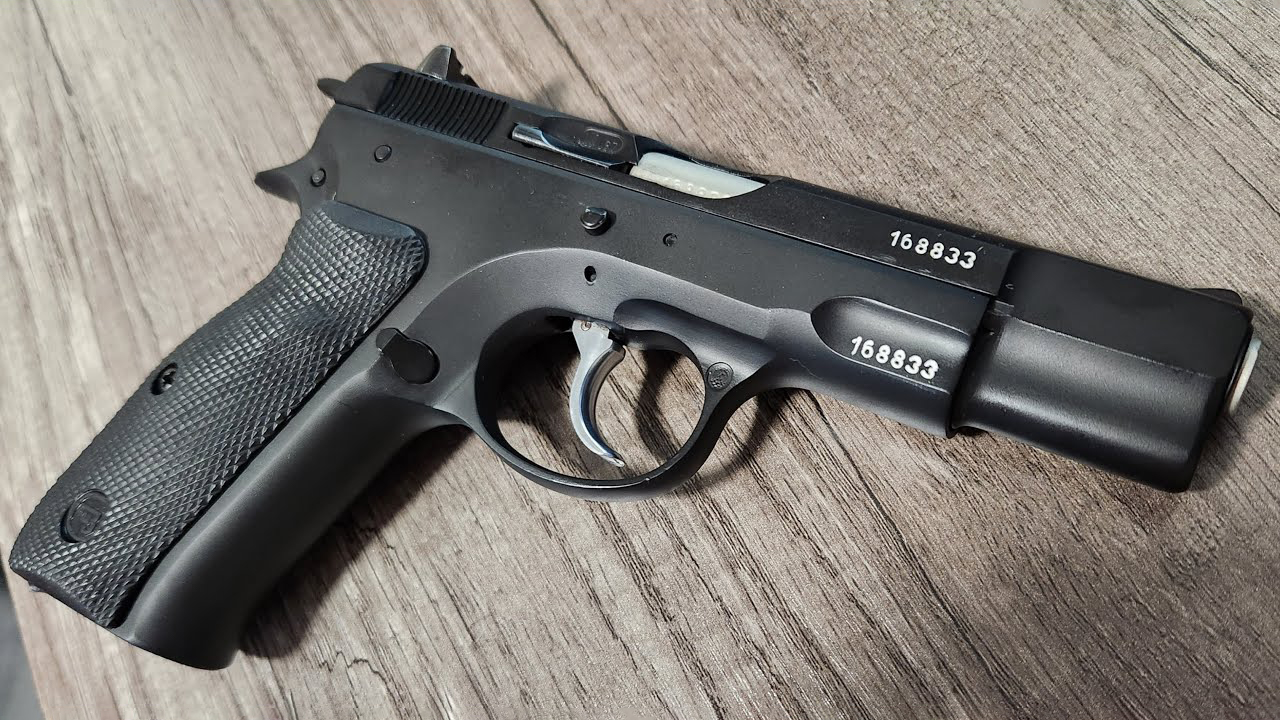
For years, the CZ 75 was the quiet bargain: all-steel, soft shooting, and accurate. It wasn’t trendy, which meant you could actually afford one and not feel guilty about tossing it in a tackle bag.
Now, early imports and certain variants get collector attention, especially with original boxes and paperwork. The practical upside is modern CZs still exist and still run. But the “old country gun” charm has become a selling point, not just a footnote.
15. Beretta 92FS (early Italian production)

The 92 got adopted by plenty of rural owners for the same reason it got adopted by agencies and militaries: it works. It’s big, but it’s reliable, and it eats a lot of different ammo without drama.
In the country, the size isn’t always a downside. It rides in a truck fine and shoots easy. Early Italian guns and certain markings have started drawing more money, which is funny because the whole appeal used to be “buy it and forget about it.”
16. Smith & Wesson Model 39 / Model 59

These older S&W semi-autos were common “dad guns.” Single-stack 9mm Model 39s and double-stack Model 59s showed up as carry pieces and house guns before polymer took over.
They’re not as refined as modern pistols, and magazines can be a little more of a hunt depending on the exact model. Still, they have that classic look, and the collector interest has turned them from bargain-bin finds into “wait, how much?” guns.
17. Ruger P89
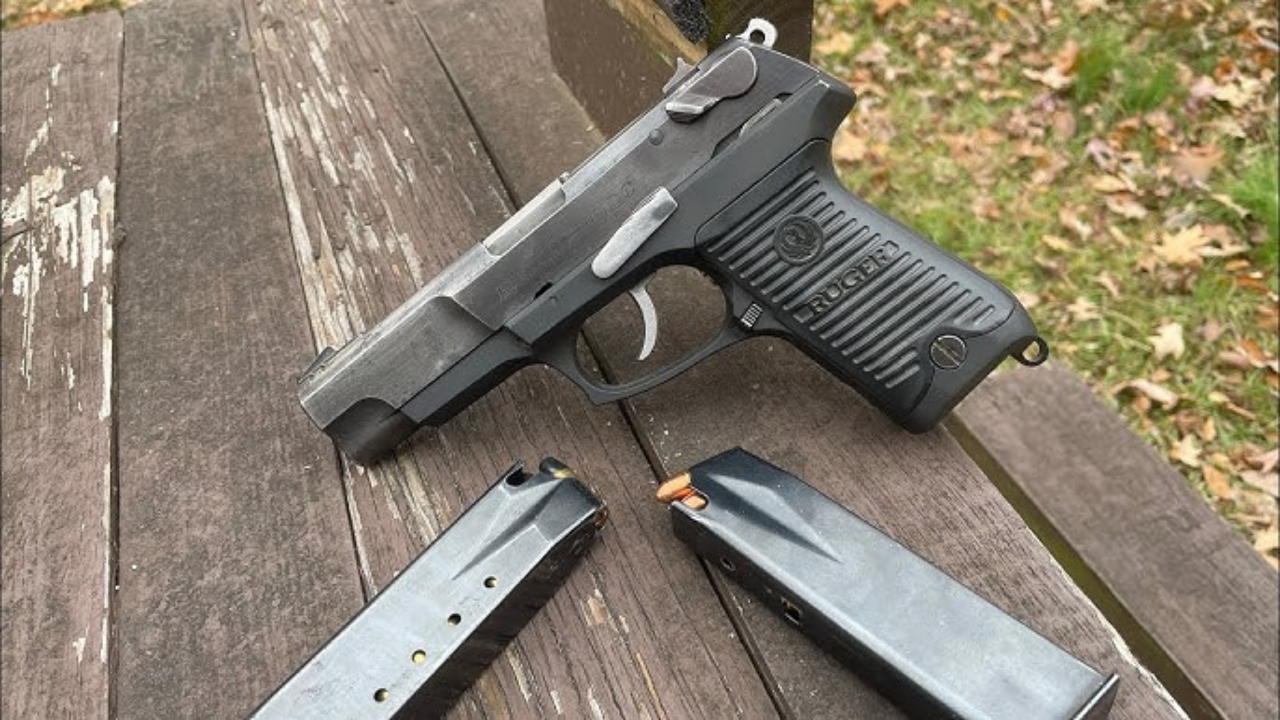
The P89 is not pretty. It’s bulky, it feels like a cordless drill compared to a sleek carry pistol, and it’s about as subtle as a fence post. But it runs.
On rural ground, that’s what mattered. It was the truck gun you didn’t worry about much, and it would still fire after bouncing around on washboard roads. They’ve crept up in price mostly because everything has, but they’re still one of the most honest “working 9mm” pistols Ruger ever made.
18. Smith & Wesson Model 5906
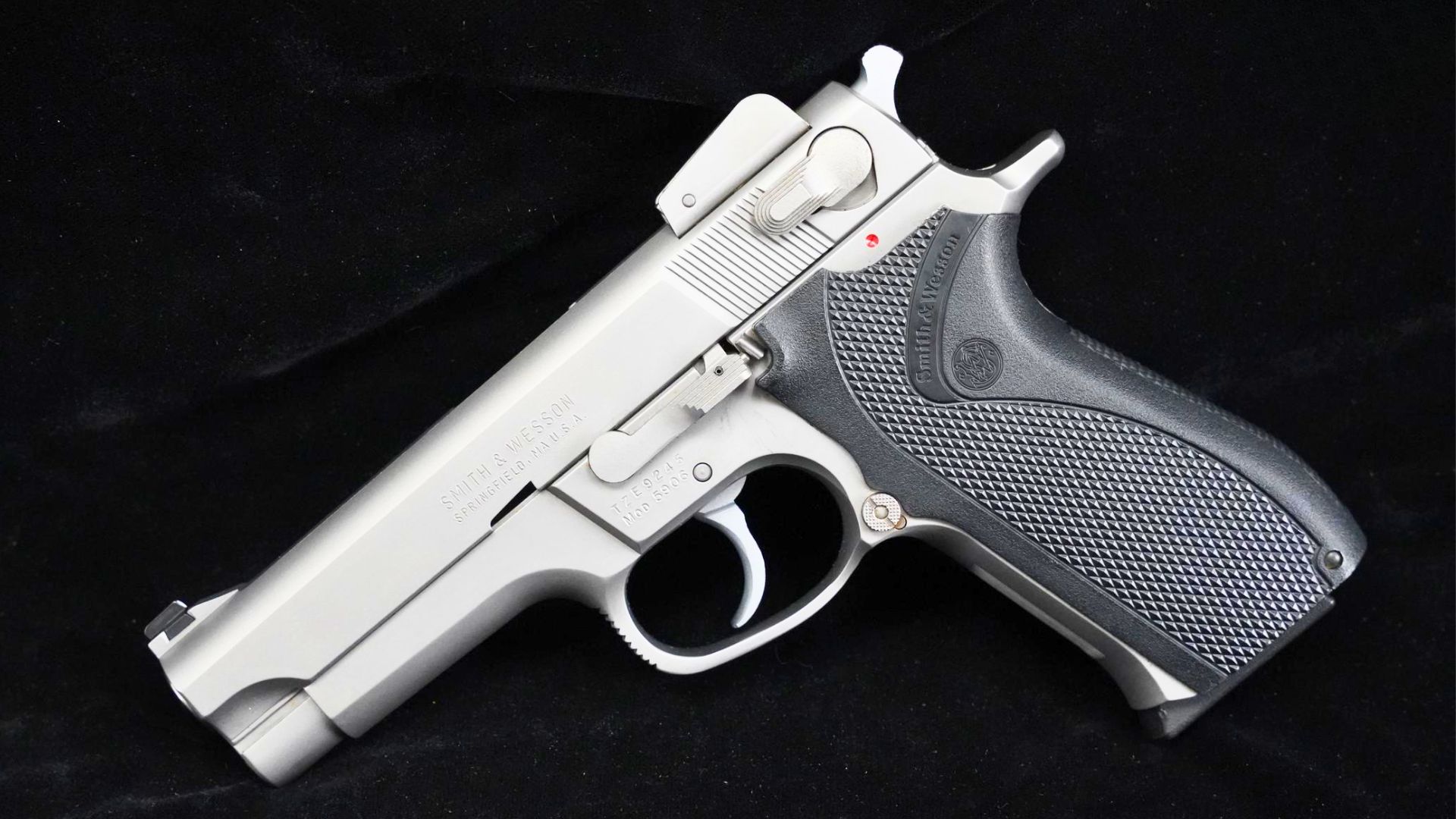
If you ever handled one of the stainless third-gen S&W pistols, you remember the weight. The 5906 feels like a brick until you start shooting it, and then you realize why folks trusted them.
They were common trade-ins for a while, and rural buyers snapped them up because they were affordable and built like a shovel. Now the supply isn’t endless, and clean ones are getting attention from shooters who are tired of disposable-feeling guns.
19. Walther PPK / PPK/S

This one is more “old-school cool” than pure rural practicality, but you’d be surprised how many ended up in dresser drawers and gloveboxes. They’re compact, well-made, and recognizable from across the room.
They can be picky about ammo and they’re not the most comfortable guns to shoot, especially for bigger hands. Still, collectors chase them hard, and the days of finding one cheap at a local shop are mostly gone.
20. Harrington & Richardson Model 929 / 999 (top-break .22 revolvers)
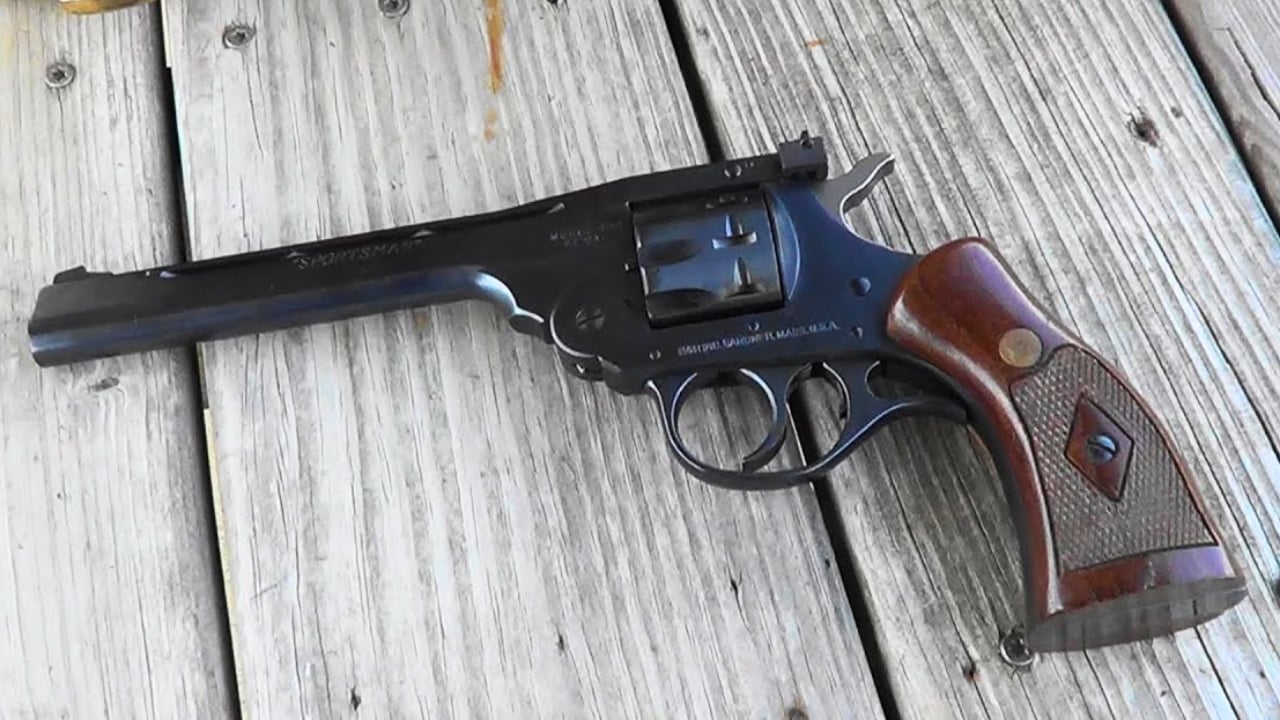
These old H&R .22s are the kind of guns that lived hard lives and kept showing up anyway. Top-break revolvers like the 999 have a certain charm, and they were “good enough” for pests, cans, and teaching kids the basics—back when that was normal on a rural property.
They’re not high-end revolvers, and nobody should pretend they are. But they’re part of a time when utility mattered more than internet opinions. Now, even these get attention if they’re clean and tight, mostly because anything with honest American history has a crowd following it.
The funny thing about all this is most of these handguns didn’t change. What changed is the world around them. If you’ve got one that still works and still fills a role—snake gun, barn gun, trail gun, nightstand gun—I wouldn’t be quick to let it go just because it’s “worth something now.” Tools that already fit your life are hard to replace, even when you’ve got the money.
Like The Avid Outdoorsman’s content? Subscribe to our newsletter so you never miss an article.
Here’s more from us: