Photo credit: Ambrosia Studios/Shutterstock.com
Some pistols are happiest left alone. They run fine, shoot fine, and do what they were built to do. Then people start swapping triggers, springs, connectors, comps, barrels, optics plates, and “performance” parts… and suddenly the gun is a science project. Reliability drops, weird malfunctions show up, and the owner blames the brand when the real issue is they changed the timing and tolerances of a system that was already working.
This list is about guns that often don’t like being messed with, or where common upgrades introduce more problems than they solve.
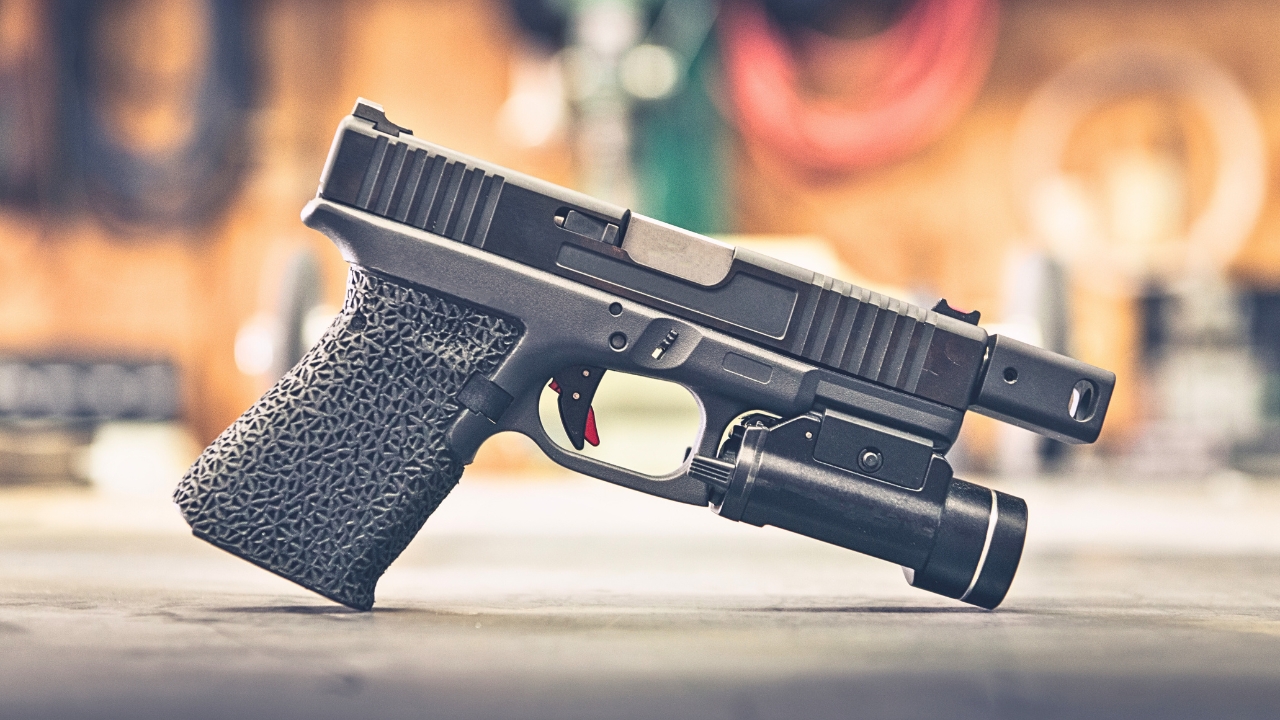
Glock 19

Stock Glock 19s are boring reliable. Start dropping in ultra-light connectors, reduced power striker springs, and match triggers, and you’ll see the “terrible with upgrades” pattern. Light strikes show up. Reset feel changes. The trigger might feel great until you run it dirty or cold. Then the gun starts acting like it’s allergic to reliability.
Glocks can absolutely be upgraded, but the smart approach is conservative: quality parts, keep spring weights reasonable, test thoroughly. The guys who get in trouble are the ones who try to turn a carry gun into a competition gun and then still carry it. If it’s a defensive pistol, boring beats fancy every time.
SIG Sauer P320

P320s can be upgraded successfully, but they’re also a platform where tolerance stacking and parts mixing can create weird issues if you aren’t careful. Drop in a different trigger shoe, different springs, different barrel, different slide, different optic plate, and you can end up with a gun that feels great in dry fire and then starts having inconsistent return-to-battery or odd striker behavior under real shooting.
The P320 ecosystem is huge, and that’s both a blessing and a curse. If you’re upgrading, stick to proven combinations and test hard. The “terrible with upgrades” stories usually come from people mixing a bunch of parts from different sources and assuming the gun will just accept it. Sometimes it does. Sometimes it doesn’t.
CZ P-10 C

The P-10 C is great stock. When people start chasing a lighter, shorter trigger with aftermarket parts, they can introduce issues like weak reset, inconsistent striker engagement, or reliability changes that only show up at speed. A gun that ran perfectly suddenly becomes sensitive to ammo or gets weird intermittent problems.
CZs can be upgraded, but the P-10 doesn’t need much. If you do upgrade, do it with reputable components and don’t chase “the lightest possible.” That’s where you start trading reliability for feel. A carry gun doesn’t need a match trigger; it needs consistency.
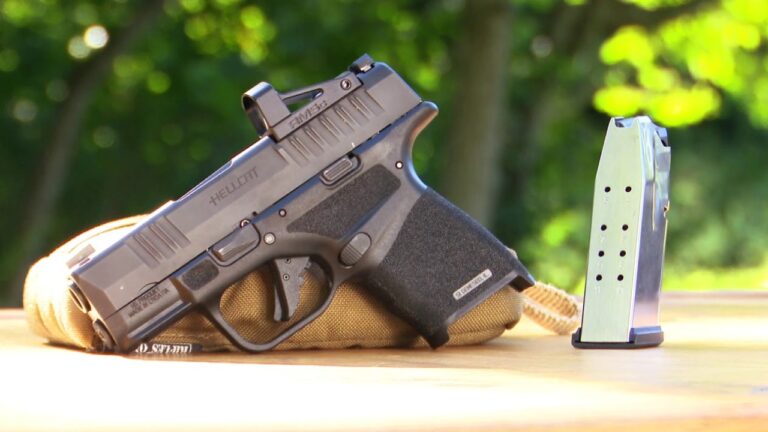
Springfield Hellcat

Micro pistols already operate with less margin. Start changing springs and trigger components, and you can turn a reliable micro into a picky micro. The Hellcat is a good example because many owners want to “soften it up” or change the trigger feel. But lightening springs or changing geometry can affect ignition, cycling, and reset in a small, fast-moving system.
If you want to upgrade a Hellcat, be cautious. Sights and grip texture changes are usually safe. Trigger and spring changes demand real testing. Small guns don’t tolerate “almost right.” They either run or they don’t, and the line is thinner than on a duty-size pistol.
SIG Sauer P365

P365s are generally excellent stock. But when people start stacking upgrades—aftermarket triggers, spring kits, comps, threaded barrels, and then an optic—the system can become sensitive. Slide velocity changes, backpressure changes, and you can introduce failures that the stock gun never had.
The P365 can be run with optics and even comps successfully, but you need to treat it like a tuned system. If you want a gun that runs no matter what, leave it closer to stock. If you want a built micro, prove it with real round counts and don’t assume “internet-approved parts” guarantee your specific pistol will behave.
1911s

A 1911 that runs well is a beautiful thing. A 1911 that’s been “upgraded” by a guy who watched five videos is often a nightmare. People start swapping extractors, recoil springs, firing pin stops, mags, triggers, and then wonder why the gun’s timing feels off. The platform is more sensitive to tuning than striker guns, and small changes compound fast.
Stock 1911s can be fine. Professionally tuned 1911s can be incredible. Randomly upgraded 1911s are where the “terrible with upgrades” reputation comes from. If you’re going to change things, do it one change at a time and test. Or leave it alone.
Ruger LCP II

Pocket guns are not the place for trigger kits and spring experiments. The LCP II is a good example: it can run fine stock, but once people start trying to change spring weights or internal parts to “fix” recoil or trigger feel, they can create unreliable ignition or cycling issues. The gun is already operating with limited mass and limited margin.
If you want to improve an LCP II, do it externally: better sights, grip enhancements, maybe a laser depending on role. Internal tuning is where people make a tiny pistol worse. Most of the time the upgrade doesn’t actually make you shoot better—it just makes the gun less reliable.
Ruger Max-9
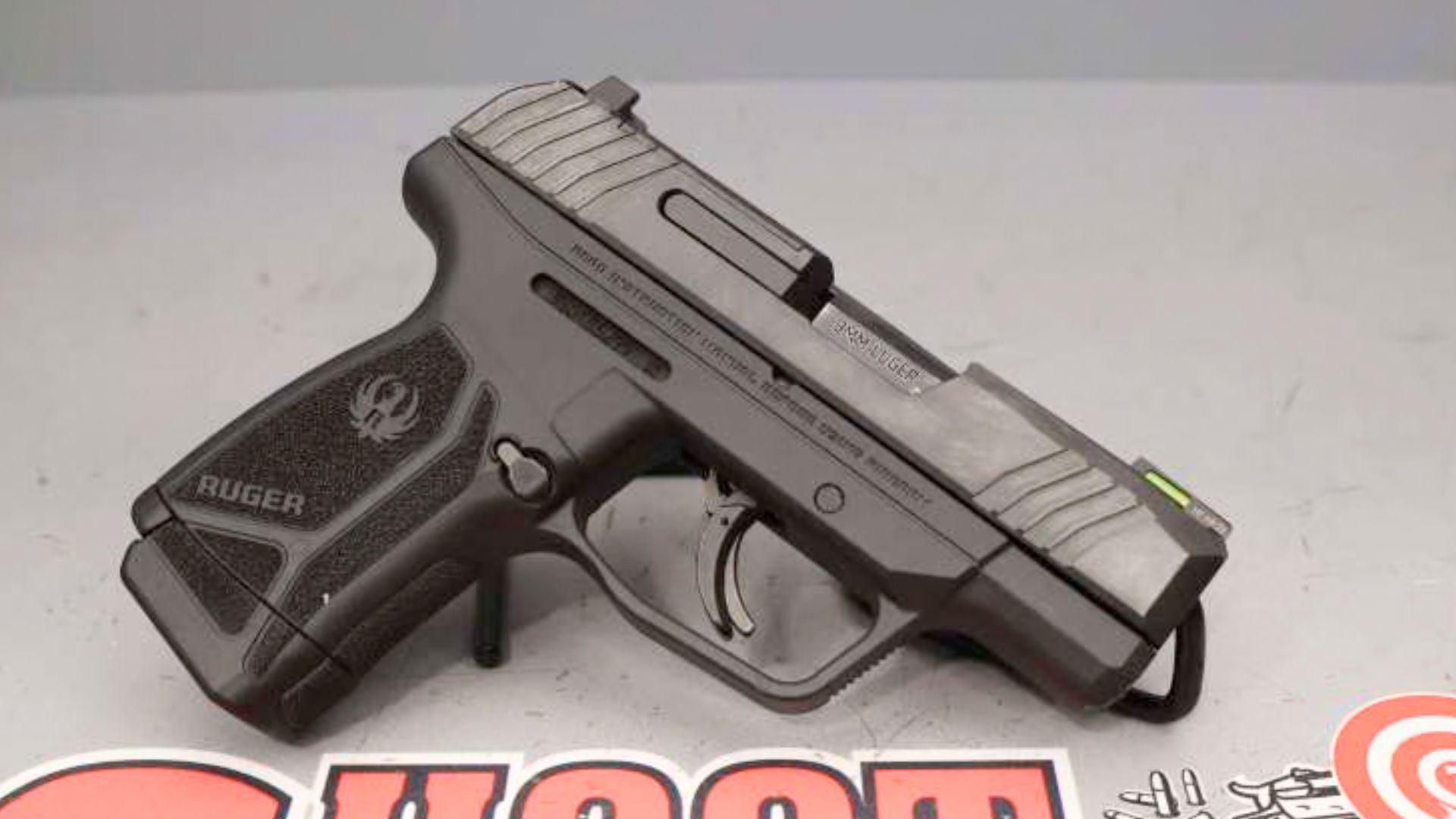
The Max-9 can be a solid budget micro, but it’s another case where internal “performance” parts can make things worse quickly. Small pistols are less forgiving, and if you start altering triggers and springs without a deep understanding of the system, you can introduce light strikes or inconsistent reset.
Budget guns also tend to have less aftermarket that’s truly proven long-term. That’s where people get burned: they install a part because it’s available, not because it’s been vetted. If the Max-9 runs for you stock, keep it stock and put your money into ammo and training.
Taurus G3c
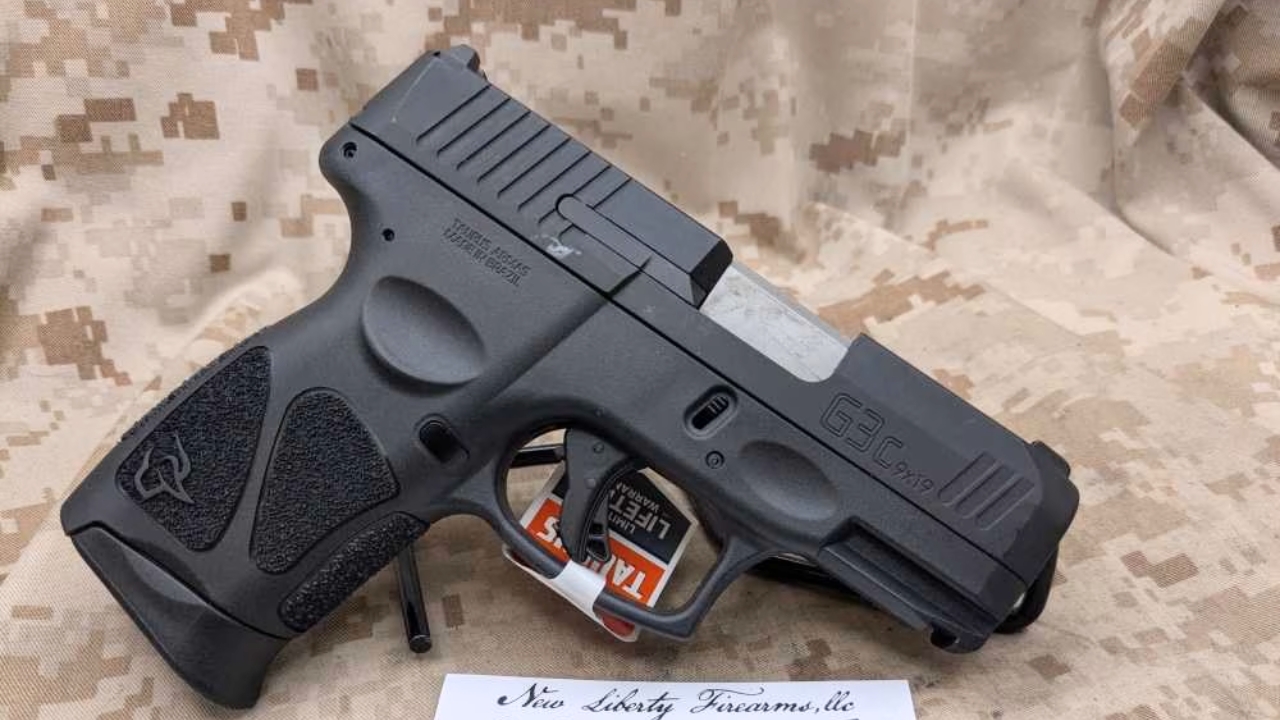
Some G3c pistols run great stock. Some are more variable. Throw aftermarket triggers, springs, and parts into that mix and you can amplify the variance. The gun might feel better, but you can also create new issues that the stock gun didn’t have. That’s especially true with spring changes and striker-related parts.
If you’re upgrading a budget pistol, you need to be brutally honest: are you improving performance or just changing feel? Most “terrible with upgrades” stories happen when people chase a feel change and accidentally change reliability margins. If it’s a carry gun, reliability wins.
Beretta Nano

The Nano is simple and can be reliable, but aftermarket parts—especially barrel-related changes—can introduce fit and cycling quirks if tolerances stack poorly. A gun that fed fine stock can become picky with certain ammo profiles after you alter geometry. Then you’re diagnosing something you never needed to create.
If you keep a Nano, the best upgrade is usually sights/visibility and maybe grip improvements. Internal or geometry changes are where you can end up chasing your tail. Small pistols don’t give you much slack.
Smith & Wesson Shield

Shields are generally solid stock. When people start changing trigger kits and spring weights chasing a lighter pull or shorter reset, they can introduce light strikes, inconsistent reset, or cycling changes—especially in the smaller, snappier variants. A Shield that ran for years can suddenly become “moody” after a trigger job.
You can upgrade a Shield successfully, but it’s not the place for bargain kits or extreme spring changes. If you want better shooting performance, sights and grip work often do more than internal tinkering. If you do internal changes, test like you mean it.
HK VP9

VP9s generally run well stock. The trigger is already decent, and many “upgrades” are chasing marginal gains. When you start altering springs and internal parts, you risk creating reliability issues that didn’t exist. You might gain a slightly different feel and lose the VP9’s boring reliability.
That’s the trap: making a good gun slightly different and accidentally making it less dependable. If you want to improve a VP9, most people are better served by better sights, a dot, and practice. Internal tinkering is often a downgrade in disguise.
Walther PDP

PDPs are excellent shooters stock, but when people start adding comps, lighter recoil springs, and trigger parts all at once, the system can get sensitive. The gun might still run, but you can also get weird cycling behavior with certain ammo or after the gun gets dirty. Timing changes are real, and some “go faster” parts make guns less forgiving.
If you want a PDP to stay a duty-reliable pistol, keep modifications conservative and test hard. If you want a race setup, build it like a race setup and accept maintenance. Problems happen when people try to have both without doing the work to prove it.
Canik TP9 series
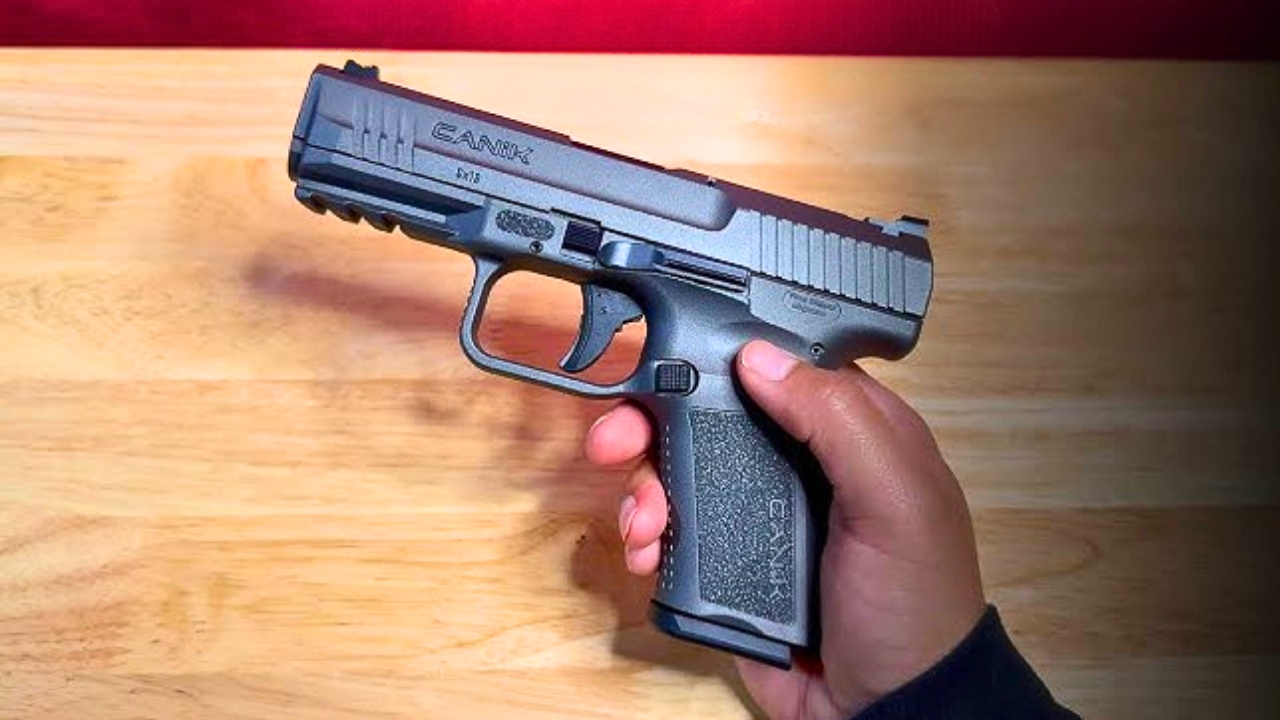
Caniks often have great triggers stock, which makes trigger mods a weird temptation. People want “even better” and then discover they introduced issues they didn’t have before—especially if spring weights change or parts aren’t perfectly fit. A gun that ran 100% becomes sensitive to primers or starts acting inconsistent.
If you’re going to change a Canik, do it for sights, optics readiness, or grip fit—things that actually matter. Chasing a slightly different trigger feel is where people take a perfectly usable pistol and turn it into a troubleshooting project.
Ruger Mark IV

Mark IVs can be extremely reliable, but rimfire is already dirty, and once you start adding suppressors, lightweight parts, or non-standard ammo, reliability can go sideways. People try to “improve” cycling and end up with a gun that runs for 50 rounds and then starts choking because fouling builds differently.
If you want a Mark IV to be boring, keep it close to stock, use decent ammo, and maintain it. Rimfire guns don’t reward endless tinkering. They reward cleaning, consistent ammo, and realistic expectations. The upgrades that matter most are usually optics and ergonomics—not internal timing changes.
Like The Avid Outdoorsman’s content? Be sure to follow us.
Here’s more from us: