Photo credit: LiliumBosniacum/Shutterstock.com
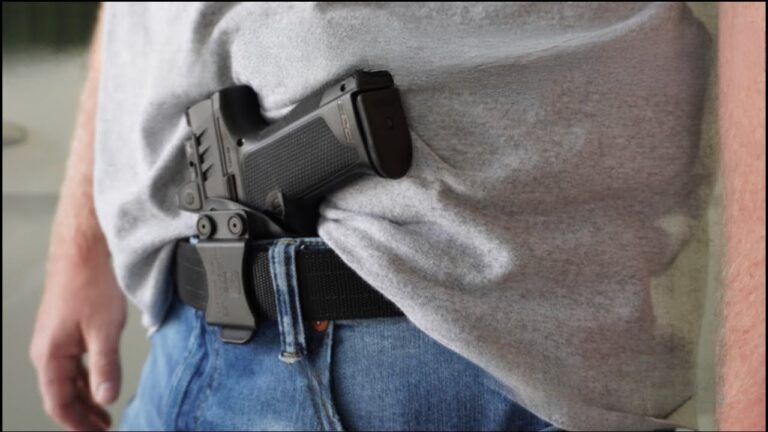
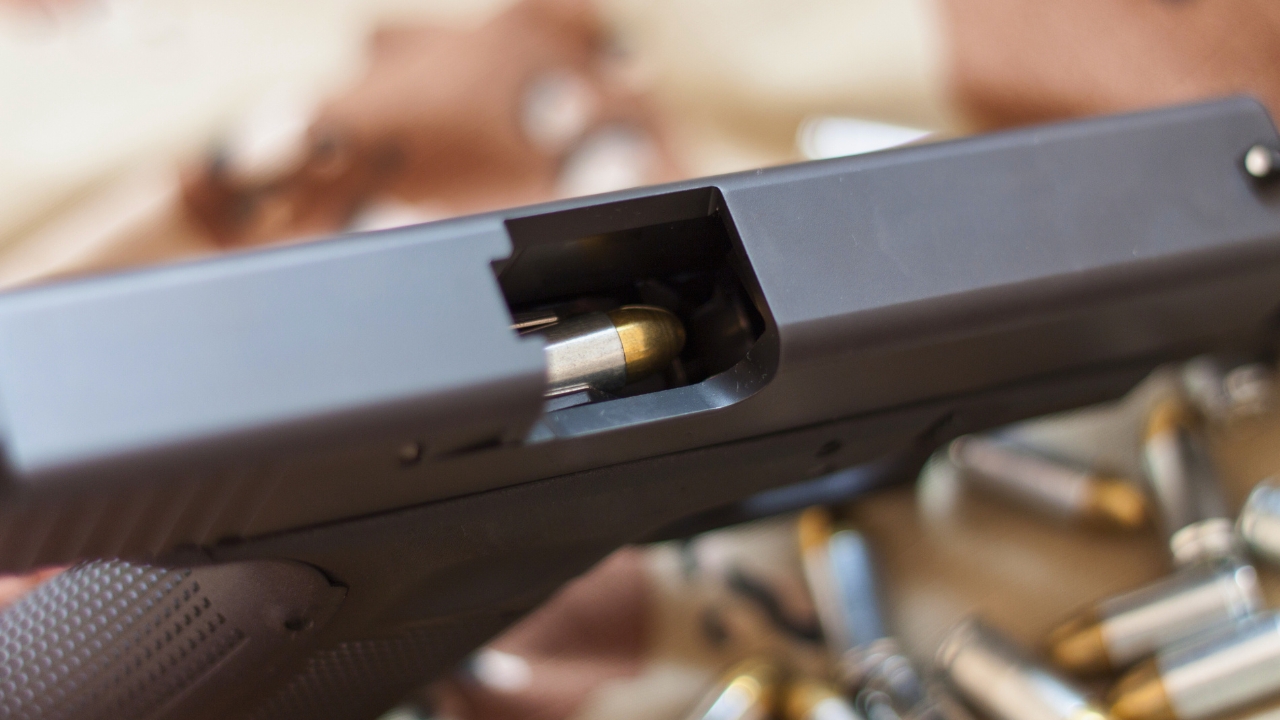
Carrying with a round chambered is one of those decisions that feels bigger than it is—until you make it, and then it changes how you think about every little habit around your gun. The gun itself didn’t get more dangerous overnight. What changed is the tolerance for sloppy handling went to zero. When you carry chambered, you’re accepting the reality that a defensive draw is probably happening inside bad-breath distances, under stress, with one hand potentially occupied, and with time measured in fractions of a second. You’re also accepting that you can’t “make up” safety with extra manipulation, because the moment you need the gun is the moment your hands are least reliable. That’s why so many experienced carriers end up chambered. Not because they want to feel edgy, but because they want a draw that’s as simple and repeatable as possible when their heart rate spikes and their fine motor skills disappear.
The mistakes start when people treat chambered carry like a gear choice instead of a systems change. They’ll chamber a round but keep the same sloppy holster, the same casual reholstering habits, the same “I’ll just adjust it real quick” mindset, and then they’re shocked when they have a close call. Most chambered-carry problems come from handling, not from the gun “going off.” Modern striker and hammer-fired pistols that are in good working order don’t fire themselves in a holster. What causes the scary stories is usually a trigger getting pressed when it shouldn’t—by clothing, by a finger, by a soft holster collapsing, or by someone trying to do too many things at once. If you carry chambered and you want it to stay boring, you need to tighten up the entire loop: holster choice, belt support, safe gun handling, and a reholster process that never gets rushed.
Treating the holster like an accessory instead of life-support equipment
The fastest, most expensive mistake people make when they start carrying chambered is trying to “make do” with a holster that isn’t rigid enough or isn’t designed to fully protect the trigger. A proper concealed-carry holster needs to cover the trigger guard completely and stay open when the gun is drawn, because reholstering into a collapsed holster is where triggers get pressed by accident. Soft nylon, universal fit, or worn-out leather that folds inward can let fabric or the holster material itself press the trigger as you shove the pistol back in, and that’s how negligent discharges happen even with people who swear they “kept their finger off the trigger.” With a chambered gun, you don’t get to treat “good enough” as good enough, because the trigger is the whole game. If something can touch it, eventually something will.
Belt support matters just as much as the holster, and people skip that piece all the time. A floppy belt lets the holster cant unpredictably, which changes your draw stroke and makes you fight the gun on the way out and on the way back in. That fight is where bad habits show up: grabbing the gun too high, trying to reholster while looking away, and forcing the pistol into the holster at a weird angle. Carrying chambered is safest when the holster sits in the same place every time, doesn’t shift, and gives you a consistent mouth to reholster into. If your setup doesn’t do that, your risk isn’t theoretical; it’s built into the gear.
Rushing reholstering and treating it like the draw
Most accidents tied to chambered carry happen during administrative handling, not during the draw. The draw is urgent by nature, but reholstering is never urgent in the real world. When people start carrying chambered, they often keep the same “range-speed” mindset and they try to reholster quickly, sometimes while turning, talking, or still amped up from a drill. That’s how hoodie strings, shirt hems, jacket toggles, and even glove material end up in the trigger guard. When you push the gun down into the holster, the holster doesn’t know the difference between your trigger finger and a bunched-up shirt. Pressure is pressure, and the trigger will move if something presses it. The safe move is slow, deliberate reholstering with your eyes on the holster mouth until the gun is fully seated, because that’s the moment you can still stop the mistake.
The other part of this mistake is trying to “fish” the gun into the holster at a bad angle. If the holster has shifted or the belt is loose, you end up using the gun like a pry bar to open space, and that adds force and weird leverage right where you don’t want it. Chambered carry demands a reholster routine that is boring: clear your cover garment, confirm the path is clean, keep the trigger finger high and indexed, and guide the gun straight in without forcing it. If anything feels wrong, you stop, reset, and try again. This is one of those areas where pride costs blood.
Adjusting the gun in the waistband instead of adjusting the holster
When someone is new to chambered carry, they often get uncomfortable—pressure points, printing anxiety, the gun poking when they sit—and they start “adjusting” the firearm itself. That’s a bad habit even with an empty chamber, but with a chambered pistol it’s a recipe for putting fingers where they don’t belong. If you’re grabbing the grip, pushing the slide, or tugging the gun around inside the waistband, you’re doing gun handling without meaning to, and you’re doing it in a place where clothing, skin, and angles are all working against you. The correct move is to adjust the holster and belt system, not the firearm. A good holster has enough retention that the gun stays put, and the belt holds the rig in a stable position so you aren’t constantly fidgeting with it.
This mistake also shows up when people remove the gun frequently throughout the day—getting in the truck, going into a no-carry location, coming back out—and they do it casually. Every time you handle a chambered pistol, you’re adding opportunities for a trigger press, especially if you’re doing it around clutter, seat belts, steering wheels, or bags. If your daily routine forces frequent on-and-off, you need a method that minimizes handling and keeps the gun in the holster as much as possible. Holster on, holster off is safer than gun in, gun out. The gun should live in the holster, and your hands should stay off it unless there’s a real reason.
Letting “trigger feel” turn into “trigger problems”
A lot of people decide to carry chambered and then immediately start chasing trigger modifications because they want “peace of mind.” That sounds logical until you understand what usually happens: they install a lighter trigger, reduce sear engagement, change springs, or stack aftermarket parts without understanding how tolerance stacking affects safe function. A good carry trigger is predictable and controllable, but it also needs adequate margin against unintended movement from bumps, drops, or partial obstructions. When you start messing with striker springs, trigger return springs, and engagement surfaces, you can create conditions where the gun becomes more sensitive to debris, wear, and out-of-spec parts. You can also create a trigger that feels great on the bench but is easier to press unintentionally during a sloppy reholster, which is exactly what you’re trying to prevent.
This doesn’t mean every aftermarket trigger is unsafe, but chambered carry is not the time to experiment blindly. If you want to carry chambered confidently, keep the gun mechanically boring and proven. Prioritize reliability, consistent ignition, and a trigger that you can manage under stress without being so light that it punishes small mistakes. The safety mechanism you rely on most is not a gadget; it’s the fact that the trigger is protected by the holster and your finger stays out of the guard. If you’re trying to buy safety with modifications, it’s usually because the underlying system—holster, handling, routine—has holes in it.
Practicing the draw wrong and building bad habits under speed
When people start carrying chambered, they often think they need to “prove” they can do it, so they chase speed too early. The problem is that speed magnifies flaws in your draw stroke, especially around trigger discipline. The most common error is the finger entering the trigger guard early—during the presentation, during the join of the support hand, or as the gun is still angled close to the body. Under stress, that early finger placement turns into a sympathetic clench, and you get a loud mistake that can’t be taken back. Another common error is sweeping the cover garment aggressively and then trying to recover from it mid-draw, which causes the muzzle to angle unpredictably as you fight cloth and posture.
If you want chambered carry to stay safe, you train the draw in layers. Start with slow, perfect reps: clear garment, establish a full firing grip while the gun is still holstered, draw straight up, rotate to the target, join hands, then bring the sights to your eye line. Your finger stays high on the frame until you’re on target and you’ve decided to shoot. That decision point matters because it separates “I’m moving a gun” from “I’m pressing a trigger.” The guys who do this for years without drama aren’t lucky; they’re consistent. They built a draw that doesn’t require hero-level fine motor control.
Getting complacent about admin handling and “unloading rituals”
There’s a weird phase some people go through after they start carrying chambered where they handle the gun more, not less. They check it constantly, unload it at night, chamber it in the morning, and do press checks like it’s a nervous tic. That creates a ton of extra administrative handling, and admin handling is where negligent discharges live. Every chambering cycle is also a wear cycle on the top round, which can set back bullets over time in some loads, and repeated chambering can mark primers or deform case rims. Beyond the mechanical issues, it’s simply extra opportunities to press the trigger unintentionally, especially if someone gets casual about muzzle direction in the bedroom or starts doing it while distracted.
The safer approach is to reduce handling and standardize your routine. If your lifestyle and local rules allow it, the clean method is to keep the gun holstered and leave it holstered when you take it off at the end of the day. If you must remove it, remove the whole holster. If you must unload, do it the same way every time, in the same safe direction, with a deliberate process that includes visually and physically confirming the chamber and magazine well. Chambered carry is compatible with safety, but only when you stop treating the gun like a thing you need to constantly touch.
Misunderstanding what “safe” actually means with a chambered pistol
The last big mistake is psychological: people confuse “I feel safer” with “I am safer.” Some folks carry chambered but still don’t trust their system, so they avoid training, avoid dry practice, and avoid addressing the actual weak points, which are almost always in gear and handling. Others go the opposite direction and get overconfident, assuming that carrying chambered makes them “more prepared” even if their draw is sloppy and their discipline is inconsistent. Real safety is not a feeling; it’s a set of conditions that are hard for mistakes to break. The gun is in a holster that guards the trigger, the belt keeps the holster stable, the carrier doesn’t touch the gun unnecessarily, and the draw and reholster routines are deliberate and repeatable.
If you start carrying chambered and you want it to stay boring, focus on what actually prevents a discharge: trigger protection, finger discipline, and eliminating rushed reholsters. Pick a holster that doesn’t collapse, run a belt that keeps the rig stable, and make your handling routines so consistent they feel almost dull. Then practice the draw slowly until it’s clean, and only then add speed. When you do it that way, chambered carry stops being a scary threshold and becomes what it should be: a practical choice that works when the moment is ugly and your hands aren’t at their best.
Like The Avid Outdoorsman’s content? Subscribe to our newsletter so you never miss an article.
Here’s more from us: