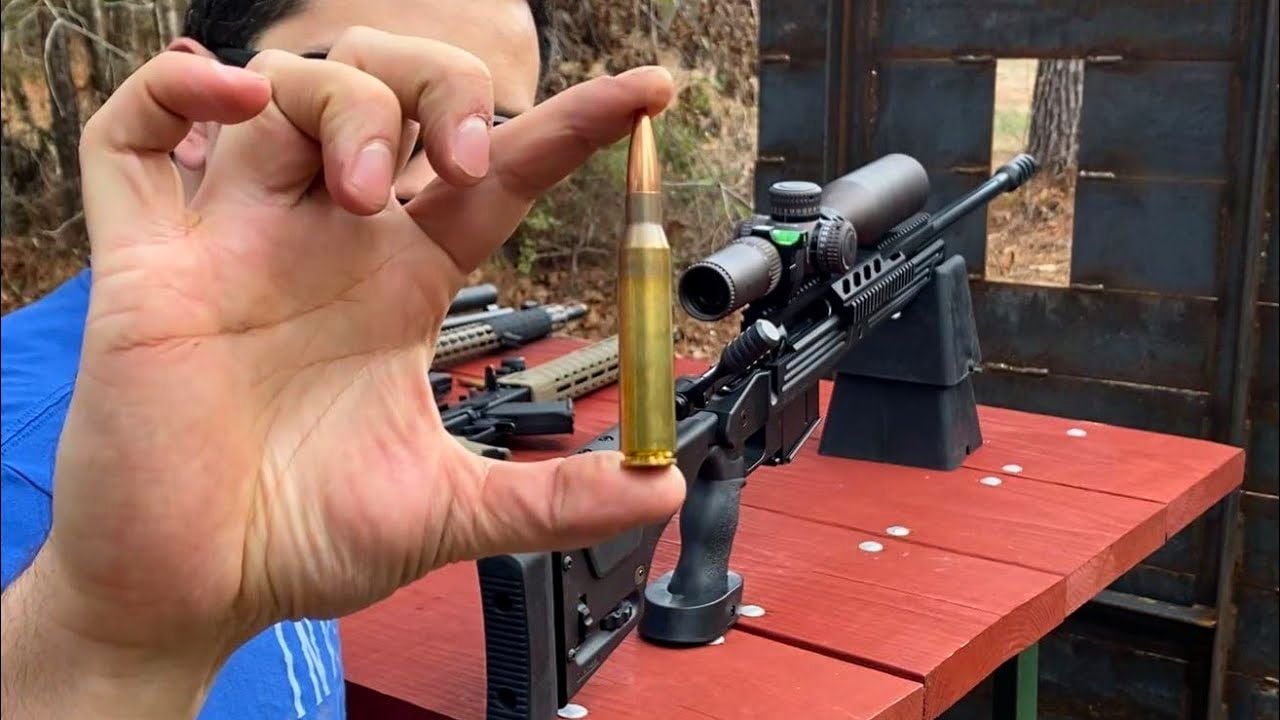
Photo credit: Banana Ballistics/YouTube
Some calibers hit hard on both ends of the rifle, but not where it matters most. They make a big show, rattle your teeth, and leave you feeling like you’ve tamed a beast—yet the results downrange don’t always back up the punishment. Overbore designs, inefficient case capacity, and heavy charges of powder all add up to recoil that doesn’t translate into better performance. You don’t get flatter shooting or cleaner kills—just a sore shoulder and bruised pride. Every experienced shooter has met one of these cartridges, and once is usually enough.
These are the calibers that recoil harder than they perform.
.300 Winchester Magnum

The .300 Win Mag carries a big reputation, but it’s more bark than bite for most hunters. Its velocity advantage over .30-06 looks great on paper, yet in the field, the difference is minor. You’ll get a bruised shoulder and flinching before you ever see a measurable gain in performance.
It’s loud, kicks hard, and burns through barrels faster than most realize. Unless you’re shooting past 500 yards, you’re punishing yourself for no real reason. Modern bullet designs have made milder rounds like the .308 and .30-06 every bit as deadly within normal hunting distances.
.338 Winchester Magnum

There’s no denying the .338 Win Mag has muscle, but unless you’re chasing moose or brown bear, it’s overkill. It pushes a heavy bullet with a recoil impulse that stops most shooters after a few rounds.
While it hits hard, it doesn’t necessarily kill cleaner or quicker on deer or elk than milder .30-caliber rounds. Most hunters can’t shoot it as accurately because of the kick, which cancels any ballistic advantage it might have. It’s power for the sake of power, not practical performance.
.45-70 Government (hot loads)
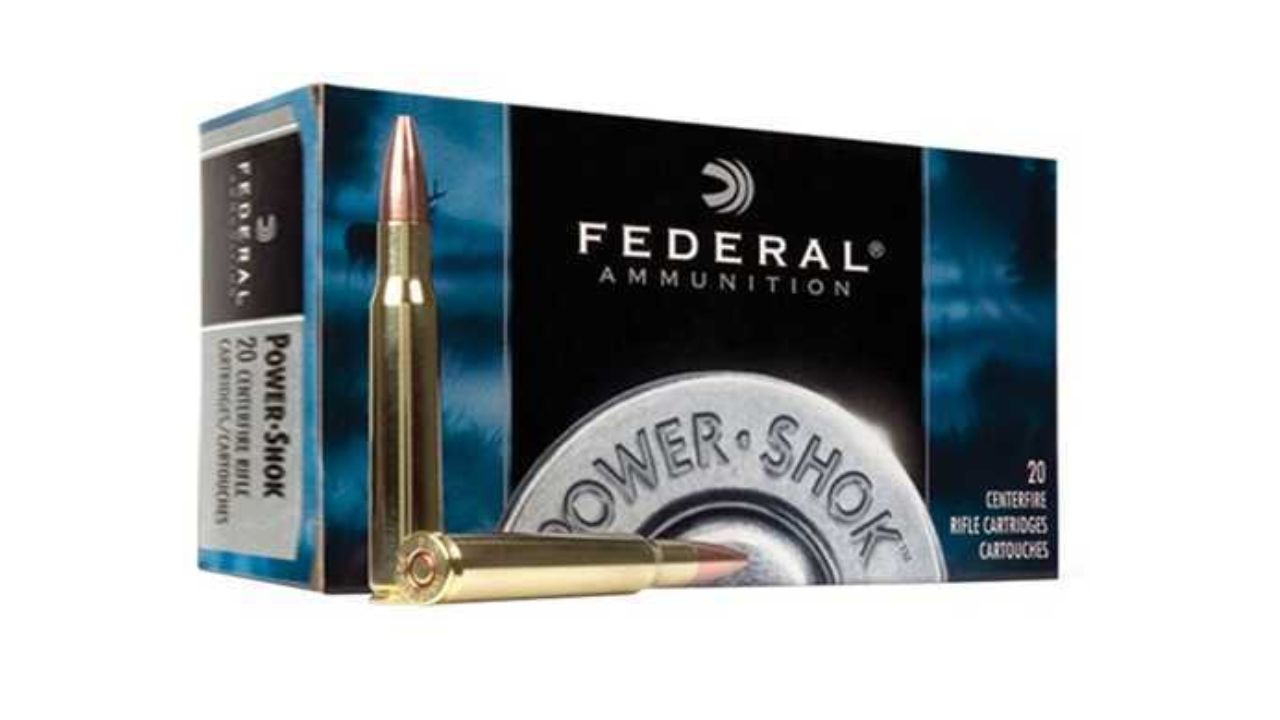
The .45-70 in modern lever guns can be a monster when loaded to full pressure. Some shooters treat it like a sledgehammer round, but recoil quickly humbles that idea.
Heavy bullets and stout charges deliver plenty of punch, but the trajectory drops fast. Unless you’re within 150 yards, you’re lobbing lead like artillery. It’s devastating up close, sure—but that doesn’t mean it’s efficient. Most of the recoil energy is wasted in blast and barrel rise instead of extended range or cleaner impact.
.375 H&H Magnum
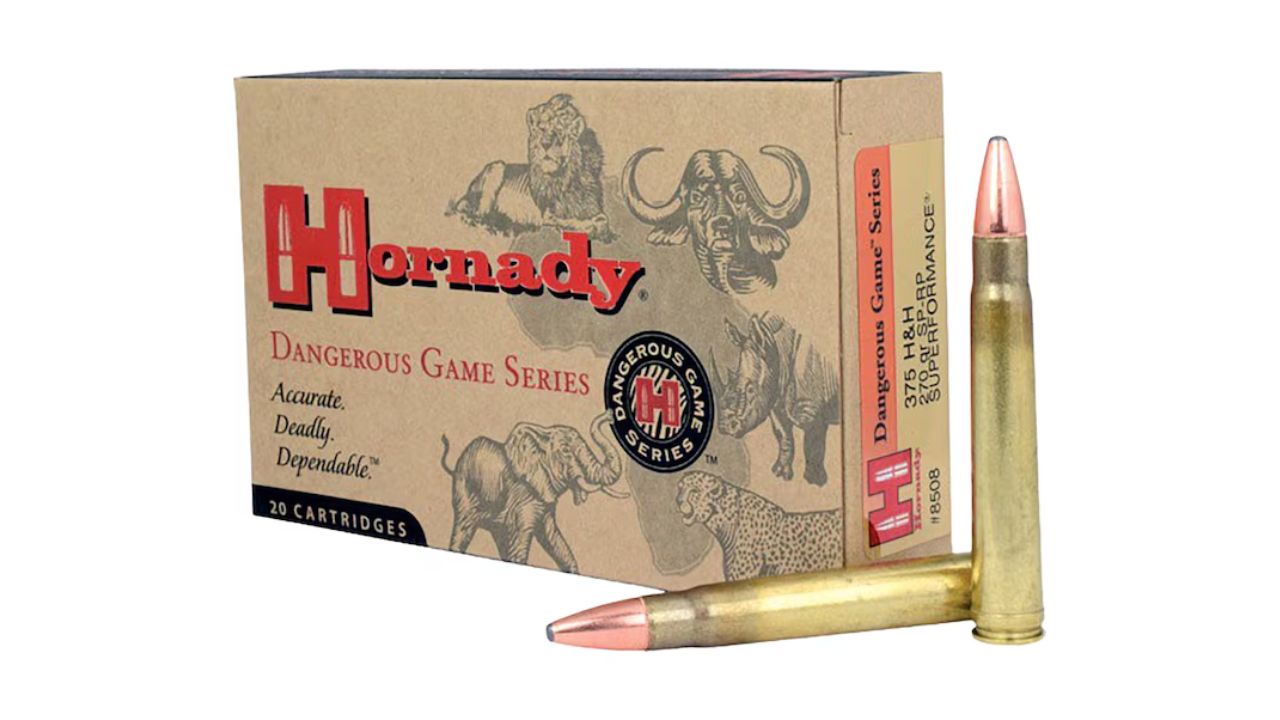
The .375 H&H earned its legend on African game, but it’s far more than most North American hunters need. Its recoil is sharp and relentless, especially from lighter rifles.
For elk, moose, or bear, it works fine—but so do plenty of softer-shooting calibers that won’t make you flinch. Few shooters ever use its full potential, and the tradeoff in control and comfort just isn’t worth it unless you’re facing something with claws. It’s a great cartridge for the right use—but a punishing one for the wrong hunt.
.338 Lapua Magnum
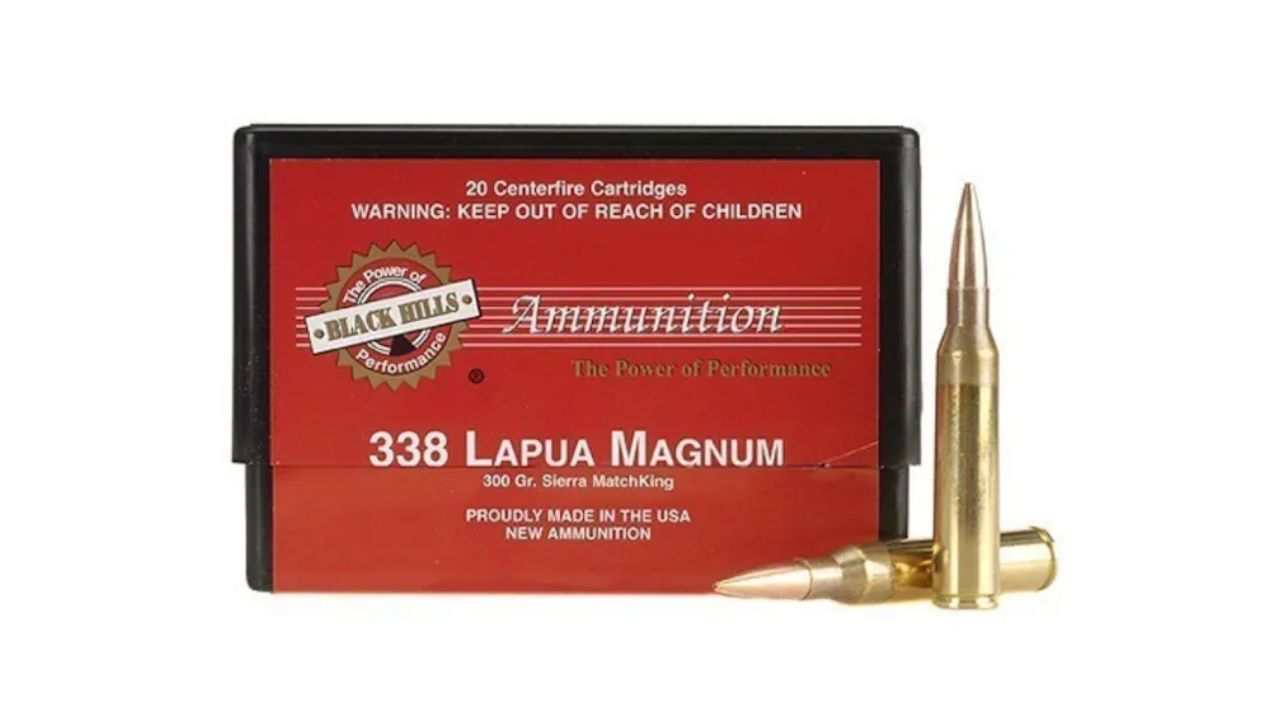
The .338 Lapua was made for military snipers, not deer blinds. Its recoil, muzzle blast, and ammunition cost are all extreme. On paper, it’s a 1,000-yard hammer, but in hunting terms, it’s too much gun for almost anything you’ll encounter.
Even seasoned shooters find it tiring to shoot more than a handful of rounds. Its benefits only show up at extreme distances, where few hunters have business taking shots anyway. It’s impressive hardware that rarely gets to show its worth.
.458 Winchester Magnum

When the .458 Win Mag arrived, it promised African stopping power in a shorter case. In reality, it delivers punishing recoil with diminishing returns. The velocity is modest, the trajectory steep, and the energy advantage mostly wasted on anything smaller than buffalo.
Even guides who’ve carried it for decades admit it’s not enjoyable to shoot. Unless your quarry can bite back, there’s no reason to endure that much kick for performance you can match with far milder cartridges.
.300 Remington Ultra Magnum
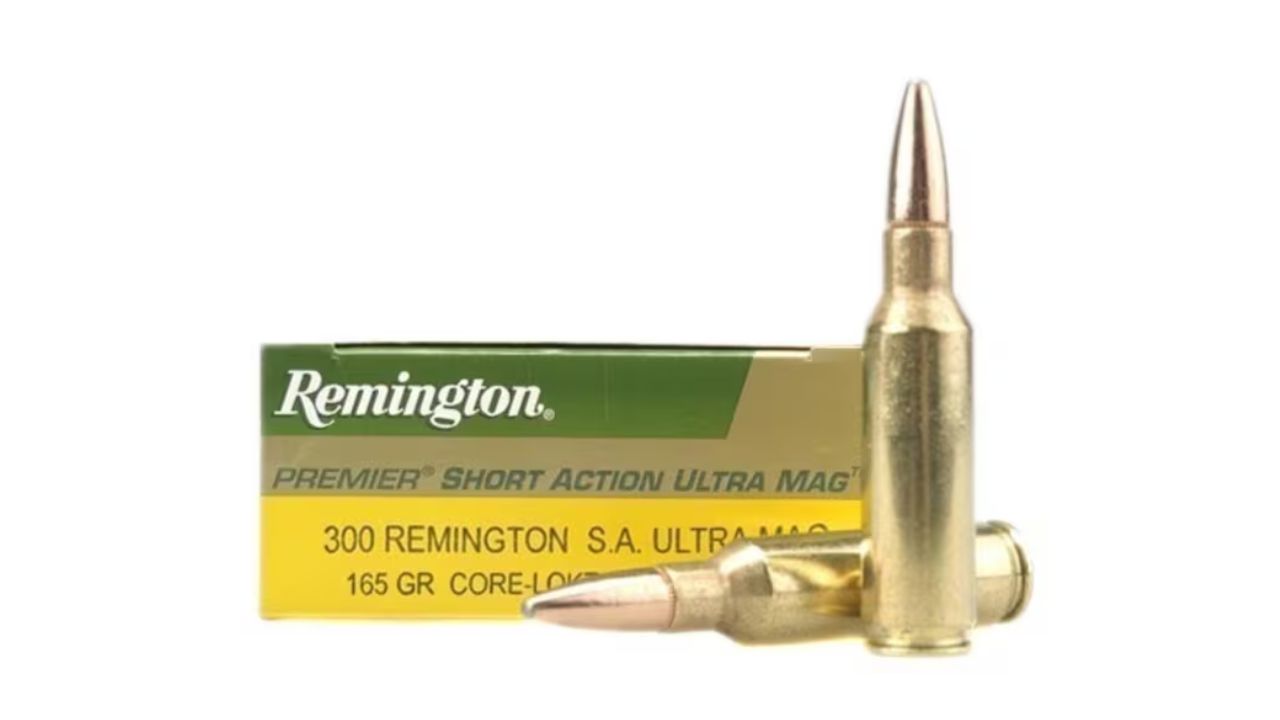
The .300 RUM is the definition of diminishing returns. It burns mountains of powder to squeeze out a bit more velocity than the .300 Win Mag, yet it adds brutal recoil and shorter barrel life.
You’ll notice the blast and kick long before you see tighter groups or cleaner kills. It’s a cartridge that asks a lot from both shooter and rifle, and most of the gain ends up on the shoulder instead of the target. It’s raw power with no real payoff for the average hunter.
.450 Marlin
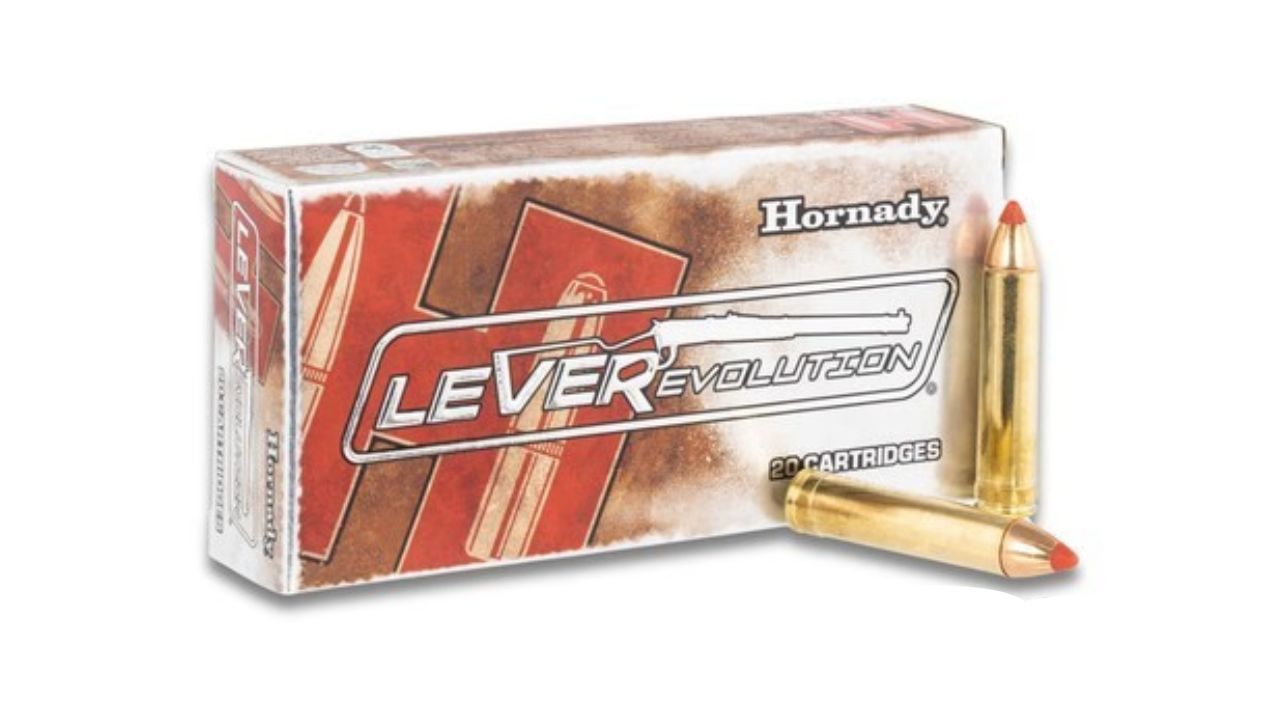
The .450 Marlin was meant to modernize the .45-70, and in doing so, it became a shoulder-pounding handful. It duplicates heavy .45-70 loads but adds more recoil and muzzle rise without any real ballistic improvement.
It’s an interesting piece of engineering that few shooters enjoy firing repeatedly. For big bear defense, it’s passable. For hunting or range work, it’s punishment that doesn’t buy you much. Most who try it once end up going back to tamer, equally effective rounds.
.416 Rigby

The .416 Rigby is a legend among dangerous-game hunters, but for most shooters, it’s far too much gun. The recoil is fierce enough to make fast follow-ups nearly impossible, and the ammunition cost keeps practice out of reach.
It drives a heavy bullet that performs beautifully—on elephants. On anything smaller, that energy is wasted. It’s one of those cartridges that commands respect, but unless you’re in Africa, it’s like driving a bulldozer to pick apples.
.300 Weatherby Magnum
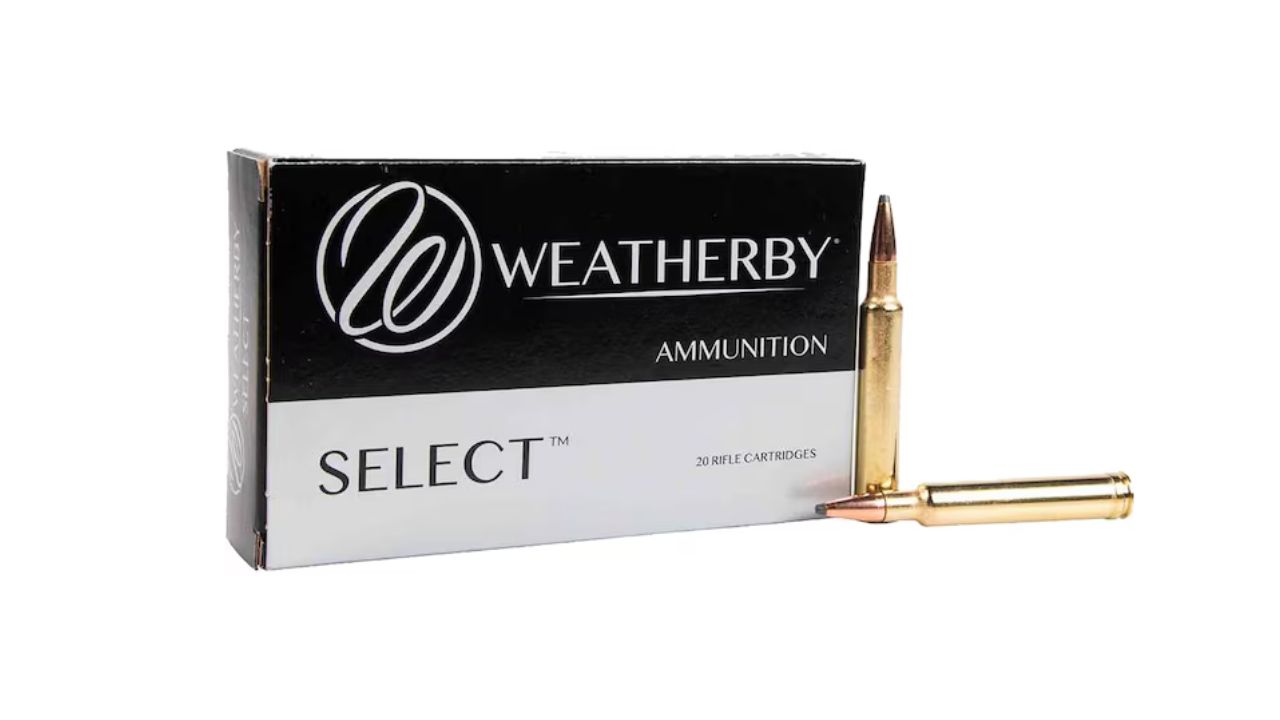
Roy Weatherby’s .300 is a flat-shooting classic that kicks like a mule. Its sharp recoil and loud report make it tough to shoot well, and any slight flinch ruins accuracy.
Yes, it’s fast, but modern .30-caliber cartridges have caught up. The gains in trajectory aren’t enough to justify the punishment. It was cutting-edge once, but with today’s bullets, you can match its performance without losing fillings. It’s more nostalgia than necessity now.
.458 Lott
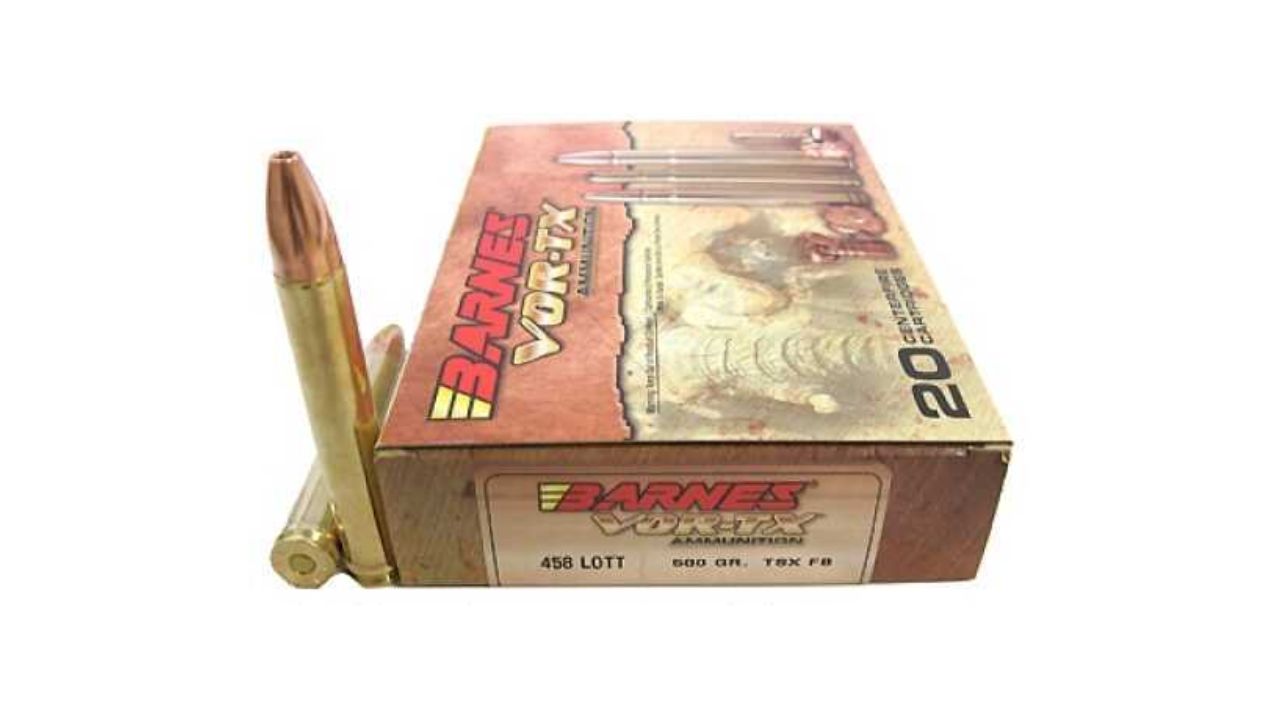
The .458 Lott is a true powerhouse meant for stopping dangerous game—but it’s overkill for everything else. It sends a 500-grain bullet with bone-crushing energy, and that recoil comes back tenfold.
It’s one of the most punishing shoulder experiences you’ll ever have in a hunting rifle. Unless your quarry can kill you back, you’ll never need that level of recoil. It’s a perfect example of a cartridge that performs well on paper but beats the shooter harder than the target.
.338 Remington Ultra Magnum
The .338 RUM is the over-caffeinated cousin of the .338 Win Mag. It burns even more powder for marginal speed gains and adds an unbearable kick in the process.
The recoil is so severe that most shooters can’t take advantage of its theoretical accuracy. Barrel life suffers, and the reward for all that pain is a few extra feet per second that no animal will ever notice. It’s a cartridge that solves no problem other than “what hits hardest.”
.300 Weatherby Ultra Wildcat Loads
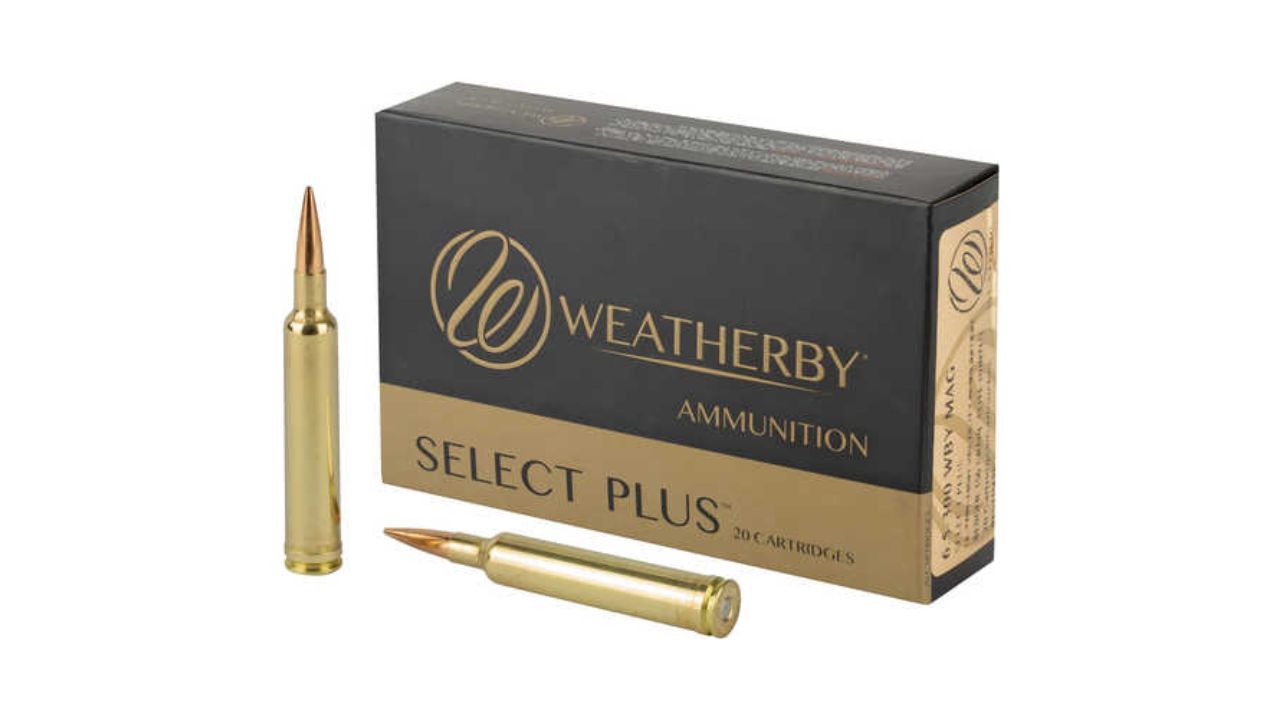
Wildcatters pushed the Weatherby concept even farther with overbore variants that produce insane recoil and heat. These cartridges promise extreme speed but destroy barrels and shooters alike.
They’re fun for bragging rights and bench-rest experiments, not for practical use. The kick alone turns accuracy into a guessing game. It’s proof that speed for its own sake can make a rifle miserable to shoot and barely more effective in the field.
.50 BMG (in hunting rifles)
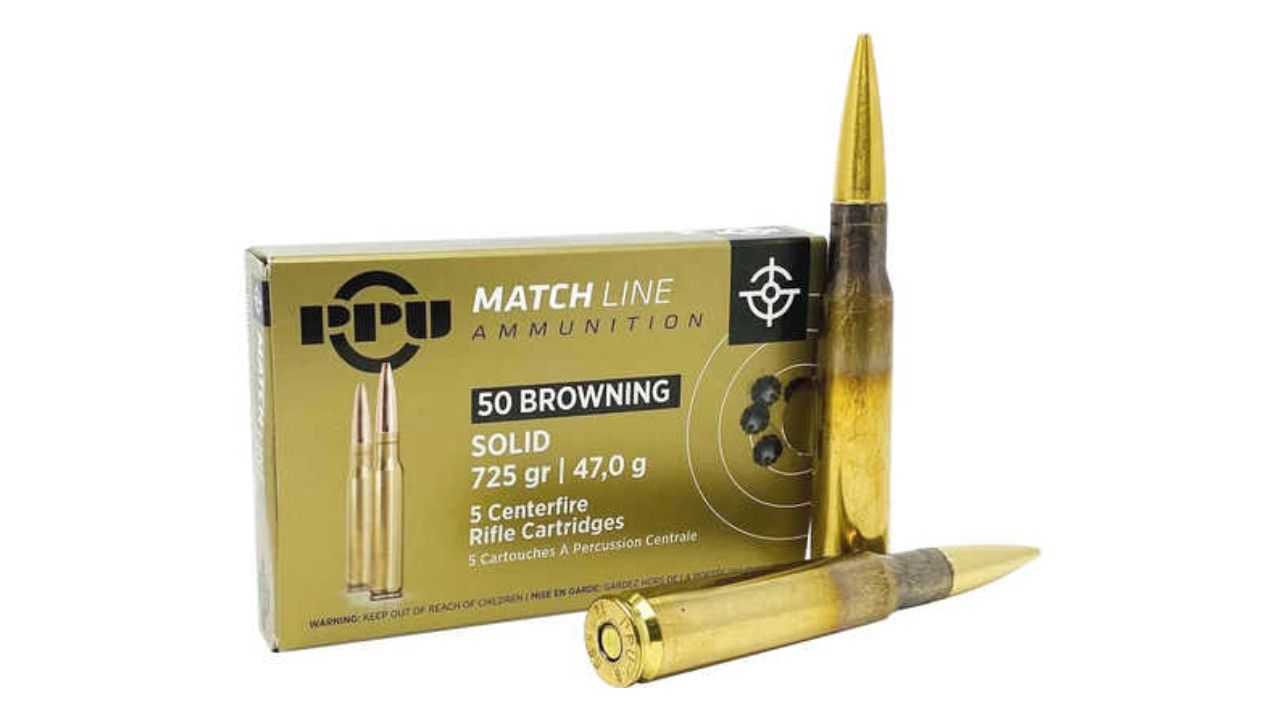
The .50 BMG was built for machine guns and long-range military work, not field hunting. In bolt-action rifles, the recoil is staggering. Even with brakes and weight, it’s punishing.
While it delivers jaw-dropping energy, that power has no place in typical game hunting. It’s heavy, loud, and impractical. The .50 makes sense on a tripod or bench, but from the shoulder, it’s pure overkill—an exercise in endurance rather than performance.
Like The Avid Outdoorsman’s content? Be sure to follow us.
Here’s more from us:
The worst deer rifles money can buy
Sidearms That Belong in the Safe — Not Your Belt
*This article was developed with AI-powered tools and has been carefully reviewed by our editors.