Photo credit: G Squared Tactical/YouTube
Some guns create a weird kind of ownership pattern. People buy them, post them, talk them up, and make it sound like they landed something special. For a while, they seem thrilled. Then you notice the gun stops coming to the range. It stays clean, sits in the safe, and only gets brought out when somebody is over or when the owner wants to remind everyone they still have it. That usually tells you something the sales pitch did not.
A lot of these guns are not totally bad. That is what makes the whole thing more interesting. They usually have one or two qualities that make people feel good about buying them. Maybe it is the name, the styling, the history, or the idea behind the platform. But once regular range time enters the picture, the downsides start weighing more than the pride of ownership. Here are 15 models people love to claim and quietly stop shooting.
Desert Eagle Mark XIX

The Desert Eagle is probably the clearest example of this whole category. People love owning one because it is iconic, huge, and impossible to ignore. It feels like a statement piece, and for a while that is enough. It gets shown off, photographed, and talked about like the owner bought the final boss of handguns.
Then range reality settles in. It is heavy, expensive to feed, and not the kind of pistol most people actually want to spend an afternoon shooting. The novelty fades faster than the reputation does. That is why so many Desert Eagles stay admired but underused. People stay proud of owning them long after they stop being enthusiastic about taking them out.
Taurus Judge

The Judge makes owners feel like they bought something versatile and hard-hitting. It sounds impressive in conversation, looks different from a normal revolver, and carries a kind of oversized swagger that gets attention from people who do not know much and from people who do. That initial pride is a big part of why it sells so well.
But it often stops seeing regular range time because the shooting experience rarely matches the excitement of the concept. It is bulky, awkward, and more compromise than capability once you really work with it. A lot of owners still like saying they have one. They just do not seem all that interested in proving it every month at the range.
Bond Arms Snake Slayer
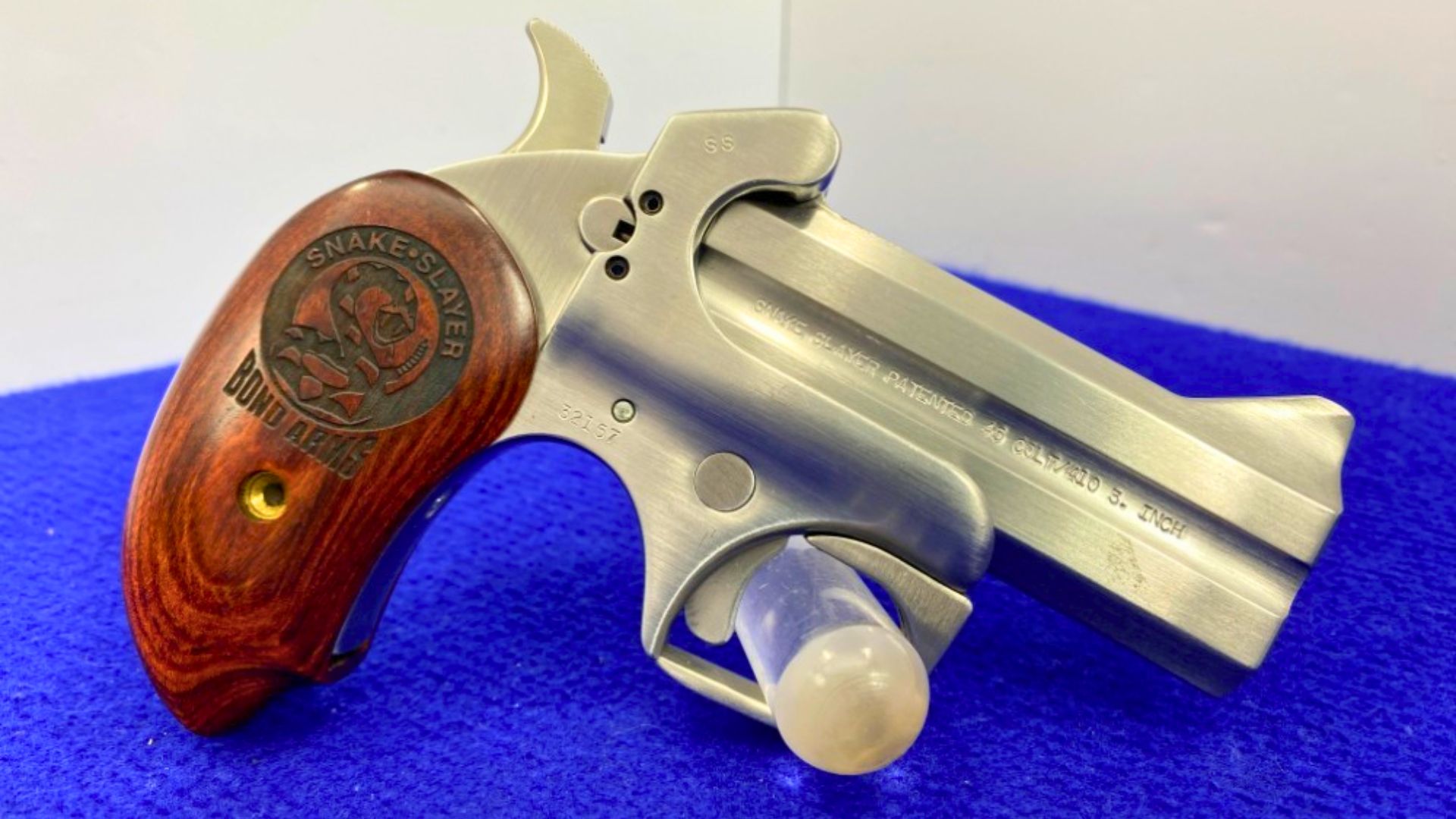
The Snake Slayer looks like a tiny steel powerhouse, and that visual does a lot of the selling. Owners like the heft, the finish, and the sense that they bought something rugged and unusual. It is the kind of gun people enjoy handing to somebody else just to watch the reaction.
Then the actual shooting reminds them how narrow the appeal is. Recoil is stout, the grip is limited, and the fun usually wears off quickly after a few rounds. These derringers often end up becoming “look what I own” guns instead of “let’s go shoot it again” guns. The pride stays. The range trips usually do not.
Chiappa Rhino 60DS
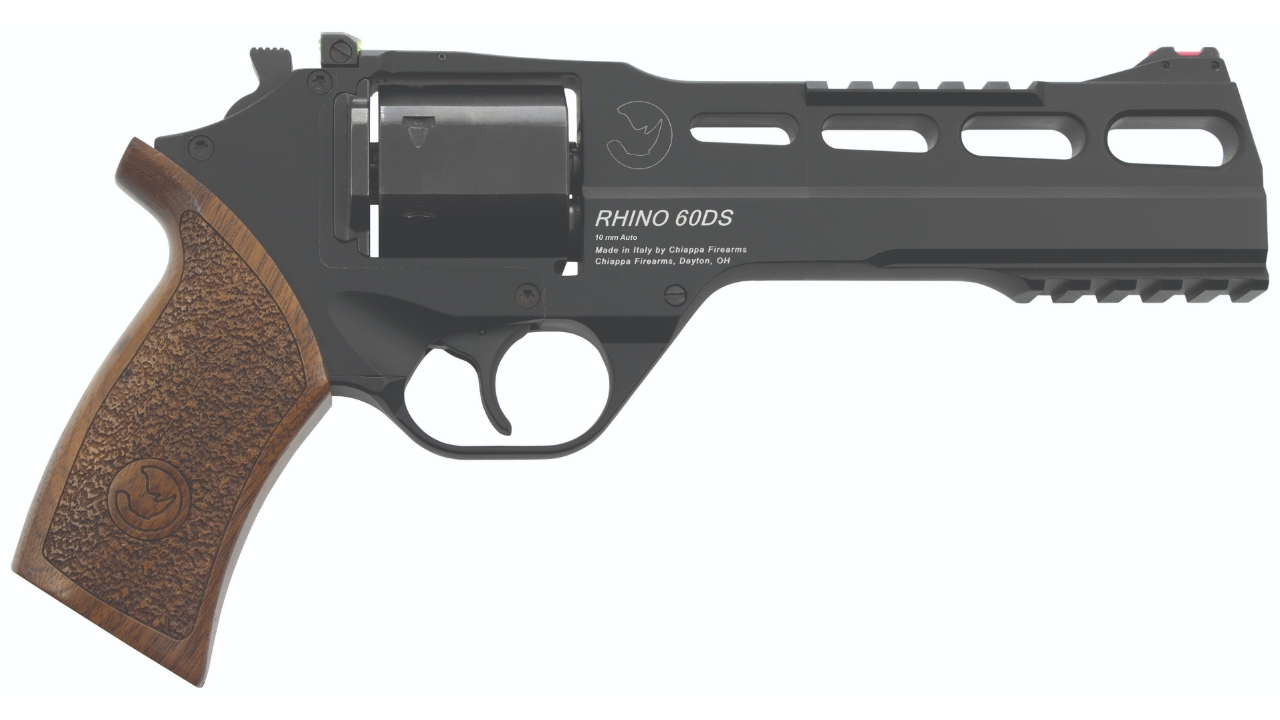
The Rhino gives owners the feeling they bought the smart revolver. It looks futuristic, has a whole engineering story behind it, and stands apart from ordinary wheelguns in a way that makes people feel like they went beyond the obvious choice. That kind of purchase tends to come with a lot of enthusiasm early on.
But for plenty of people, the long-term shooting relationship never fully develops. The controls, trigger feel, and general handling are different enough that some owners never really bond with it the way they expected. They still respect the design and proudly mention owning one. They just end up shooting their more conventional revolvers a lot more often.
AMT Hardballer
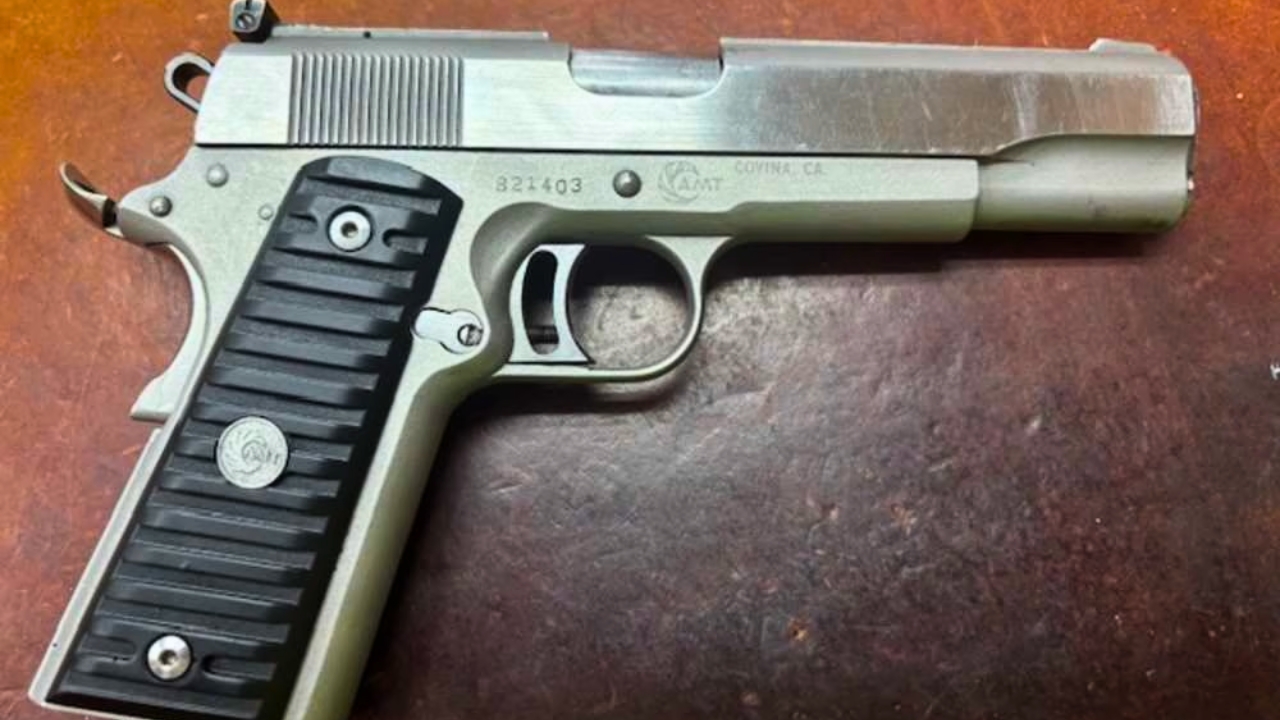
The Hardballer has that stainless 1911 look that makes people feel like they bought something tough, classic, and a little different. It photographs well, sounds cool when mentioned, and carries enough recognizable style to make owners feel like they scored an overlooked piece of old-school appeal.
The problem is that range affection does not always last. Rough edges in fit, feel, and function have been enough to cool a lot of owners off over the years. The pistol often lives on as an idea more than a favorite shooter. People like owning one because it seems interesting and distinctive. That does not mean they keep enjoying what happens when they actually fire it.
KelTec KSG

The KSG gives owners bragging rights almost immediately. Bullpup design, big capacity, and a compact profile make it look like a smarter, more advanced shotgun than the usual pump guns leaning on the rack. That visual alone makes it easy for people to feel good about the purchase.
Then range time starts exposing the tradeoffs. It can be unpleasant to shoot for extended sessions, takes more adaptation than some owners expected, and often ends up being more fun to explain than to run. A lot of KSG owners stay proud of the concept and the attention it gets. Quietly, many seem to prefer shooting more conventional shotguns instead.
Magnum Research BFR
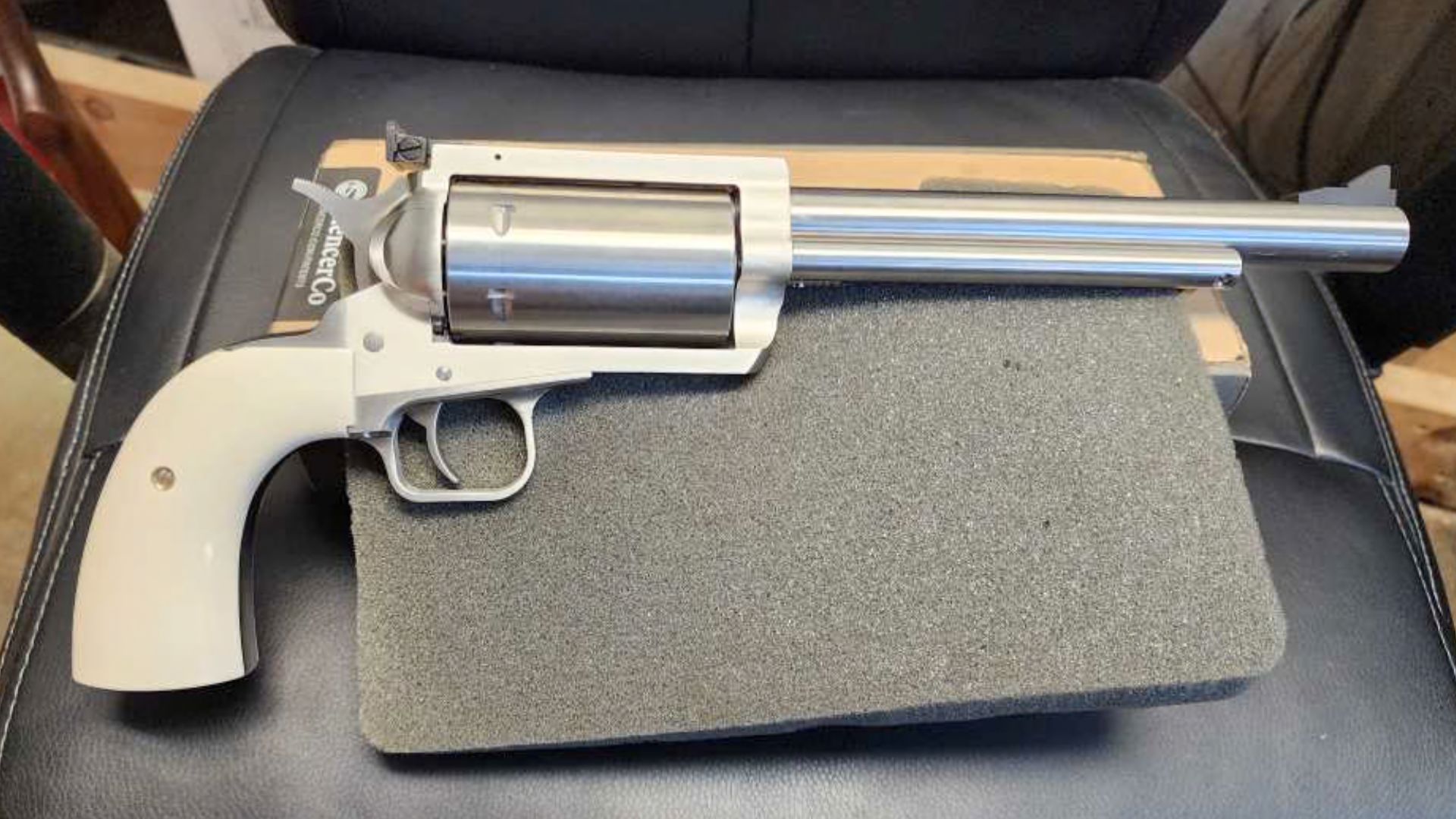
The BFR makes owners feel like they bought serious power. It is huge, chambered in real thumper cartridges, and impossible to confuse with an ordinary revolver. Owning one carries the kind of statement-piece energy that some buyers really enjoy, especially when other shooters notice it right away.
But size and power can become tiring in a hurry. The recoil, bulk, and general effort involved in shooting one regularly make it easy for the BFR to become a safe queen with a strong reputation. Owners often keep loving the fact that they own it. That is not the same as loving repeated range sessions with it once the first wave of excitement passes.
Coonan Classic .357
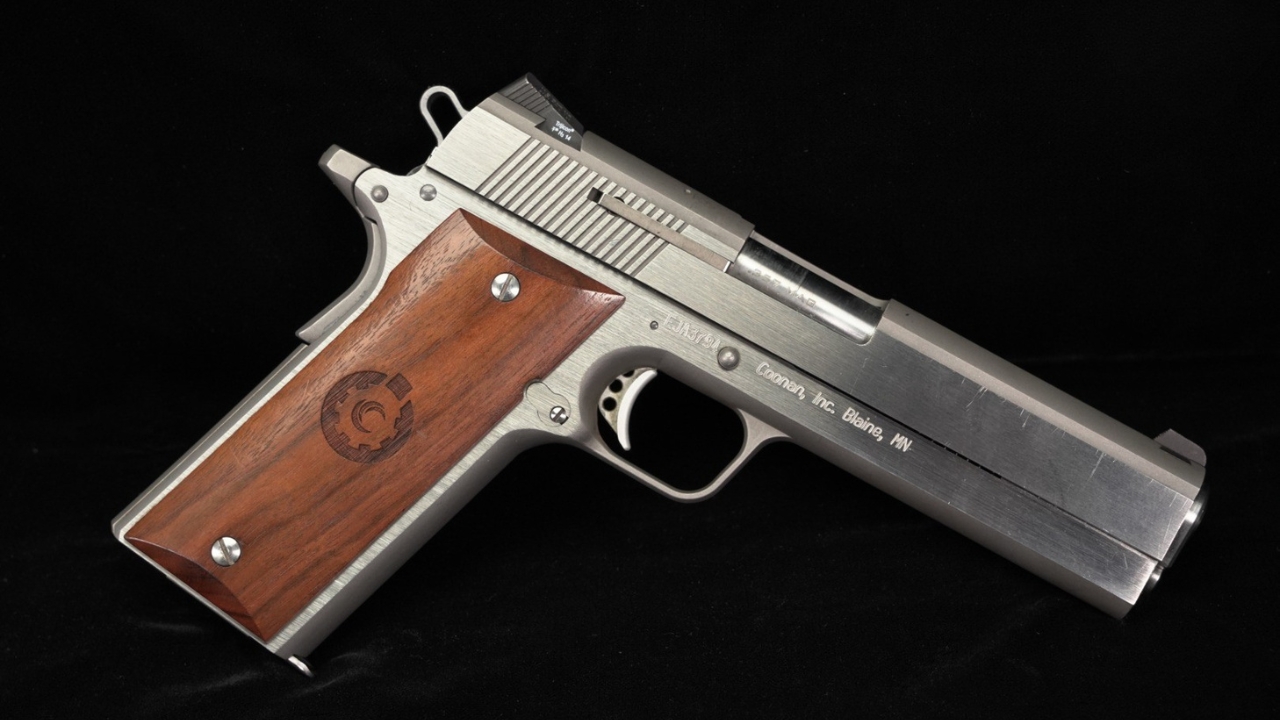
The Coonan makes people feel like they own something only real gun people would appreciate. A 1911-style pistol chambered in .357 Magnum sounds special, unusual, and smart in a way that attracts buyers who want something beyond the standard choices. There is real pride attached to that kind of ownership.
But specialized guns often drift out of the rotation faster than owners expect. Support is limited compared to mainstream pistols, shooting one can feel more like managing a concept than enjoying a favorite sidearm, and the novelty tends to carry more weight than the long-term utility. A lot of owners still talk about the Coonan with pride. They just do not shoot it nearly as much as that pride would suggest.
Auto-Ordnance Thompson semiauto
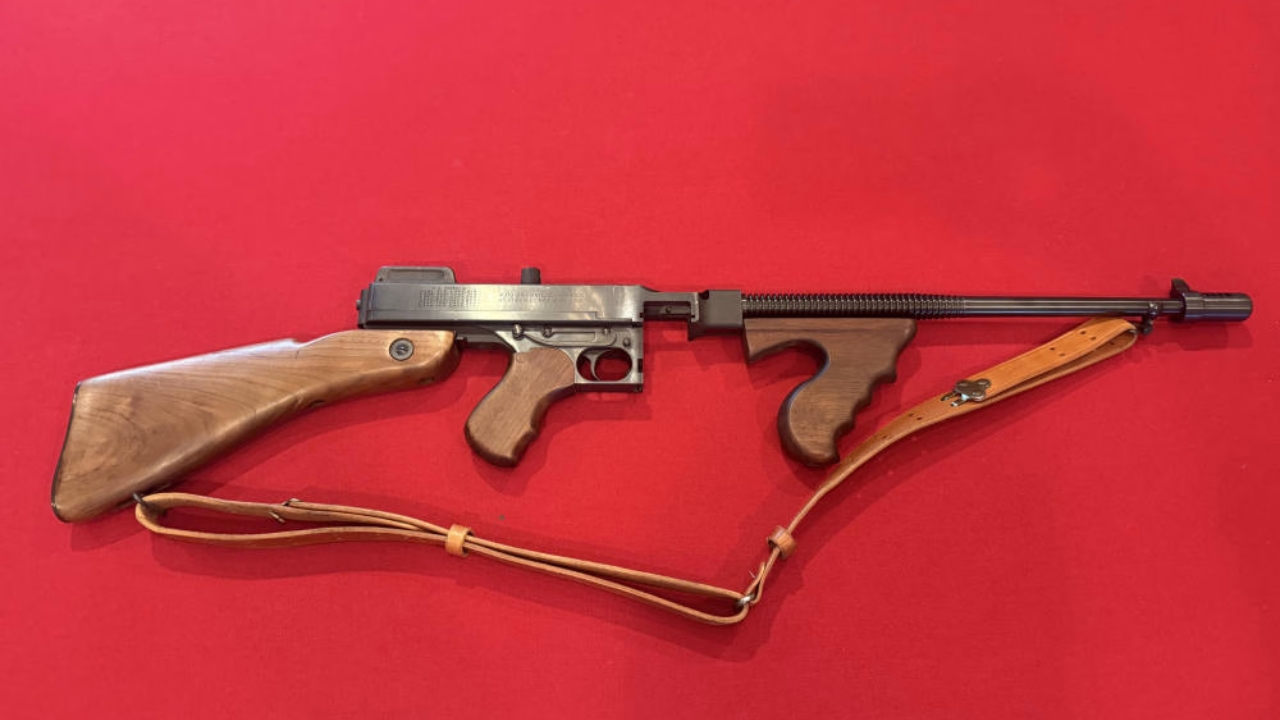
Owning a semiauto Thompson feels like owning an icon. That alone is enough to create a lot of pride. The look, the history, and the unmistakable profile make it one of those guns people are excited to show off even if they are not hardcore shooters. It feels substantial in every possible way.
That same substance is part of why it quietly stops getting range time. The weight, awkward handling, and general effort involved in dragging it out for shooting sessions can turn admiration into occasional-use status fast. Owners keep loving the idea of having a Thompson in the safe. They just do not always love hauling it around enough to shoot it often.
HK VP70

The VP70 gives owners collector pride. It is weird, old-school futuristic, and tied to the HK name, which makes it feel like the kind of gun you own because you understand something other people do not. That sense of being “in the know” can make people very attached to having one.
Then the actual shooting experience gets in the way. The trigger is notorious, the ergonomics are divisive, and the whole pistol often feels more historically interesting than satisfying on the firing line. Owners stay proud because it is undeniably unusual. Quietly, though, many of them do not seem especially eager to keep feeding it ammo.
Taurus Raging Judge

The Raging Judge is the kind of revolver people buy when they want the biggest possible version of an already dramatic idea. It looks outrageous, sounds outrageous, and gives owners the feeling that they bought the heavyweight champion of attention-grabbing handguns. That is a powerful emotional purchase for certain buyers.
It also tends to age into a low-use gun surprisingly quickly. The size, weight, and limited practical payoff make it harder to justify regular shooting once the first few show-off sessions are over. Owners still enjoy mentioning it because it sounds impressive. They just seem to lose interest in actually shooting it once the experience stops feeling fresh.
KelTec PMR-30
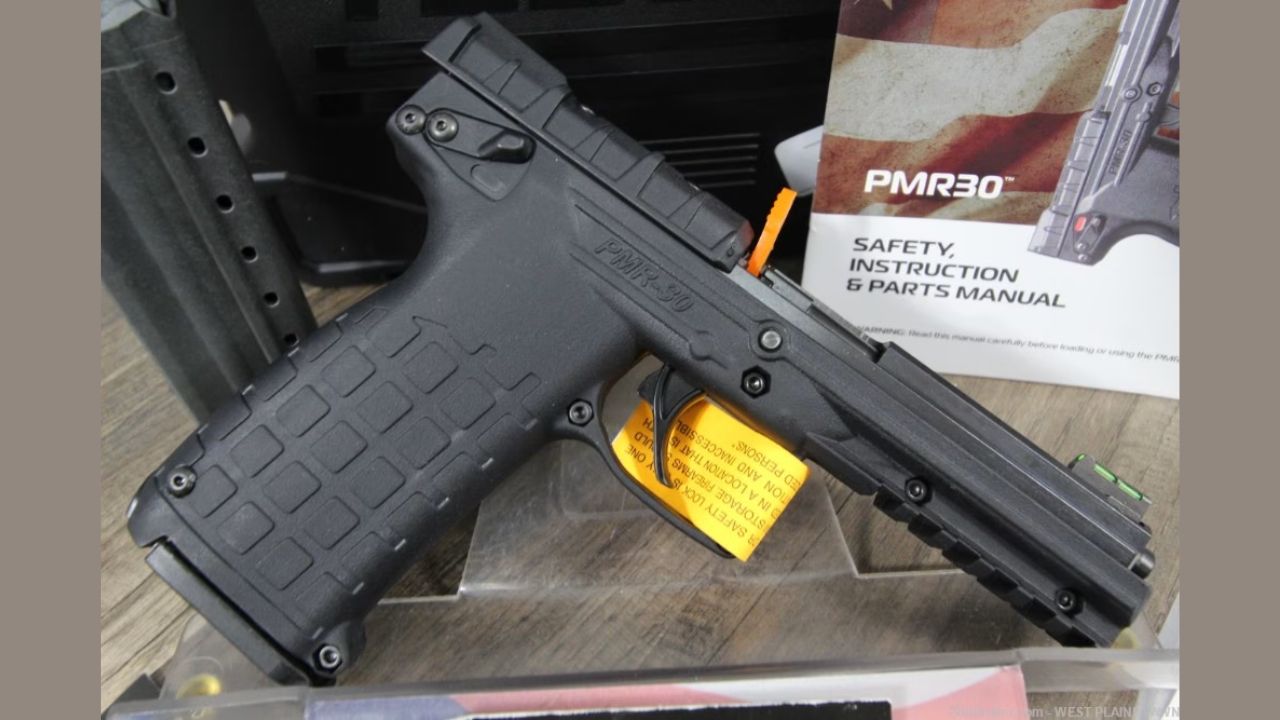
The PMR-30 makes people feel clever. High capacity, .22 Magnum chambering, and a very different overall vibe from standard pistols give owners the sense that they found something smarter and more interesting than the usual range gun. That identity tends to create a lot of early enthusiasm.
But unusual does not always mean long-term favorite. The gun can start feeling more like a novelty concept than a deeply satisfying shooter after the newness wears off. Owners often remain loyal to the idea and proud to have one in the collection. Still, a lot of those pistols seem to spend more time being talked about than being used.
North American Arms Mini Revolver

Mini revolvers create instant owner pride because they are so tiny and so unexpected. People love pulling one out, showing how small it is, and enjoying the reaction. It feels like owning a mechanical curiosity that still counts as a real firearm, and that alone makes people oddly attached to them.
That attachment does not always translate into range time. Tiny sights, tiny grips, and tiny shootability make them far less rewarding to fire than to display. Owners stay proud because the novelty never fully disappears. At the same time, many mini revolvers become guns that live in pockets, safes, or conversations more often than on the firing line.
S&W Governor
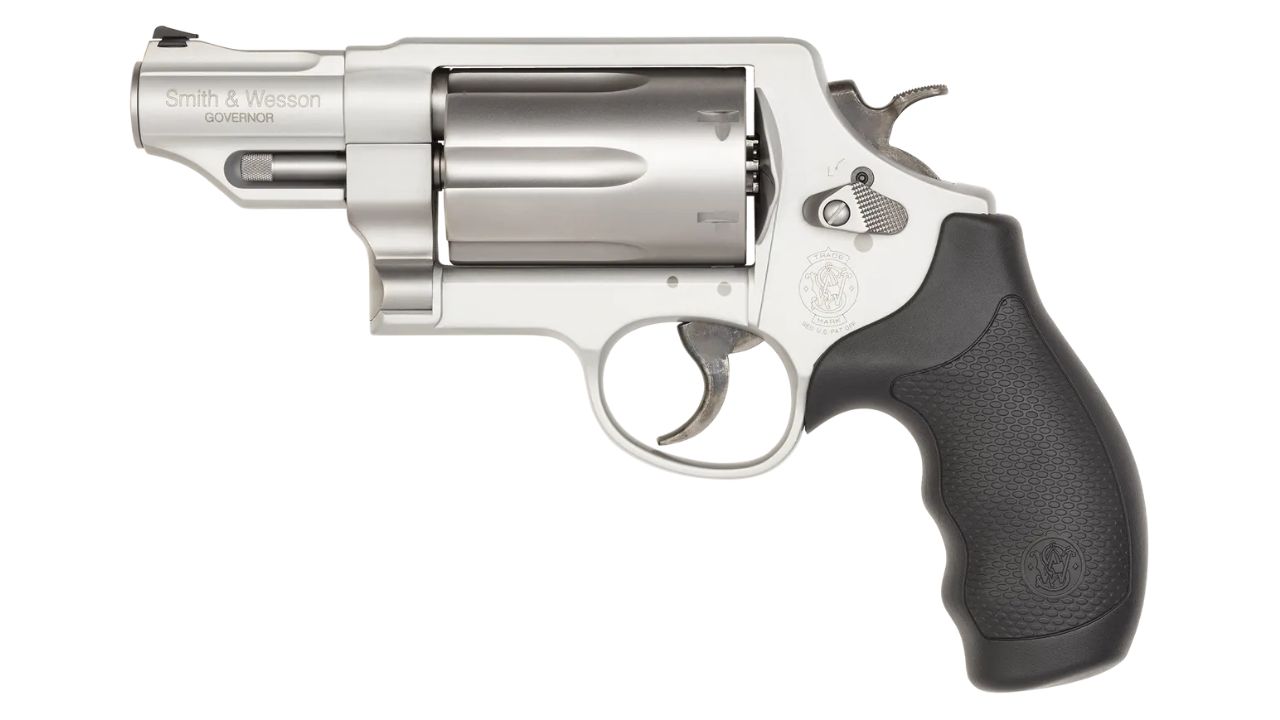
The Governor gives owners a little bit of brand-backed swagger. It takes the same broad appeal as the Judge concept and adds Smith & Wesson legitimacy to it, which makes buyers feel like they got the more refined version of a dramatic handgun idea. That branding goes a long way in sustaining pride.
Still, the underlying reality catches up. It is bulky, compromise-heavy, and not nearly as rewarding in sustained range use as more conventional revolvers. A lot of owners continue to defend it and feel good about owning one. They just tend to stop choosing it when it is time for an actual enjoyable range day.
Mossberg 500 Chainsaw
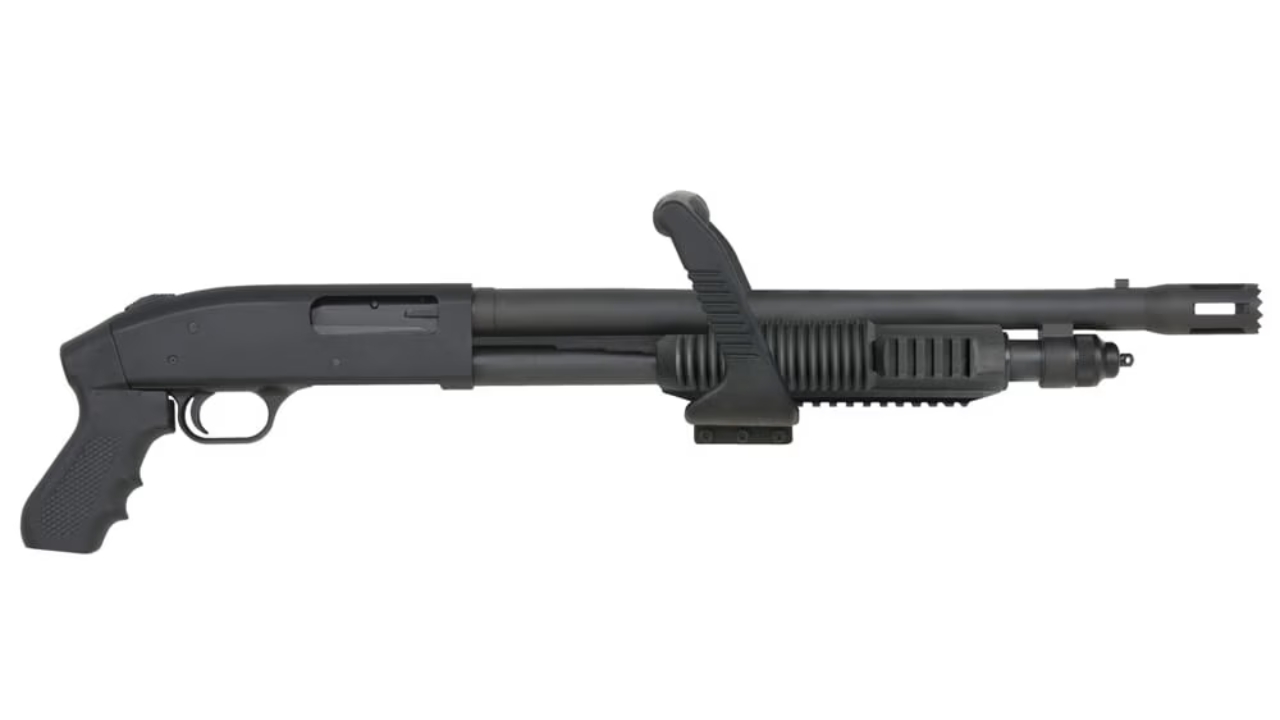
This model creates ownership pride mostly because it is impossible to ignore. The top chainsaw-style grip makes it feel like a shotgun built to get comments, and owners usually know that going in. Buying one feels like buying something rebellious, odd, and guaranteed to stand apart from normal pump guns.
That same attention-first design usually pushes it out of regular shooting use. It is more gimmick than upgrade, and most owners figure that out pretty quickly once the novelty settles down. They still like having it because it is weird and memorable. That does not mean they keep reaching for it when they actually want to shoot a shotgun.
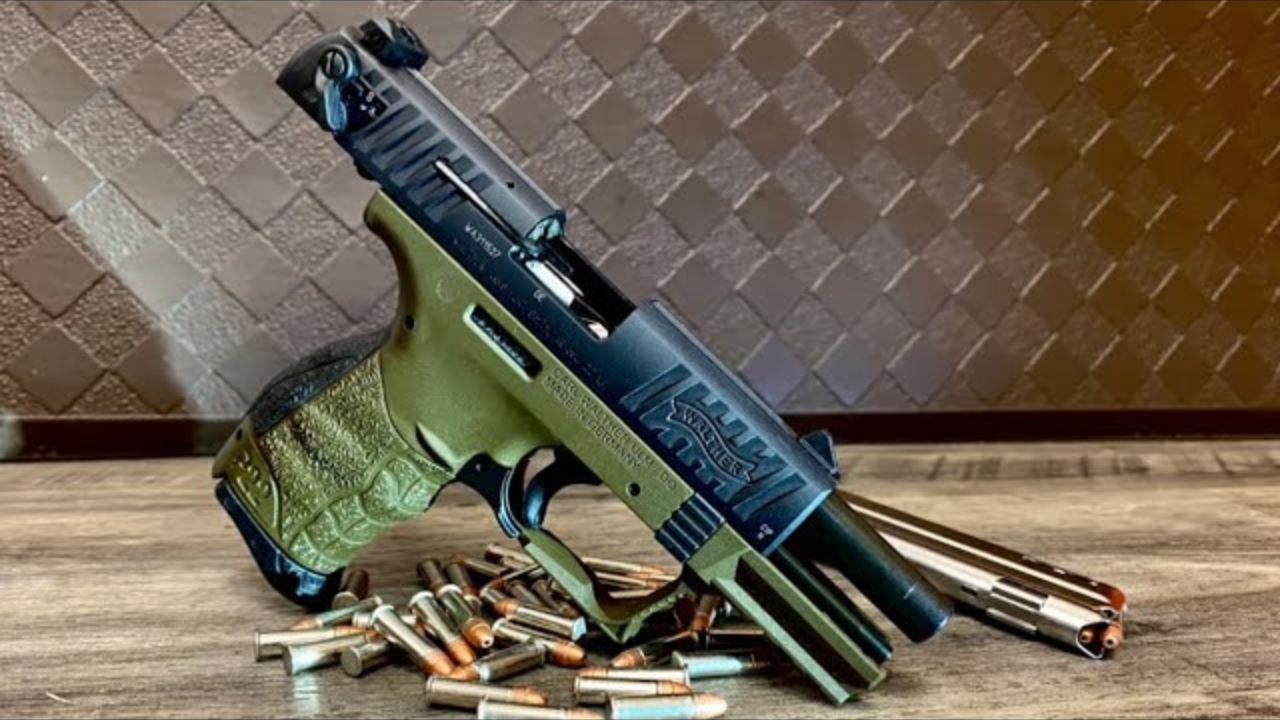
Walther P22

The P22 creates a softer kind of pride. It looks modern, compact, and approachable, and owners often buy one thinking it will be their fun little rimfire that stays in regular rotation forever. The first impression is strong enough that many people remain attached to the gun even after it starts disappointing them.
That is the pattern with this one. The pistol often becomes easier to defend than to truly enjoy long term. Enough owners have had spotty experiences that the P22 regularly turns into a gun people keep because it is familiar, not because it is their favorite thing to shoot. The pride comes from the idea that it should have been a great little pistol. The range bag often tells a different story.
Like The Avid Outdoorsman’s content? Subscribe to our newsletter so you never miss an article.
Here’s more from us: