Photo credit: ApocalypseSports. com/GunBroker
The Ruger American Rifle is one of those guns that a lot of shooters know as the affordable Ruger bolt gun, but that simple description leaves out why it mattered so much. When it hit the market in early 2012, American Rifleman described it as a high-quality rifle at a price many shooters could actually afford, and that budget-friendly angle became a huge part of the line’s identity. Ruger later expanded that concept into a much broader family, and by 2024 it had rolled the platform into the American Rifle Generation II line with updated finishes, stocks, barrels, and controls.
What makes the American Rifle especially interesting is that it did not stay one plain hunting rifle for long. American Rifleman noted in 2021 that the line had already grown significantly in popularity and model count over its first decade, and Ruger’s current Gen II lineup now branches into Standard, Ranch, and Patrol families with different barrel lengths, magazine types, and field roles.
1. It hit the market in 2012

American Rifleman said the Ruger American Rifle hit the market in early 2012, and another American Rifleman piece from January 2012 framed it as part of the hot trend toward affordable bolt-action hunting rifles.
That timing mattered because the rifle arrived right when a lot of shooters wanted a practical hunting bolt gun without paying old-school premium-rifle money. That broader market-read is an inference, but it is strongly supported by how American Rifleman framed the launch.
2. The whole concept was “value bolt gun,” but not “cheap throwaway rifle”

American Rifleman’s 2012 review said the American Rifle gave consumers a high-quality rifle at a price almost any shooter could afford, while also calling it durable, lightweight, and accurate.
That is a big reason the rifle landed so well. Ruger was clearly trying to own the “working man’s bolt gun” lane without making something disposable or flimsy. That conclusion is an inference grounded in the way the launch reviews balanced price with quality and accuracy.
3. It was part of the affordable-bolt-rifle wave, but Ruger made it one of the most visible examples

American Rifleman’s January 2012 coverage said the Ruger American reflected the growing trend toward economical bolt-action hunting rifles already gaining traction in the market.
That matters because the American Rifle was not born in isolation. It was Ruger stepping into a real market shift and doing it strongly enough that the rifle quickly became one of the names people most associated with that category. That second point is an inference grounded in the source’s trend framing and the line’s later expansion.
4. The line grew fast in its first decade

In 2021, American Rifleman said the Ruger American Rifle line had grown both in popularity and in the number of models available since its introduction a decade earlier.
That is a strong clue that the rifle was more than a one-hit launch. Ruger clearly found an audience and kept feeding it with more variants instead of letting the platform stagnate. That interpretation is an inference, but a very grounded one.
5. Generation II was a major update, not just a cosmetic refresh

Ruger introduced the American Rifle Generation II in December 2023, calling it the “next generation” of the platform. Ruger’s Gen II overview and Standard model pages highlight features like a Cerakote barreled action, textured splatter-finished stock, threaded muzzle, and updated field-oriented setup. American Rifleman’s 2024 review also treated Gen II as a meaningful step forward.
That matters because Gen II was not just Ruger repainting the same gun. It was the company actively reworking the line to keep it competitive in the modern bolt-rifle market. That second sentence is an inference grounded in the feature changes Ruger and American Rifleman emphasized.
6. The Gen II line uses a three-position tang safety
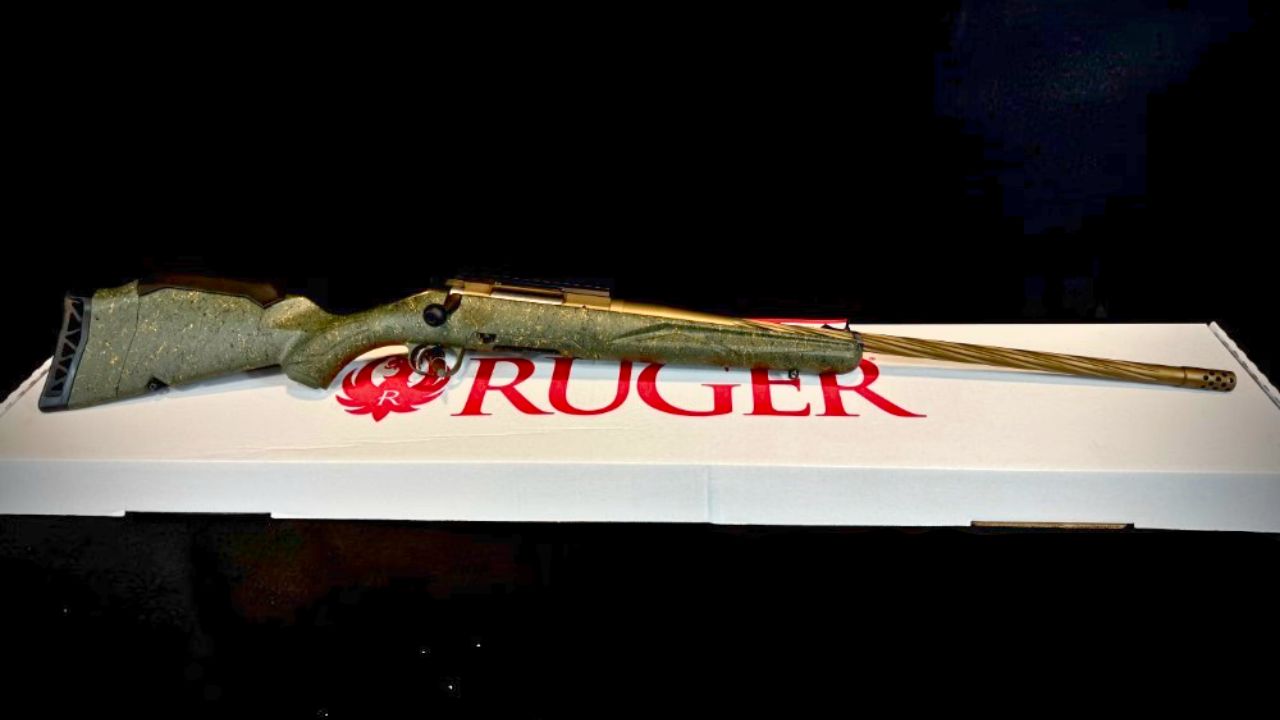
Ruger’s Gen II overview specifically lists a three-position safety, and the Gen II Standard spec page says it locks the bolt to prevent inadvertent opening while still allowing the rifle to be loaded with the safety engaged.
That is a useful feature because it puts the rifle into the category of hunting bolt guns that prioritize safe field handling without making loading and unloading awkward. That practical interpretation is an inference grounded in Ruger’s own description of how the safety works.
7. The Gen II barrels are cold hammer-forged and threaded
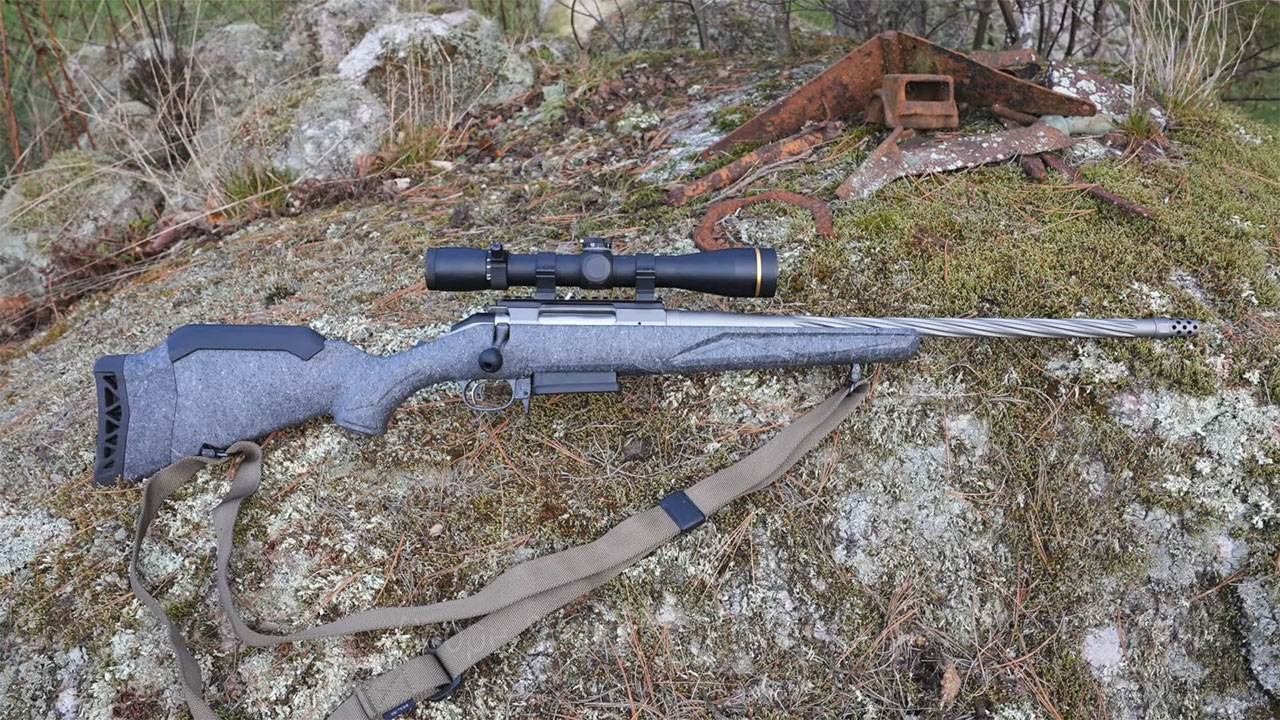
Ruger’s Gen II Standard spec page says the barrel is cold hammer-forged and threaded, and notes that most models include a factory-installed radial muzzle brake.
That is a pretty notable update for a rifle family that started as a budget-value hunting gun. It shows how much the American Rifle has shifted toward modern expectations around muzzle devices and suppressor or brake compatibility. That second sentence is an inference based on the current Gen II spec set.
8. Spiral fluting is part of the Gen II design language

Ruger’s Gen II Standard pages say the medium-contour barrel has deep spiral flutes intended to reduce weight at the muzzle end and improve balance without sacrificing stiffness or accuracy.
That matters because it shows Ruger is not just chasing looks. The company is explicitly tying the fluting to field handling and rifle balance, which is a practical priority for a hunting rifle.
9. The Ranch models are shorter and handier than the Standard rifles

Ruger’s Gen II Ranch page says those models use shorter 16-inch barrels and a more compact overall setup, with AR-style magazines in some chamberings such as .300 Blackout.
That is a big clue that “Ruger American Rifle” now covers very different use cases. A Gen II Ranch in .300 Blackout is solving a very different problem than a longer Standard hunting rifle in 6.5 Creedmoor. That contrast is an inference grounded in Ruger’s current lineup.
10. The Patrol models push the platform toward heavier-duty, utility-oriented use
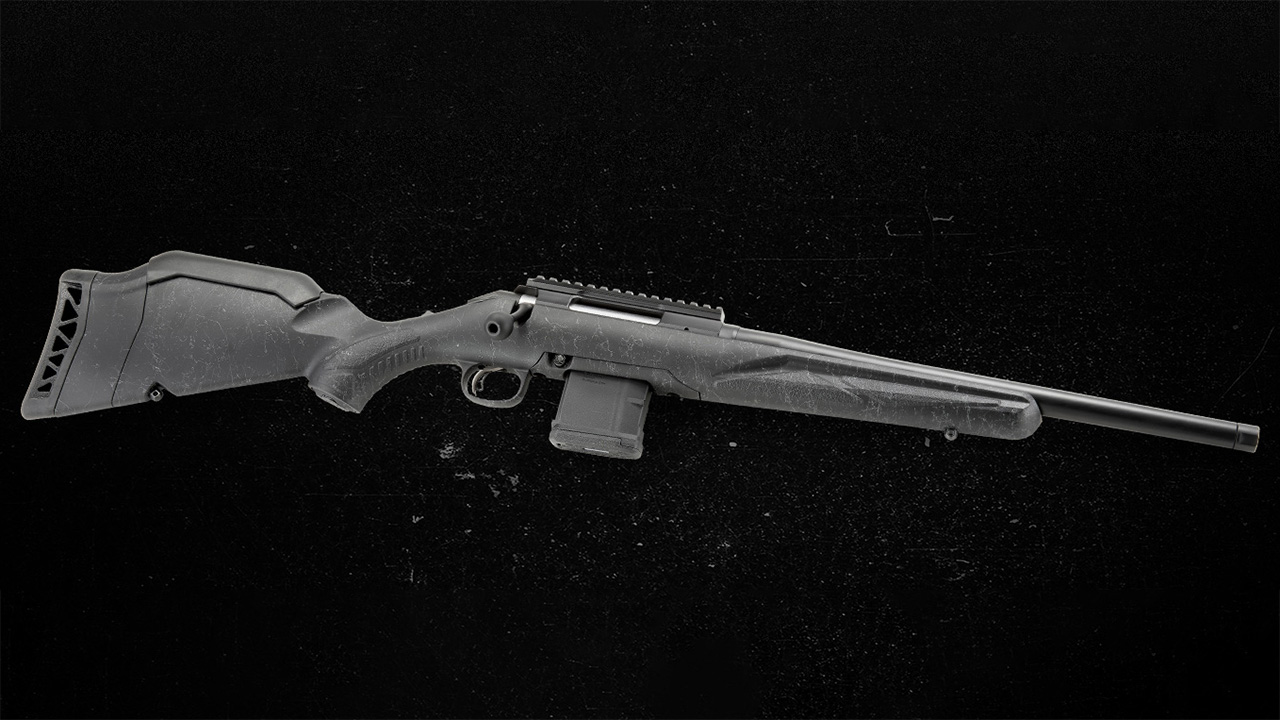
Ruger’s Gen II Patrol page says Patrol rifles use a bull-contour barrel, Graphite Black Cerakote finish, and a 16.1-inch barrel in chamberings like .308 Winchester.
That tells you the American Rifle family is no longer only about lightweight deer rifles. The Patrol branch clearly leans toward sturdier, more practical, suppressor- or range-friendly utility use. That second sentence is an inference grounded in the Patrol feature set.
11. The line now supports multiple magazine patterns depending on model

Ruger’s current Gen II pages show different magazine approaches in different subfamilies. Standard models use AI-style magazines on at least some chamberings, while the Ranch page shows AR-style magazines on some versions.
That is one of the clearest signs the American Rifle became a true platform rather than a single plain hunting rifle. Ruger is tailoring magazine systems to specific roles instead of forcing every branch into one setup. That conclusion is an inference grounded in the current model specs.
12. Gen II got a much more modern visual identity

Ruger’s December 2023 launch page describes the Gen II rifles with Gun Metal Gray or Cobalt/Graphite Cerakote finishes, splatter-textured stocks, spiral-fluted barrels, and threaded muzzles.
That matters because the original American Rifle earned its following largely on price and function. The newer versions are clearly trying to keep that value identity while looking and feeling more current to today’s buyer. That second point is an inference grounded in the before-and-after tone of the coverage.
13. Ruger still leans on the American Rifle as a core bolt-gun family
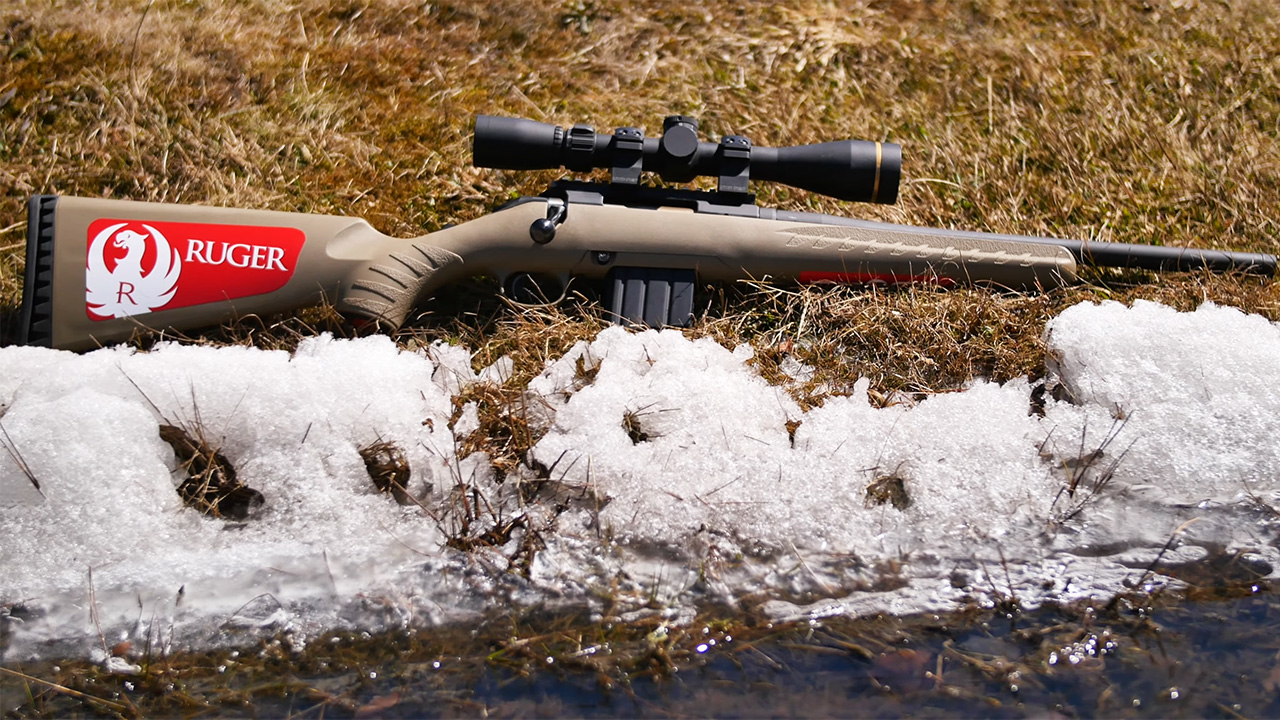
Between the Standard, Ranch, and Patrol Gen II pages plus the dedicated overview, Ruger is clearly still investing in the platform rather than letting it quietly age out.
That is important because plenty of budget rifle lines get one burst of attention and then freeze. The American Rifle has kept evolving, which suggests Ruger still sees it as central to its bolt-action strategy. That conclusion is an inference, but it is well supported by the breadth of current Gen II offerings.
14. The American Rifle helped Ruger reassert itself in the mainstream bolt-rifle conversation

American Rifleman’s early coverage framed the rifle as a return to Ruger’s roots in giving shooters a lot of value for the money.
That matters because the American Rifle was not just another catalog addition. It was Ruger staking out a major place in the mass-market bolt-action world in a very visible way. That interpretation is an inference grounded in how American Rifleman described the launch and value positioning.
15. Went from “budget hunting bolt gun” to one of Ruger’s most flexible rifle platforms
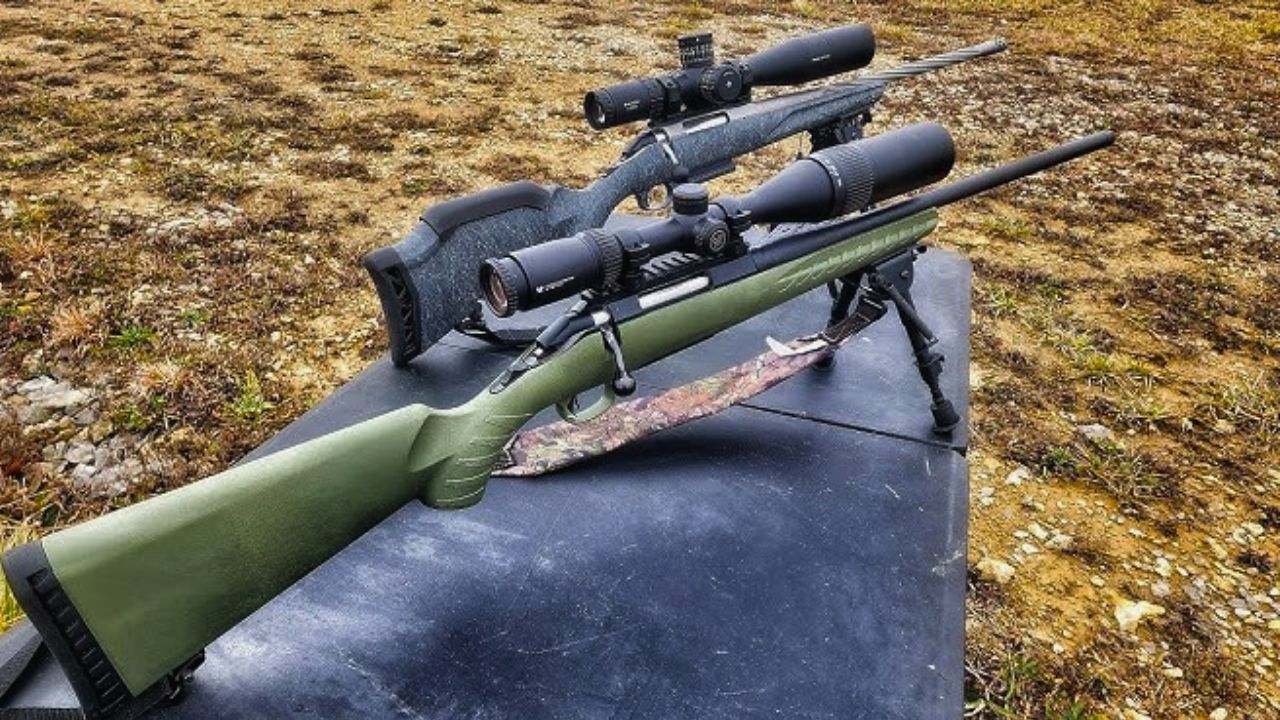
The most interesting thing about the American Rifle is how much ground it covers now. It started as an affordable, accurate hunting rifle in 2012, then grew into a wide line that now includes Gen II Standard, Ranch, and Patrol families with shorter barrels, threaded muzzles, different magazine types, Cerakote finishes, and more specialized roles.
That is why the Ruger American Rifle still matters. It is not just the cheap Ruger bolt gun anymore. It became one of Ruger’s most adaptable and important modern rifle families.
Like The Avid Outdoorsman’s content? Subscribe to our newsletter so you never miss an article.
Here’s more from us: