Photo credit: Lucky Gunner Ammo/YouTube
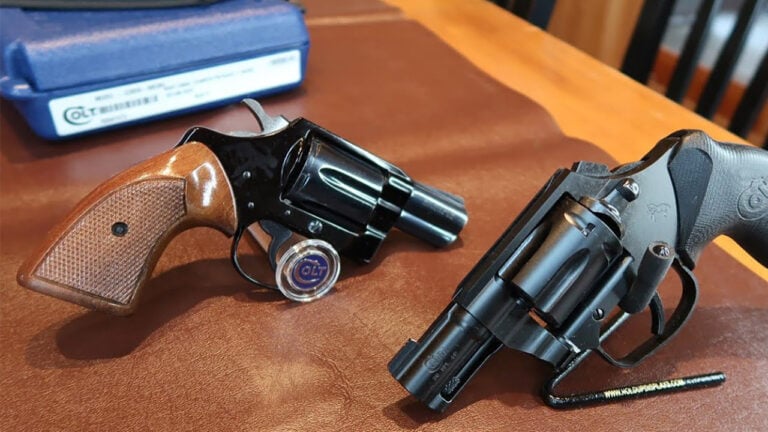
Picking your first gun is a big deal. You want something reliable, easy to carry, and simple to use. That’s why many people end up reaching for a snub-nose revolver. It looks like the perfect starter—small, light, and dead simple. But here’s the thing: it’s not the best choice for most beginners.
A snub-nose might seem like a smart buy, but it brings more challenges than you probably realize. Before you commit to one as your first gun, there are some real drawbacks you ought to know about.
Snub-Nose Revolvers Are Harder to Shoot Accurately

People think shorter barrel means easier to carry—and it is—but you pay for that with accuracy. A snub-nose has a tiny sight radius and usually fixed sights, which makes lining up a clean shot tougher, especially for someone new. If you’re trying to build good shooting habits, this isn’t the place to start.
Add in the heavier trigger pull most of these have, and now you’re stacking challenges. A short-barrel revolver forces you to learn on hard mode. For new shooters, it’s better to start with something that builds confidence—not frustration.
The Recoil Can Surprise You

A lot of people assume a snub-nose will be easier to handle because it’s small. But with less weight and a short barrel, these little revolvers can kick hard—especially in .357 Magnum or even .38 Special. That sharp recoil catches new shooters off guard and makes follow-up shots harder.
If your first experience at the range is a snappy, uncomfortable one, it’s not exactly encouraging. It might even make you flinch or develop bad habits right out of the gate. A heavier, mid-sized gun helps you ease into things and actually enjoy shooting.
Limited Capacity and Slow Reloads

Snub-nose revolvers typically hold five rounds. That’s not a lot, and reloading them isn’t quick unless you’ve trained hard with speed loaders or strips. For a beginner, fumbling through a reload under pressure isn’t ideal.
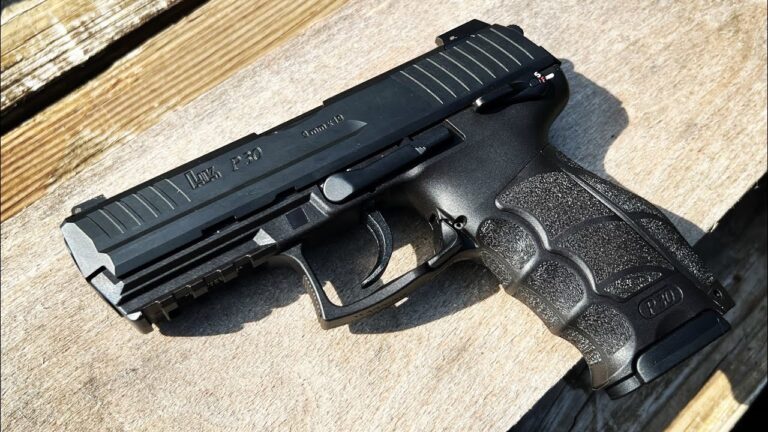
Compare that to a compact semi-auto with double the capacity and faster reload options. More rounds and easier reloads give you some breathing room while you’re learning.
The Trigger Pull Takes Work

Most snub-nose revolvers are double-action only, and that means a long, heavy trigger pull every time. That can make it tough for beginners to stay on target, especially if they haven’t built up trigger control yet. It’s not impossible, just not very forgiving.
With a semi-auto or even a revolver with single-action capability, you’ve got more control and can learn proper trigger discipline without fighting the gun the whole time. The goal early on should be building solid fundamentals—not wrestling with every pull.
The Grip Is Often Too Small

A snub-nose usually comes with a small grip to keep it compact. That’s fine for deep concealment, but for new shooters, it can feel awkward or hard to hold steady. Less grip means less control, which means more problems with recoil and accuracy.
There are bigger grips you can swap in, sure—but at that point, you’re making it less compact. If you’re not carrying every day right away, a full-size or mid-size grip will make your learning curve a lot smoother.
It’s Designed for Concealed Carry, Not Learning

Snub-noses were made to be carried, not trained with. They’re tools for up-close self-defense situations—not range comfort or beginner-friendly shooting. If you’re just getting started, that kind of specialty design can get in the way more than it helps.
You’ll learn faster on something with a longer sight radius, better ergonomics, and less felt recoil. Once you’ve got your basics locked down, then start thinking about carry guns. But trying to learn on a snub-nose is like learning to drive in a stick-shift sports car in city traffic.
You’ll Spend More Time Fighting the Gun Than Learning

When you’re new, every little thing matters—grip, stance, sight picture, trigger control. A snub-nose makes all of those harder. Instead of focusing on technique, you’re constantly adjusting your grip, dealing with the recoil, or wondering why your shots are landing low and left.
That kind of uphill battle doesn’t build confidence. A first gun should help you get comfortable, not make you feel like you’re doing something wrong every time. There’s no shame in starting with something easier to shoot well. It’ll make you a better shooter faster.
Ammo Isn’t Always Cheap or Easy to Practice With

Most snub-noses are chambered in .38 Special or .357 Magnum. Neither of those are exactly cheap to shoot, and .357 in a snub is a beast. If you’re just trying to get in regular range time to build skill, the cost alone can slow you down.
Plus, most of the softer-recoiling ammo you do find might not cycle the way you expect in a short barrel. A 9mm pistol or even a .22 trainer will let you shoot more, spend less, and actually enjoy putting rounds downrange while you’re learning.
They’re Not as Versatile as You Think

Sure, snub-nose revolvers are small, simple, and reliable—but they’re built for one thing: close-quarters self-defense. They’re not great for target shooting, competition, or longer-range accuracy drills. That means you’re pretty limited in how much you can grow with one.
A good first gun should grow with you. It should be something you can train with, carry eventually, and still enjoy shooting five years from now. Most people who start with a snub-nose end up leaving it in the safe and buying something else anyway.
Bad First Impressions Can Stick

The first experience with a firearm can make or break someone’s confidence. If that experience involves a gun that bucks hard, is hard to aim, and doesn’t feel great in your hand, it’s easy to walk away thinking you’re just bad at shooting.
That couldn’t be further from the truth. The tool matters. Starting with a snub-nose stacks the odds against you. A smoother-shooting pistol helps you build real skill and stay motivated, which matters way more than the size of the gun in your waistband.
*This article was developed with AI-powered tools and has been carefully reviewed by our editors.