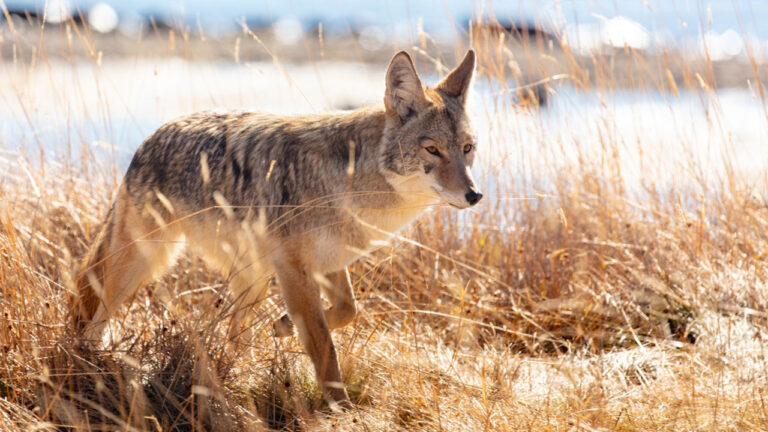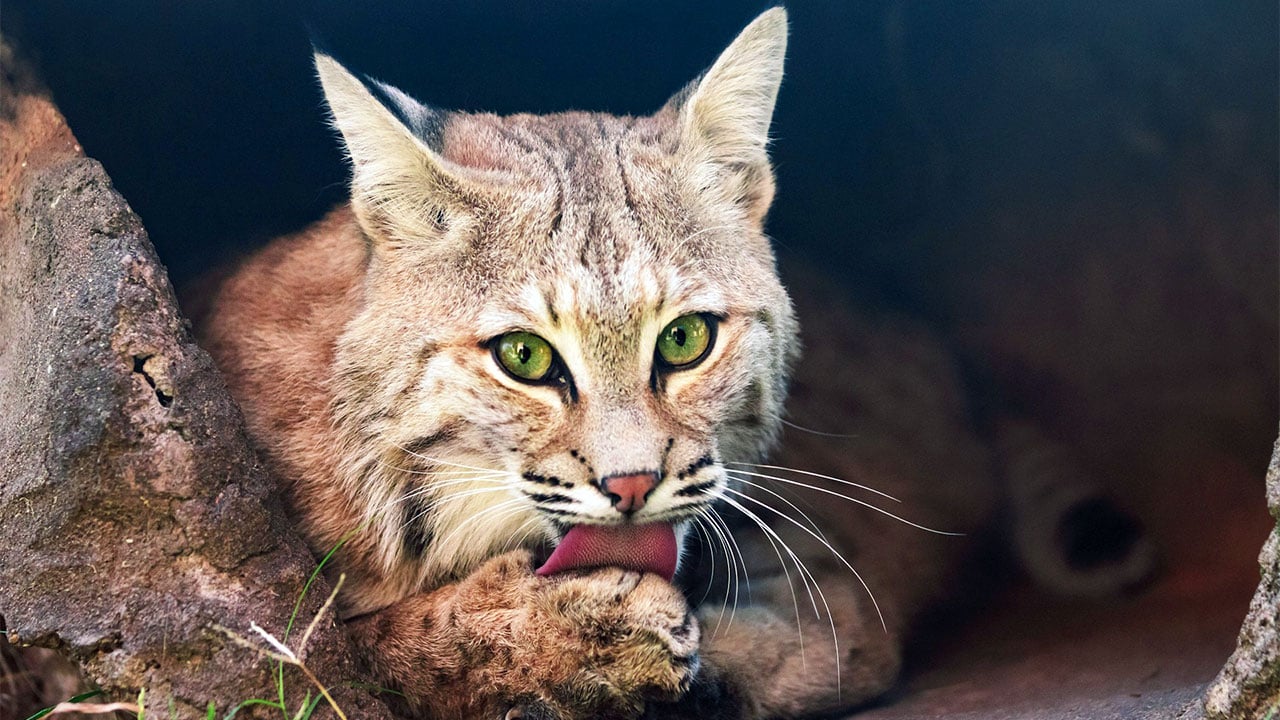
Photo credit: Chandler Cruttenden/Unsplash.com
Bobcats still carry that “back in the brush” reputation, and in plenty of places they do stay hard to spot. But wildlife agencies and local governments around the country have been saying the same basic thing in different ways: bobcats are a lot more adaptable than most people think, and in many states they are turning up in backyards, residential edges, suburban greenbelts, and neighborhoods built close to open space.
That does not mean bobcats are suddenly becoming a human threat. Most official guidance still describes them as shy and usually avoidant. What has changed is how often agencies now talk about coexistence in developed areas instead of treating sightings near homes as some rare fluke. Here are 15 states where that pattern is getting harder to ignore.
Massachusetts
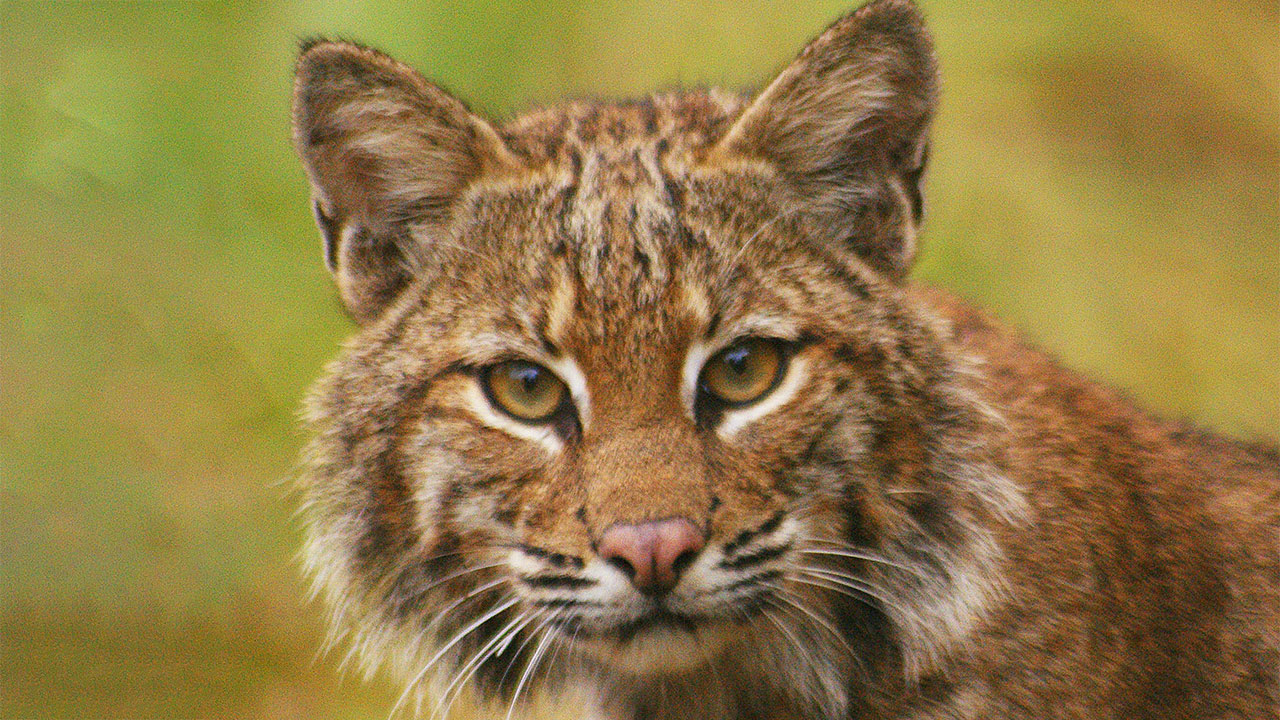
Massachusetts may be one of the clearest examples because the state says it outright. MassWildlife says bobcats are adapting to suburban settings and may be seen in backyards and residential areas. That is not vague language. It is a direct acknowledgment that bobcats are not sticking only to remote cover anymore, at least not in the way many homeowners still assume.
What makes Massachusetts stand out is how normal that wording has become. Once a state wildlife agency starts framing bobcats as animals people may see around residential areas, it tells you the old idea of bobcats as only deep-woods cats is out of date. In this state, the overlap with people is no longer unusual enough to dance around.
Ohio
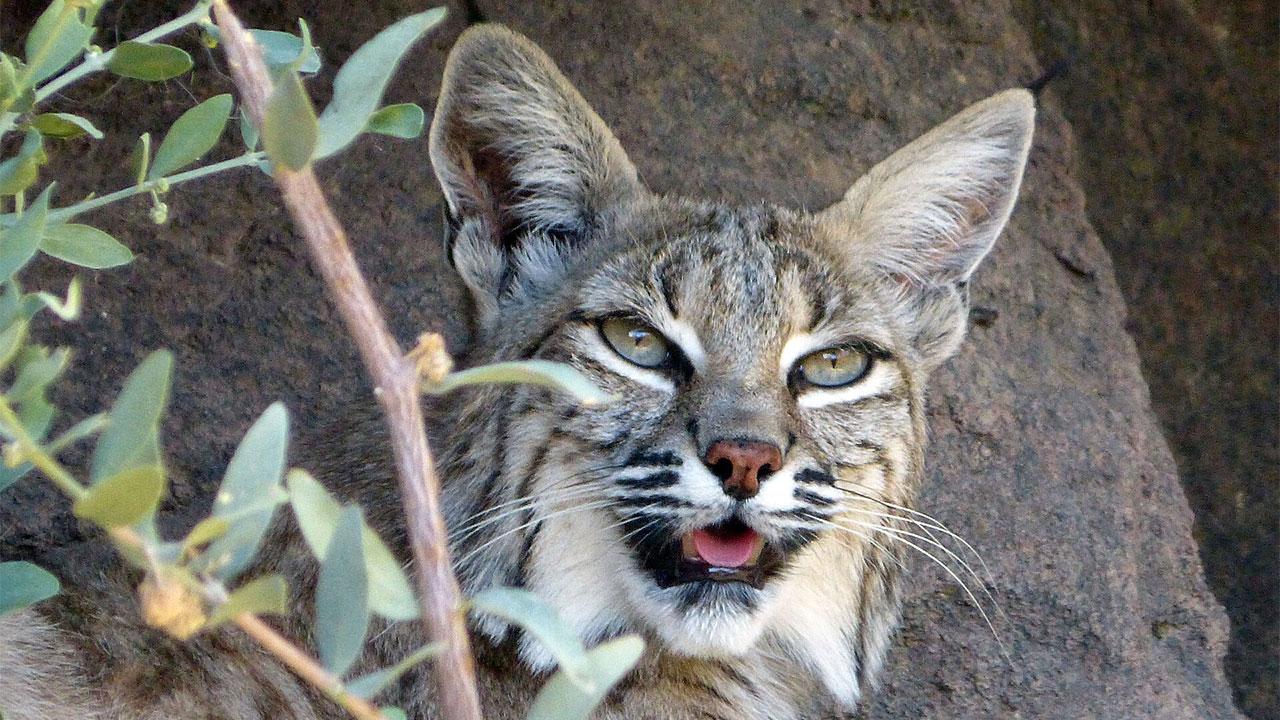
Ohio belongs high on this list because the Ohio Department of Natural Resources says bobcats make use of human-altered landscapes in rural, suburban, and urban areas. That is a broad description, and it matters because it moves the story beyond isolated mountain habitat or a few remote counties.
There is also a spread component in Ohio that matters. The state’s bobcat management plan notes sightings outside the best habitat zones and along riparian corridors in heavily agricultural landscapes, which is exactly the kind of setup that can bring bobcats closer to roads, field edges, and developed areas than people expect.
Indiana
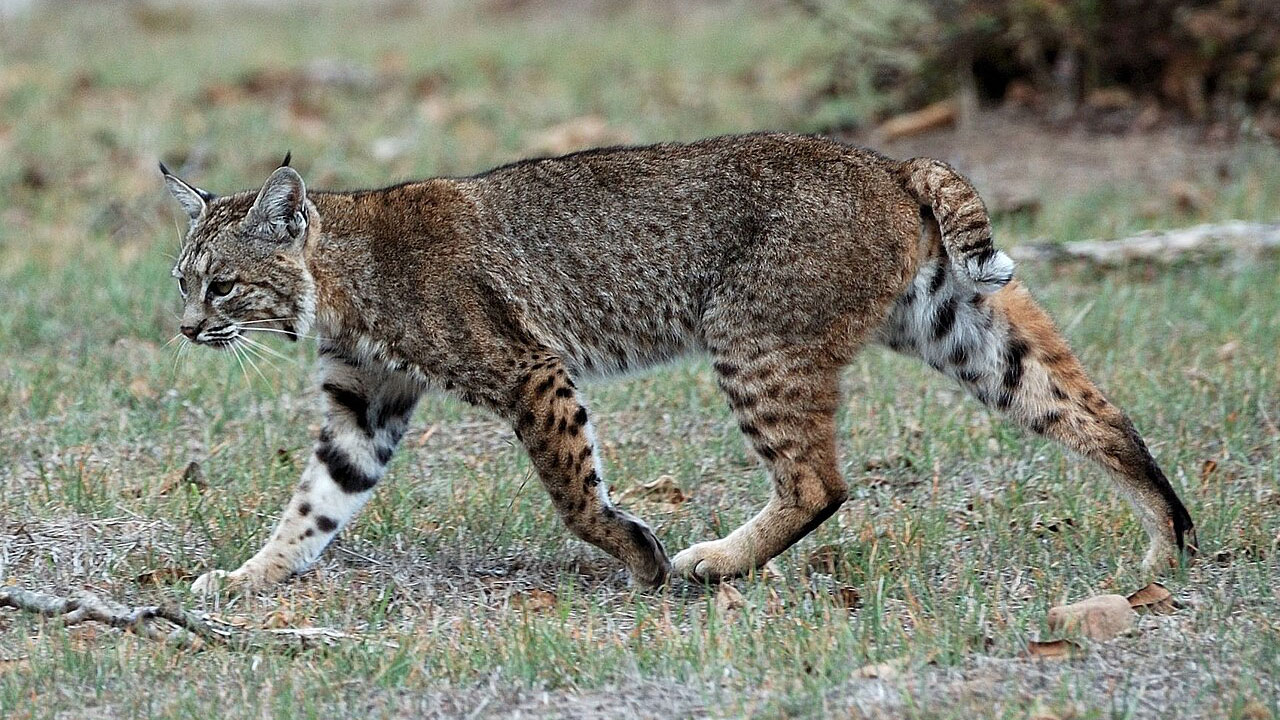
Indiana has quietly become a much stronger bobcat state than a lot of people realize. The Indiana Department of Natural Resources’ 2024 bobcat status update says the state now has a recorded bobcat sighting in nearly every county, even if not every county has an established reproducing population yet. That kind of spread makes near-town encounters a lot easier to imagine.
That does not mean every Indiana neighborhood has bobcats moving through it every week. It does mean the footprint is broad enough that sightings are no longer just a southern-county story. When a species shows up in nearly every county, it starts blurring the old line between “wild country” and “places where people live.”
Maine

Maine’s state guidance is one of the more interesting ones because it ties visibility near homes to seasonal conditions. Maine says bobcats are common through much of the state, appear to be habituating to urban and suburban settings, and may move closer to towns and residences during deep snow in search of accessible food.
That is exactly the kind of thing that catches people off guard. They think bobcats belong somewhere out in timber and ledges, then winter or easy food shifts the equation a little and the cat shows up a lot closer to houses than expected. In Maine, officials are already talking about that as a real pattern, not some made-up local legend.
New York
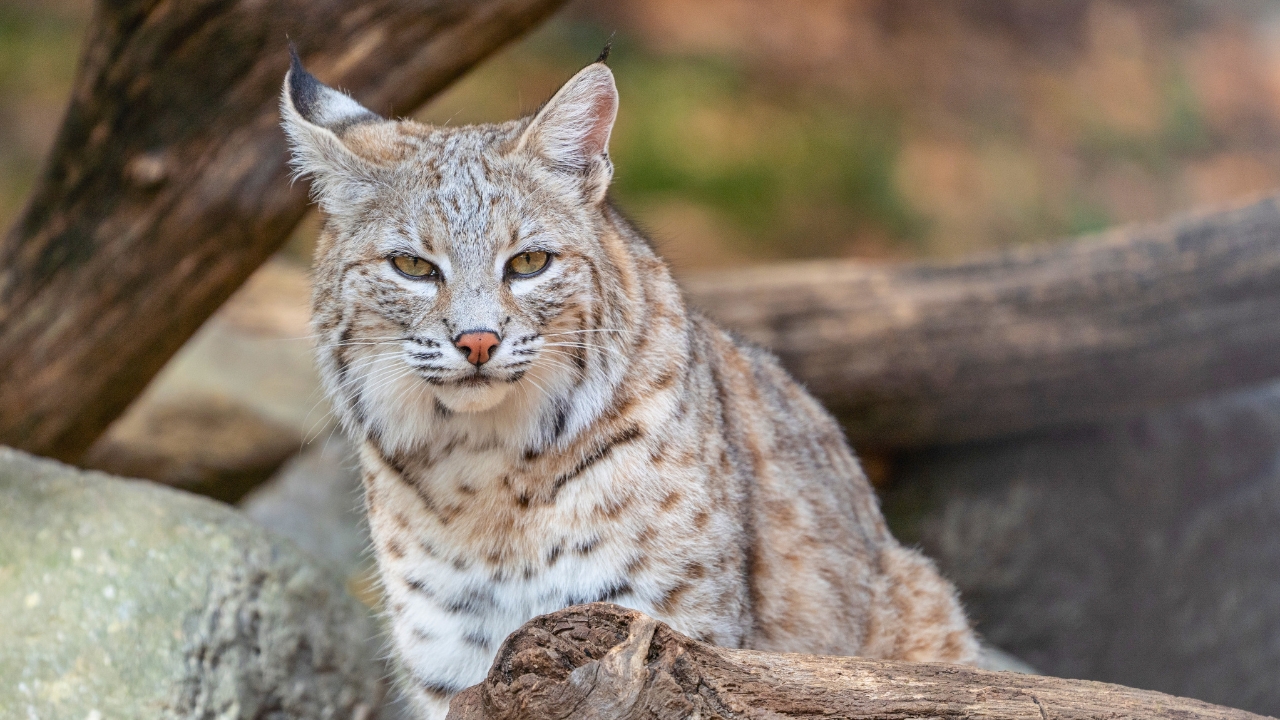
New York’s DEC says bobcats are habitat generalists that occupy a wide range of habitats in the state, including suburban and agricultural areas. That is important because it undercuts the idea that bobcats only work in rugged, secluded terrain. They clearly have enough flexibility to use landscapes people are sharing.
In a state like New York, that matters even more because suburban and agricultural areas often sit right against wooded cover, drainage corridors, and rock piles that bobcats like to use. Once a species is comfortable in those in-between spaces, it is not much of a leap from “out there somewhere” to “seen near the neighborhood trail.”
Texas
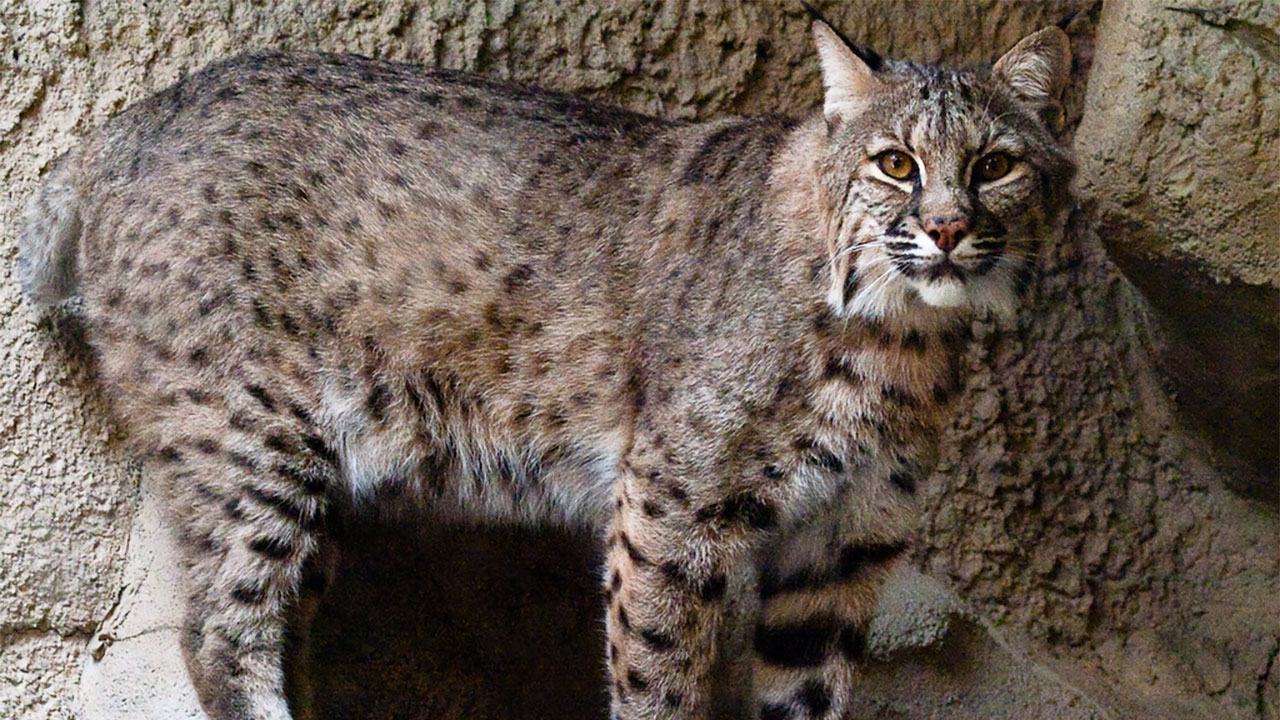
Texas makes this list for two reasons. First, North Texas cities have started talking about bobcats in frankly suburban terms. Little Elm says sightings of coyotes and bobcats are common there and throughout North Texas, and notes that these animals do not live only in rural settings because many have adapted to survive in suburban and urban areas.
Second, there is research backing the broader urban angle. A published study of the Dallas–Fort Worth metroplex found bobcats using natural habitat areas within a highly urbanized setting, especially creeks and agricultural patches inside the urban matrix. In Texas, bobcats are not everywhere in town, but they are clearly a lot more at ease around development than many residents assume.
Colorado
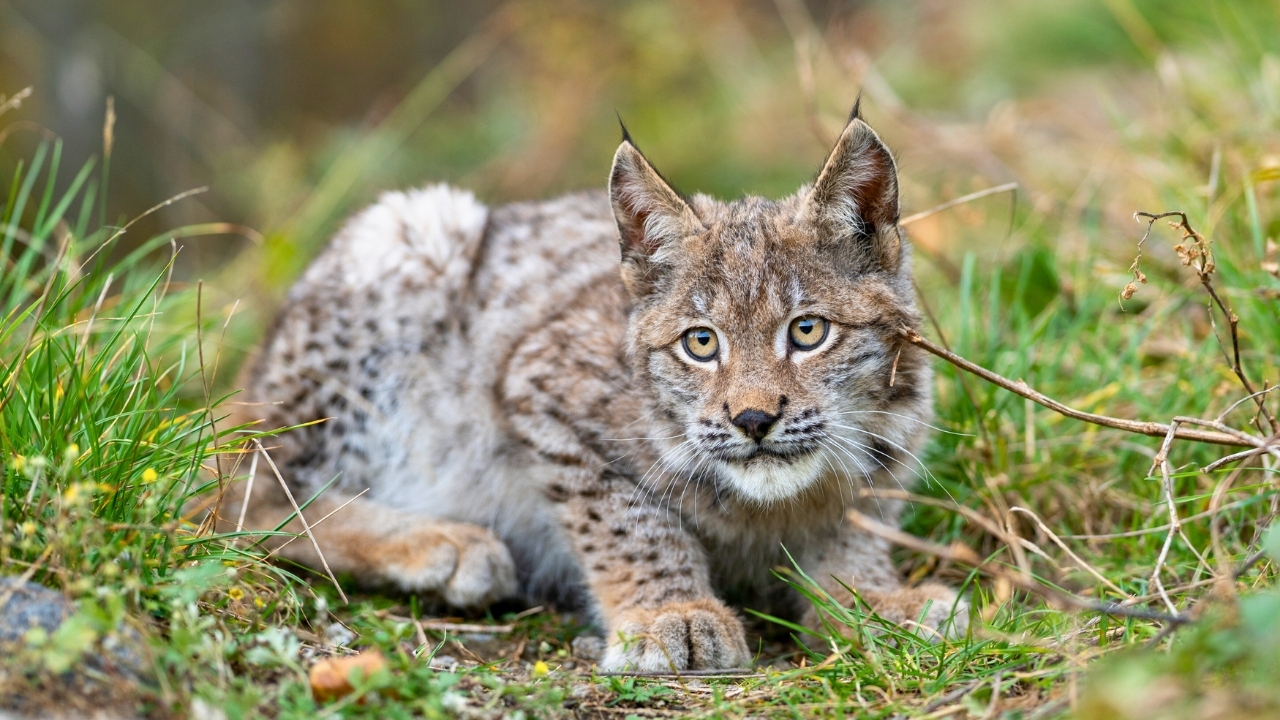
Colorado officials are also not being subtle about it anymore. Lafayette said in February 2025 that bobcats are highly adaptable to city landscapes and that residents may see one in a backyard or neighborhood. That is about as direct as local wildlife messaging gets.
That fits Colorado’s layout pretty well. Open space, creek corridors, foothill edges, and suburban growth all overlap in a lot of Front Range communities. Once prey animals, bird feeders, and yard habitat pull smaller wildlife into neighborhoods, it makes sense that bobcats start working those same edges too. Colorado looks less like a surprise state here and more like a predictable one.
Washington

Washington’s state wildlife agency says bobcats are found throughout the state, are probably more common than most people realize, and appear to be using suburban settings more often. That line alone puts Washington squarely on this list.
Local governments back that up. Mercer Island says bobcats have been seen in suburban settings, and Bellevue’s 2025 city publication described bobcats as neighbors living in yards, woods, and even urban centers. That is not the language of occasional wilderness spillover. It is the language of an animal that has already learned how to live close to people without being seen all that often.
Arizona

Arizona has the kind of urban-wildland edge that naturally lends itself to bobcat sightings near homes, and local governments are talking about it more openly. Maricopa told residents in 2025 to report sightings of bobcats and other potentially dangerous wildlife in neighborhoods, which tells you right away that neighborhood sightings are not some impossible scenario.
In desert-growth communities, that makes sense. Washes, retention areas, open lots, and preserve edges can all function like travel lanes. A bobcat does not need a huge untouched range to pass close to houses. It just needs cover, prey, and a route, and Arizona subdivisions often give it all three.
California

California has probably trained more people than any other state to think about big predators near homes, but bobcats belong in that conversation too. Irwindale says bobcats can successfully utilize and thrive in and around open spaces close to residential areas, including neighborhoods along the urban-wildland interface.
The National Park Service’s Santa Monica Mountains work says residents can help researchers learn about bobcats in their neighborhoods and compare observations from residential areas with other landscapes. That matters because it shows the neighborhood angle is not anecdotal. In parts of California, it is established enough to be part of ongoing public-facing research and coexistence messaging.
Iowa

Iowa is easy to miss in this conversation, but local officials there have been clear that bobcats can wander into residential areas. West Des Moines said in 2024 that with bobcats showing up more often in urban and suburban environments, residents should know how to respond and protect pets, adding that bobcats may enter residential areas in search of food, water, or shelter.
That kind of warning usually shows up only after sightings become plausible enough that cities feel a need to prepare people for them. Iowa may not have the same national reputation as western bobcat states, but that can make the encounters feel even more surprising when they happen close to homes.
Virginia

Virginia’s wildlife guidance takes a calm tone, but it still tells the story. The state says the mere presence of a bobcat on your property is not necessarily cause for alarm, which only makes sense if seeing one on or near residential property is realistic enough to need that clarification in the first place.
Virginia is the kind of state where wooded subdivisions, creek bottoms, brushy edges, and semi-rural lots can support a lot of hidden movement. Bobcats do not need to be bold around people to show up closer to homes. They just need the kind of edge habitat that much of Virginia has plenty of. The state’s own framing suggests homeowners should not be shocked by that.
Missouri
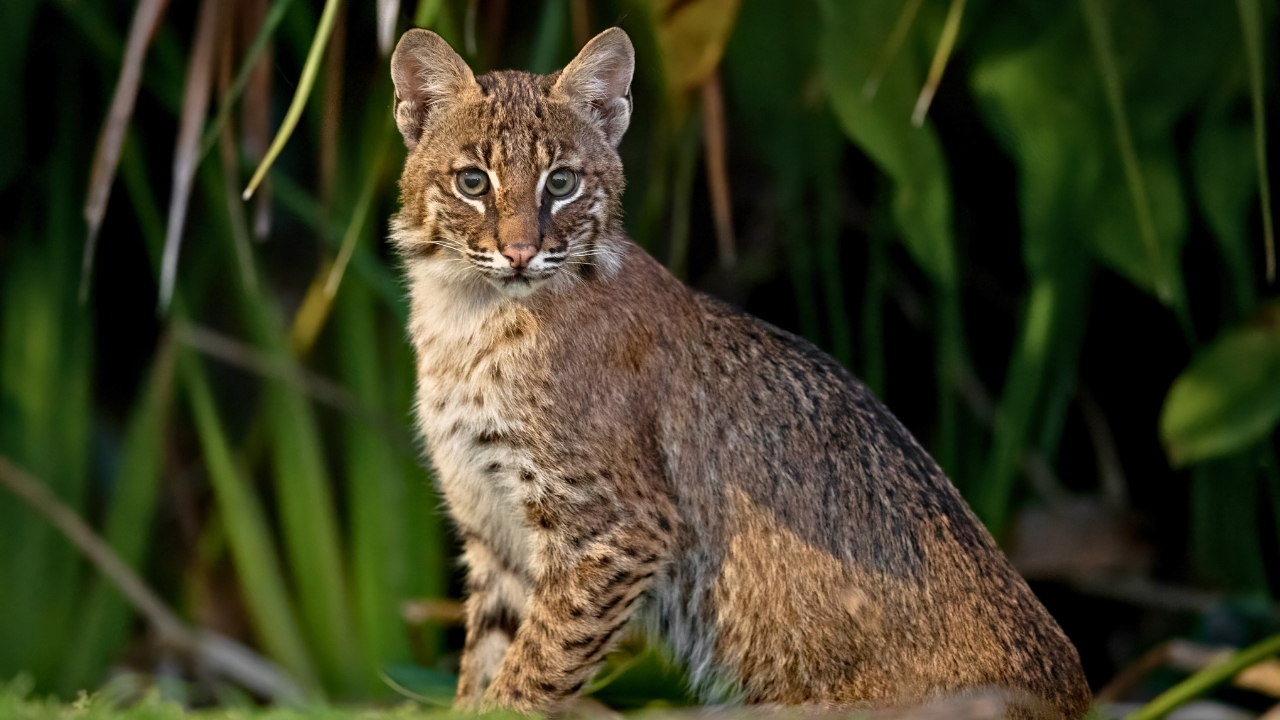
Missouri may talk less loudly about suburban bobcats than some other states, but its official language still points that way. The Missouri Department of Conservation says bobcats are highly adaptive and can inhabit many types of Missouri landscapes, including areas near urban developments.
That is a pretty telling phrase. Near urban development is not the same thing as deep timber. It suggests the species is comfortable working the margins where woods, glades, broken cover, and human growth meet. In Missouri, that can describe a lot more places than people think, especially around outer-ring development and mixed rural-suburban areas.
New Mexico

New Mexico earns a spot here because Albuquerque openly frames bobcats as part of city wildlife. The city’s Open Space department says residents have probably seen some of its urban wildlife in their backyards and lists bobcats among the animals that make Albuquerque home.
That is a good reminder that bobcats do not need lush forest suburbs to work near people. In dry-country cities, arroyos, open-space corridors, parks, and undeveloped edges can do the job just fine. When a city tells residents bobcats are among the animals they may be seeing around urban areas and backyards, that is a strong signal the overlap is already real.
North Carolina

North Carolina makes the list more on spread and abundance than on flashy suburban headlines. The state says bobcats are found in a wide range of habitats, and its wildlife profile notes that bobcat populations continue to increase and are now distributed throughout the state.
That matters because statewide distribution changes expectations. Once a species is broadly established across a fast-growing state, the odds go up that people will start encountering it in edge habitats near development, not just in remote pockets. North Carolina may not market the suburban angle as aggressively as some states, but the footprint is there for those near-neighborhood sightings to become less surprising.
Like The Avid Outdoorsman’s content? Subscribe to our newsletter so you never miss an article.
Here’s more from us: